
Android Mini PC Function
Android Mini PC Function: Core Capabilities, Applications and B2B Design
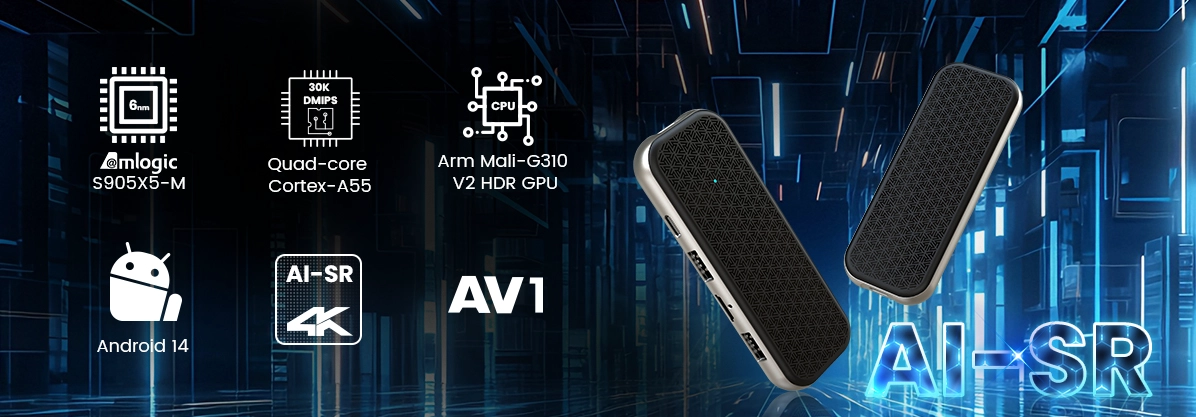
An Android Mini PC is no longer limited to basic app playback or lightweight home entertainment. New ARM SoCs combine multi-core CPU architectures, integrated GPUs, hardware 4K/8K video engines, and dedicated NPUs, allowing compact Android devices to handle digital signage, edge AI, industrial control, enterprise applications, and multimedia processing.
The practical question for B2B buyers is not simply what an Android Mini PC can run. It is what functions the hardware, operating system, firmware, connectivity, and thermal architecture can sustain continuously in the target environment.
What Are the Main Functions of an Android Mini PC?
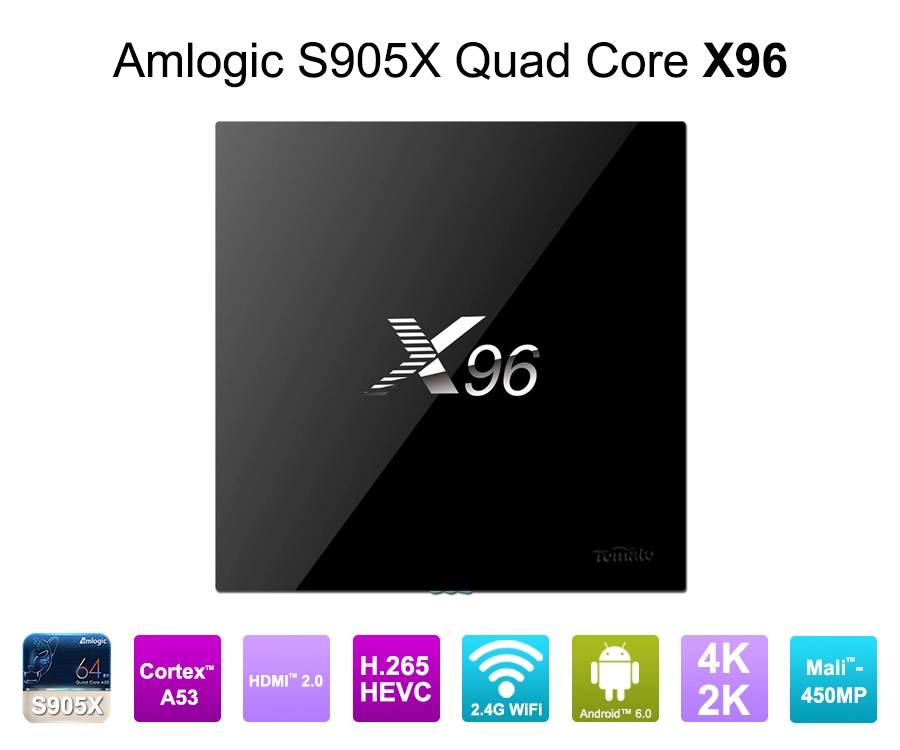
An Android Mini PC combines the functions of a small computer with Android's application ecosystem and an ARM-based embedded hardware platform. Its exact capabilities depend on the SoC, memory configuration, firmware, interfaces, and software stack.
1. Multimedia Processing and 4K/8K Playback
One of the primary functions of an Android Mini PC is hardware-accelerated multimedia processing.
Depending on the SoC, an Android Mini PC can support:
-
4K@60fps video playback
-
8K video decoding on selected high-performance platforms
-
H.264/AVC
-
H.265/HEVC
-
VP9
-
AV1
-
HDR video
-
Multi-channel audio
-
HDMI display output
Dedicated video decoder hardware is important because it removes much of the decoding workload from the CPU.
For commercial applications, buyers should examine the complete decoding pipeline rather than relying on a generic “4K Android Mini PC” label. Codec, bit depth, frame rate, HDR format, HDMI output, HDCP, memory bandwidth, and sustained thermal performance all affect actual playback results.
2. Digital Signage and Commercial Display
An Android Mini PC can function as a digital signage player connected to commercial displays.
Typical applications include:
-
Retail advertising
-
Corporate information screens
-
Transportation displays
-
Restaurant menus
-
Hotel information systems
-
Educational displays
-
Interactive kiosks
-
Digital billboards
The Android platform allows signage software, CMS clients, browsers, media players, and proprietary applications to run on the same device.
For multi-device deployments, the hardware should also support remote management and reliable OTA firmware updates.
A basic consumer Android Mini PC may work for a single display, but a commercial signage deployment requires a more controlled firmware architecture. Features such as kiosk mode, automatic application startup, watchdog functions, remote configuration, and restricted system access become operational requirements rather than optional features.
How Does an Android Mini PC Work as an Edge Computing Device?
The integration of NPUs into modern ARM SoCs has expanded the role of the Android Mini PC beyond display and entertainment.
1. Local AI Processing
Higher-performance Android Mini PC platforms can include dedicated NPU hardware for AI inference.
Depending on the SoC, this can support workloads such as:
-
Object detection
-
Face detection
-
Image classification
-
People counting
-
OCR
-
Video analytics
-
Industrial inspection
-
Voice processing
-
Smart retail analytics
Local processing can reduce dependence on cloud infrastructure and lower network bandwidth requirements.
For example, a retail analytics system can process camera data locally, generate people-counting results, and transmit metadata rather than continuously uploading raw video.
However, NPU TOPS should not be evaluated in isolation. AI performance also depends on memory bandwidth, supported frameworks, operator compatibility, quantization, thermal limits, and software optimization.
For B2B procurement, the correct question is whether the target AI model can run efficiently on the selected NPU—not whether the datasheet contains a high TOPS number.
2. Industrial and IoT Applications
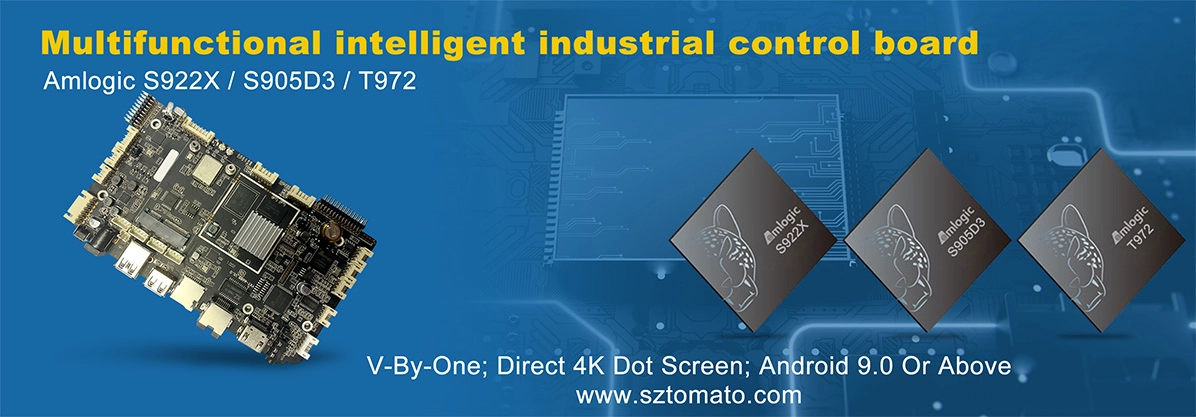
With appropriate I/O and firmware customization, an Android Mini PC can serve as an embedded computing controller.
Potential interfaces include:
-
USB
-
GPIO
-
UART
-
RS-232
-
RS-485
-
Ethernet
-
HDMI
-
MIPI interfaces
-
Camera interfaces
-
Bluetooth
-
Wi-Fi
These interfaces allow the platform to communicate with sensors, displays, cameras, industrial controllers, and peripheral equipment.
An OEM Android Mini PC can therefore become the computing core of a larger industrial system instead of operating as a standalone consumer computer.
Which Hardware Specifications Determine Android Mini PC Function?
The functions available on an Android Mini PC are directly connected to the underlying hardware architecture.
SoC and CPU
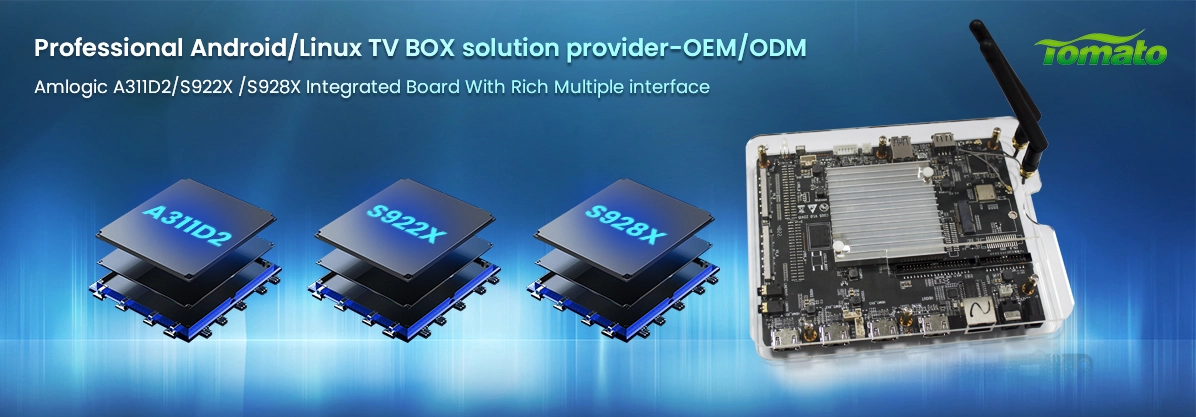
The SoC controls CPU performance, GPU acceleration, video processing, memory interfaces, display output, and often AI acceleration.
Common ARM CPU configurations include Cortex-A55, Cortex-A53, Cortex-A73, Cortex-A76, and mixed performance/efficiency core architectures.
For demanding commercial workloads, an octa-core architecture can provide more processing headroom than entry-level quad-core platforms.
But CPU core count alone is not enough.
A procurement specification should identify:
-
CPU architecture
-
Core configuration
-
Process technology
-
GPU
-
NPU capability
-
Video decoder
-
Video encoder
-
Display engine
-
Memory interface
-
Security architecture
RAM and Storage
Android Mini PC functions are also constrained by memory and storage.
Typical configurations include:
-
2GB RAM for basic applications
-
4GB RAM for general commercial workloads
-
8GB RAM or more for demanding multitasking and edge AI
Storage can be based on eMMC, UFS, microSD, or other interfaces depending on the platform.
For commercial products, storage selection should consider not only capacity but also endurance and firmware lifecycle.
A device running a browser, CMS client, local database, media cache, and monitoring service may require significantly more memory than a simple video playback terminal.
Why Firmware Determines the Real Function of an Android Mini PC
Hardware defines what is possible. Firmware determines how those capabilities are exposed to the application.
This distinction is critical for OEM projects.
Android and AOSP Customization
A standard Android image may be sufficient for general-purpose applications. Commercial deployments often require a customized AOSP or Android firmware image.
Possible modifications include:
-
Custom boot animation
-
Custom launcher
-
Branded UI/UX
-
Pre-installed APKs
-
Default application configuration
-
Kiosk mode
-
Device Owner APIs
-
Lock-task mode
-
Silent APK installation
-
Application auto-start
-
System permission management
-
Hardware key control
-
OTA update mechanisms
A custom launcher can restrict users to approved applications. Device Owner configuration can provide additional control over enterprise deployments.
This is particularly useful for digital signage, kiosks, hotel systems, education terminals, and industrial interfaces.
Linux Support
Android is not always the optimal operating system.
For engineering projects requiring open-source development, server-like services, embedded control, or specialized software, Linux can be a better choice.
Depending on the SoC and BSP, an Android Mini PC platform can be developed around:
-
Debian
-
Ubuntu
-
Armbian
-
Embedded Linux
Linux/Android kernel optimization can address device drivers, boot performance, peripheral support, power management, network functions, and hardware acceleration.
For system integrators, access to the BSP, SDK, kernel source where applicable, and driver development capability can be more important than the retail Android version printed on the product box.
How Can an Android Mini PC Be Customized for B2B Projects?
Off-the-shelf hardware becomes restrictive when the application requires specific interfaces, software, enclosure dimensions, or continuous operating conditions.
This is where OEM/ODM engineering becomes valuable.
PCBA Hardware Modification
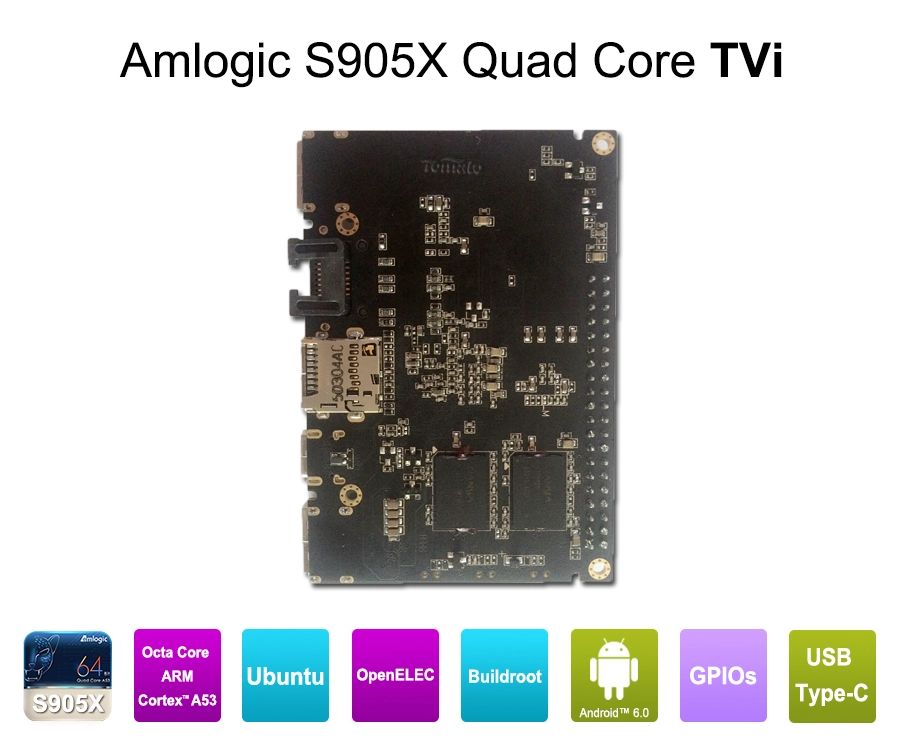
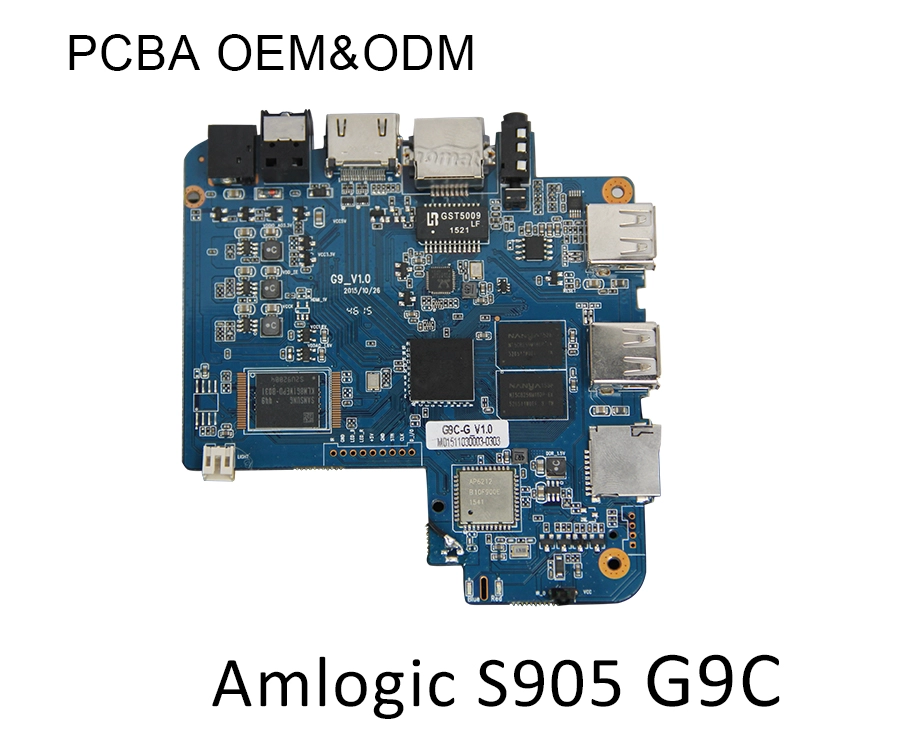
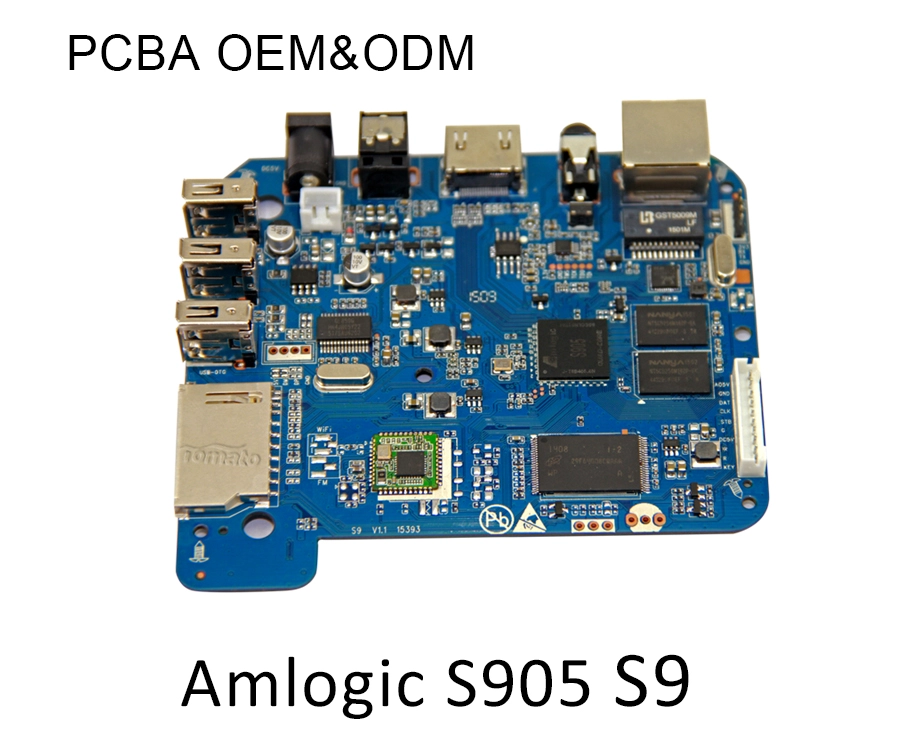
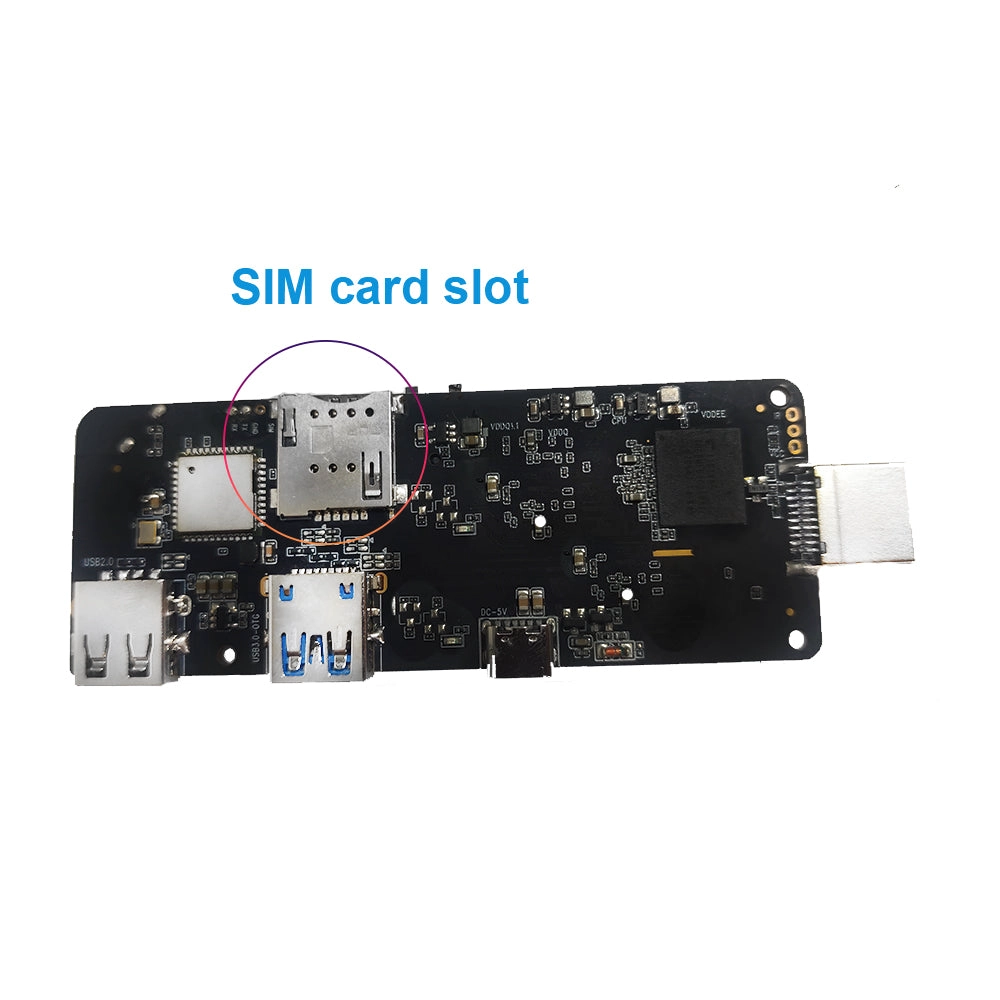
An experienced manufacturer can modify the PCBA to meet project-specific requirements.
Possible modifications include:
-
RAM and eMMC configuration
-
Ethernet
-
Wi-Fi and Bluetooth modules
-
USB ports
-
Serial interfaces
-
GPIO
-
HDMI
-
Power input
-
Connector locations
-
PCB dimensions
-
Peripheral controllers
PCBA layout must account for signal integrity, EMI, power distribution, RF performance, thermal zones, and mechanical constraints.
A custom PCBA can therefore solve problems that cannot be addressed through software alone.
SDK/API Integration
An Android Mini PC may need to communicate with external systems.
OEM engineering can integrate:
-
Digital signage CMS
-
IPTV middleware
-
Cloud platforms
-
Device-management systems
-
Enterprise applications
-
OTA platforms
-
AI frameworks
-
Industrial control software
-
Proprietary APIs
This integration should be planned during hardware selection because application requirements can influence CPU, RAM, storage, I/O, and operating-system choices.
Specialized Cooling
Thermal design becomes critical when an Android Mini PC operates continuously under high CPU, GPU, NPU, or video-processing loads.
Commercial and industrial products may require:
-
Larger passive heatsinks
-
Improved thermal interface materials
-
Optimized enclosure ventilation
-
Heat-spreading structures
-
Custom PCBA thermal layouts
-
Active cooling where appropriate
A device that performs well for a short benchmark may not deliver the same performance after hours of continuous operation.
Thermal throttling can reduce CPU/GPU frequency, affect AI inference, interrupt video playback, and shorten component life.
For industrial deployments, cooling should therefore be treated as part of the system architecture.
Android Mini PC Functions by Application
Different markets prioritize different functions.
| Application | Key Android Mini PC Functions |
|---|---|
| Digital Signage | 4K playback, CMS, kiosk mode, OTA |
| Smart Retail | AI analytics, camera processing, Wi-Fi/Ethernet |
| Hotel TV | Custom UI, streaming, casting, remote management |
| Industrial | GPIO, serial communication, Linux/Android, thermal stability |
| Education | Interactive applications, display output, wireless connectivity |
| Enterprise | Secure firmware, device management, kiosk control |
| Edge AI | NPU acceleration, camera input, local inference |
| Smart Home | Wi-Fi, Bluetooth, multimedia, application integration |
This application-driven approach produces a more accurate product specification than simply comparing CPU frequency or RAM.
What Should B2B Buyers Check Before Selecting an Android Mini PC?
Procurement managers and system integrators should request detailed technical information covering both hardware and software.
At minimum, evaluate:
-
Exact SoC model
-
CPU/GPU architecture
-
NPU capability and supported AI frameworks
-
Hardware video decoding and encoding
-
AV1/H.265/VP9 support
-
Maximum display resolution and refresh rate
-
HDMI and HDCP capabilities
-
RAM type and capacity
-
eMMC/UFS/storage configuration
-
Ethernet and Wi-Fi specifications
-
USB and industrial I/O
-
Android/AOSP or Linux support
-
BSP and SDK availability
-
Kernel and driver customization
-
OTA update architecture
-
Device-management support
-
PCBA modification capability
-
Thermal design for continuous operation
-
Firmware maintenance lifecycle
-
OEM/ODM development capability
The supplier's engineering response to these points provides a much better indication of project suitability than a retail product datasheet.
Conclusion: Define the Function Before Selecting the Android Mini PC
The Android Mini PC has evolved into a compact ARM computing platform capable of multimedia playback, digital signage, enterprise applications, edge AI, industrial control, and IoT integration.
Its actual function depends on the complete architecture: SoC, CPU/GPU/NPU, memory, storage, codec engine, connectivity, operating system, firmware, interfaces, thermal design, and software integration.
For B2B projects, the strongest solution is rarely the device with the highest headline specification. It is the platform that can be adapted to the customer's application and maintained throughout the product lifecycle.
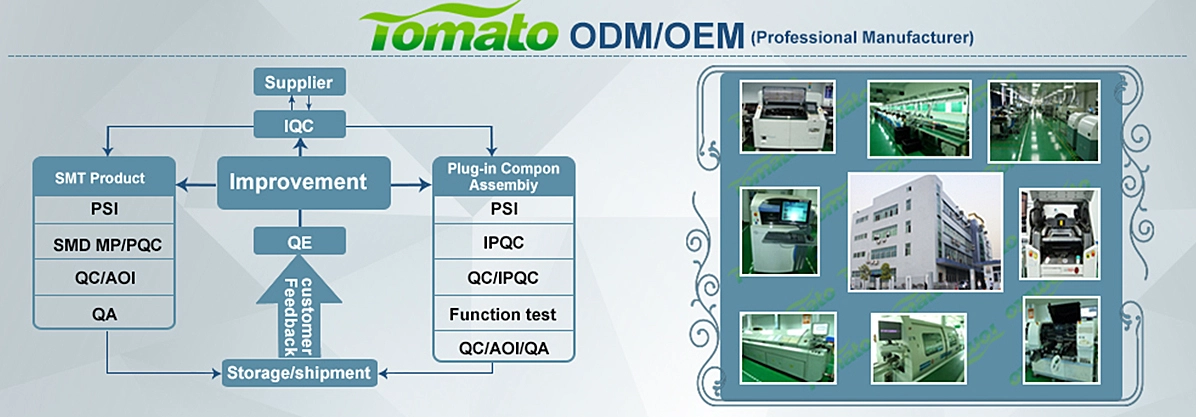
SZTomato supports this engineering model through PCBA hardware modification, SDK/API integration, custom Android/AOSP and Linux firmware, UI/UX development, OTA systems, kernel optimization, and specialized cooling solutions.
For procurement managers and system integrators developing digital signage, industrial computing, AI edge, hotel TV, smart retail, or enterprise products, define the required functions first. Then select and engineer the Android Mini PC around those requirements.
