
Android TV Box vs Google TV Box
The modern streaming media landscape often uses the terms Android TV Box and Google TV Box interchangeably, leading to significant confusion among end-users and, more critically, among B2B system integrators and distributors planning bulk purchases. While both operating systems are fundamentally built on Android, their divergence in licensing, user interface, and customization constraints makes the choice between them a fundamental strategic decision for any OEM project.
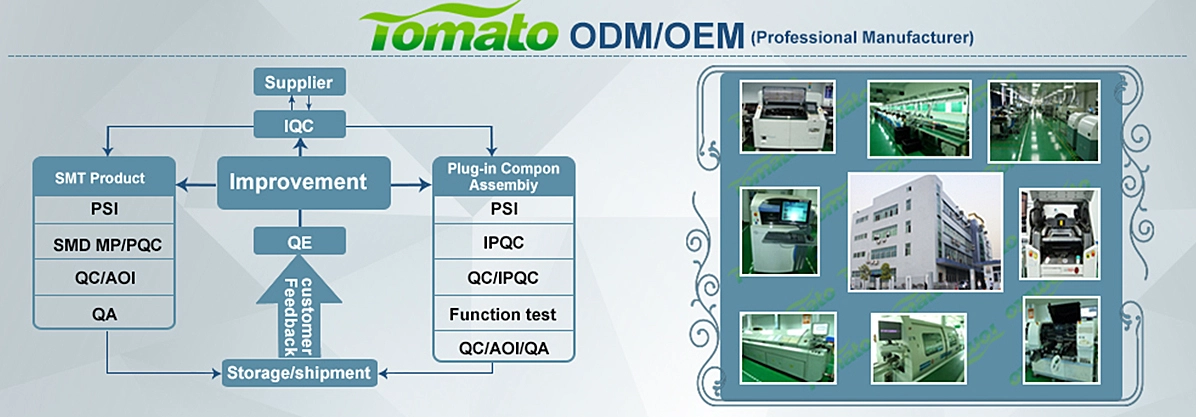
As specialists in providing highly customized OEM TV Box solutions, we at SZTomato guide clients through this distinction, emphasizing that control and flexibility—the hallmarks of a successful B2B deployment—are heavily influenced by the underlying platform.
Understanding the Core Difference: Android TV vs. Google TV
The essential difference lies in the level of Google integration and the resulting user experience (UX) mandates.
The Custom Control: Where Android TV (AOSP) Dominates
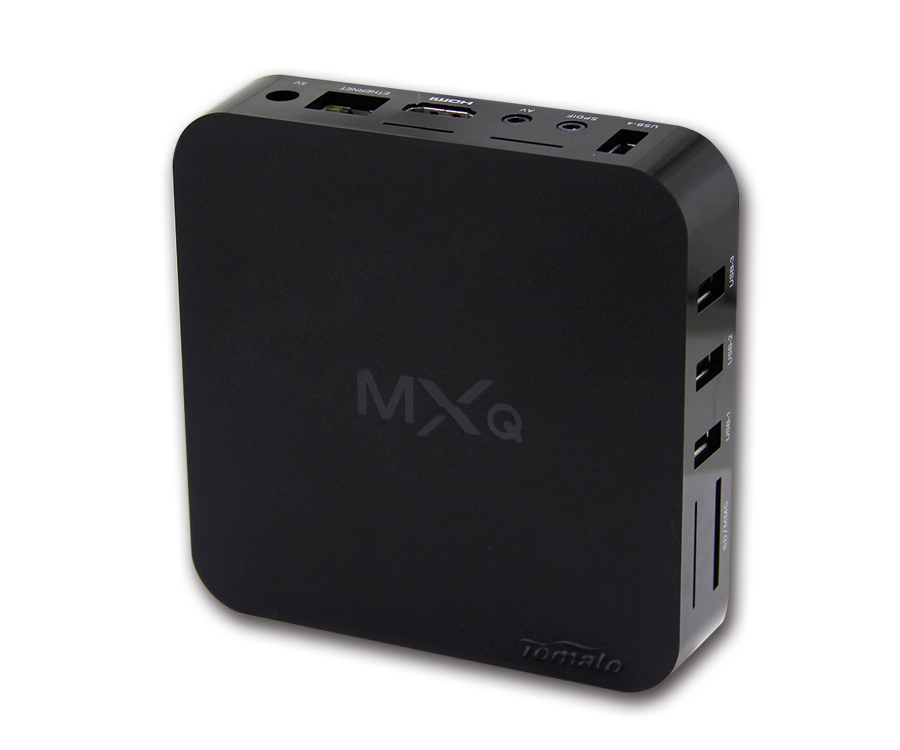
When industry professionals refer to an Android TV Box in the context of customization, they typically mean a device running the Android Open Source Project (AOSP) or a robust AOSP fork.
-
Maximum Flexibility: AOSP is an open-source framework that allows manufacturers and integrators to perform deep kernel and firmware modifications.
-
Custom UI: The interface is fully replaceable. Integrators can design a proprietary, locked-down launcher tailored for a single commercial function (e.g., a hotel's IPTV menu, a corporate video conferencing portal, or a dedicated digital signage application).
-
No GMS Requirement: These devices do not require Google Mobile Services (GMS) certification, bypassing the associated costs, mandatory apps, and strict UI requirements. This is the Android TV Box of choice for OEM projects where branding and security lockdown are paramount.
The Consumer Focus: Where Google TV Excels
Google TV Box is a consumer-focused experience built on GMS-certified Android TV.
-
Deep Personalization: Google TV’s defining feature is its highly personalized, content-centric home screen, driven by Google's powerful recommendation engine and Assistant integration.
-
Mandatory UX: The user interface is strictly controlled by Google. Manufacturers cannot make significant changes to the look, feel, or flow of the UI. This is excellent for consumer consistency but disastrous for commercial branding.
-
Full Google Services: It includes immediate, built-in access to the Google Play Store, Google Assistant, and Google Search, requiring adherence to all GMS licensing agreements.
The Critical B2B Factor: Licensing, Control, and Custom Firmware
For a commercial deployment of thousands of devices, the operational differences between the two platforms become stark strategic distinctions.
Branding and User Interface Lockdown
In B2B applications—particularly hospitality, health care, or retail—the OEM TV Box must serve as a branded conduit for the client’s service, not a showcase for Google’s ecosystem.
-
Google TV: The required Google Home screen and mandated placement of Google services (like YouTube) severely limit branding and the ability to force the device to boot directly into a proprietary application. This makes it challenging to use for dedicated functions like digital signage.
-
Android TV (AOSP): With an AOSP-based Android TV Box, SZTomato engineers custom firmware that automatically launches the client’s proprietary app upon boot-up, restricts user access to settings, and removes any unnecessary consumer bloatware. This system lockdown is essential for stability and security.
Cost, Complexity, and Certification
The GMS certification required for any Google TV Box adds layers of complexity and cost to the supply chain.
-
GMS Requirements: GMS certification involves passing stringent compatibility tests, which can slow down the development lifecycle and restrict hardware choices. The manufacturer must pay licensing fees and adhere to Google’s hardware and software specifications.
-
AOSP Freedom: Utilizing AOSP for an OEM TV Box eliminates the GMS overhead entirely. This translates directly into faster development cycles, lower per-unit cost for bulk orders, and the freedom to select specific chipsets (like specialized Rockchip SoCs) optimized for industrial I/O rather than consumer media needs.
SZTomato’s Strategic Choice: Delivering the Right Platform for Your OEM Project
For the majority of system integrators seeking a robust, scalable, and highly brandable B2B media player solution, the flexibility of the AOSP-based Android TV Box is unparalleled.
At SZTomato, our expertise is focused on mastering the AOSP framework to deliver precise ODM solutions. We don't push one platform over another; we partner with you to determine the optimal strategic fit:
-
Custom Firmware Development: We control the source code to provide kernel-level modifications, ensuring maximum security and guaranteed stability for your proprietary applications.
-
Hardware Alignment: We match the CPU Platform (e.g., Amlogic for pure streaming, Rockchip for industrial integration) with the AOSP firmware to create a purpose-built, highly efficient device, rather than a consumer device repurposed for commercial use.
-
Compliance and Control: We deliver a device that gives you, the integrator, full control over the user experience, content delivery, and remote management—critical components of any successful B2B media solutions deployment.
Don't let platform confusion compromise your project's integrity. Partner with SZTomato to leverage the power of a customized Android TV Box built for your exact commercial needs.
