
Are Internet TV Box worth it?
For a B2B procurement officer or a telecom operator, the question isn't whether an Internet TV Box is "worth it" for watching Netflix—it’s whether the hardware represents a scalable, reliable, and brandable asset that yields a high Return on Investment (ROI). In a market saturated with low-grade consumer hardware, the "worth" of a device is measured by its failure rate, its firmware flexibility, and its ability to integrate into a proprietary ecosystem.
1. Decoding the ROI: Hardware Longevity vs. Unit Cost
The primary trap in the Internet TV Box sector is prioritizing the lowest Bill of Materials (BOM). While a $20 unit looks attractive on a spreadsheet, the Total Cost of Ownership (TCO) skyrockets when you factor in a 5%–10% RMA rate and consumer-grade thermal throttling.
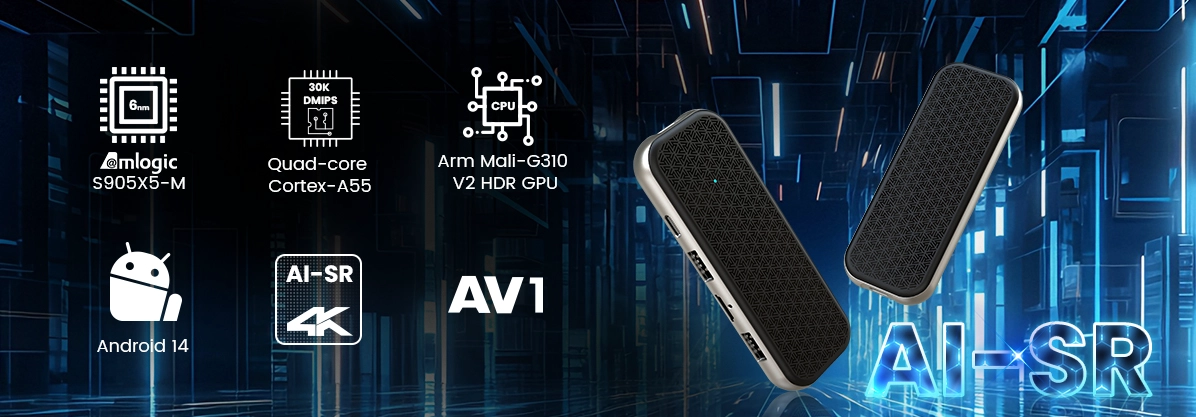
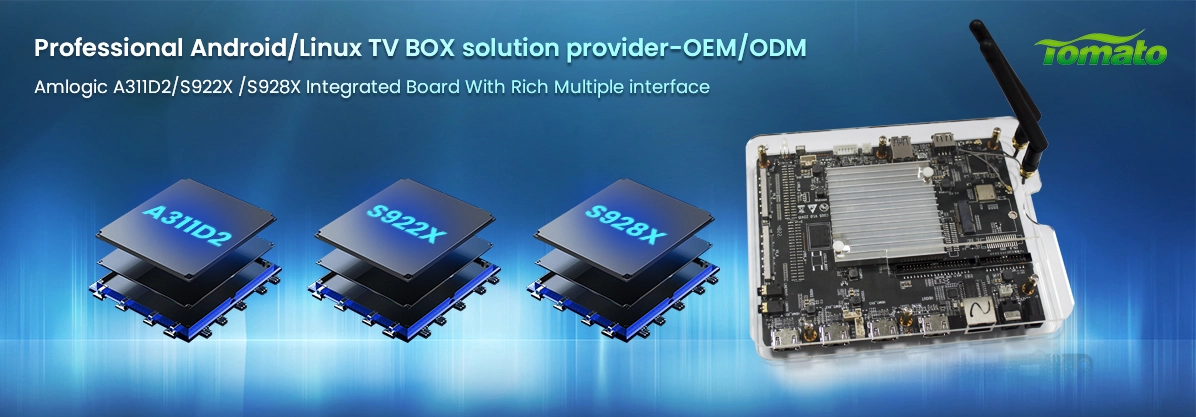
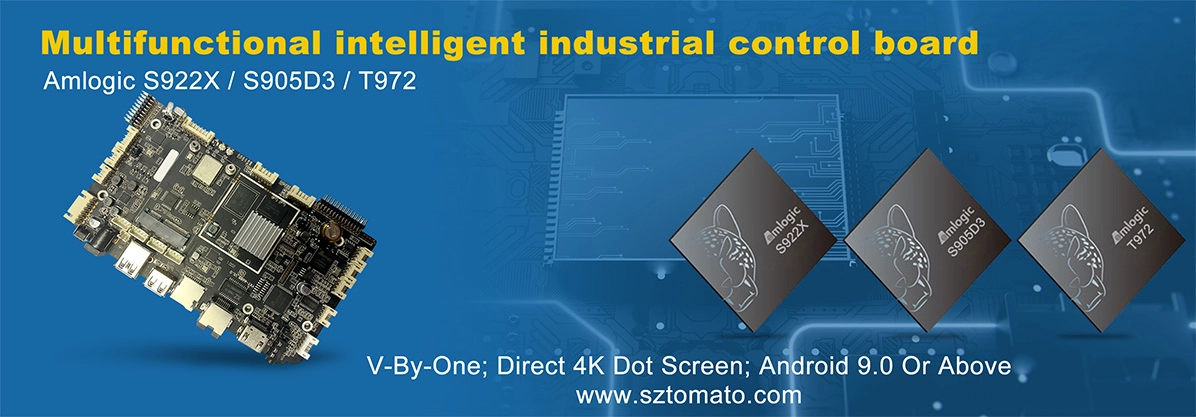
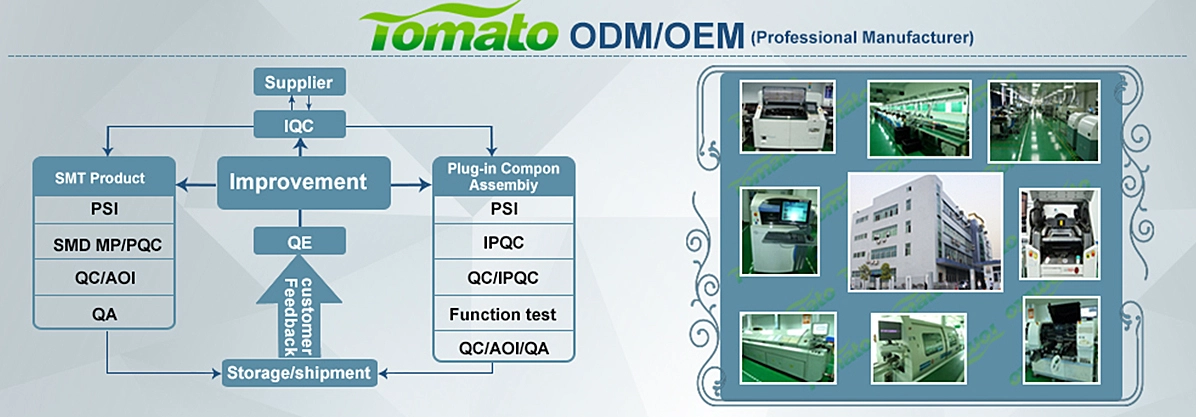
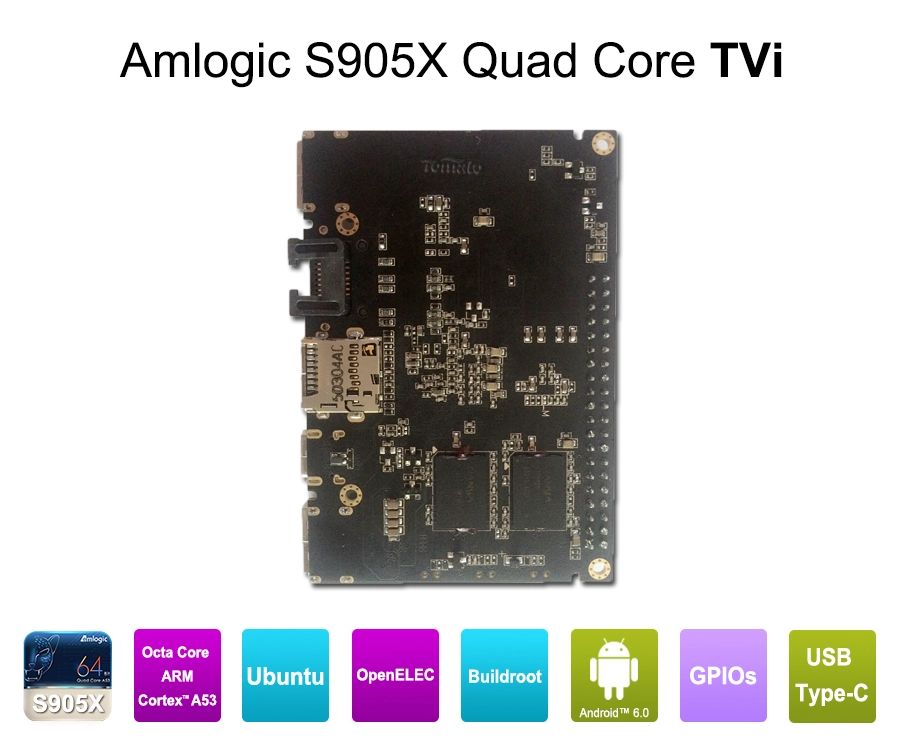
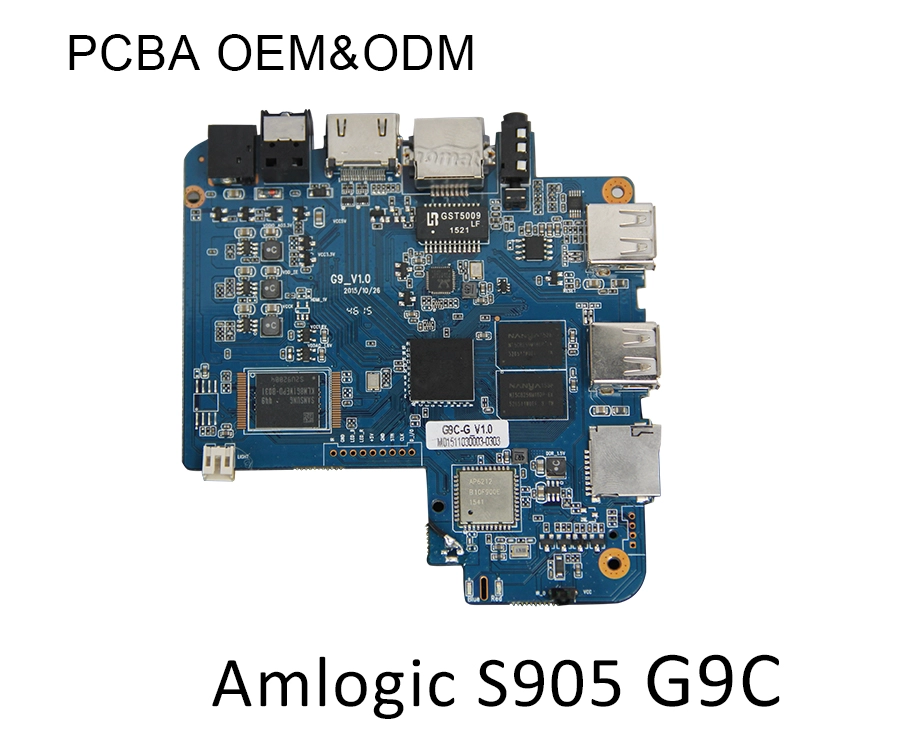
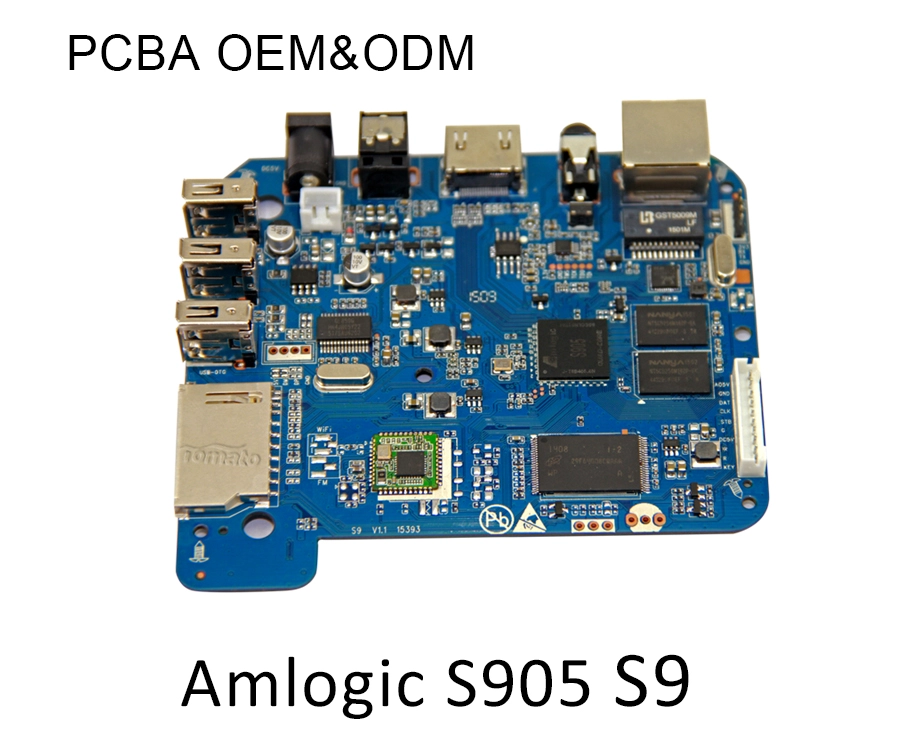
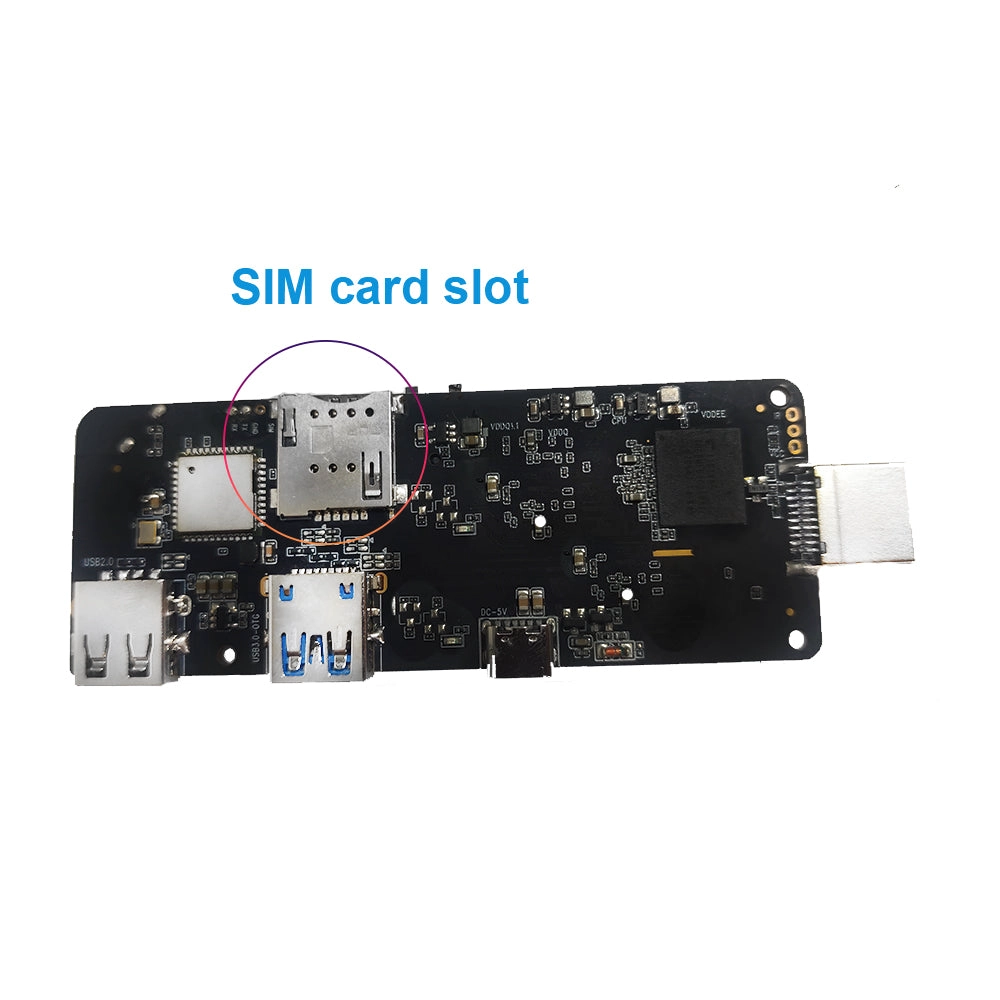
A high-value Internet TV Box is defined by its SoC (System on Chip) lifecycle and PCBA (Printed Circuit Board Assembly) engineering. Utilizing Amlogic S905X4 or Rockchip RK3588 processors isn't just about speed; it’s about codec support (like AV1) and thermal efficiency. At SZTomato, we focus on industrial-grade PCBA layouts that ensure 24/7 stability for hospitality or digital signage. If the hardware can’t survive three years of continuous operation, it isn't worth the investment, regardless of the initial price point.
2. Firmware Autonomy: The Difference Between a Product and a Platform
For service providers, a locked "out-of-the-box" UI is a liability. An Internet TV Box is only worth the investment if it allows for deep firmware-level customization. Commercial deployments require:
-
Custom Boot Animations and Launchers: Immediate brand reinforcement from the moment the device powers on.
-
Pre-installed Middleware: Seamless integration of IPTV/OTT apps without user intervention.
-
Privileged App Access: The ability to push silent updates and manage devices remotely via MDM (Mobile Device Management).
Our R&D team at SZTomato specializes in kernel-level modifications. By stripping away standard Android bloatware and optimizing the OS for specific hardware, we provide our partners with a lean, stable platform that reduces customer support tickets and improves user retention.
3. Creating Brand Equity through OEM/ODM Customization
In a competitive distribution landscape, selling a generic "black box" leads to a race to the bottom on price. An Internet TV Box becomes a high-margin asset when it is transformed into a proprietary brand.
True customization goes beyond a silk-screened logo. It involves:
-
Hardware Modifications: Adding specific I/O ports (e.g., Optical, specialized USB, or PoE) to meet niche project requirements.
-
Packaging and Industrial Design: Engineering bespoke retail packaging and housing molds that reflect a premium brand identity. SZTomato’s vertically integrated manufacturing allows us to execute these modifications at low MOQs, enabling distributors to compete with tier-one brands without the typical R&D overhead.
4. Future-Proofing with DRM and Security
Is an Internet TV Box worth it if it can’t stream high-definition content from premium providers? Without Widevine L1 or PlayReady DRM, your hardware is restricted to standard definition on major platforms. B2B buyers must ensure their supplier has the engineering pedigree to handle these security integrations. Furthermore, reliable OTA (Over-The-Air) update support is critical. A device that cannot be patched against new security vulnerabilities is a ticking time bomb for your network integrity.
Conclusion: The Strategic Choice
An Internet TV Box is worth the investment only when it serves as a reliable vehicle for your services. Cheap, generic hardware is a liability; engineered, customizable platforms are an asset.
Ready to deploy a device that protects your margins? Contact the engineering team at SZTomato today. We specialize in transforming high-performance hardware into your proprietary Internet TV Box solution, backed by 15 years of OEM/ODM expertise.
