
Best chipsets for Google TV Box projects
Selecting the wrong System-on-Chip (SoC) for a commercial media deployment directly translates to UI latency, thermal throttling, and failed DRM certifications. When specifying hardware for an enterprise-grade Google TV Box, B2B procurement teams must look beyond basic CPU clock speeds. A successful deployment requires analyzing AV1 hardware decoding capabilities, Thermal Design Power (TDP), and the manufacturer's capacity for deep system-level integration.
The Amlogic Standard: S905X4 and Next-Gen Silicon
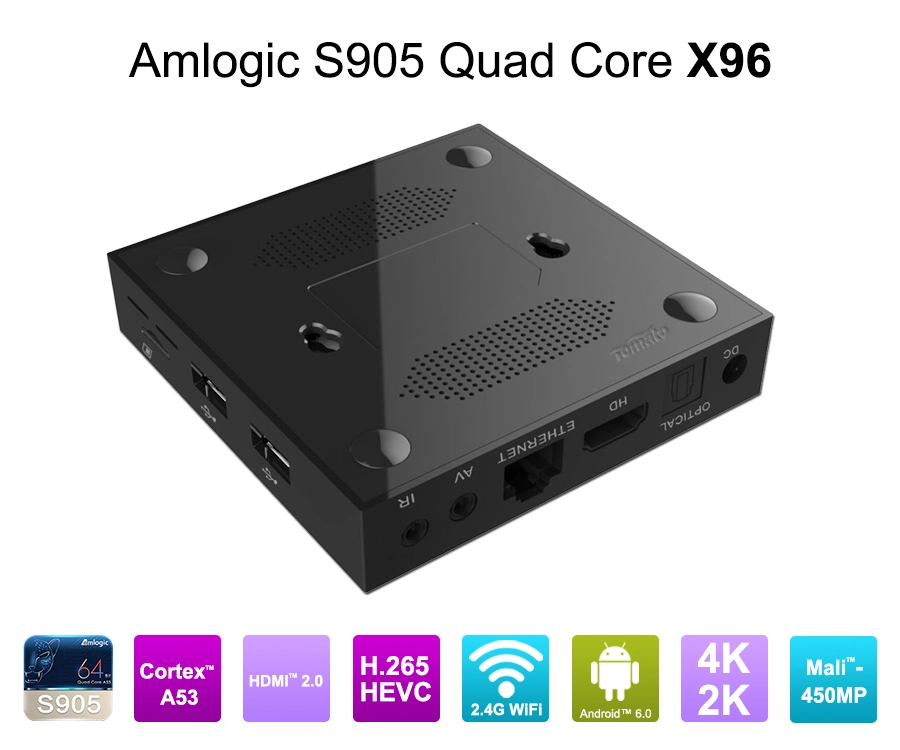
In the current streaming hardware landscape, Amlogic architectures dictate the market standard. For a compliant Google TV Box, native AV1 decoding is mandatory to meet modern bandwidth efficiency requirements set by major OTT platforms.
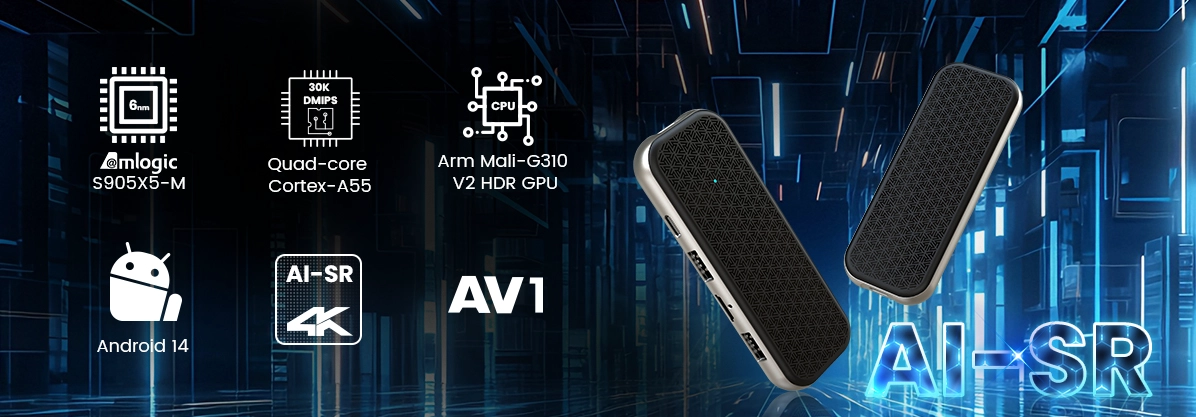
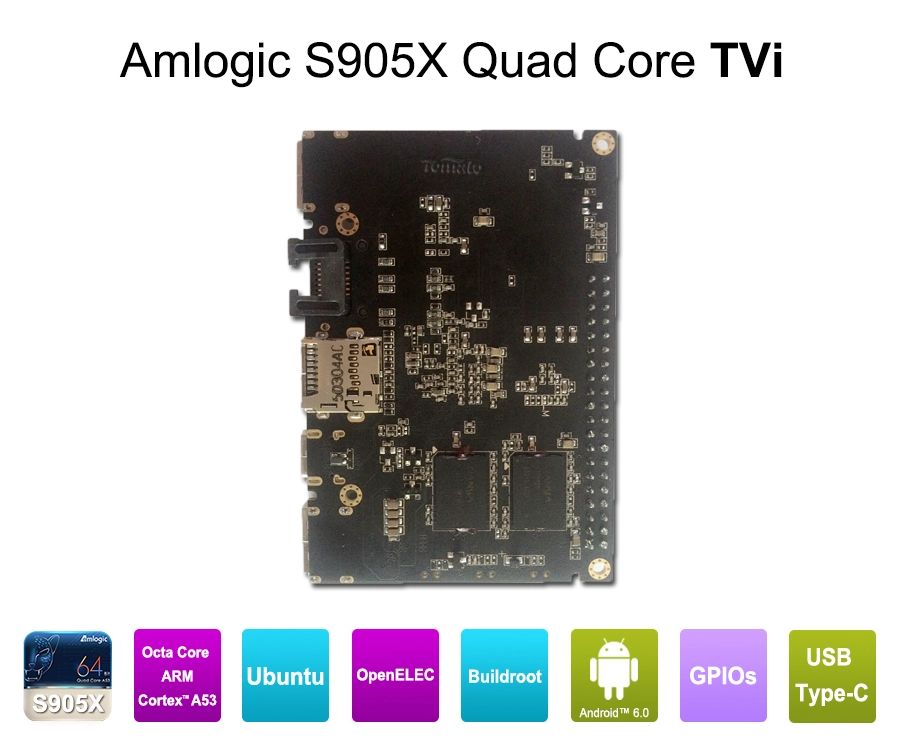
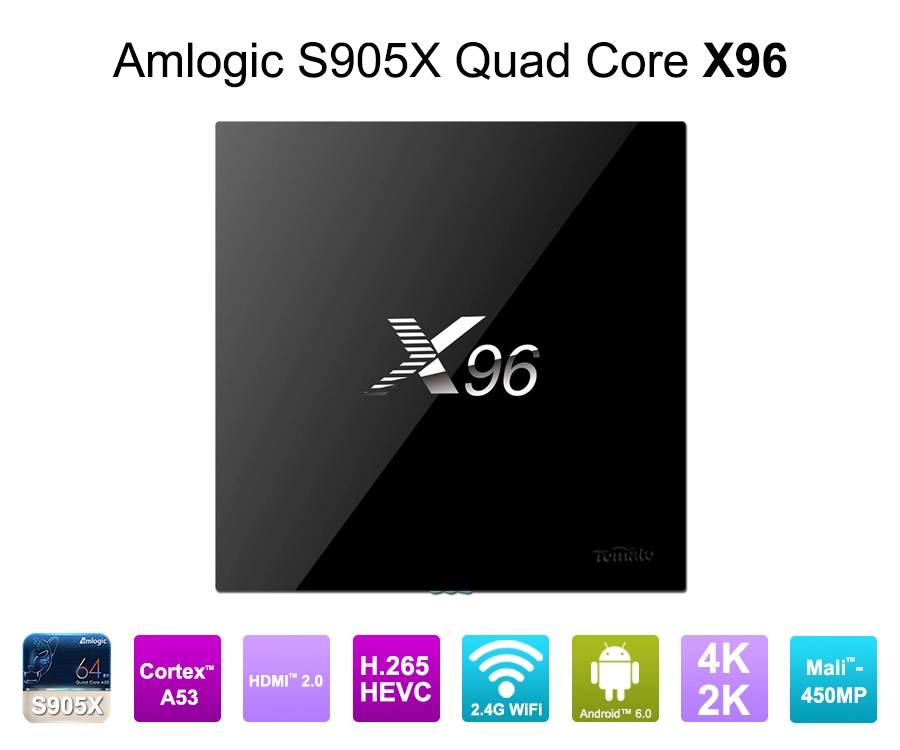
The Amlogic S905X4 (and its successors) provides the optimal balance of cost-to-performance for B2B deployments. It natively supports 4K@60fps AV1 processing, ensuring high-fidelity playback without maxing out CPU resources. However, procuring Amlogic silicon is only the baseline; the true differentiator lies in how that chipset is engineered onto the board.
PCBA Layout: Engineering for 24/7 Commercial Environments
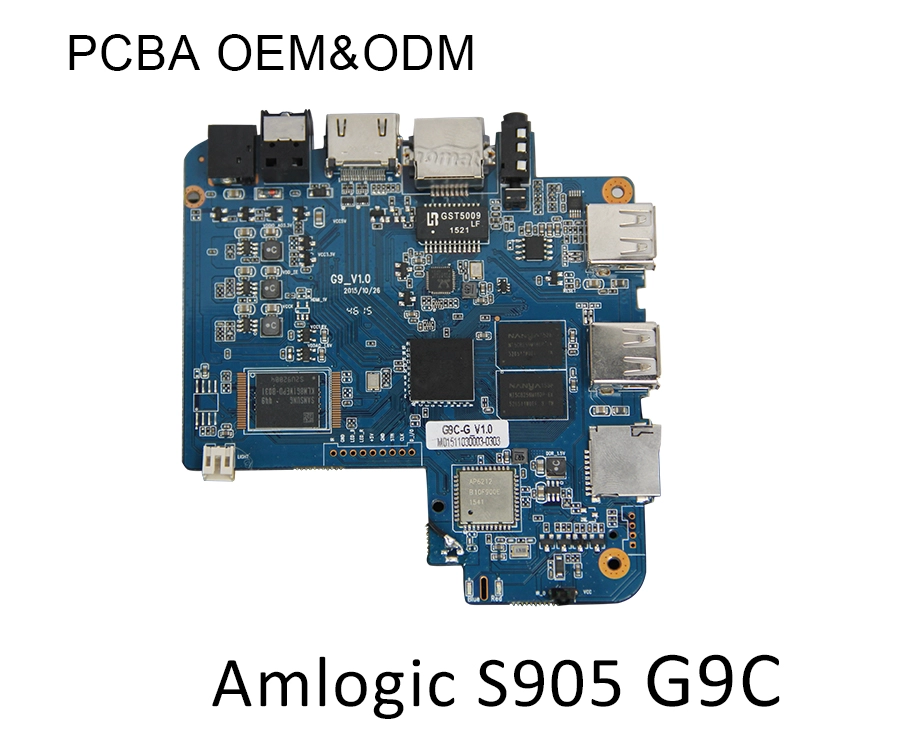
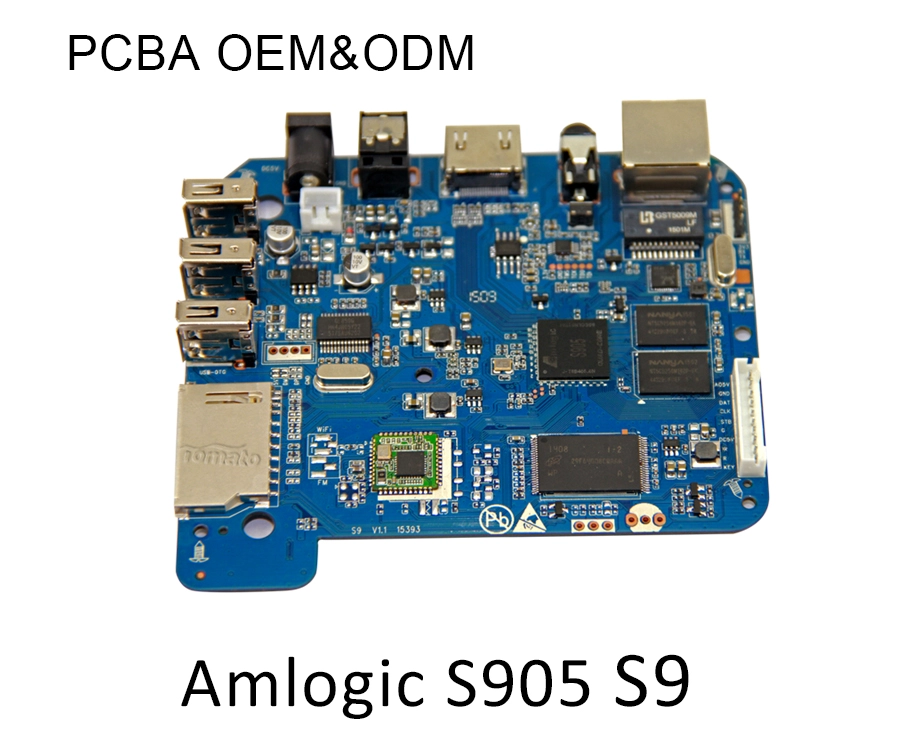
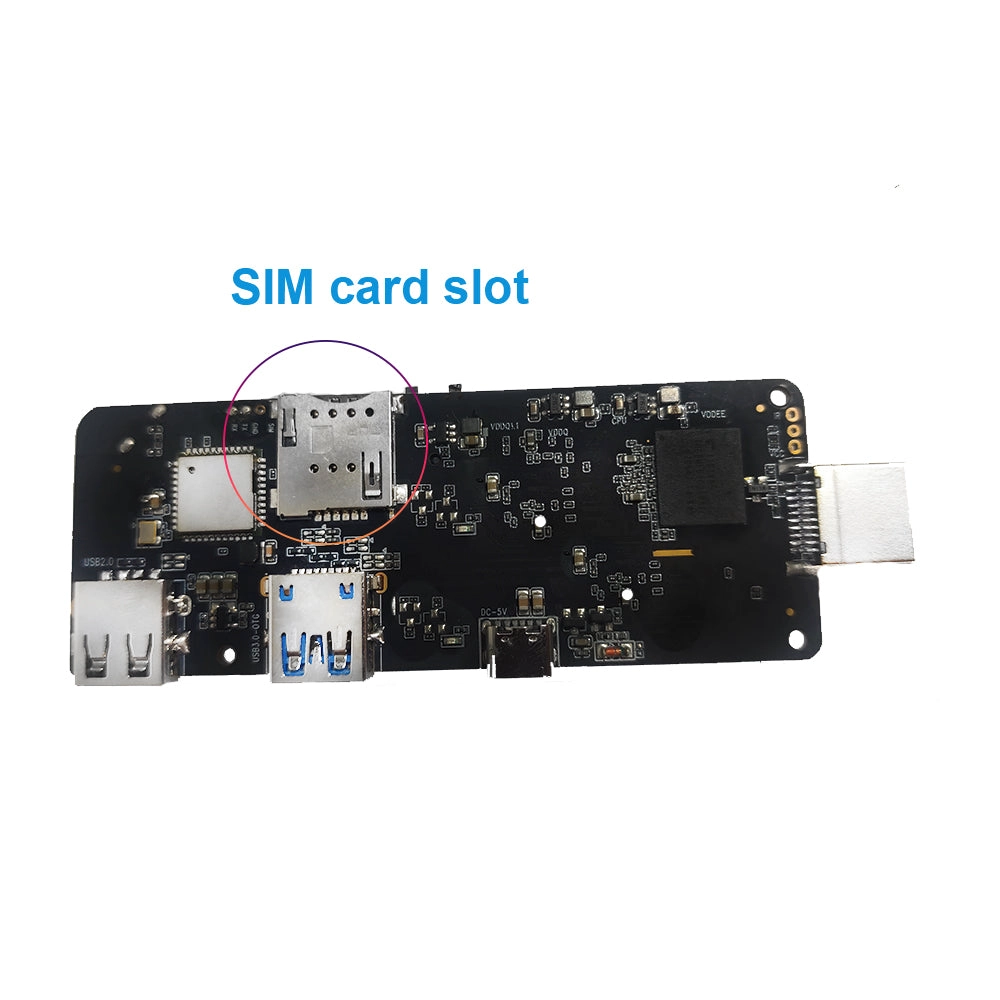
A raw chipset fails under commercial stress without a meticulously engineered Printed Circuit Board Assembly (PCBA). Standard consumer reference boards overheat when tasked with continuous digital signage or hotel IPTV playback.
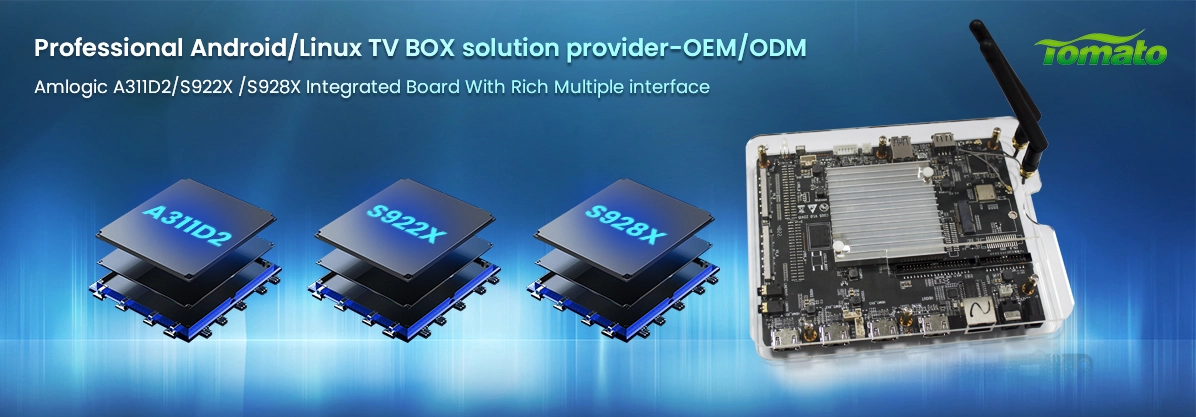
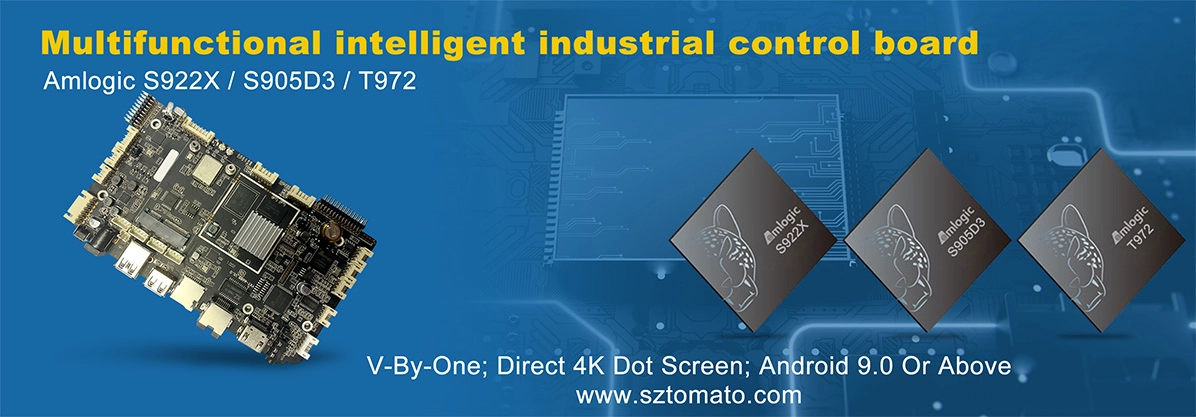
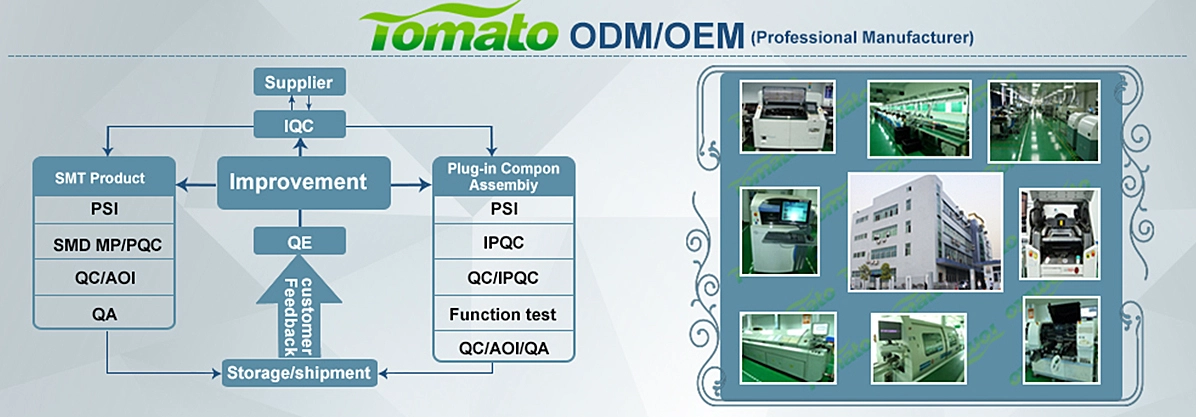
This is where SZTomato bridges the gap between raw silicon and enterprise reliability. Rather than utilizing generic factory molds, SZTomato operates as a Tier-1 ODM, executing custom PCBA modifications. Whether your Google TV Box project requires integrating industrial RS232 ports for legacy control systems, adding Gigabit Ethernet PHYs, or designing custom thermal sinks for zero-airflow enclosures, SZTomato's hardware engineering ensures maximum SoC efficiency and hardware longevity.
Firmware Mastery and DRM Integration
Hardware accounts for only half of the ecosystem. A functional Google TV Box requires rigorous firmware tuning to secure essential licensing, including Widevine L1 and PlayReady DRM, which are strictly required for HD streaming on platforms like Netflix and Prime Video.
Off-the-shelf devices run bloated, rigid operating systems. SZTomato’s independent software R&D division provides bare-metal firmware development. By unlocking root access protocols (when necessary for specific B2B applications) and building secure, private Over-The-Air (OTA) update servers, they guarantee your device fleet remains secure and optimized. Furthermore, SZTomato engineers custom Launcher UIs to lock users into your proprietary content ecosystem the moment the device boots.
The Complete OEM Hardware Lifecycle
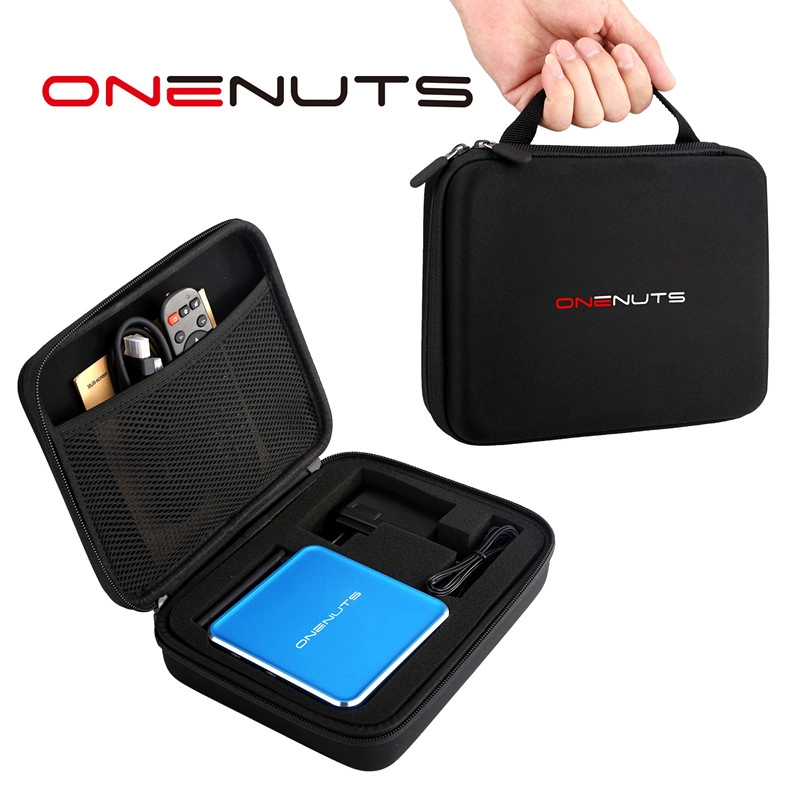
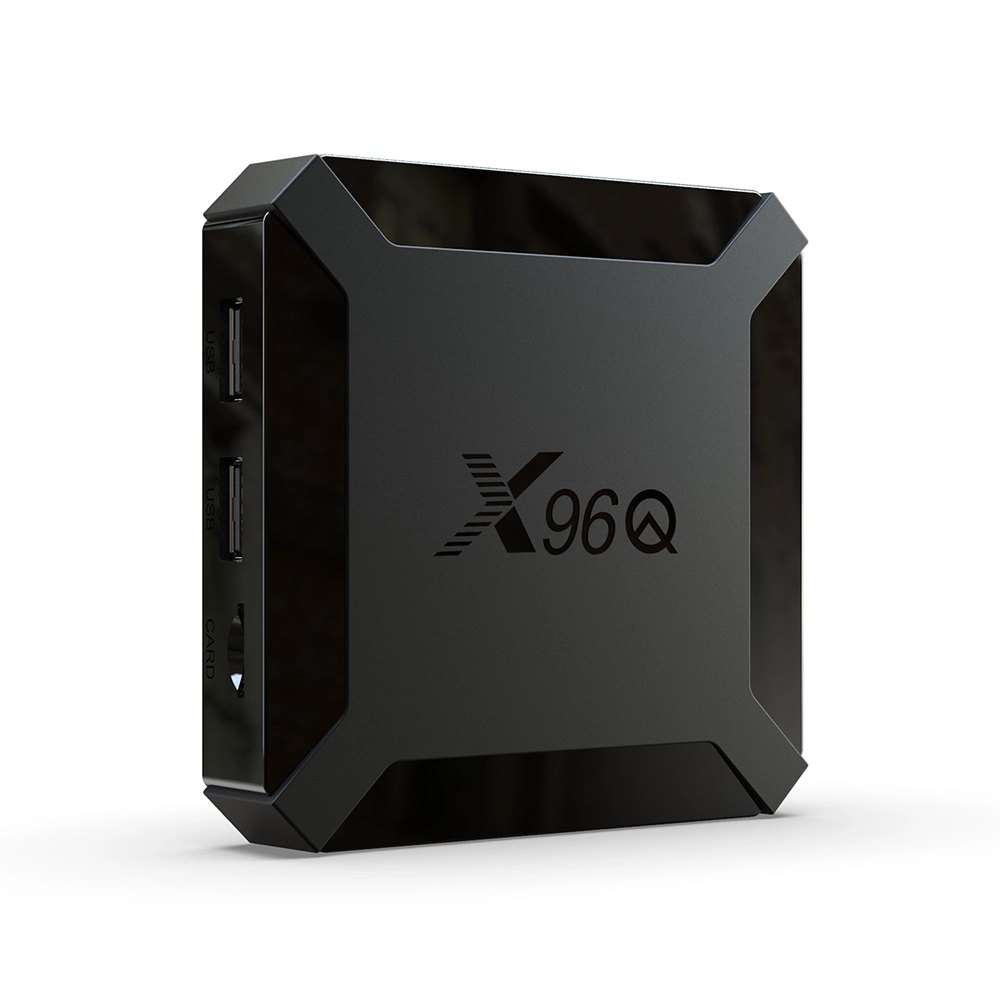
A premium SoC deserves a premium physical presence. Delivering a white-labeled, generic casing damages brand equity before the device is even plugged in. SZTomato closes the manufacturing loop by providing comprehensive OEM packaging customization. From custom tooling for physical enclosures and silk-screening distinct brand logos onto Bluetooth voice remotes, to localized eco-friendly packaging, every physical touchpoint is curated.
Stop sacrificing margin and brand integrity on generic consumer hardware. If you are architecting a scalable media deployment, visit www.sztomato.com today to connect with our senior engineering team and build a customized, high-performance Google TV Box tailored exactly to your commercial specifications.
