
Can Android TV Box be Customized for OEM projects?
In the fast-paced ecosystem of digital display technology, reliance on generic consumer electronics is a recipe for integration failure. For system integrators (SIs), distributors, and Value-Added Resellers (VARs) who cater to vertical markets like hospitality, digital signage, education, or specialized telecommunications, the question isn't whether a device works, but whether it can be made to work specifically for their unique environment.
The answer to the leading question, "Can Android TV Box be Customized for OEM projects?" is a resounding and emphatic yes.
As seasoned experts in the Android TV Box OEM sector, we at SZTomato recognize that successful deployment hinges entirely on strategic customization. It’s not simply about branding; it’s about engineering a product that is functionally and securely locked into the client's proprietary ecosystem. This article will dissect the essential layers of Android TV Box customization and illuminate the partnership required to turn a bulk product into a powerful, bespoke solution.
The Definitive Answer: Why Custom Android TV Box OEM is a Necessity, Not a Luxury
The commercial viability of any large-scale Android TV Box deployment—be it 500 units for a hotel chain or 5,000 units for a global retailer’s point-of-sale displays—depends on consistency, stability, and control. Generic boxes fail these tests because:
-
Bloatware and Unnecessary Features: Consumer firmware includes apps and settings that clutter the system and introduce security risks in a commercial environment.
-
Lack of Remote Control: Businesses need centralized management tools (MDM), which are typically incompatible with standard consumer devices.
-
Hardware Inconsistencies: Over time, manufacturers often swap out internal components (Wi-Fi modules, memory chips) in consumer models, leading to version control nightmares for the SI.
True Android TV Box customization for OEM projects addresses all these pain points by offering a stable, singular SKU that can be confidently rolled out globally.
Deep Dive into Android TV Box Customization Layers
A successful OEM project requires mastery over three distinct levels of product modification, spanning the physical interface to the code running deep in the kernel.
Level 1: Exterior and Branding (The OEM Basics)
This is the most visible level of customization, but its importance should not be underestimated in market differentiation.
-
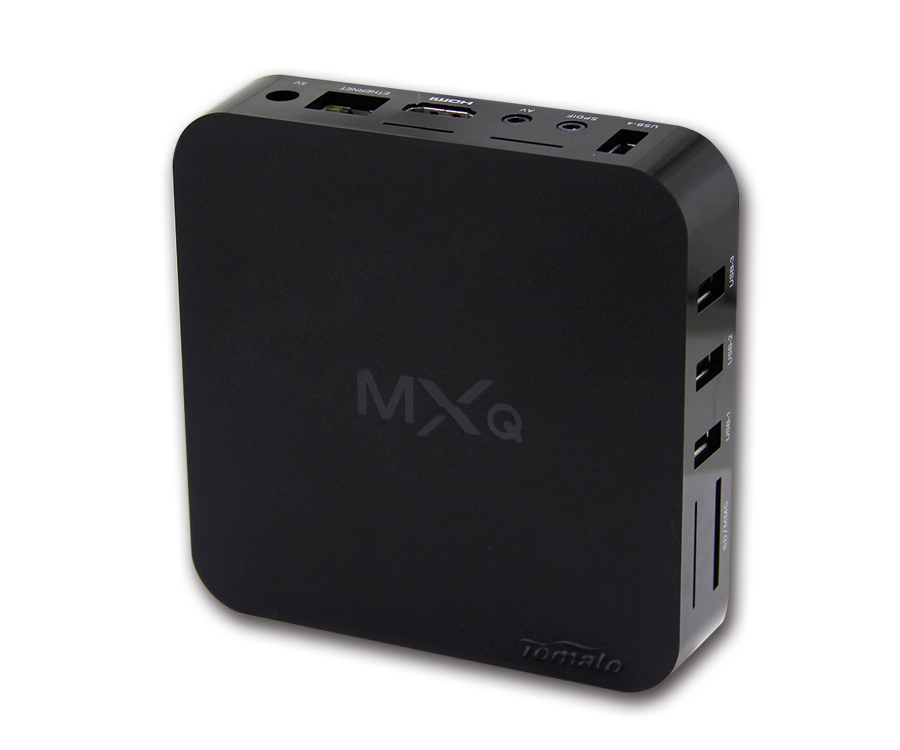
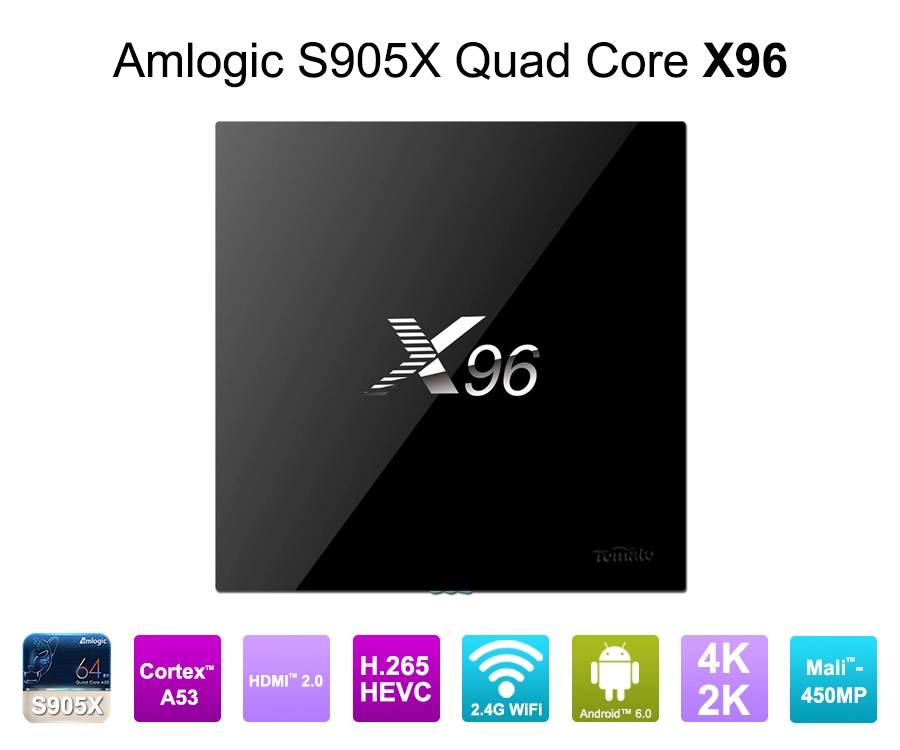
Custom Casing and ID Design: Moving beyond standard black boxes. This can involve specialized venting for industrial use or unique forms to fit behind specific screens.
-
Branding & Logo Integration: Precise placement of the client's logo on the device, the remote control, the HDMI cable, and the power adapter.
-
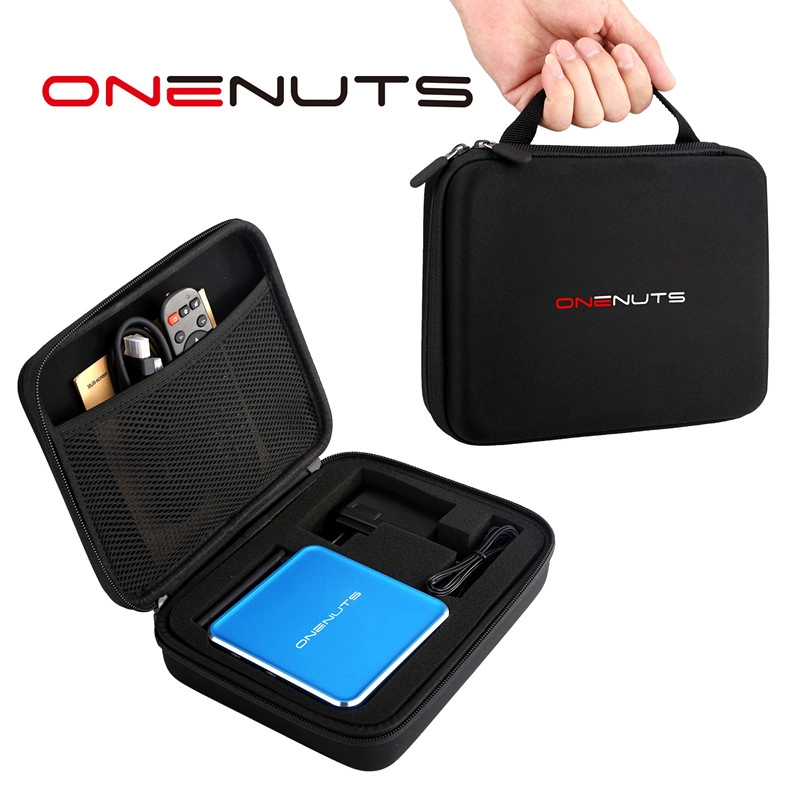
Bespoke Packaging: Designing packaging that reflects the client's brand identity and provides specific bulk-shipping instructions, including custom labeling and certification requirements.
Level 2: Firmware and Software Integration (The User Experience)
This layer determines the functionality and stability of the custom Android TV Box—it is the most critical area for B2B solutions.
-
Boot Animation and Launcher: Removing the stock Android appearance and replacing it with proprietary, branded content. This includes developing a custom launcher (Home Screen) that only shows the client's mandatory apps (e.g., a hotel information portal or a digital signage app).
-
System Restriction and Security: Locking down the operating system. Crucially, the end-user should not be able to access system settings, perform factory resets, or install unauthorized applications. This is vital for maintaining security and preventing system tampering in public environments.
-
OTA (Over-The-Air) Updates: Building a reliable update mechanism. For thousands of devices deployed across different locations, centralized firmware updates are non-negotiable. SZTomato develops a stable, tested OTA service, ensuring seamless patches and feature additions without requiring physical access to the device.
-
Pre-installed Apps and Default Settings: Ensuring the device ships with the client’s specific software pre-installed and configured to automatically run upon initial boot-up. This "zero-touch" deployment is a massive efficiency boost for the integrator.
Level 3: Hardware and PCB Design (The ODM Frontier)
This is the domain of pure ODM solutions, where the client requires features not available in any standard model.
-
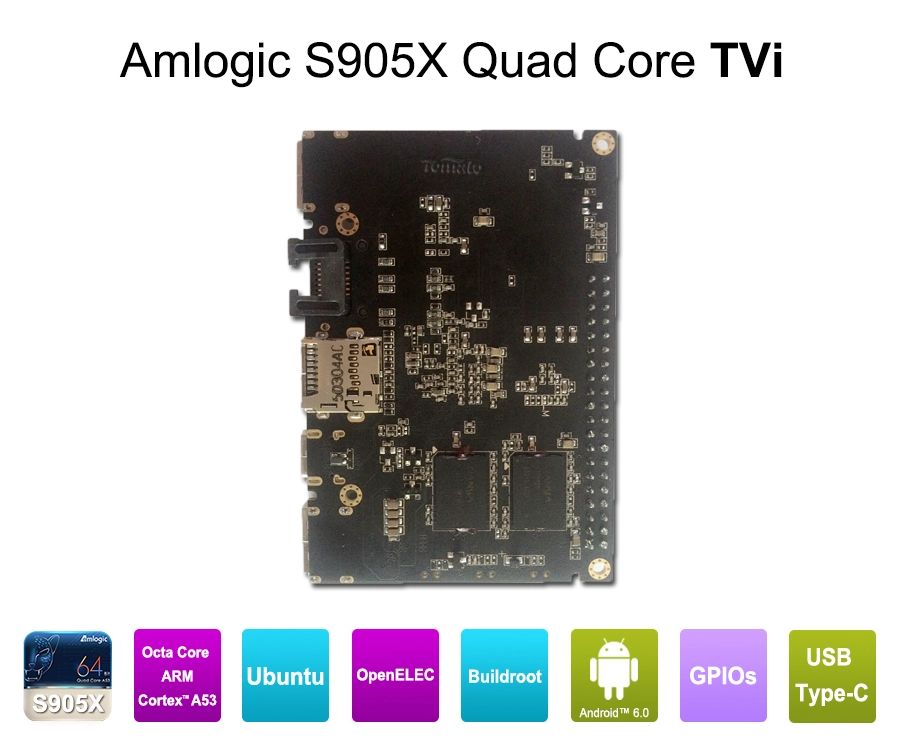
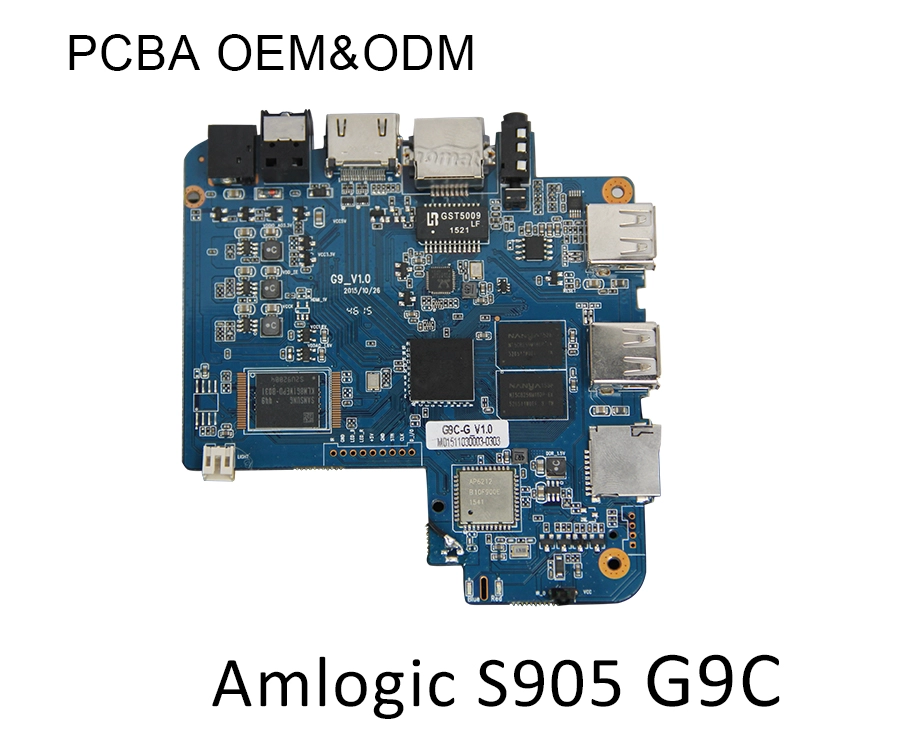
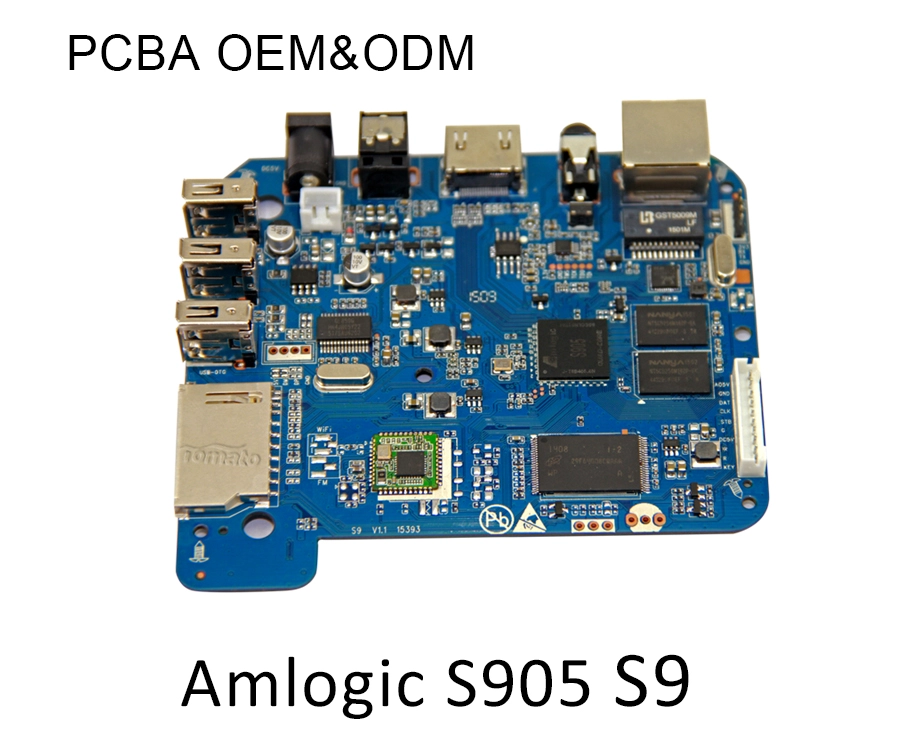
Chipset Selection: Choosing the optimal CPU/GPU (e.g., Amlogic, Rockchip) based on the application's demands—balancing processing power for 4K video playback with cost efficiency and thermal management.
-
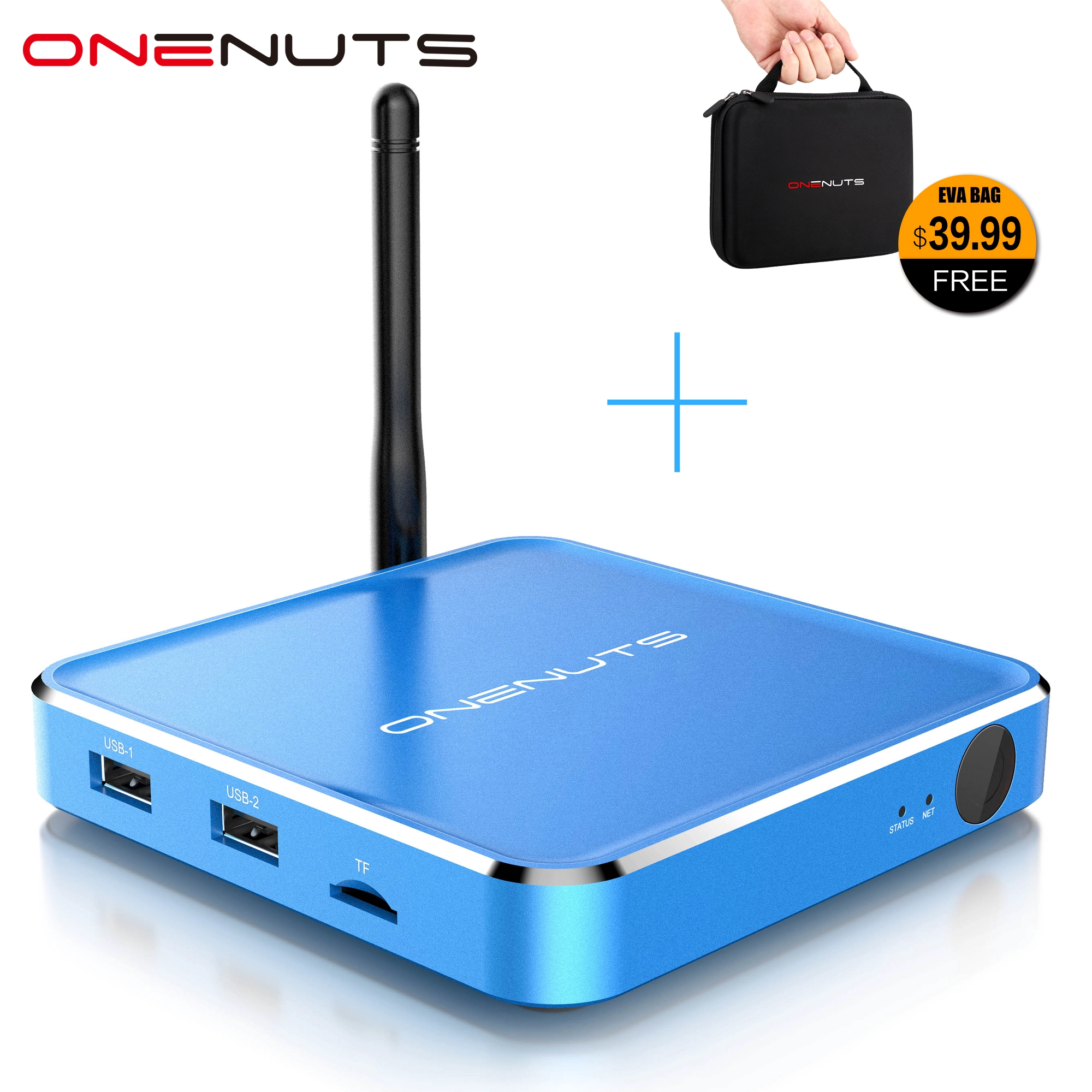
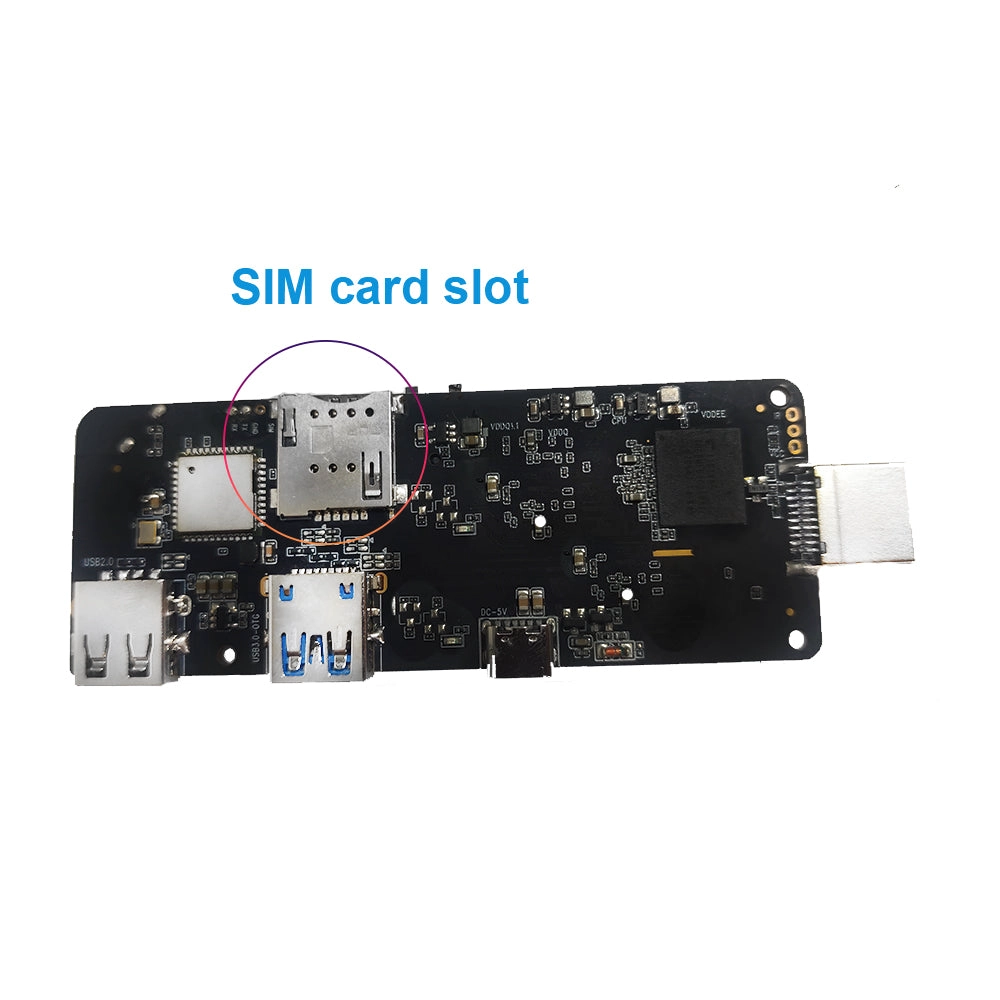
I/O Port Modifications: Adding specific ports needed for industrial control. This might include an RS232 port for controlling external relays, an extended antenna for better long-range Wi-Fi, or increased USB ports for peripherals like scanners or card readers.
-
Memory Configuration: Adjusting the RAM and eMMC storage to meet the demands of the proprietary application, often optimizing for non-volatile storage to handle frequent power cycling in commercial settings.
-
Thermal Management: For devices running 24/7 in non-climate-controlled spaces (like outdoor kiosks), passive or active cooling solutions must be engineered directly into the PCB and casing design.
Navigating the OEM Project Lifecycle with an Expert Partner
A high-volume Android TV Box OEM project is complex. It involves much more than manufacturing; it requires deep expertise in compliance, supply chain management, and quality control.
The typical lifecycle requires a partner who can manage:
-
Feasibility Study: Assessing the client's technical requirements and providing viable hardware and firmware schematics.
-
Golden Sample Creation: Producing the first production-quality unit for rigorous testing and certification approval (CE, FCC, RoHS).
-
Pilot Production Run: A small, controlled batch to validate the entire manufacturing and quality assurance process before mass production.
-
Mass Production and Supply Chain Stability: Guaranteeing the availability of key components (especially processors) to lock in the SKU for the duration of the client’s project, mitigating the impact of global supply volatility.
The SZTomato Advantage: Reliable OEM/ODM for Your Android TV Box Project
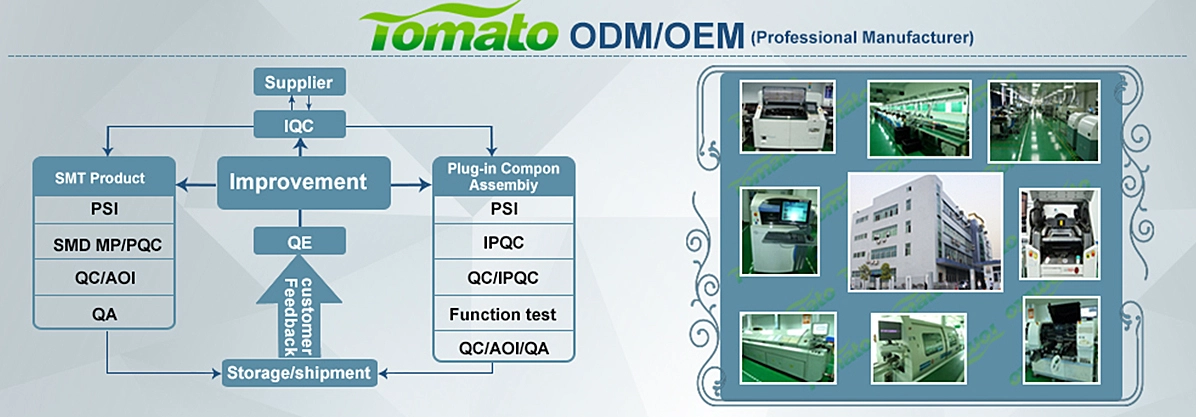
When engaging in large-scale Android TV Box customization, the partner you choose determines the long-term success and stability of your solution. At SZTomato, our decade-plus experience in the B2B sector has focused exclusively on delivering robust, high-performance solutions tailored for industrial and commercial use.
We don't treat OEM projects as a sideline; they are the core of our business model. Our in-house R&D team ensures we control the firmware source code, providing the deep-level access required for the stability our clients demand. This commitment allows us to guarantee reliable ODM solutions that integrate seamlessly into the most demanding vertical markets, from specialized digital signage hardware to robust interactive media portals.
For distributors and SIs looking to launch a product that dominates their niche, the answer is clear: custom Android TV Box solutions are the only way forward. Partner with SZTomato to transform an off-the-shelf component into your proprietary market advantage.
