
Digital signage in retail
Architecting Digital Signage in Retail: Overcoming SoC Limitations with Custom OEM Solutions
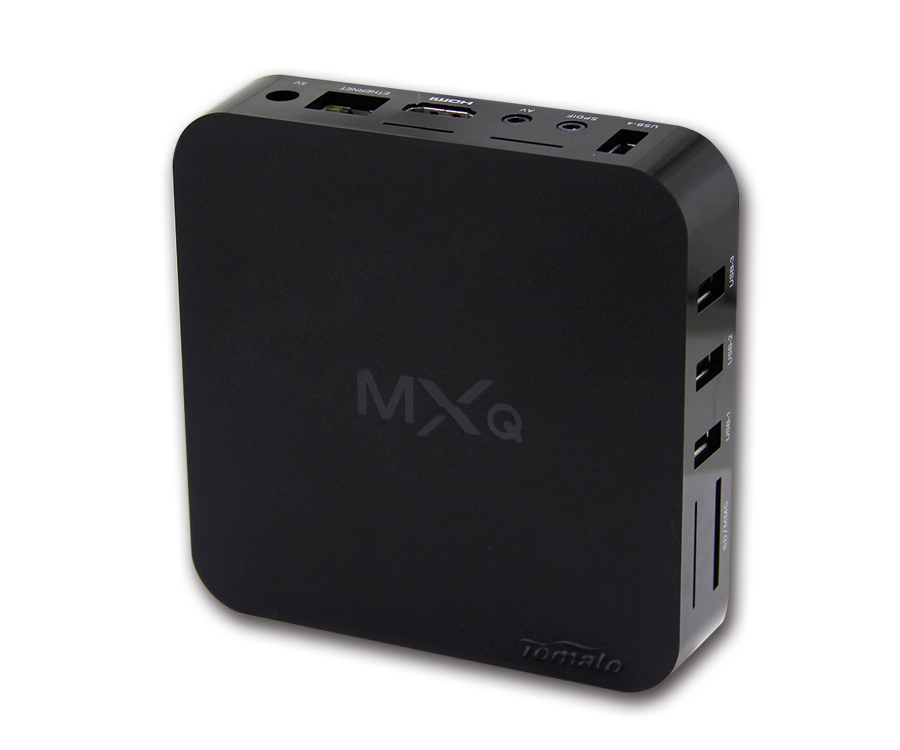
Retail deployments of multi-screen, high-bitrate video networks have hit a hardware ceiling. While the enterprise adoption of the AV1 codec drastically reduces bandwidth costs for rendering 4K and 8K content, it places immense decode pressure on standard System-on-Chips (SoCs). Generic retail media players, operating on consumer-grade firmware, routinely suffer from thermal throttling, frame drops, and kernel panics when subjected to 24/7 continuous playback.
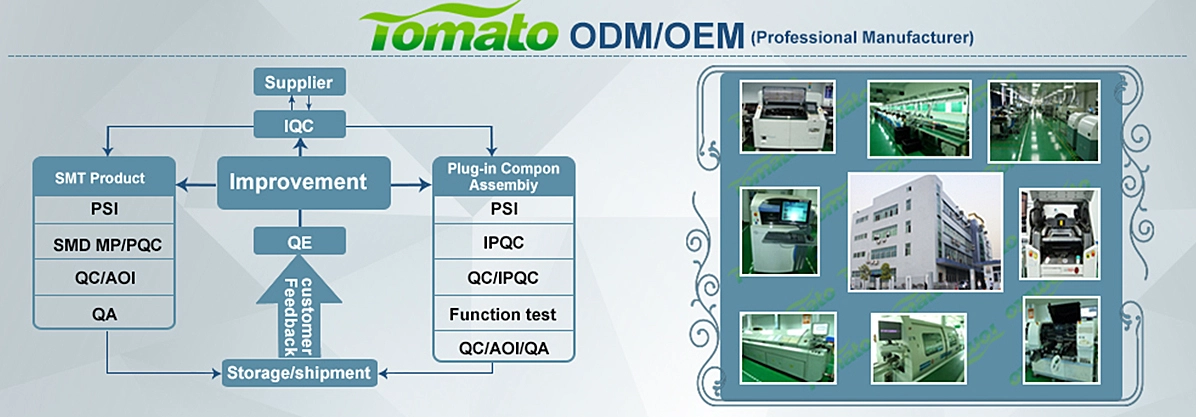
For system integrators, mitigating these failure points requires discarding off-the-shelf consumer boxes in favor of purpose-built OEM/ODM architecture. True commercial stability relies on hardware engineered from the printed circuit board up. At SZTomato, we address these physical and software limitations through proprietary PCBA hardware modification, kernel-level firmware optimization, and dedicated SDK integration.
Thermal Management and PCBA Redesign for High-Uptime Environments
Deploying digital signage in retail spaces—often enclosed in kiosks, behind display panels, or in unventilated ceiling mounts—creates a hostile thermal environment. Standard Amlogic or Rockchip reference designs utilize consumer-grade plastic housings and minimal heat sinks, leading directly to SoC throttling under constant high-resolution decoding loads.
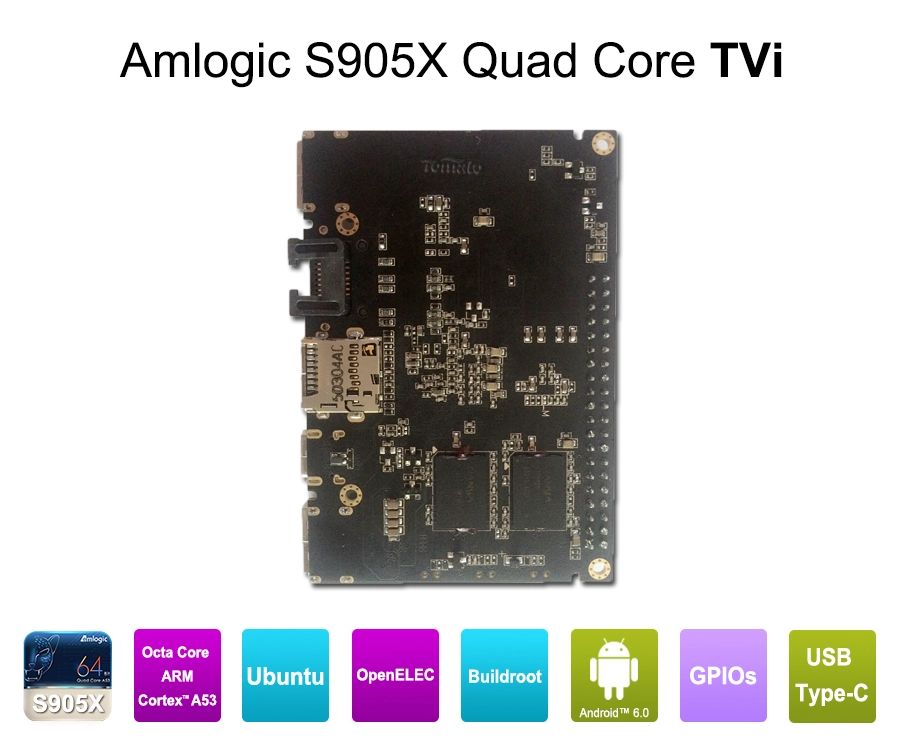
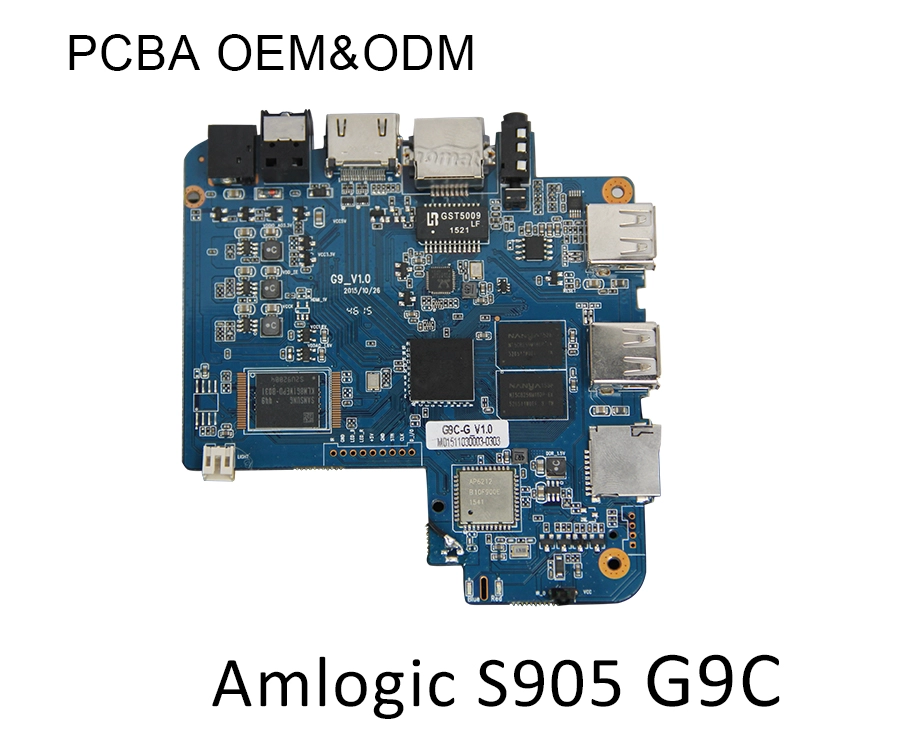
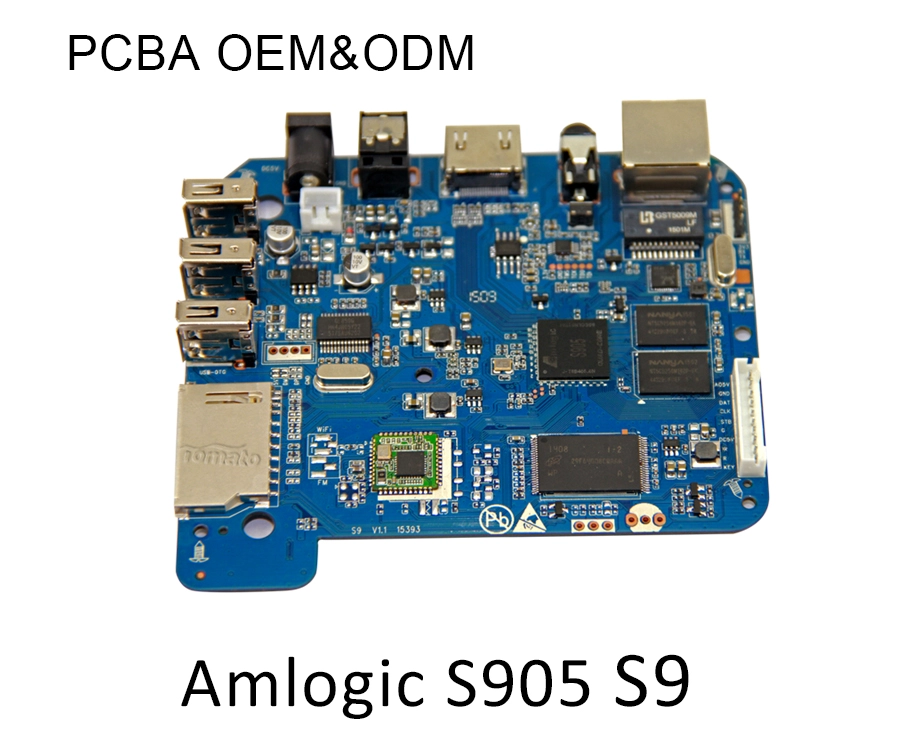
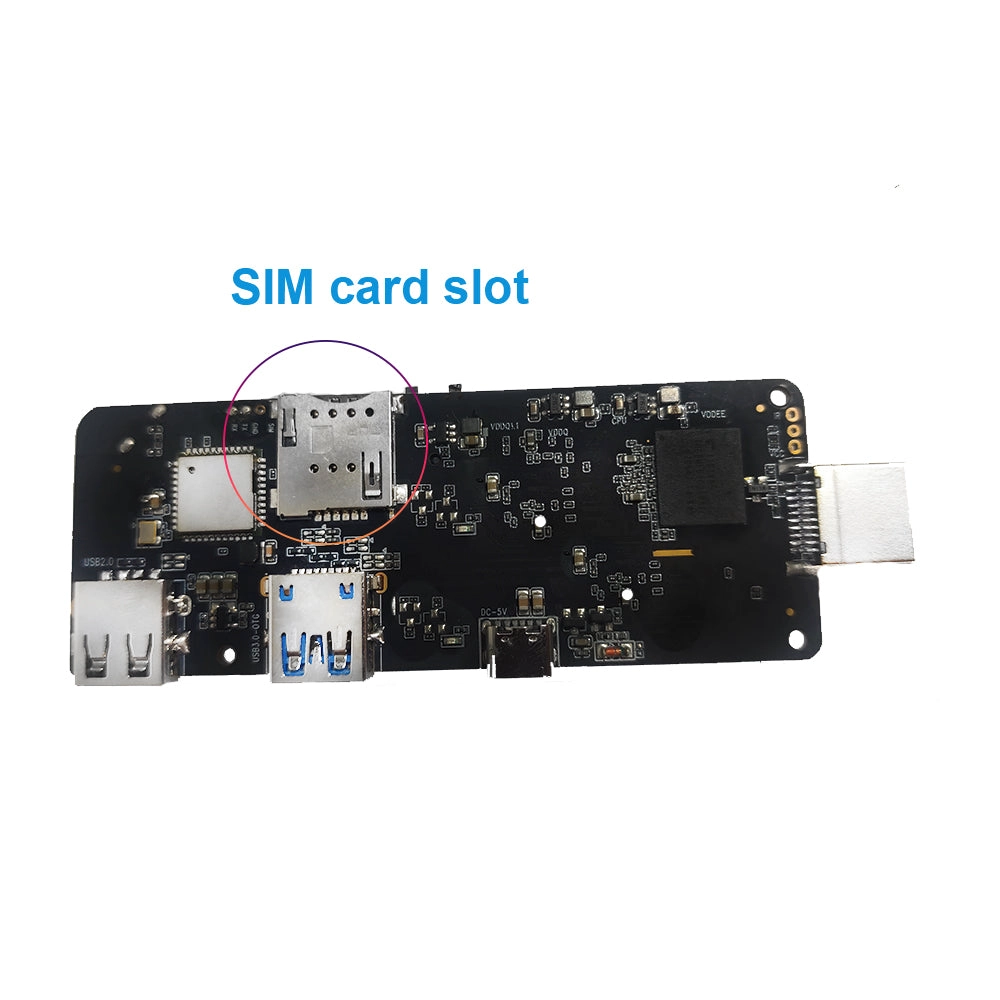
SZTomato mitigates this by re-engineering the PCBA layout specifically for industrial use.
-
Component Isolation: We modify the board topology to physically separate the power management ICs (PMIC) from the primary processing units, preventing localized heat pooling.
-
Specialized Cooling Solutions: Depending on the deployment environment, we integrate heavy-duty, customized aluminum heatsinks directly bonded to the CPU/GPU die with industrial thermal compound, often paired with fanless, extruded aluminum chassis designs to maximize passive heat dissipation.
-
Power Delivery: Industrial power spikes in retail grids degrade consumer capacitors. We implement over-voltage protection and enterprise-grade capacitors directly into the modified PCBA to ensure hardware longevity.
Firmware-Level Engineering: Bypassing Consumer OS Limitations
Hardware represents only half the integration equation. Deploying standard Android OS for digital signage introduces significant vulnerabilities. Consumer bloatware consumes valuable RAM, unwanted system notifications interrupt display content, and default navigation bars confuse end-users interacting with touch-enabled kiosks.
Our engineering team strips the OS down to a dedicated, purpose-built environment via deep Linux/Android kernel optimization.
SDK/API Integration and Custom UI/UX
System integrators utilizing proprietary Content Management Systems (CMS) require hardware that speaks directly to their software. We provide full SDK/API integration, allowing your CMS to control low-level hardware functions—such as scheduled automated reboots, display rotation mapping, and HDMI CEC controls—directly from your cloud dashboard.
Furthermore, we flash custom UI/UX firmware directly at the factory level. This ensures that upon boot, the device launches seamlessly into your specific application (Kiosk Mode) with a custom boot animation, entirely masking the underlying Android architecture from the retail customer.
Security and DRM Compliance
For retail media networks displaying licensed content, secure playback is non-negotiable. Our custom firmware builds integrate strict HDCP encryption protocols and Widevine L1 certification, ensuring seamless, legal playback of protected digital assets across the entire fleet without handshake errors.
Scalability via Robust OTA Update Systems
Managing a deployment of 5,000 retail displays requires zero-touch maintenance. Manual flash updates via SD card are logistically impossible at scale.
SZTomato implements secure, client-specific OTA (Over-The-Air) update systems. We configure private update servers, allowing network administrators to push silent firmware patches, kernel updates, or application revisions globally during off-hours. Coupled with integrated hardware watchdog timers that automatically reboot the system in the event of an application crash, this infrastructure guarantees that digital signage in retail locations maintains strict uptime SLAs without requiring on-site technician dispatches.
Partner with SZTomato for Enterprise Deployments Generic consumer hardware cannot sustain the demands of modern retail media networks. For B2B procurement managers, digital signage distributors, and system integrators seeking true hardware reliability, SZTomato delivers end-to-end OEM/ODM manufacturing. From customized PCBA layouts to proprietary kernel optimizations, we engineer the foundation your CMS needs to scale.
Contact our engineering team today to request hardware samples and discuss SDK integration for your next enterprise rollout.
