
Do You Need WiFi for an Android TV Box?
In the boardroom of an ISP or the procurement office of a global hotel chain, the question "Do you need WiFi for an Android TV Box?" is rarely about a simple "yes" or "no." It is a question of deployment architecture, signal integrity, and operational uptime. While 95% of consumer use cases rely on wireless, the professional B2B landscape is shifting toward a hybrid approach to eliminate the single biggest drain on technical support: the "network connection timed out" screen.
In 2026, where 4K bitrate demands have surged and AV1 hardware decoding is the baseline, a WiFi connection is often the most convenient—but also the most fragile—link in your service delivery chain.
1. The Wireless Illusion: WiFi 6 vs. High-Bitrate Reality
By 2026, WiFi 5 has effectively become a legacy protocol. For a modern Android TV Box to handle 8K streams or AI-upscaled 4K content, WiFi 6 (802.11ax) or WiFi 6E is the standard.
-
The Bandwidth Gap: While WiFi 6 offers theoretical speeds exceeding 1Gbps, real-world throughput in dense environments (like apartment complexes or hotels) drops significantly due to RF interference.
-
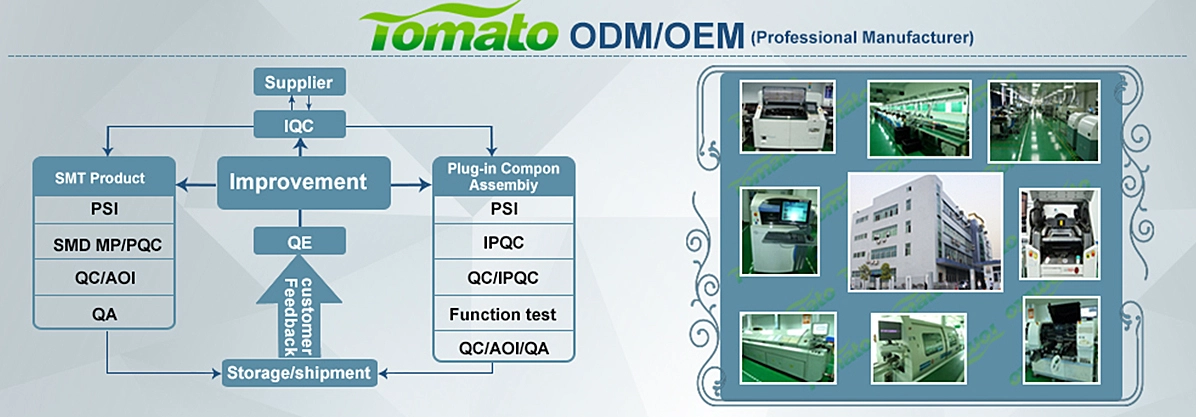
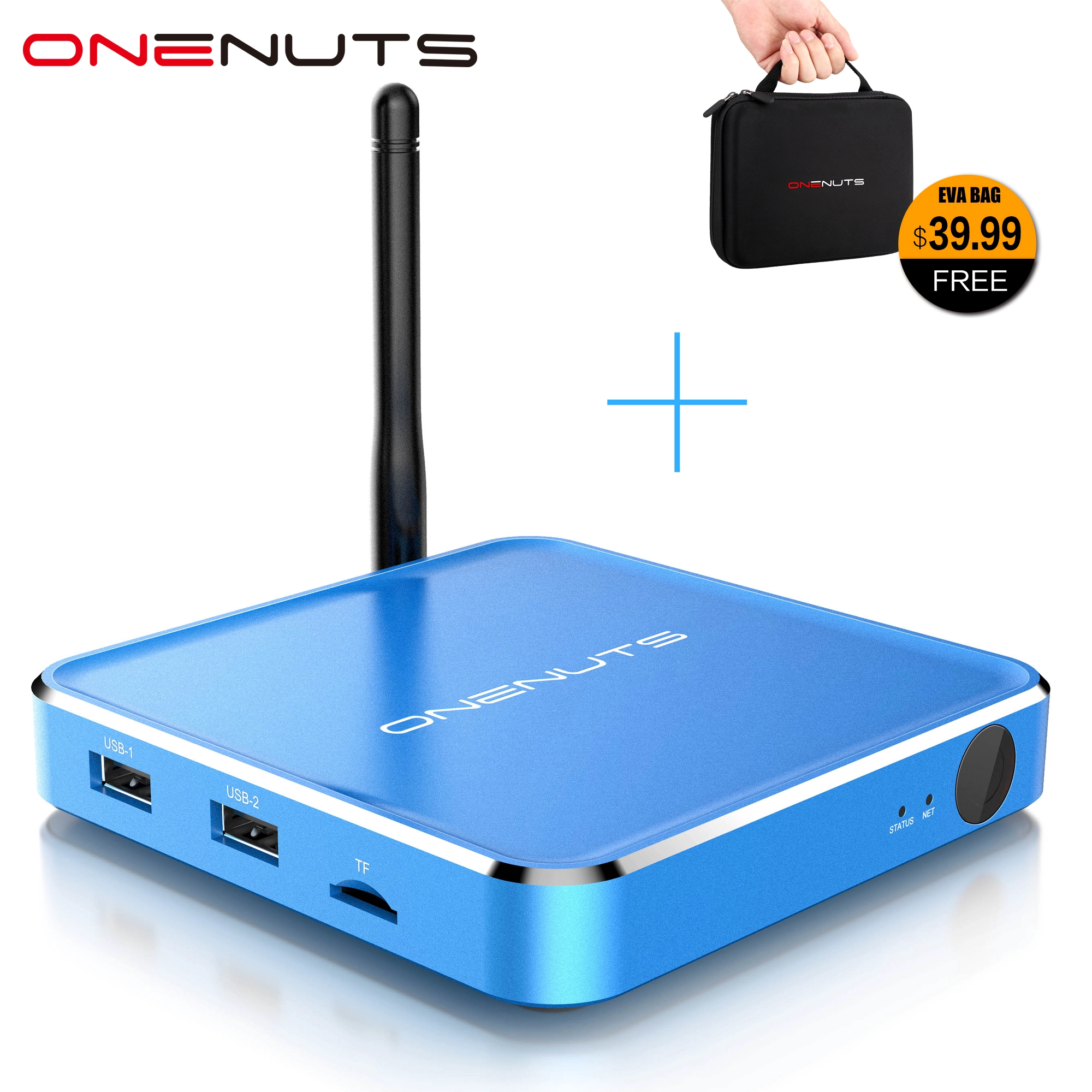
The SZTomato Solution: To combat this, we don't just "solder on a module." At SZTomato, our ODM services include MIMO (Multiple-Input Multiple-Output) antenna design. We frequently modify standard housings to incorporate high-gain external antennas for clients whose deployment environments are "RF-noisy." This ensures that even if you choose WiFi, your Android TV Box maintains the signal lock that competitors lose.
2. The Hardwired Mandate: Why Ethernet is the Professional Choice
For mission-critical applications—think digital signage in an airport or a VOD system in a luxury resort—WiFi is a liability.
-
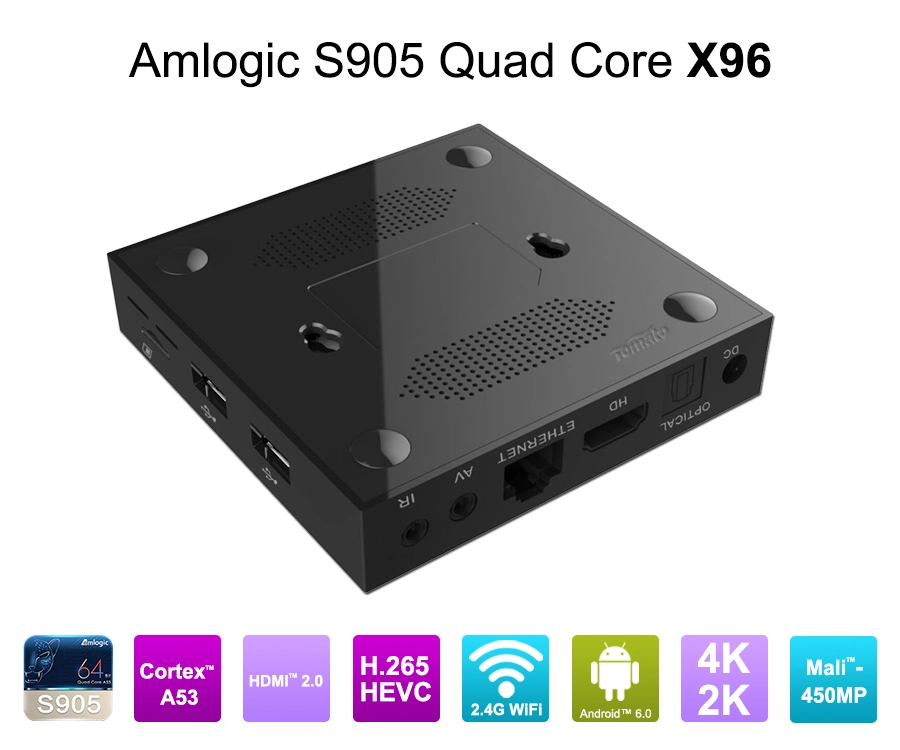
Zero Latency: A physical RJ45 Ethernet port provides a dedicated, full-duplex "pipe" that is immune to microwave interference or neighboring networks.
-
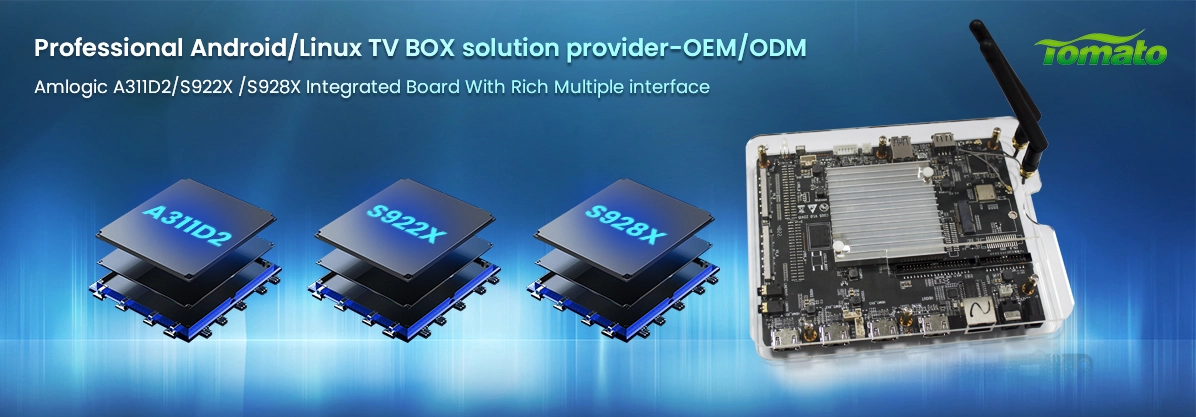
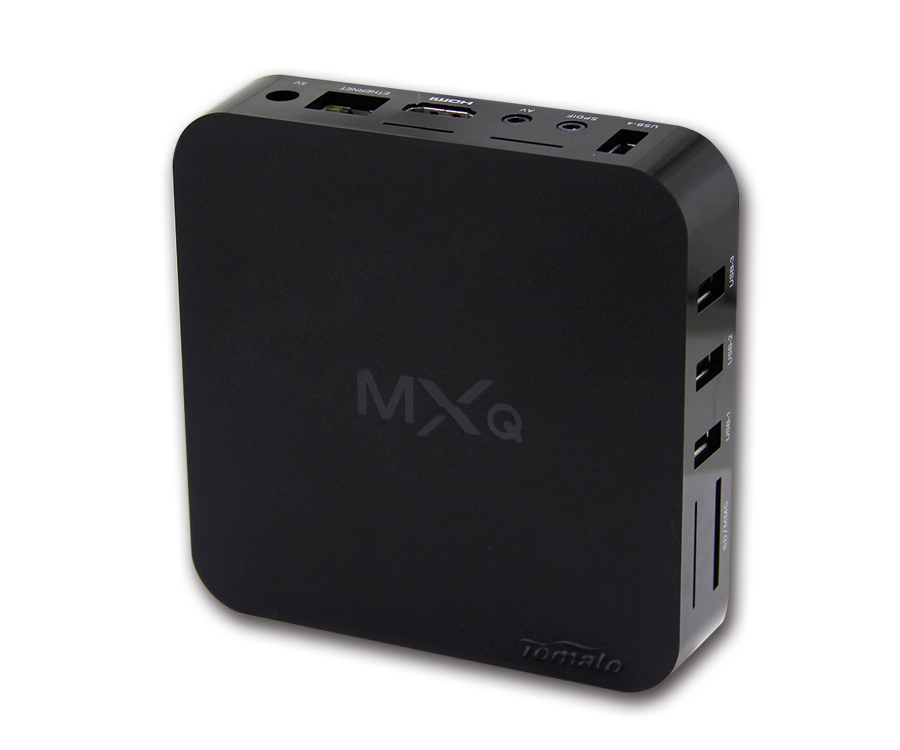
Stability ROI: At SZTomato, we prioritize Gigabit Ethernet ports on our high-performance Amlogic S928X boards. For our ISP partners, this reduces "buffering" complaints by up to 60%, drastically lowering the cost of customer service calls.
-
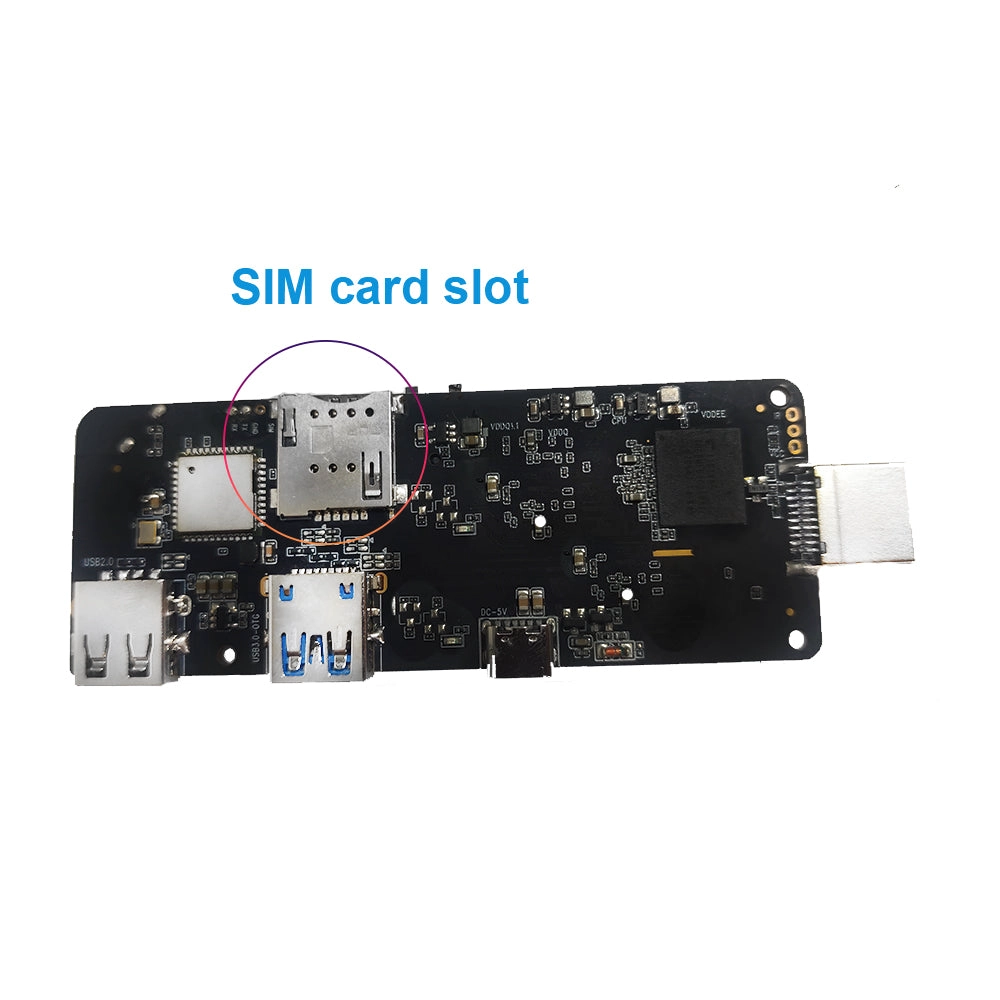
Custom Hardware Tailoring: We can modify the PCBA (Printed Circuit Board Assembly) to include PoE (Power over Ethernet). This allows the box to be powered and networked through a single cable—a massive cost-saver for large-scale enterprise installations.
3. Working "Off-Grid": The Android TV Box as a Local Media Hub
Does an Android TV Box actually need internet to function? Technically, no.
-
Edge Computing & Local Playback: In 2026, many of our B2B clients utilize these devices as standalone media servers. With USB 3.0 and MicroSD expansion, the box can play high-bitrate 4K files (MKV, MP4, AVI) directly from local storage.
-
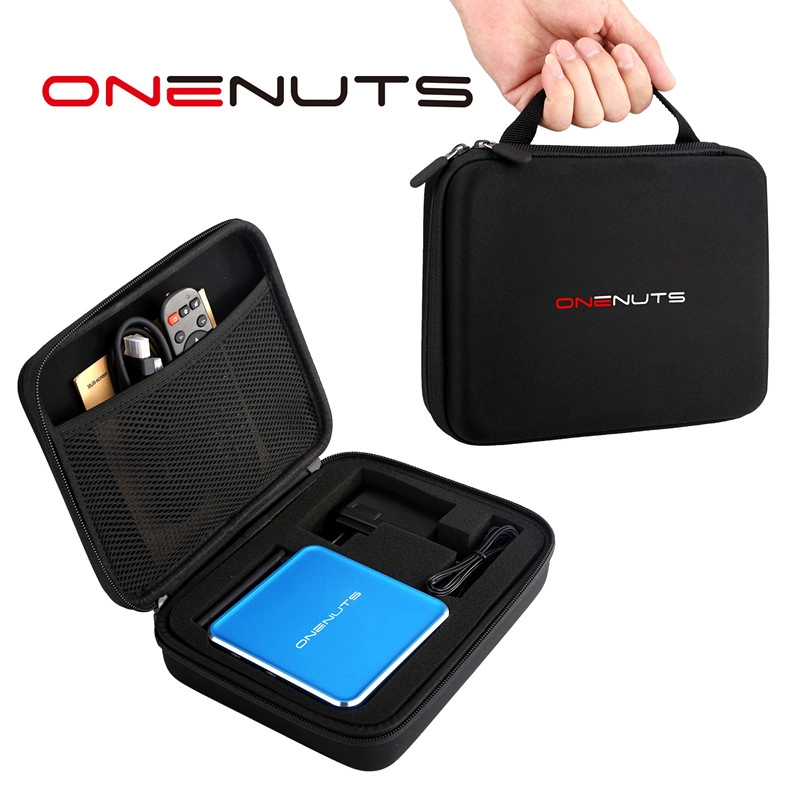
Firmware Customization for Offline Use: We develop specialized Firmware Lockdowns for these scenarios. We can remove all Google login requirements and boot the device directly into a local media player or a custom-branded APK, ensuring the device is "ready to play" without ever seeing a login screen or a WiFi password prompt.
The Verdict: Convenience vs. Consistency
So, do you need WiFi? For the casual viewer, it’s a luxury. For the B2B operator, it is a secondary backup. The most robust deployments in 2026 utilize the WiFi 6 module for flexibility while relying on a hardwired Ethernet connection for primary service delivery.
