

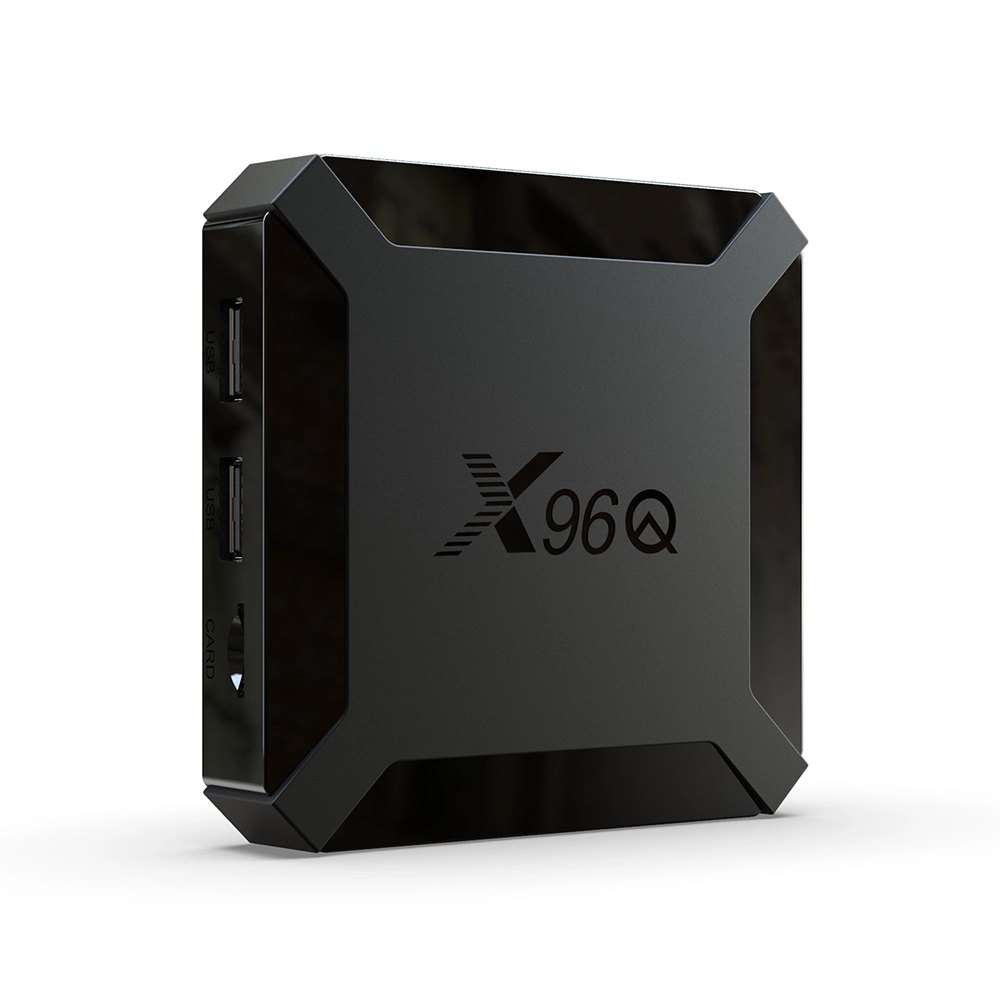
Do You Need WiFi for an Internet TV Box?
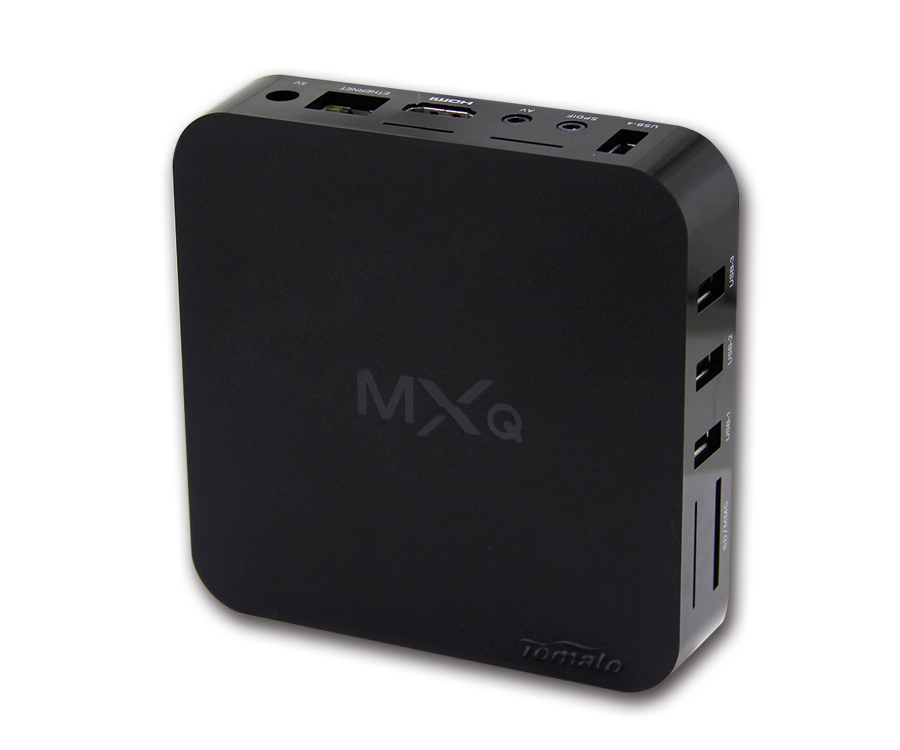
Network stability dictates the success or failure of any multimedia hardware deployment. When importers assess bill of materials (BOM) costs, a common technical question arises: does an Internet TV Box require an onboard WiFi module to function? The pragmatic answer is no. An Internet TV Box requires internet access, but the transmission medium—whether wireless RF or hardwired copper—depends entirely on your target market's deployment environment.
Understanding the structural differences between these network interfaces is crucial for medium-sized importers aiming to avoid unnecessary hardware costs or high RMA rates caused by connectivity drops.
Wireless Flexibility vs. Hardwired Stability
Standard consumer hardware defaults to wireless connectivity. Integrating a dual-band or WiFi 6 (802.11ax) module inside an Internet TV Box allows end-users to place the device anywhere within router range. However, wireless signals are subject to environmental interference, signal attenuation, and bandwidth bottlenecking.
For commercial applications or non-retail demand in North America and Southeast Asia—such as digital signage or hospitality deployments—hardwired Gigabit Ethernet is superior. Ethernet provides sustained, symmetric bandwidth necessary for continuous 4K streaming without packet loss. If your distribution focuses exclusively on commercial installations, an Internet TV Box can operate flawlessly without a WiFi chip.
PCBA Hardware Modification and Cost Control
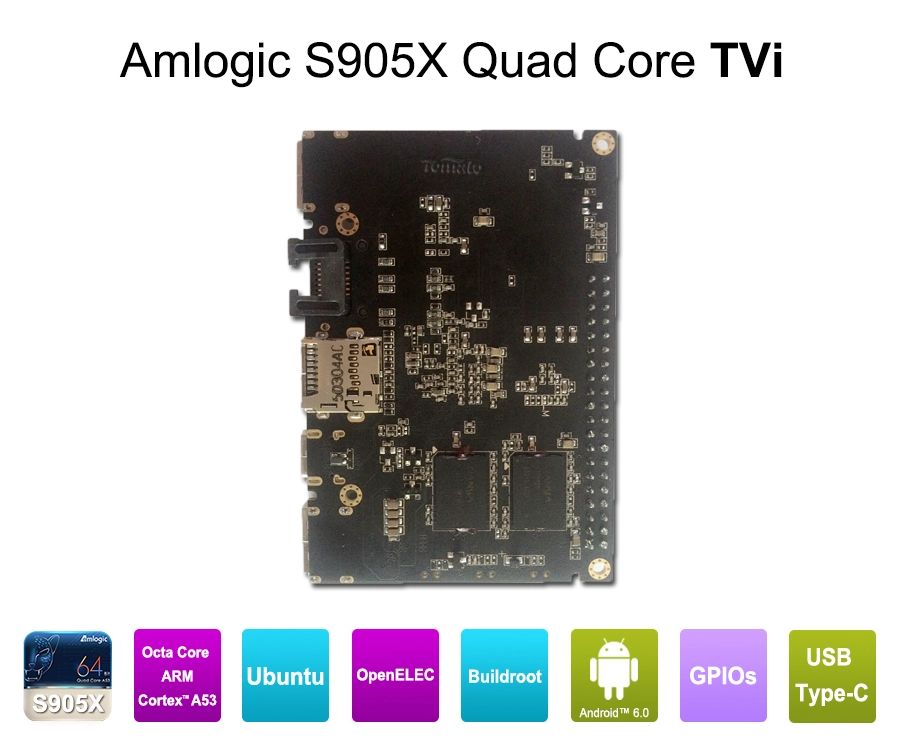
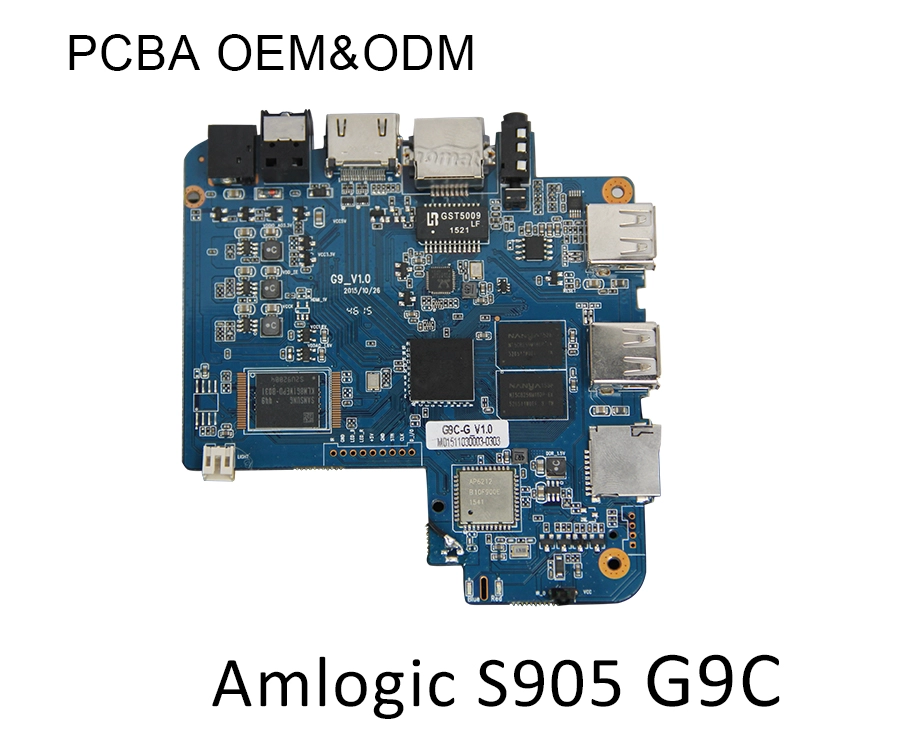
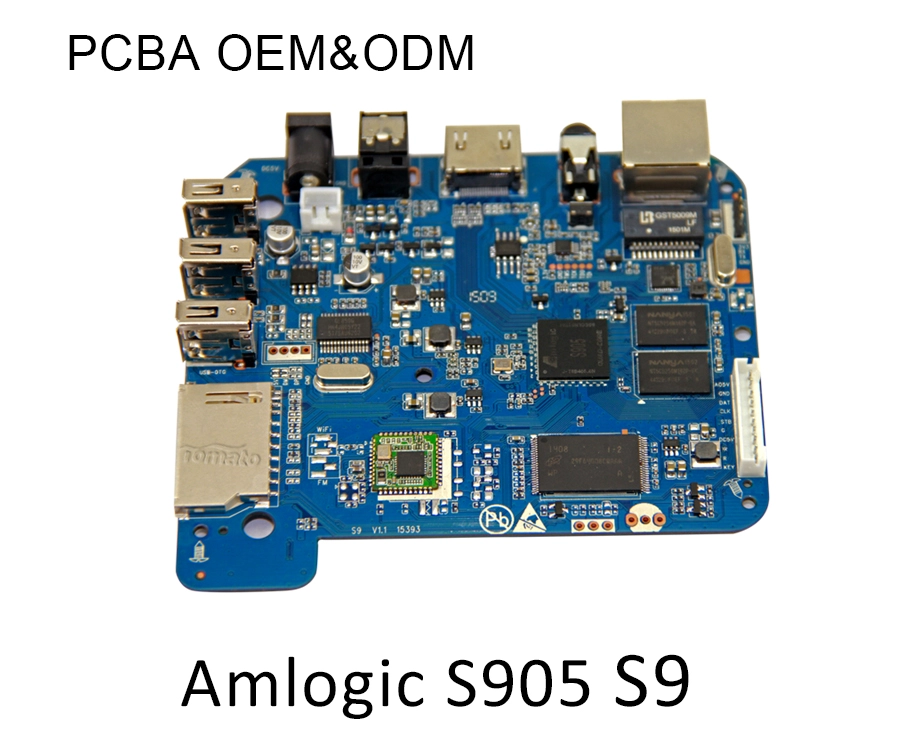
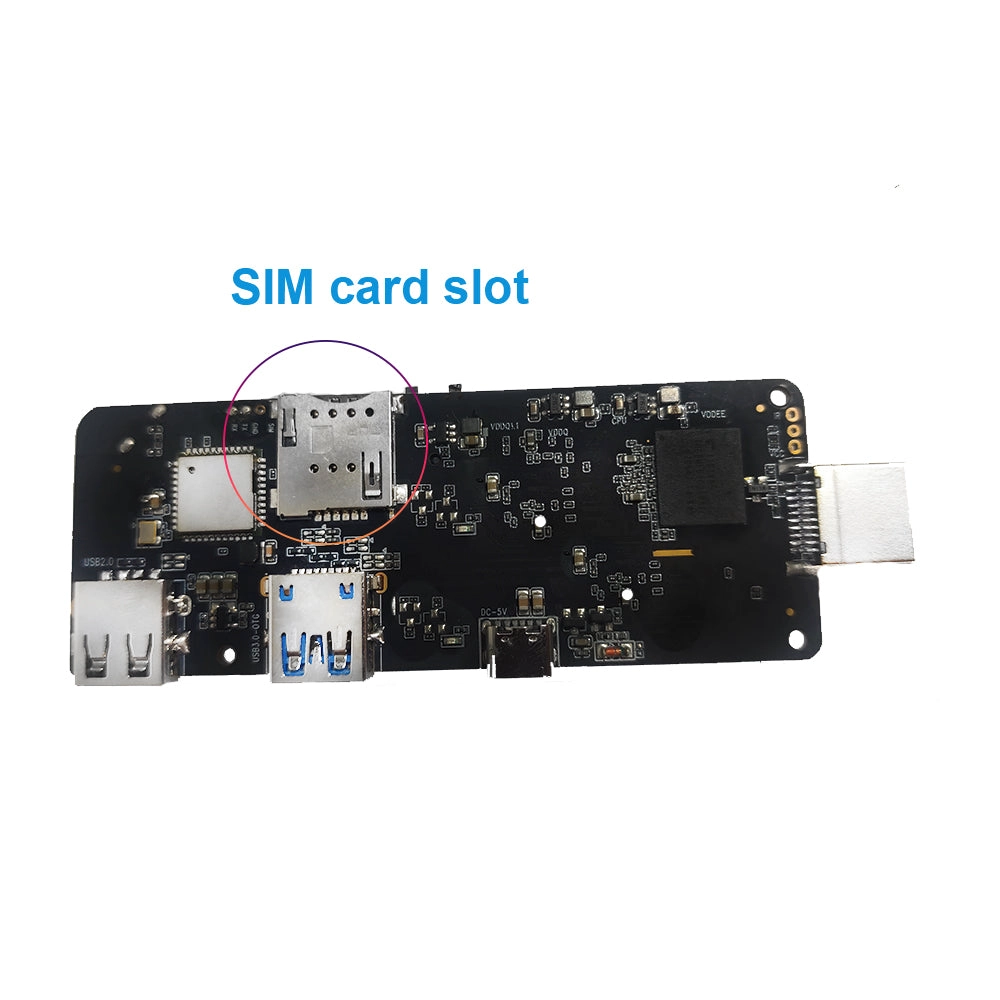
This is where generic retail units fail to meet specific B2B procurement needs. Buying off-the-shelf devices means paying for components your project may not utilize. Through targeted PCBA hardware modification, an OEM partner can remove the WiFi and Bluetooth modules entirely from the board layout for Ethernet-only projects.
Stripping these components from an Internet TV Box lowers the per-unit BOM cost, reduces thermal output, and simplifies CE/FCC RF certification processes. Conversely, if your target demographic requires robust wireless performance, the PCBA can be engineered to include external high-gain antennas rather than basic internal traces.
Firmware-Level Engineering for Network Priority
Hardware modifications must pair with intelligent software. A properly engineered Internet TV Box features firmware that automatically prioritizes network traffic. If both Ethernet and WiFi are active, the firmware-level engineering should default to the hardwired connection to ensure maximum throughput, falling back to the wireless network only if the physical cable is disconnected. Standardizing this automated routing prevents end-user network configuration errors and reduces technical support tickets.
Custom Sourcing for Medium-Sized Importers
Medium-sized European importers managing local warehousing require hardware tailored to distinct local ISP ecosystems. Attempting to fit a generic retail Internet TV Box into a specialized deployment creates friction. Hardware must be purpose-built.
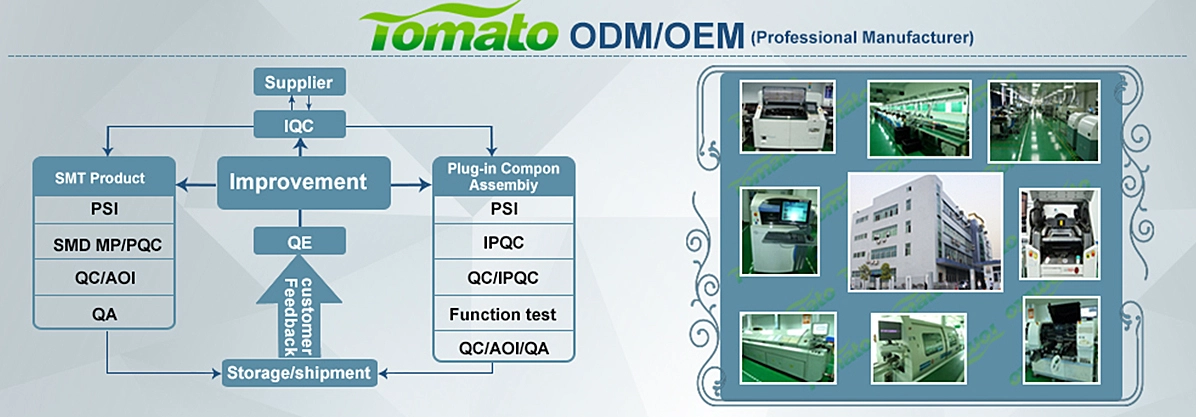
Whether your project requires high-performance RK3588 architecture for intensive processing or streamlined, Ethernet-only units for enterprise distribution, deep customization is necessary. Partnering with a dedicated OEM/ODM manufacturer like SZTomato ensures that your hardware connectivity, firmware logic, and external casing are engineered precisely for your market’s demands. Contact our engineering team today to outline the exact network specifications for your next deployment.