
Does a Smart TV Box Have Free Channels? What Buyers Need to Know
1. Does a Smart TV Box Provide Free TV Channels?
A Smart TV Box can access free television channels, but the hardware itself does not guarantee free content. The available channels depend on the operating system, supported applications, internet connectivity, regional availability, and content-provider licensing.
For manufacturers, distributors, and IPTV operators, this distinction is important. A device may support 4K video decoding, Wi-Fi 6, and Android applications, yet still require a separate streaming application or service account to access particular channels.
Most Smart TV Box products deliver free content through several routes.
Free ad-supported streaming channels
Free ad-supported streaming television (FAST) services provide scheduled channels supported by advertising. Depending on the service and region, these channels may cover news, entertainment, films, documentaries, lifestyle programming, and other categories.
Users typically need an internet connection and a compatible application. Some services require account registration, while others allow access without creating an account.
The key limitation is regional availability. A channel accessible in one country may be unavailable in another because of licensing agreements, distribution restrictions, or local regulations.
Free live TV and streaming applications
Some applications provide free live broadcasts, news streams, public-service programming, or other legally distributed content. Availability depends on the provider and the user's location.
A Smart TV Box may also support official applications from broadcasters that offer free live streams or on-demand programming.
However, buyers should distinguish between an application being installable and its content being available. An application may require a subscription, a compatible device, a regional account, or operator authentication.
Free-to-air television through compatible hardware
Traditional free-to-air broadcasting is different from internet streaming.
A Smart TV Box does not automatically receive terrestrial or satellite television signals simply because it connects to the internet. Reception generally requires a compatible tuner, antenna or satellite input, and supporting software.
Some specialized devices combine streaming functionality with broadcast tuners, but this capability must be confirmed in the product specifications.
What is actually free?
| Content source | Internet required? | Typical cost considerations |
|---|---|---|
| Free ad-supported streaming channels | Yes | Usually free to watch; advertising applies |
| Broadcaster applications | Usually | Depends on the broadcaster and region |
| Public-service streaming | Usually | Depends on local access rules |
| Subscription streaming platforms | Yes | Subscription or other paid access may apply |
| Free-to-air broadcast TV | Not necessarily | Compatible tuner and reception equipment may be required |
| IPTV operator channels | Usually | May require an operator account or service package |
The practical conclusion is straightforward: a Smart TV Box provides the platform for accessing content, while the application or service determines which channels are available and under what conditions.
2. How to Access Free Channels on a Smart TV Box
For end users, accessing free channels is usually a software configuration task. For B2B product teams, it is also a question of application compatibility, regional deployment, and the user experience.
Step 1: Confirm the operating system and application compatibility
Check whether the Smart TV Box supports the applications required for the target market.
Android-based devices may support applications through an approved app store, compatible installation packages, or operator-provided deployment methods. Availability varies by Android version, device architecture, certification status, and application requirements.
A device running Android does not automatically have Google certification or access to every Google or third-party streaming application. Buyers should confirm the actual platform configuration rather than relying on the operating system name alone.
Step 2: Connect to a reliable network
Most internet-based free channels require a stable connection. Wi-Fi may be sufficient for ordinary streaming, while Ethernet can offer more predictable connectivity in commercial installations.
Actual bandwidth requirements depend on video resolution, codec, bitrate, and simultaneous network activity. A 4K stream generally requires more throughput than a comparable HD stream, but the exact difference depends on the service's encoding profile.
For devices supporting AV1 or H.265/HEVC, efficient video compression can reduce bandwidth requirements at a given quality level. The streaming application must still support the relevant codec, and the SoC must provide compatible decoding performance.
Step 3: Install a legitimate streaming application
Select an application that legally distributes the desired channels in the deployment region. Review its supported Android versions, account requirements, update policy, and privacy terms.
For commercial products, test the complete playback path rather than simply confirming that the application launches.
Validation should cover:
-
Application installation and startup.
-
Live-channel playback and stream switching.
-
Audio and subtitle handling where applicable.
-
Playback recovery after network interruptions.
-
Remote-control navigation and UI responsiveness.
-
Application compatibility following firmware updates.
Step 4: Understand subscriptions and content protection
Free access to a channel does not mean every feature or piece of content is free. Providers may offer a free tier alongside premium subscriptions, rentals, or paid upgrades.
Some protected content also requires digital rights management (DRM) and High-bandwidth Digital Content Protection (HDCP) over HDMI. These technologies support content-protection requirements; they do not grant permission to access a service or bypass its subscription rules.
For B2B deployments, verify the provider's commercial distribution rights and device requirements before advertising a product as including free channels.
3. What B2B Buyers Should Check Before Choosing a Smart TV Box
A Smart TV Box intended for consumer retail may not meet the requirements of an ISP, hospitality group, streaming brand, or digital signage integrator.
The right product must balance multimedia performance with application compatibility, firmware maintainability, network reliability, and the commercial rights associated with the content offering.
SoC performance and multimedia compatibility
The system-on-chip (SoC) determines much of the device's decoding capability, CPU performance, GPU acceleration, memory support, and peripheral interfaces.
When evaluating a Smart TV Box for free streaming channels, verify:
-
Supported video codecs, including H.264, H.265/HEVC, VP9, and AV1 where required.
-
Maximum supported resolution, frame rate, and relevant HDR formats.
-
RAM and eMMC capacity for the operating system and applications.
-
HDMI output and required audio formats.
-
Wi-Fi and Ethernet capabilities.
-
Sustained performance under the expected workload.
A higher-end SoC is not automatically necessary for every free-channel application. The correct platform depends on the actual stream formats, interface requirements, application workload, and target price.
Firmware customization and application integration
For a branded streaming product, the launcher and firmware can influence customer experience as much as the hardware specification.
An OEM/ODM project may require a custom home screen, preconfigured applications, regional language settings, restricted menus, automatic application startup, or integration with an operator's account and device-management systems.
SDK/API integration can connect the device with compatible middleware, content services, provisioning platforms, or remote management tools. The exact integration depends on the APIs exposed by the relevant software provider.
Firmware engineering may also include Android system configuration, Linux kernel and driver optimization where applicable, memory management, startup behavior, and recovery mechanisms.
OTA update systems are particularly important when devices are distributed across multiple countries or deployed in large quantities. A managed update process should support version control, staged releases, failure recovery, and a clear maintenance policy.
PCBA design and thermal reliability
A device that performs well during a short demonstration may behave differently during continuous operation in a hotel, retail display, or enclosed installation.
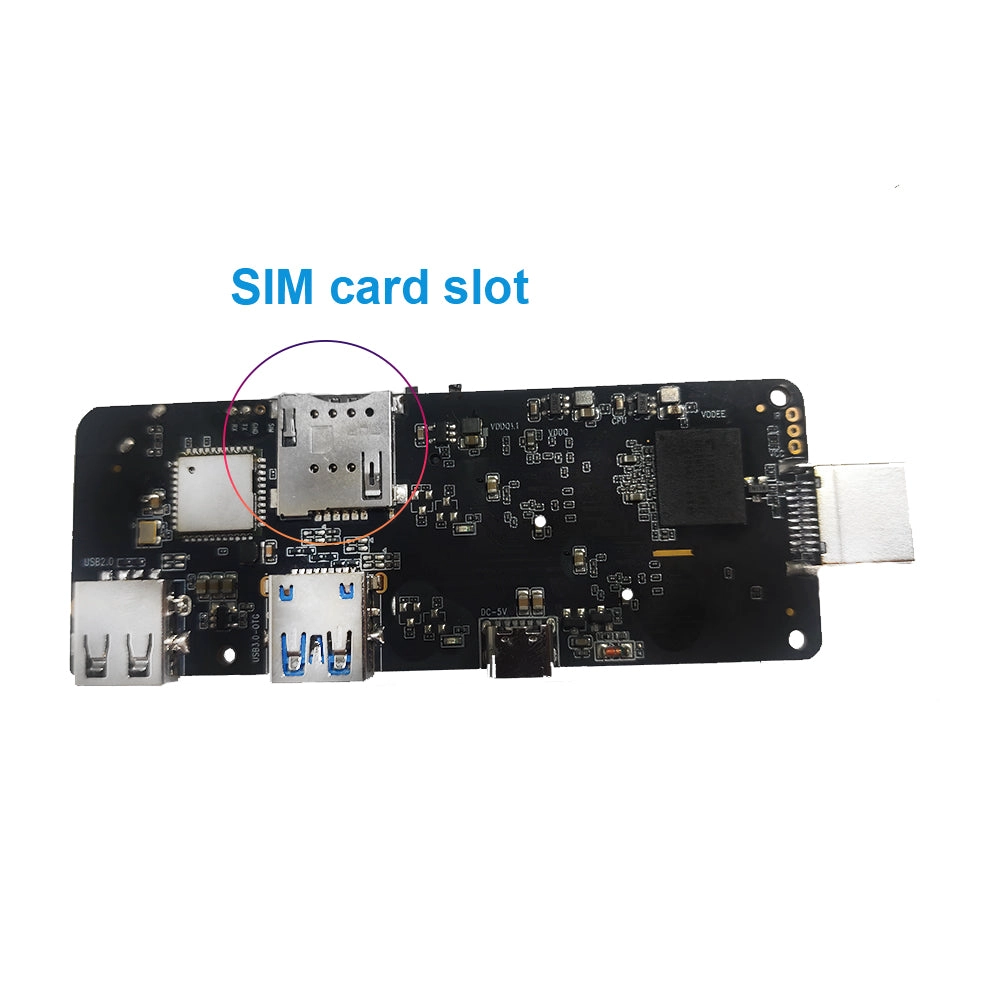
PCBA hardware modification may be required for specific interfaces, antenna placement, power delivery, or integration with external equipment. These changes must be assessed for electrical compatibility, PCB layout, signal integrity, electromagnetic performance, and manufacturing testability.
Thermal design should reflect the SoC's power consumption, enclosure, ambient temperature, and operating schedule. Specialized cooling solutions may be appropriate for commercial or industrial deployments where sustained operation and restricted airflow create additional thermal demands.
These engineering decisions help reduce instability that could otherwise lead to service interruptions and costly field maintenance.
Free content versus a complete commercial offering
For brands and operators, there is a significant difference between shipping a device that can install free streaming applications and supplying a product with an authorized, tested content offering.
A commercial evaluation should establish:
-
Which applications and channels are supported in each target region.
-
Whether account registration or operator authentication is required.
-
Whether the content provider permits the intended commercial distribution.
-
Whether the device meets the relevant DRM, HDCP, and application requirements.
-
Who is responsible for application updates, firmware maintenance, and customer support.
-
Whether any advertised free-content offering depends on third-party services that may change.
These questions should be answered before product launch, not after customers begin reporting that a channel is unavailable.
4. How SZTomato Supports Customized Smart TV Box Projects
For B2B procurement managers, distributors, brand owners, IPTV operators, and system integrators, the value of a Smart TV Box extends beyond its ability to play free channels.
A commercial product may need a specific SoC, a branded interface, integration with an existing streaming platform, specialized connectivity, or a controlled software lifecycle.
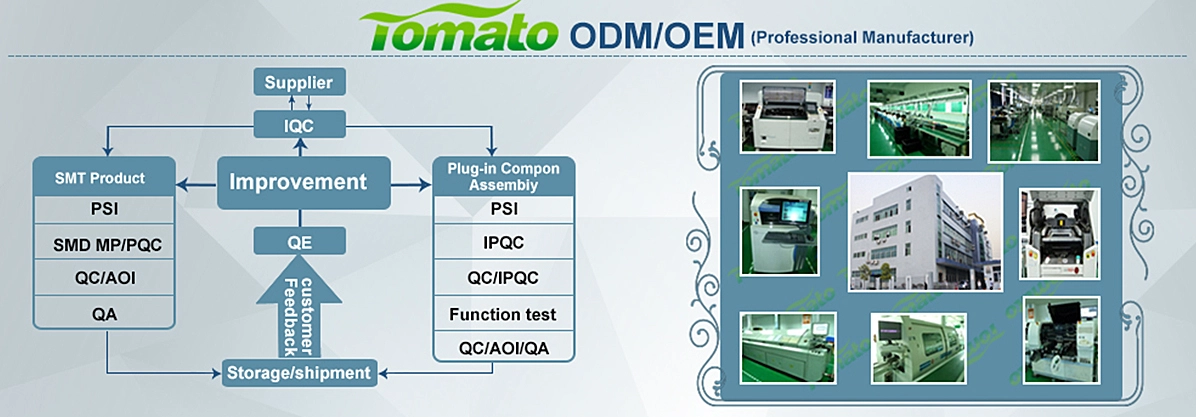
SZTomato supports OEM/ODM customization for Smart TV Box and related multimedia hardware projects. Depending on the selected platform and project requirements, the engineering scope may include:
-
PCBA hardware modification: Adapting supported interfaces and board-level configurations to project requirements.
-
SDK/API integration: Connecting compatible applications, middleware, and device-management systems.
-
Custom UI/UX firmware: Building branded navigation, application layouts, startup behavior, and deployment-specific interfaces.
-
OTA update planning: Supporting a maintainable firmware release process for deployed devices.
-
Specialized cooling solutions: Evaluating thermal requirements for continuous commercial or industrial operation.
For a branded free-streaming product, the recommended development process begins by identifying the target markets, supported applications, content licensing model, hardware performance requirements, and firmware responsibilities.
The team can then assess the appropriate hardware platform and customization scope before sample validation and mass-production planning.
One point must remain clear: hardware customization cannot independently guarantee access to third-party channels or premium streaming services. Those services remain subject to their own technical, contractual, and regional requirements.
Conclusion: Can You Get Free Channels with a Smart TV Box?
Yes, a Smart TV Box can access free channels through compatible, legitimate streaming applications and services. However, channel availability depends on the content provider, internet access, operating-system compatibility, regional restrictions, and any applicable registration requirements.
For B2B buyers, the more important decision is whether the device can deliver the intended content experience reliably over its planned product lifecycle.
A suitable Smart TV Box should combine the right SoC and multimedia capabilities with compatible applications, maintainable firmware, appropriate content protection, and a clear support strategy.
If you are developing a branded streaming device, an IPTV deployment, or a commercial multimedia solution, SZTomato can help assess OEM/ODM requirements, including PCBA modifications, SDK/API integration, custom firmware, and thermal design.
Visit https://www.sztomato.com to discuss your target market, streaming applications, hardware specifications, customization requirements, and production plan.
