
Google TV Box Function
In the B2B sector, the term "function" is often misunderstood. For a consumer, a Google TV Box function is simply to play movies. But for an ISP or a hospitality integrator in 2026, the function of these devices is far more critical: it is to serve as a secure, certified, and interactive edge node within a managed ecosystem.
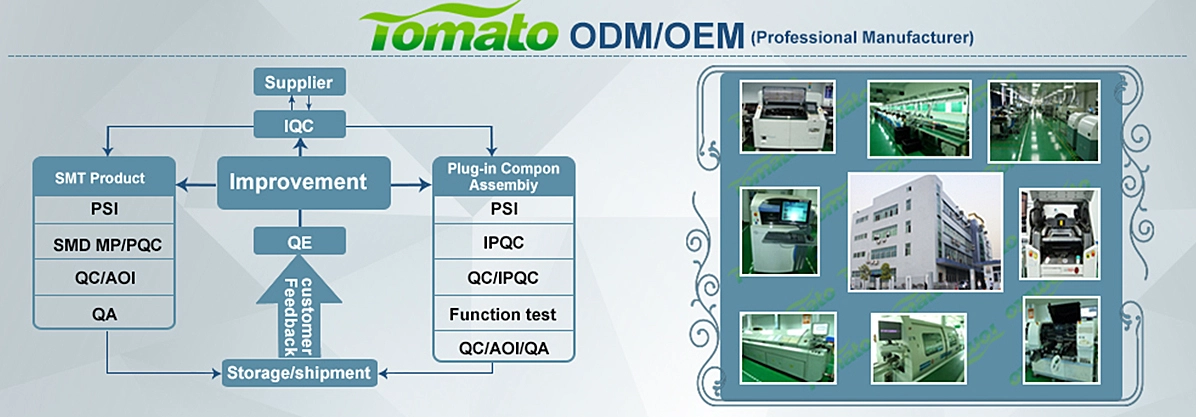
A generic Android box executes code; a certified Google TV Box executes a contract of trust between the operator, the content provider, and the user. Understanding this distinction is vital for procurement. Here is the technical breakdown of the core functions that drive ROI in professional deployments, and how SZTomato engineers the hardware to support them.
1. The Certification Function: The Widevine L1 Mandate
The primary Google TV Box function that justifies its cost is GMS (Google Mobile Services) Certification. In 2026, this is the digital passport required to enter the premium content market.
-
The Technical Reality: Without GMS and Widevine L1 DRM keys, apps like Netflix, Disney+, and Prime Video will strictly limit playback to 480p SD. They essentially treat the device as "untrusted."
-
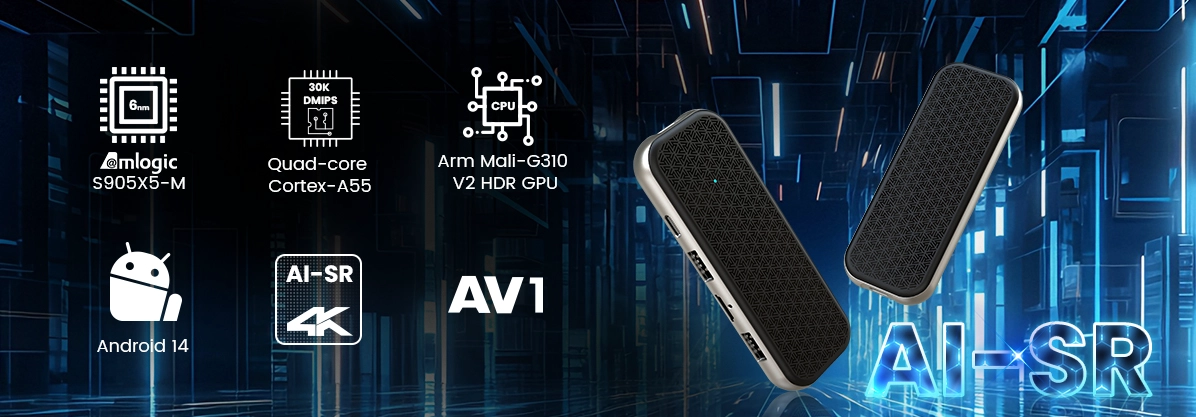
The SZTomato Solution: We handle the complex GMS licensing process for our ODM clients. We physically inject the HDCP 2.3 and Widevine keys into the RPMB (Replay Protected Memory Block) of the Amlogic S905Y4 or S905X5M chipset during the flash production stage. This guarantees that your hardware is recognized as a secure endpoint, unlocking 4K HDR playback globally.
2. The Interactive Function: Voice Command and IoT Control
By 2026, the remote control has evolved from a navigation tool to a microphone. The Google TV Box function includes acting as a central hub for the smart home or smart hotel room via Google Assistant.
-
Hardware Implications: Voice recognition requires pristine audio input. A standard remote often fails in noisy environments.
-
Customization Focus: SZTomato’s ODM division designs Bluetooth Voice Remotes with high-fidelity microphones and active noise cancellation circuits. We can also map specific "hotkeys" (e.g., "Front Desk" or "Room Service") directly onto the remote’s PCB, integrating your specific business services with Google's voice AI.
3. The Casting Function: Chromecast Built-in Stability
In corporate and hospitality environments, "Bring Your Own Device" (BYOD) is standard. The Google TV Box function of Chromecast Built-in allows users to push content from their phones to the TV without logging in.
-
Network Engineering: Reliable casting requires high-throughput, low-latency Wi-Fi. A generic box often stutters during casting sessions.
-
RF Optimization: We engineer our PCBA (Printed Circuit Board Assembly) with customized 2T2R MIMO antennas and Wi-Fi 6 modules. This ensures the device maintains the necessary bandwidth to support the Cast protocol smoothly, even when the box is hidden behind a thick hotel TV.
4. The Branding Function: Android TV Operator Tier
Many operators fear that using Google TV means losing their brand identity. The Operator Tier function solves this. It allows the device to boot into a Custom Launcher rather than the standard Google interface.
-
UI Sovereignty: This is the ultimate Google TV Box function for ISPs. It puts your live TV channels, your VOD library, and your billing notifications front and center.
-
Firmware Execution: SZTomato specializes in compiling these custom ROMs. We ensure that while the Google services run in the background (powering the Play Store and Assistant), the foreground experience is 100% aligned with your brand guidelines.
Conclusion: Functionality is an Engineering Discipline
Ultimately, a Google TV Box function is defined by how well it integrates into your service model. It is not just about playing video; it is about security, voice interaction, and brand control. At SZTomato, we do not just sell boxes; we engineer the certified infrastructure that makes these functions possible.
