
How do I connect a Streaming Media Player?
In the procurement logic of 2026, the "connection" phase is where the true quality of your hardware partner is revealed. For a global distributor or an IPTV operator, a poorly managed connection process leads to massive operational friction and high RMA rates.
Connecting a professional Streaming Media Player is a three-dimensional process: Physical, Network, and Systemic.
1. Physical I/O: Establishing the 4K/8K Handshake
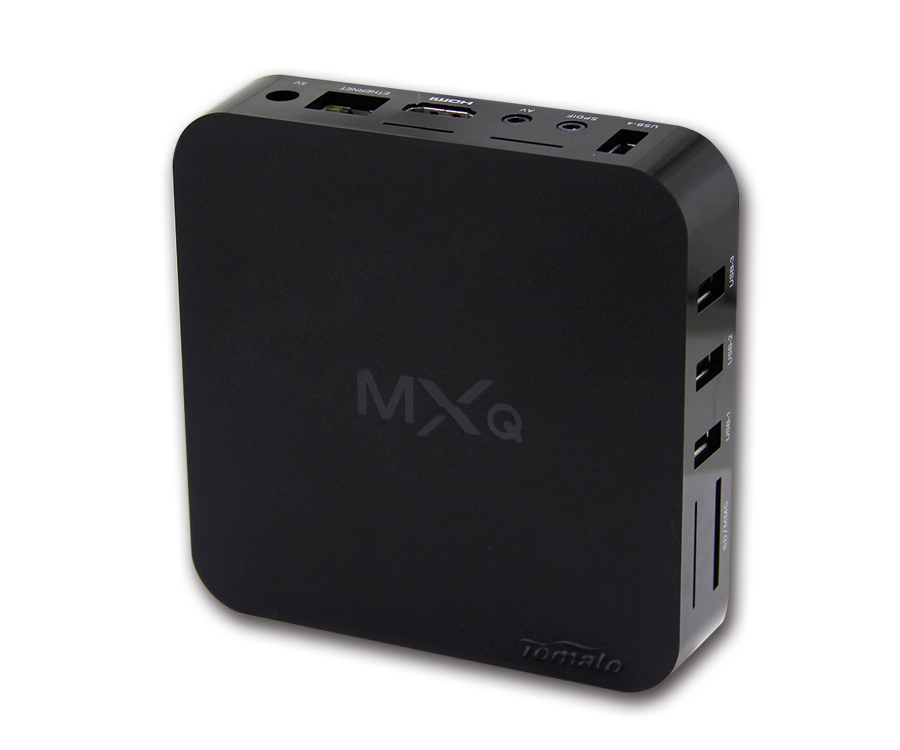
The physical connection is the foundation. By 2026, the industry has standardized on HDMI 2.1 to support 4K@120Hz or 8K@60Hz throughput. However, B2B buyers must account for cable integrity and port durability.
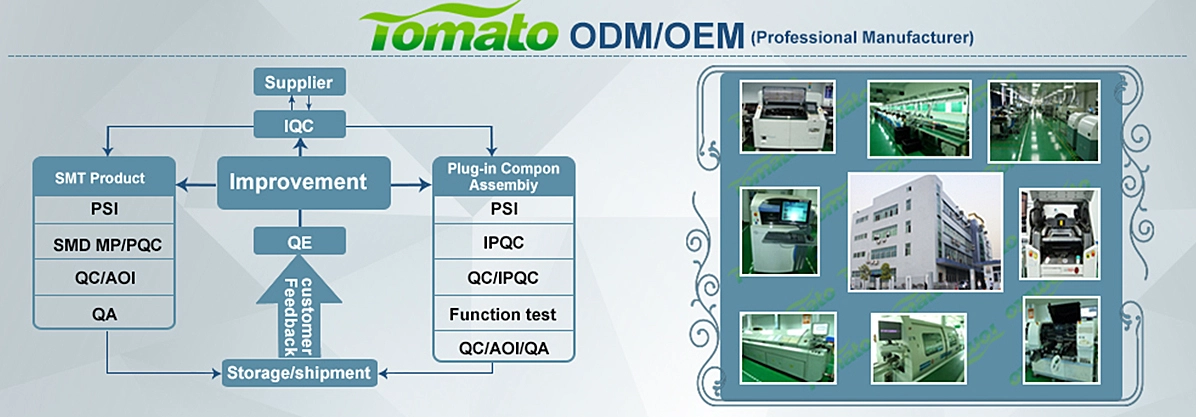
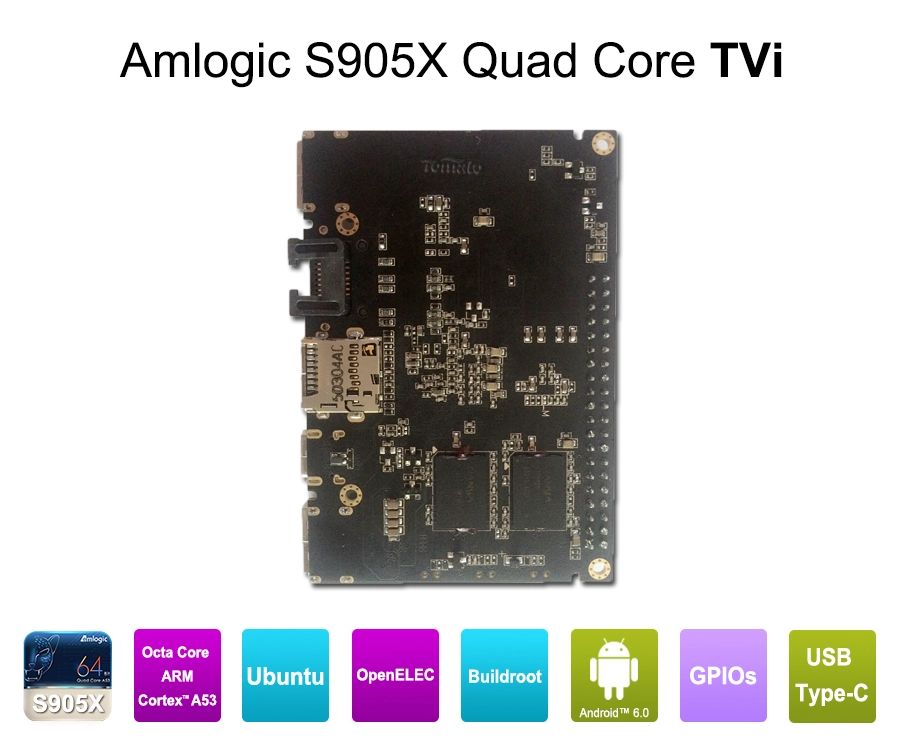
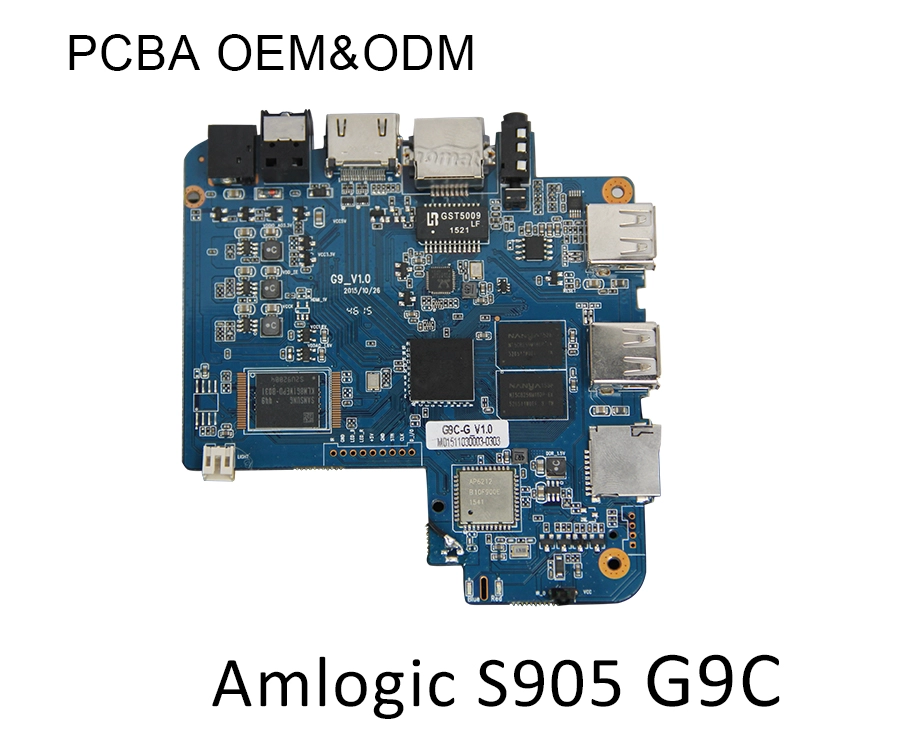
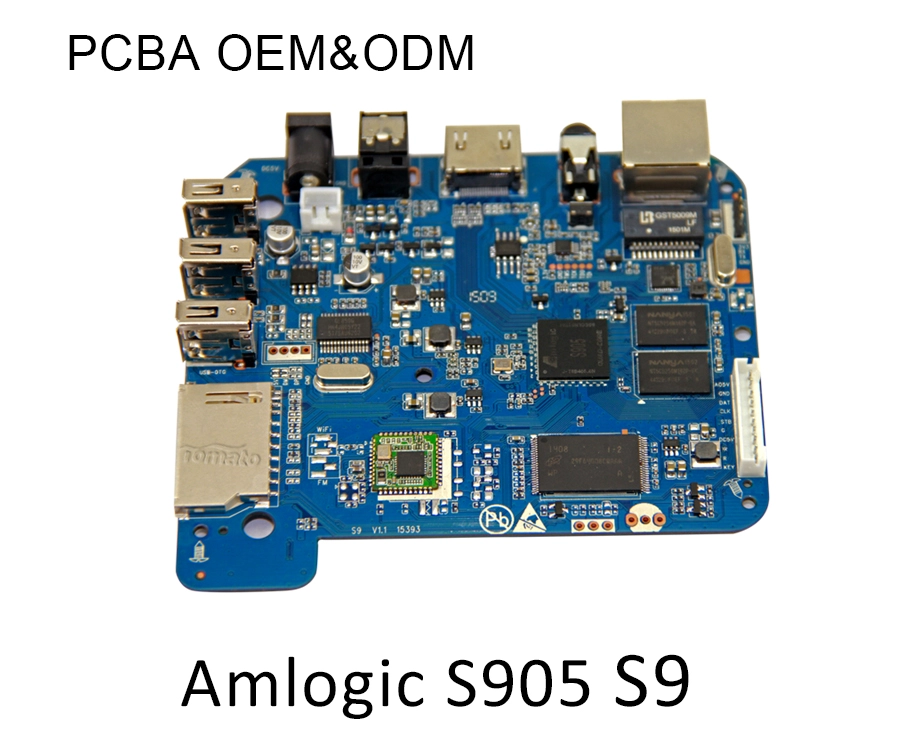
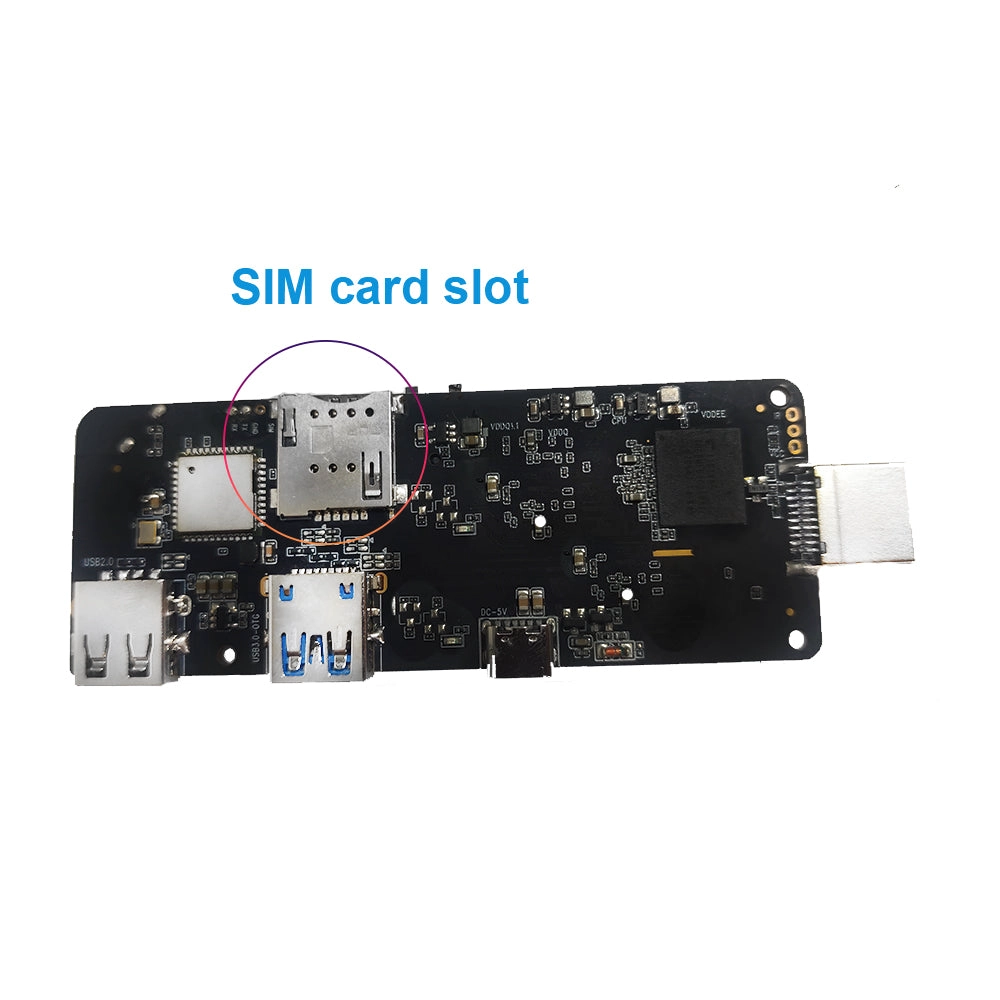
At SZTomato (www.sztomato.com), our OEM/ODM services go beyond the standard casing. We can modify the PCBA (Printed Circuit Board Assembly) to include reinforced HDMI ports or specialized I/O such as RS232 for industrial control systems. For hospitality or hospital deployments, we often provide custom-tooled housings that feature hidden cable management or locking mechanisms, ensuring that the physical connection remains secure against tampering.
2. Network Handshake: WiFi 7 and Zero-Trust Authentication
In 2026, "connecting to the internet" is a security challenge. Standard consumer boxes struggle with complex enterprise WPA3-Enterprise or zero-trust network environments.
To ensure a "buffer-free" experience, our Streaming Media Players utilize:
-
WiFi 7 (802.11be): Utilizing the 6GHz band to avoid interference in high-density environments like apartment complexes or hotels.
-
Gigabit Ethernet with PoE Support: For commercial signage, we can customize hardware to support Power over Ethernet (PoE), allowing a single cable to handle both data and power—a massive cost-saver for large-scale installations.
-
Custom Firmware Handshakes: SZTomato’s software team can pre-inject your network’s certificates and SSIDs into the firmware. This means the device connects to your private network the moment it is powered on, eliminating the need for manual on-site setup by technicians.
3. Systemic Sync: Automated Provisioning and OTA
The final step in "connecting" a player is linking it to your management server. In a B2B rollout of 10,000 units, manual configuration is impossible.
Through our software and firmware development capabilities, we implement Zero-Touch Provisioning (ZTP). Once connected to a network, the device automatically:
-
Syncs with your Private OTA Server: Checking for the latest mandatory security patches.
-
Loads your Branded Launcher: Overriding the stock interface with your proprietary UI.
-
Configures Local Settings: Automatically setting the time zone, language, and pre-installed APK permissions based on the device’s MAC address or serial number.
This "systemic connection" ensures that your Streaming Media Player is operational within 60 seconds of unboxing, drastically reducing your deployment's total cost of ownership (TCO).
Conclusion: Don't Just Connect, Integrate
The question "How do I connect a Streaming Media Player?" has shifted from a user manual task to a strategic engineering goal. By choosing a partner like SZTomato, with 15 years of deep-level customization and global logistics experience, you ensure that every "connection" is a bridge to higher brand loyalty and lower support costs.
Ready to streamline your next large-scale deployment with a custom-engineered Streaming Media Player solution? Contact SZTomato today to discuss your OEM/ODM roadmap.
