

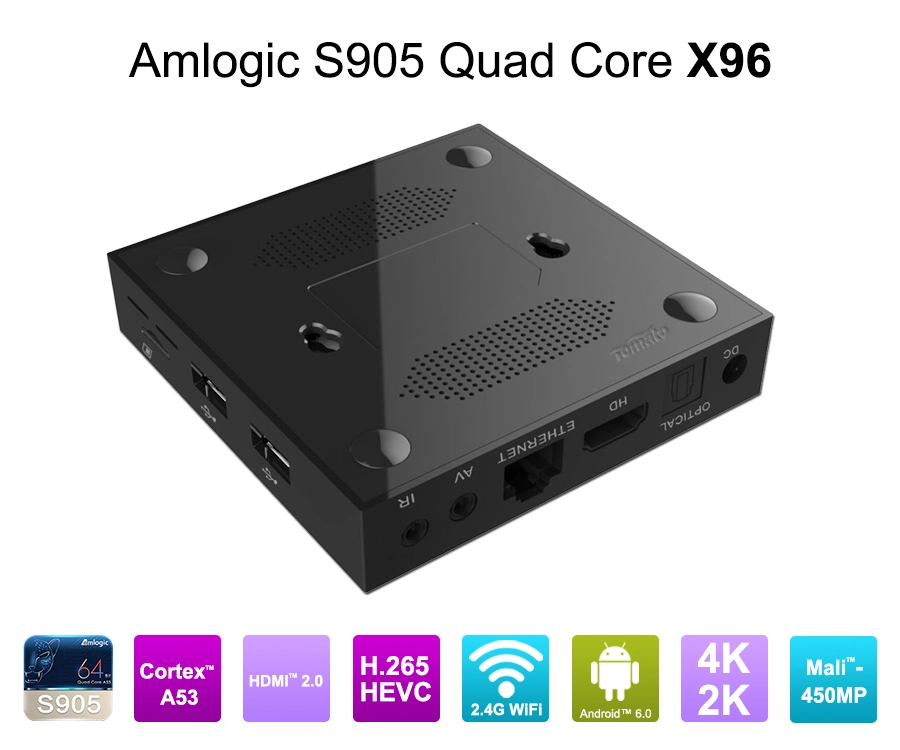
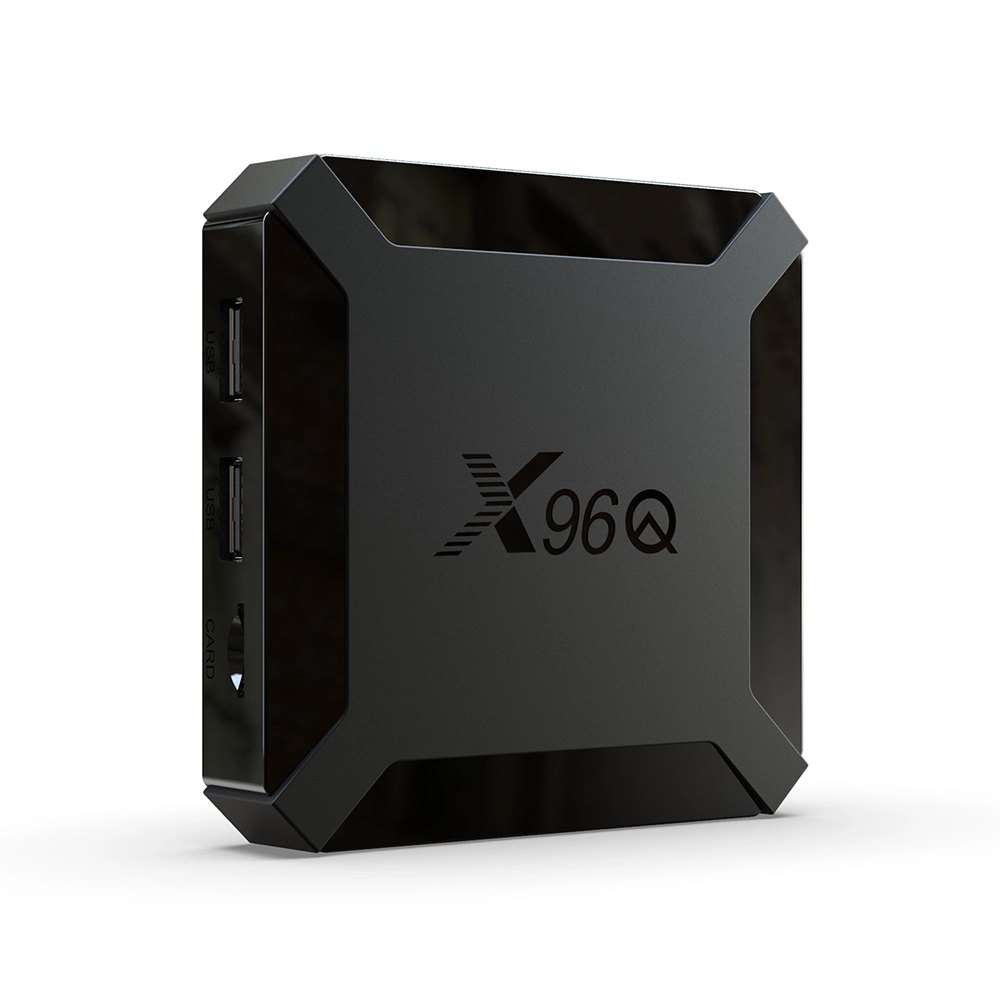
How does Streaming Media Player work?
As streaming dominates the modern entertainment landscape, the devices behind it—streaming media players—have become the silent enablers of seamless, on-demand content delivery. But how exactly do they work, and what makes them indispensable to the future of digital entertainment? SZTomato Technology Co., Ltd, a leading developer and manufacturer of smart TV boxes and streaming devices, offers a closer look at the mechanism, performance, and customisation options that make these devices essential for B2B partners worldwide.
The Engine of Modern Streaming
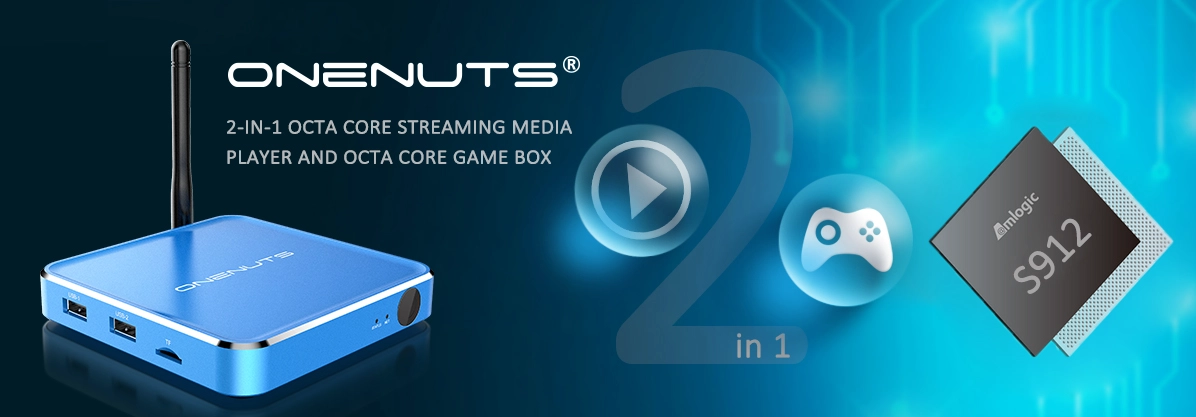
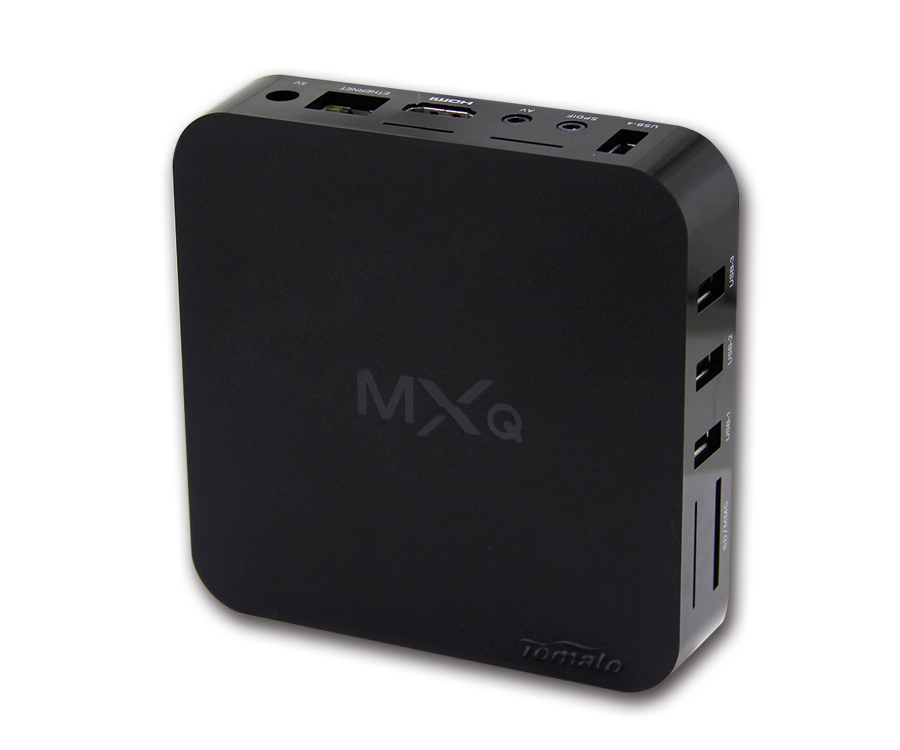
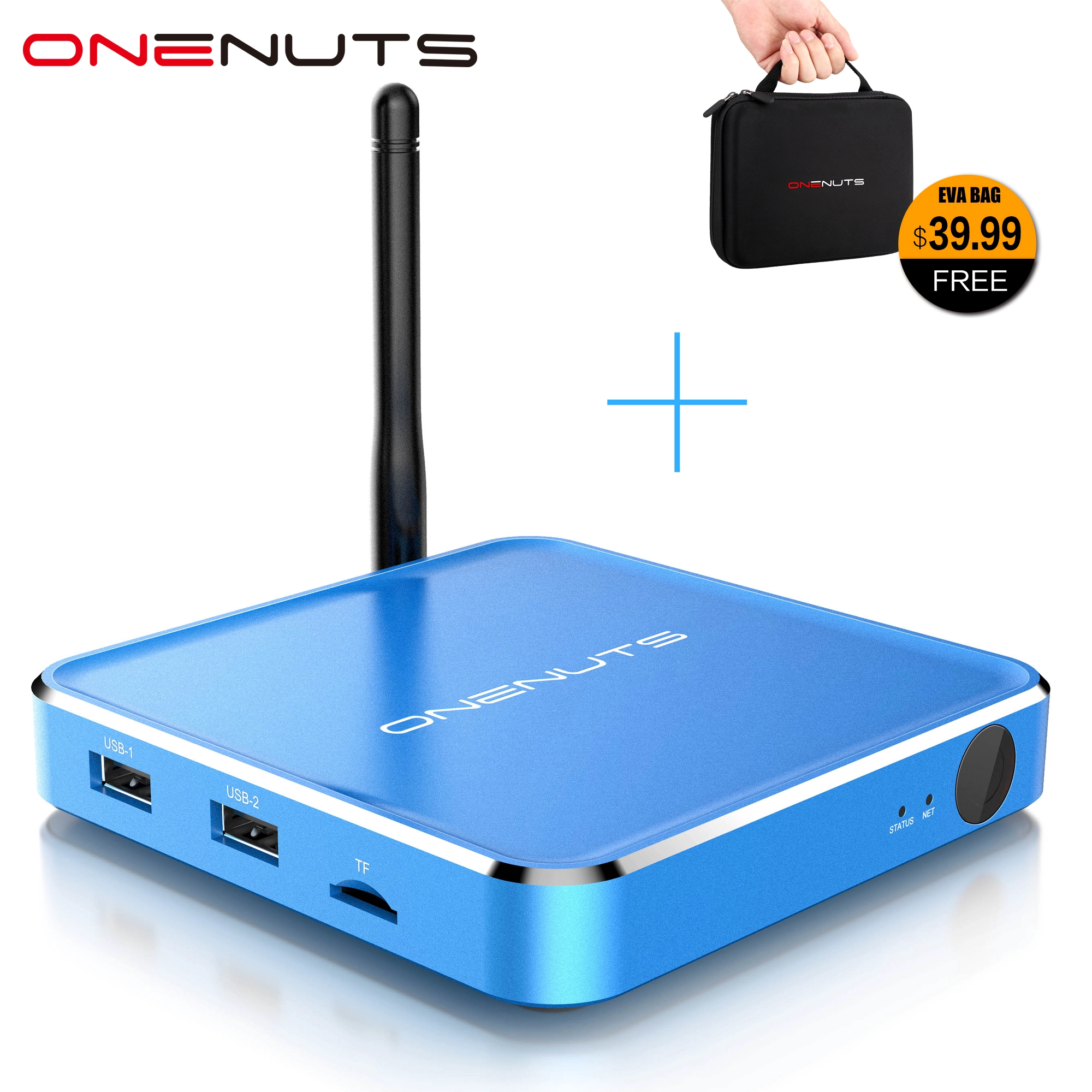
Streaming media players are specialised devices that connect your television or display to the internet, decoding and delivering digital content from online servers in real time. Unlike traditional cable or satellite systems that depend on broadcast schedules, streaming players allow users to access an infinite library of films, music, and live content instantly.
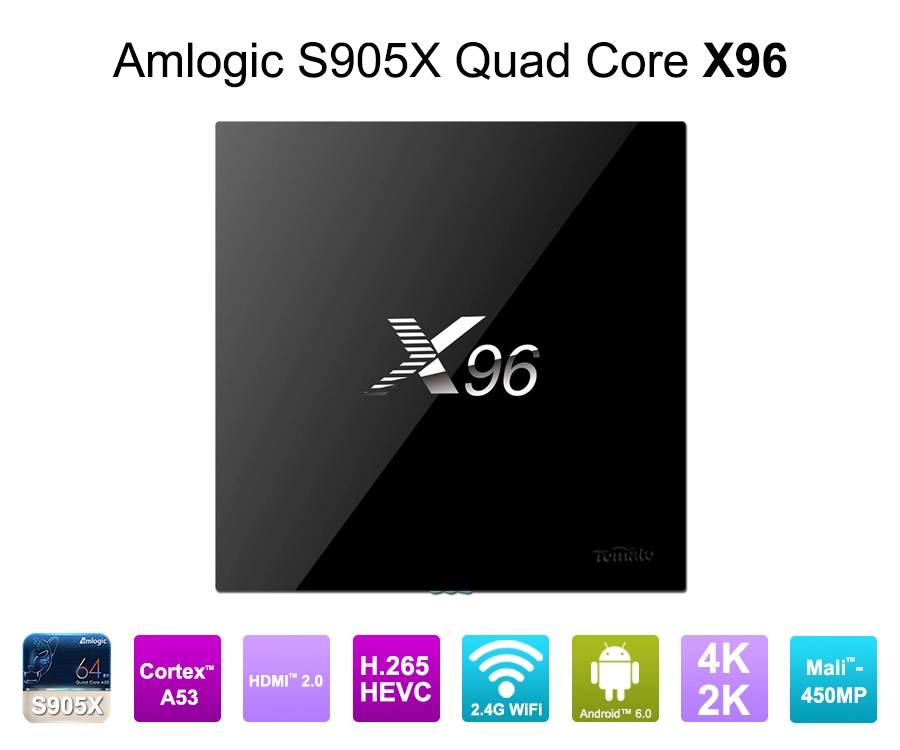
At their core, these devices operate on a simple but powerful principle: instead of downloading entire files before playback, they receive and process continuous data streams in real time. Whether in the form of Android TV boxes, Google TV boxes, or custom smart players, the streaming media player has redefined how audiences consume entertainment.
How Streaming Media Players Actually Work
The working process of a streaming media player involves a sequence of intelligent operations that transform digital data into smooth, high-quality video and sound.
Step 1 – Network Connection
The device connects to a television via HDMI and establishes an internet connection through Wi-Fi or Ethernet. Once connected, it communicates with content servers or streaming platforms.
Step 2 – Data Transmission and Buffering
When a user selects a video, the content is transmitted from remote servers in small segments, called “data packets.” The streaming media player buffers several seconds of content in advance to ensure smooth playback even during brief network fluctuations.
Step 3 – Adaptive Bitrate Streaming
Most modern streaming players use adaptive bitrate streaming technology. This system automatically adjusts the video resolution and bitrate according to the user’s network speed. If the bandwidth drops, the player seamlessly switches to a lower resolution instead of pausing the video.
Step 4 – Decoding and Rendering
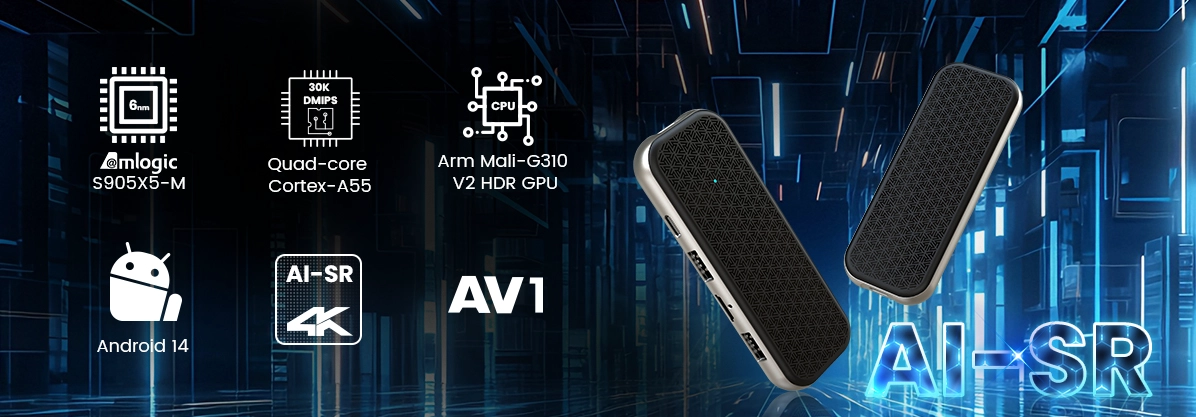
Once the player receives the data, its processor decodes compressed audio and video formats (such as H.264, H.265/HEVC, or AV1). Then, it renders the output through HDMI to the television, producing crisp visuals and clear sound.
This complex chain of operations takes place in milliseconds, allowing uninterrupted playback of even 4K or HDR content.
The Role of Hardware and Software
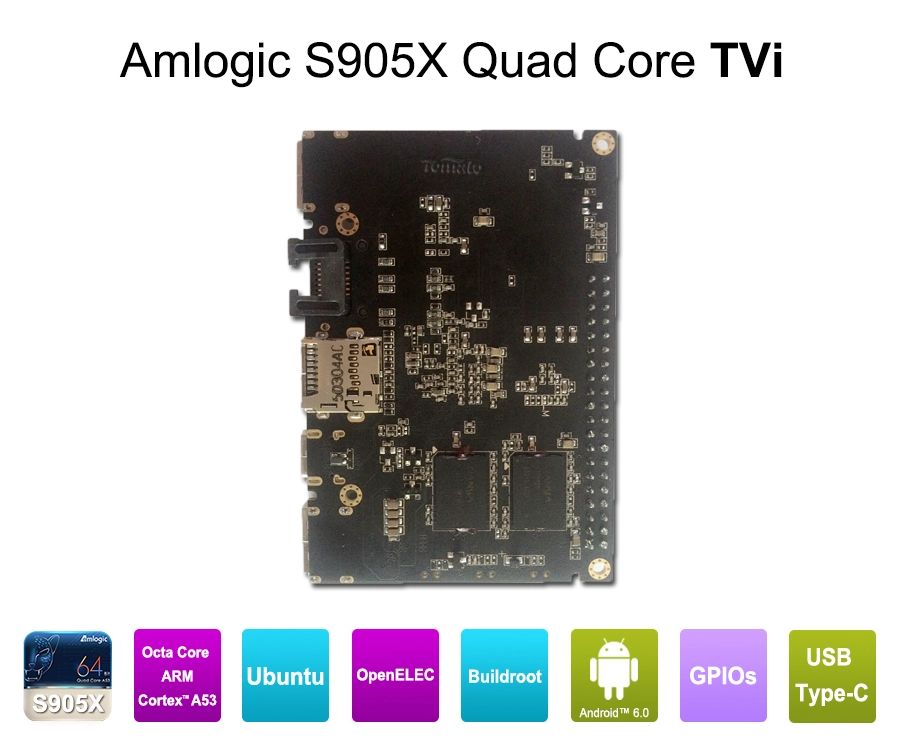
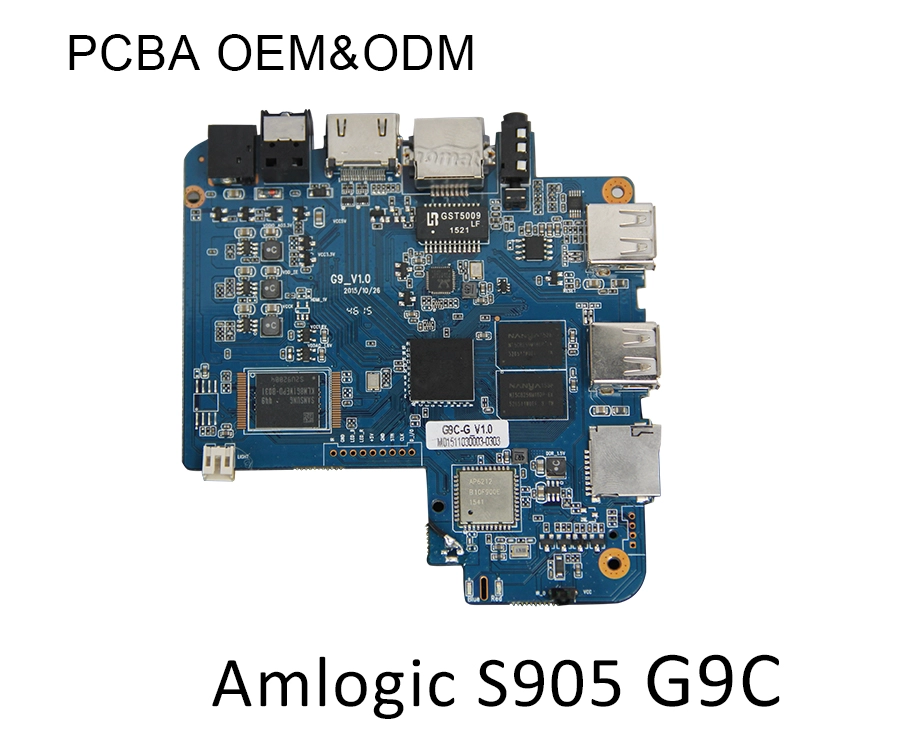
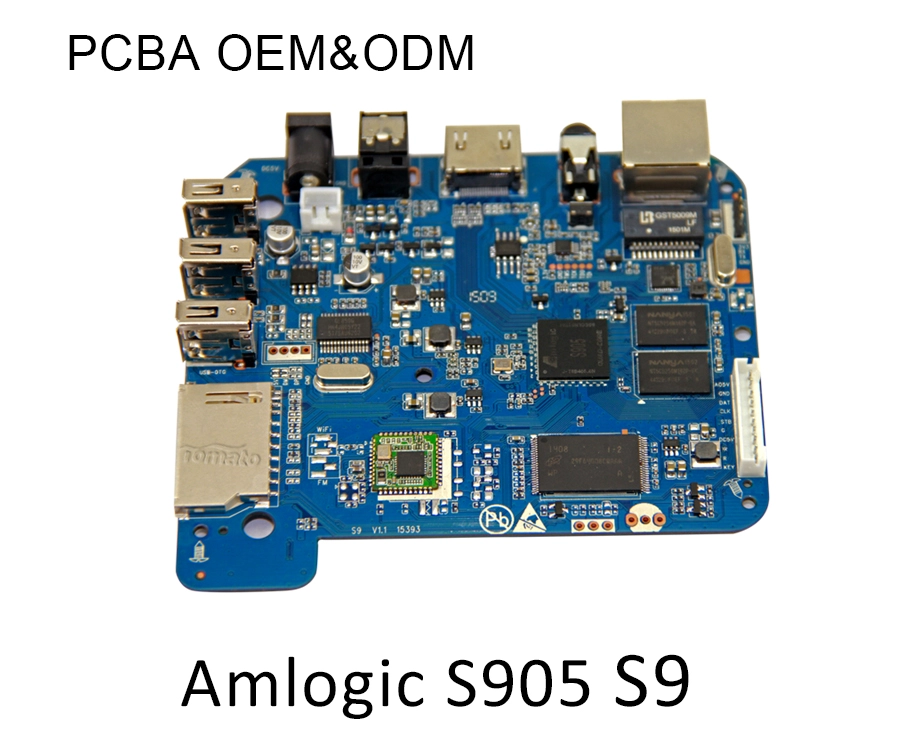
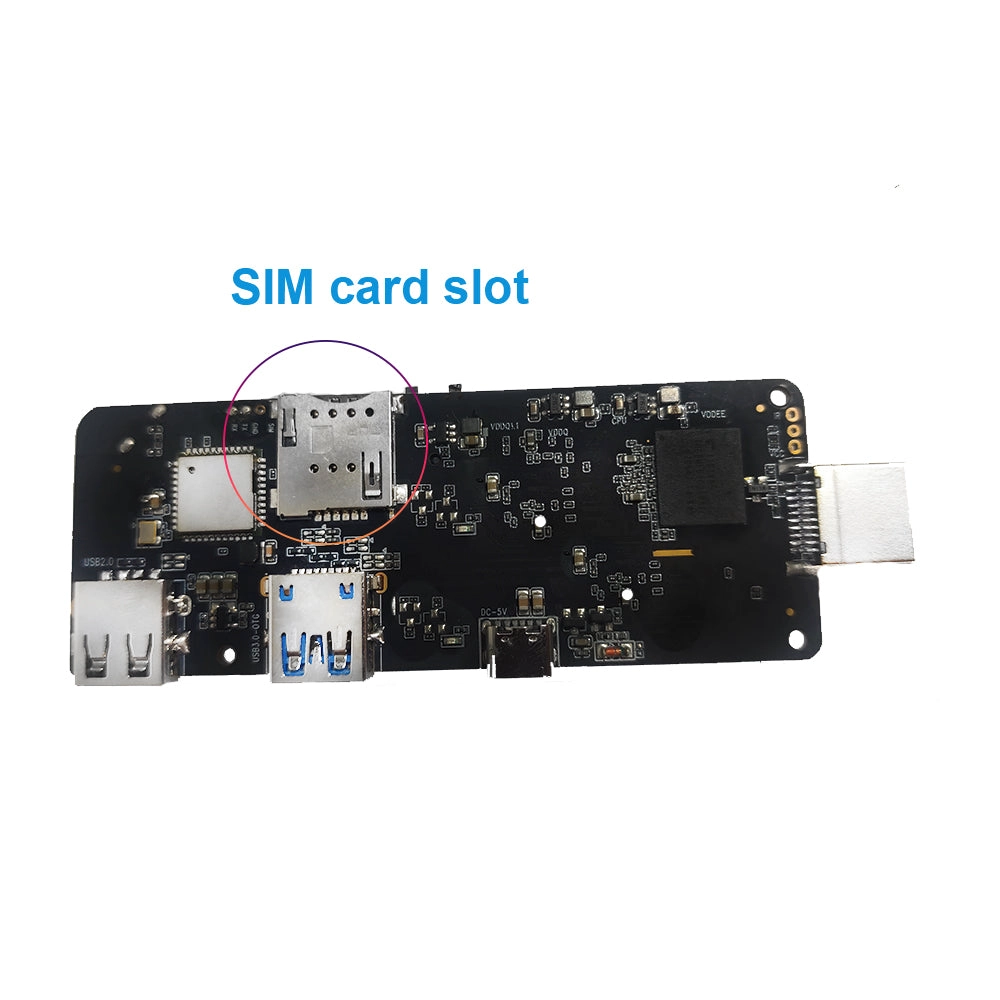
A streaming media player functions as both hardware and software. The hardware handles decoding, connectivity, and performance, while the software (often Android TV or Google TV OS) controls the interface, applications, and updates.
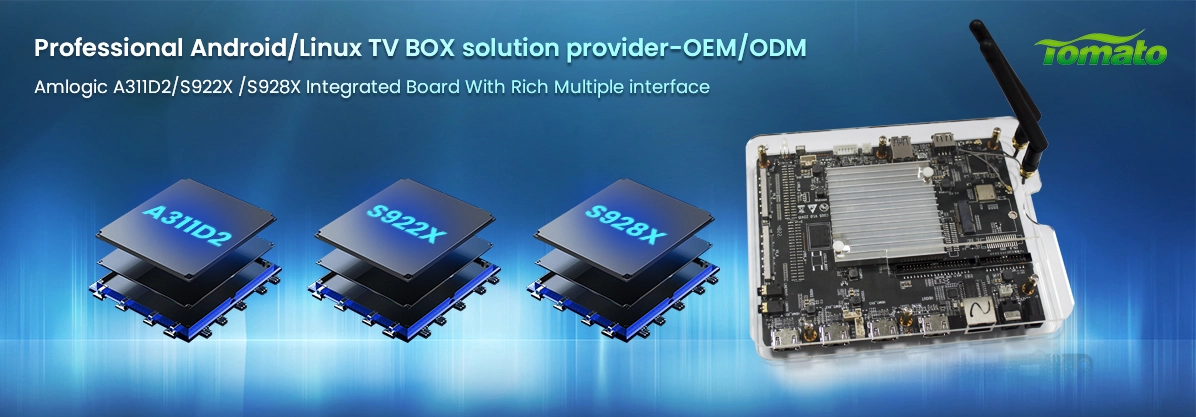
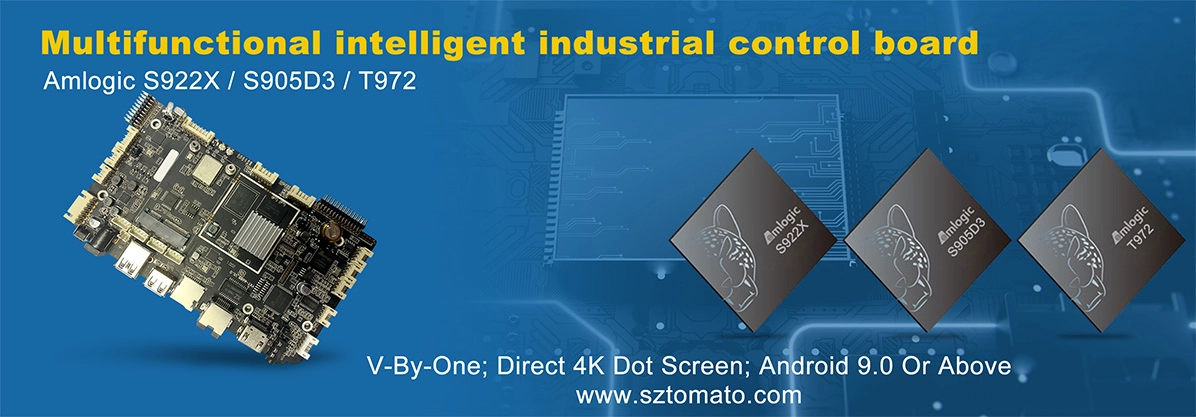
High-performance processors, such as Rockchip RK3588 or Amlogic S922X, enable fast decoding and AI-driven image enhancement. The software layer provides intuitive navigation and integration with major streaming platforms. Together, they define the user experience.
Why Streaming Media Players Are Transforming B2B Markets
Beyond personal entertainment, streaming media players are redefining B2B industries such as hospitality, digital signage, and corporate communications.
Hotels, for instance, deploy custom streaming devices to deliver interactive entertainment to guests. Digital signage systems rely on players to stream real-time advertisements and content to multiple screens simultaneously. Educational institutions use them to display live lectures or training materials.
For businesses, the flexibility of streaming players enables centralised control, cloud-based updates, and reduced operational costs.
Customisation – The SZTomato Advantage
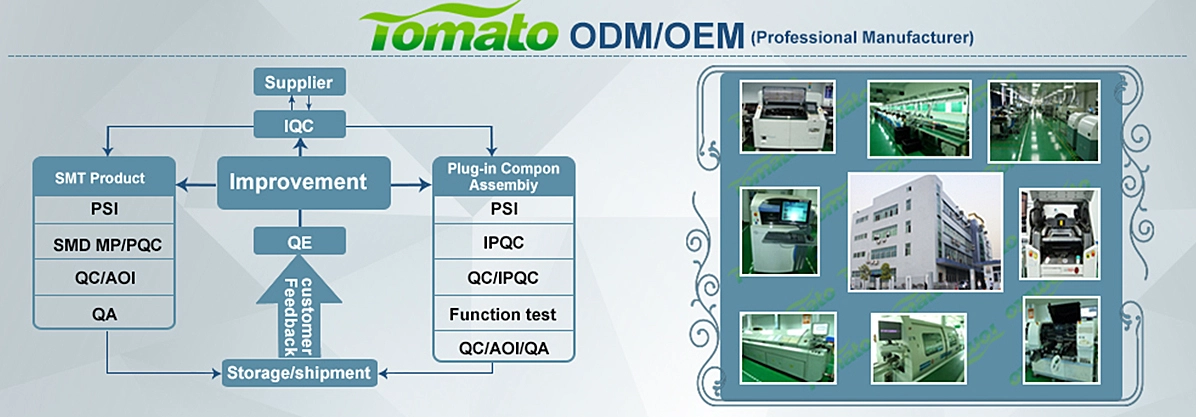
SZTomato Technology Co., Ltd provides full OEM/ODM customisation for streaming media players, giving B2B clients the ability to tailor every aspect of the product—from hardware configuration and firmware to interface design and packaging.
With a strong focus on innovation and reliability, SZTomato helps enterprises develop branded streaming solutions that integrate seamlessly with their ecosystem. Whether for Android TV, Google TV, or custom Linux-based systems, SZTomato’s products support advanced decoding, multi-display output, 4K/8K playback, and enterprise-grade connectivity.
The company’s global manufacturing capacity ensures scalability, while its engineering team offers long-term firmware support, remote management features, and software integration assistance.
Future of Streaming Media Players
The next generation of streaming media players will integrate AI, 8K decoding, Wi-Fi 7 connectivity, and edge-processing capabilities. These features will not only improve content quality but also expand applications into commercial, educational, and IoT environments.
As the demand for flexible, intelligent display solutions grows, businesses choosing customisable platforms will stay ahead of the competition. SZTomato’s forward-looking product strategy positions its partners at the forefront of this technological evolution.
Conclusion
A streaming media player is more than just a device—it’s the backbone of the modern digital content experience. By connecting hardware, software, and network intelligence, it transforms how audiences and businesses interact with media.
For enterprises seeking reliable, high-performance, and fully customisable streaming solutions, SZTomato offers the technical expertise and manufacturing capacity to deliver tailored results. Understanding how these devices work isn’t just about technology—it’s about seizing the opportunity to shape the future of digital streaming.
