
How does a Smart TV Box work?
In today’s digital age, Smart TV Box devices are transforming how people consume multimedia content. For businesses, distributors, and clients in the B2B channel, understanding exactly how a Smart TV Box works is essential—not only for choosing the right model but also for exploring customization opportunities. At SZTomato, we specialize in Android TV Box, OTT TV Box, Internet TV Box, Mini PC, Smart TV Box, Digital Signage solutions, with full OEM/ODM customization tailored to your brand.
What Is a Smart TV Box?
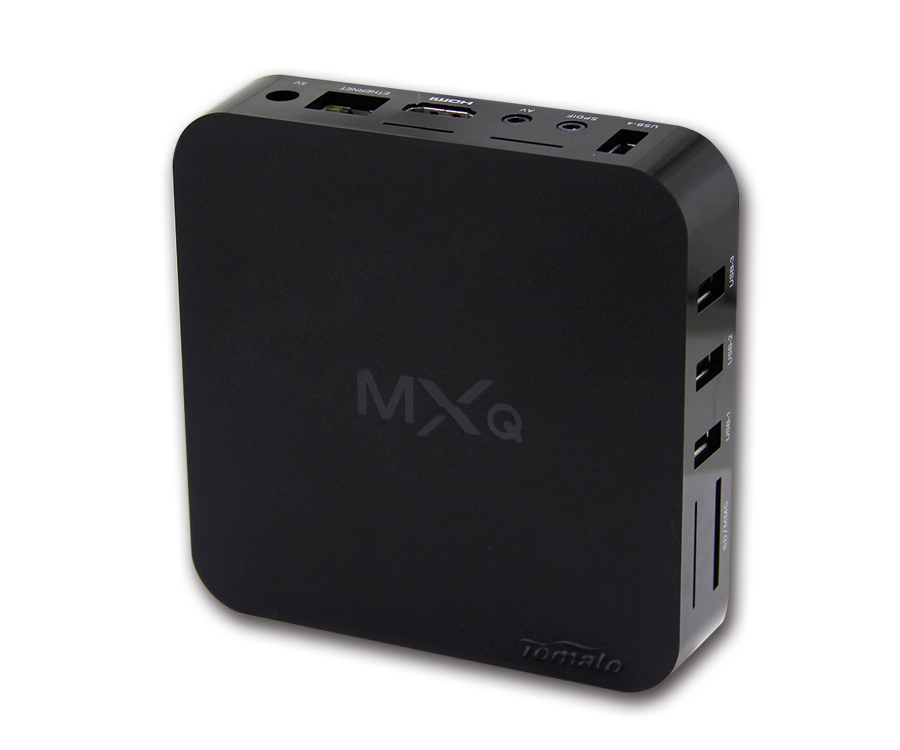
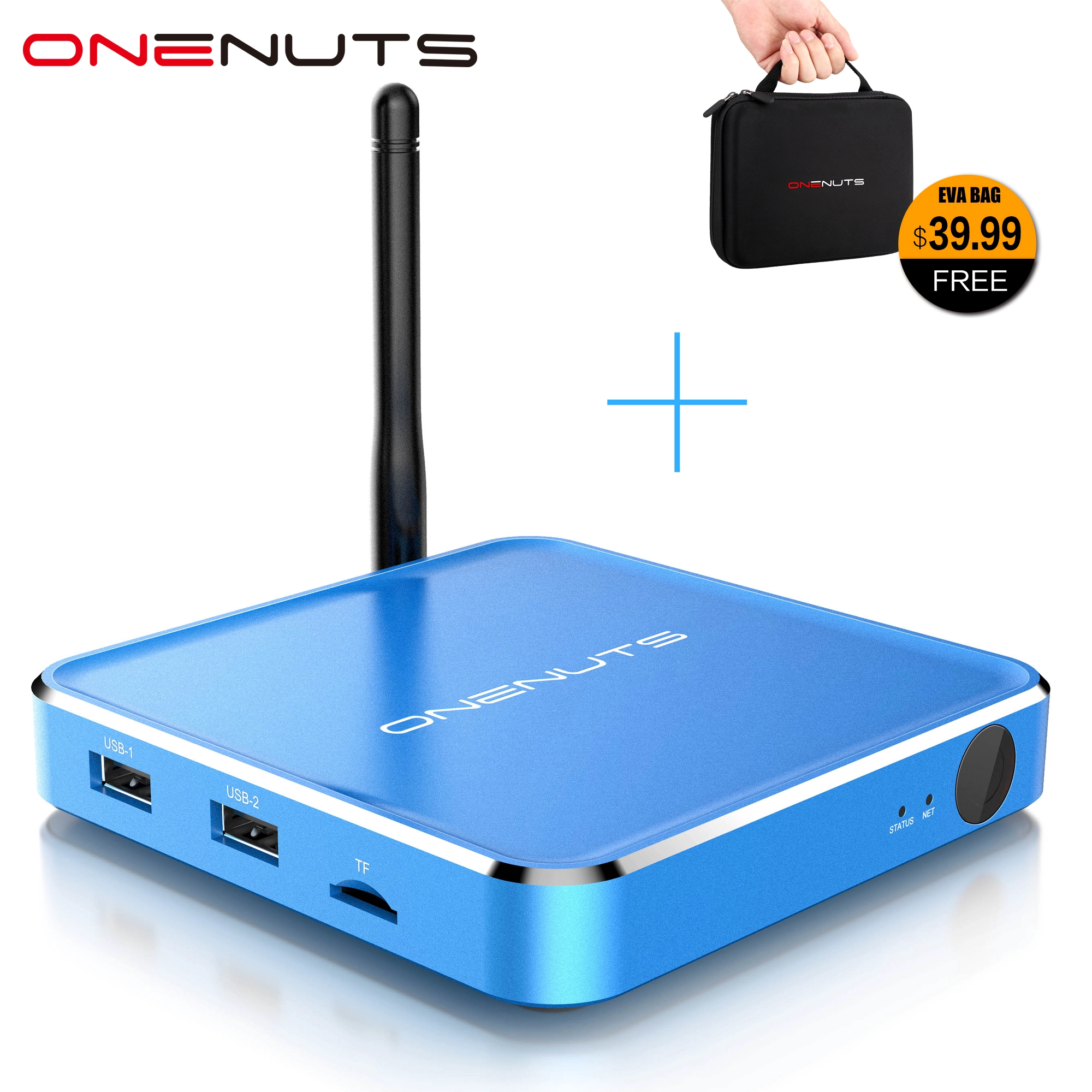
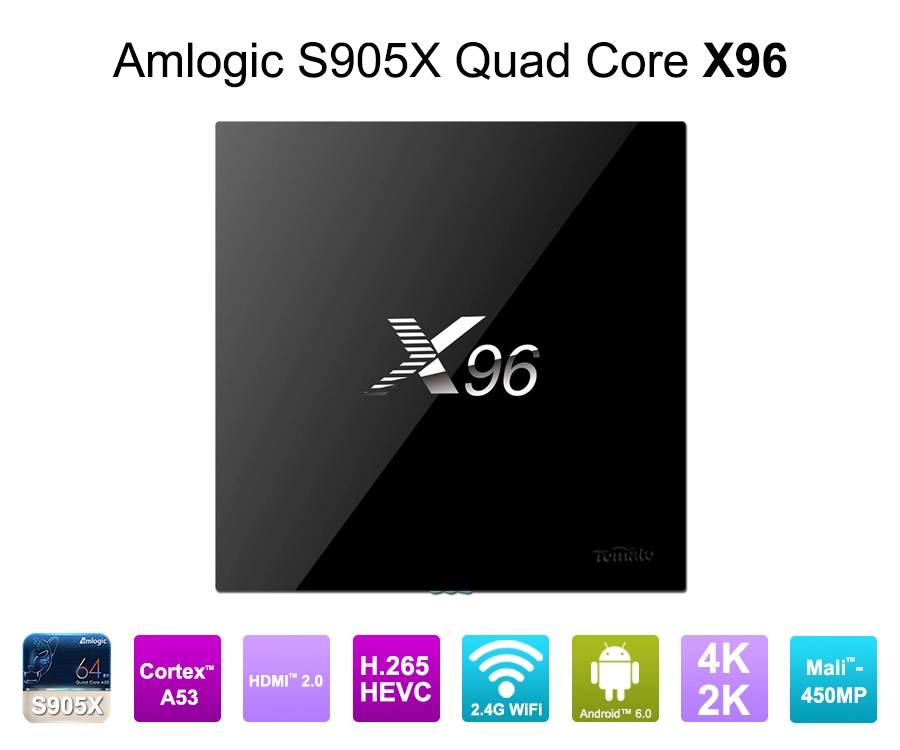
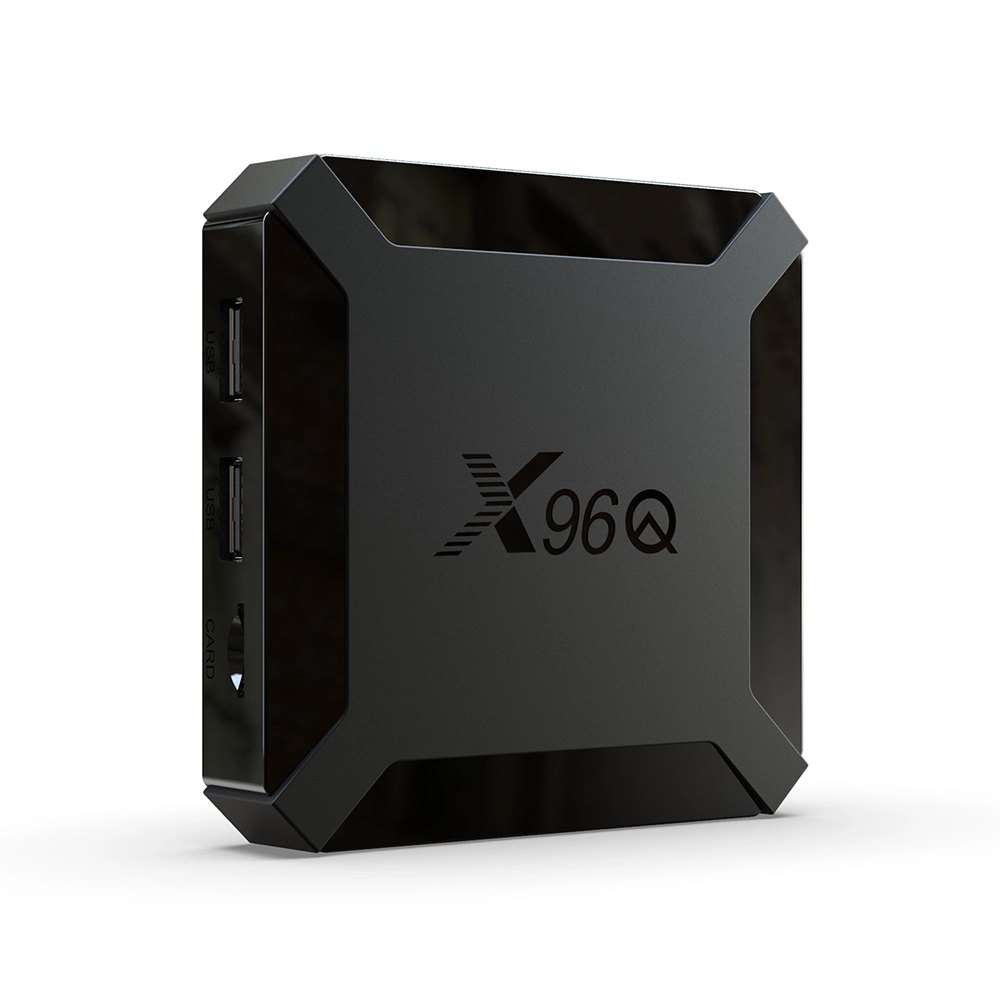
A Smart TV Box is a small, plug-and-play media device that converts a standard television into a fully featured smart device. By connecting via HDMI and network (Wi-Fi or Ethernet), the device enables streaming, app installation, web browsing, gaming, and smart home integration. It bridges the gap between traditional TV sets and modern streaming expectations.
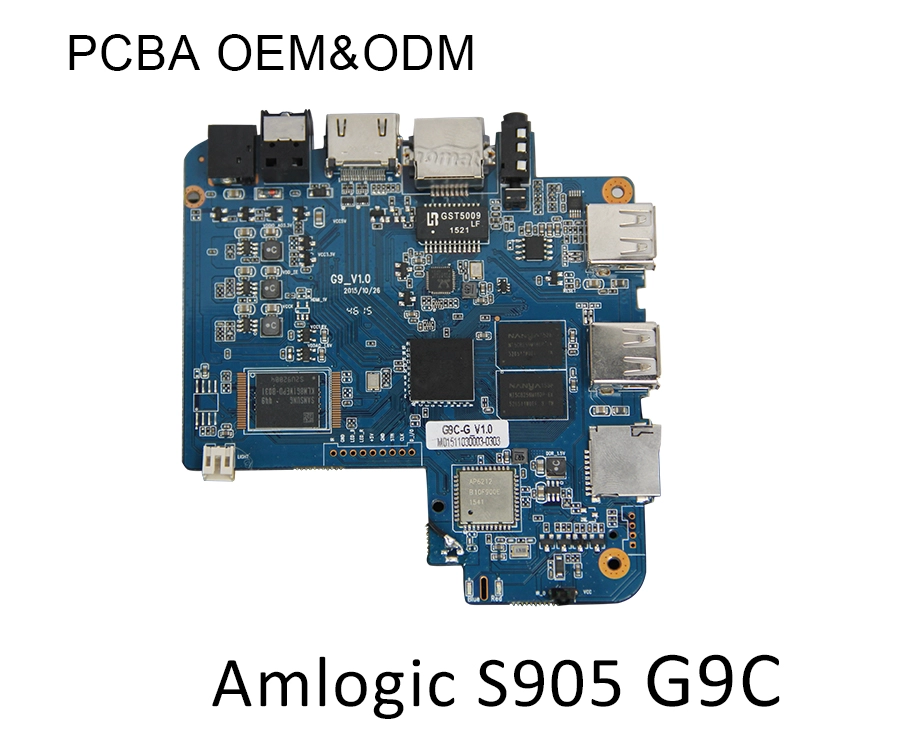
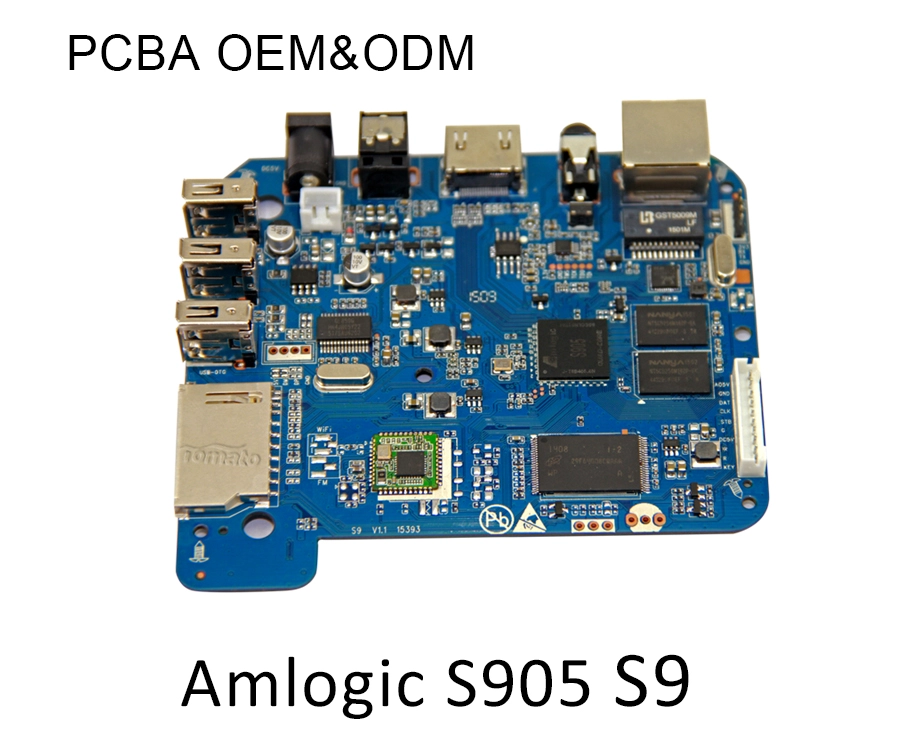
Key Hardware Components
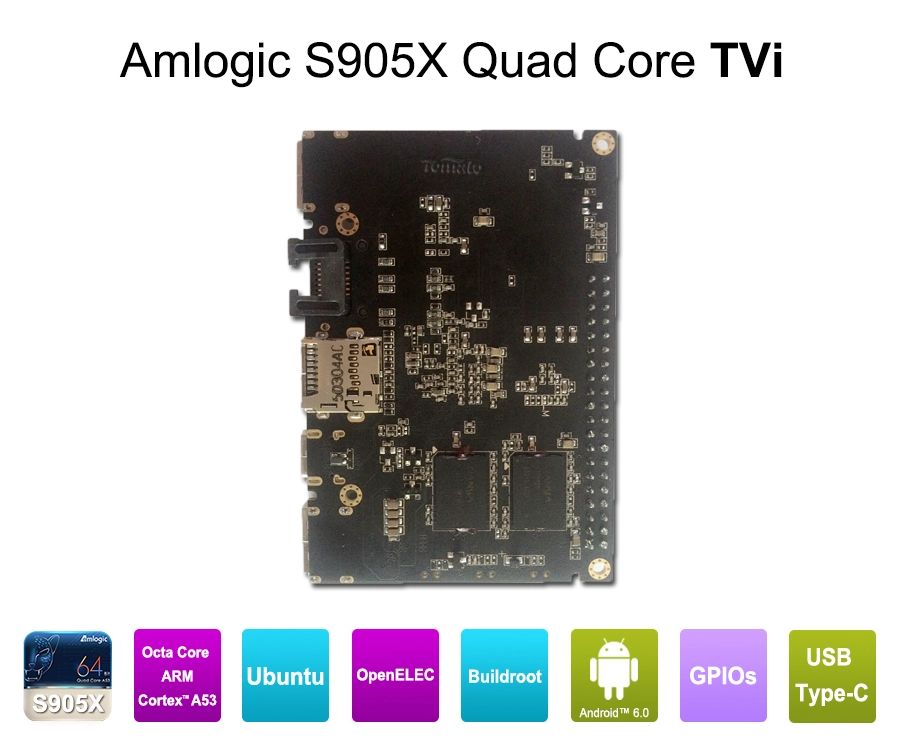
SoC (System on Chip)
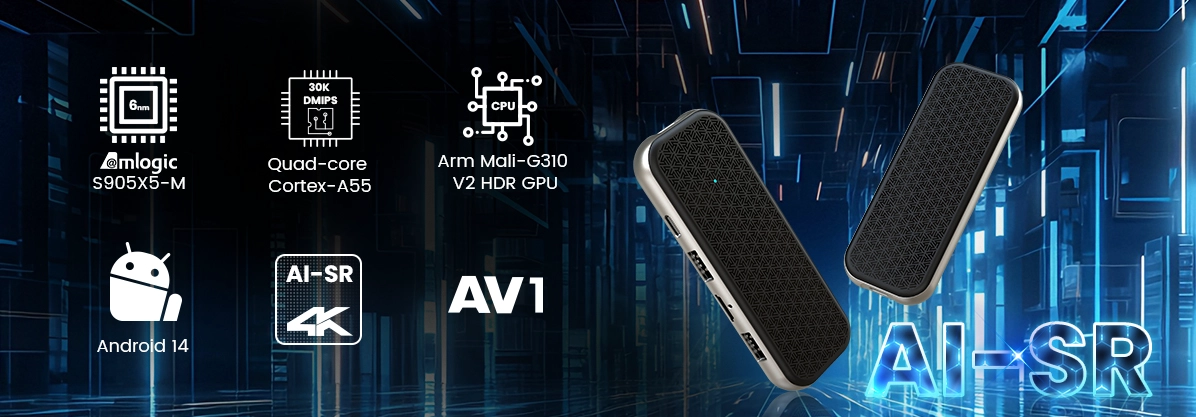
The brain of the Smart TV Box. It includes the CPU (for general computing tasks), GPU (for rendering graphics and video effects), and a dedicated video decoder (for efficient high resolution content, e.g. H.264, H.265, AV1). A high-performance SoC improves responsiveness and supports 4K, 8K, HDR features.
Memory & Storage
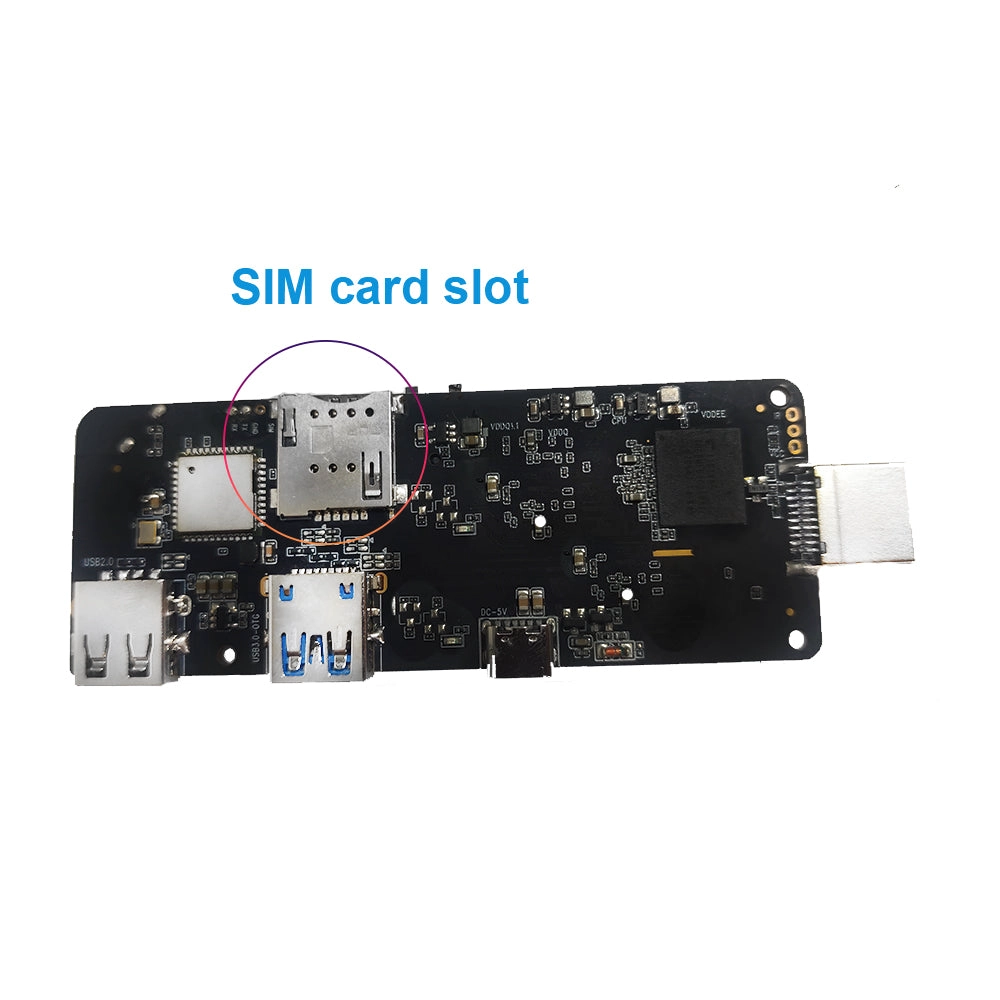
RAM (typically 2-4 GB or more) ensures smooth multitasking among apps, UI, streams. Flash storage (8-64 GB or higher) stores the OS, preloaded apps, plus any downloaded content. Many models support expandable storage (USB, microSD) for additional media or firmware.
Connectivity Interfaces
-
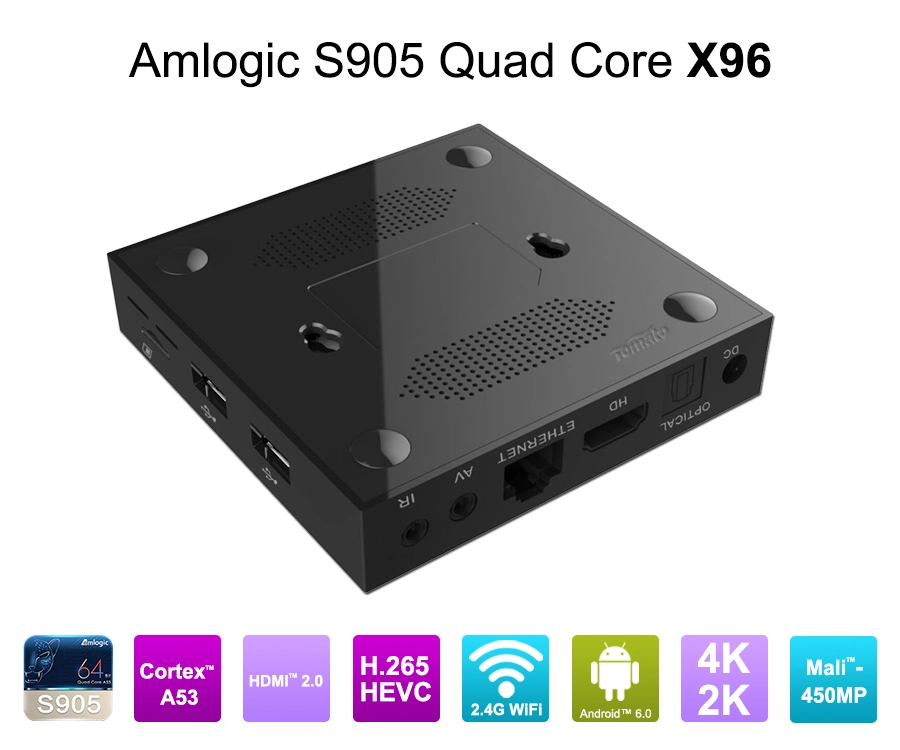
HDMI outputs (HDMI 2.0, 2.1) to deliver high-definition video/audio to TV sets.
-
Wi-Fi (dual-band 2.4 / 5 GHz) and Ethernet for streaming content from online services or local network.
-
Bluetooth for remote controls, gamepads, headphones.
-
Ports such as USB, microSD are used for external storage or attachments.
Software Architecture & Streaming Protocols
Operating System & UI
Most Smart TV Boxes run Android TV or a customized Android build. Others use specialized Linux-based OSes. The OS handles app management, UI navigation, input methods (remote, voice), and security layers.
App Ecosystem & Firmware Updates
Smart TV Boxes support streaming services like Netflix, YouTube, Amazon Prime, etc. Also support for local media playback (DLNA, Plex, Kodi). Firmware updates are critical—they patch security issues, add support for new video codecs, new streaming standards, and improve performance.
Streaming Protocols & Content Delivery
-
Adaptive bitrate streaming (e.g., HLS, MPEG-DASH) adjusts video quality depending on bandwidth to reduce buffering.
-
Content Delivery Networks (CDNs) ensure content is cached close to the end user, lowering latency and improving reliability.
-
DRM and encryption protect streaming content.
These protocols and services work together so that when a user selects a movie or show, the box fetches video segments from a nearby CDN through the internet, decodes them via hardware decoders in the SoC, and then displays them via HDMI on the connected TV.
How Smart TV Box Works in Practice: From Setup to Usage
Physical Installation & Setup
-
Connect the Smart TV Box to your TV via HDMI.
-
Plug in power. Optionally use Ethernet for a more stable link.
-
Turn on the TV, switch input to the correct HDMI port.
-
Follow on-screen steps: language, network connection, account logins.
Day-to-Day Use
-
Launch streaming apps, browse content, use search/voice control.
-
Some boxes support casting or mirroring from mobile devices.
-
Use remote control, voice assistant, or Bluetooth accessories (game controller, keyboard).
Customization & OEM/ODM Possibilities from SZTomato
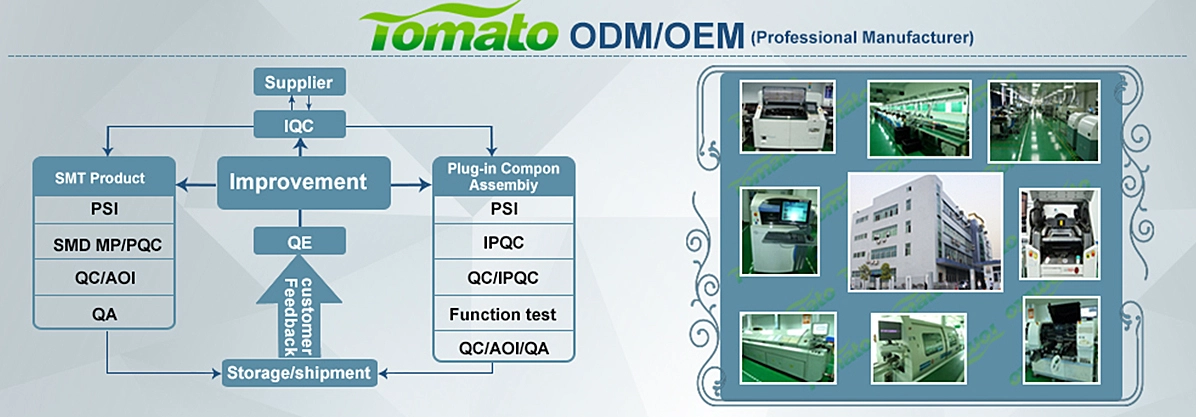
At SZTomato, we recognize that different markets and customers have different requirements. Our OEM/ODM support can include:
-
Custom branding (logo, enclosure design)
-
Customized hardware spec (SoC, memory, storage, interfaces)
-
Tailored software/firmware: pre-installed apps, custom UI, language and region adaptation, firmware update system
-
Special features such as digital signage, corporate deployment, smart-home integration
These custom options ensure your Smart TV Box offering matches your market positioning and customer expectations.
Performance Optimization & Best Practices
-
Keep firmware up to date to use latest optimizations.
-
Use high quality HDMI cables and, where possible, wired Ethernet to reduce lag.
-
Don’t overload the device with unused apps; free up storage and limit background processes.
-
Proper ventilation helps avoid thermal throttling, improving longevity.
Trends & What’s Next
-
AV1 codec and newer video compression standards will provide better quality at lower bandwidth.
-
HDMI 2.1 and features like Variable Refresh Rate (VRR), eARC, 4K at 120 Hz or 8K support will grow.
-
AI-driven recommendation engines embedded in firmware.
-
Increased use in digital signage, interactive kiosks, and enterprise uses.
Conclusion
A Smart TV Box works by combining capable hardware, flexible software, and robust content delivery to convert an ordinary TV into a modern entertainment hub. By understanding the roles of SoC, memory, connectivity, streaming protocols, and by following best practices, businesses and end users can choose or build Smart TV Boxes that perform reliably and deliver excellent user experience. With SZTomato’s OEM/ODM customization, you have both flexibility and technical support to offer products tailored to your brand and market.
