
How does an Android TV Box really work?
For system integrators, retailers, and commercial operators, the Android TV Box is a deceptively simple piece of hardware. It’s small, quiet, and connects easily. Yet, the reliability, performance, and long-term viability of a large-scale deployment—be it for digital signage, hospitality, or enterprise communications—hinge entirely on the complex internal architecture.
Understanding how an Android TV Box really works goes far beyond its function as a streaming device; it means grasping the technical layers that allow for the specialized customization necessary in the B2B world. As experts in OEM TV Box manufacturing, we believe technical transparency is key to building successful partnerships.
The Core Engine: Understanding the Android TV Box Hardware Architecture
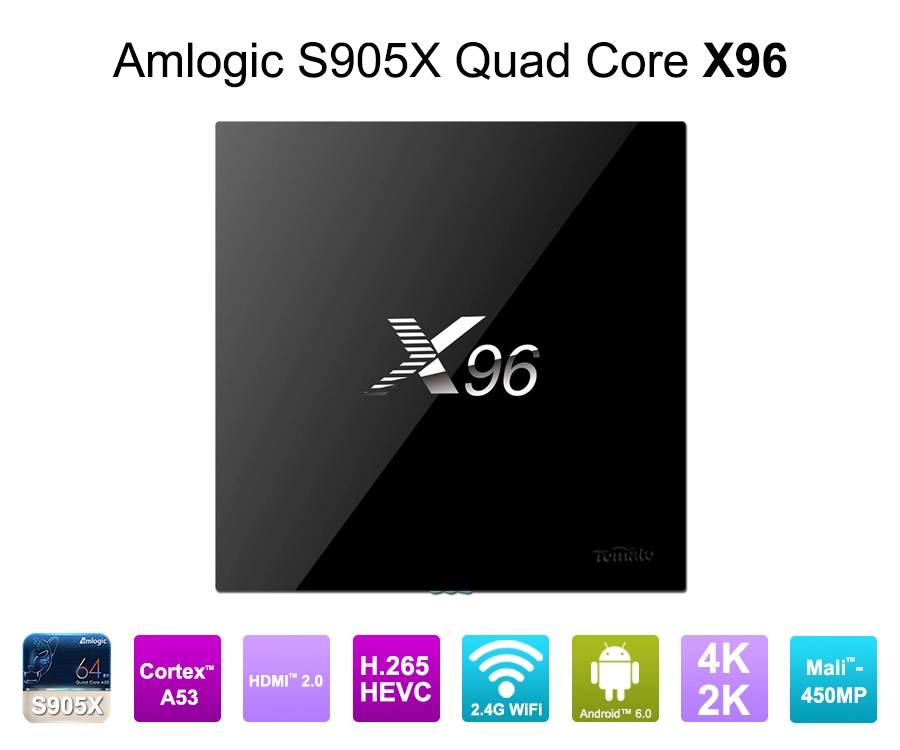
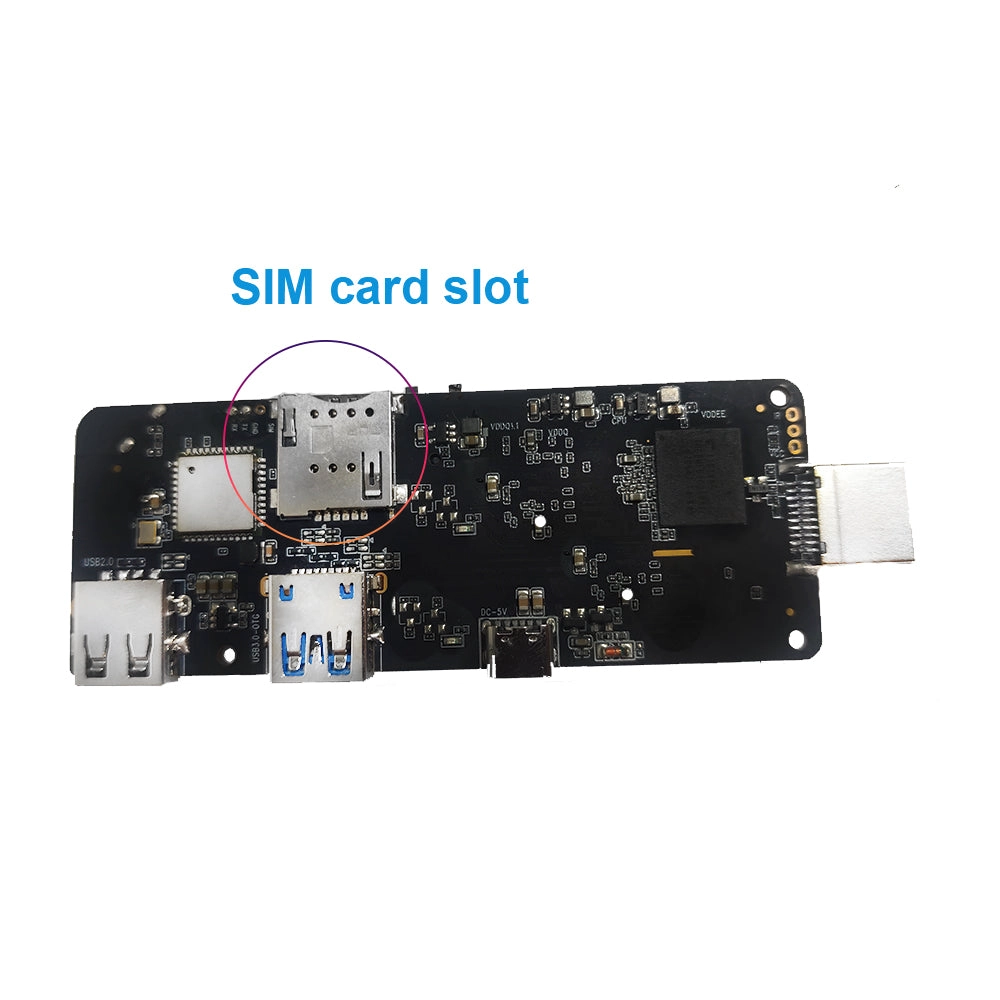
At its foundation, an Android TV Box is a highly specialized microcomputer designed for video output. Its operation is dictated by a few critical components.
The Brain: System-on-a-Chip (SoC)
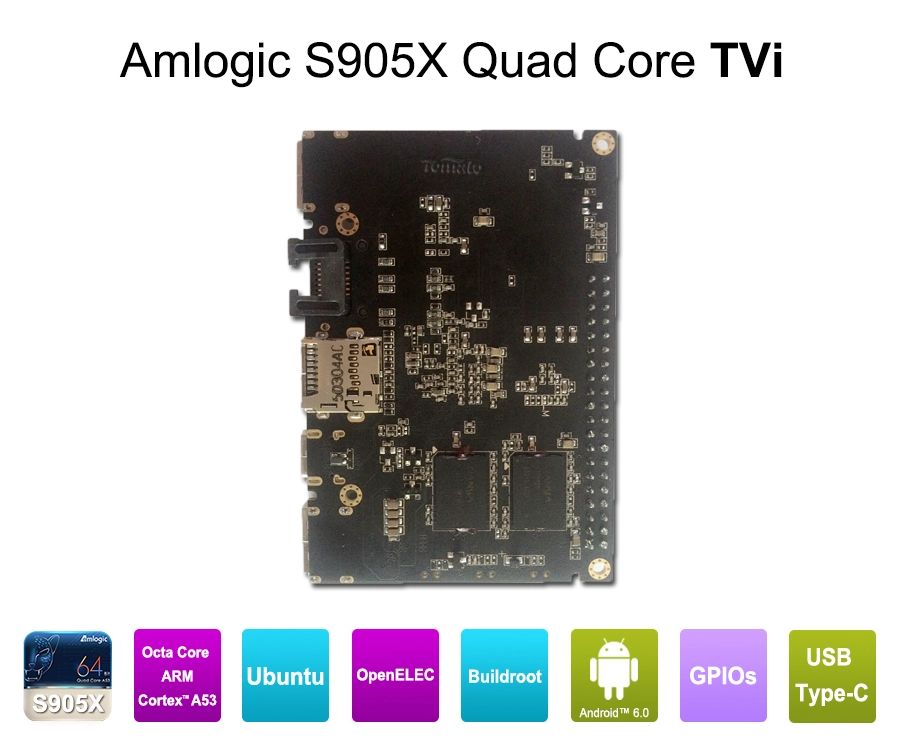
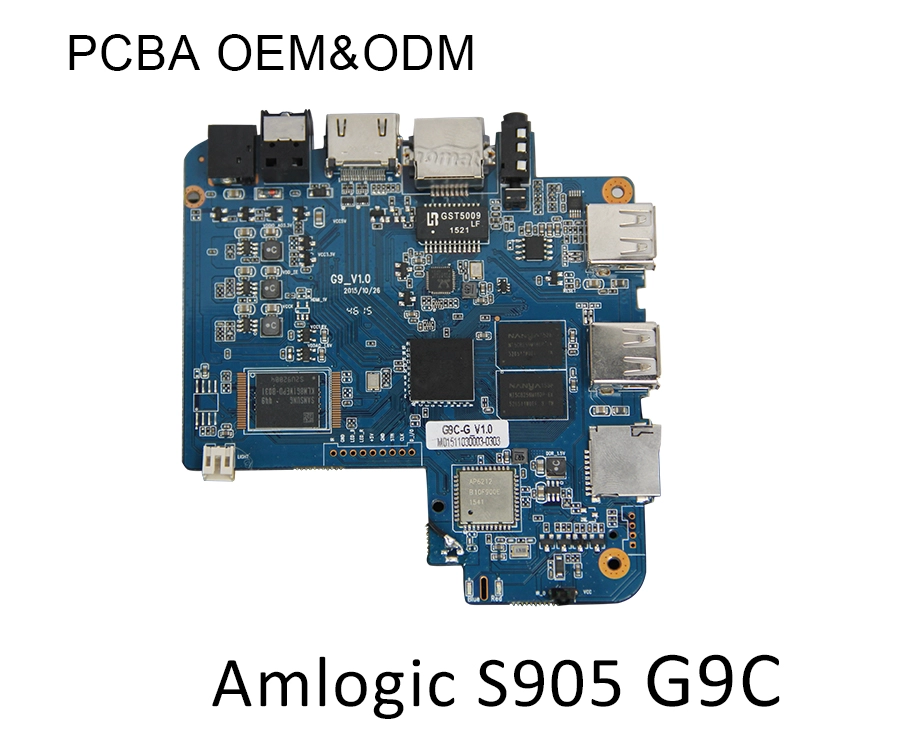
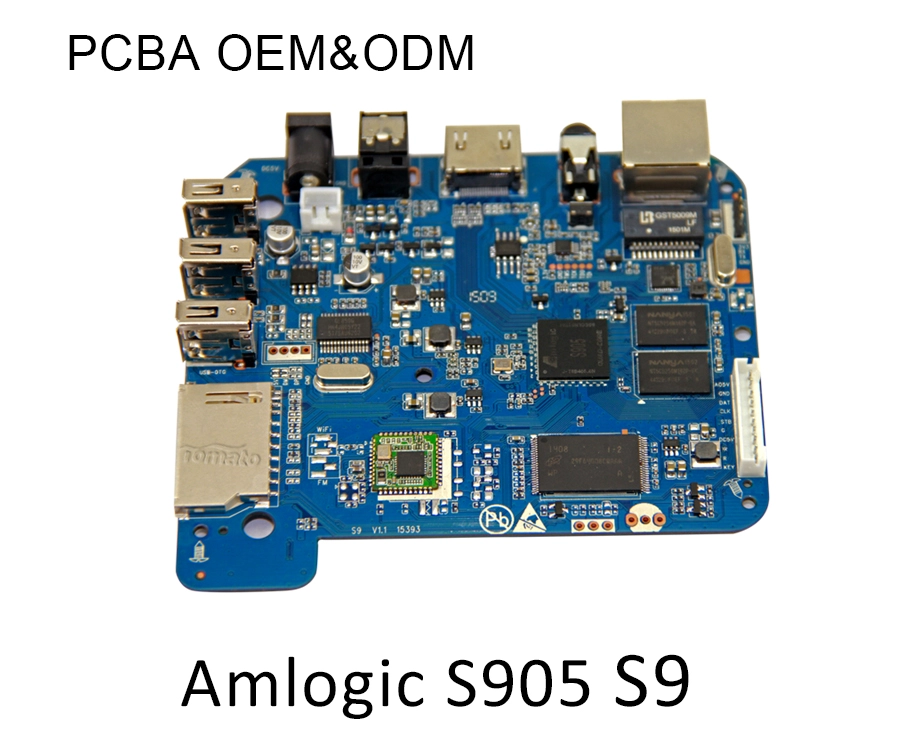
The most essential component is the System-on-a-Chip, or SoC. This is the integrated circuit that houses the main processing units.
-
Central Processing Unit (CPU): Handles the operating system (Android), network stack, and user interface commands.
-
Graphics Processing Unit (GPU): Renders the user interface, games, and graphical elements.
-
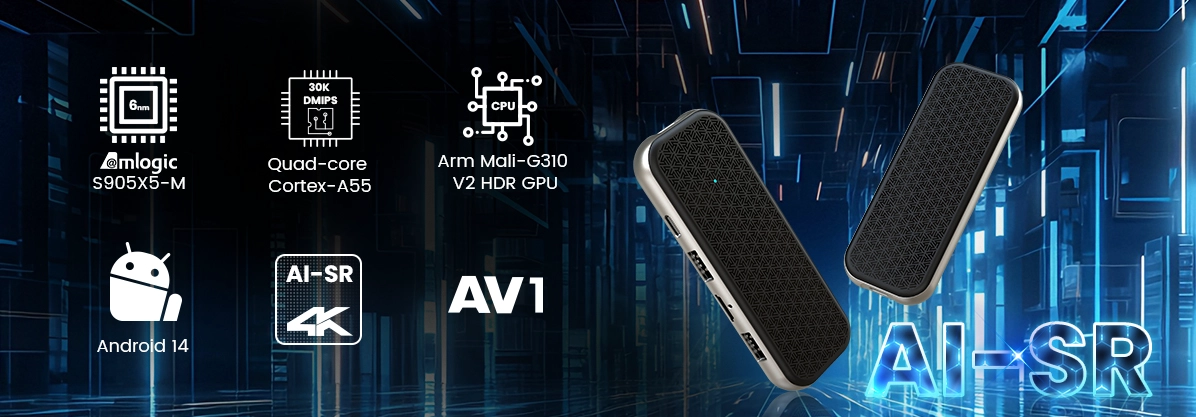
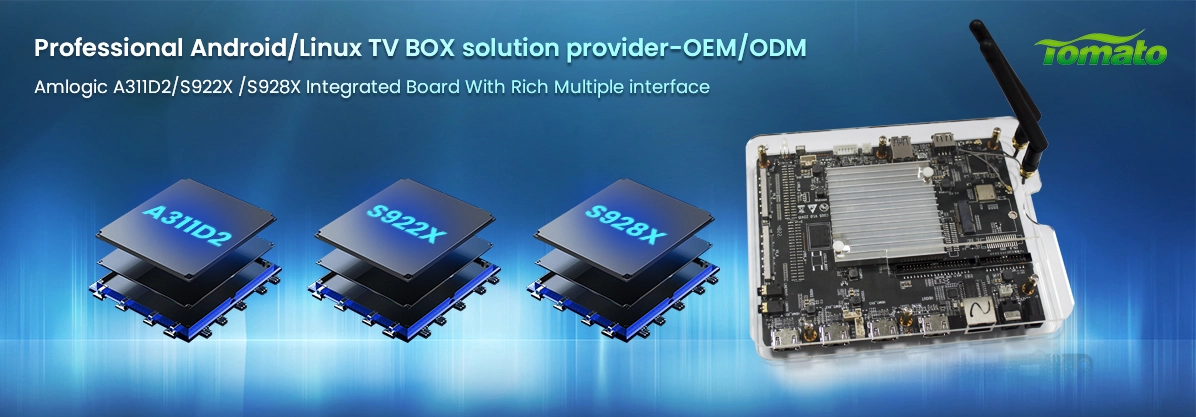
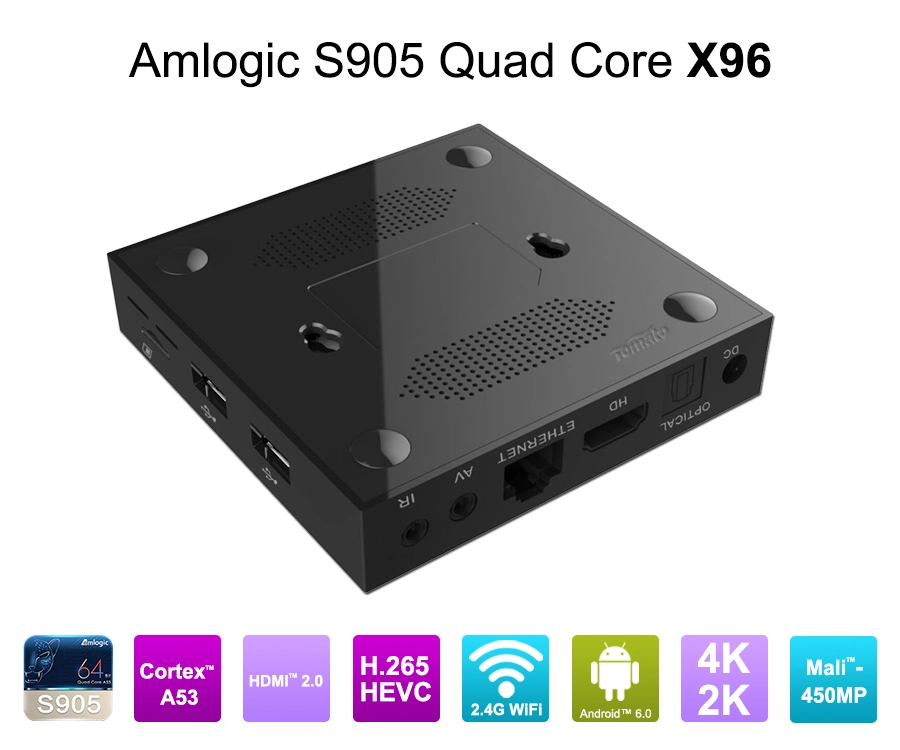
Video Processing Unit (VPU) / Hardware Decoder: This is arguably the most vital piece for a media player. The VPU manages the heavy lifting of video playback (H.265, VP9, AV1 formats), offloading this burden from the CPU. High-quality Android TV Box units from manufacturers like SZTomato utilize top-tier SoCs (Amlogic, Rockchip) known for their efficient hardware decoding capabilities, ensuring 4K/60fps playback without overheating—a non-negotiable requirement for 24/7 commercial operation.
Memory and Storage
The speed and stability of the Android TV Box are governed by its memory configuration.
-
RAM (Random Access Memory): Determines how many applications can run simultaneously and how smoothly the interface operates. In B2B deployments, higher RAM ensures that proprietary middleware and signage software run stably alongside background processes.
-
eMMC/NAND Storage: This is the internal hard drive where the Android OS and installed applications reside. For OEM projects, sufficient, high-quality eMMC is crucial to prevent corruption, particularly in environments prone to sudden power loss.
The Software Foundation: Android, Firmware, and Middleware
If the hardware is the body, the firmware is the soul of the Android TV Box. This is the layer where customization truly begins.
The Android Operating System
The operating system provides the core functionality. Unlike consumer-grade devices, B2B media player applications require a deeply modified version of the Android OS. This is often the AOSP (Android Open Source Project) version, which provides the necessary flexibility for OEM partners to make kernel-level modifications.
The Role of Custom Firmware
The firmware is the customized software package that controls how the hardware interacts with the OS. For an Android TV Box OEM partner, this involves:
-
Kernel Optimization: Making adjustments to the core Linux kernel to ensure specific hardware drivers (Wi-Fi modules, unique peripheral ports) function correctly.
-
Boot Sequence and System Locking: Engineering the boot process so the device starts automatically into a designated application (e.g., a digital signage player) and restricts the end-user’s access to the settings menu. This provides necessary control and security.
-
OTA (Over-The-Air) Update Infrastructure: Custom firmware must include a reliable, secure mechanism for remote updates. A large deployment of thousands of devices cannot rely on manual updates; a robust OTA solution is essential for managing security patches and feature rollouts centrally.
From Architecture to Application: The B2B Customization Pivot
For a distributor or system integrator, understanding how an Android TV Box works highlights the critical difference between generic retail purchases and partnering with an expert manufacturer.
Reliability Through Control: The SZTomato Advantage
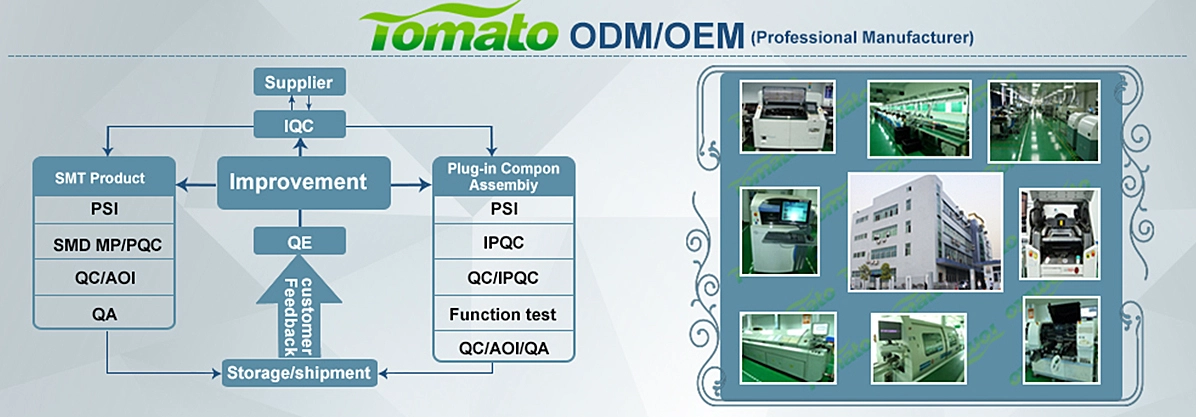
At SZTomato, our expertise lies not just in assembling components, but in controlling the entire technology stack, from the PCB layout to the final firmware build. This is the basis of our ODM solutions.
We recognize that B2B stability is achieved through consistency. By mastering the hardware and software relationship, we can guarantee a locked, reliable configuration for every unit in a bulk order, eliminating the component drift and software instability that plague consumer-grade Android TV Boxes.
This detailed architectural control allows SZTomato to offer bespoke OEM services, ensuring your Android TV Box is built with:
-
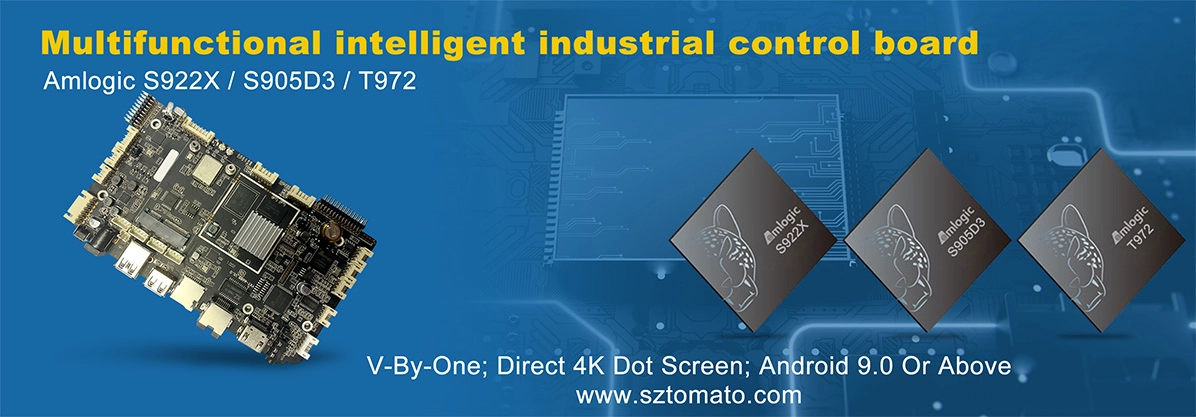
Custom I/O: Adding specific ports (e.g., RS232, GPIO) required for industrial or hospitality control systems.
-
Thermal Design: Engineering the casing and internal layout for optimal thermal dissipation, guaranteeing 24/7 reliability in non-ideal operational environments.
-
Proprietary Middleware Integration: Ensuring your specific B2B media player software is permanently embedded and prioritized over all other system functions.
Ultimately, how an Android TV Box really works is a testament to sophisticated engineering. For commercial success, you need a partner who can expertly manipulate that engineering to meet your specific market demands. Choose a manufacturer like SZTomato who understands the architecture from the core SoC outward.
