
How to choose an Internet TV Box?
For B2B distributors, ISPs, and hospitality integrators, the question "How to choose an internet TV Box?" is the single most critical determinant of your annual profit margin. In 2026, the market is flooded with generic hardware that looks identical on a specification sheet. However, the difference between a profitable deployment and a logistical nightmare lies in the unseen details: thermal regulation, firmware governance, and supply chain longevity.
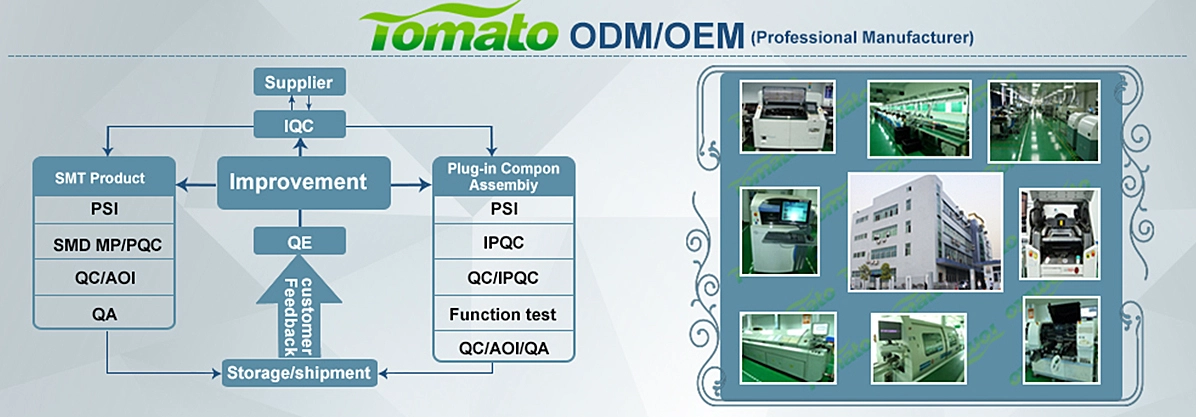
Choosing an internet TV Box is not a retail transaction; it is an infrastructure decision. Here is the professional framework for evaluating hardware partners, distilled from 15 years of OEM manufacturing at SZTomato.
1. The Chipset Strategy: AV1 and Longevity
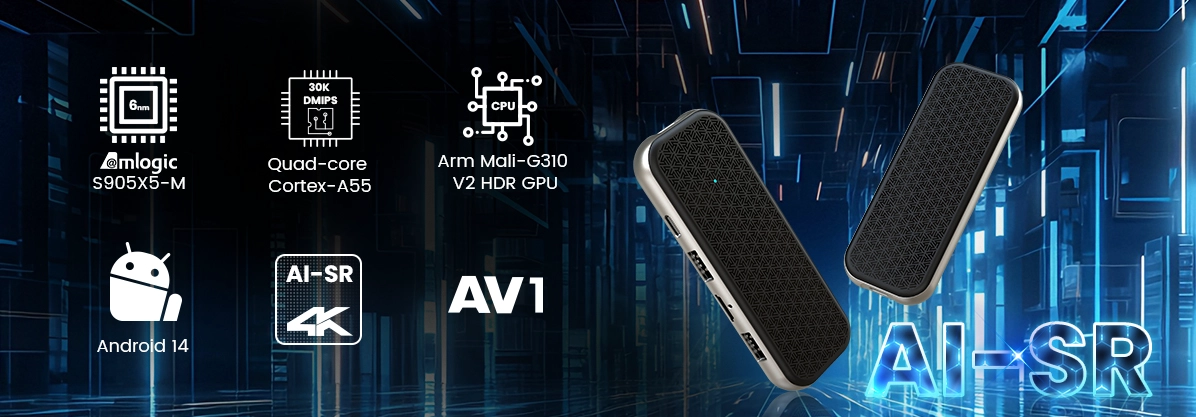
The first filter in your selection process must be the SoC (System on Chip). In 2026, legacy codecs like H.264 are obsolete. If you choose an internet TV Box that lacks native AV1 hardware decoding, you are guaranteeing increased bandwidth costs and future incompatibility.
-
The Standard: For mass deployment, the Amlogic S905X4 remains the industrial workhorse, offering a perfect balance of cost and AV1 capability.
-
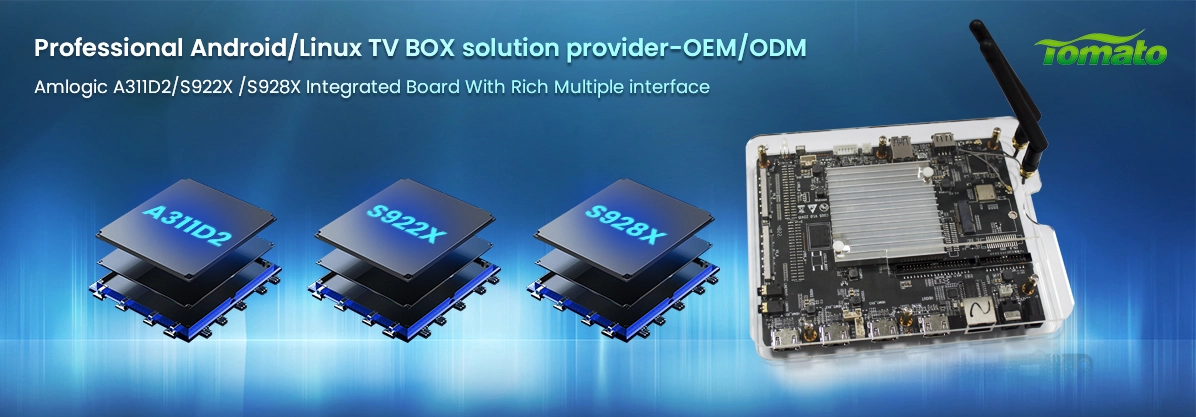
The High-End: For premium signage or AI-driven applications, look for the Amlogic S928X, which supports 8K decoding and integrates a dedicated NPU.
-
The SZTomato Difference: We don't just solder chips; we engineer lifecycles. When we recommend a chipset, we guarantee its availability for 3-5 years, ensuring your product line remains consistent without sudden "End of Life" (EOL) notices disrupting your supply chain.
2. Connectivity Architecture: Wi-Fi 6 is Non-Negotiable
A common failure point in B2B deployments is network instability. When asking how to choose an internet TV Box, you must scrutinize the connectivity module.
-
The 2026 Baseline: Do not accept Wi-Fi 5 (802.11ac). The interference in modern apartment complexes and hotels renders it unreliable. You need Wi-Fi 6 (802.11ax) or Wi-Fi 6E.
-
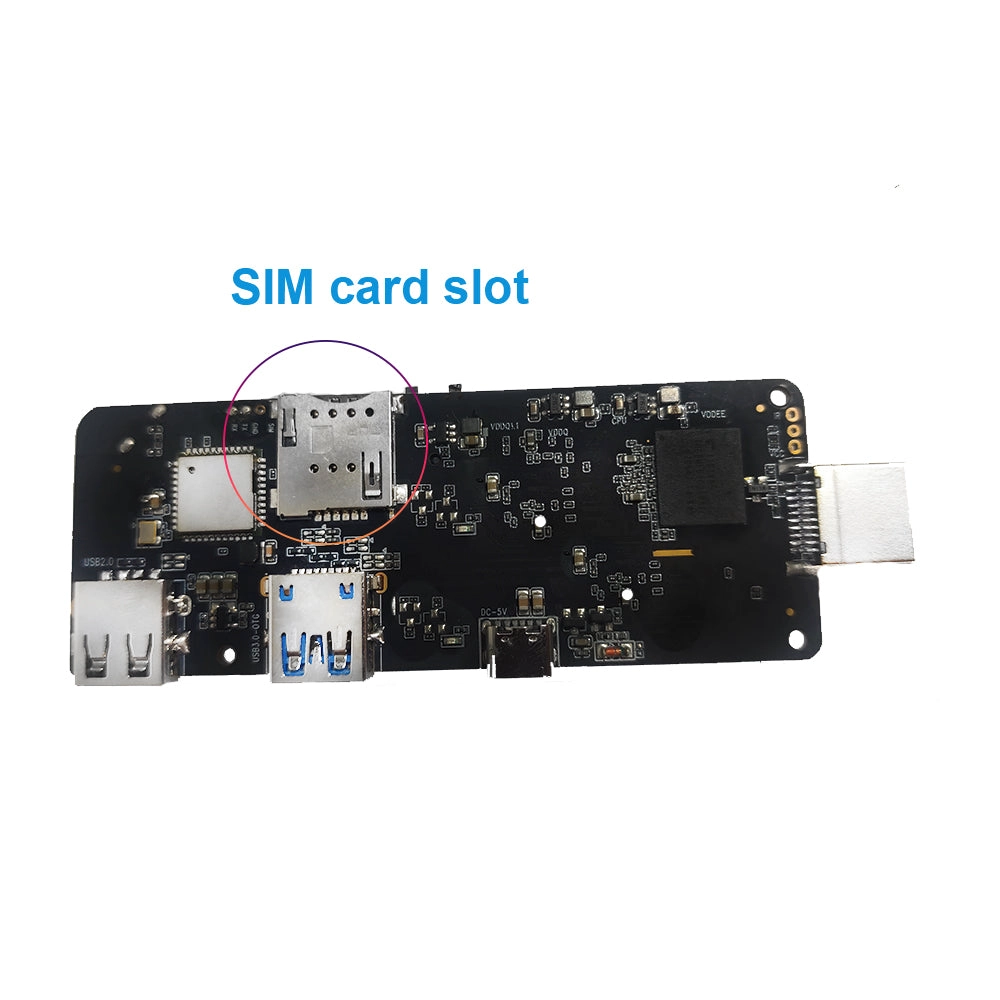
Antenna Engineering: A spec sheet saying "Wi-Fi 6" means nothing if the antenna is buried under a metal plate. SZTomato’s ODM team simulates RF performance to place antennas optimally. We can even modify the PCBA to add external antenna connectors for industrial environments, ensuring your internet TV Box maintains high throughput even in concrete basements.
3. Firmware Sovereignty: Who Owns the User Experience?
This is the most overlooked aspect. Most factories sell "public" firmware—a generic interface filled with unauthorized apps and security holes. To choose a professional internet TV Box, you must demand Firmware Customization.
-
Launcher Control: You need a device that boots into your UI, not a generic grid. We develop custom Launchers that prioritize your apps and block access to system settings.
-
FOTA Management: How will you update 10,000 units? SZTomato provides private FOTA (Firmware Over-The-Air) servers. This allows you to push security patches or feature updates remotely, eliminating the need for expensive technician site visits.
4. Build Quality and Thermal Design
Plastic housings are cheap, but heat is the enemy of electronics. A cheap internet TV Box will throttle its CPU speed after 30 minutes of 4K streaming.
-
The Thermal Audit: Ask your supplier about their heatsink weight.
-
SZTomato Engineering: We use industrial-grade thermal pads and custom aluminum heatsinks designed for 24/7 operation. We can also customize the housing materials—using ABS+PC blends for durability or full metal enclosures for heat dissipation—ensuring the device performance matches its spec sheet.
Conclusion: Choose a Partner, Not a Product
"How to choose an internet TV Box?" You choose by validating the engineering behind the plastic. You need a partner who understands the difference between a toy and a tool. At SZTomato, we offer the customization depth—from PCBA layout to software kernel—that ensures your hardware becomes a long-term asset.
