
Internet TV Box OEM Customization Guide
Internet TV Box OEM Customization Guide: Engineering for Enterprise Scalability
The mandate for AV1 codec support by Tier-1 streaming platforms and the increasing demand for 8K resolution in commercial signage have fundamentally shifted the requirements for the Internet TV Box. For B-Suite decision-makers, the challenge is no longer about finding a supplier—it is about securing a hardware partner capable of deep-level PCBA modification and firmware-level engineering. Retail-grade hardware fails in professional environments because it lacks the thermal headroom and software openness required for specialized enterprise applications.
PCBA Hardware Modification and Thermal Integrity
Standard consumer Internet TV Boxes are engineered for intermittent home use, often utilizing high-density, low-cost PCBA layouts that prioritize small form factors over heat dissipation. In 24/7 commercial deployments—such as digital menu boards or hospitality IPTV systems—these boards suffer from rapid thermal saturation, leading to SoC throttling and shortened MTBF (Mean Time Between Failure).
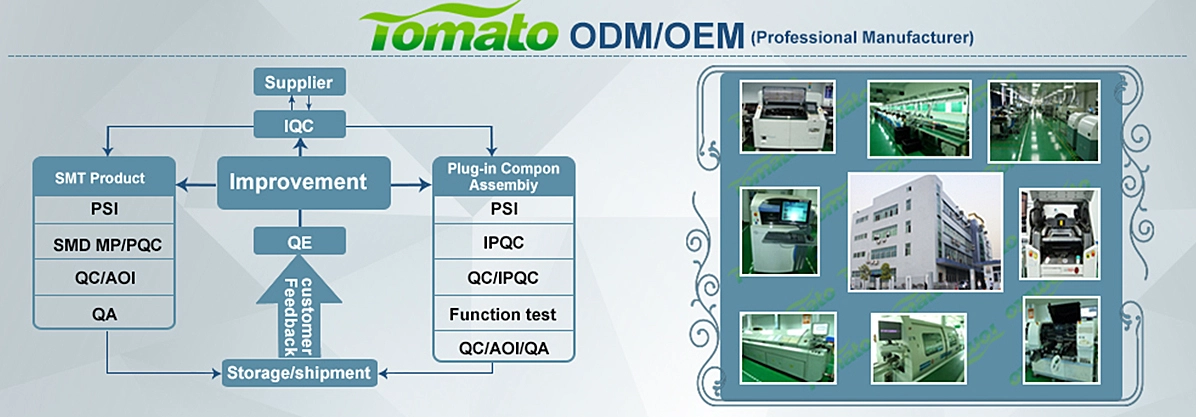
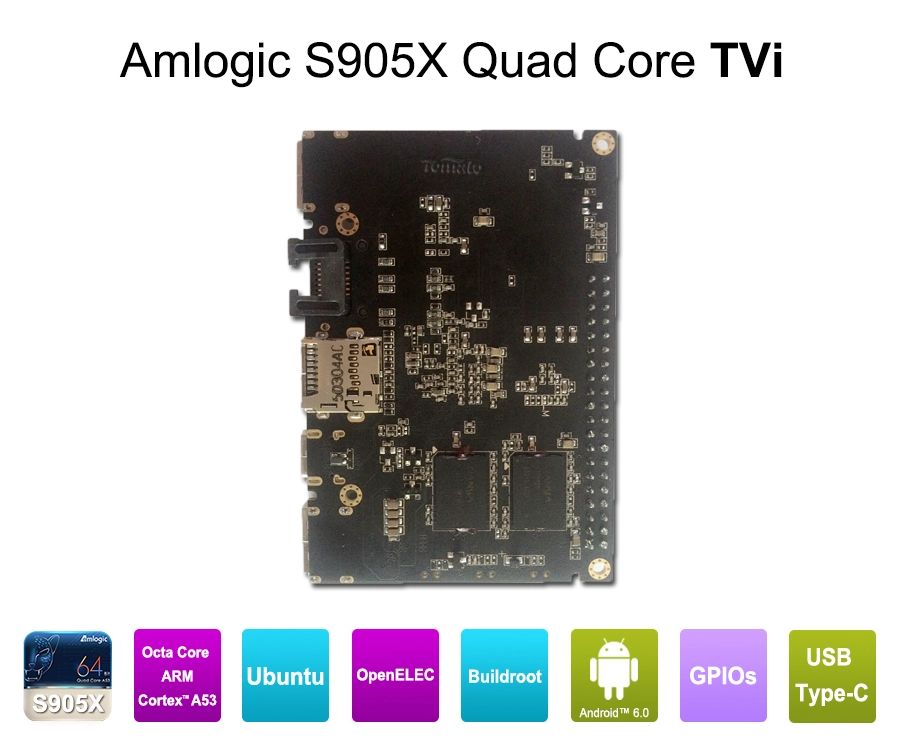
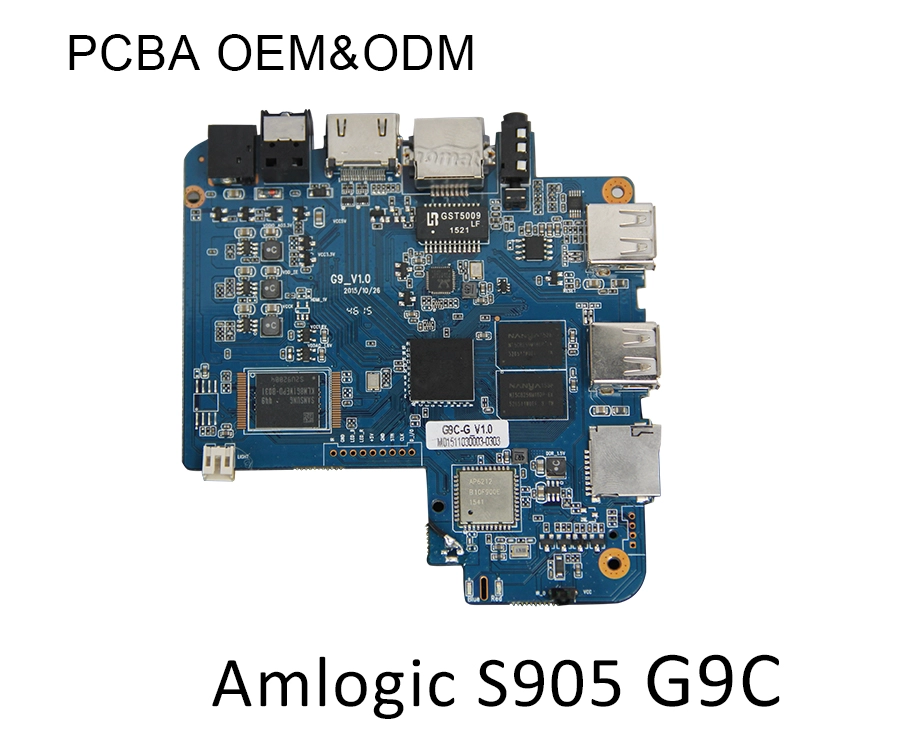
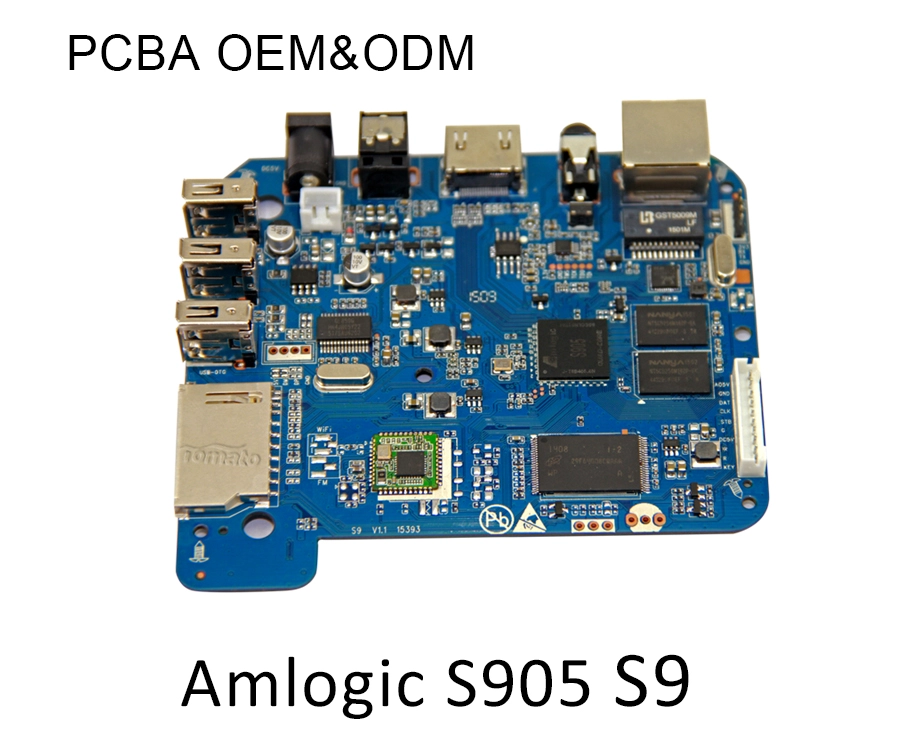
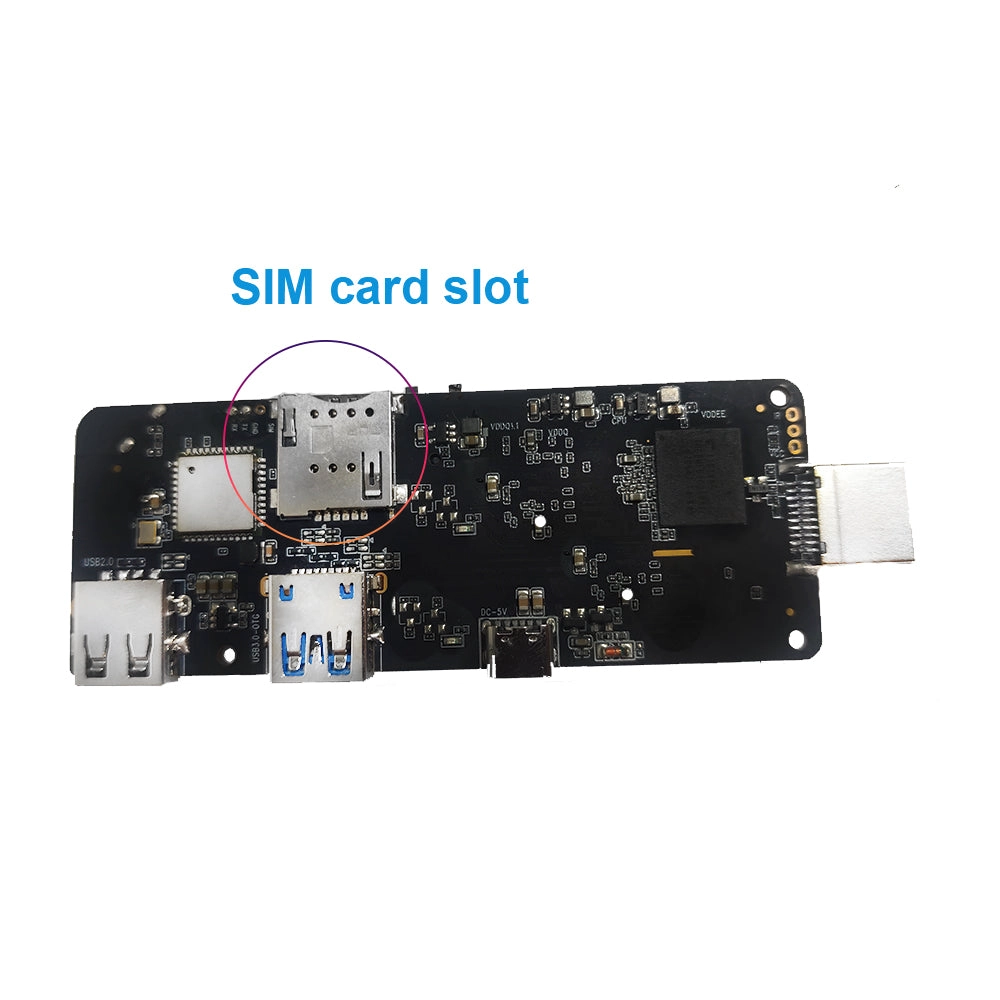
To ensure industrial reliability, the PCBA must be modified at the component level. SZTomato’s engineering approach involves:
-
Component Separation: Redesigning the PCBA layout to isolate high-heat components like the PMU (Power Management Unit) from the main SoC (e.g., Amlogic S905X4 or S928X).
-
Specialized Cooling: Implementing high-mass aluminum heat sinks or active thermal modules that exceed standard consumer specifications.
-
Interface Customization: Adding or removing physical ports (RS232, GPIO, or dual-band Wi-Fi antenna sockets) to match specific integration requirements, such as sensor connectivity or serial control in smart building environments.
Firmware Sovereignty: Kernel Optimization and SDK Access
A primary bottleneck in B2B deployments is the "black box" nature of standard Android firmware. Without root-level access and kernel optimization, system integrators are at the mercy of default background processes that consume RAM and compromise security.
Professional OEM customization requires a focus on the Linux/Android kernel to achieve "Firmware Sovereignty." This includes:
-
Bloatware Removal: Stripping the OS of all non-essential retail services to maximize resources for the primary application.
-
SDK/API Integration: Providing deep-level SDK access so that proprietary management software can control hardware functions like power scheduling, screen orientation, and hardware-accelerated decoding directly.
-
Bootloader Customization: Implementing custom boot animations and "Kiosk Mode" triggers that prevent end-users from exiting the target application.
Secure Scalability: OTA Systems and DRM Compliance
Deploying a fleet of Internet TV Boxes requires a robust infrastructure for remote maintenance. Relying on public Google Play updates is a liability for closed-circuit enterprise networks.
Customized OTA (Over-the-Air) Update Systems are essential for B2B success. SZTomato provides private OTA servers that allow network administrators to push encrypted firmware patches, security updates, and app-level changes to thousands of devices simultaneously without physical intervention.
Furthermore, for deployments handling premium content, the integration of HDCP 2.2/2.3 encryption and Widevine L1 DRM at the factory level is mandatory. Without these security layers integrated into the hardware root of trust, the devices will be restricted to standard definition (480p) by most licensed content providers, regardless of the SoC's theoretical 4K/8K capabilities.
Procurement Directive for System Integrators
Successful Internet TV Box deployment rests on the distinction between a "supplier" and an "engineering partner." Generic hardware leads to technical debt, high failure rates, and loss of UI control. For procurement managers, the ROI is found in the custom PCBA layout, the stability of the optimized kernel, and the security of a private OTA infrastructure.
Contact Shenzhen Tomato Technology Co., Ltd to discuss your specific hardware architecture requirements. Our team specializes in transforming silicon like the Amlogic S905X4 and Rockchip RK3588 into purpose-built commercial appliances through professional OEM/ODM services.
