
Is it better to buy a smart TV or a TV Box?
Is It Better to Buy a Smart TV or a TV Box? A Practical Comparison
The biggest technical difference between a Smart TV and a TV Box is not simply screen size or processor speed. It is where the computing platform resides.
A Smart TV integrates the display panel, operating system, SoC, memory, storage, network connectivity, and application environment into one product. A TV Box separates the computing platform from the display, allowing the user or system integrator to upgrade the media hardware without replacing the screen.
That difference becomes important as streaming platforms adopt newer codecs such as AV1, applications require newer operating-system versions, and 4K content becomes standard. A five-year-old television may still have an excellent panel while its built-in processor and software platform have become outdated.
For consumers, the choice depends on priorities. For B2B buyers, the decision also involves product lifecycle, firmware control, connectivity, maintenance, and deployment cost.
Smart TV vs TV Box: Which One Is Better?
There is no universal winner.
A Smart TV is usually the better choice when the buyer wants a simple all-in-one product with minimal external hardware.
A TV Box is often the better choice when the buyer already owns a good display, wants to upgrade computing capability, needs a specific operating system, or requires greater flexibility.
| Factor | Smart TV | TV Box |
|---|---|---|
| Display | Integrated | External display required |
| Installation | Simple | Requires HDMI/network setup |
| Hardware Upgrade | Usually requires replacing TV | Replace the TV Box |
| OS Flexibility | Manufacturer dependent | Greater platform flexibility |
| Firmware Customization | Limited for end users | High for OEM/ODM projects |
| Portability | Low | High |
| Repairability | More integrated | Modular |
| Digital Signage | Possible | Stronger flexibility |
| IPTV Integration | Model dependent | Highly configurable |
| Commercial Deployment | Less modular | Highly scalable |
| Initial Setup | Easier | Slightly more involved |
| Long-Term Platform Upgrade | Usually expensive | Usually easier |
For a household buying a new television and wanting the simplest setup, Smart TV remains practical.
For applications where the display already exists—or where the computing platform needs to evolve independently—a TV Box has a structural advantage.
1. When Should You Buy a Smart TV?
A Smart TV integrates the major components required for streaming into one chassis.
The television normally includes:
-
Display panel
-
Mainboard
-
SoC
-
RAM
-
Internal storage
-
Wi-Fi/Bluetooth
-
Ethernet
-
HDMI
-
USB
-
Operating system
-
Built-in streaming applications
This architecture reduces installation complexity.
There is no separate box, HDMI cable, power adapter, or additional remote control required in many configurations.
For consumers prioritizing simplicity, this is a legitimate advantage.
The Limitation: The Computing Platform Is Tied to the Display
The weakness becomes clearer over time.
A display panel can remain perfectly usable for many years while the integrated Smart TV platform becomes obsolete.
Potential problems include:
-
Older operating system
-
Limited application compatibility
-
Slow user interface
-
Insufficient RAM
-
Aging Wi-Fi hardware
-
Limited codec support
-
Reduced software support
-
Lack of major firmware updates
Replacing the entire television may be unnecessary if the only problem is the computing platform.
This is where a TV Box changes the economics.
2. When Is a TV Box the Better Choice?
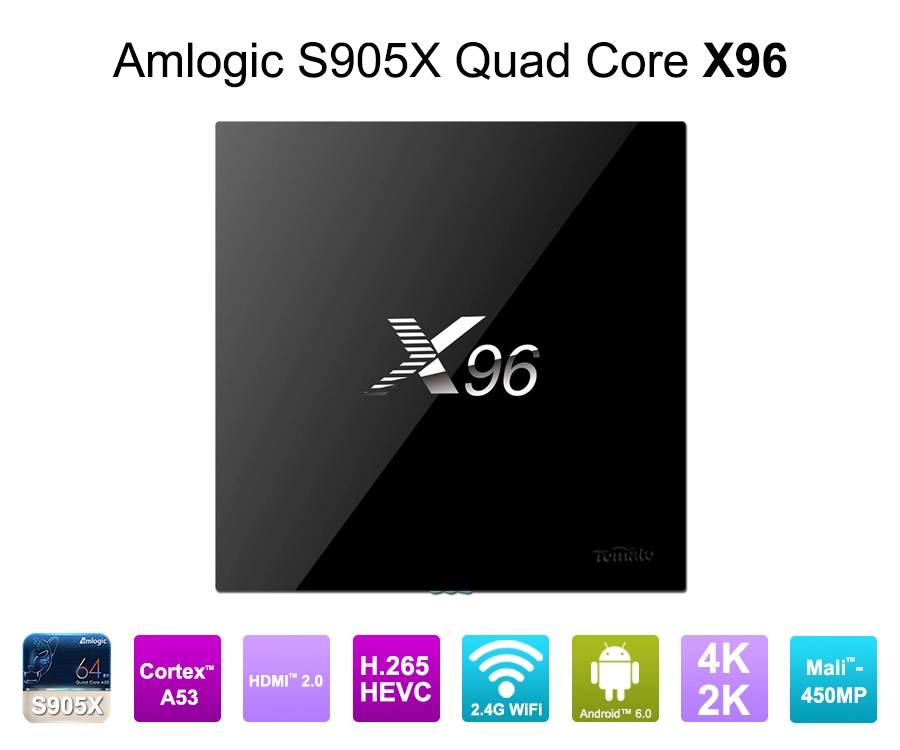
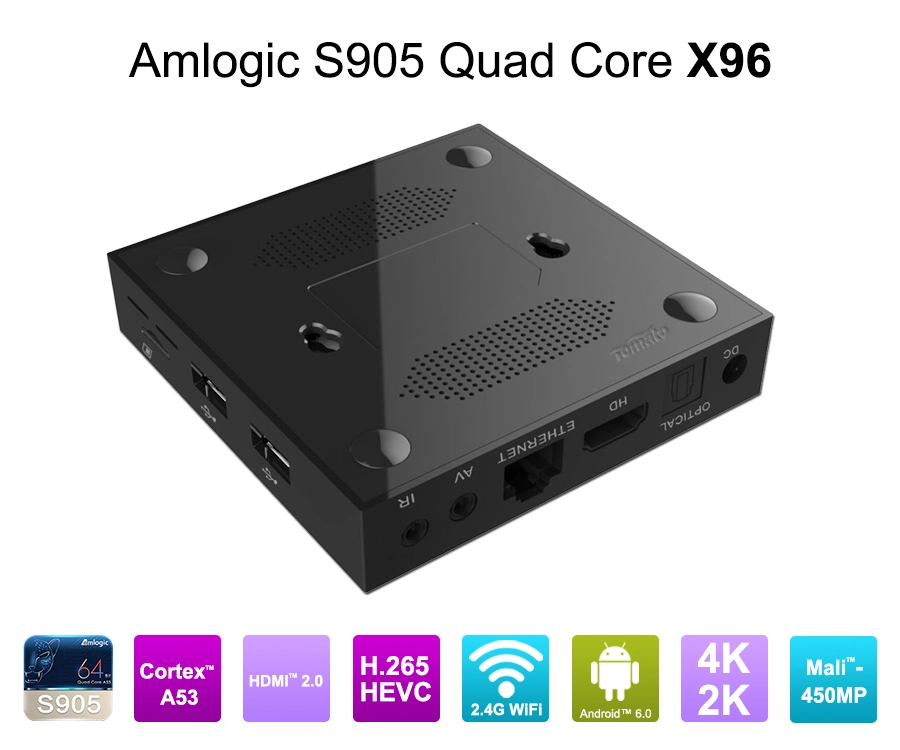
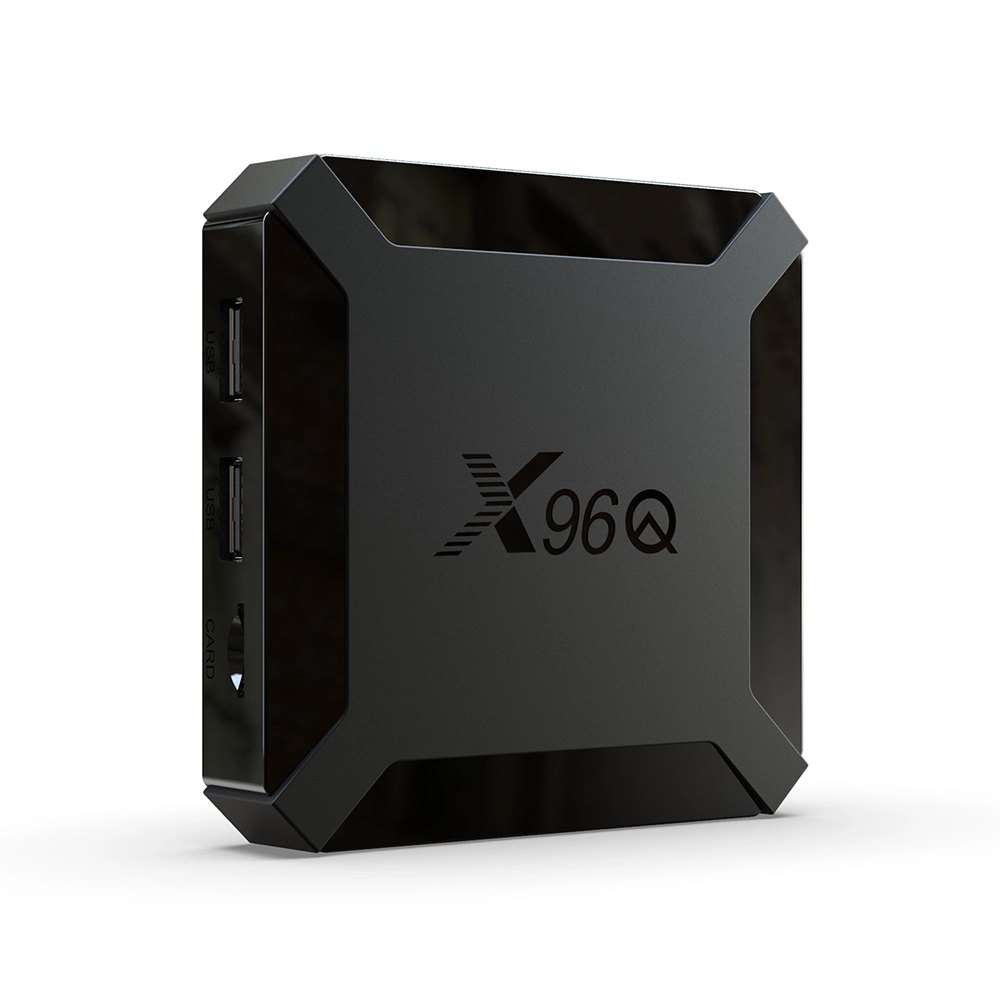
A TV Box turns the television into a display endpoint while moving most computing functions into an independent device.
The box can provide:
-
Android or Linux
-
Wi-Fi 5/6
-
Gigabit Ethernet
-
USB expansion
-
HDMI output
-
Bluetooth
-
Hardware video decoding
-
Application installation
-
IPTV integration
-
Digital signage software
-
Remote device management
The display and computing platform can therefore have different replacement cycles.
If the TV panel remains good but the operating environment becomes outdated, replacing the TV Box can be substantially more practical than replacing the entire television.
TV Box Is Particularly Useful for Existing Displays
This is important in commercial environments.
Hotels, schools, hospitals, offices, restaurants, retail stores, and digital signage operators may already have hundreds or thousands of displays.
Replacing every screen simply to obtain a newer software platform is inefficient.
A TV Box can provide an external computing layer while preserving the existing display infrastructure.
The same concept applies to consumer televisions.
A TV Box can upgrade an older HDMI-equipped display with a newer processor, operating system, networking hardware, and application environment.
3. The Real Difference Is the Hardware and Software Platform
Not every TV Box provides the same experience.
The label “4K TV Box” says very little about the underlying engineering.
A serious evaluation should examine the complete media architecture.
SoC and Video Decoding
Modern TV Box platforms can use ARM-based SoCs with dedicated hardware video engines.
Important specifications include:
-
CPU architecture
-
GPU
-
Hardware decoder
-
Hardware encoder
-
AV1 support
-
H.265/HEVC
-
VP9
-
HDR support
-
HDMI output
-
Memory bandwidth
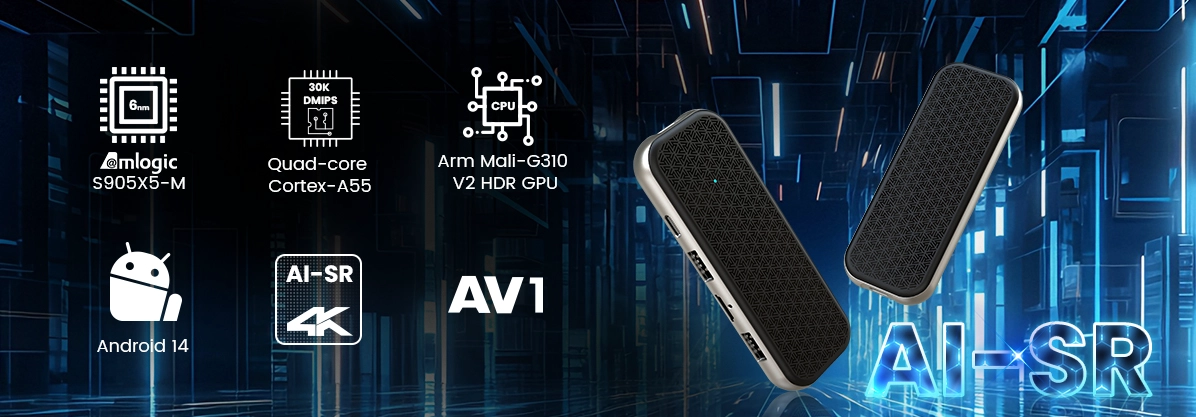
AV1 is particularly relevant to future-proofing.
If a TV Box is intended for long-term streaming applications, hardware AV1 decoding can reduce CPU workload and provide more efficient handling of compatible content.
However, codec support on the SoC is only one part of the equation.
The complete pipeline must work:
Application → DRM → Android/Linux framework → MediaCodec → Hardware Decoder → GPU/Compositor → HDMI → HDCP → Display
A theoretically capable SoC is not enough if the firmware, drivers, DRM configuration, or HDMI implementation is poorly integrated.
DRM and HDCP Matter for Commercial Streaming
Premium streaming services may use DRM to protect licensed content.
HDMI output can also require HDCP compatibility.
This creates a practical distinction between a generic low-cost TV Box and a properly engineered commercial streaming platform.
A device can have sufficient CPU performance and still encounter application or playback restrictions because the required software and content-protection architecture is missing.
For B2B procurement, actual application compatibility testing is more valuable than a processor specification printed on a product sheet.
4. Why TV Box Has a Stronger Position in B2B Applications
The consumer question is:
“Which is easier to use?”
The B2B question is:
“Which platform gives me better control over hardware, software, deployment and lifecycle cost?”
That changes the answer.
IPTV and OTT
An IPTV operator may require:
-
Customized launcher
-
EPG integration
-
Middleware support
-
Subscriber authentication
-
Application preinstallation
-
OTA updates
-
Remote device management
-
Customized boot sequence
A TV Box is naturally suited to this architecture because the computing platform can be customized independently of the display.
Digital Signage
Digital signage operators may require:
-
Kiosk mode
-
Automatic application startup
-
Scheduled playback
-
Remote content management
-
Device monitoring
-
Multi-display support
-
Long-duration operation
-
Centralized OTA updates
Again, an external TV Box provides a more modular deployment model.
Hotels
Hotel IPTV deployments may require a branded user interface, room-specific configuration, centralized management, and integration with hotel systems.
The TV Box can act as the standardized computing endpoint behind different displays.
This allows the hotel operator to standardize the software platform without necessarily replacing every television with the same Smart TV model.
5. OEM/ODM: Why a TV Box Offers More Product Differentiation
For a brand owner, the difference becomes even more significant.
A Smart TV is normally tied closely to the television manufacturer's proprietary hardware and software ecosystem.
A TV Box can be developed as a standalone hardware platform.
This creates opportunities for OEM/ODM customization at several levels.
PCBA Hardware Modification
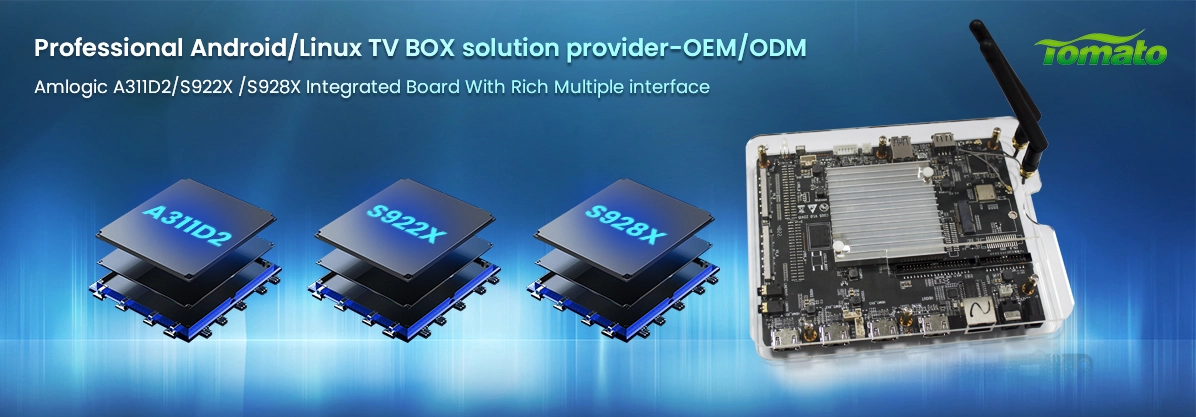
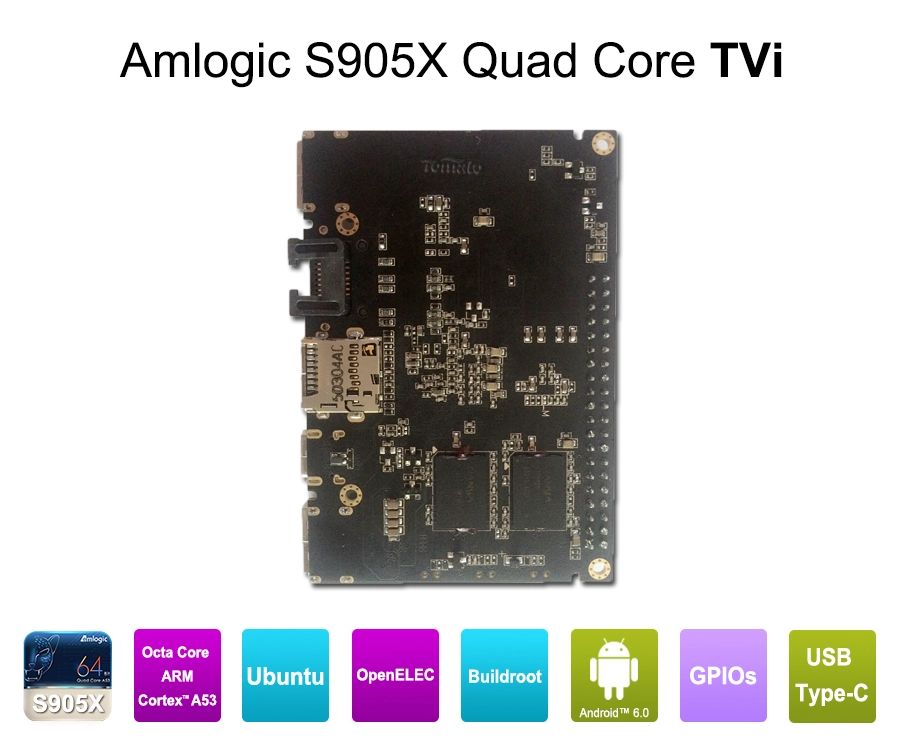
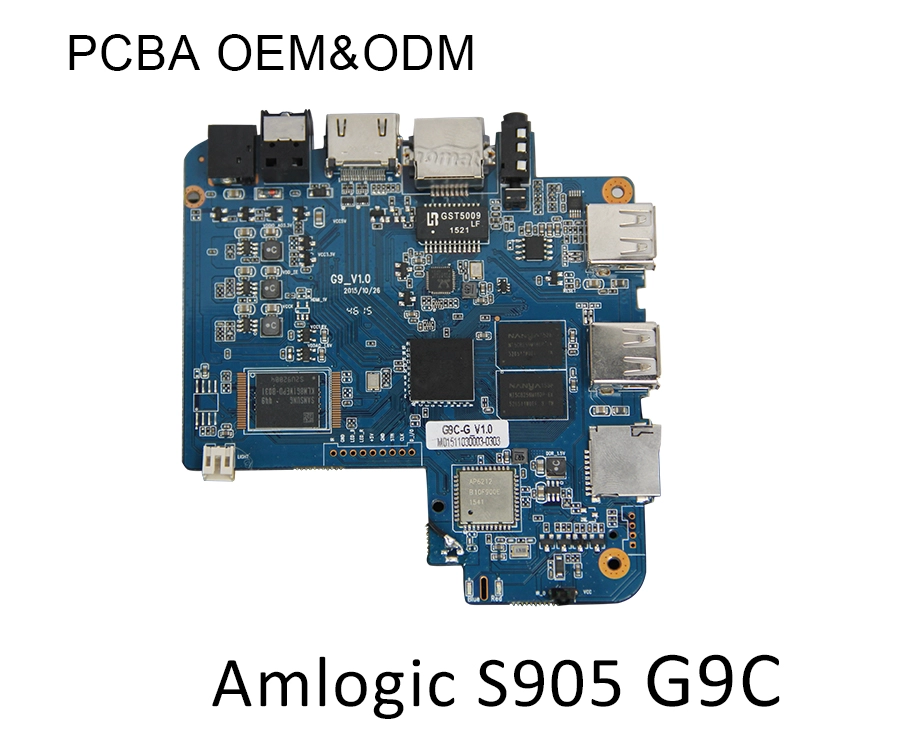
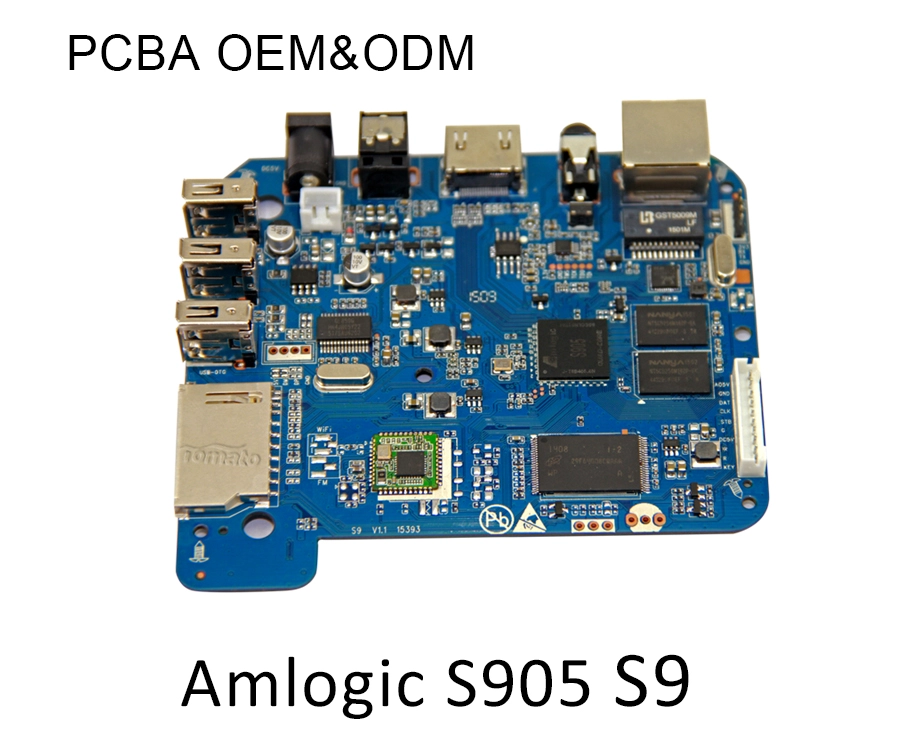
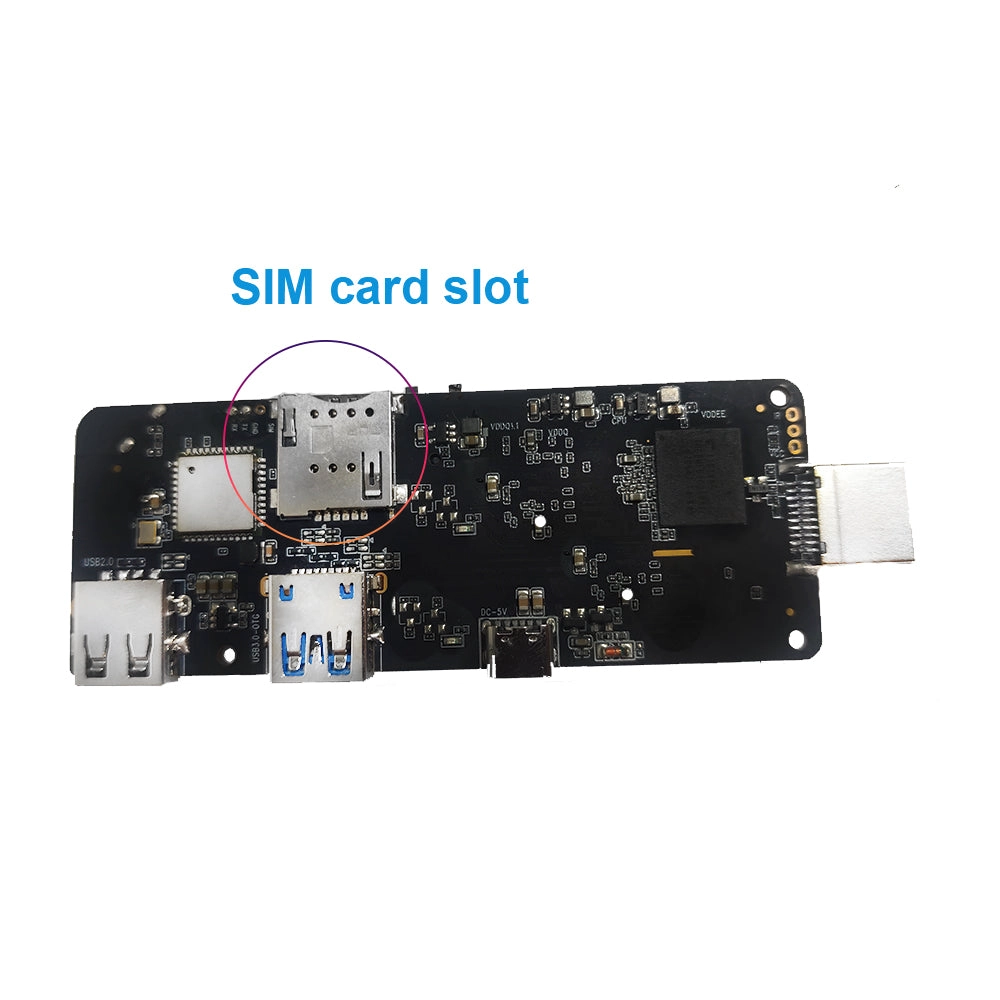
A professional TV Box OEM can modify the PCBA according to the target application.
Possible changes include:
-
SoC selection
-
RAM
-
eMMC
-
Wi-Fi module
-
Ethernet
-
USB ports
-
HDMI interfaces
-
GPIO
-
RS-232
-
UART
-
Antenna configuration
-
Power architecture
This is important when the standard retail board does not meet the project's requirements.
A digital signage product may require additional interfaces.
An industrial deployment may require a different connector arrangement.
An IPTV platform may prioritize network reliability and storage.
These requirements should be addressed during PCBA design rather than patched after mass production.
Custom Firmware and UI/UX
Firmware is one of the most important differentiation points.
An OEM TV Box can be customized with:
-
Branded boot animation
-
Custom launcher
-
Proprietary UI/UX
-
Application preinstallation
-
Kiosk mode
-
Device Owner configuration
-
System-level permissions
-
Remote management
-
OTA update infrastructure
-
Custom APIs
-
Middleware integration
Android/AOSP customization can also extend into the framework and kernel layers when the application requires deeper hardware control.
For Linux-based projects, Linux kernel optimization, device-tree configuration and driver integration may be required.
This level of control is difficult to achieve with a conventional Smart TV ecosystem.
6. TV Box vs Smart TV: Total Cost of Ownership
The purchase price is only the first cost.
For commercial buyers, total cost of ownership can include:
Hardware + Deployment + Maintenance + Firmware + Replacement + Field Service + Upgrade Cost
Consider a hotel with 500 displays.
If the television panel remains functional but the integrated Smart TV platform becomes obsolete, the operator may face a full-device replacement.
With a modular TV Box architecture, the computing endpoint can be replaced while the display remains in service.
This creates a longer and more flexible hardware lifecycle.
For distributors, it also simplifies product segmentation.
One TV Box platform can support multiple display sizes and brands, while firmware and application configurations can be adapted to different customers.
7. What to Check Before Buying a TV Box
Whether you are buying one device or specifying thousands of units, evaluate the platform rather than the marketing label.
Hardware Checklist
Check:
-
SoC generation
-
CPU/GPU architecture
-
RAM capacity
-
eMMC storage
-
AV1 decoding
-
H.265 decoding
-
4K/8K output
-
HDMI specification
-
Ethernet
-
Wi-Fi generation
-
Bluetooth
-
USB interfaces
-
Thermal architecture
Software Checklist
Check:
-
Android or Linux version
-
AOSP availability
-
Kernel version
-
OTA support
-
Application compatibility
-
DRM
-
HDCP
-
API/SDK access
-
Launcher customization
-
Remote management
Commercial Checklist
For B2B projects, also evaluate:
-
MOQ
-
Sample development
-
PCBA customization
-
Firmware ownership and support
-
Component lifecycle
-
Production capacity
-
Quality control
-
Certification support
-
Long-term OTA maintenance
-
Engineering response time
The cheapest TV Box is rarely the cheapest solution after deployment.
Why SZTomato Approaches TV Box Development as a Platform
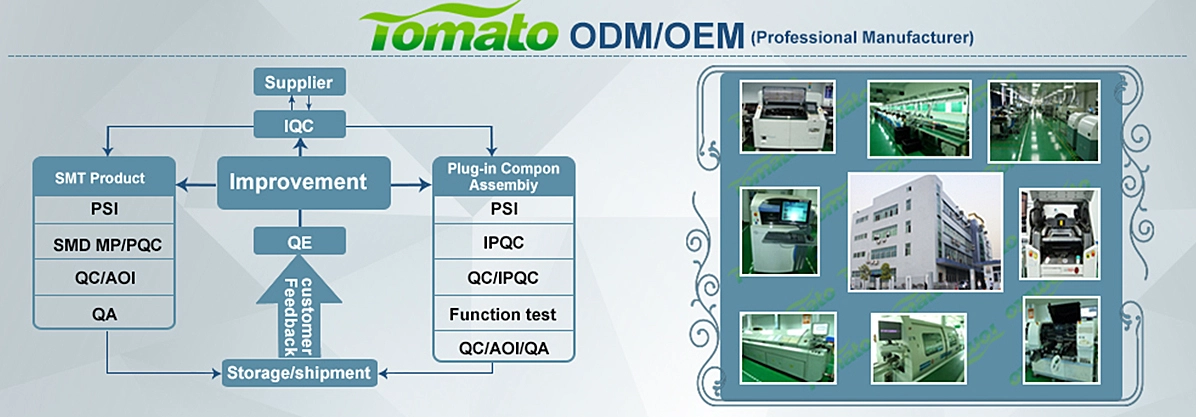
SZTomato's OEM/ODM model is built around the principle that a TV Box should be engineered around the customer's application rather than selected from a fixed retail catalog.
The development scope can include PCBA hardware modification, SoC selection, SDK/API integration, Android/AOSP firmware customization, Linux kernel optimization, custom UI/UX, OTA update systems, application integration and specialized cooling solutions.
Thermal design is particularly important for commercial products.
A TV Box running continuous 4K playback, multi-screen output, AI workloads, or other sustained applications can generate substantially more heat than a short consumer benchmark suggests.
PCB layout, thermal vias, heatsink structure, thermal interface materials and enclosure airflow should therefore be considered during engineering.
For industrial deployments, specialized cooling solutions can be designed around the operating environment rather than relying on a standard consumer heatsink.
This approach allows the same basic TV Box concept to serve very different markets:
-
OTT and IPTV
-
Hotel entertainment
-
Digital signage
-
Education
-
Retail
-
Corporate displays
-
Industrial terminals
-
Smart home
-
Edge AI applications
The product is not simply a box connected to a television. It becomes a configurable computing platform.
Final Verdict: Smart TV or TV Box?
For a buyer who wants a new television with minimum installation complexity, a Smart TV is usually the better choice.
For a buyer who already has a good display, wants to upgrade the computing platform, needs greater software flexibility, or operates a commercial deployment, a TV Box is usually the more flexible architecture.
The difference becomes even stronger for B2B applications.
A Smart TV ties the display and computing platform together.
A TV Box separates them.
That separation provides:
-
Easier platform upgrades
-
Greater hardware flexibility
-
Broader application options
-
Better OEM/ODM customization
-
Independent firmware development
-
Easier fleet replacement
-
Greater deployment flexibility
-
Longer potential display utilization
For procurement managers, IPTV operators, distributors, brand owners and system integrators, the decision should therefore be based on the complete product lifecycle—not simply screen specifications or the initial purchase price.
If your objective is to develop a branded TV Box, the critical question is not which retail model to copy. It is which OEM partner can control the PCBA, SoC, firmware, SDK/API layer, thermal architecture and OTA lifecycle.
SZTomato provides OEM/ODM TV Box development covering hardware customization, PCBA engineering, Android/Linux firmware, custom UI/UX, SDK/API integration, OTA systems and specialized cooling solutions. For B2B projects, that engineering depth can turn a generic TV Box into a scalable product platform built around your application and brand.
