Is it worth buying a Google TV Box?
Google TV Box: Is It Worth Buying for Enterprise and OEM Deployments?
The transition toward Android-based digital signage and B2B media distribution has exposed a critical hardware gap across the integration sector. Fleet managers frequently attempt to deploy off-the-shelf retail streaming devices for commercial applications, resulting in thermal throttling, unpredictable over-the-air (OTA) updates, and unacceptably high failure rates under 24/7 loads. The core question for hardware buyers is no longer about basic 4K playback capability, but structural longevity and administrative control: Is a Google TV Box worth buying when enterprise-grade reliability is the baseline requirement?
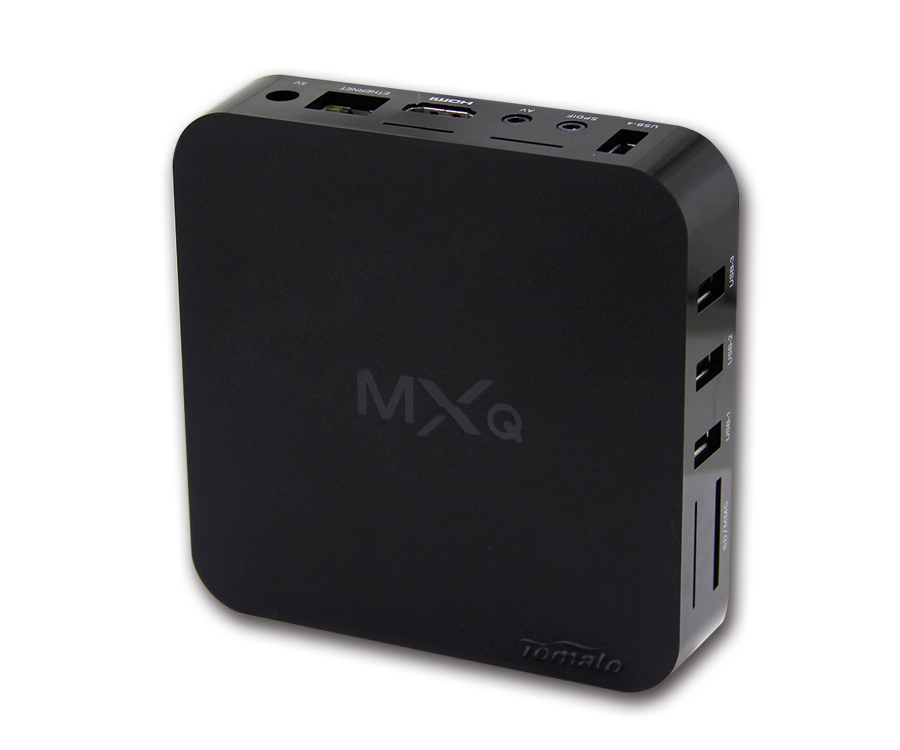
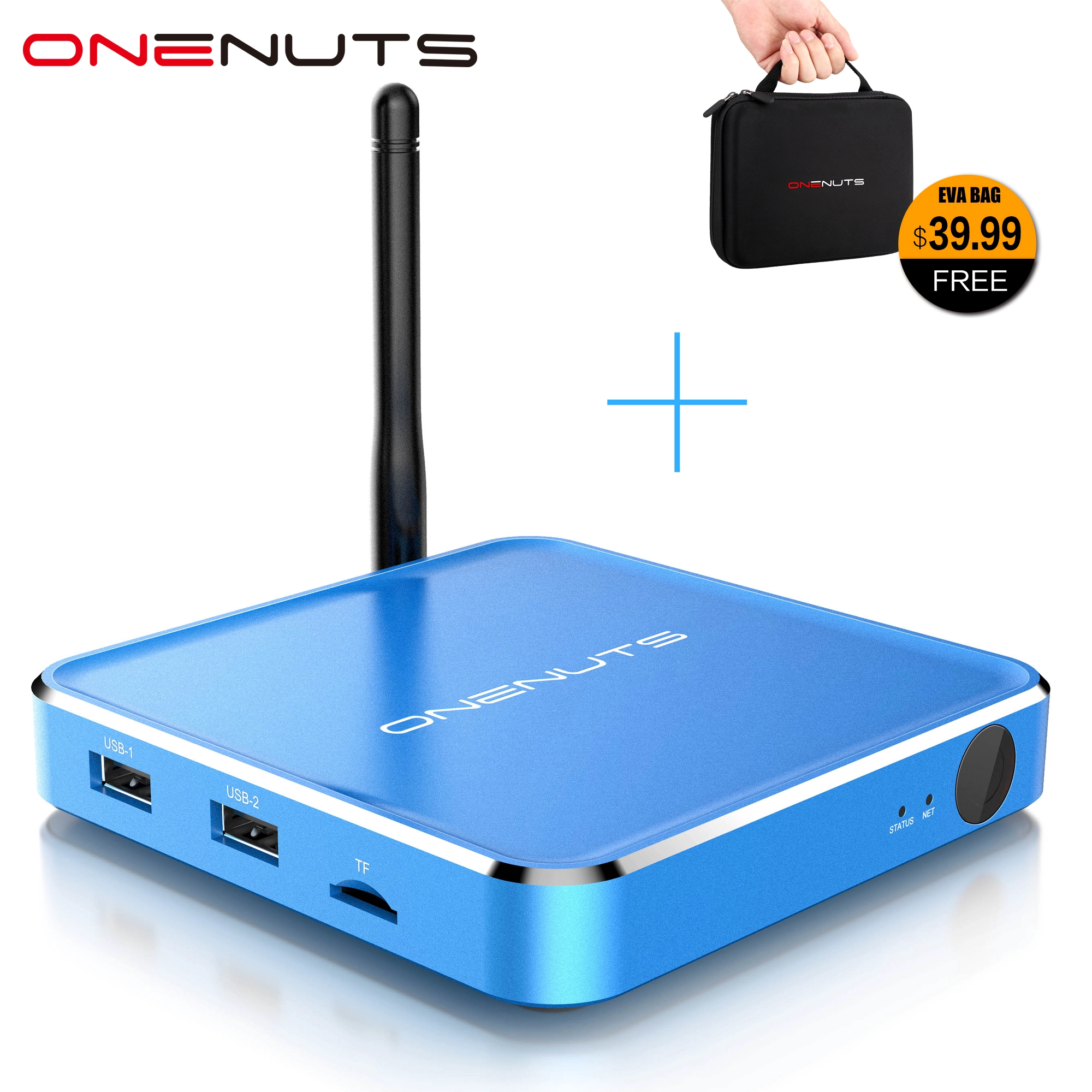
The answer lies strictly in the procurement model. A consumer-grade Google TV Box presents a negative return on investment for commercial deployment. However, a customized Google TV Box, sourced through a manufacturer capable of original equipment manufacturing (OEM) and deep original design manufacturing (ODM), provides a scalable, high-margin asset.
The Silicon Reality: Consumer vs. Commercial PCBA Benchmarks
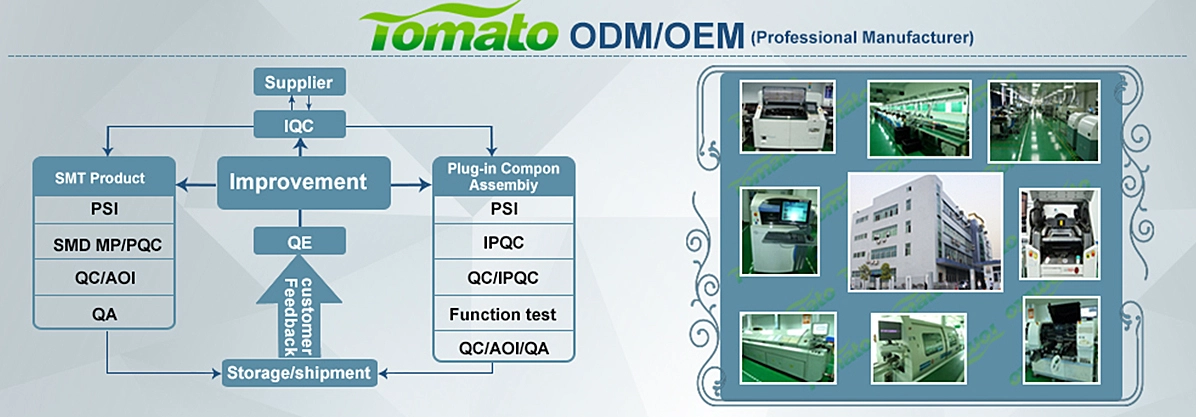
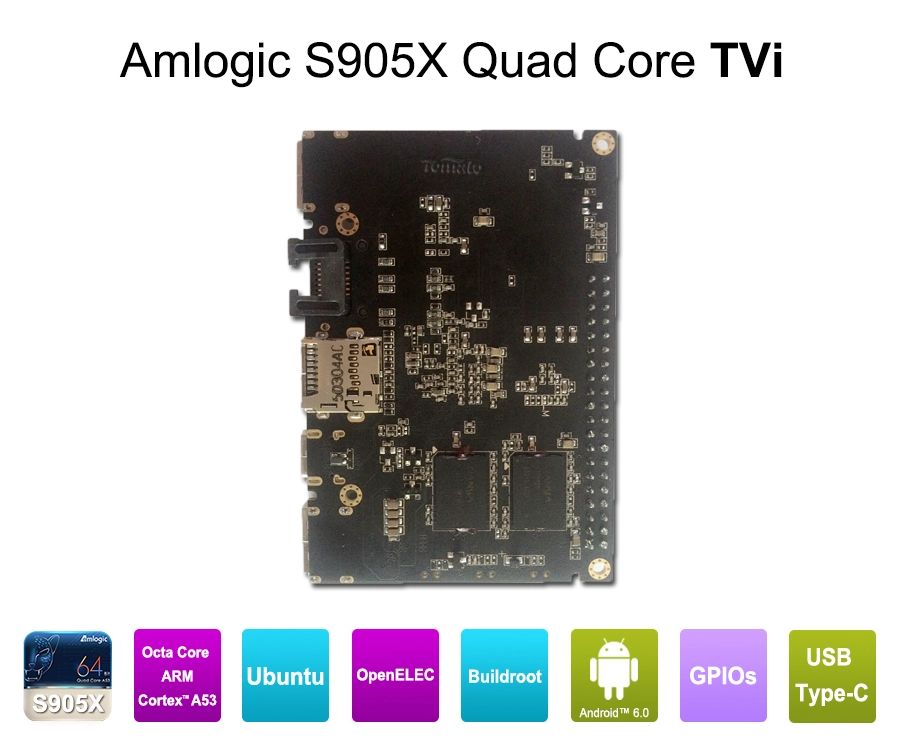
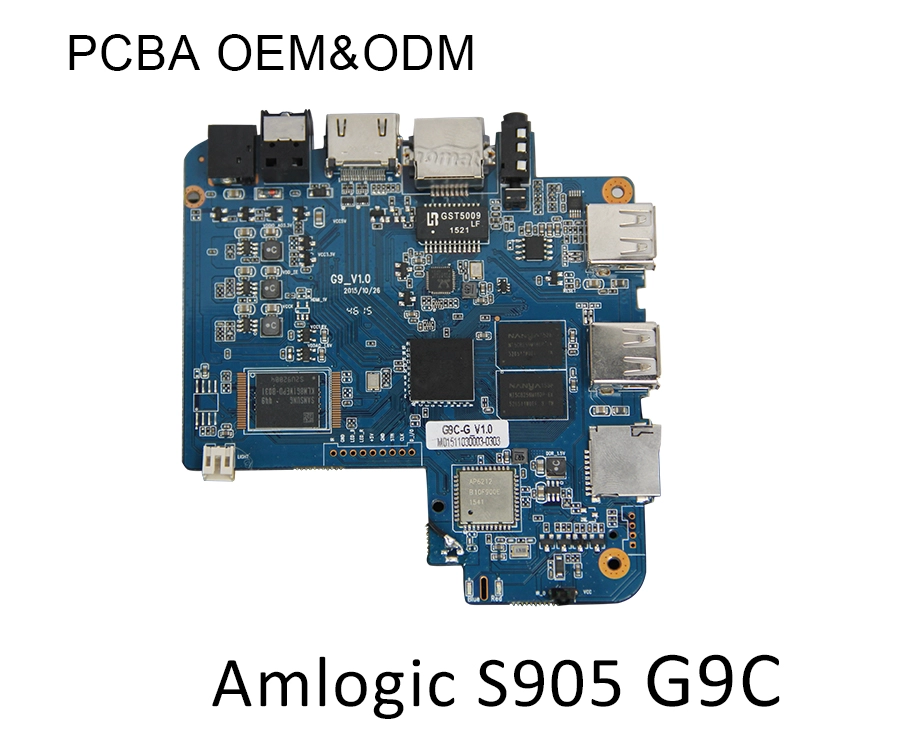
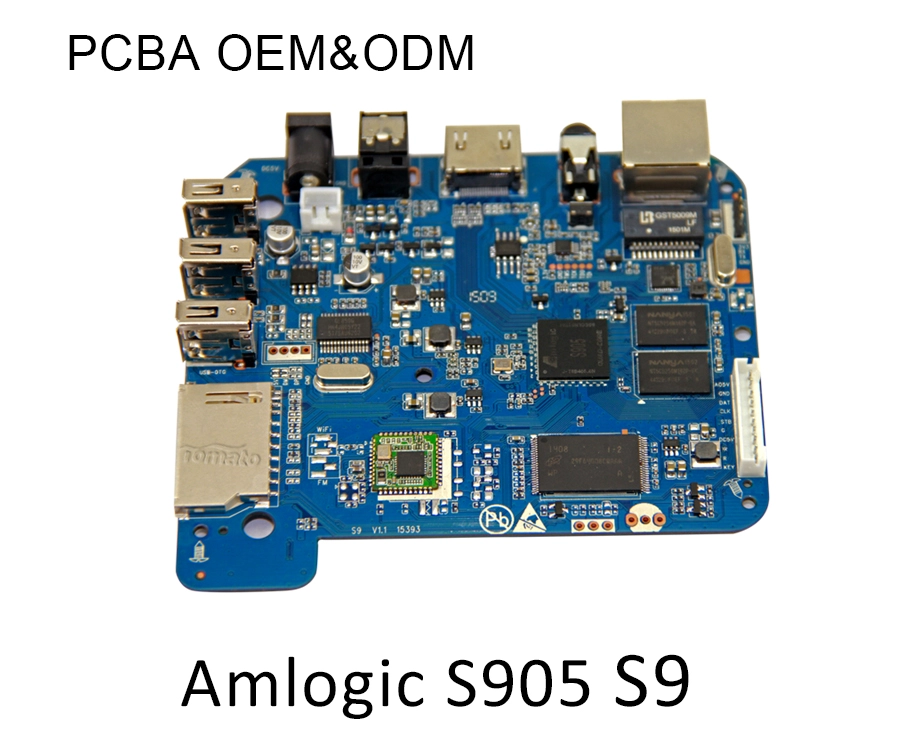
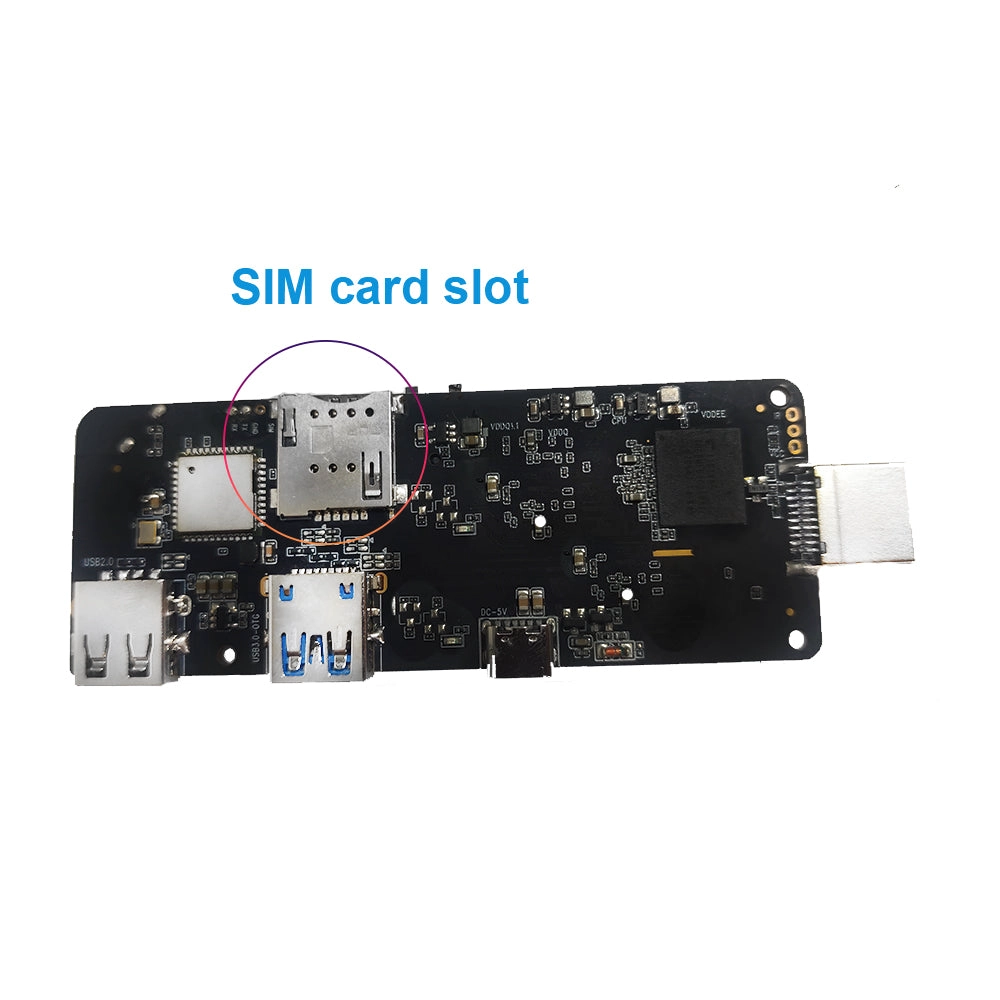
Evaluating the underlying printed circuit board assembly (PCBA) and chipset architecture is mandatory. Retail Google TV boxes typically utilize standard Amlogic or Rockchip SoCs optimized for intermittent, low-stress consumer use. These stock configurations lack the thermal dissipation frameworks required for continuous commercial playback.
A viable ODM strategy demands PCBA modification capabilities. When assessing a hardware partner, engineers must look for the ability to execute the following board-level modifications:
-
Industrial-Grade Storage: Integration of high-endurance eMMC modules to prevent premature read/write failure during continuous data caching.
-
Memory Expansion: Upgrading RAM pathways to support heavy, customized APK payloads without memory leaks.
-
Thermal Architecture: Optimizing heat sink placement and board layout to prevent processor degradation during prolonged uptime.
Firmware-Level Engineering: The True ODM Differentiator
Standard Google TV operating systems restrict granular device control to comply with retail user agreements. For deployment in digital signage, hospitality, or corporate networking environments, firmware-level engineering is non-negotiable. An off-the-shelf box forces systems administrators to contend with consumer bloatware and forced Google ecosystem updates that routinely break proprietary applications.
A worthwhile hardware investment requires a manufacturing partner capable of compiling custom Android firmware from the source code. This engineering process must include:
-
Stripping the UI: Removing consumer-facing launchers in favor of auto-boot, kiosk-mode applications.
-
Root Access Implementation: Embedding root permissions to allow third-party Mobile Device Management (MDM) platforms to execute silent installs, reboots, and remote troubleshooting.
-
Private OTA Infrastructure: Establishing custom OTA servers so hardware updates are controlled entirely by the deployment entity, ensuring version stability across the hardware fleet.
Form Factor and Specialized Connectivity Requirements
Consumer hardware ships with minimal I/O ports, usually limited to a single HDMI output and a basic power input. Enterprise deployments require complex physical topologies. A capable ODM partner modifies the physical enclosure and the board to interface with legacy and industrial equipment.
To validate the purchase of a Google TV Box for B2B applications, the device must often support:
-
RS232 Interfaces: For synchronization with legacy control systems and external hardware triggers.
-
Gigabit Ethernet (RJ45): To guarantee uninterrupted, high-bitrate local streaming in environments with saturated wireless spectrums.
-
Watchdog Timers: Hardware-level automatic reboot protocols triggered by system freezes, eliminating the need for manual power cycling by field technicians.
Final Assessment: B2B Cost-Benefit Analysis
The utility of a Google TV Box depends entirely on the supply chain and engineering support behind it. Purchasing static, retail-locked hardware yields limited B2B value and creates scaling bottlenecks. Engaging a manufacturer capable of deep PCBA engineering and firmware-level customization ensures the hardware serves the exact parameters of the software ecosystem, radically reducing Return Merchandise Authorization (RMA) rates and minimizing total cost of ownership (TCO).
Ready to specify your hardware requirements? Contact our engineering team to outline your exact ODM parameters, discuss minimum order quantities (MOQs), and review our custom tooling capabilities for your next B2B deployment phase.