Mastering your Streaming Media Player Setup
Mastering Your Streaming Media Player Setup: The 2026 Enterprise Blueprint
In the 2026 landscape, the technical divide between consumer "plug-and-play" and enterprise "ready-to-deploy" has widened significantly. For an ISP, hotel chain, or digital signage integrator, a Streaming Media Player setup that fails to account for kernel-level stability and thermal overhead is a liability. Off-the-shelf devices often trigger forced Over-The-Air (OTA) updates that break proprietary middleware, while standard plastic chassis lead to voltage degradation during high-bitrate AV1 decoding.
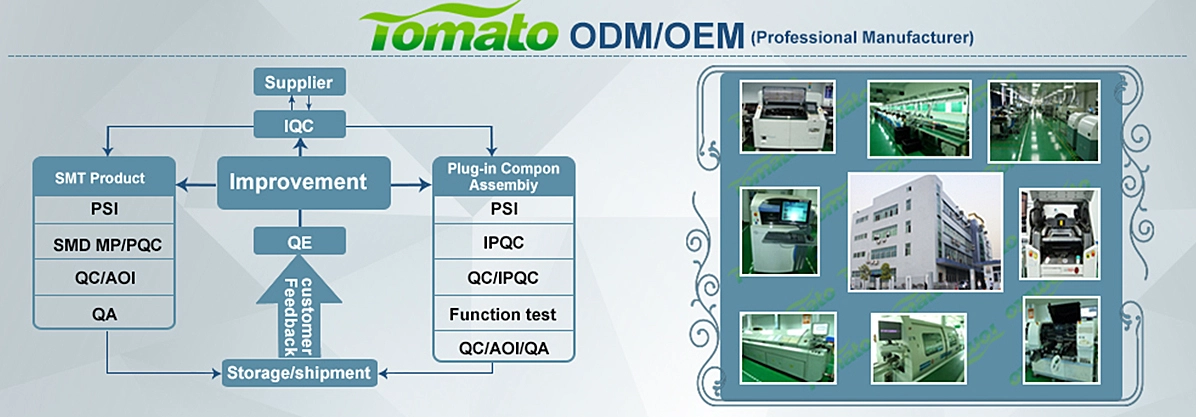
Mastering this setup requires shifting focus from the user interface to the factory floor, ensuring that hardware and software are "hard-coded" for reliability before a single unit leaves the assembly line.
1. Firmware Engineering: The Kernel-Level "Clean ROM" Mandate
The most critical stage of a professional setup occurs at the bootloader level. Standard retail firmware is encumbered by consumer bloatware that consumes vital RAM and fragments CPU cycles. For mission-critical deployments, a Clean ROM strategy is non-negotiable.
-
AOSP Strip-Down: By compiling from the Android Open Source Project (AOSP), engineers remove non-essential services, reducing the OS footprint and increasing the MTBF (Mean Time Between Failures).
- Kiosk Mode & Auto-Boot: To ensure 99.9% uptime, the firmware must be modified to launch a specific APK immediately upon power-on. If a device loses power in a remote kiosk or hotel room, it must bypass the standard Android launcher and return directly to the service interface without user intervention.
- Root Access Management: Unlike consumer boxes where root access is a security risk, enterprise firmware allows for managed API permissions. This enables silent background updates and remote reboots—essential for managing a fleet of thousands of units across different time zones.
2. Hardware Optimization: PCBA Architecture and Thermal Flux
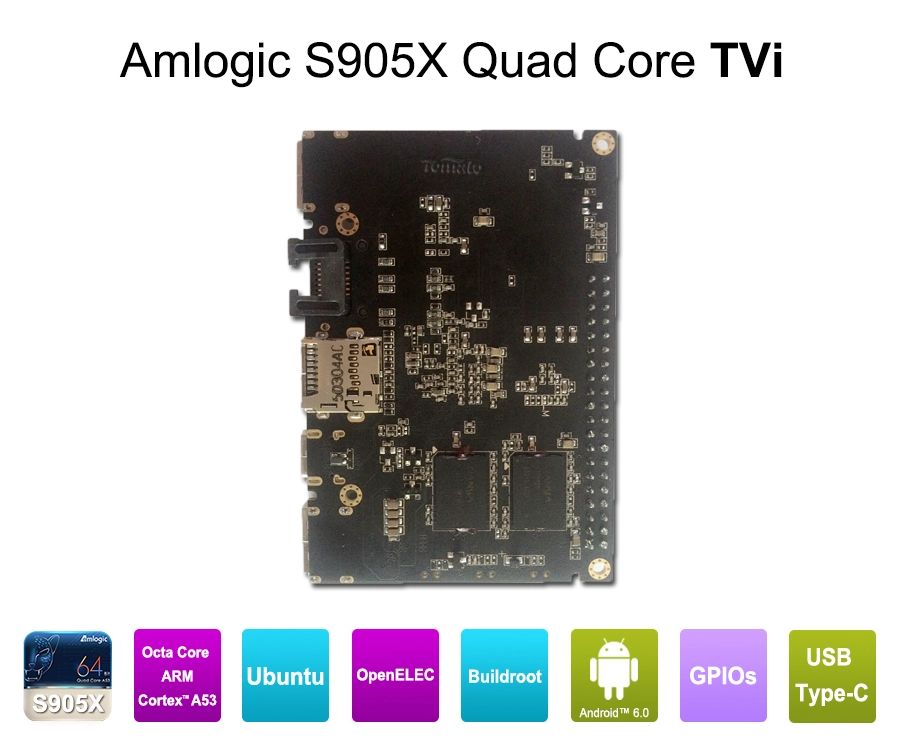
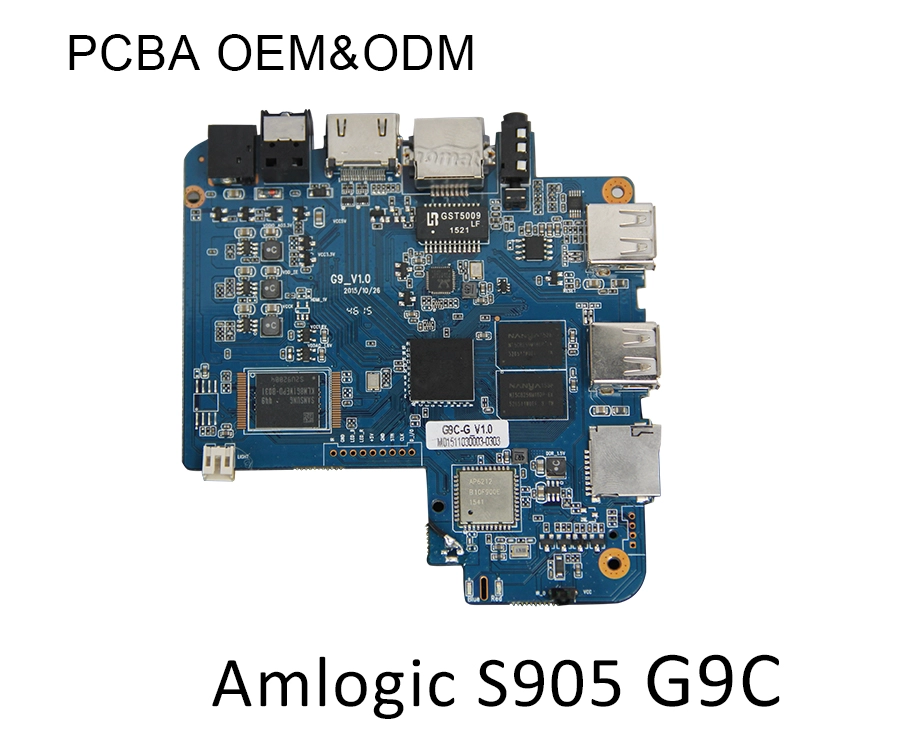
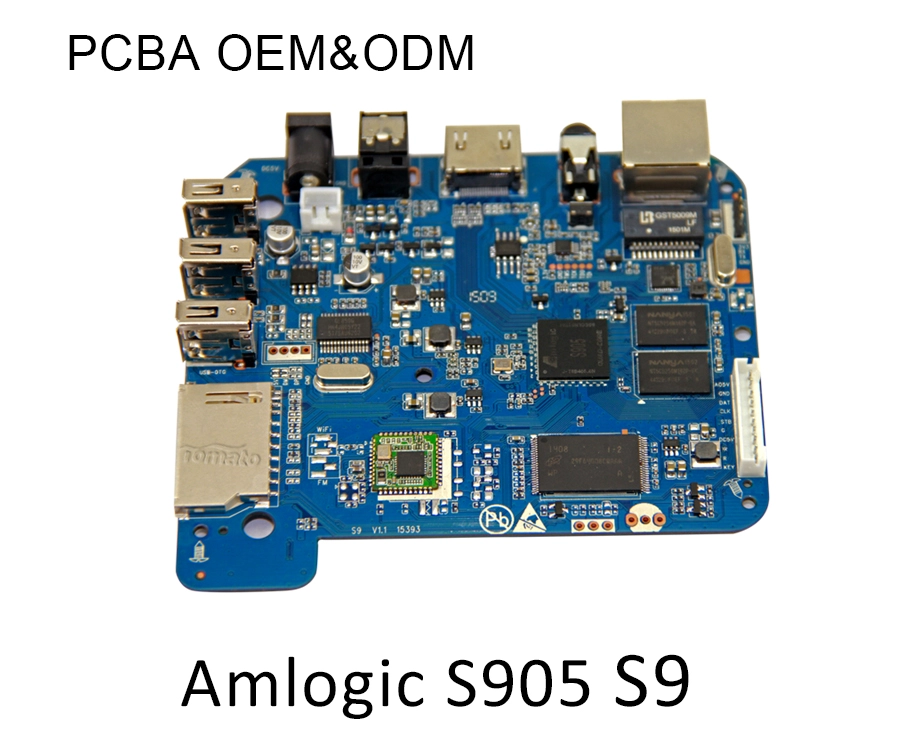
Software stability is irrelevant if the hardware cannot sustain 4K 60fps output under continuous duty cycles. A professional setup involves deep Printed Circuit Board Assembly (PCBA) modifications.
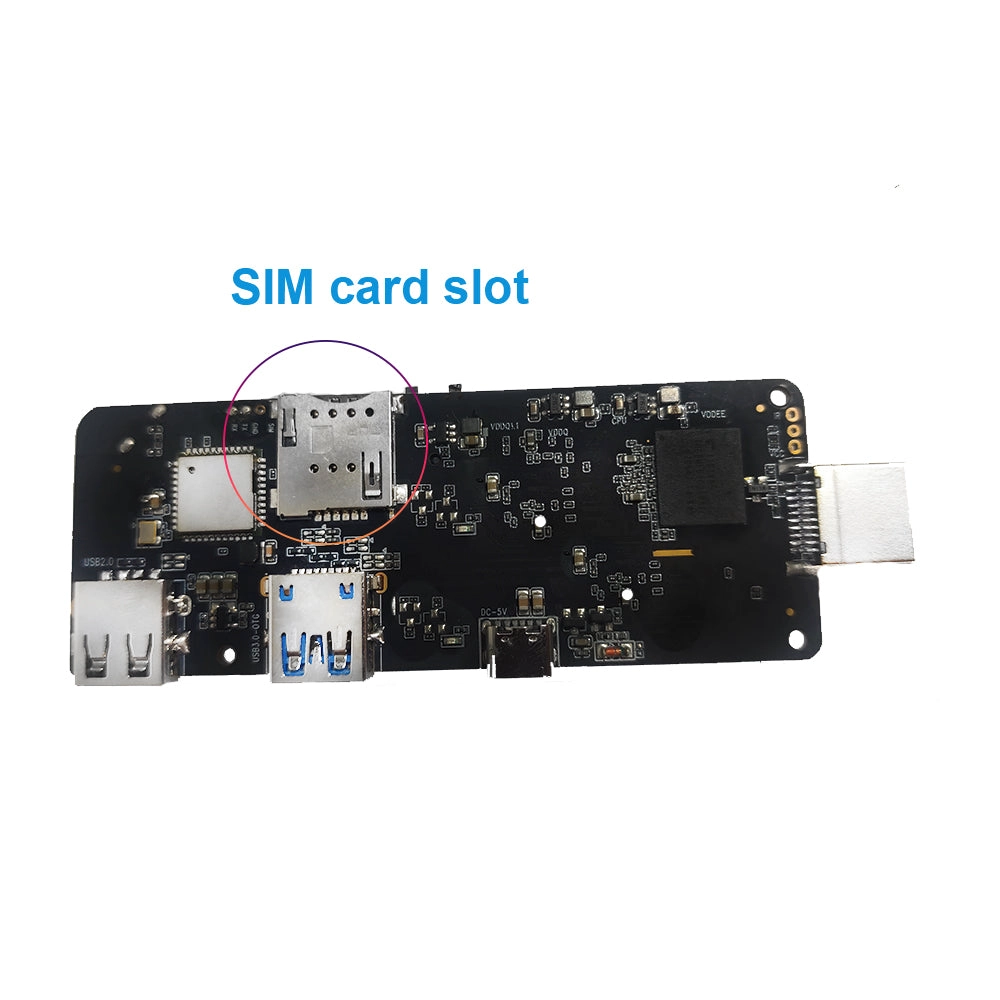
- Thermal Dissipation: Most retail boxes use basic heat sinks that fail when hidden behind a non-ventilated TV screen. At SZTomato, mastering the setup means redesigning the PCBA to separate heat-generating components (like the Amlogic or Rockchip SoC and the Wi-Fi module) and bonding them via high-conductivity thermal pads (3.0 W/mK+) to a metal chassis that acts as a passive radiator.
- I/O and PCBA Customization: For industrial use cases, setup may require the addition of RS232 ports for legacy AV control or Power over Ethernet (PoE) modules to eliminate the need for separate power supplies in complex installations.
-
BOM Locking: To guarantee consistency, B2B setups must include a locked Bill of Materials (BOM). This prevents the "silent hardware revisions" common in the wholesale market, ensuring every device in a 10,000-unit rollout utilizes identical eMMC flash and DDR4 memory modules.
3. Scaling the Deployment: Zero-Touch Provisioning & Private FOTA
Manual configuration is a business failure in 2026. Mastering a global Streaming Media Player rollout depends on automated provisioning and long-term lifecycle management.
- MAC Address Mapping: During the manufacturing process, every device's MAC address is scanned and mapped to its serial number. This data is integrated into the client's middleware server, allowing for "Zero-Touch" activation where the device automatically pulls its unique configuration profile upon its first internet handshake.
- Private FOTA Servers: To maintain security without relying on public Google servers, professional setups utilize private Firmware-Over-The-Air (FOTA) servers. This allows administrators to push security patches or UI redesigns to specific batches of devices based on region or hardware revision, ensuring total version control over the entire ecosystem.
Engineering Your Competitive Advantage
The "best" way to set up a media player network is to manufacture the setup into the device itself. By prioritizing firmware-level engineering and hardware customization, you eliminate the hidden costs of on-site maintenance and technical churn.
As an OEM/ODM partner specializing in high-performance Android hardware, we invite you to consult with our engineering team. Let us translate your operational requirements into a stable, customized hardware foundation that scales with your business.