
Network Set-Top Box Wars: Amlogic Low-Power Efficiency vs. Rockchip High-Performance
In today's bustling Android TV Box market, two semiconductor giants—Amlogic and Rockchip—stand out. As a direct-source manufacturer, SZTomato understands how critically the chipset shapes user experience. This article breaks down the evolutionary background, technical focus, and practical strengths of each chip, guiding you to choose the right fit—whether your priority is low-power efficiency or high-performance flexibility.
Evolution of Amlogic and Rockchip
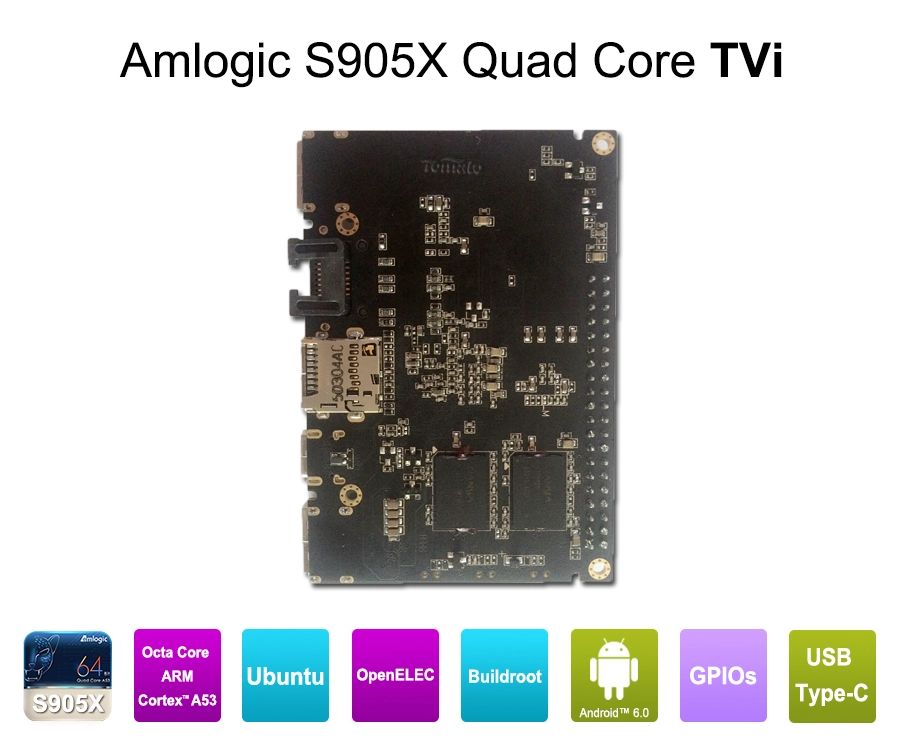
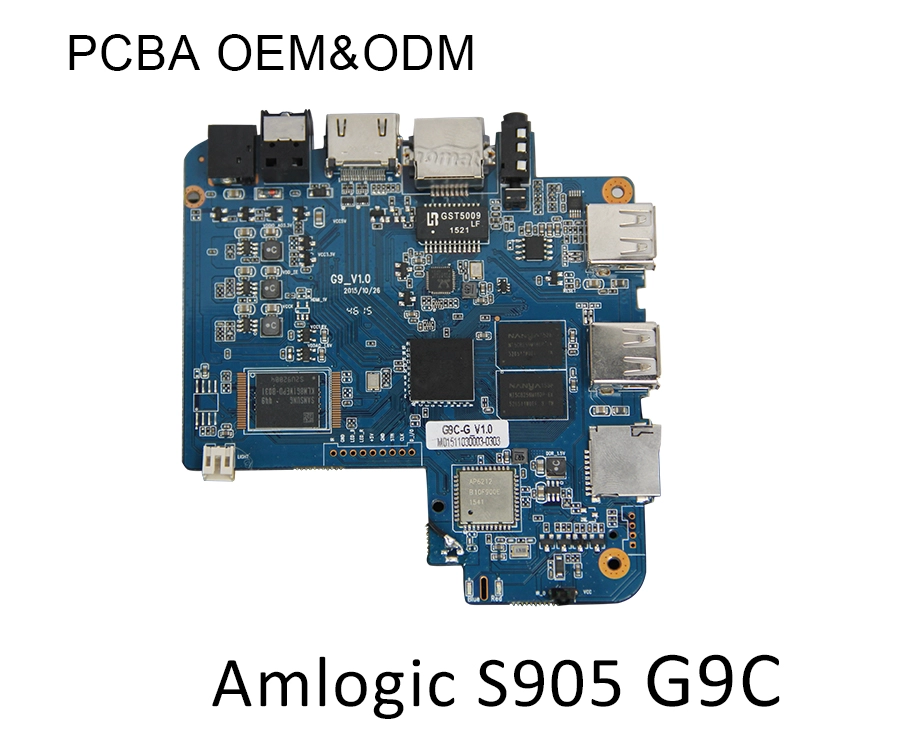
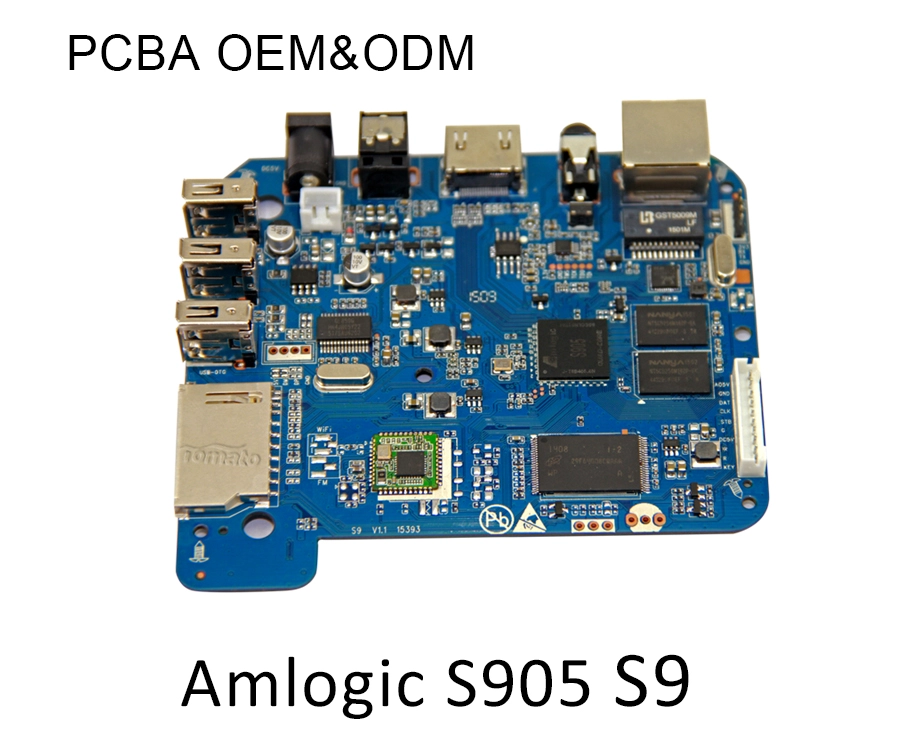
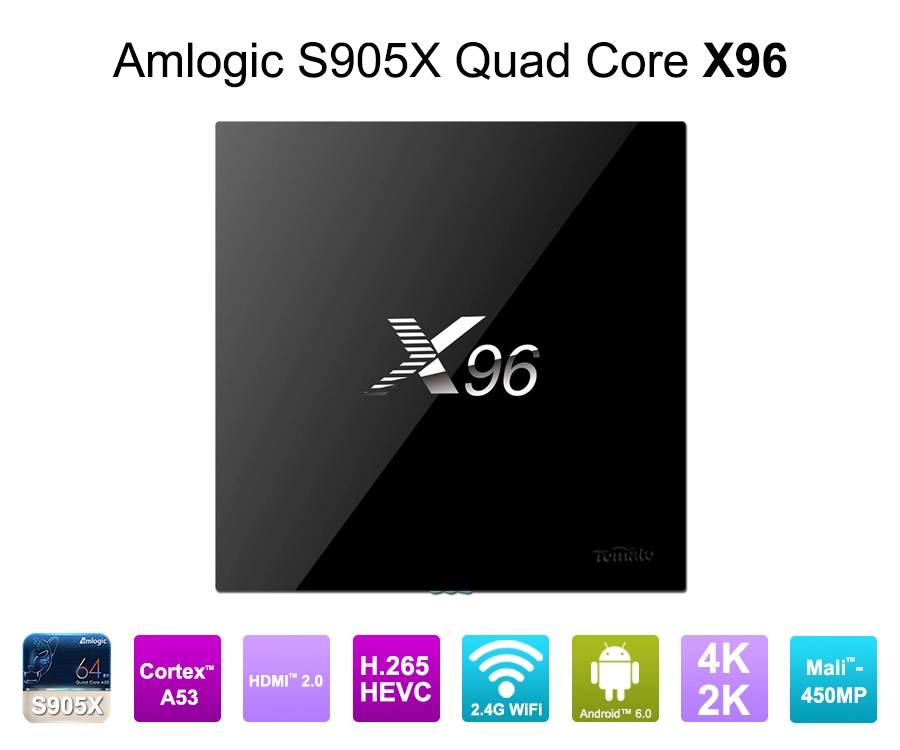
Amlogic, founded in 1995 in Silicon Valley and now with global outreach, began with audio and video decoder chips for media players. In the 2010s, it pivoted to Android TV Box SoCs and now leads in delivering stable, energy-efficient multimedia performance.
Rockchip, established in 2001 in Fuzhou, China, started by serving the tablet and consumer electronics space. By entering Android TV Box markets, Rockchip gained traction with mid-range chipsets like RK3566 and RK3588, focusing on performance, compatibility, and cost-effectiveness.
Technical Focus & Advantages
Amlogic (Low-Power Efficiency Specialist)
-
Focus: Advanced video decoding capabilities, extensive format support, and home entertainment optimization.
-
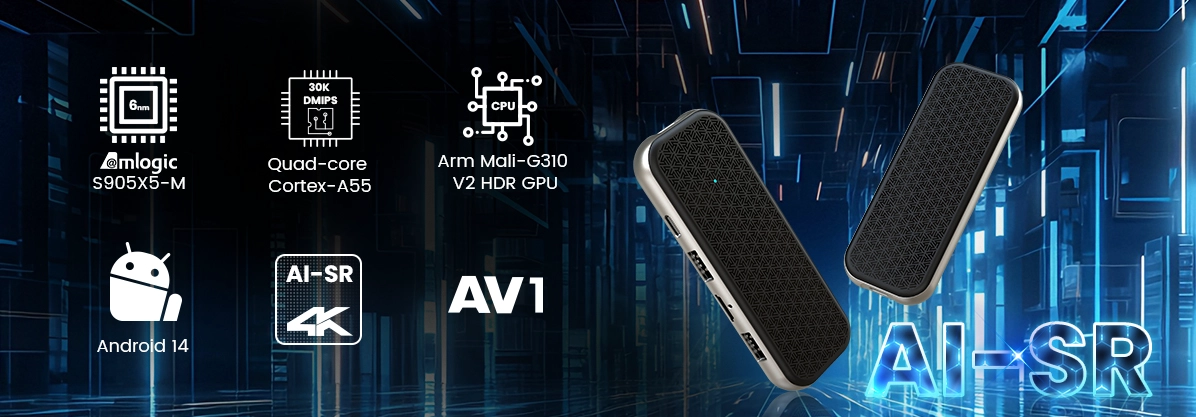
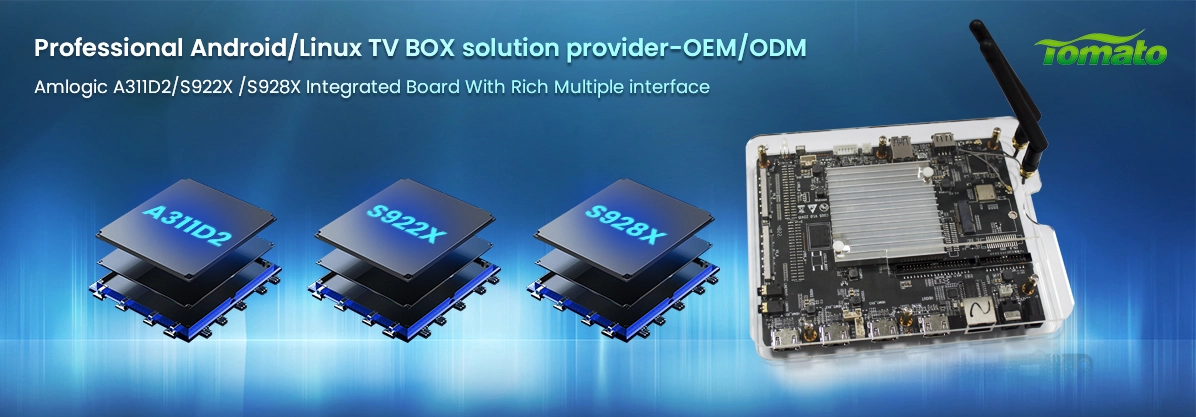
Strengths: Superior stability, AV1 and Dolby Vision support (especially in series like S905X5M, S928X), energy efficiency, smooth 4K/8K playback, and optimized firmware.
-
Ideal Use: Home viewing, video streaming, media-heavy usage—an energy-saving, quality-focused choice.
Rockchip (High-Performance Specialist)
-
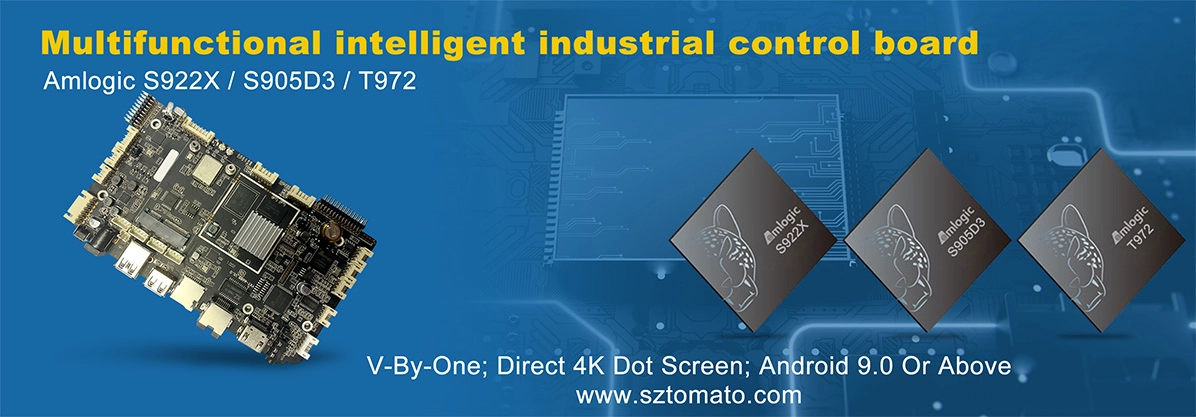
Focus: High raw computing power, NPU acceleration, ruggedness, and multiple-use adaptability—including industrial and AI applications.
-
Strengths: Leading-edge chips like RK3588 deliver 8K output, neural processing, and robust performance across varied applications. Still maintains strong cost performance among mid-range chipsets.
-
Ideal Use: Multi-functional environments—light gaming, smart-home integration, industrial setups—where performance and flexibility matter.
Which Chip Suits Your Goals?
There's no universal “best,” only the most suitable for your target scenario:
-
Choose Amlogic if your priority is high-fidelity media playback, energy efficiency, and seamless user experience in a consumer-oriented setup.
-
Opt for Rockchip when your requirement is stronger computational performance, expandability, or rugged use cases, combining versatility with affordability.
SZTomato's Customized Advantage
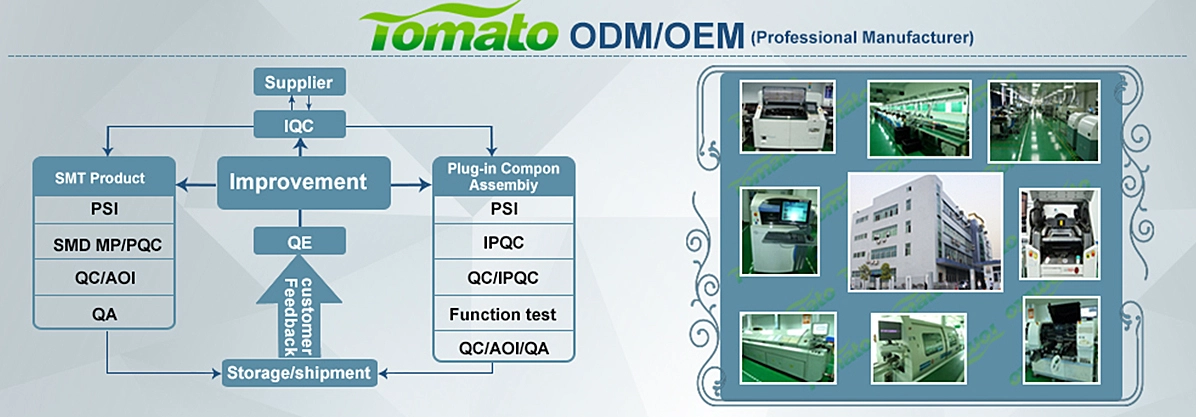
At SZTomato, we offer both Amlogic- and Rockchip-powered set-top boxes and tailor configurations to meet your exact needs:
-
Preconfigured video-optimized solutions using Amlogic chips.
-
Performance-packed builds with Rockchip SoCs.
-
Branded UIs, app bundles, firmware tweaks, and remote device management options.
-
B2B-oriented customization—for hospitality, smart-home installations, or industrial uses—ensuring high value and perfect fit.
Final Thoughts
In sum—Amlogic delivers energy-efficient excellence with superior video performance, while Rockchip offers raw power, AI capabilities, and adaptability. As your trusted OEM partner, SZTomato helps you leverage both advantages through bespoke solutions, providing the smoothest, most efficient smart living experience tailored to your objectives.
