Streaming Media Player OEM/ODM: Driving Competitive Advantage with Custom Firmware Solutions
Streaming Media Player OEM/ODM: Driving Competitive Advantage with Custom Firmware Solutions
Hardware commoditization is accelerating across the B2B electronics sector. When enterprise integrators source a streaming media player for large-scale deployment, the physical casing and basic specifications offer zero competitive differentiation. The actual battleground has shifted to the printed circuit board assembly (PCBA) and the underlying Android OS layer.
Operators deploying thousand-node digital signage networks, telecommunications IPTV frameworks, or hospital infotainment systems cannot rely on consumer-grade UI layers, unmanaged background processes, or standardized cooling solutions. Sustained 24/7 performance requires moving beyond generic retail hardware and adopting a strict OEM/ODM methodology centered on firmware-level engineering.
Overcoming the Limitations of Off-the-Shelf Hardware
Standard retail media players are engineered for brief, intermittent usage. Deploying these units in commercial environments immediately exposes systemic flaws. Thermal throttling degrades 4K video playback, default Android builds contain consumer bloatware that consumes vital RAM, and the lack of native Mobile Device Management (MDM) integration forces operators to rely on manual, on-site maintenance.
A true B2B OEM/ODM partnership addresses these failure points at the manufacturing level. Utilizing industrial-grade components alongside advanced System on Chip (SoC) architectures from providers like Amlogic and Rockchip allows for precise kernel tuning. This ensures the hardware can sustain continuous 4K 60fps output over rigorous duty cycles without voltage degradation or overheating.
Firmware-Level Engineering: The Core of B2B Deployment
The most critical component of a customized streaming media player is the firmware. Deep integration capabilities dictate network stability and operational control. SZTomato prioritizes several distinct firmware engineering protocols for enterprise clients:
-
Root Access Management: Enterprise applications require elevated permissions. Custom firmware allows integrators to securely grant APIs the specific permissions necessary to execute silent APK installations, remote reboots, and deep system diagnostics without triggering user-facing prompts.
-
Custom OTA (Over-The-Air) Update Servers: Generic Android devices are subject to forced Google updates, which frequently break proprietary software compatibility. By routing updates through private, dedicated OTA servers, administrators maintain absolute version control, deploying patches only after rigorous sandbox testing.
-
Kiosk Mode and UI Locked Environments: Custom boot animations and proprietary UI launchers ensure brand consistency. More importantly, firmware-level Kiosk modes lock down user settings, preventing end-users from exiting the primary application or altering network configurations.
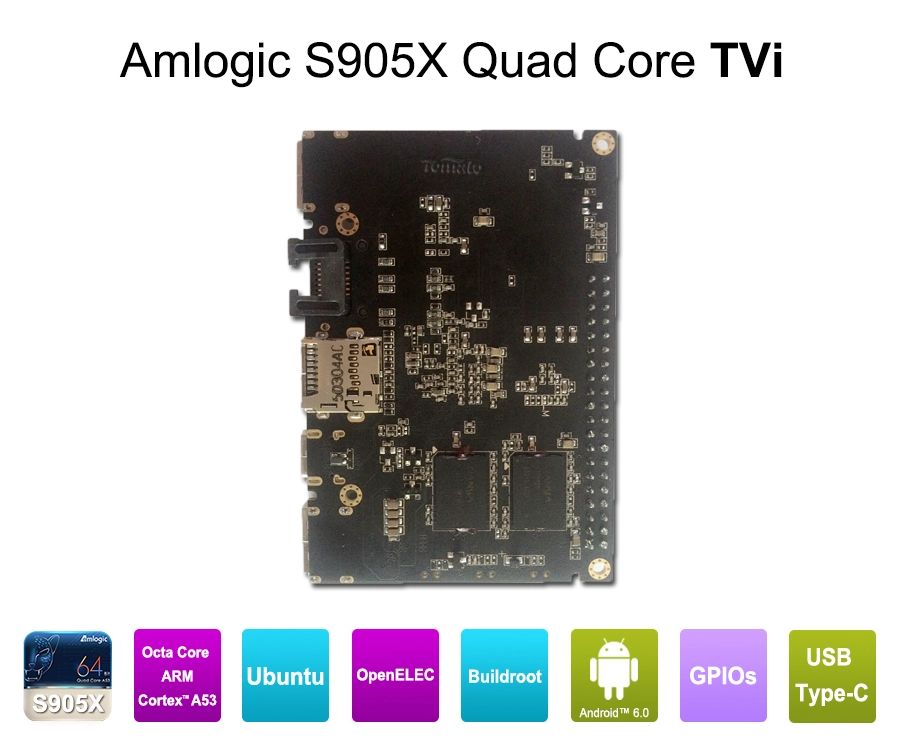
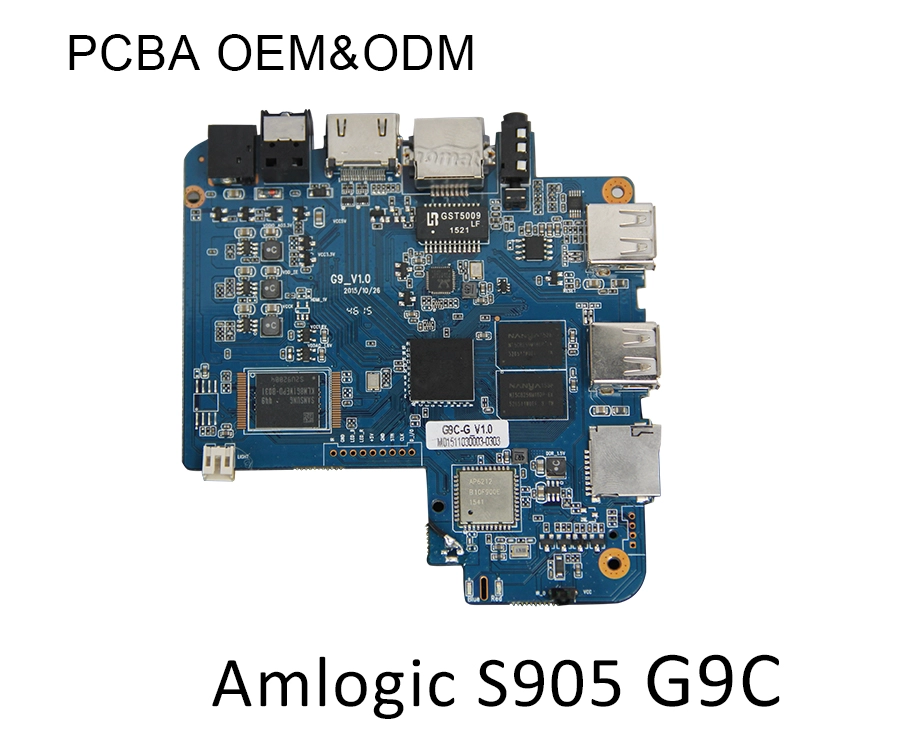
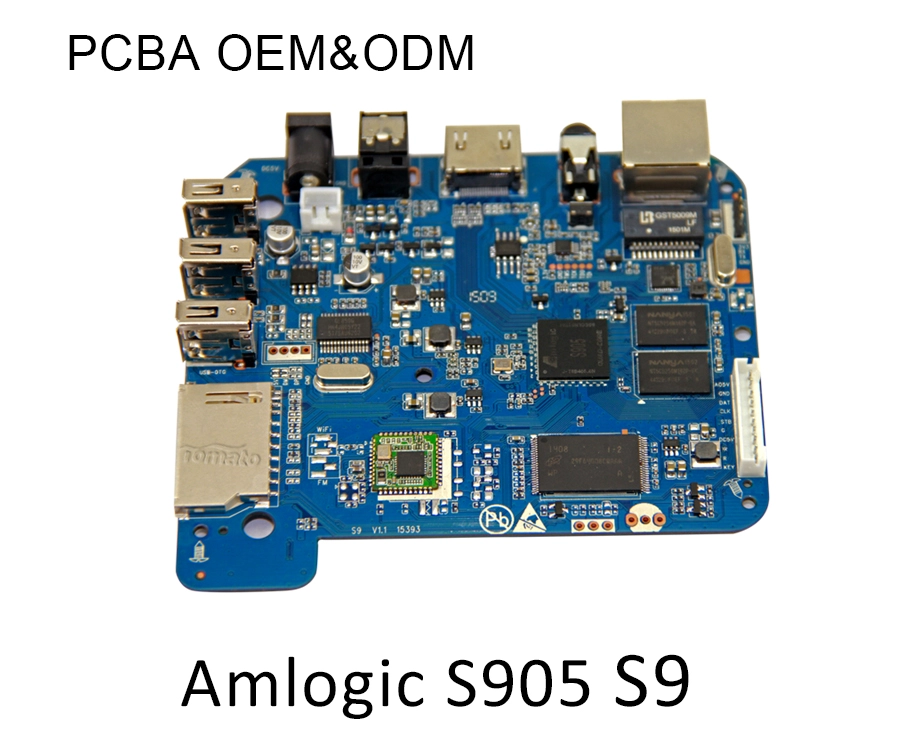
PCBA Modification and Hardware Integration
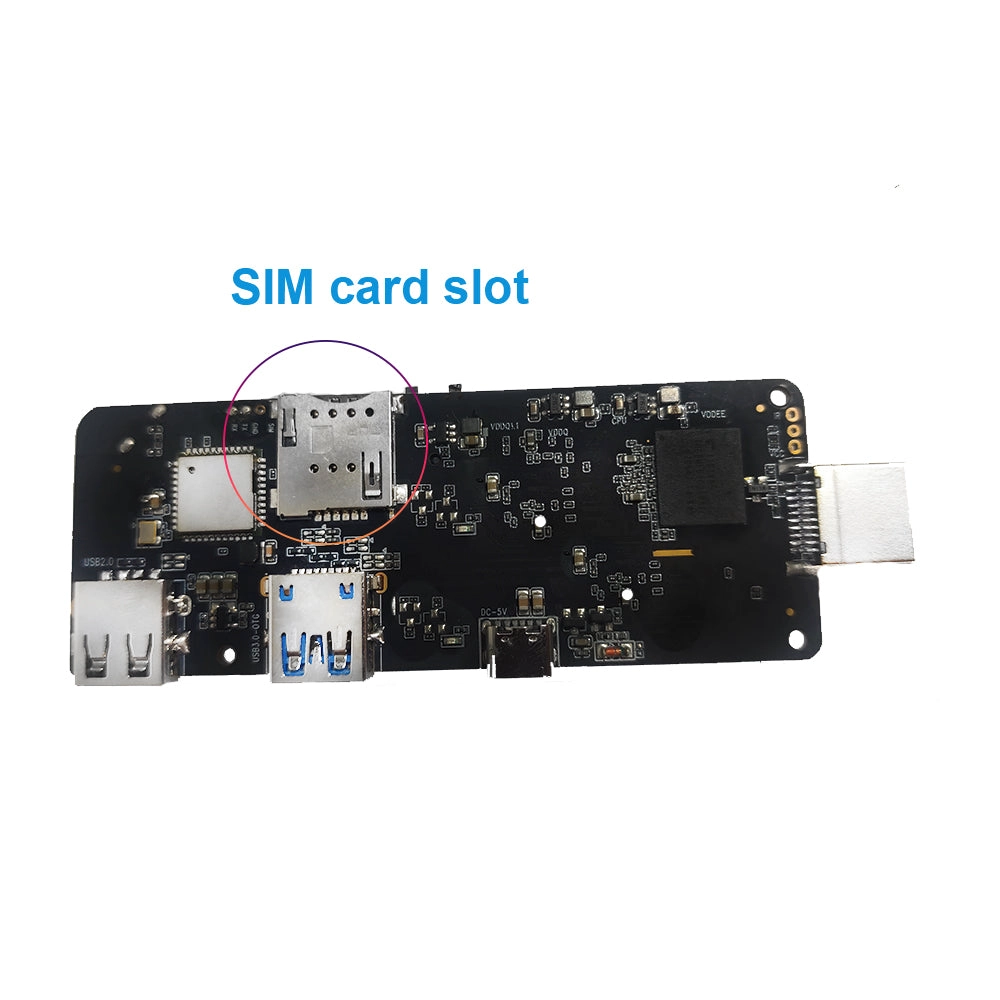
Firmware requires capable hardware. True ODM services extend into the physical architecture of the streaming media player. While standard units offer basic HDMI and USB outputs, enterprise applications often require specialized I/O configurations.
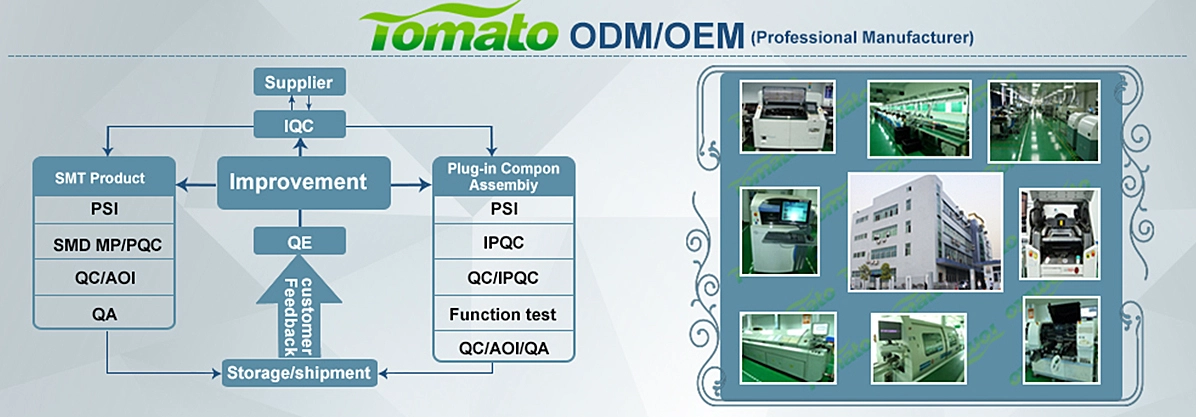
PCBA modifications allow for the integration of hardware watchdogs—dedicated chips that monitor system states and physically cycle power if the main CPU hangs, guaranteeing zero-touch recovery. Further modifications include adding RS232 ports for legacy commercial display control, specific Power over Ethernet (PoE) modules to eliminate redundant cabling, and reinforced HDMI ports to prevent structural failure in high-vibration environments like transit signage.
Case Application: Digital Signage and Hospitality IPTV
In the digital signage sector, minimizing "truck rolls" (dispatching technicians for physical repairs) is the primary driver of profitability. A custom-engineered streaming media player with an integrated hardware watchdog and remote MDM firmware reduces physical maintenance requirements by up to 80%.
Similarly, in hospitality IPTV, integrators require multicast network support and specific DRM (Digital Rights Management) certifications like Widevine L1 or PlayReady embedded directly into the firmware. Off-the-shelf units cannot support these rigid broadcasting standards.
Securing Your Hardware Pipeline
Relying on standardized hardware for enterprise applications guarantees systemic failure and inflated operational costs. Scalable B2B deployment requires a manufacturing partner capable of delivering true engineering depth, from initial PCBA layout to final OTA server configuration.
Contact the engineering team at SZTomato to discuss your specific streaming media player requirements. We provide comprehensive OEM/ODM services, delivering custom firmware, hardware modifications, and certified manufacturing to support your most demanding enterprise networks.