
TV Box Android Function
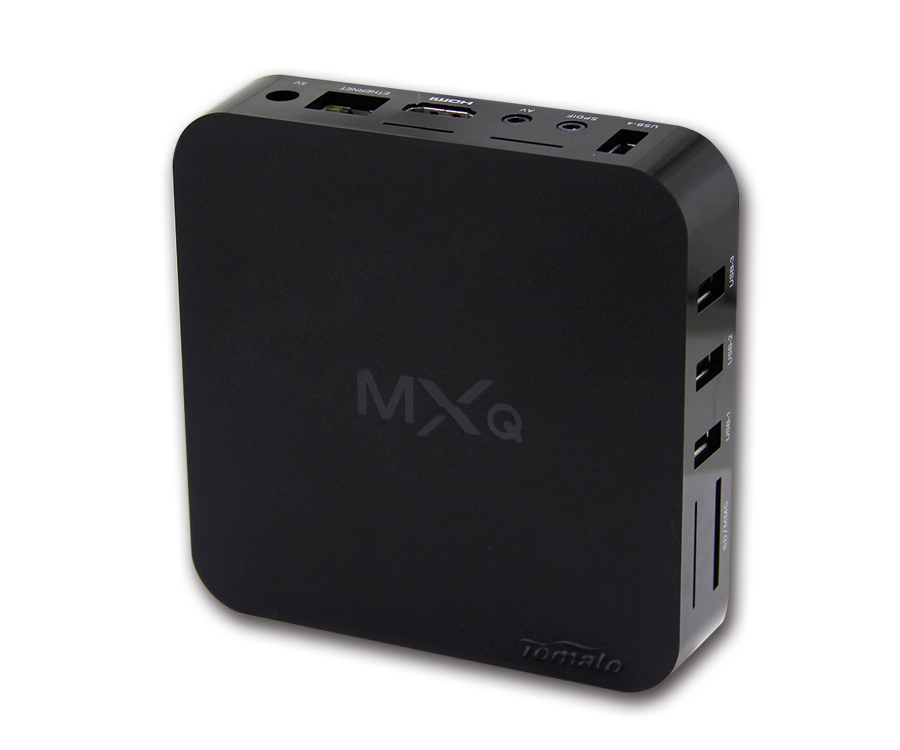
For a consumer, the "function" of a TV Box Android is simple: streaming movies. But for the B2B operator—the ISP providing managed services, the hotel group automating guest rooms, or the digital signage integrator—the function is infrastructure control. In 2026, the value of an Android-based terminal is measured by its ability to serve as a secure, high-performance edge node that reduces server-side costs and maximizes brand uptime.
Relying on generic retail hardware or the "Smart" functions embedded in commercial panels is no longer sufficient. Integrated TV chips are often the first component to fail or become obsolete, whereas a dedicated TV Box Android allows for a modular, scalable architecture. Here is a technical deep dive into the four critical functions that define high-tier B2B hardware today.
1. Bandwidth Optimization via Native AV1 Decoding
The most critical commercial function of a modern TV Box Android is cost containment through codec efficiency. With 4K and 8K content becoming the standard for hospitality and OTT services, bandwidth overhead is the primary silent killer of ROI.
-
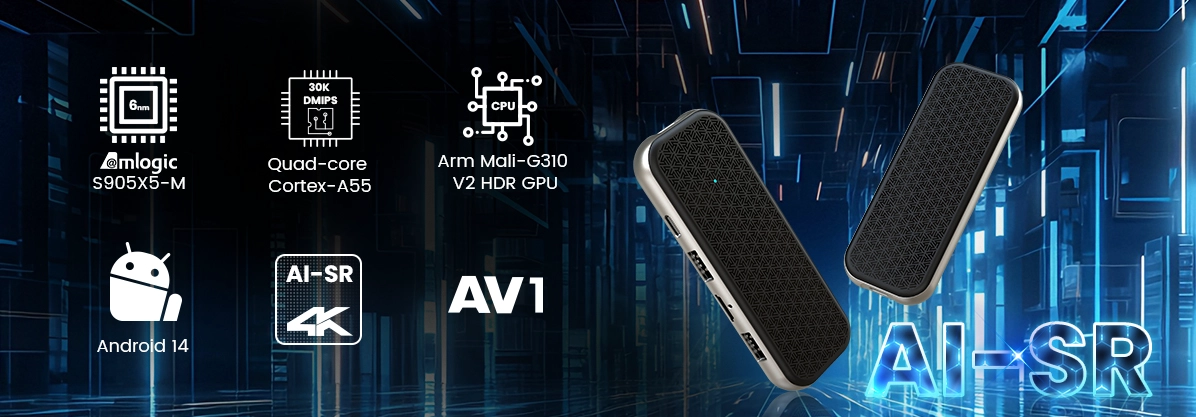
The Technical Edge: Modern chipsets like the Amlogic S905X4 or the high-performance S928X integrate native AV1 hardware decoding. Compared to the aging H.265 standard, AV1 reduces bitrates by up to 30% without sacrificing visual fidelity.
-
ISP ROI: For a network operator with 100,000 subscribers, a 30% reduction in CDN (Content Delivery Network) traffic translates into millions of dollars in annual savings. A "functional" box in 2026 is one that pays for itself through bandwidth efficiency.
2. Firmware Sovereignty and the "Kiosk Mode" Mandate
In professional environments, the worst function is the one the user can break. Standard retail Android interfaces are cluttered with third-party ads and accessible settings that lead to support tickets.
-
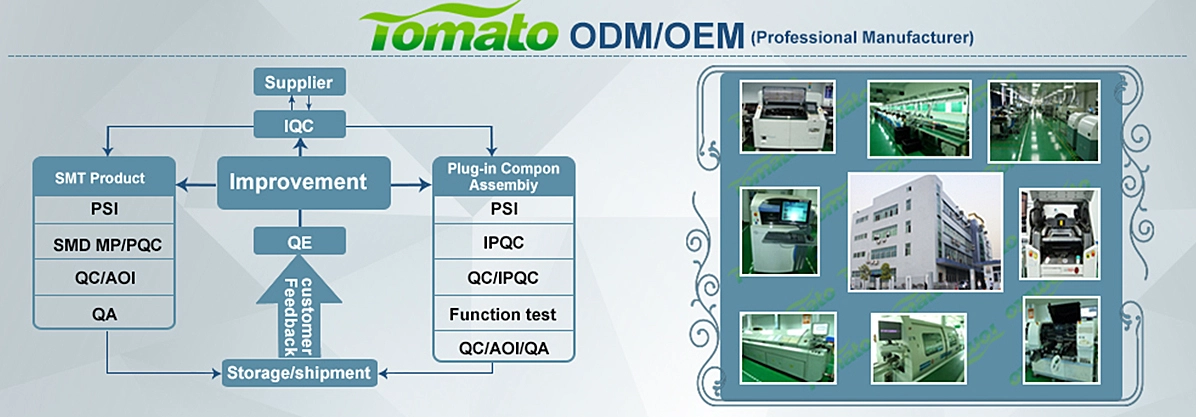
SZTomato Software Engineering: We specialize in Deep Firmware Customization. Our engineers strip out the Google Play Store and consumer bloatware to create a hardened environment. We compile custom ROMs that lock the device into "Kiosk Mode"—forcing the TV Box Android to boot directly into your proprietary launcher, middleware, or digital signage app.
-
Security & Stability: By disabling the end-user's ability to sideload apps or change network settings at the kernel level, we reduce operational maintenance costs by an estimated 75%.
3. Industrial-Grade Thermal and I/O Versatility
A device that functions well in a cool living room will fail in a 24/7 digital signage enclosure. The "function" of the box must include environmental resilience.
-
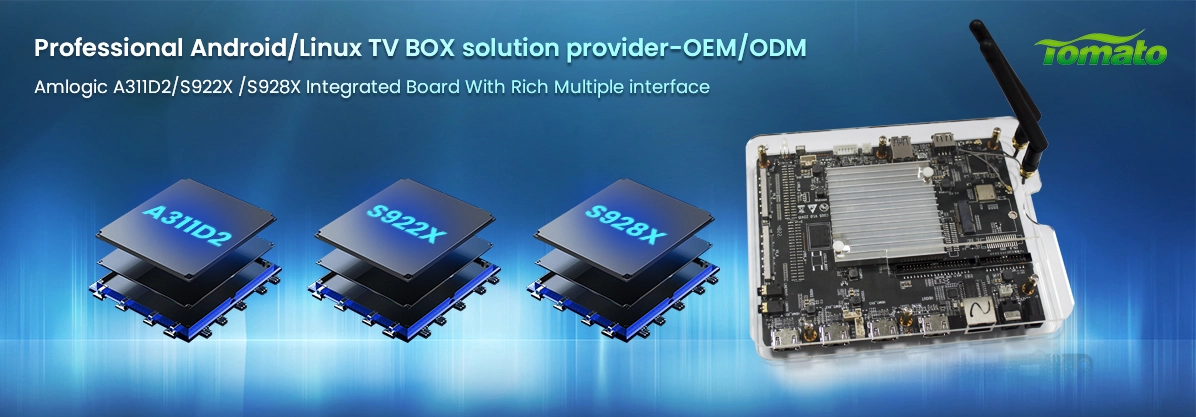
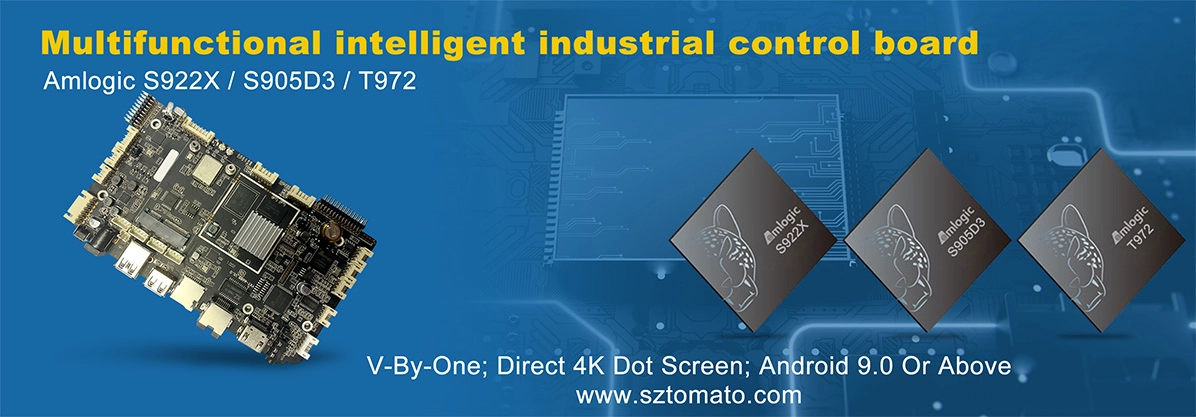
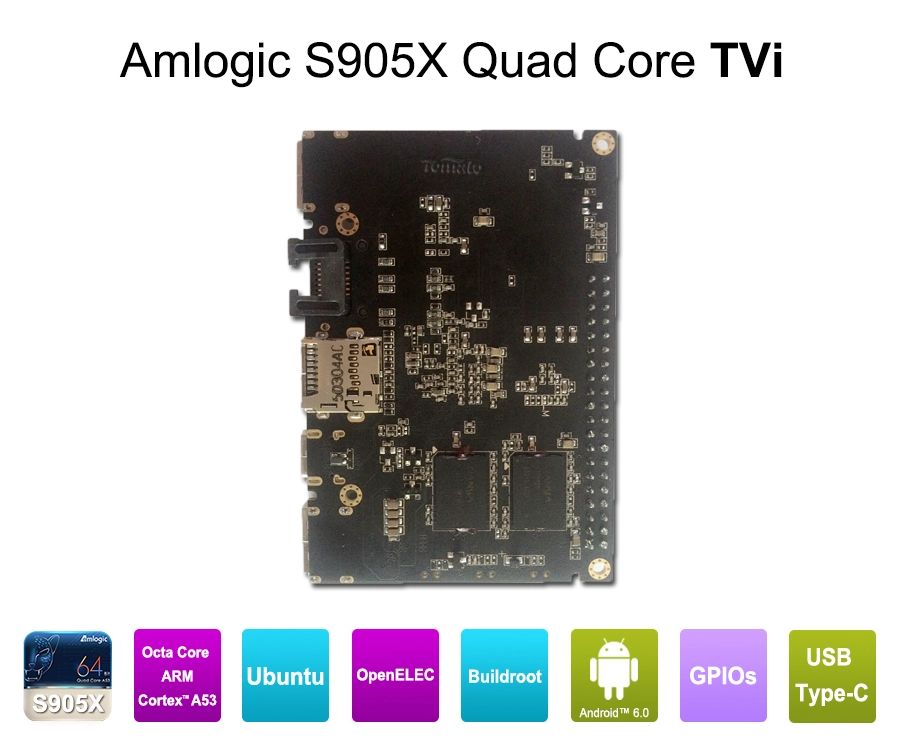
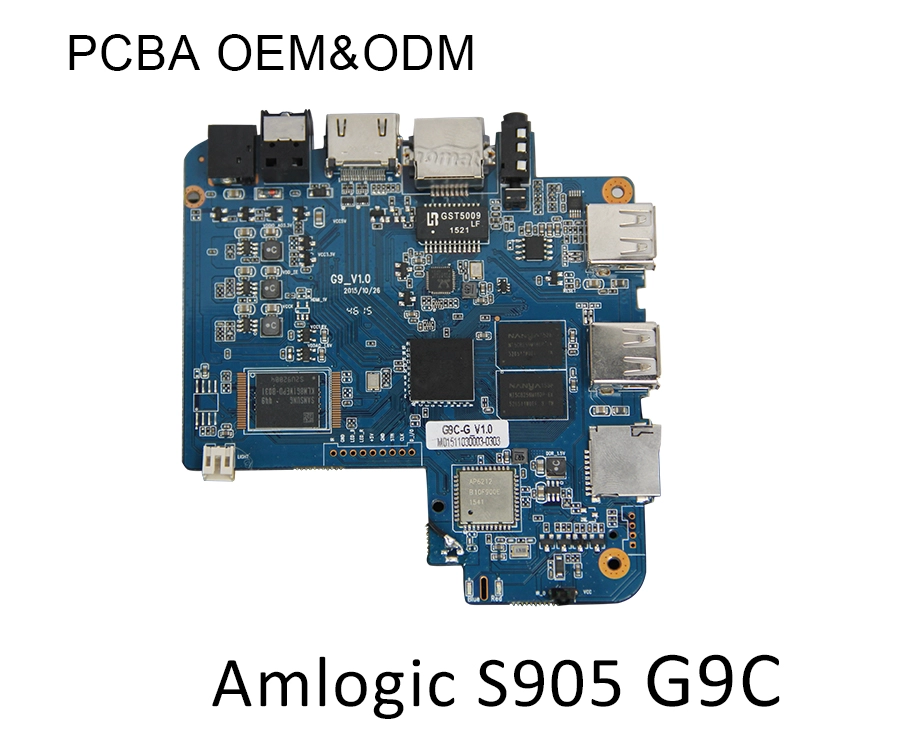
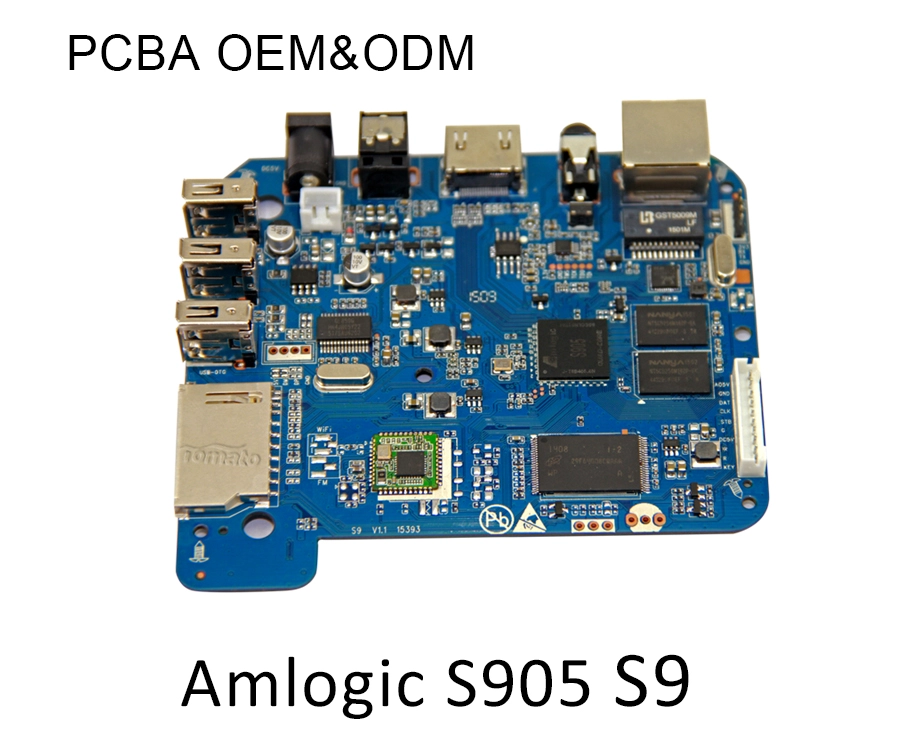
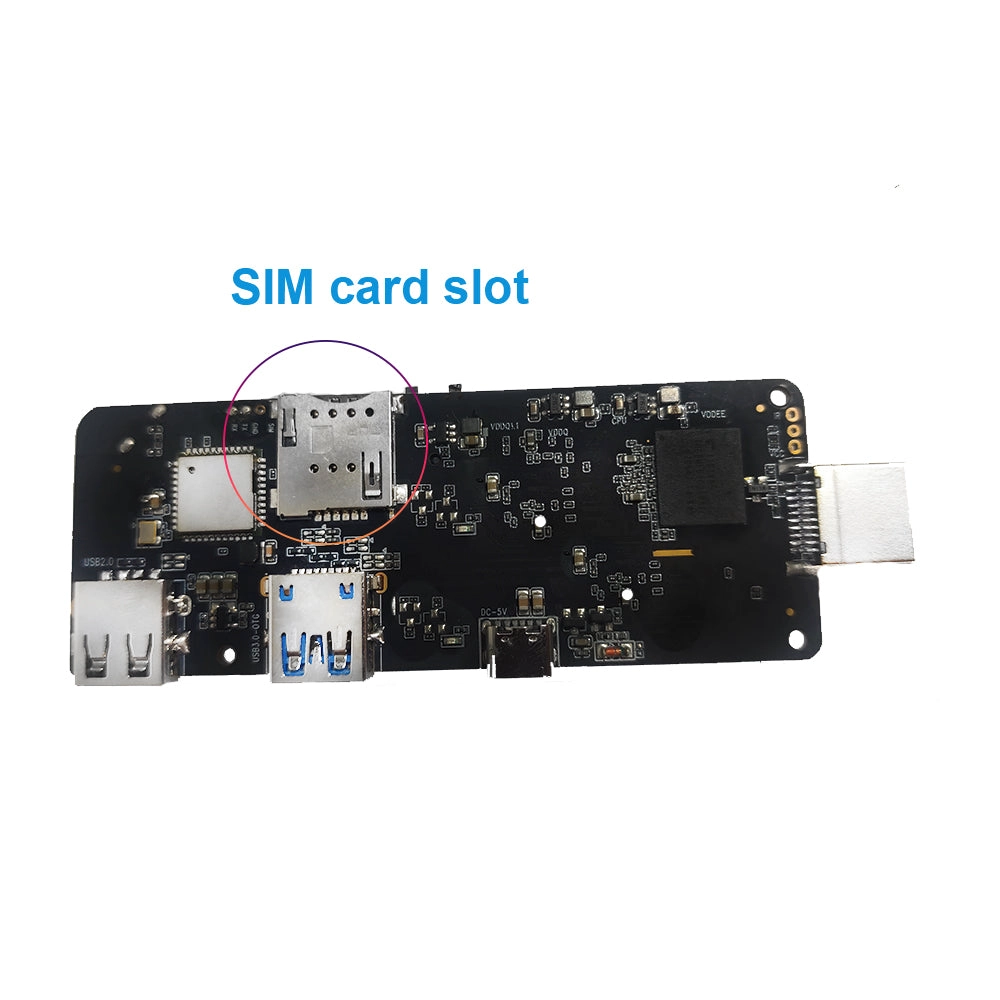
PCBA Modification: At SZTomato, we redesign the PCBA (Printed Circuit Board Assembly) to meet specific industrial demands. We replace standard thin-plate heat sinks with custom extruded aluminum heatsinks and 3.0 W/mK thermal pads. This prevents thermal throttling (CPU downclocking) during 24/7 4K playback.
-
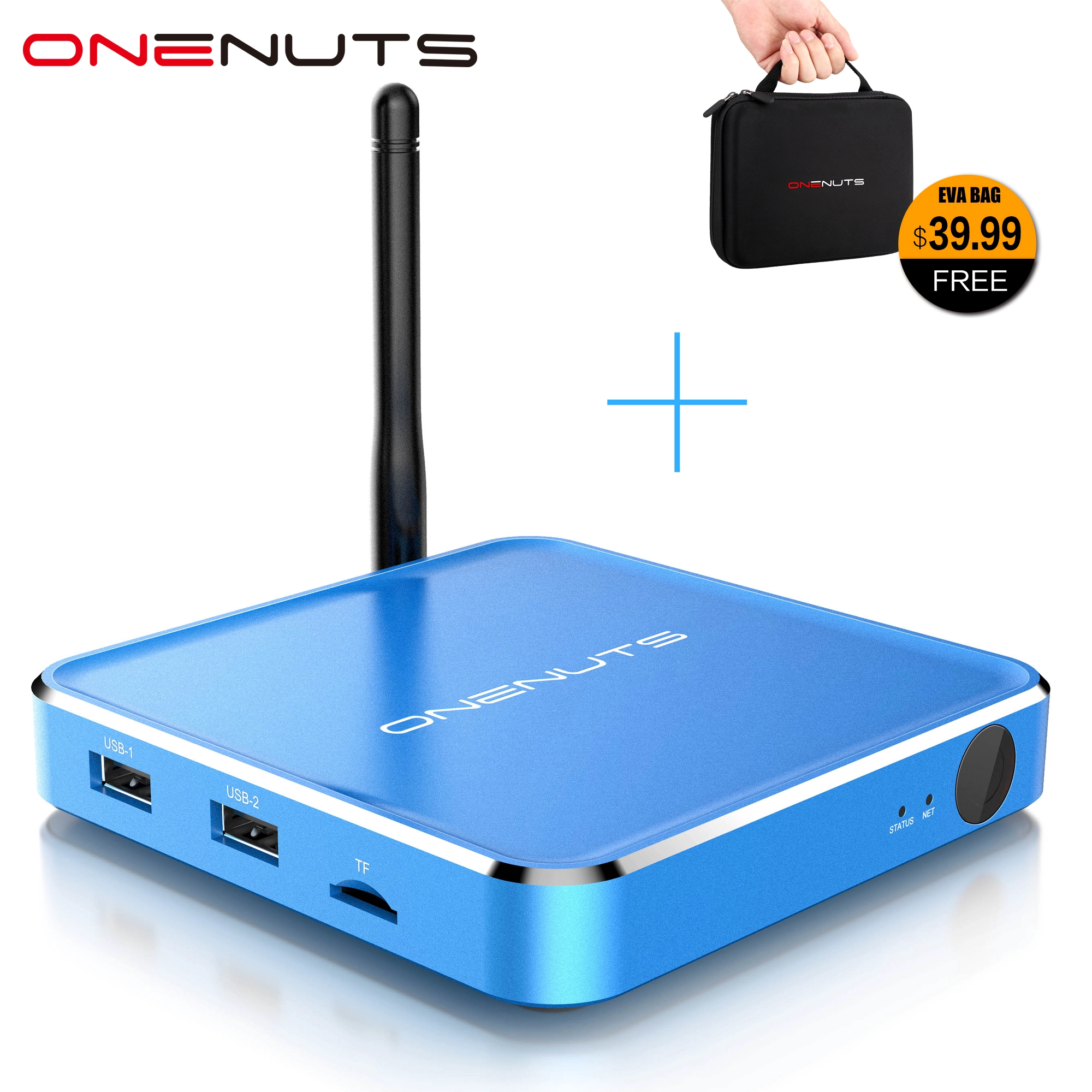
Connectivity Tailoring: Does your project require Power over Ethernet (PoE) to eliminate power cables? Or perhaps RS232 ports for legacy display control? We modify the hardware layout to include the exact I/O your infrastructure requires.
4. The White-Label Brand Ambassador
Finally, the TV Box Android functions as the physical face of your brand. It is the one piece of your network infrastructure that the customer actually touches.
-
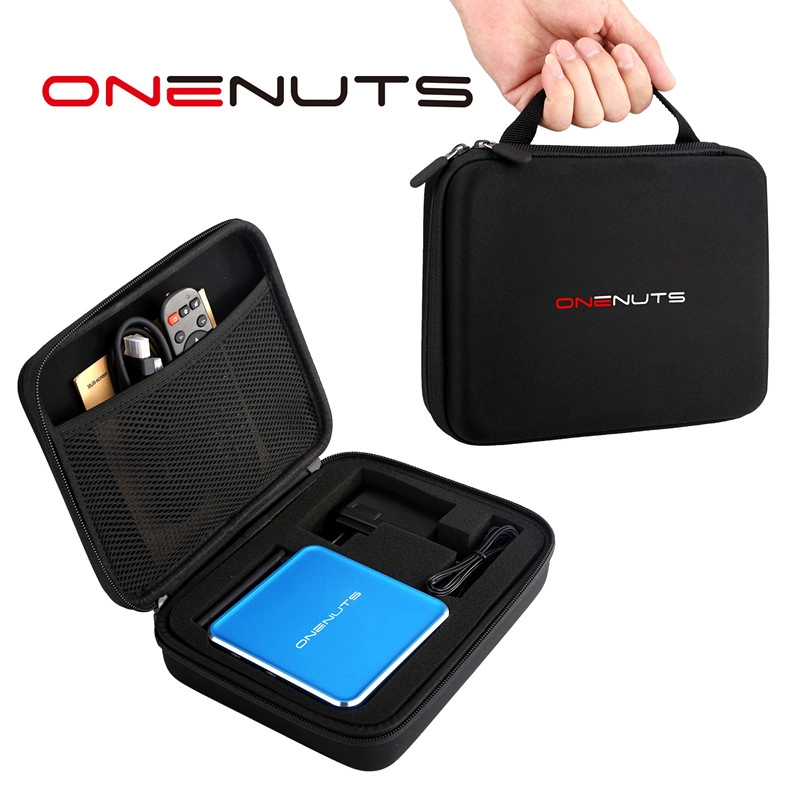
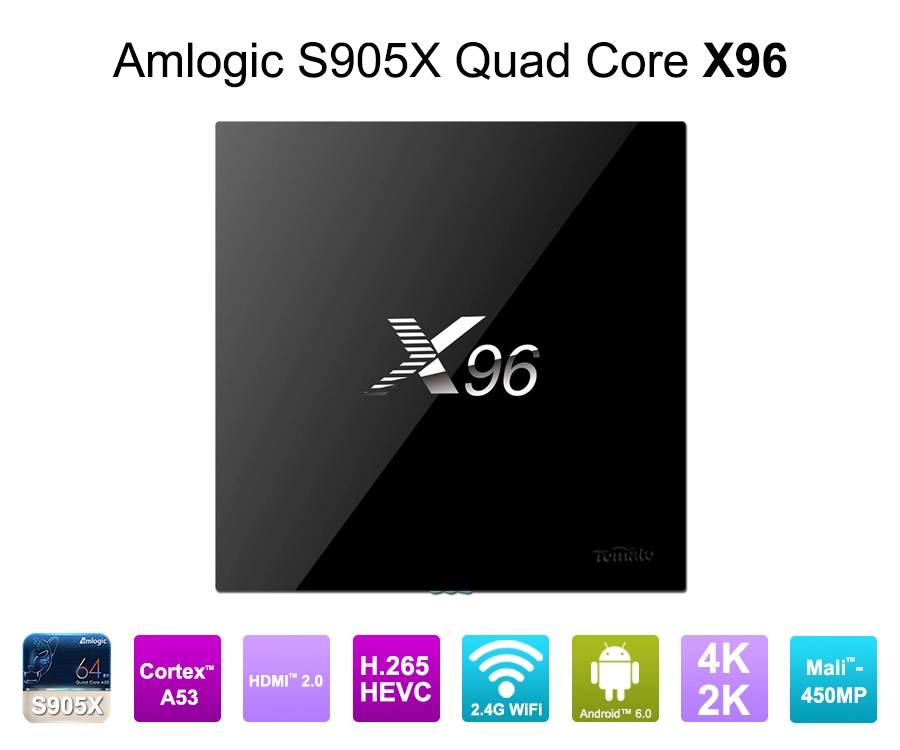
Bespoke Identity: Through our ODM services, we provide comprehensive Packaging Customization and industrial design. This includes custom-molded cases, branded Bluetooth remotes with hardcoded hotkeys, and eco-friendly gift boxes. From the boot animation to the silk-screened logo on the chassis, the device reinforces your brand authority every time it is used.
Conclusion: Move Beyond Consumer Limitations
The true function of a TV Box Android in 2026 is to provide a managed, reliable, and efficient gateway for your content. Generic hardware is a liability; custom-engineered hardware is an asset.
