
The core difference between Network Set-Top Boxes(STB) and Traditional Set-Top Boxes(STB)
In today's rapidly evolving digital media landscape, understanding the types of Set-Top Boxes (STBs) available in the market is critical for businesses involved in broadcasting, content delivery, and home entertainment systems. While both Network Set-Top Boxes and Traditional Set-Top Boxes are designed to decode and deliver video content to a display device, the underlying technology, functionality, and user experience differ significantly.
This article explores the core differences between Network STBs and Traditional STBs, helping B2B buyers, resellers, and content providers make smarter investments.
What is a Traditional Set-Top Box?
A Traditional Set-Top Box refers to hardware used primarily to receive broadcast signals via cable or satellite. These devices decode encrypted channels provided by traditional service providers like Comcast, Dish Network, or regional cable operators.
Key Features of Traditional STBs:
-
Signal Source: Coaxial input for cable or satellite signals.
-
Connectivity: Limited to AV, HDMI output, and IR remote control.
-
Content Delivery: Linear content broadcast in real-time.
-
User Experience: Fixed programming schedule with limited interactivity.
-
Dependency: Tied to specific service providers or pay-TV operators.
Traditional STBs have long served households and hospitality businesses that rely on stable, scheduled programming. However, as digital transformation accelerates, these boxes are gradually losing ground.
What is a Network Set-Top Box?
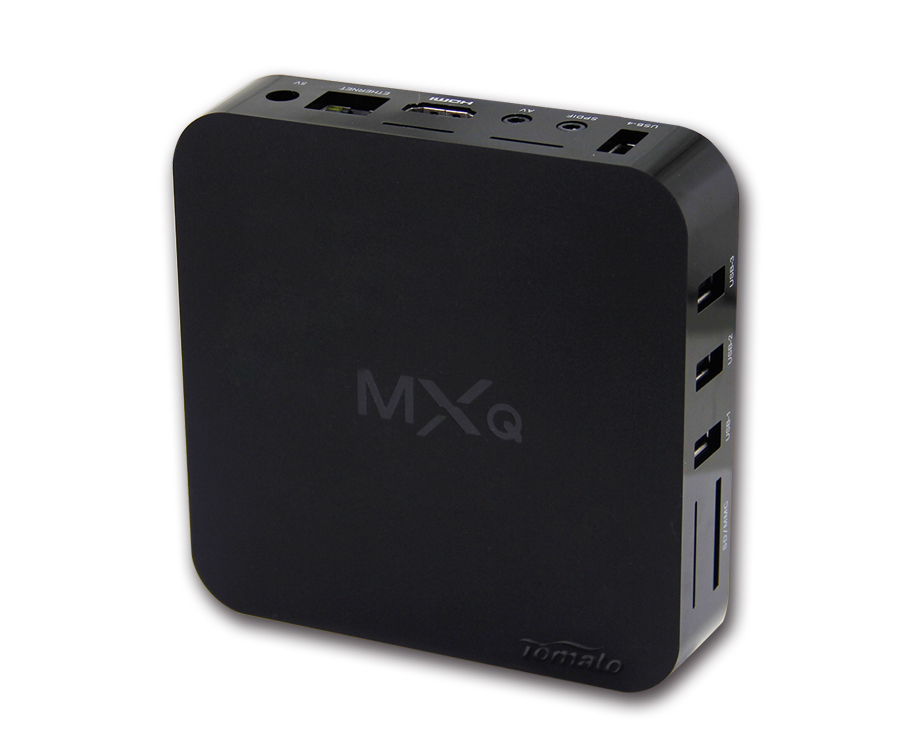
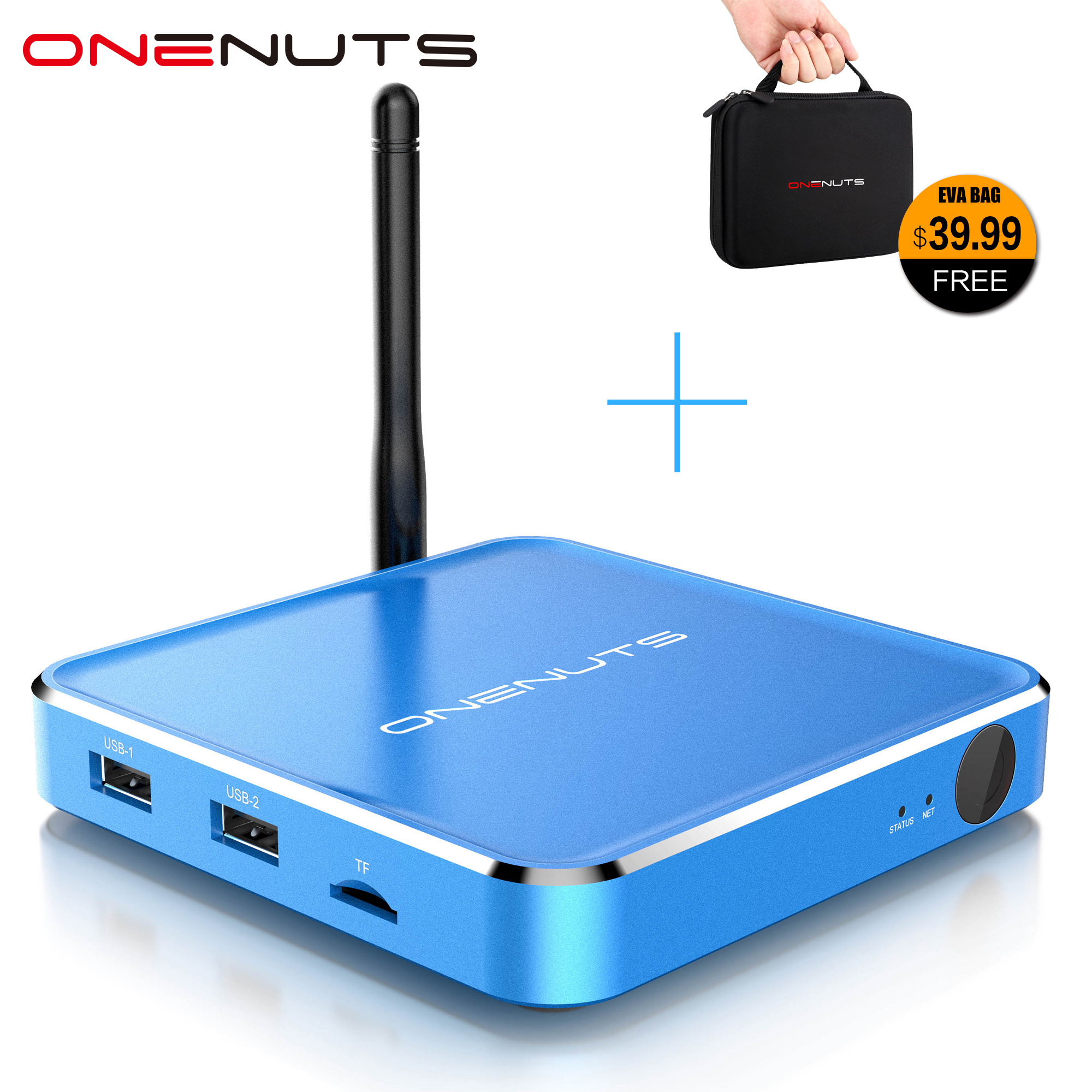
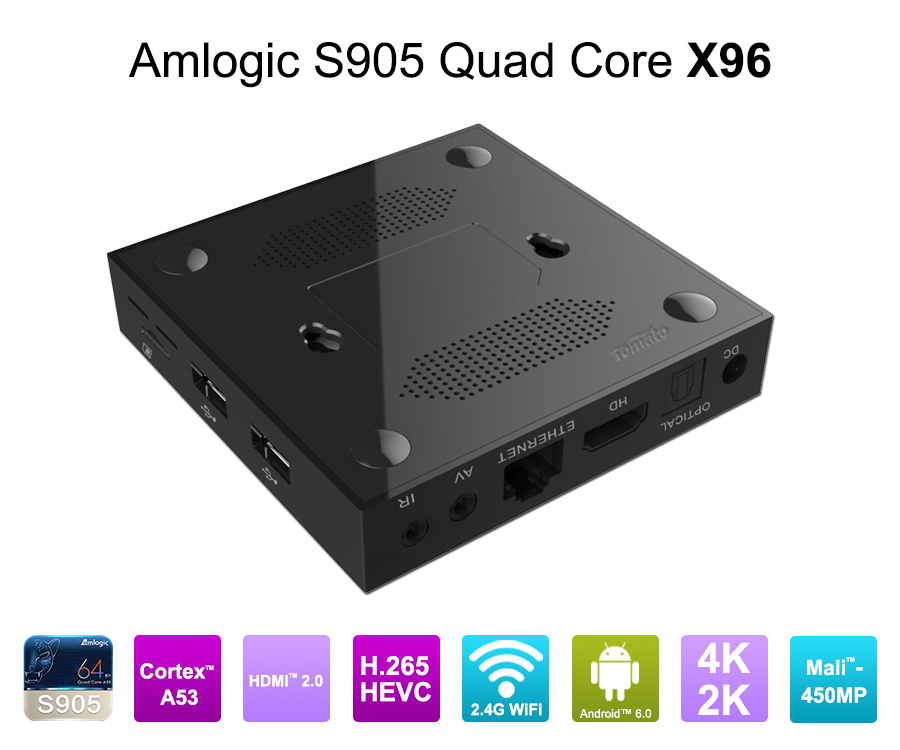
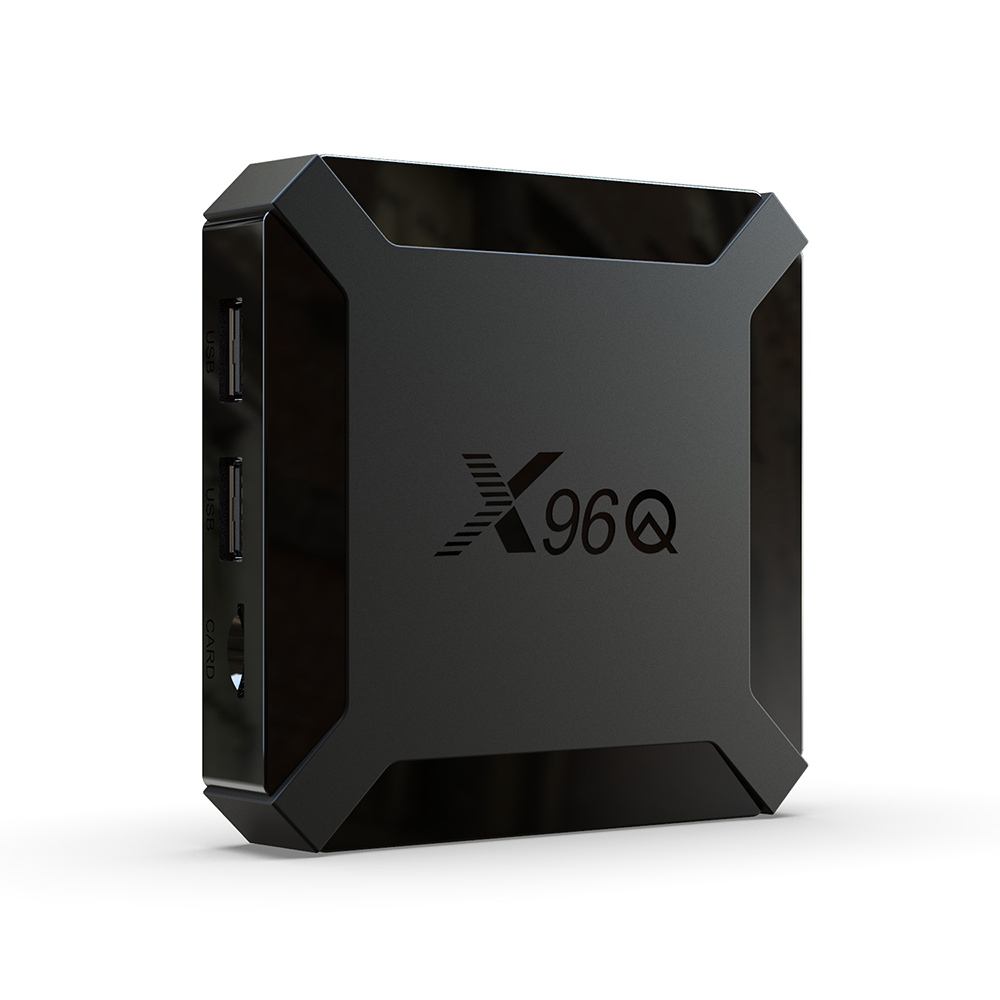
Also known as IPTV Boxes, OTT Boxes, or Smart TV Boxes, Network Set-Top Boxes are designed to stream content via internet protocols. These devices are typically powered by Android or Linux systems and support a wide range of apps and cloud-based services.
Key Features of Network STBs:
-
Signal Source: Ethernet, Wi-Fi, or 4G/5G connections.
-
Connectivity: HDMI, USB, Bluetooth, dual-band Wi-Fi, etc.
-
Content Delivery: On-demand, streamed, or time-shifted content.
-
User Experience: Highly interactive UI with app stores, voice search, and personalization.
-
Flexibility: Not tied to any specific operator; supports global content platforms.
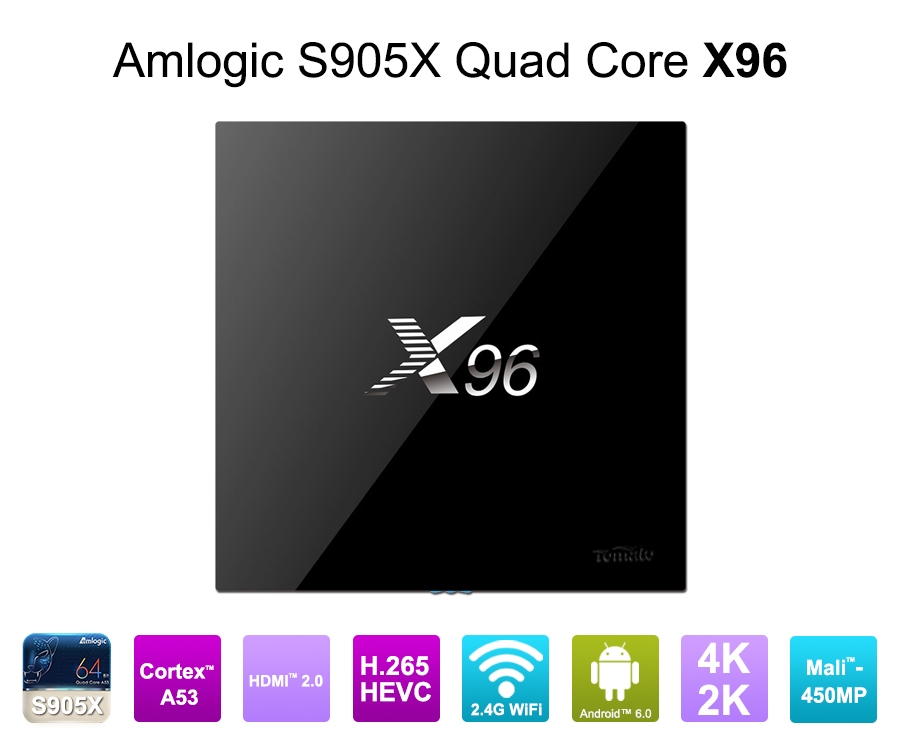
For example, SZTomato's Android-based IPTV Boxes support YouTube, Netflix, and custom applications, making them ideal for global content delivery.
Key Differences Between Network and Traditional Set-Top Boxes
| Feature | Traditional STB | Network STB |
|---|---|---|
| Content Source | Cable/Satellite | Internet (IPTV/OTT) |
| User Control | Limited | High (on-demand, interactive) |
| Hardware Requirements | Fixed-function device | Smart, upgradeable platform |
| Connectivity | AV/HDMI, IR only | Wi-Fi, Bluetooth, USB, HDMI |
| App Ecosystem | Closed | Open (Google Play, APK installation) |
| Business Model | Subscription-based (Pay TV) | Freemium or app-based monetization |
Why Are Network Set-Top Boxes Gaining Popularity?
In an age where video-on-demand (VOD), streaming platforms, and cloud content are dominating, Network STBs offer unmatched versatility. Here's why B2B clients are shifting toward network-based solutions:
-
Scalability: Easily update or upgrade firmware remotely.
-
Customization: OEM/ODM support for branding and app integration.
-
Global Reach: Serve both local and international audiences.
-
Smart Features: Voice control, AI recommendations, multi-screen sharing.
Network STBs, such as SZTomato's latest 4K Android TV Box, cater to both residential and commercial needs—from hotels and hospitals to retail displays and digital signage.
Choosing the Right STB for Your Business
When choosing between a Network or Traditional Set-Top Box, consider:
-
Content delivery method (Do you rely on cable or internet?)
-
Target market (Fixed region or global streaming?)
-
Scalability and remote management
-
Custom branding and application needs
-
Budget and long-term ROI
If your business values flexibility, scalability, and future-proof technology, a Network Set-Top Box is likely the better investment.
Conclusion
While Traditional Set-Top Boxes still serve a niche market in regions with limited internet access, the future clearly belongs to Network Set-Top Boxes. They align with the growing demand for flexible, interactive, and personalized content delivery.
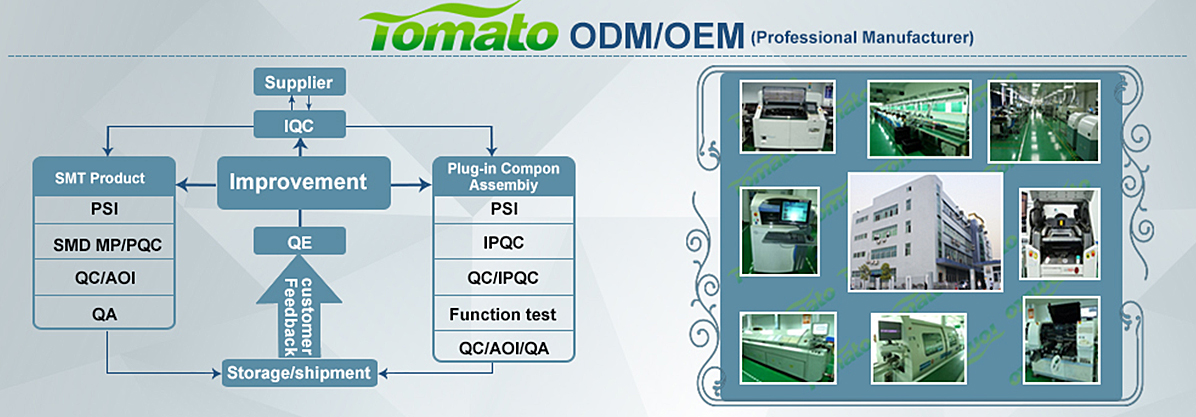
At SZTomato, we specialize in high-performance, cost-effective Network Set-Top Boxes (STBs) customized for global B2B clients. Whether you need an IPTV, OTT, or hybrid solution, our team offers OEM/ODM services tailored to your brand and business goals.
Explore our product range at www.sztomato.com and get in touch for B2B pricing or partnership inquiries.