
What are the features of a Android TV Box?
In the current OTT landscape, an Android TV Box is no longer just a "streaming gadget." For operators and enterprise clients, it is a strategic terminal—a gateway to their service ecosystem. If your procurement strategy is still focused solely on "cheapest price per unit," you are likely overlooking the technical features that prevent costly field failures and high churn rates.
Drawing from 15 years of supply chain leadership at SZTomato, I’ve identified the four pillars of hardware and software features that define a professional-grade device in 2025.
1. High-Performance Decoders: Future-Proofing with AV1
The most critical hardware feature today isn't just "4K support"—it's the codec efficiency.
-
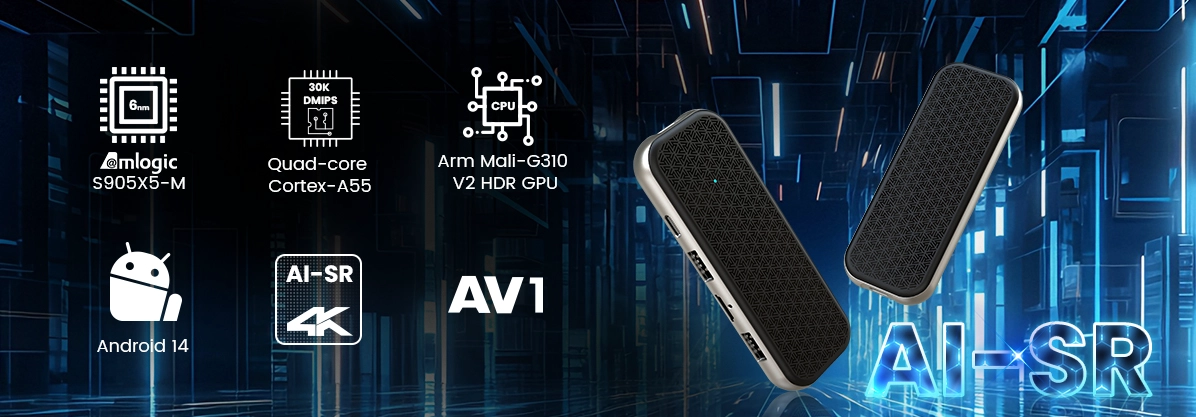
AV1 Hardware Decoding: As YouTube, Netflix, and major IPTV middleware transition to the AV1 codec, any box without native AV1 hardware support will face thermal throttling and frame drops within 12-18 months.
-
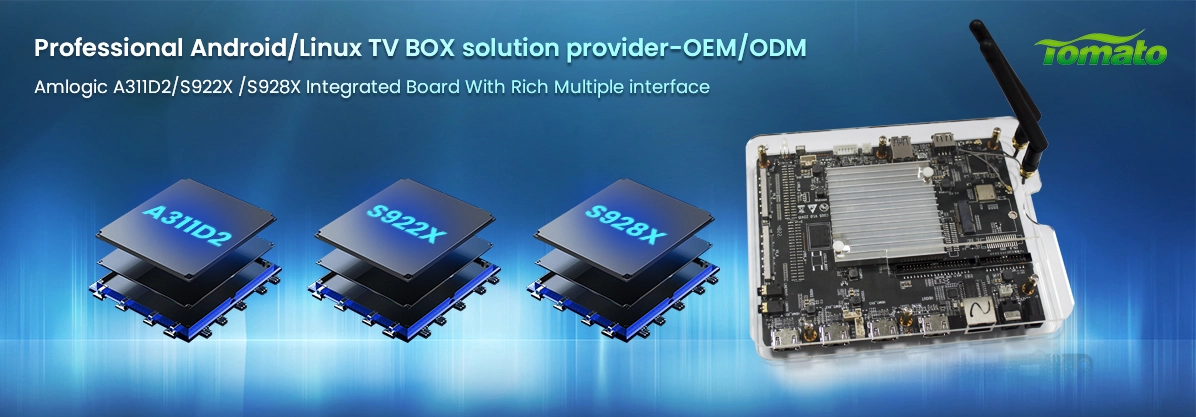
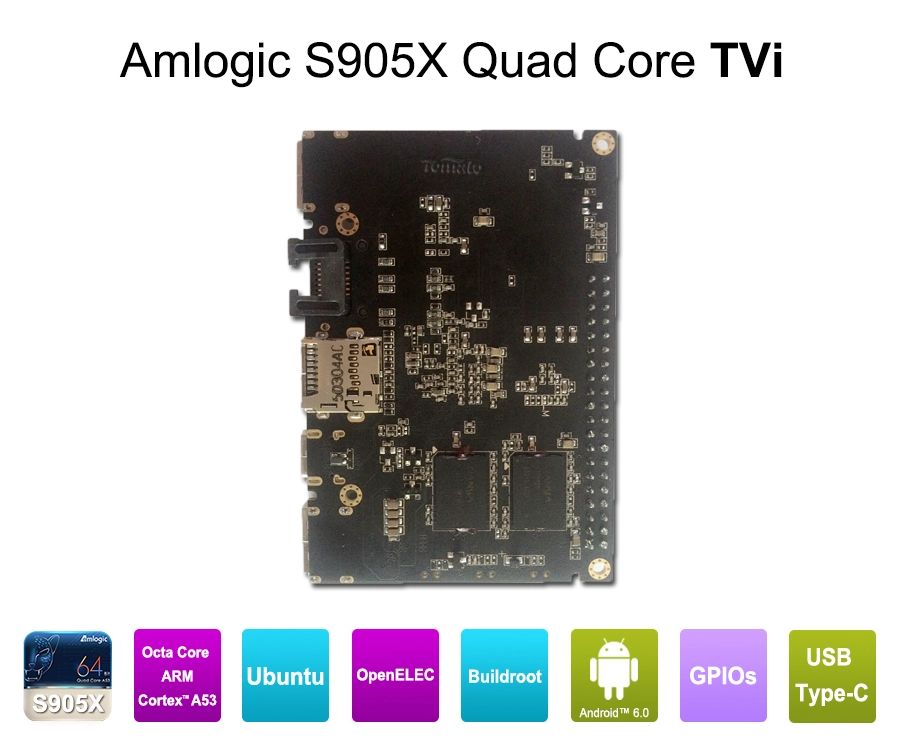
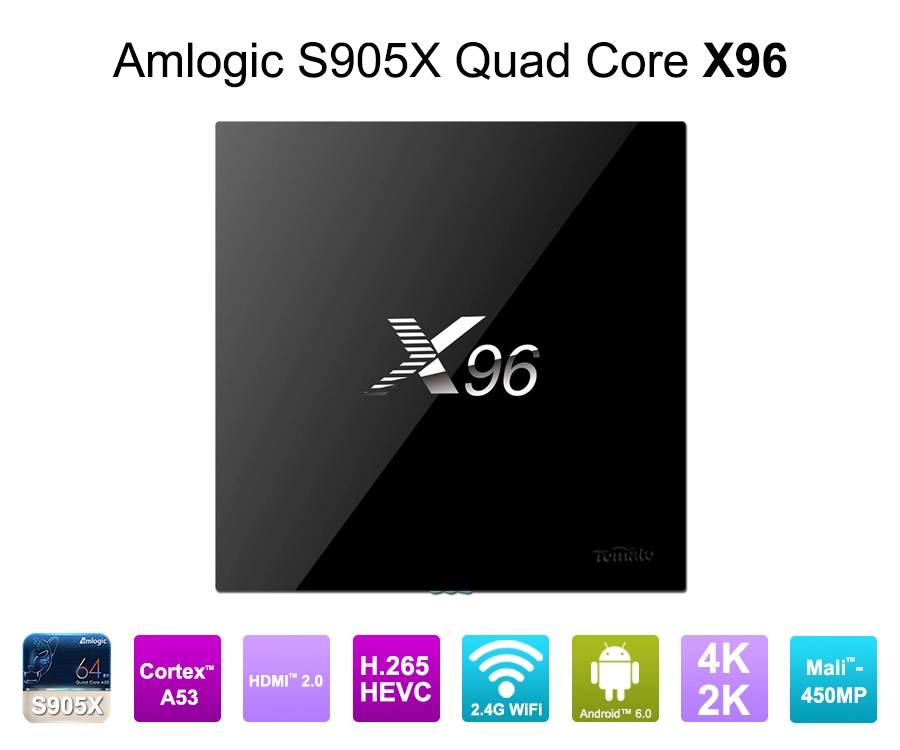
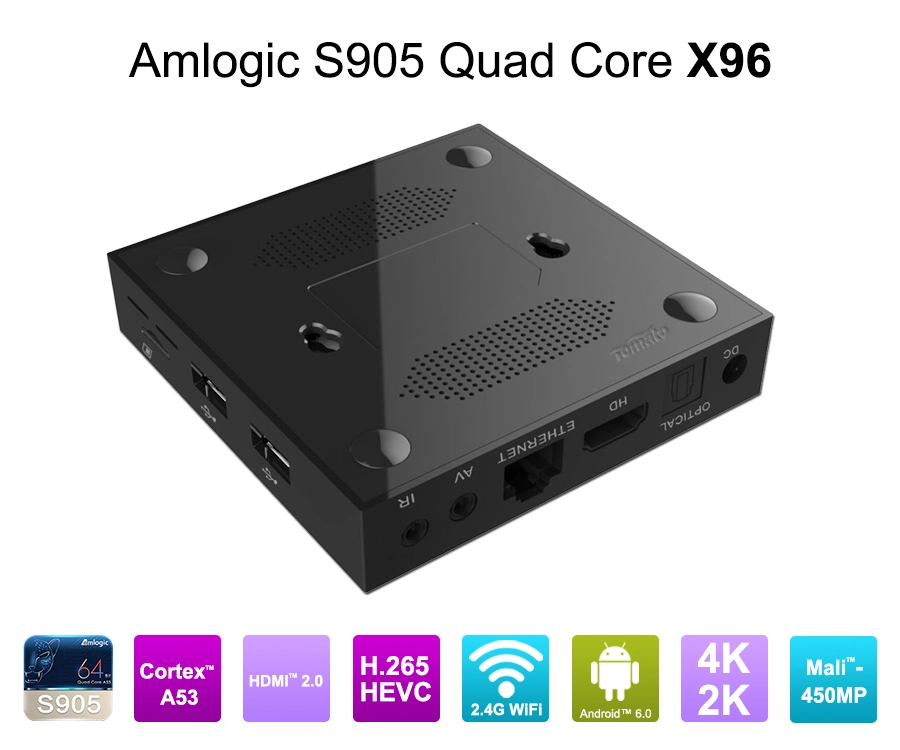
SoC Selection: We prioritize chipsets like the Amlogic S905X4 or S928X. These aren't just faster; they offer the specific instruction sets required for multi-stream 4K HDR10+ and Dolby Vision, ensuring your hardware remains relevant for a 5-year deployment cycle.
2. Connectivity: Beyond Basic WiFi
In a B2B environment—be it a hotel, hospital, or digital signage network—connectivity is the single point of failure.
-
WiFi 6 (802.11ax): In 2026, WiFi 5 is a legacy technology. Professional boxes must support WiFi 6 to handle high-density environments and provide the throughput necessary for 8K streaming.
-
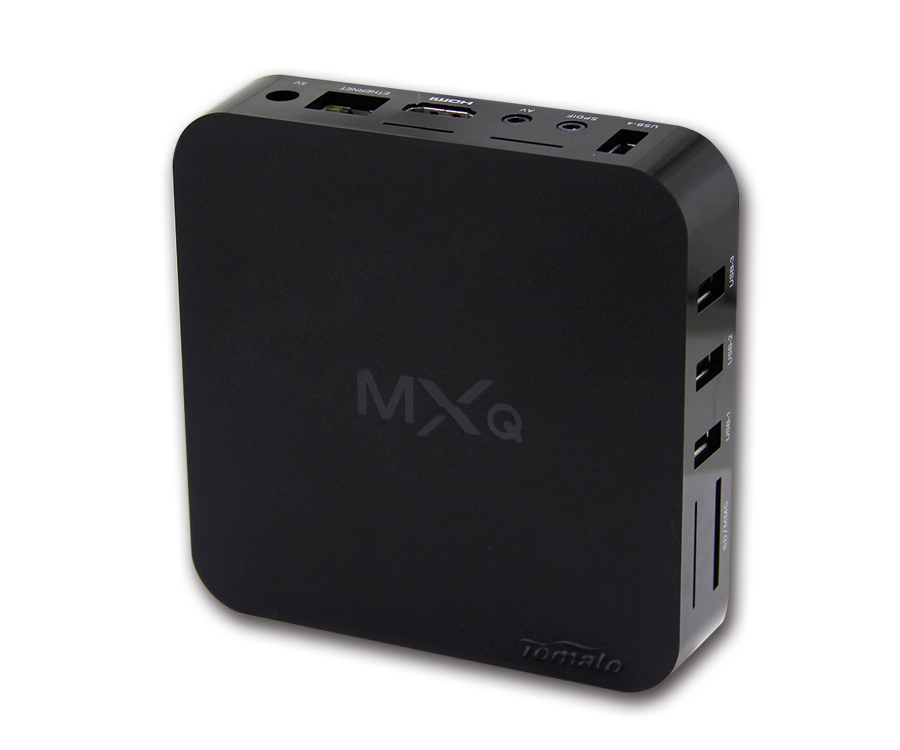
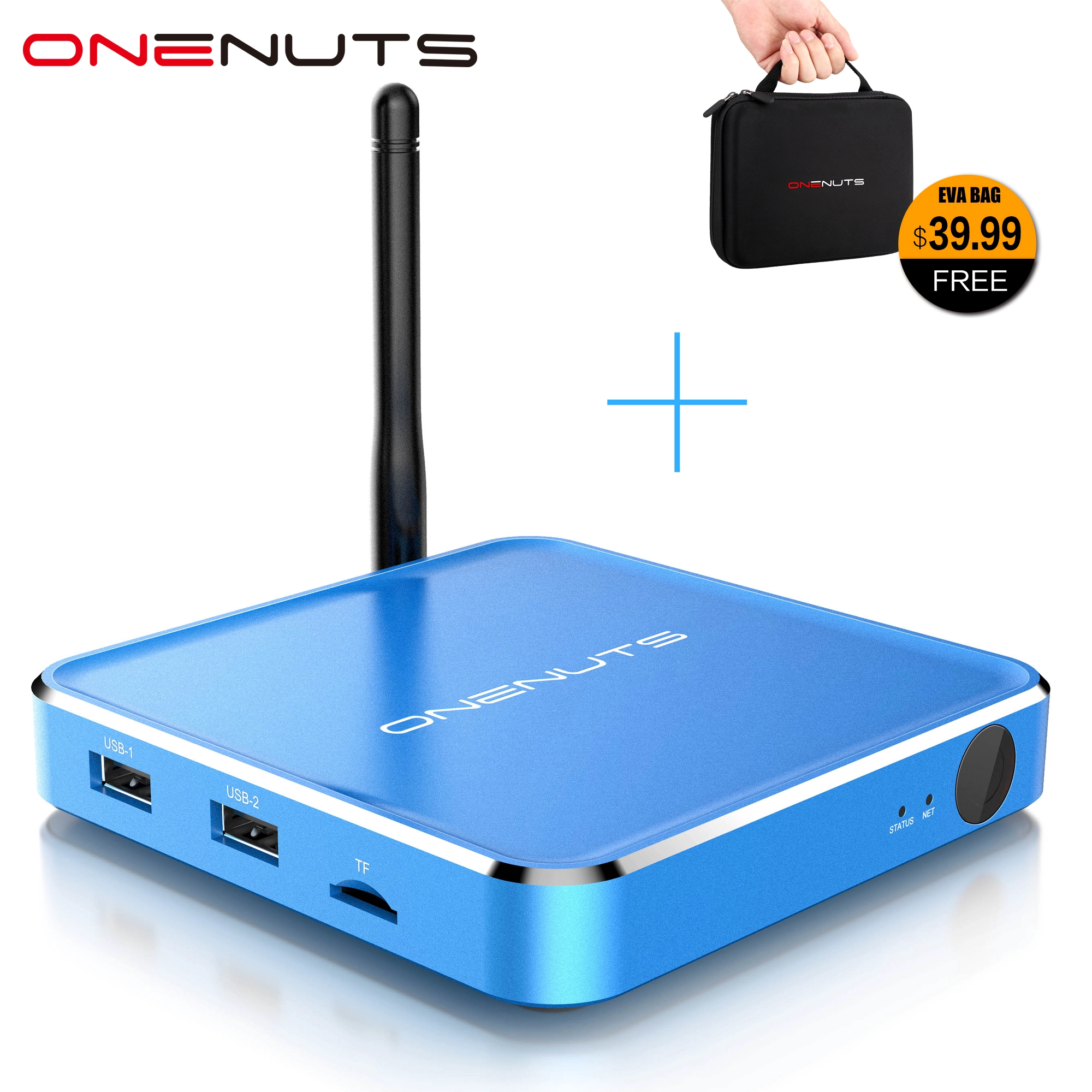
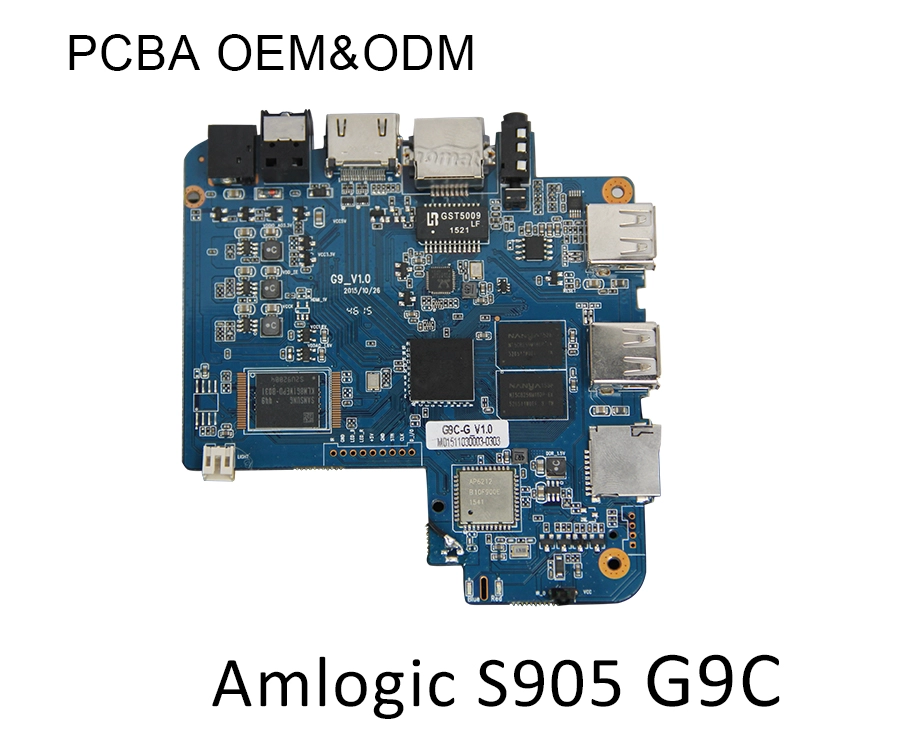
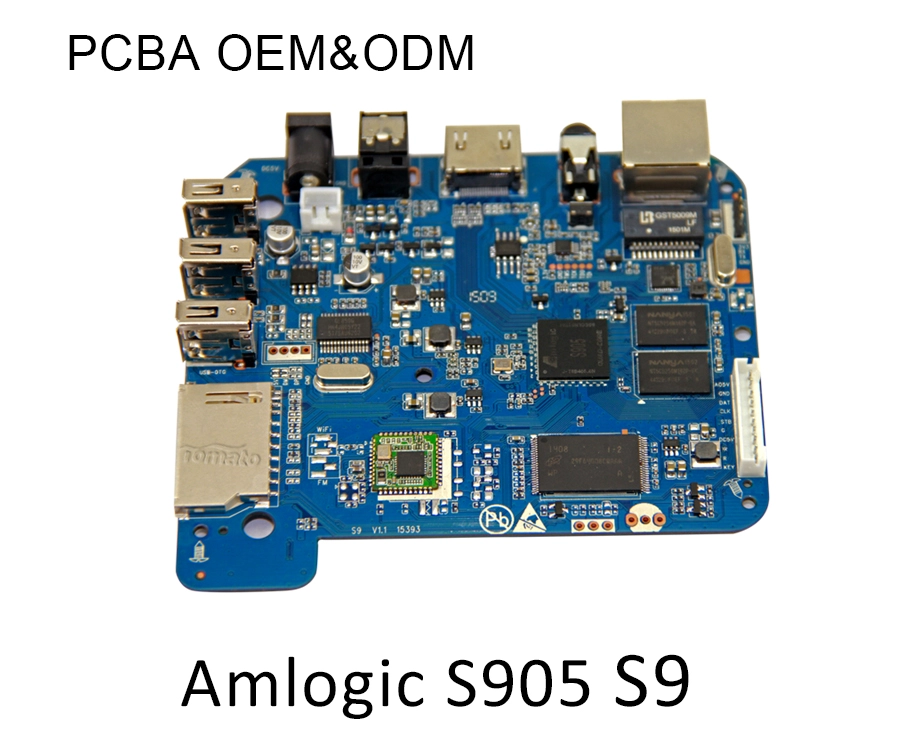
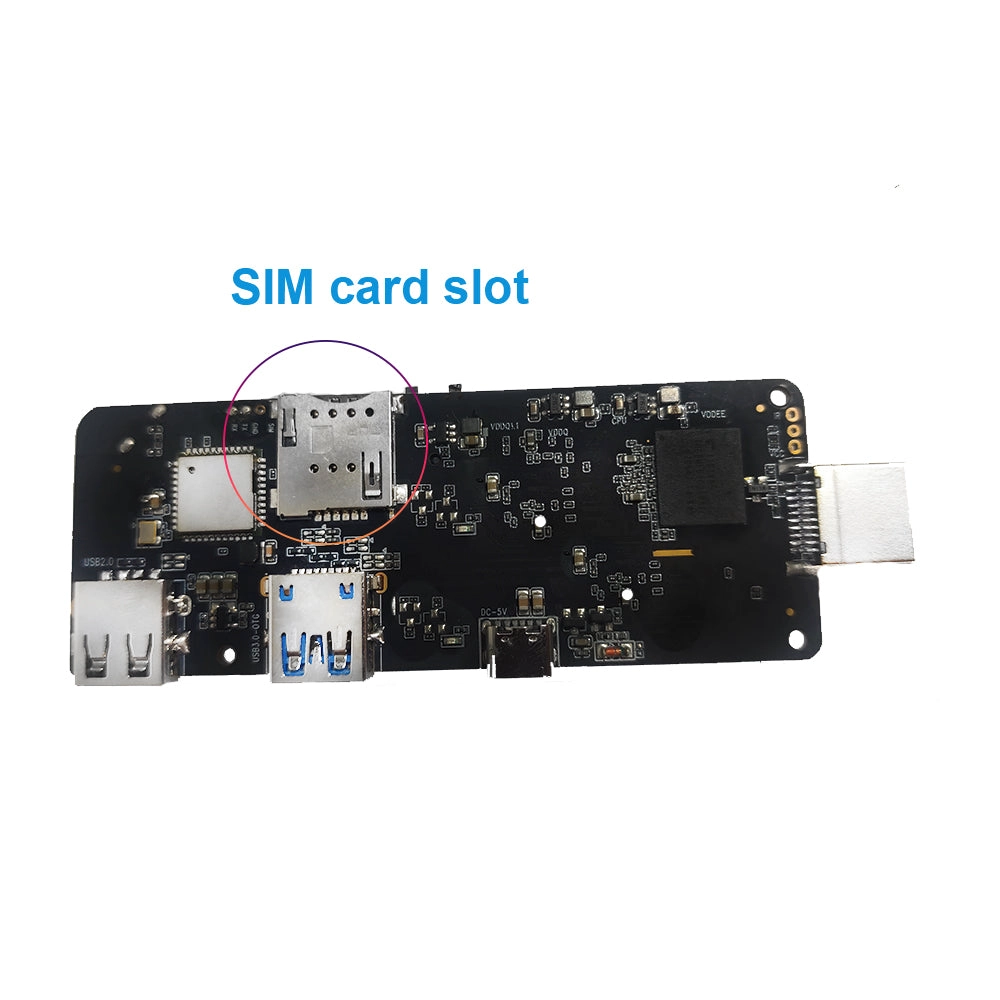
Gigabit Ethernet & External Antennas: For mission-critical stability, a physical RJ45 port is non-negotiable. At SZTomato, we frequently customize PCBA layouts to include enhanced cooling and high-gain external antennas to maintain signal integrity in "noisy" RF environments like apartment complexes.
3. The Power of "System Lockdown" & Custom Firmware
This is where generic retail boxes fail. A commercial Android TV Box requires a tailored OS environment.
-
Proprietary Launchers: Your brand should be the first thing the user sees. We develop custom boot animations and fixed launchers that prevent users from accessing the underlying Android settings or installing unauthorized third-party apps.
-
MDM & FOTA Integration: For a fleet of 5,000 units, physical maintenance is impossible. Our ODM solutions integrate robust FOTA (Firmware Over-The-Air) update systems and Mobile Device Management (MDM) hooks, allowing you to push security patches or UI updates remotely and securely.
4. Industrial-Grade Build Quality (The OEM/ODM Advantage)
B2B projects demand durability that consumer-grade "plastic boxes" cannot provide.
-
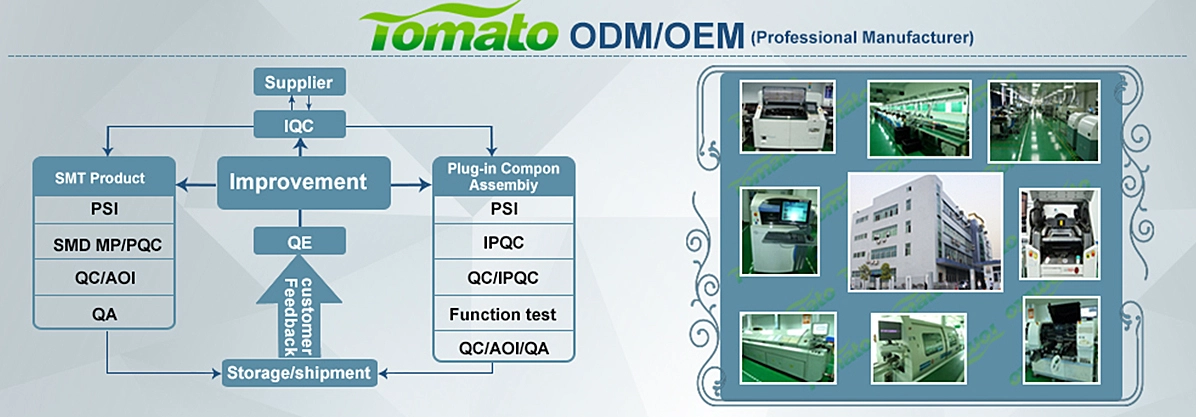
Thermal Management: Continuous 24/7 operation generates significant heat. SZTomato designs bespoke enclosures with optimized airflow and oversized internal heat sinks to prevent the CPU from "throttling" during peak usage.
-
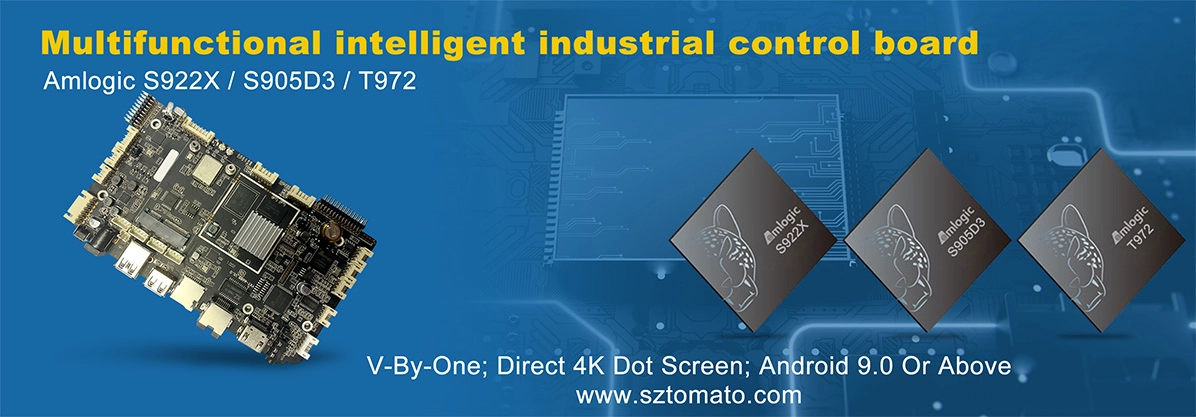
Hardware Customization: Do you need an RS232 port for industrial control? Or perhaps a built-in camera for video conferencing? Unlike off-the-shelf sellers, we modify the PCBA (Printed Circuit Board Assembly) to add or remove physical ports, ensuring you only pay for the features your specific project requires.
Why Partner with SZTomato?
Building a successful streaming or signage brand requires more than a supplier; it requires an architect. At SZTomato (www.sztomato.com), we leverage 15 years of expertise to offer:
-
Full OEM/ODM Lifecycle: From initial PCBA design and plastic tooling to final mass production.
-
Software Expertise: Deep-level firmware modifications, app pre-loading, and system hardening.
-
Supply Chain Stability: We secure long-term component availability, ensuring the hardware you certify today is the same hardware you can buy two years from now.
Would you like me to provide a detailed technical comparison of the latest Amlogic vs. Rockchip chipsets for your specific project needs?
