What are the features of a TV Box?
What are the features of a TV Box?
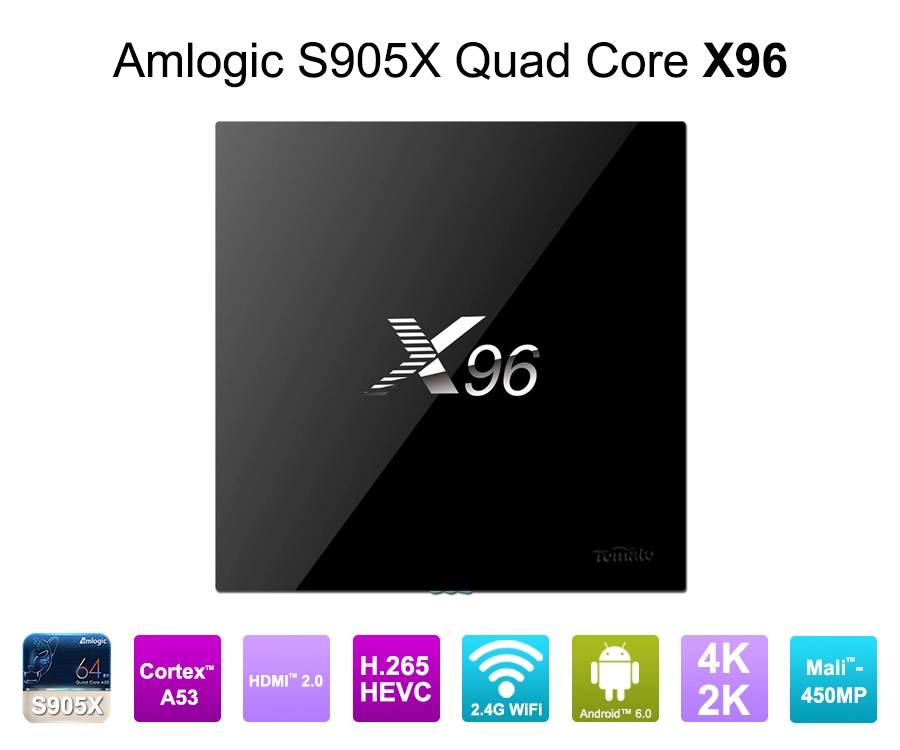
When procurement teams and system integrators ask, "What are the features of a TV Box?", the answer depends entirely on the deployment environment. Retail consumers look for pre-installed streaming applications and a standard remote control. However, for B2B applications—spanning hotel IPTV networks, interactive digital signage, and enterprise edge computing—a TV Box is a highly customizable micro-computer.
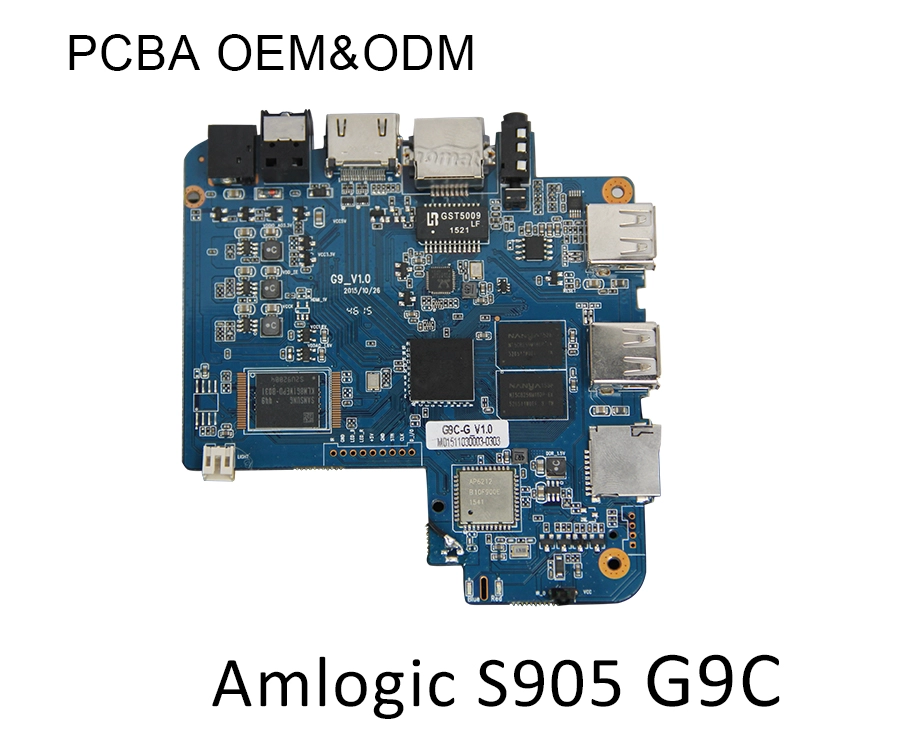
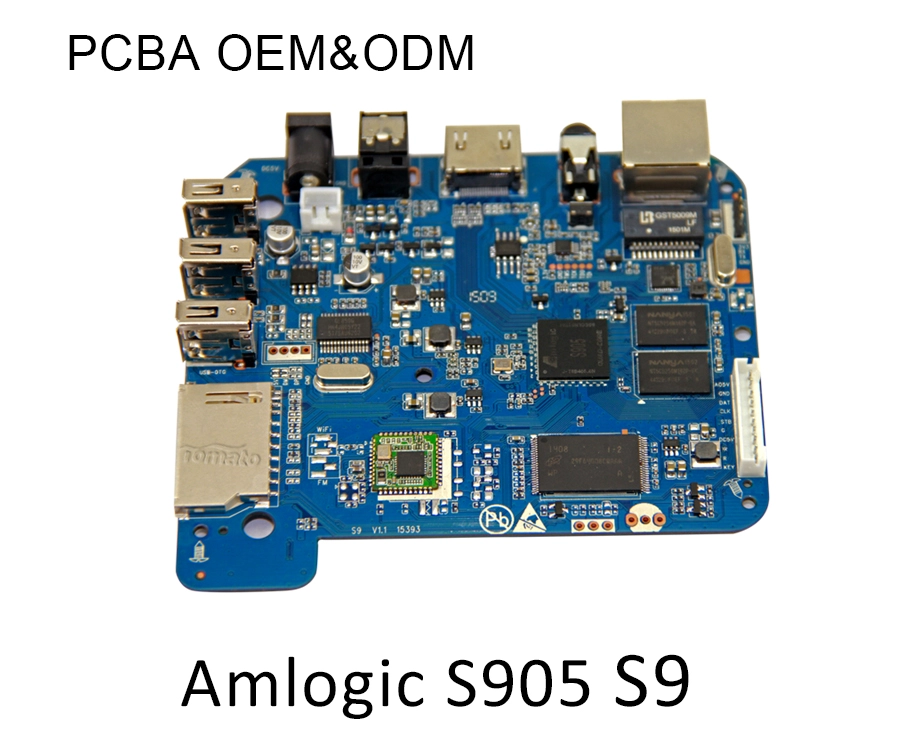
Evaluating a TV Box for commercial scalability requires analyzing its underlying Printed Circuit Board Assembly (PCBA), the depth of its firmware engineering, and its I/O adaptability. Here is a technical breakdown of the core features that define an enterprise-grade TV Box.
Hardware Architecture and Silicon Selection
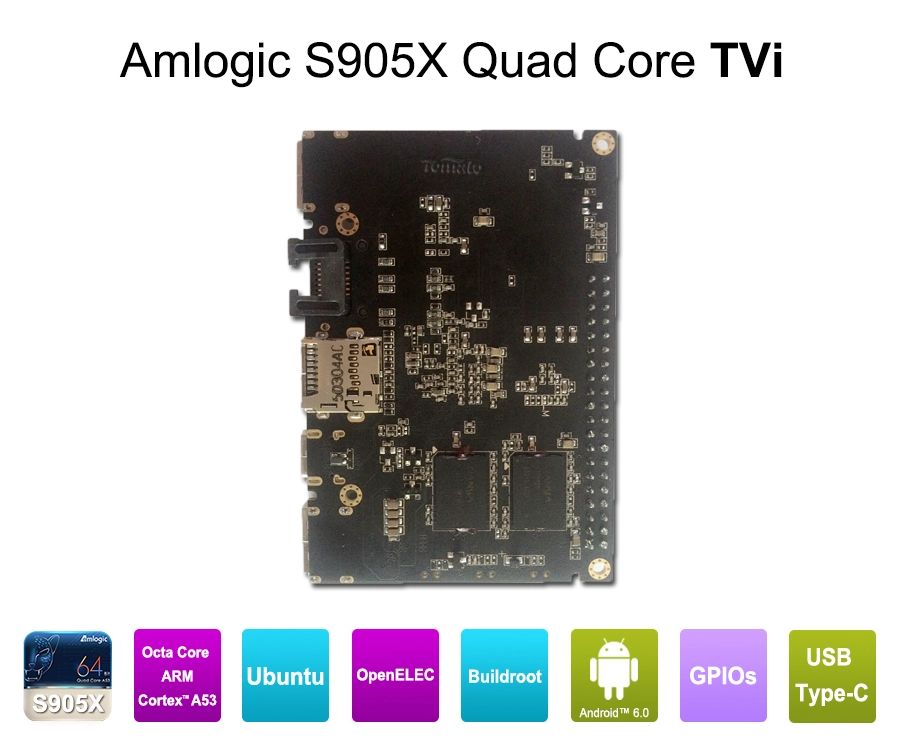
At the foundation of any commercial TV Box is the System on a Chip (SoC). Enterprise deployments cannot rely on generic, low-bin chipsets prone to thermal throttling. A high-performance TV Box utilizes specialized silicon designed to handle continuous 24/7 operation and intensive data decoding.
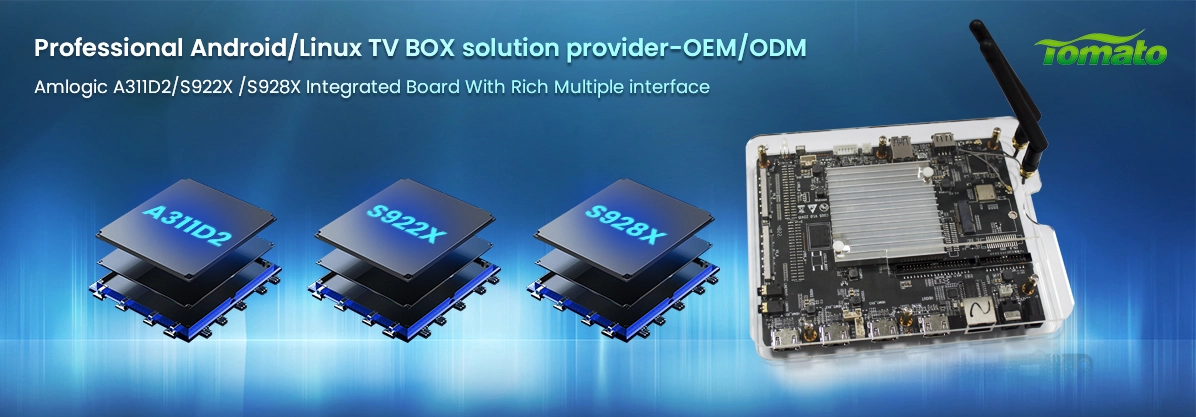
For instance, devices equipped with the Amlogic S928X deliver native 8K video output, an essential requirement for large-format digital signage and commercial display networks. For applications requiring machine learning at the edge, a TV Box integrating the Rockchip RK3588 features an embedded 6TOPS Neural Processing Unit (NPU). This hardware baseline dictates thermal management parameters, memory bandwidth, and the device's ability to drive multi-screen synchronous displays. When evaluating a TV Box, the specific chipset architecture is the primary feature that guarantees operational stability under heavy B2B workloads.
Firmware-Level Engineering: Maximizing Hardware Efficiency
The most critical feature of an OEM/ODM TV Box is not physical; it is the firmware. The standard Android OS is built for mobile phones and basic touch interaction. A commercial TV Box requires strict firmware-level engineering to strip away unnecessary background processes, allocate memory efficiently, and lock down the operating environment.
B2B clients require Root access, custom boot animations, and pre-configured API integrations to deploy proprietary middleware without friction. Deep firmware engineering allows for the disabling of standard Android navigation bars to lock the TV Box into a dedicated kiosk mode for retail digital signage. Additionally, a robust TV Box will support custom Over-The-Air (OTA) update servers. This allows network administrators to push security patches and software updates to thousands of endpoints simultaneously without relying on public servers or requiring user intervention.
Advanced I/O Interfaces for Infrastructure Integration
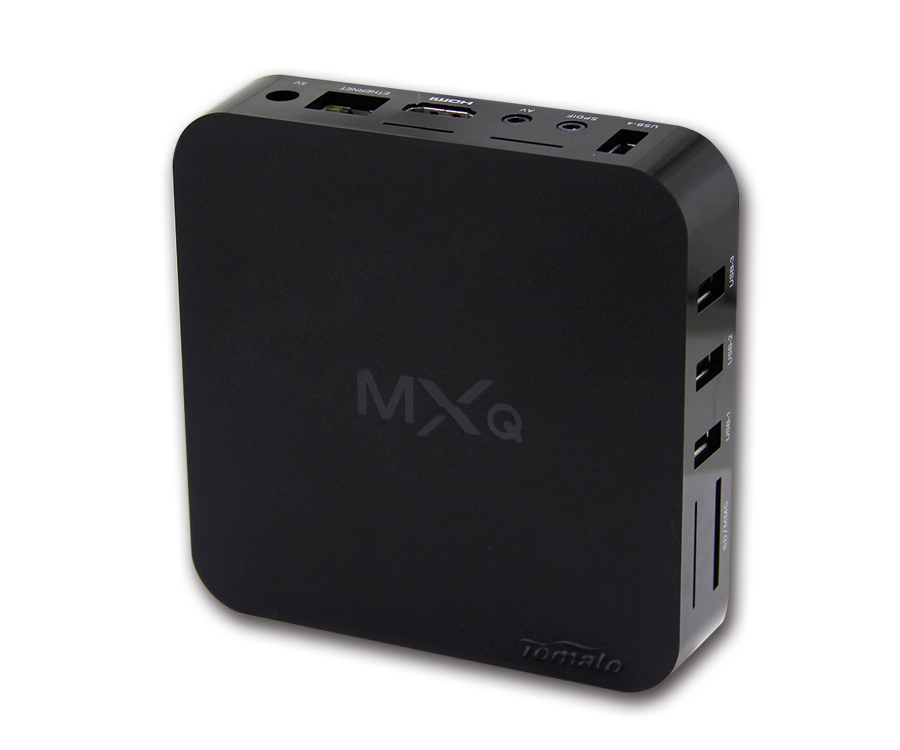
A consumer streaming device typically features a single HDMI port and a basic power input. In contrast, an industrial TV Box requires a diverse array of input/output interfaces to connect with legacy hardware and complex network topologies.
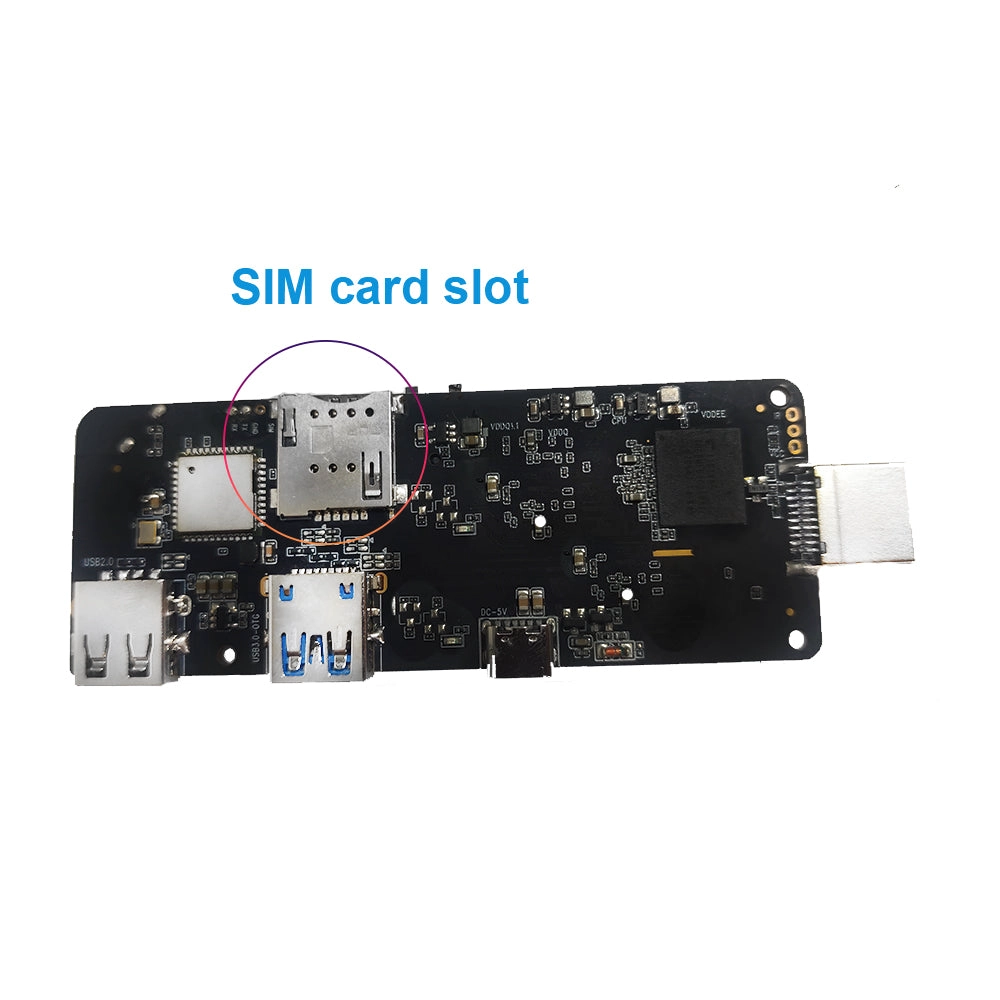
Key connectivity features of a commercial TV Box include Gigabit Ethernet (RJ45) for uncompromised network bandwidth, RS232 or RS485 ports for centralized command and control systems, and HDMI-IN for picture-in-picture broadcast integration. For remote installations lacking stable Wi-Fi infrastructure, a premium TV Box will integrate discrete 4G/5G LTE modules. These physical I/O features transform the TV Box from a simple media player into a central hub capable of driving automated factory displays, interactive kiosks, and smart hospital terminals.
The Role of OEM/ODM Manufacturing
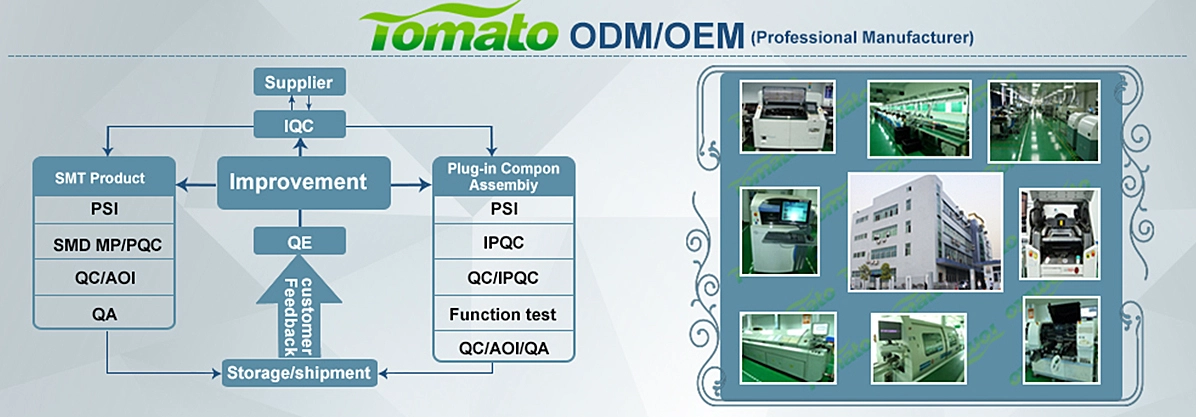
Ultimately, the definitive features of a TV Box are dictated by the OEM/ODM manufacturing process. Professional system integrators do not purchase off-the-shelf units; they dictate the specifications. An experienced manufacturing partner provides PCBA redesigns, thermal sink optimization, and custom mold tooling to ensure the final TV Box aligns with specific project constraints.
Accelerate Your Deployment
Understanding what are the features of a TV Box is the first step in architecting a successful commercial deployment. To build a device tailored to your exact middleware and hardware requirements, you must move beyond retail models and engage with a proven OEM/ODM manufacturer. Contact our engineering team today to discuss bespoke PCBA designs, firmware customization capabilities, and bulk manufacturing timelines for your next enterprise project.