

What channels can you get on an OTT TV Box?
The primary bottleneck in modern video deployment is maintaining a consistent Quality of Experience (QoE) over unmanaged, fluctuating public internet connections. Network operators have largely abandoned localized multicast infrastructure, transitioning to over-the-top (OTT) delivery architectures. When enterprise clients ask what channels an OTT TV Box can access, the answer is no longer dictated by satellite feeds or RF frequencies. Instead, channel availability is strictly governed by the device’s firmware architecture, Digital Rights Management (DRM) integration, and hardware-accelerated decoding capabilities.
In my 16 years architecting cross-border streaming hardware, I have seen deployment failures consistently stem from treating set-top boxes as generic retail endpoints. For B2B deployments, channels are software-defined assets requiring engineering at the silicon level.
The Architecture of Content Delivery: Bypassing Traditional Headends
Traditional cable and IPTV systems rely on dedicated infrastructure to push a static grid of channels. An OTT TV Box eliminates this dependency, utilizing the public internet to pull fragmented video files via HTTP Live Streaming (HLS) or Dynamic Adaptive Streaming over HTTP (DASH).
Because the hardware executes API calls rather than tuning into broadcast frequencies, the device can theoretically access any digital stream globally. However, in a professional deployment, access is restricted and curated by the provider’s Content Delivery Network (CDN) and the application layer. The "channels" users receive are dynamic video payloads delivered directly from localized edge servers, requiring the hardware to autonomously manage complex adaptive bitrate (ABR) algorithms to prevent packet loss.
DRM Certification: The Gatekeeper to Premium Networks
Retail hardware often fails to access premium Tier-1 channels—such as 4K Netflix, Disney+, or live sports networks—due to severe security deficiencies. Content syndicators mandate rigorous cryptographic standards before authorizing a stream.
To access these high-value channels, an OTT TV Box requires Widevine L1 or Microsoft PlayReady DRM integrated directly into the Trusted Execution Environment (TEE) of the main processor.
-
Widevine L1: Video decryption occurs entirely within the secure TEE. This grants access to maximum resolution (4K/8K) streams.
-
Widevine L3: Decryption happens in the software layer. Content providers automatically restrict L3 devices to standard definition (SD) or block them entirely to prevent piracy.
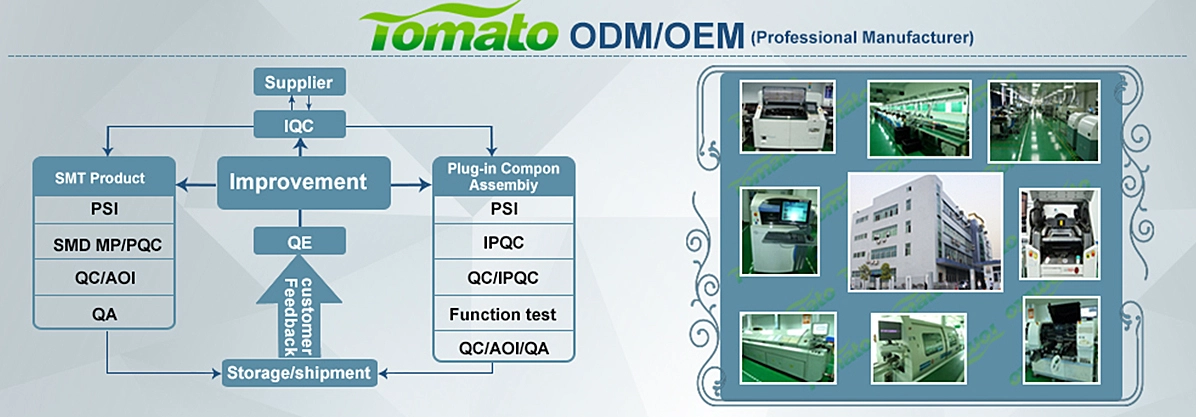
For OEM/ODM deployments, integrating these certifications requires factory-level firmware flashing. At SZTomato, we engineer custom bootloaders to ensure devices ship with verified DRM keys baked into the silicon, making the hardware deployment-ready for encrypted premium channel distribution immediately upon connection.
Operator-Specific Lineups via Middleware Integration
For hospitality providers, digital signage operators, and independent ISPs, the objective is absolute control over the channel lineup, completely bypassing open app stores. Unmanaged retail boxes boot into a chaotic grid of third-party applications, confusing users and diluting the operator's brand.
B2B deployments require firmware-level channel management. Operators dictate specific channel availability through customized middleware platforms (such as Stalker, Ministra, or proprietary Android APKs).
By modifying the operating system kernel, we implement "Kiosk Mode." This configuration forces the device to boot directly into the operator's proprietary channel environment, completely masking the underlying Android OS. This prevents end-users from installing competing services, uninstalling the primary streaming application, or altering network settings—drastically reducing technical support overhead and ensuring a captive audience for your specific channel lineup.
Hardware Decoding: Ensuring High-Bitrate Quality
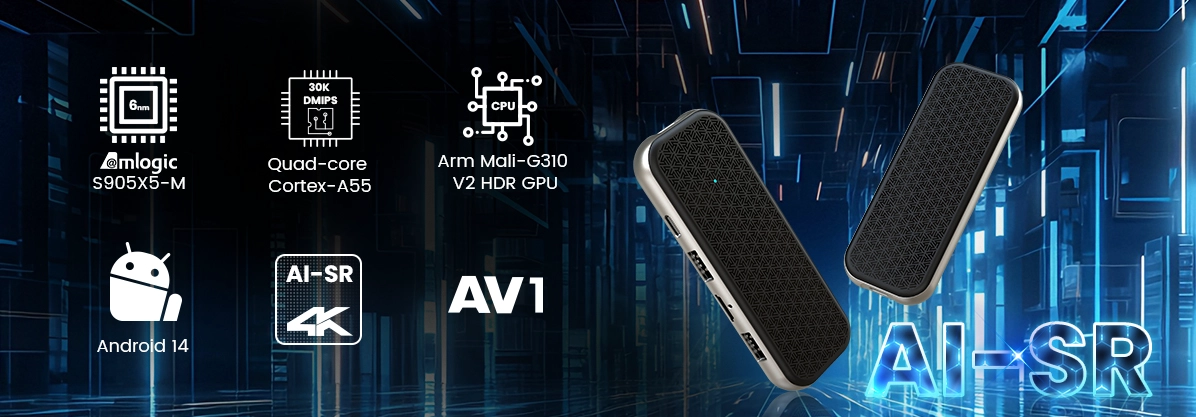
The industry shift toward 4K and 8K channel streaming introduces severe bandwidth constraints. Legacy codecs consume excessive data, causing latency, macroblocking, and buffering. Delivering high-quality channels reliably requires dedicated AV1 decoding.
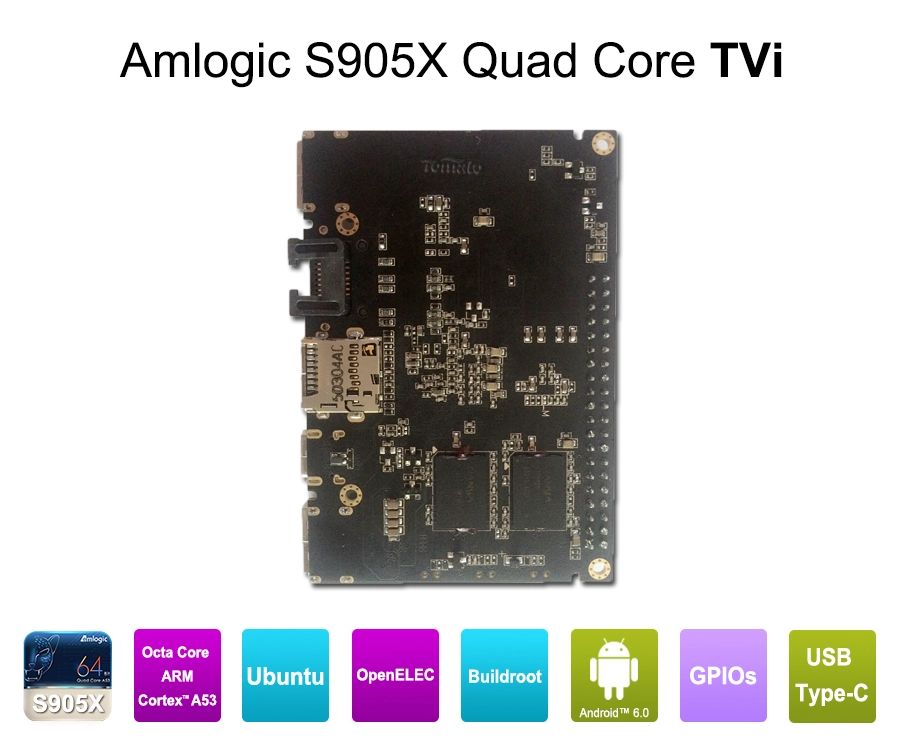
Integrating advanced chipsets—such as the Amlogic S905X5M or S928X-J—allows the OTT TV Box to offload video decoding from the CPU to a specialized Video Processing Unit (VPU).
| Decoding Standard | Bandwidth Efficiency | Processing Load | Optimal Use Case |
| H.264 (AVC) | Baseline | High CPU Load | Legacy SD/HD streams |
| H.265 (HEVC) | +50% vs H.264 | Moderate VPU Load | Standard 4K VOD |
| AV1 | +30% vs H.265 | Dedicated VPU Required | Live 4K/8K Sports & Premium Channels |
This hardware architecture processes high-bandwidth channel streams at significantly lower bitrates. Coupled with custom PCBA thermal management to prevent SoC throttling, these specifications guarantee that demanding live broadcasts stream without dropped frames, even under continuous, 24/7 commercial loads.
The Bottom Line for B2B Deployments
Deploying a stable, scalable streaming ecosystem requires treating hardware and software as a unified architecture. Off-the-shelf devices introduce security vulnerabilities, inconsistent playback, and uncontrolled user interfaces. For operators requiring locked-down firmware, Widevine L1 certification, and custom PCBA design, SZTomato provides comprehensive OEM/ODM solutions.
Contact our engineering team to architect your next OTT TV Box deployment, secure your content delivery network, and control exactly which channels your users experience.
