
What device is used for Digital Signage?
Understanding Digital Signage Technology
Digital signage has transformed the way businesses communicate with their customers, employees, and visitors. From retail stores and restaurants to airports and corporate offices, these vibrant displays deliver targeted messages in real time. But behind every dynamic screen, there is a powerful device making it all possible — the digital signage player.
Digital signage players are the “brains” of the operation. They control what content appears on the screen, when it appears, and how it is displayed. Without the right device, even the most beautiful display would remain static and ineffective.
What Is a Digital Signage Player?
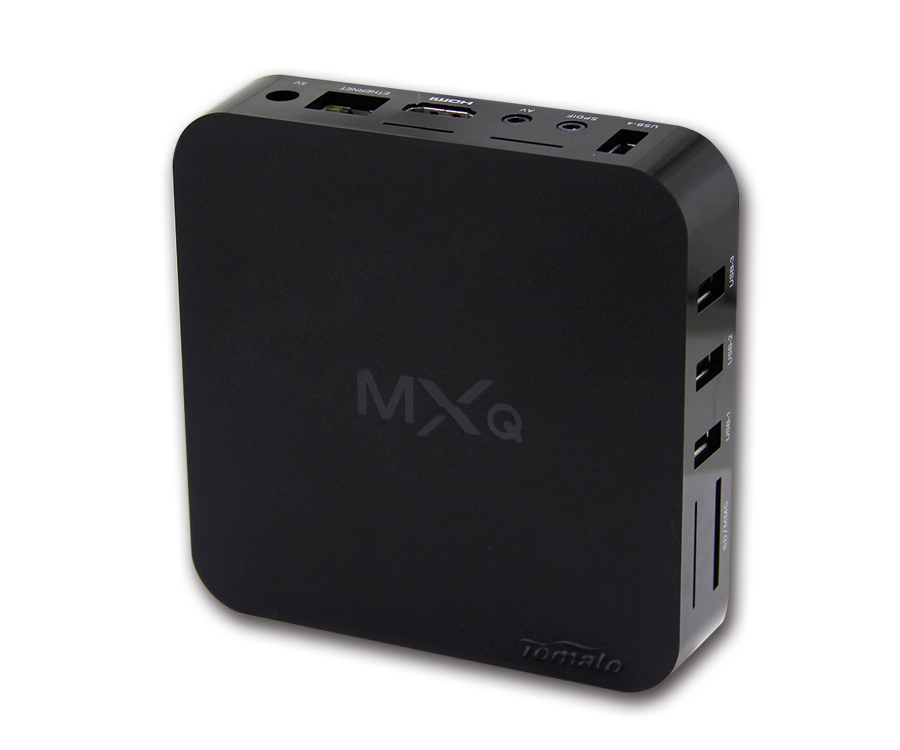
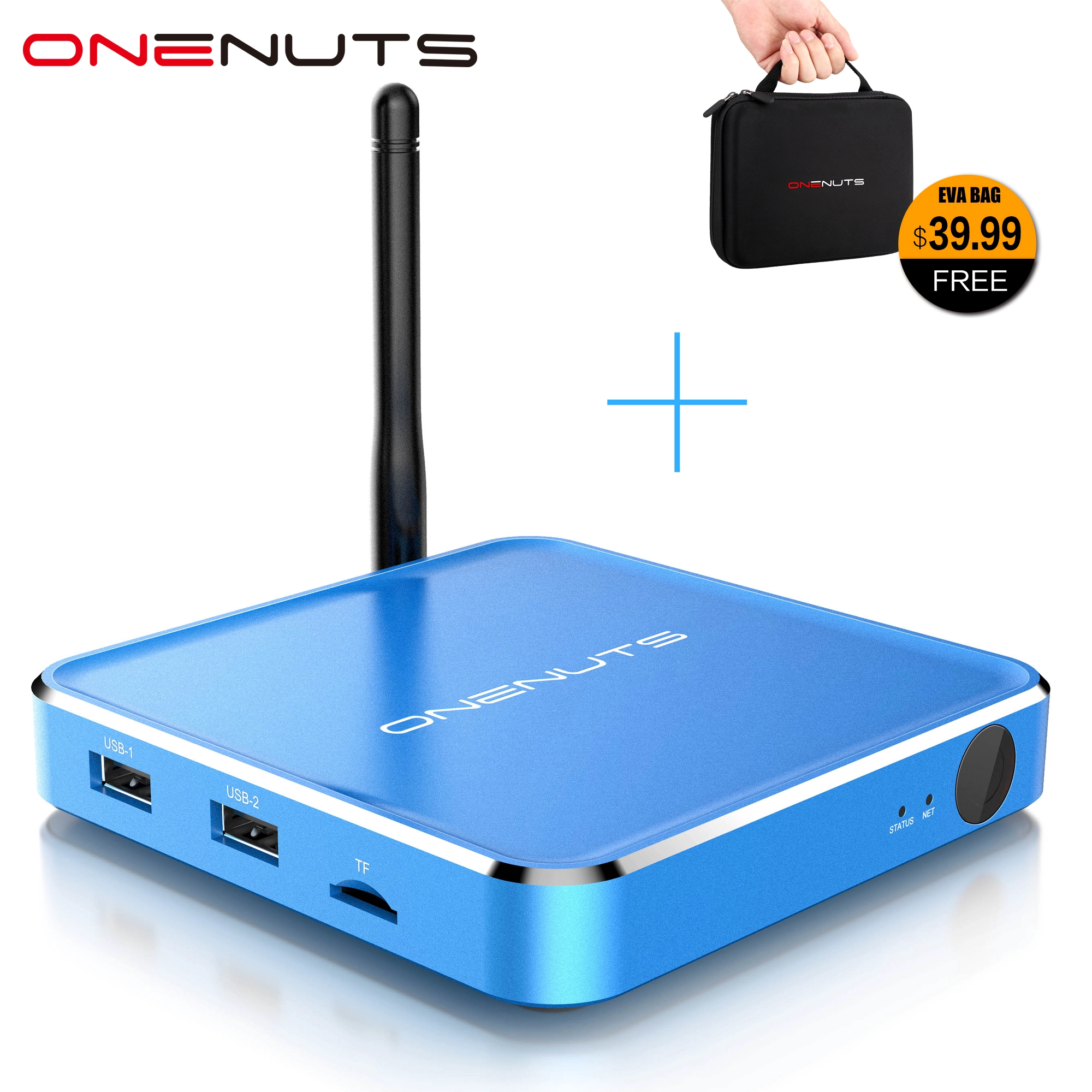
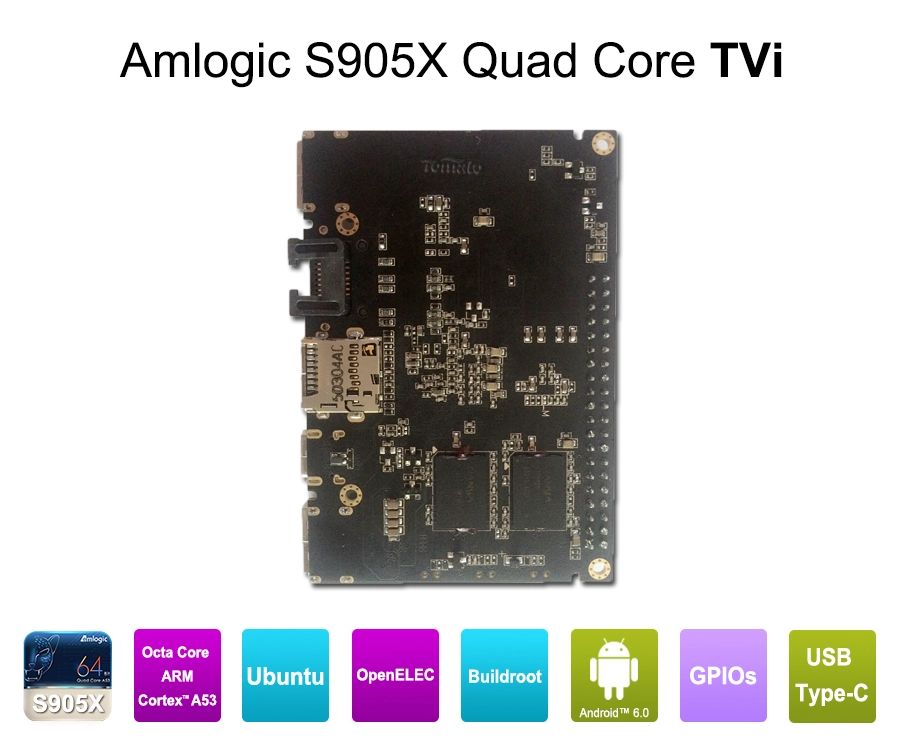
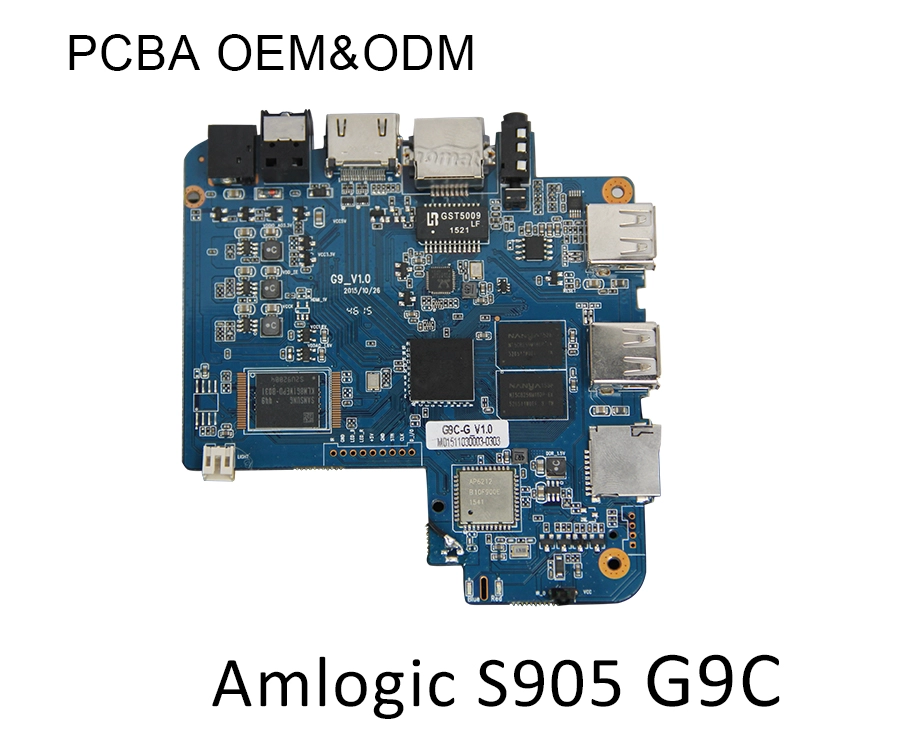
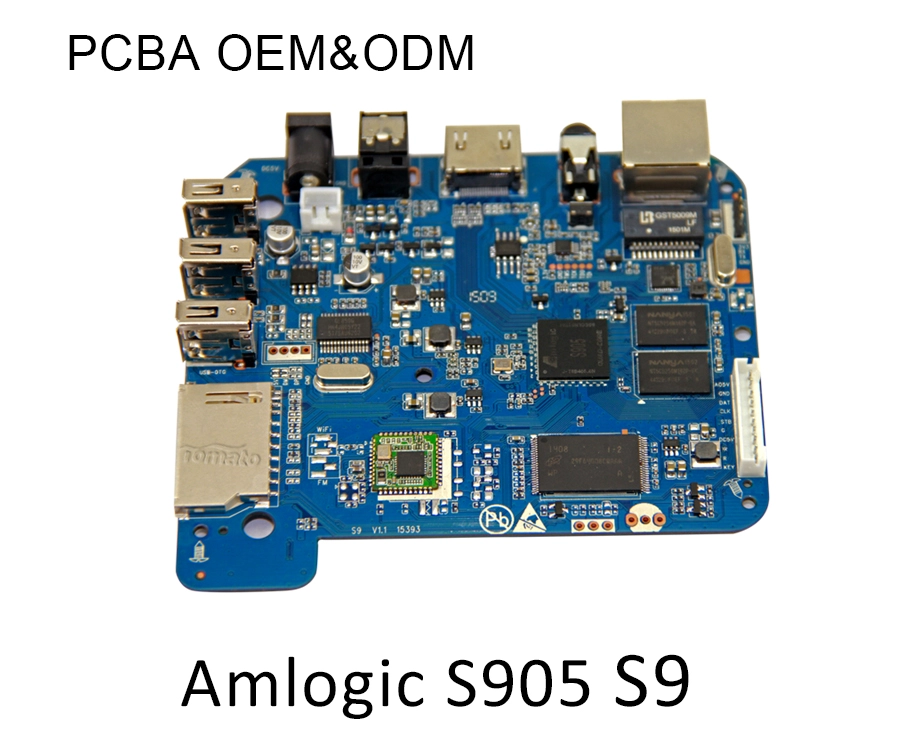
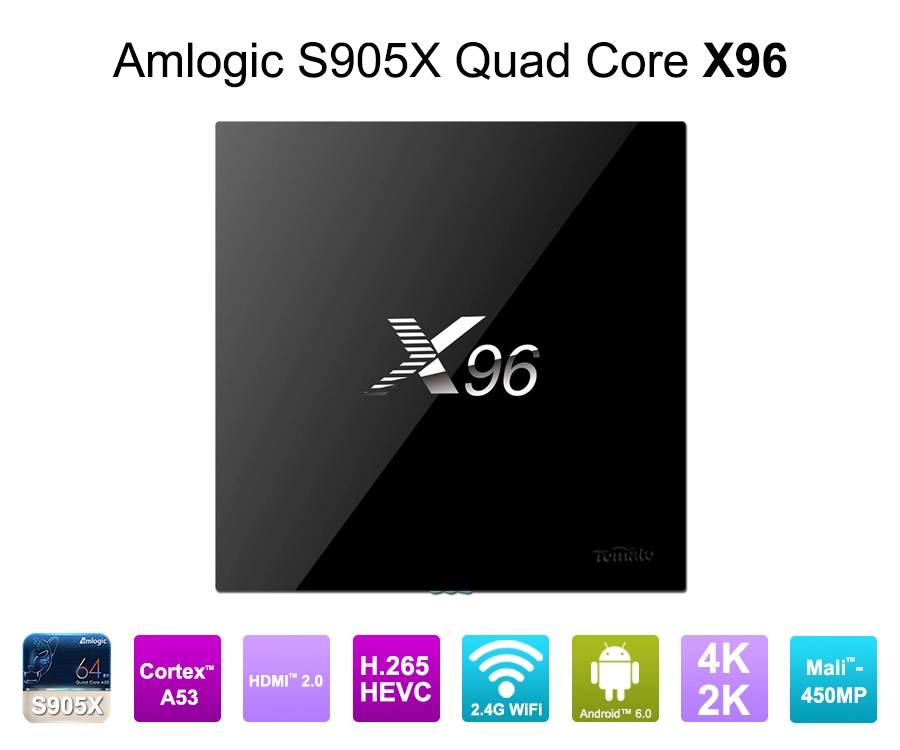
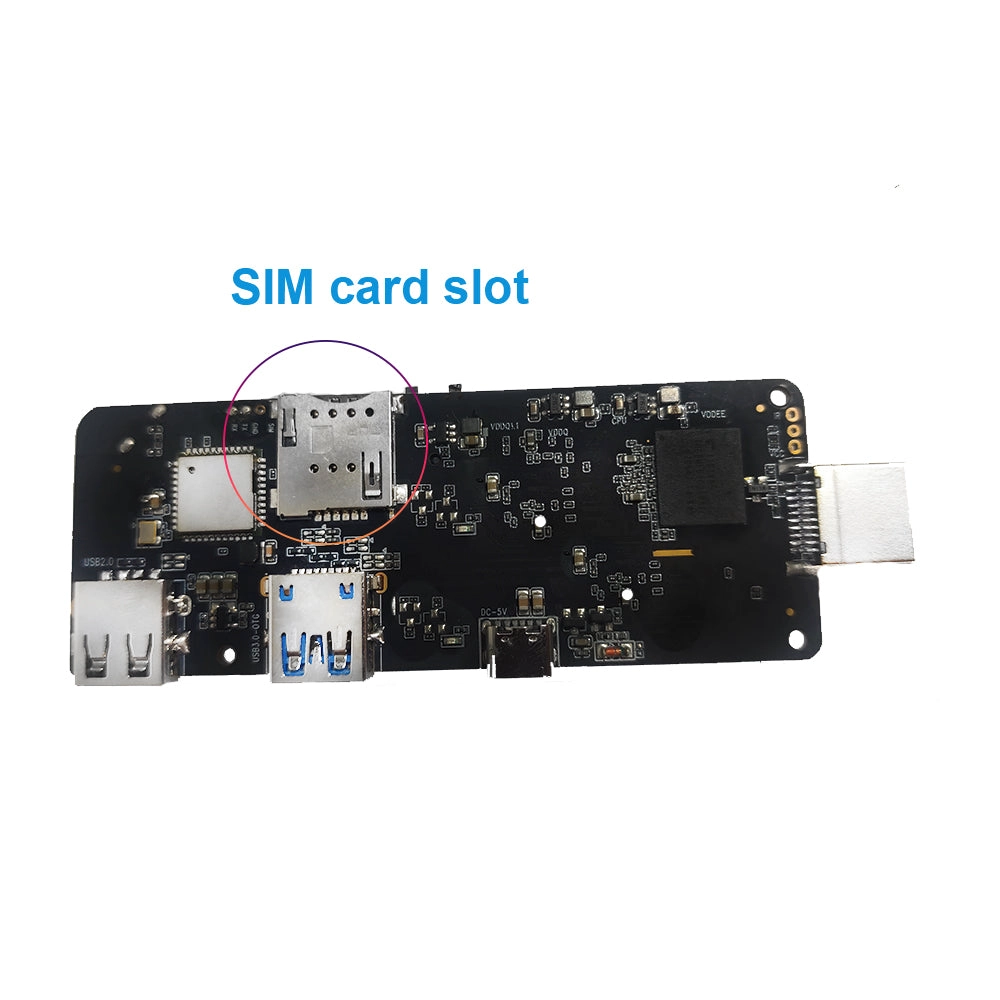
A digital signage player is a hardware device that connects to your display screen (LED, LCD, or projection) and delivers multimedia content such as videos, images, live data feeds, and interactive applications. It processes the content, ensures smooth playback, and communicates with a content management system (CMS) over the internet or local network.
There are different types of digital signage players, including:
-
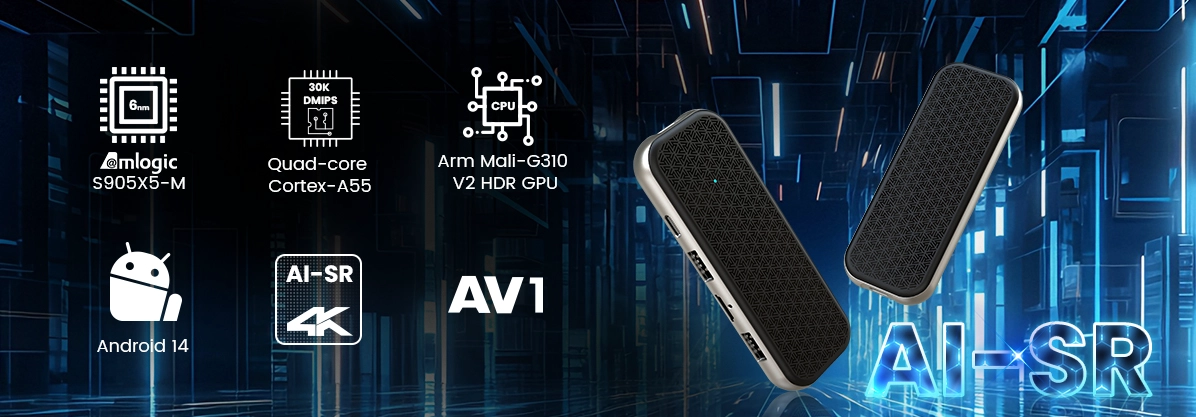
Standalone Media Players – Compact devices designed for plug-and-play use.
-
Built-in SoC (System on Chip) Displays – Screens with integrated processors for content playback.
-
PC-Based Players – More powerful systems for complex, high-resolution or interactive signage needs.
-
Cloud-Connected Players – Ideal for remote content updates and centralized control.
Key Features to Look For in a Digital Signage Device
When selecting a device for digital signage, businesses should prioritize:
-
Processing Power – A faster CPU/GPU ensures smooth 4K or even 8K video playback.
-
Storage Capacity – Ample internal or external storage for large media files.
-
Connectivity Options – HDMI, DisplayPort, USB, Ethernet, and Wi-Fi for flexible installation.
-
Content Management Compatibility – Seamless integration with your chosen CMS.
-
Remote Management – The ability to update, schedule, and monitor screens from anywhere.
-
Durability – Commercial-grade hardware for 24/7 operation.
Why the Right Device Matters for Digital Signage Success
A common mistake is focusing only on the display and neglecting the player. However, the device directly impacts:
-
Content Quality – Poor hardware can cause lag, low resolution, or playback errors.
-
Operational Efficiency – A well-designed player reduces downtime and maintenance.
-
Scalability – Powerful devices can handle multi-screen networks and complex layouts.
-
Energy Consumption – Modern players are optimized for energy efficiency, reducing costs.
For instance, a retail store running promotional videos in 4K across multiple screens will need a high-performance player with robust GPU support, while a small café displaying menus may only require an entry-level player.
Popular Devices Used in Digital Signage
Some of the most widely used devices in the market include:
-
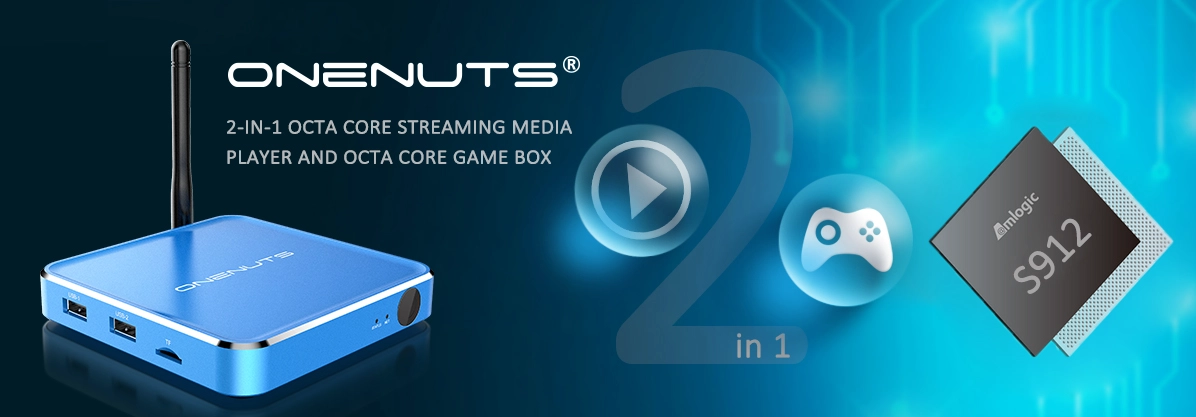
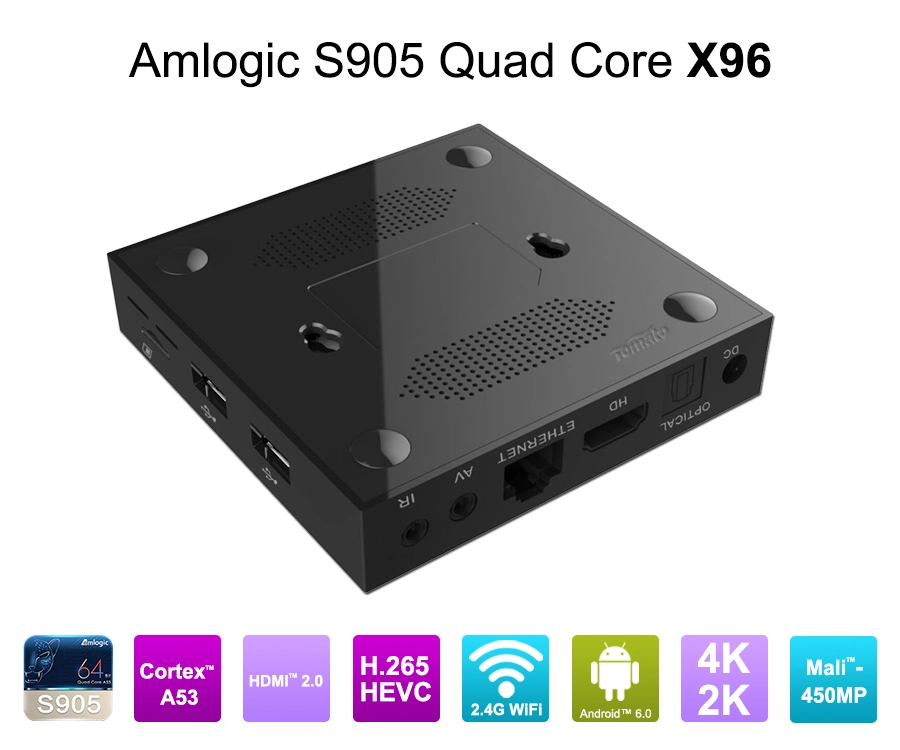
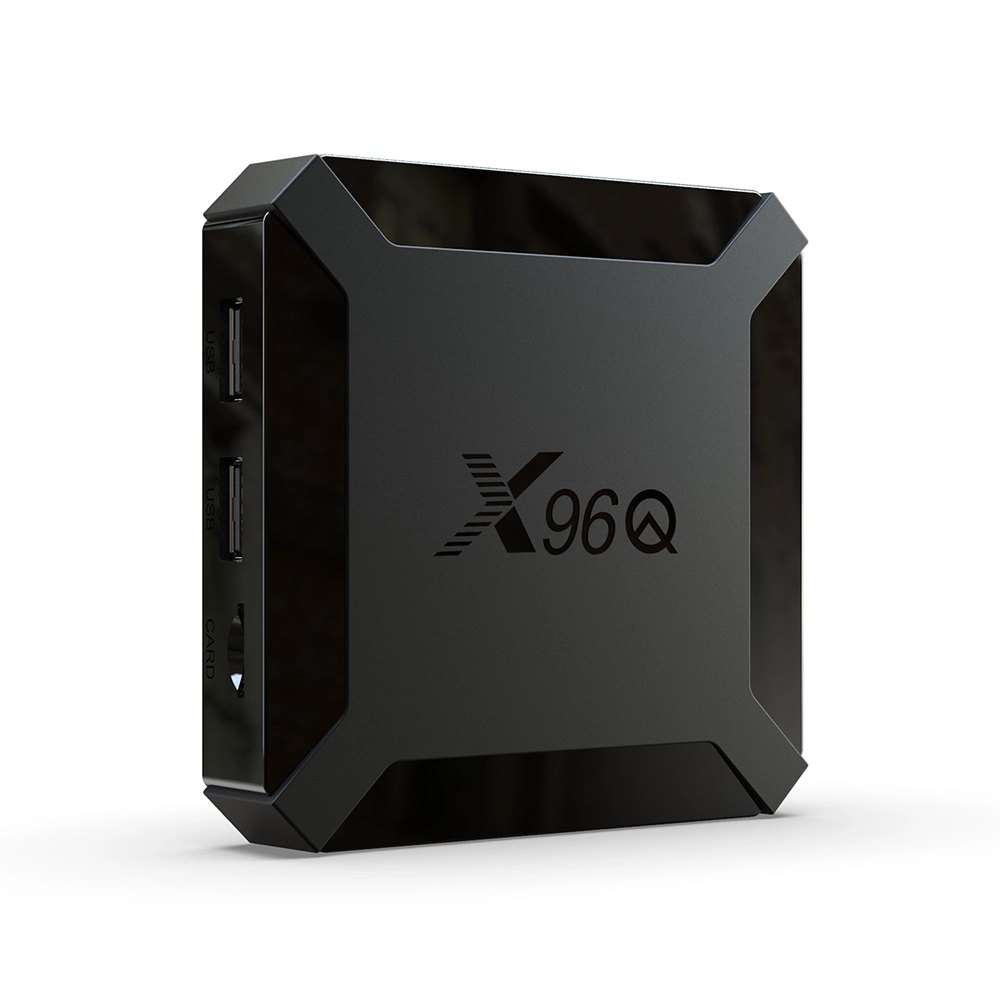
Android-Based Players – Affordable, versatile, and easy to integrate.
-
Windows or Linux Media Players – Ideal for enterprise-level projects requiring custom software.
-
Raspberry Pi Solutions – Low-cost and customizable for smaller applications.
-
Dedicated Commercial Players – Designed by professional signage brands with optimized performance.
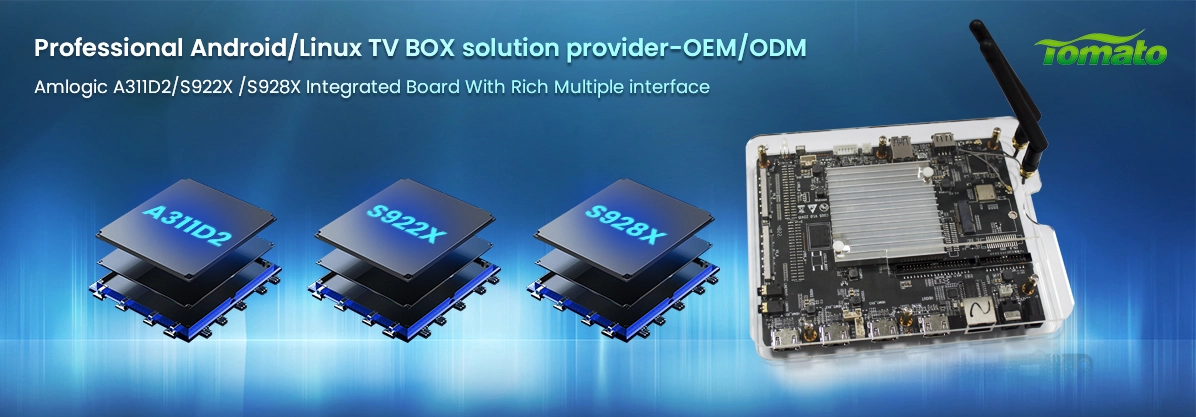
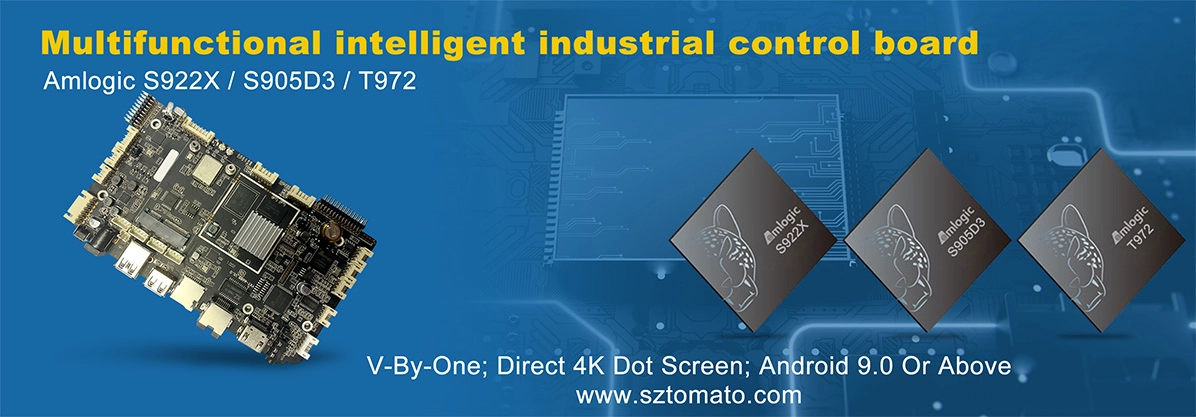
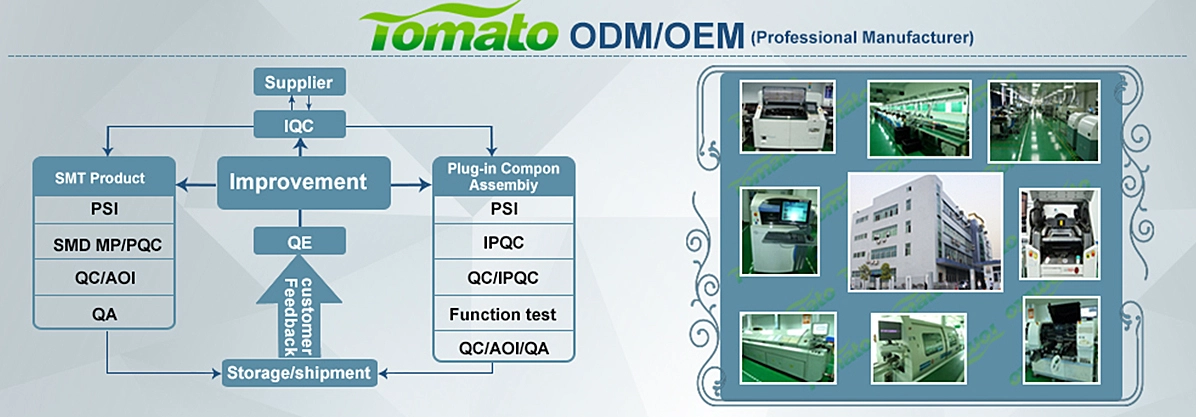
At SZ Tomato, we offer high-quality commercial digital signage devices tailored to different industries, from retail to transportation. Our players support 4K ultra-high definition, remote management, and long-term stable performance, making them the perfect choice for businesses aiming to deliver engaging visual communication.
Future Trends in Digital Signage Devices
The digital signage industry is evolving rapidly. Upcoming trends include:
-
AI-Powered Content Delivery – Personalized ads and messages based on audience data.
-
5G Connectivity – Faster updates and streaming capabilities for remote locations.
-
Edge Computing – Processing content locally for reduced latency.
-
Interactive Touch Solutions – Enhancing customer engagement through real-time interaction.
Choosing a future-ready device ensures that your signage network can adapt to these innovations without frequent hardware changes.
Final Thoughts
When asking “What device is used for digital signage?”, the answer is not one-size-fits-all. The best device depends on your business needs, display type, and content strategy. A reliable digital signage player serves as the core engine, ensuring that your messages reach your audience effectively.
If you want a solution that combines performance, reliability, and ease of management, explore SZ Tomato's range of commercial digital signage players. With advanced features and global support, we help businesses turn every screen into a powerful communication tool.
