
What device is used for Set-Top Box (STB)?
What Device Is Used for a Set-Top Box (STB)? A B2B Hardware and Firmware Guide
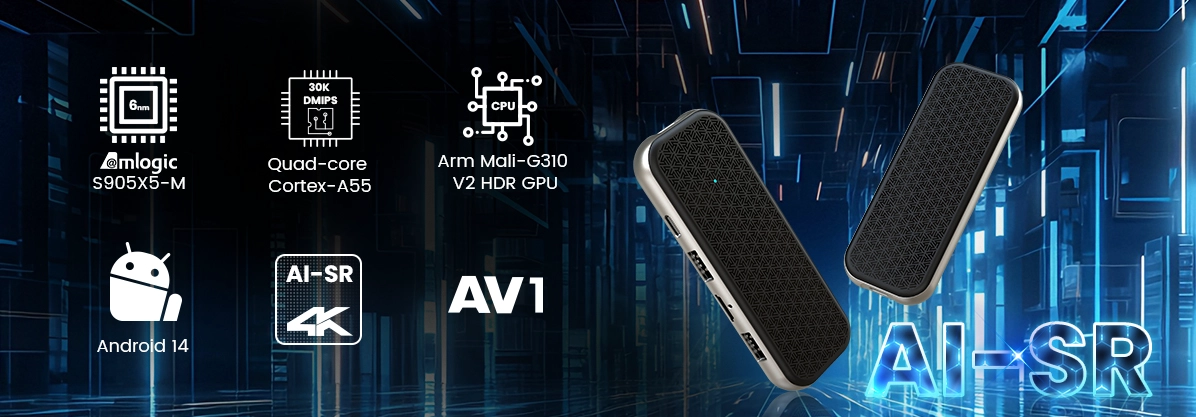
A modern Set-Top Box (STB) is no longer defined by the tuner inside the enclosure. The current generation increasingly relies on application processors, hardware video engines, secure media paths, high-speed networking and software-controlled service delivery. Amlogic’s portfolio now spans dedicated OTT/IPTV SoCs such as the S905X4 and S905X5, while its latest product direction also adds edge-AI capability. In March 2026, SK Broadband selected the Amlogic S905X5 for a next-generation STB targeting on-device AI experiences.
That changes the procurement question.
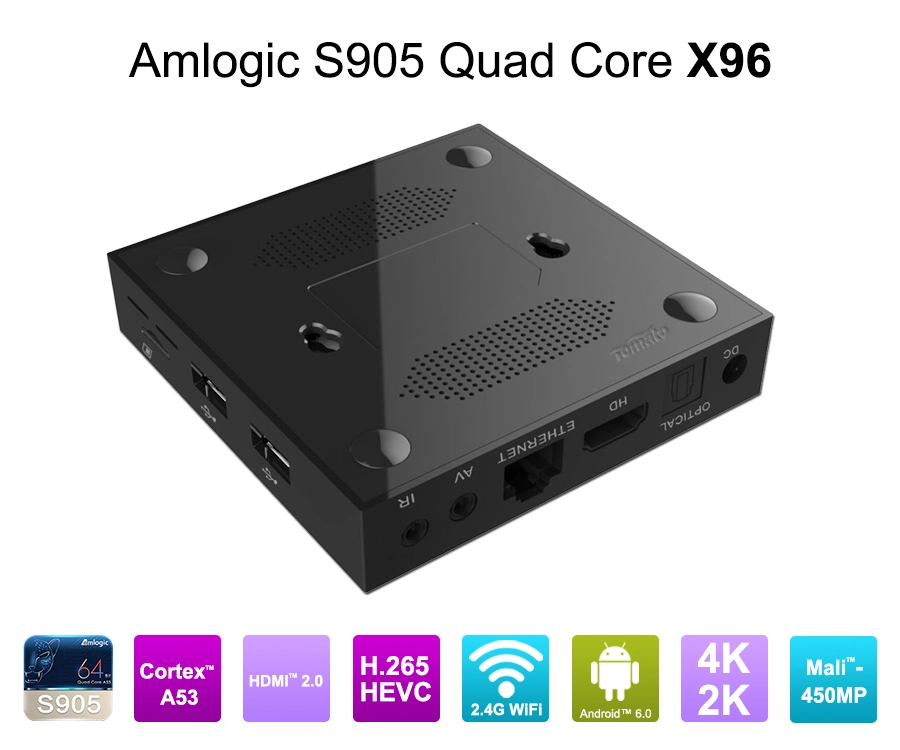
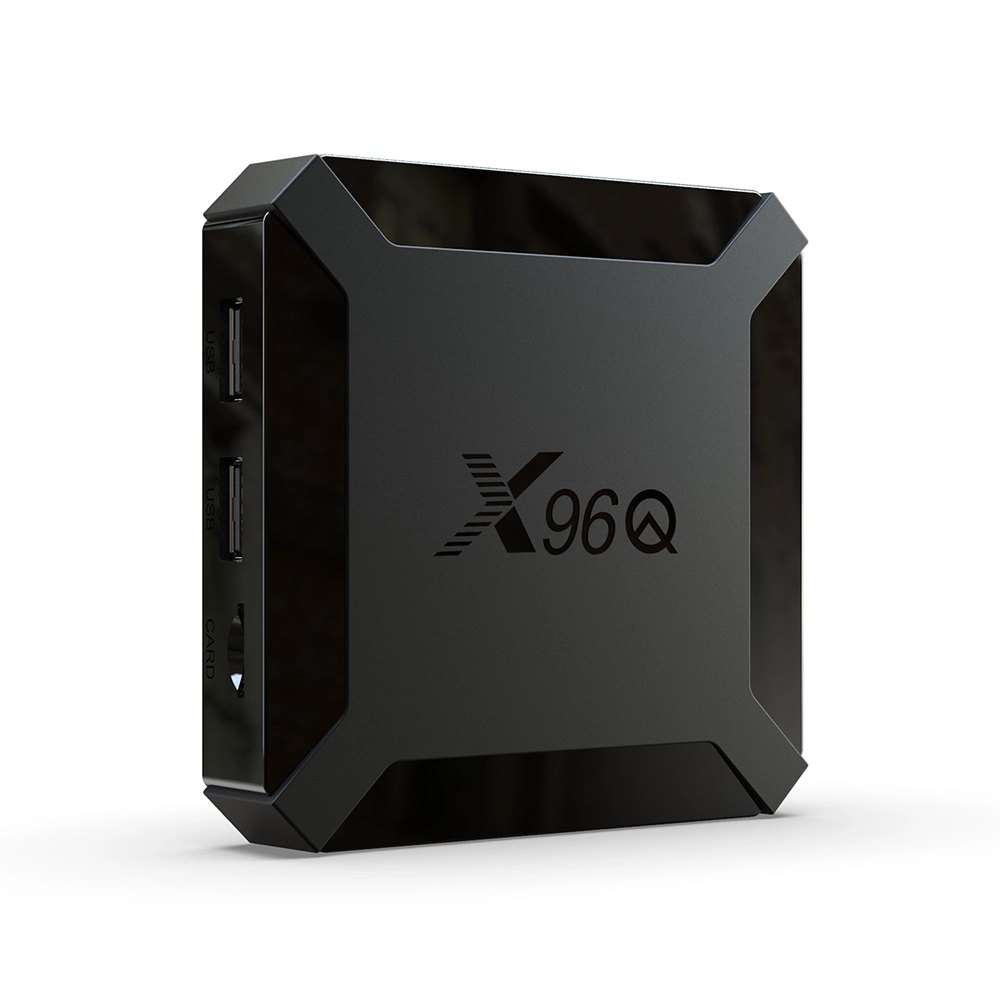
When a B2B buyer asks, “What device is used for a Set-Top Box?”, the technically correct answer is not simply “an Android TV Box.”
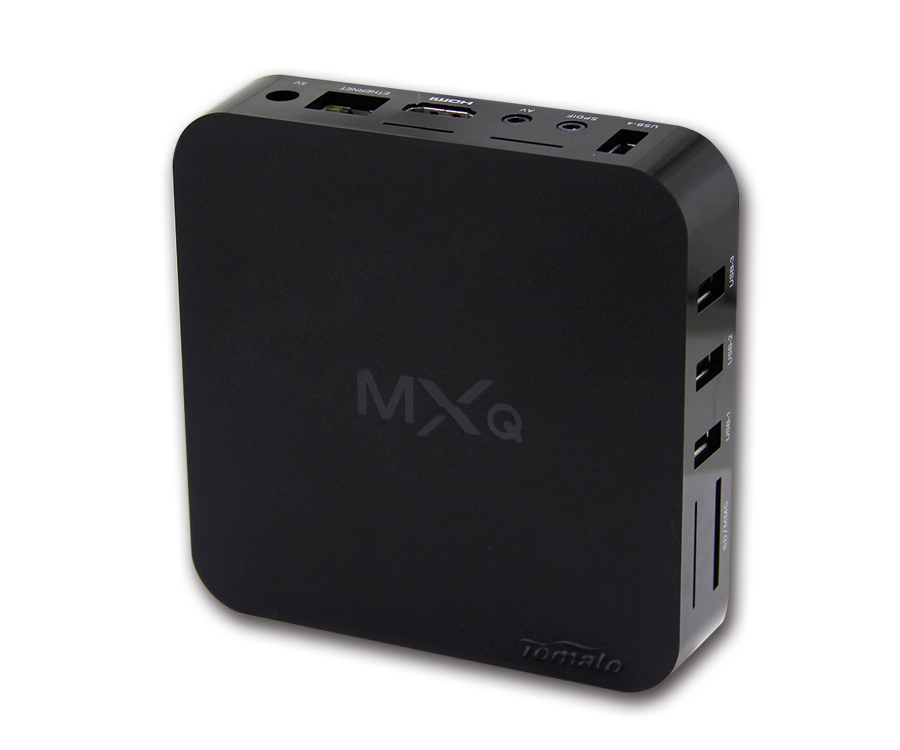
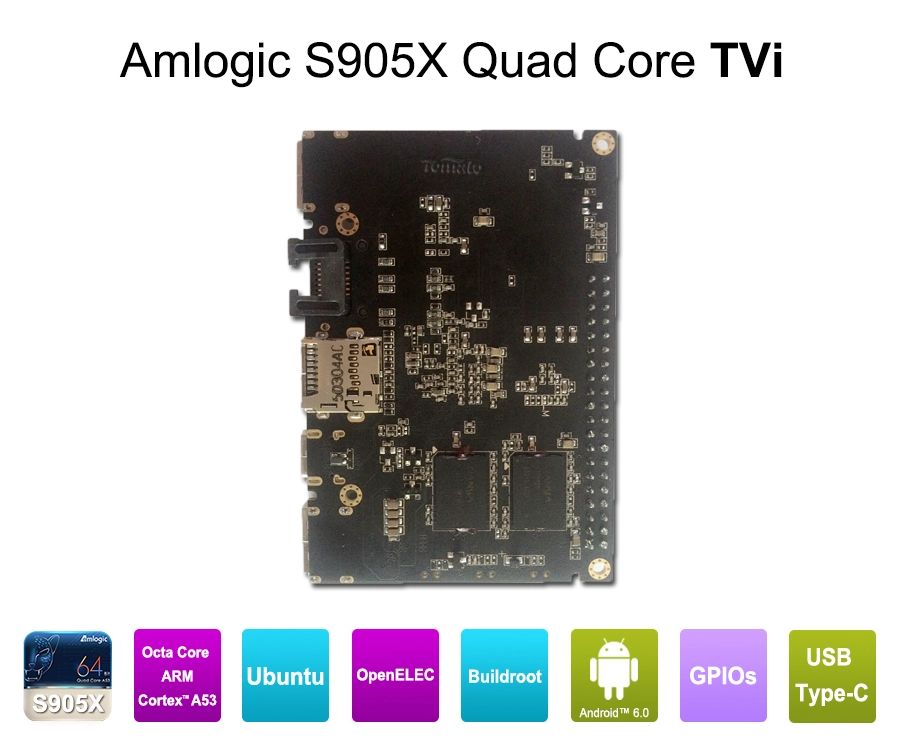
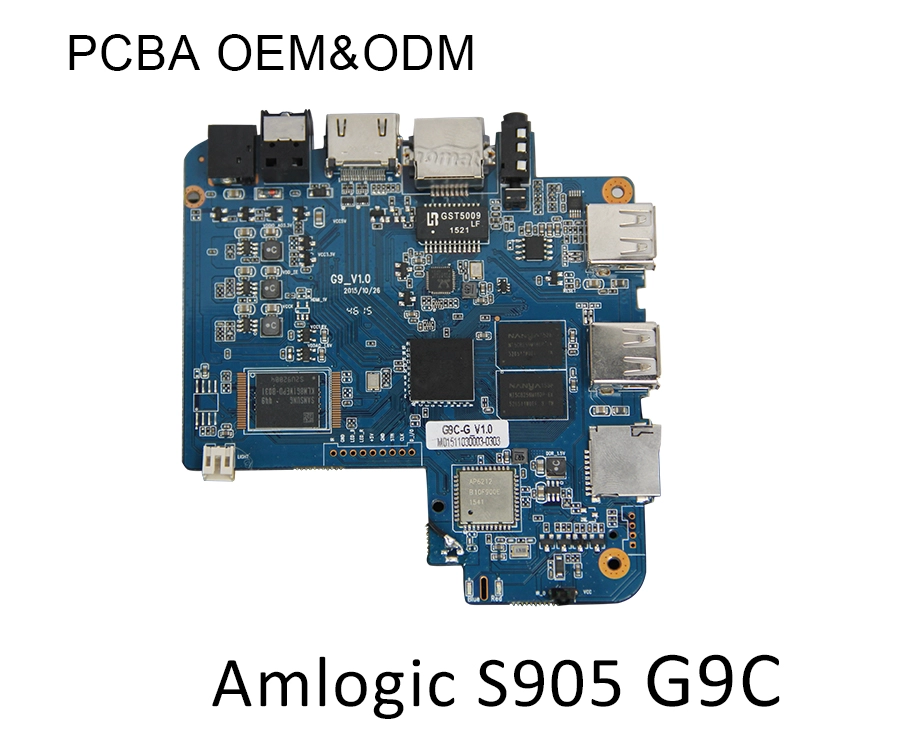
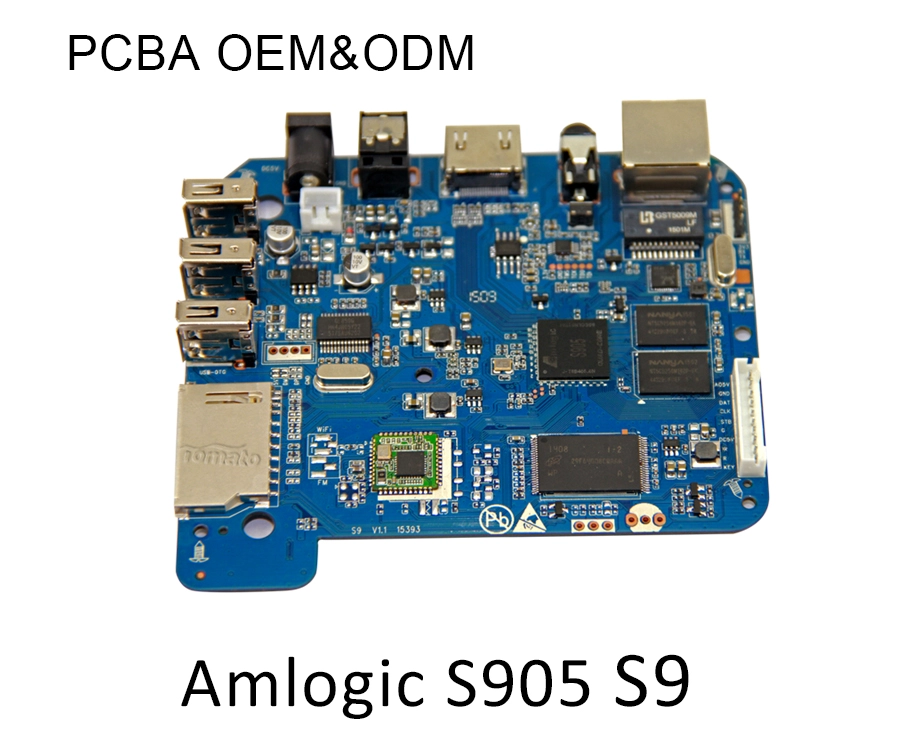
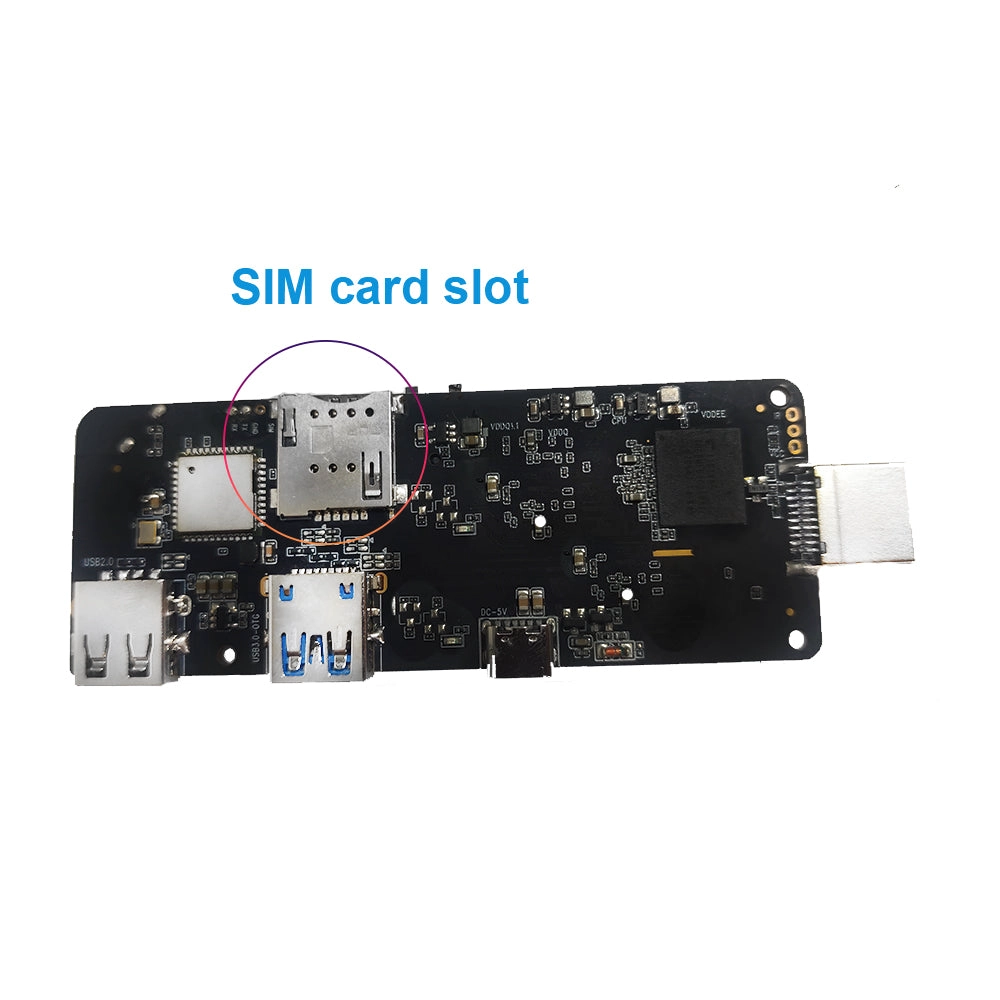
An STB is a purpose-built embedded computing platform combining an SoC, memory, storage, networking, display interfaces, security hardware, operating system, middleware and remote-management infrastructure.
For system integrators, the most important task is selecting the right STB platform architecture for the service being delivered.
What Hardware Is Actually Inside a Set-Top Box?
At the center of a modern STB is the SoC (System-on-Chip).
The SoC typically integrates the CPU, GPU, video decoder, display controller, memory interfaces, security functions and, on newer platforms, an NPU for AI workloads.
A typical architecture looks like this:
SoC → LPDDR → eMMC/UFS → Ethernet/Wi-Fi → HDMI → TV/Display
The actual bill of materials depends on the application.
A commercial STB may include:
-
ARM-based multi-core CPU
-
GPU for Android UI and graphics composition
-
Dedicated H.264/H.265/AV1 video decoding
-
Video encoder for selected applications
-
LPDDR4/LPDDR4X/LPDDR5 memory
-
eMMC or UFS storage
-
Gigabit Ethernet
-
Wi-Fi 5/6 or newer wireless connectivity
-
Bluetooth
-
HDMI output
-
USB
-
IR receiver or Bluetooth remote control
-
audio interfaces
-
secure boot components
-
hardware-backed key storage
-
optional NPU
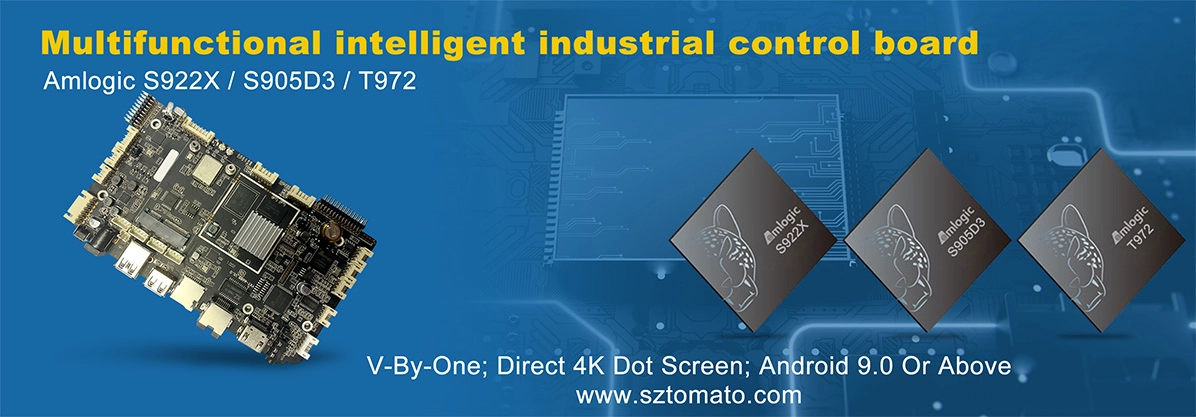
Amlogic currently lists S905X4, S905X5, S922X and other platforms within its product portfolio, demonstrating how STB hardware has evolved from simple multimedia decoding toward broader application processing.
The SoC Should Be Selected by Workload
The wrong way to select an STB is:
CPU cores → RAM → storage → lowest price
The better sequence is:
Service requirements → media workload → security requirements → I/O → SoC → memory/storage → thermal design → firmware
For example, an IPTV operator may need:
-
4K60 playback
-
H.265 decoding
-
HDR
-
DRM
-
HDCP
-
Gigabit Ethernet
-
IPTV middleware
-
remote provisioning
-
OTA updates
A hotel IPTV terminal may additionally require:
-
custom UI
-
room-service integration
-
guest authentication
-
casting
-
centralized device management
A digital-signage STB may require:
-
multiple display outputs
-
persistent browser applications
-
CMS integration
-
scheduled playback
-
watchdog recovery
-
industrial thermal design
The same enclosure can therefore contain very different hardware platforms.
Android TV, AOSP or Linux: Which Device Platform Should an STB Use?
This is one of the most important design decisions in an STB project.
The device does not have to run the same software stack as a retail Android TV box.
Android TV STB
Android TV is appropriate when the product requires a standardized television experience, application ecosystem and TV-specific framework.
Android's TV Input Framework provides standardized interfaces for live TV input, channel metadata, program information, HDMI-CEC, tuner resources and conditional access integration.
That makes Android TV suitable for:
-
operator STBs
-
OTT platforms
-
IPTV services
-
hospitality TV
-
consumer television products
However, Android TV should not be treated simply as “Android with a TV launcher.” The platform involves system-level integration, compatibility requirements and device-specific TV functions.
AOSP-based STB
AOSP is often more attractive when a B2B customer wants control over the software stack.
An AOSP STB can be customized for:
-
operator-controlled launchers
-
kiosk mode
-
proprietary IPTV middleware
-
customized system services
-
enterprise device management
-
private application stores
-
locked-down user environments
-
specialized APIs
This is particularly valuable for an OEM brand that does not want its STB experience to resemble a generic retail product.
Linux STB
Linux remains relevant where the product requires a smaller software footprint, deterministic behavior or an existing Linux middleware architecture.
It can be suitable for:
-
embedded IPTV terminals
-
industrial multimedia devices
-
digital signage
-
custom gateways
-
operator-specific appliances
The key point is that STB selection should start with the service architecture, not with an operating-system label.
Video Decoding, AV1 and 4K: The Media Engine Matters More Than CPU Marketing
An STB is fundamentally a media-processing system.
The most important hardware block may therefore be the dedicated video decoder rather than the headline CPU frequency.
A modern STB may need to handle:
4K video + HDR + subtitles + UI composition + DRM + network traffic + background services
That is why SoC evaluation should examine:
-
H.264 decoding
-
HEVC/H.265 decoding
-
AV1 hardware decoding
-
4K60 capability
-
HDR support
-
color depth
-
memory bandwidth
-
display-controller architecture
-
audio passthrough
-
hardware compositor behavior
Amlogic's latest STB-related roadmap shows how these requirements are expanding. Its S905X5 is positioned as a 6nm platform for next-generation 4K UHD set-top boxes, while the company's 2026 roadmap also includes newer AI-oriented SoCs.
Why AV1 Changes STB Design
AV1 adoption creates another procurement consideration.
An STB marketed as “AV1 compatible” should not automatically be considered suitable for a production streaming service.
The engineering team should confirm:
-
whether decoding is hardware accelerated
-
supported AV1 profiles
-
supported resolution
-
maximum frame rate
-
8-bit/10-bit behavior
-
HDR interaction
-
thermal performance
-
concurrent UI workload
A device that handles a short AV1 sample successfully can still fail under continuous 4K streaming.
For a serious B2B project, validation should therefore be based on sustained workload testing, not a single codec demonstration.
DRM, HDCP and Secure Boot Are Core STB Components
Premium video distribution introduces a second layer of engineering complexity.
An STB may have excellent video decoding but still fail the commercial deployment because the secure media architecture is incomplete.
Android's DRM framework supports multiple DRM schemes through a common architecture. Google notes that content protection depends on the underlying hardware platform and can rely on secure boot, hardware-backed protection, trusted output protection and other integrated security mechanisms.
This creates a chain:
Secure Boot → Trusted Environment → Key Protection → DRM → Secure Decoder Path → HDCP → Display
Breaking any critical component can prevent access to protected content.
HDCP Must Be Evaluated at System Level
For Android TV implementations using external HDMI displays, Android compatibility requirements include HDCP support; Android CDD documentation specifies HDCP 2.2 for relevant television implementations with external HDMI output.
Therefore, an STB specification should not stop at:
HDMI 2.0 / 4K60
The procurement checklist should also ask:
-
Which HDCP version is supported?
-
Is secure output path implemented?
-
How are keys provisioned?
-
Is secure boot enabled?
-
Is the SoC capable of hardware-backed content protection?
-
Which DRM schemes are supported?
-
What certification requirements apply to the target service?
For IPTV and conditional-access deployments, Android's Media CAS framework supports CAS services across IPTV and other digital TV configurations, including hardware key ladders and trusted execution environments where supported by the platform.
This is why STB engineering is fundamentally different from building a generic multimedia box.
Why PCBA Customization Matters in a Commercial STB
Standard retail hardware often provides a fixed combination of interfaces.
Commercial projects rarely stay within those boundaries.
A telecom operator may require:
-
two Ethernet interfaces
-
RS-232
-
additional USB
-
custom GPIO
-
alternative Wi-Fi modules
-
specific power input
-
customized mounting
-
additional storage
-
different connector positions
An industrial STB may have even stricter mechanical and electrical requirements.
This is where PCBA hardware modification becomes a major advantage.
SZTomato can customize the PCBA around the target deployment, including:
-
power-rail optimization
-
memory layout
-
high-speed signal routing
-
Ethernet implementation
-
USB configuration
-
antenna placement
-
connector positioning
-
thermal interfaces
-
industrial I/O
The benefit is not cosmetic.
A customized PCBA can eliminate unnecessary external adapters, simplify installation and improve system reliability.
For a fleet deployment, one fewer external converter or dongle per unit can materially affect the total BOM and field-failure rate.
Thermal Engineering Determines Whether the STB Survives Continuous Operation
A Set-Top Box may be physically small, but continuous 4K decoding, GPU composition, networking and background software can create substantial heat.
This becomes a larger problem when the STB is installed:
-
behind a television
-
inside a cabinet
-
inside a hotel media panel
-
in a digital-signage enclosure
-
in an industrial control cabinet
A thermal design should consider:
SoC TDP + ambient temperature + enclosure volume + workload duration + airflow
Possible solutions include:
-
custom heatsinks
-
thermal pads
-
copper thermal spreaders
-
metal enclosures
-
optimized airflow channels
-
active fan systems
-
software thermal policies
SZTomato provides specialized cooling solutions for commercial and industrial deployments where standard consumer enclosures are insufficient.
The important engineering test is not:
“Does the STB remain cool during a five-minute demo?”
It is:
“Can the device sustain the required workload without frequency collapse, playback interruption or thermal instability over long operating periods?”
That is the reliability threshold a B2B buyer should care about.
Firmware Is What Turns an STB Into an Operator Platform
Two STBs can contain the same SoC and still deliver completely different commercial products.
The difference is firmware.
A serious OEM/ODM STB may require modifications across:
Bootloader → Linux kernel → device tree → HAL → Android framework → system services → launcher → middleware → OTA
Typical firmware work includes:
-
Linux/Android kernel optimization
-
device-tree modification
-
display and HDMI tuning
-
network driver integration
-
USB configuration
-
boot-time optimization
-
system-service customization
-
memory tuning
-
application whitelisting
-
kiosk mode
-
watchdog functions
-
remote-management integration
SZTomato's engineering model is built around this level of control.
Custom UI/UX Firmware
An operator rarely wants an STB that looks exactly like a generic retail product.
The launcher may need to reflect:
-
operator branding
-
channel navigation
-
EPG
-
VOD
-
account management
-
advertisements
-
hotel services
-
customer support
-
subscription functions
A custom UI/UX layer can control the complete user journey rather than simply replacing a wallpaper or launcher icon.
SDK/API Integration
The STB may need to communicate with:
-
IPTV middleware
-
CMS
-
CRM
-
ERP
-
cloud management platforms
-
customer-account systems
-
device provisioning servers
-
advertising platforms
That requires SDK/API integration at the system or application layer.
This is where a manufacturer with firmware engineering capability creates measurable value: the hardware does not need to remain isolated from the customer's software ecosystem.
OTA and Remote Management Are Mandatory for Large STB Fleets
The economics of STB deployment change dramatically after the first few thousand units.
Manual firmware maintenance becomes impractical.
A commercial STB should therefore be designed for remote lifecycle management from the beginning.
Required capabilities may include:
-
secure OTA updates
-
incremental firmware packages
-
version control
-
staged deployment
-
automatic recovery
-
rollback
-
remote reboot
-
application updates
-
configuration management
-
device health monitoring
-
logging
-
fleet segmentation
The OTA system should also define responsibility for:
firmware signing → release approval → deployment → rollback
This should be part of the technical specification before mass production, not a feature added after deployment.
A good STB is therefore not merely a device that plays television content.
It is a remotely managed endpoint with a multi-year software lifecycle.
What Type of Device Is Best for Different STB Applications?
IPTV Operator STB
Priorities:
SoC multimedia performance + Gigabit Ethernet + DRM/CAS + HDCP + operator middleware + OTA
For telecom and IPTV operators, network stability and content protection can be more important than raw CPU benchmark results.
OTT Streaming STB
Priorities:
4K decoding + AV1 + HDR + DRM + Wi-Fi/Ethernet + application compatibility
The platform should be validated against real streaming workloads and required certification programs.
Hotel IPTV STB
Priorities:
stable playback + custom launcher + API integration + remote management + centralized OTA
Hospitality deployments benefit from controlled firmware and a predictable user interface.
Digital Signage STB
Priorities:
GPU performance + 4K playback + CMS integration + thermal reliability + kiosk control
The device may operate continuously and should be engineered accordingly.
Industrial or Edge-AI STB
Priorities:
NPU + I/O expansion + thermal control + customized Linux/Android stack + industrial enclosure
The STB architecture can extend beyond media playback into edge computing and local analytics.
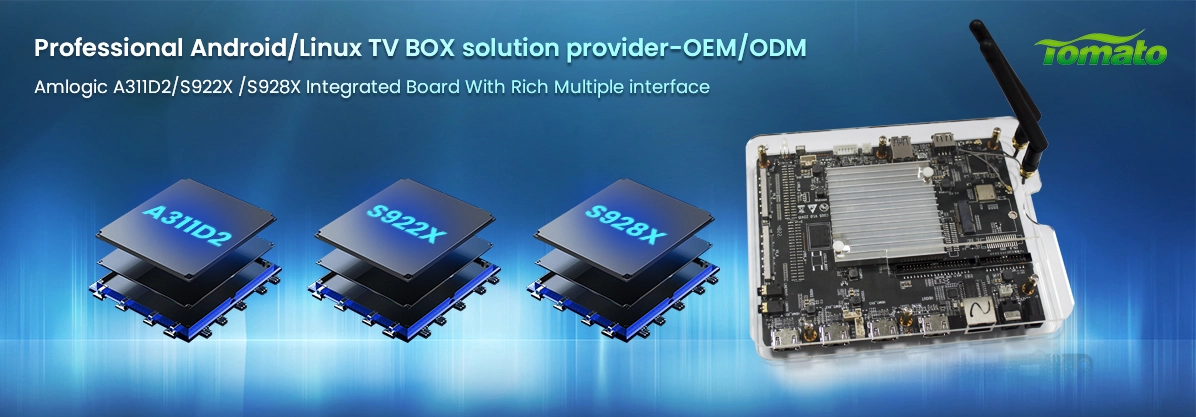
Amlogic's 2026 product announcements show this convergence clearly: the company introduced the A311Y3 as a 6nm SoC aimed at the edge-AI ecosystem while continuing to expand its STB and OTT product portfolio.
How B2B Buyers Should Evaluate a Set-Top Box Manufacturer
For procurement managers, the supplier should be evaluated across five dimensions.
Hardware engineering
Can the manufacturer modify the PCBA, connectors, memory configuration and I/O architecture?
Firmware engineering
Can it modify the Linux/Android kernel, device tree, HAL, system applications and launcher?
Content security
Can the platform meet the target DRM, HDCP, secure-boot and CAS requirements?
Manufacturing
Can the manufacturer manage PCBA production, firmware programming, burn-in testing, aging tests, quality control and hardware revisions?
Lifecycle support
Can it support OTA, firmware maintenance, security patches and future hardware revisions for several years?
These questions reveal a critical distinction:
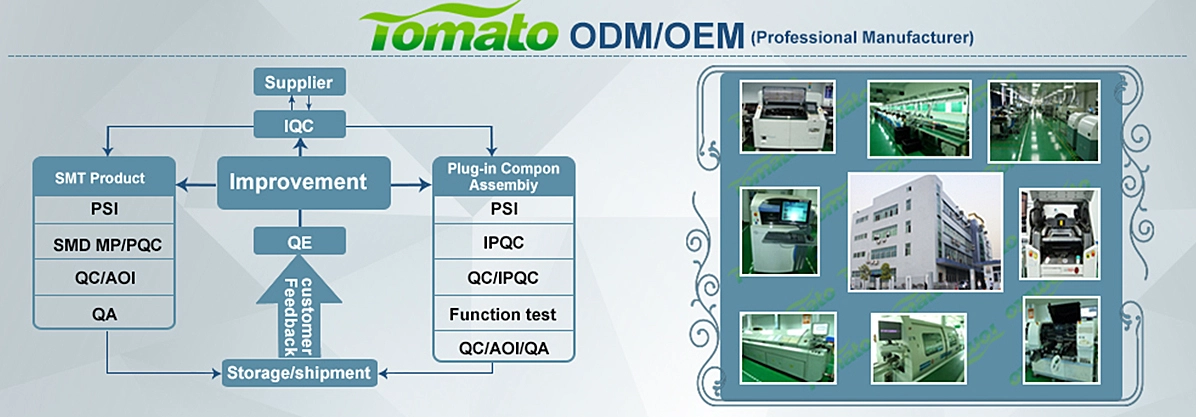
An STB factory is not necessarily an STB platform engineering partner.
For an OEM/ODM project, the second capability is usually more important.
Why SZTomato Is a Practical OEM/ODM Partner for STB Projects
SZTomato approaches the Set-Top Box as an integrated hardware, firmware and software platform.
Its engineering scope can include:
SoC selection → PCBA modification → thermal engineering → Android/AOSP or Linux integration → kernel optimization → SDK/API integration → custom UI/UX → security architecture → OTA → mass production
This model is especially relevant to:
-
IPTV operators
-
OTT providers
-
telecom companies
-
hotel TV solution providers
-
system integrators
-
digital-signage companies
-
enterprise projects
-
OEM/ODM brands
The commercial advantage is straightforward.
Instead of buying a generic STB and solving integration problems after shipment, the platform can be engineered around the customer's service requirements before mass production.
Conclusion: A Set-Top Box Is a Specialized Embedded Computer
So, what device is used for a Set-Top Box?
Technically, a modern STB is an embedded ARM-based computing device built around a multimedia SoC, supported by memory, flash storage, networking, HDMI, security hardware and a customized operating-system stack.
But the hardware alone does not define the product.
The production STB is the combination of:
SoC + PCBA + multimedia engine + DRM/HDCP + firmware + middleware + UI + OTA + remote management + thermal design
That is why selecting an STB by CPU cores, RAM and 4K labeling alone is insufficient for B2B applications.
For procurement managers and system integrators, the better approach is to define the service architecture first and engineer the STB platform around it.
When the project requires customized hardware, firmware-level control, SDK/API integration, specialized cooling and long-term OTA support, SZTomato provides a more appropriate OEM/ODM model than a generic catalog supplier.
The right STB is not the box with the longest specification sheet. It is the platform that can deliver the required service reliably, securely and at scale.
