What is Smart TV Box better than Roku?
When system integrators and IPTV operators select deployment hardware, the consumer appeal of a device often clashes with commercial reality. Roku maintains a dominant position in the retail sector due to its straightforward UI and extensive content partnerships. However, for B2B applications—ranging from hotel infotainment systems to digital signage networks—deploying Roku creates immediate operational bottlenecks.
Understanding exactly what is Smart TV Box better than Roku requires shifting focus from consumer app availability to enterprise-level control. The core pain point for B2B buyers is ecosystem lockdown. Roku operates a closed platform; a professional Smart TV Box provides a customizable, open-architecture foundation.
1. Ecosystem Control: The Walled Garden vs. Open Architecture
Roku’s proprietary operating system (Roku OS) is designed to control the user experience and monetize viewing habits through forced advertisements and platform fees. If you develop a proprietary B2B application, Roku requires it to pass their strict channel store certification. Sideloading is restricted, and Mobile Device Management (MDM) integration is practically non-existent.
A high-performance Smart TV Box running on Android Open Source Project (AOSP) or Android TV OS bypasses these restrictions entirely.
-
Unrestricted Sideloading: Operators can push proprietary APKs directly via customized OTA (Over-The-Air) servers without third-party approval.
-
MDM Compatibility: Standard APIs allow for remote diagnostics, bulk app updates, and silent background installations across thousands of nodes.
-
Ad-Free Environment: You retain 100% control over the screen real estate, ensuring your corporate clients or hospitality guests aren't bombarded with consumer hardware ads.
2. Hardware I/O Flexibility and PCBA Modification
Retail Roku devices are locked into static hardware configurations—typically a single HDMI out, standard Wi-Fi, and minimal internal storage. If an industrial client requires a wired RS232 port for legacy monitor control, or a specialized LAN configuration for an isolated corporate intranet, Roku cannot adapt.
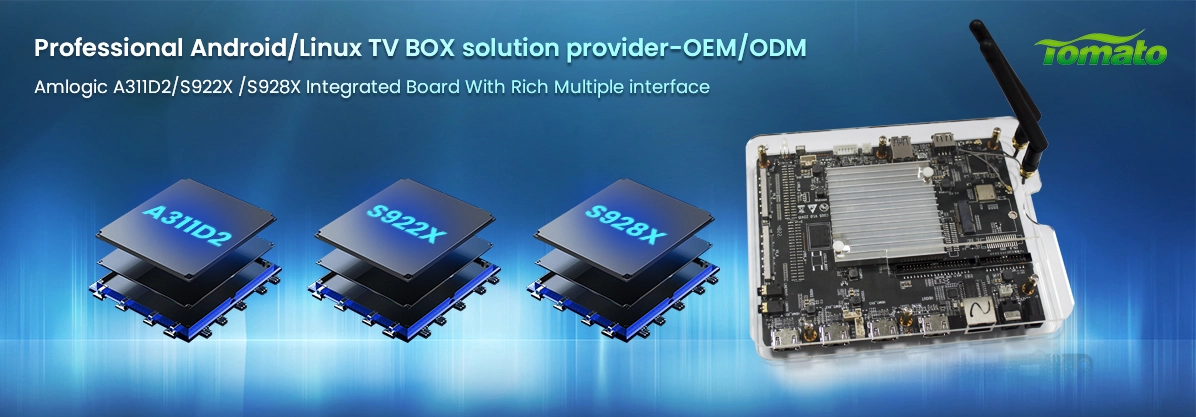
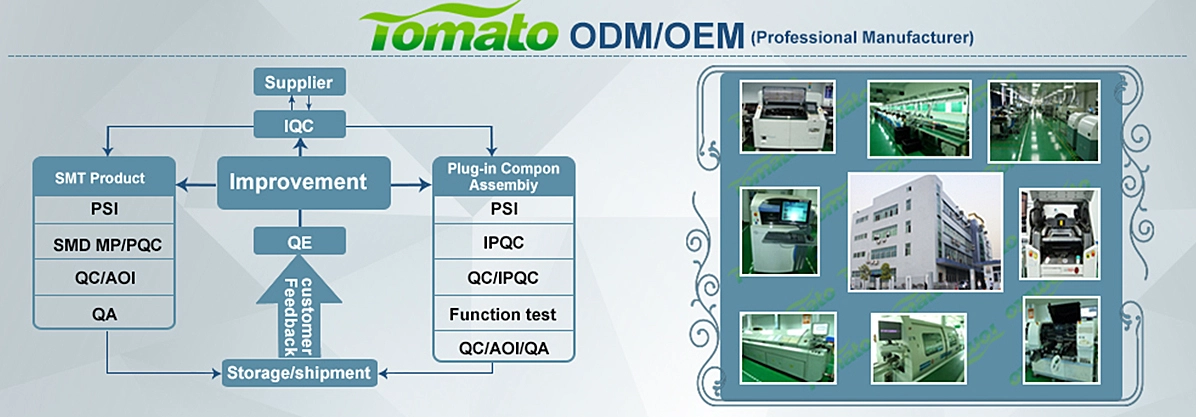
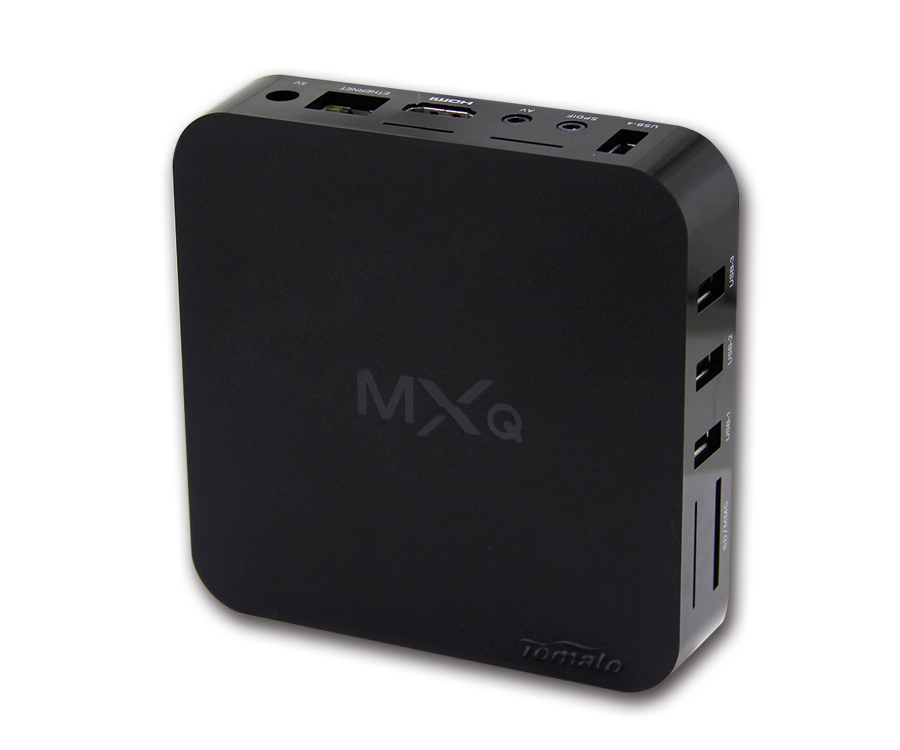
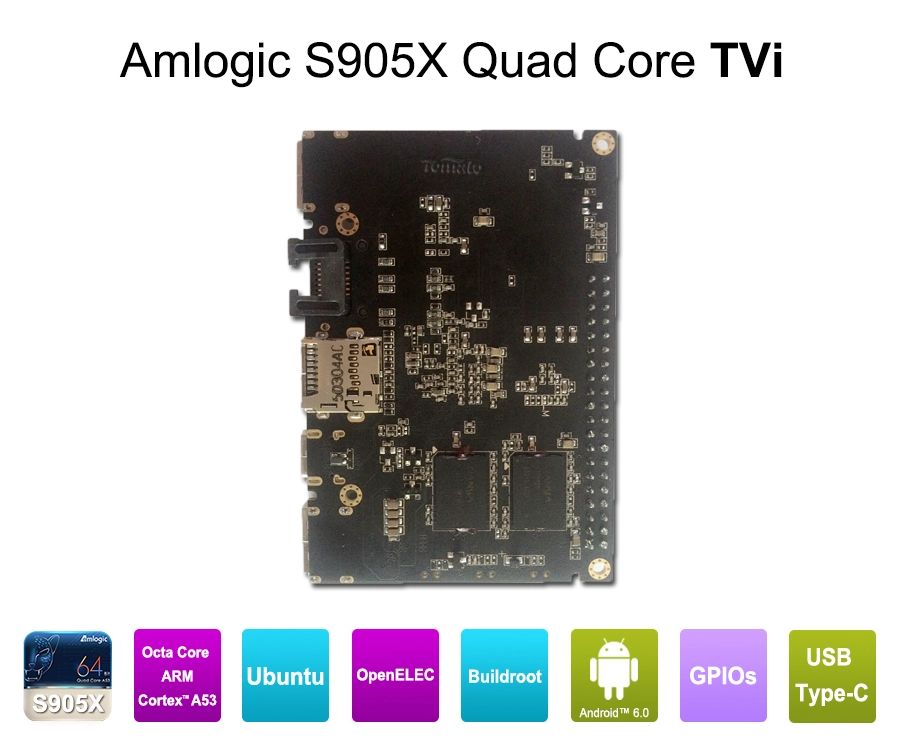
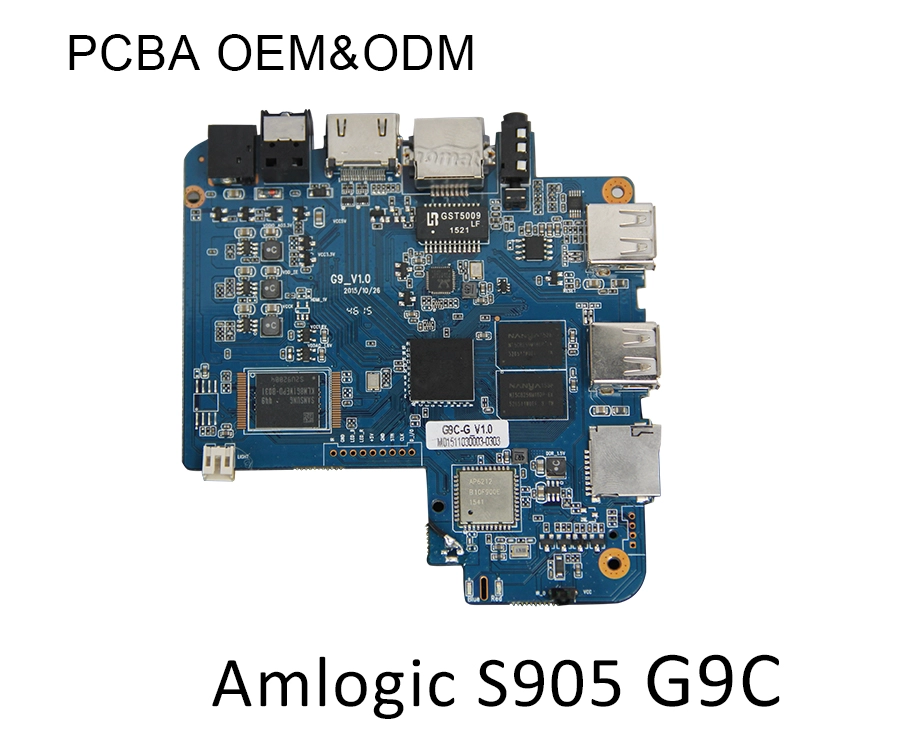
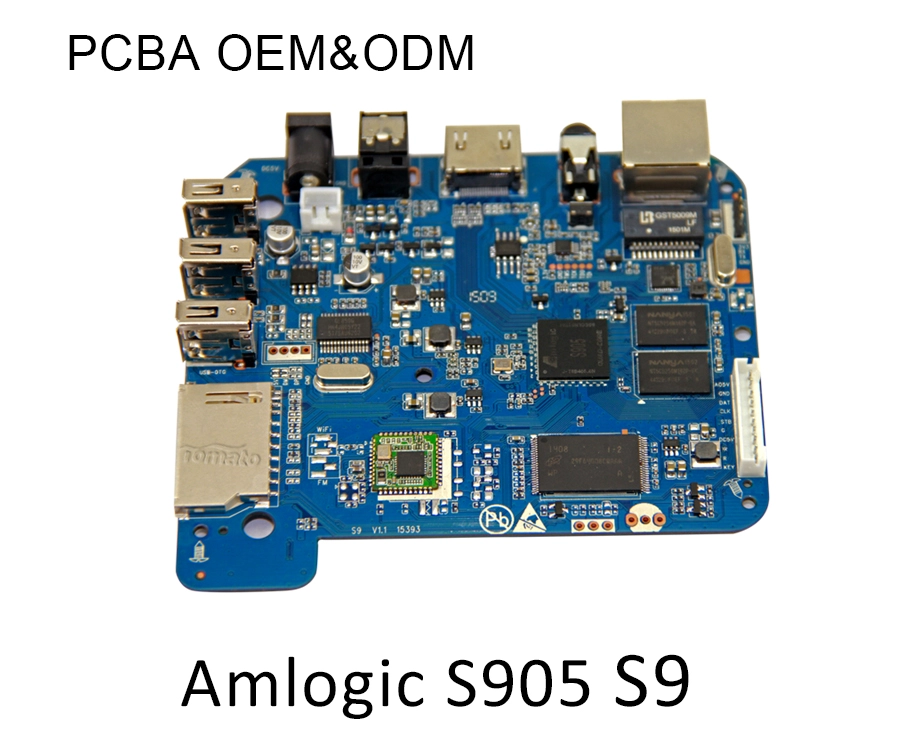
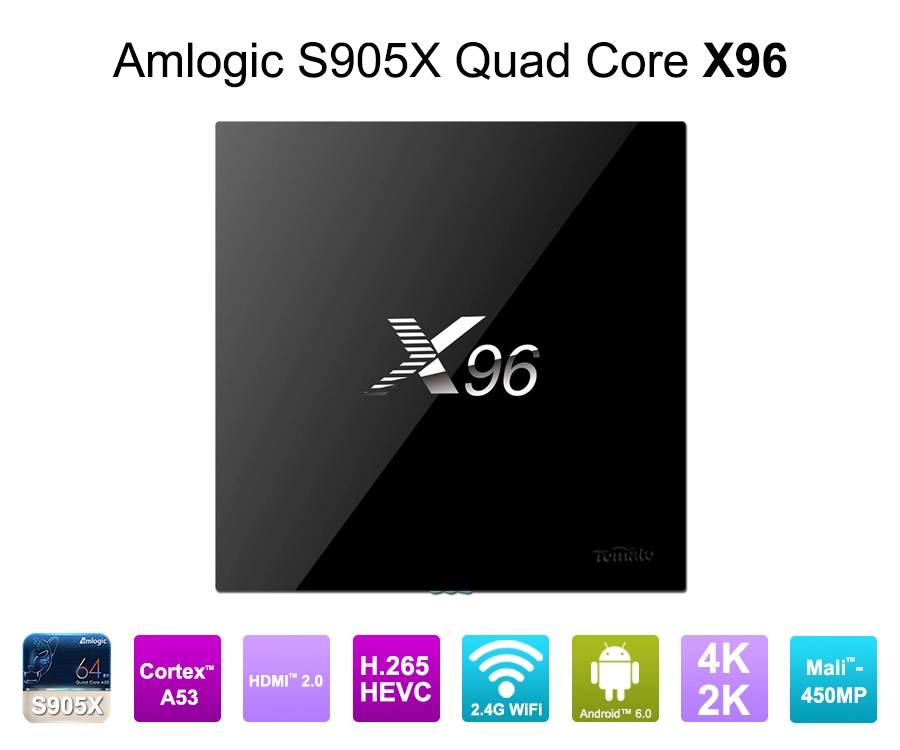
This is where OEM/ODM manufacturing of a Smart TV Box delivers measurable ROI. Leading industry manufacturers like SZTomato focus entirely on bespoke hardware engineering rather than rigid off-the-shelf sales.
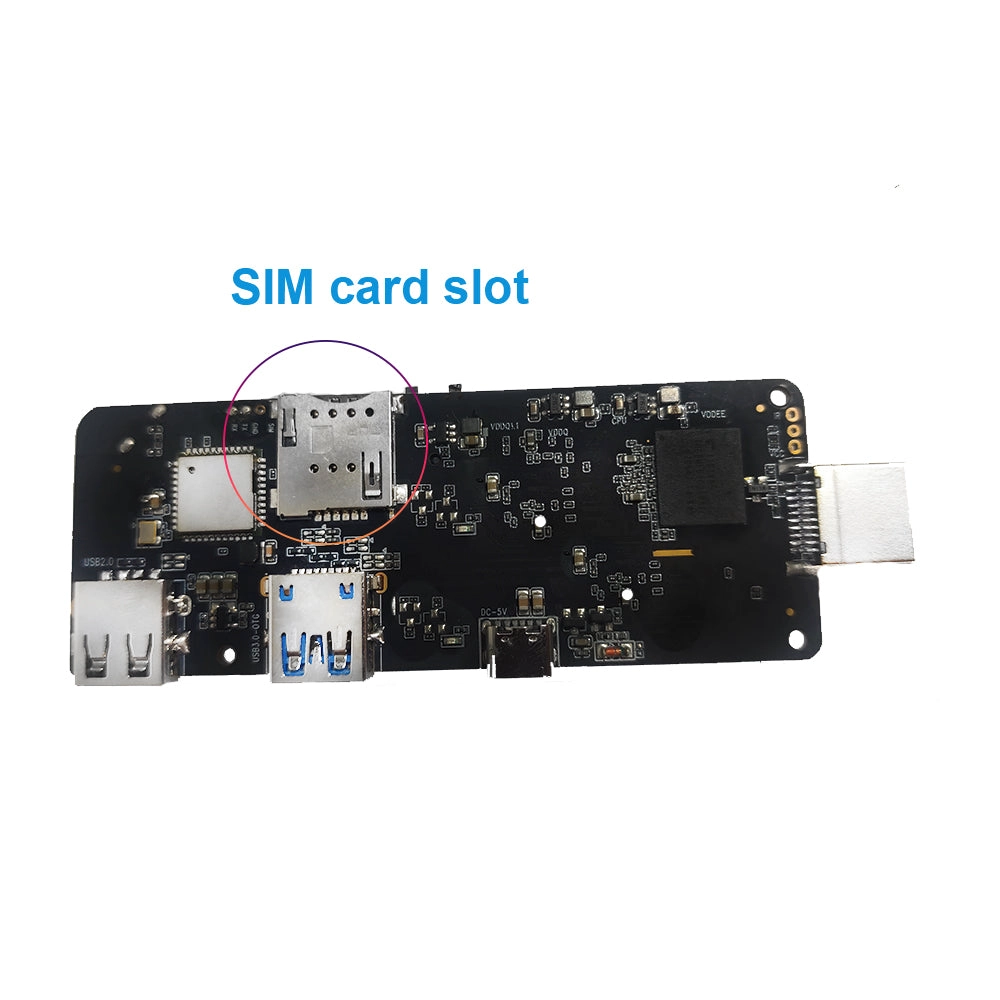
[Image Placeholder: Comparison of a standard closed-system retail board vs. a custom-engineered SZTomato PCBA with expanded I/O ports]
-
Custom PCBA Design: Engineering the printed circuit board to include specific components like Amlogic S905X4 chipsets, expanded eMMC storage (up to 64GB or 128GB for local media caching), and industrial-grade heat sinks to improve MTBF (Mean Time Between Failures) in 24/7 deployment environments.
-
Module Integration: Adding specialized Wi-Fi 6E modules, Bluetooth mesh nodes, or digital TV tuners (DVB-T2/S2) directly to the board based on regional infrastructure requirements.
3. Firmware Engineering: Owning the UI/UX
Perhaps the most significant answer to what is Smart TV Box better than Roku lies in user interface ownership. On a Roku, your app is just one tile among dozens.
With a custom-engineered Smart TV Box, the device becomes your app. SZTomato's dedicated firmware development teams allow B2B clients to dictate the entire boot-up sequence and operating logic:
-
Custom Boot Animation: Devices power on displaying the client’s logo, immediately establishing brand authority.
-
Kiosk Mode / Dedicated Launchers: Firmware can be written to lock the device to a specific application. Users cannot exit to a home screen, alter settings, or delete core software—a critical requirement for public digital signage and hospital room entertainment.
-
Root Access Control: Granular control over system permissions, allowing operators to disable standard Android features (like the Google Play Store or web browser) to secure the network endpoint.
4. White-Label Branding and Packaging Scalability
B2B distributors do not scale by selling other companies' brands. Supplying Roku units means you are functionally acting as a low-margin reseller.
A professional Smart TV Box strategy involves complete white-labeling. Beyond the internal software, SZTomato provides comprehensive industrial design and packaging customization. This includes custom casing molds, silkscreened logos on the remote control, and tailored retail or industrial packaging. You deploy a proprietary product line under your own brand equity, commanding higher margins and locking in client dependency.
Strategic Takeaway for B2B Operators
Comparing Roku to a professional Smart TV Box is comparing a rented apartment to a custom-built facility. While Roku serves the retail consumer effectively, it actively penalizes B2B operators through restrictive OS policies, hardware limitations, and forced monetization. By partnering with a seasoned OEM/ODM manufacturer like SZTomato, you transform a generic media player into a specialized, brand-owned enterprise asset engineered specifically for your deployment needs.
Would you like me to analyze how to structure an email pitch using these specific pain points to target hospitality network buyers?