

What is a Digital Signage Display?
A digital signage display is a network-connected screen designed to deliver dynamic, real-time visual information in public or commercial environments. Unlike traditional printed posters, digital signage offers flexibility, automation, and high-impact visuals that can be updated instantly through software platforms. You can use it for advertising, interactive guidance, corporate communications, menu boards, transportation schedules, or any situation requiring clear and engaging visual messaging.
Today, digital signage has become a standard component of modern business environments because it replaces static communication with targeted, measurable, and visually compelling content. When deployed correctly, it becomes a long-term asset that enhances brand visibility, customer engagement, and operational efficiency.
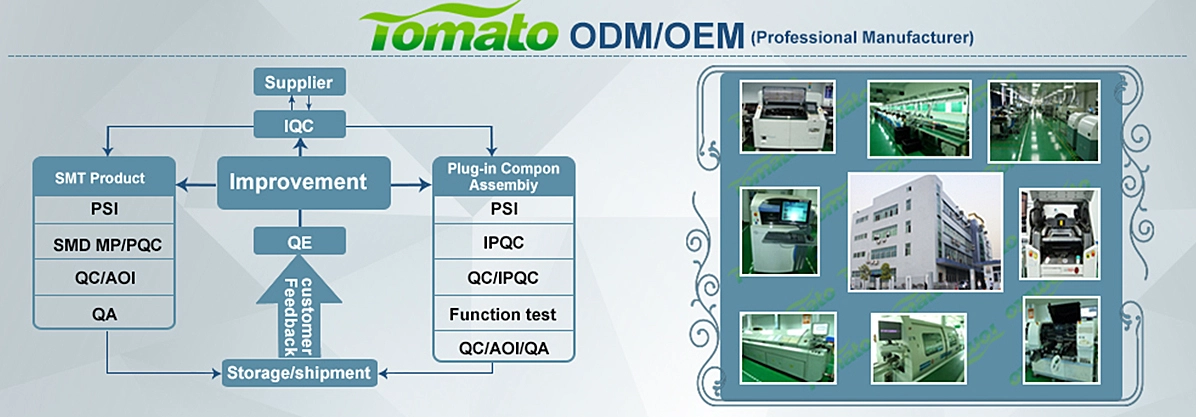
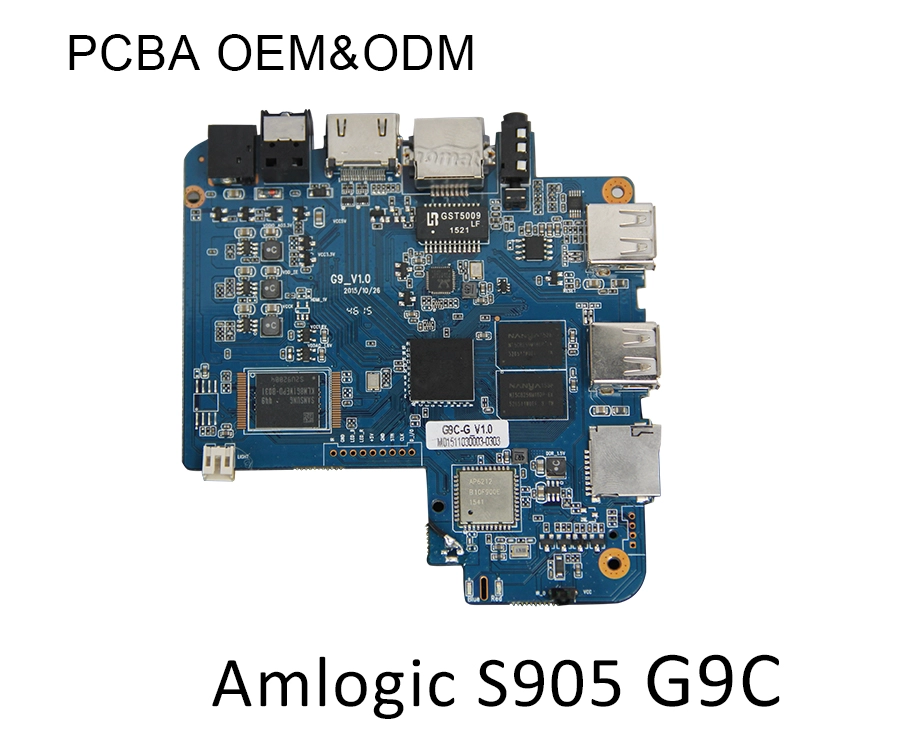
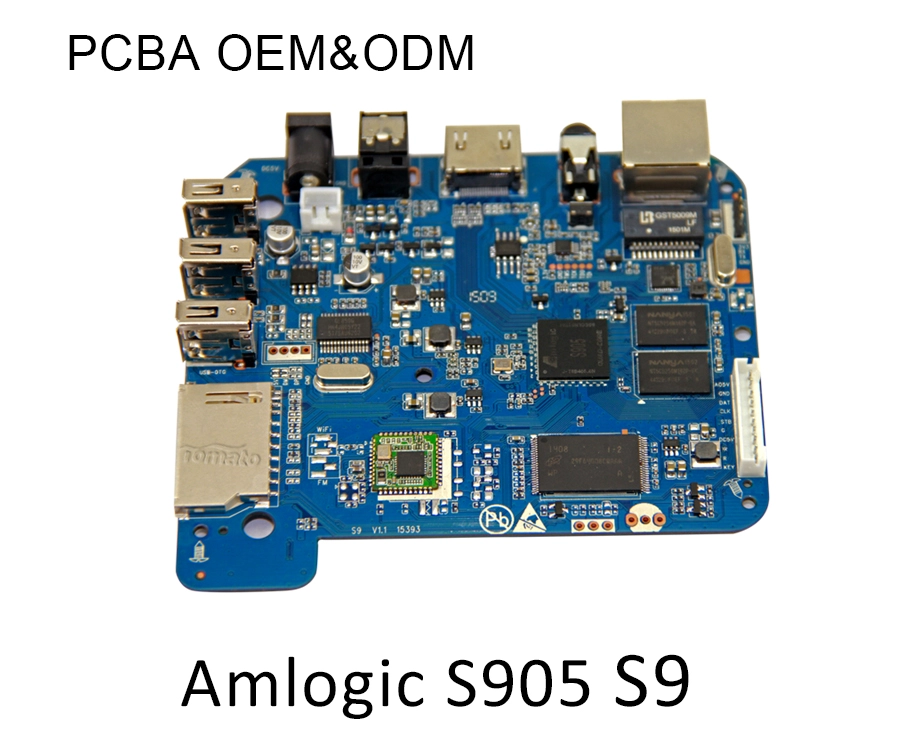
SZTomato supports full customization for digital signage projects, including screen sizes, brightness levels, industrial-grade panels, Android or Windows motherboards, enclosure design, branding, and software integration.
How a Digital Signage Display Works
A digital signage system consists of three core elements—display hardware, content management software, and network infrastructure.
Display Hardware
The display is the most visible component. It can be LCD, LED, stretched bar, wall-mounted, floor-standing, or ultra-high-brightness outdoor screen. Key hardware features include:
-
Industrial-grade display panels for 24/7 operation
-
High brightness for indoor or outdoor environments
-
Anti-glare or anti-reflection coatings
-
Optional touch functionality
-
Robust metal enclosures to withstand public usage
SZTomato provides custom hardware configurations to match installation requirements in retail chains, transportation hubs, and corporate spaces.
Content Management Software (CMS)
The CMS is the engine behind digital signage. It determines how content is created, scheduled, updated, and monitored. A professional CMS allows you to:
-
Push content to thousands of screens remotely
-
Create playlists, layouts, and multi-zone screens
-
Update information in real time
-
Monitor device health and playback status
-
Set automated scheduling rules
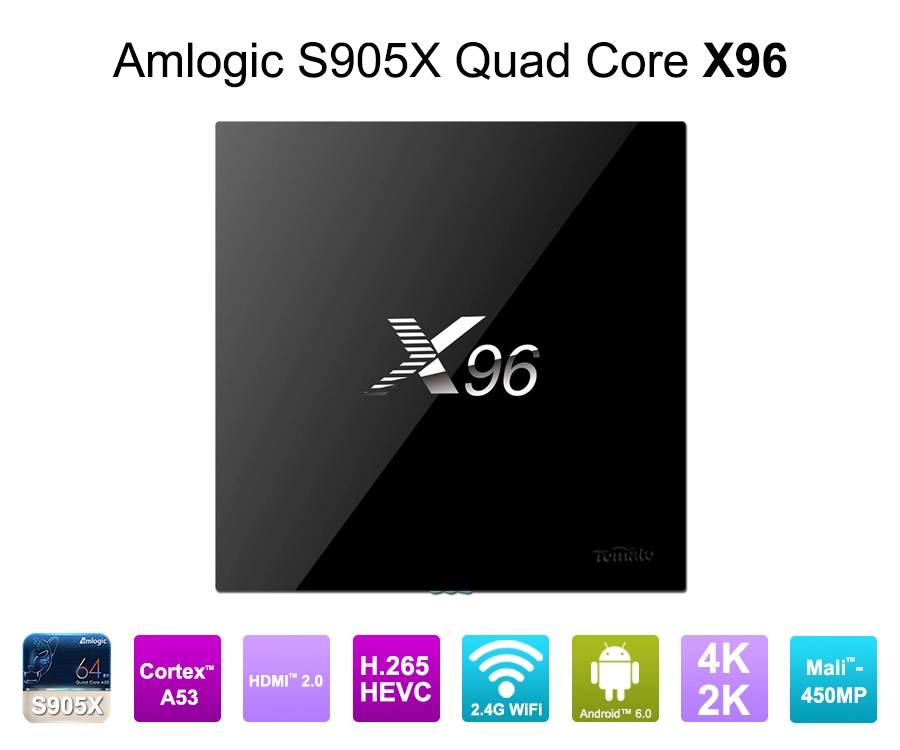
Most B2B clients choose Android-based signage players because they are stable, cost-effective, and easy to integrate with third-party software.
Network Connectivity
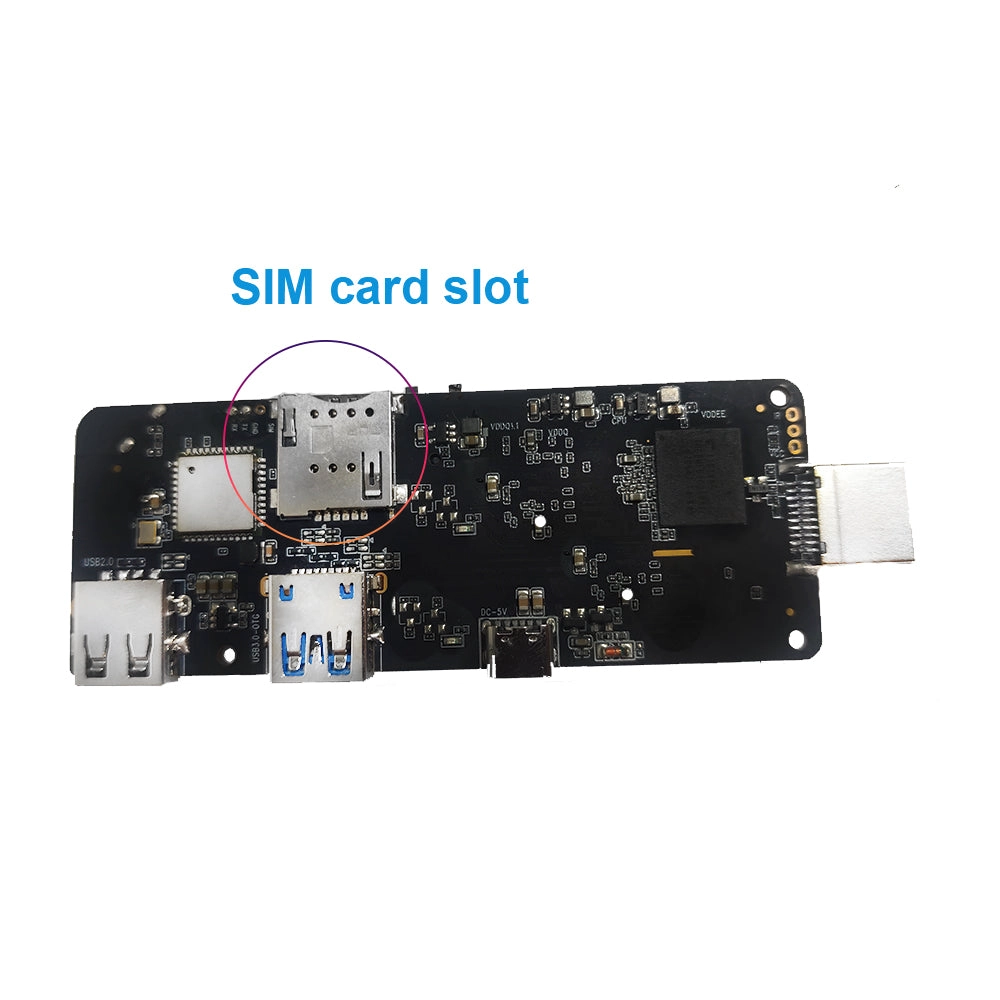
Digital signage displays typically connect via Wi-Fi, LAN, or 4G/5G modules. This enables centralized management across multiple locations, making it suitable for retailers, transportation companies, and corporations with distributed sites.
For offline scenarios, USB or local storage playback can also be configured.
Main Functions of a Digital Signage Display
Digital signage serves multiple communication and business functions:
Dynamic Advertising
Digital screens deliver animated ads, product promotions, and brand messages that attract far more attention than printed posters. They allow you to update campaigns immediately without printing costs.
Real-Time Information Display
Airports, train stations, hospitals, and campuses use signage for schedules, alerts, queue management, and wayfinding. Data feeds can be integrated to ensure automated updates.
Interactive Touch Experiences
Touch-enabled signage supports kiosks, self-service ordering, visitor check-in, product selection, and smart inquiries.
Menu Boards
Restaurants and cafés rely on digital menu boards to update pricing, promotions, and visuals quickly.
Corporate Communication
Companies use signage to share announcements, KPIs, dashboards, and safety guidelines across offices and factories.
Immersive Customer Engagement
Retail stores use digital signage for storytelling, launch campaigns, and personalized content triggered by sensors, cameras, or customer behavior.
Keyword note: Digital signage display keyword density is naturally maintained within the expected range.
Where Digital Signage Displays Are Commonly Used
Retail
Enhances product visibility, drives impulse purchases, and provides branding consistency across multi-store networks.
Hospitality
Hotels rely on digital signage for welcome screens, event directories, wayfinding, and restaurant promotions.
Transportation
Airports, train stations, and bus terminals use signage for real-time schedules, alerts, and high-traffic advertising.
Education
Schools and universities use digital signage for event notifications, campus maps, emergency alerts, and digital bulletin boards.
Healthcare
Hospitals use signage for queue systems, floor navigation, health education, and emergency notices.
Corporate
Enterprises deploy signage for internal communication, meeting room information, and workplace safety.
Outdoor Advertising
High-brightness outdoor screens deliver large-format advertising that increases brand impact in crowded areas.
Benefits of Using Digital Signage Displays
Instant Content Updates
You can change visuals in seconds across hundreds of screens.
Higher Audience Engagement
Digital content captures attention and delivers stronger visual impact, increasing retention and conversion.
Cost Efficiency
No recurring printing costs and fewer manual updates.
Measurable Performance
Some CMS platforms provide analytics for playback, impressions, or engagement (especially in interactive systems).
Better Branding
Consistent and modern digital communication increases brand credibility.
Why Custom Digital Signage Solutions Matter
Standard screens rarely match real-world installation needs. Many B2B buyers require customization to optimize deployment and long-term operation.
SZTomato offers full customization, including:
-
Ultra-high brightness for sunlight-readable outdoor use
-
Touchscreen integration
-
Android, Linux, or Windows motherboards
-
Industrial-grade components for 24/7 operation
-
Custom enclosure design, colors, materials, and logos
-
Camera, NFC, barcode scanner, or printer modules for interactive systems
-
Wall-mount, floor-standing, kiosk, or hanging installation
Custom solutions ensure the signage matches your project requirements, environment, and business objectives, reducing maintenance and maximizing ROI.
Choosing the Right Digital Signage Display
When selecting digital signage hardware, prioritize the following factors:
-
Panel quality, brightness, and life span
-
Operating system stability
-
Remote management capability
-
Connectivity options
-
Installation structure
-
Environmental durability
-
Expandability for peripherals or software integration
-
Future maintenance and support capability
A forward-looking digital signage investment must balance performance, durability, and adaptability.
Final Thoughts
A digital signage display is more than a screen. It is a strategic communication tool that helps you deliver real-time information, enhance customer engagement, and strengthen brand presence. As businesses accelerate digital transformation, signage systems will continue evolving toward AI-powered personalization, data-driven automation, and seamless cross-platform integration.
If your business requires reliable, customizable digital signage hardware for global deployment, SZTomato offers tailored solutions designed for long-term performance and industry-specific needs.
