
What is a Mini PC?
In the era of streamlined efficiency and hybrid work environments, the desktop tower is no longer the only viable option for enterprise computing. The rise of the Mini PC has fundamentally changed how businesses approach hardware procurement. But what exactly defines this form factor, and why is it becoming the preferred choice for sectors ranging from retail to industrial automation?
Defining the Mini PC: High-Performance in a Compact Form Factor
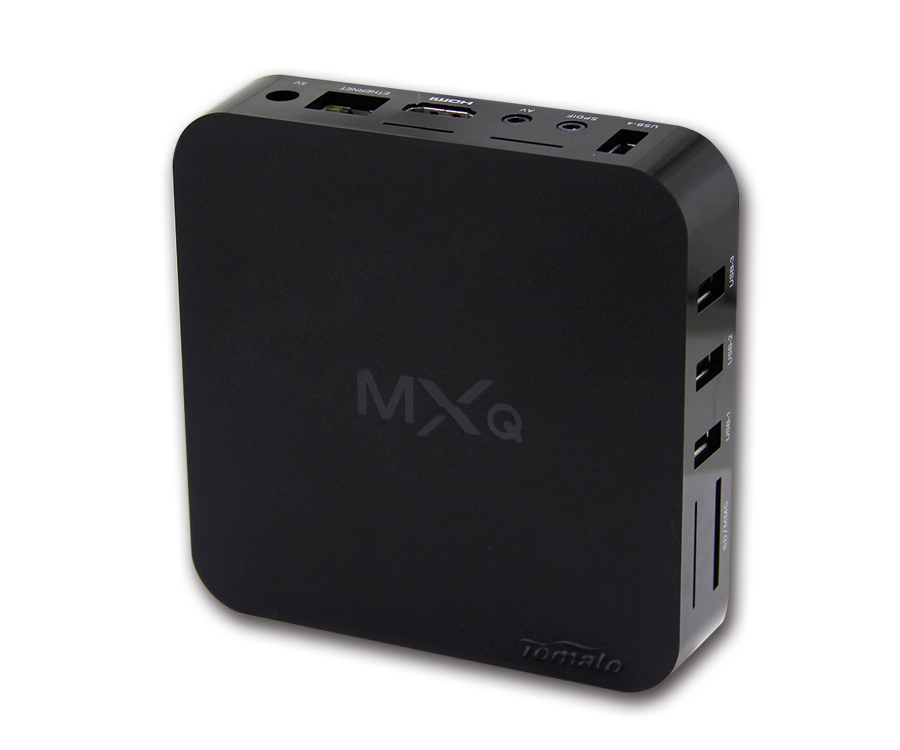
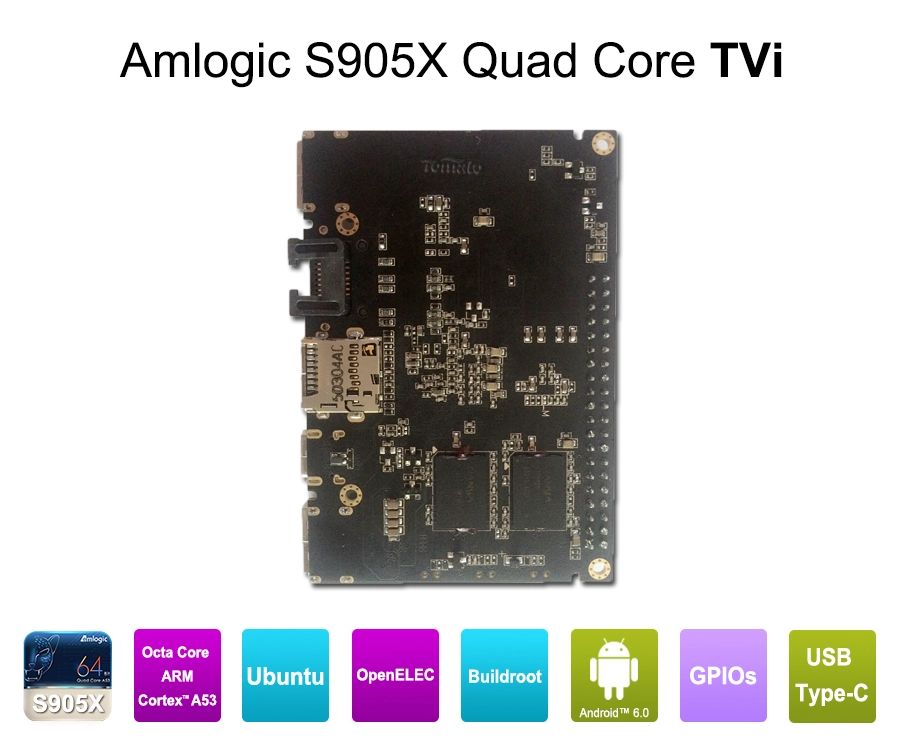
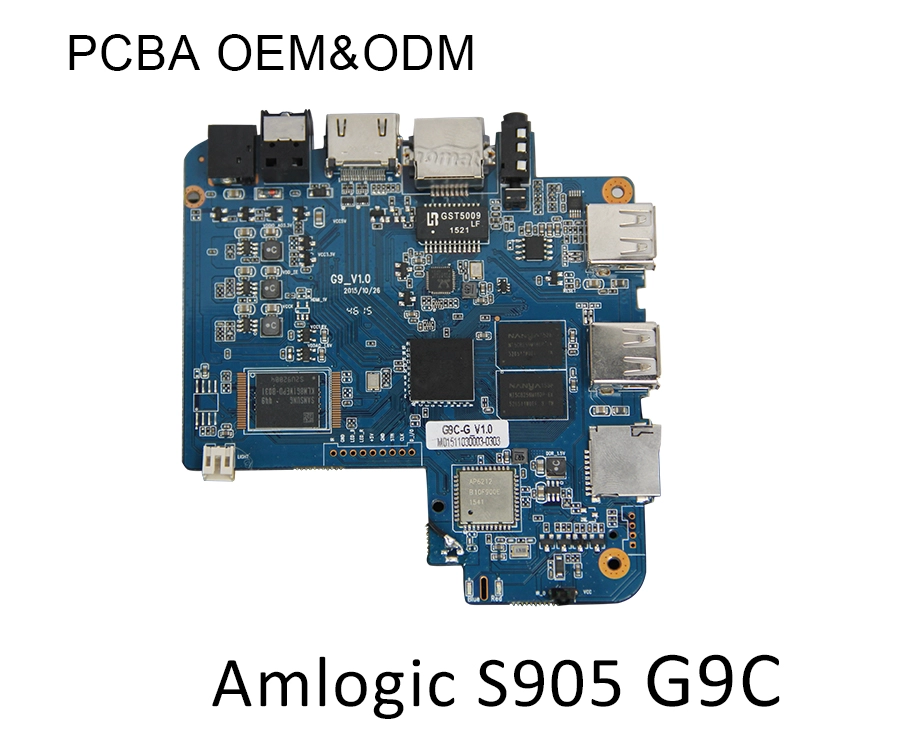
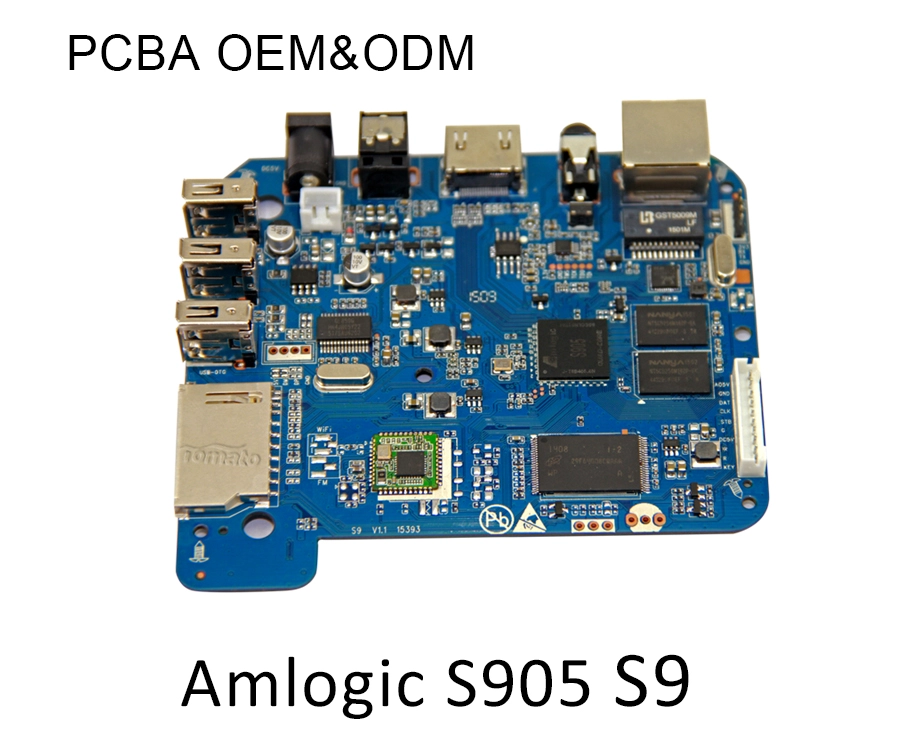
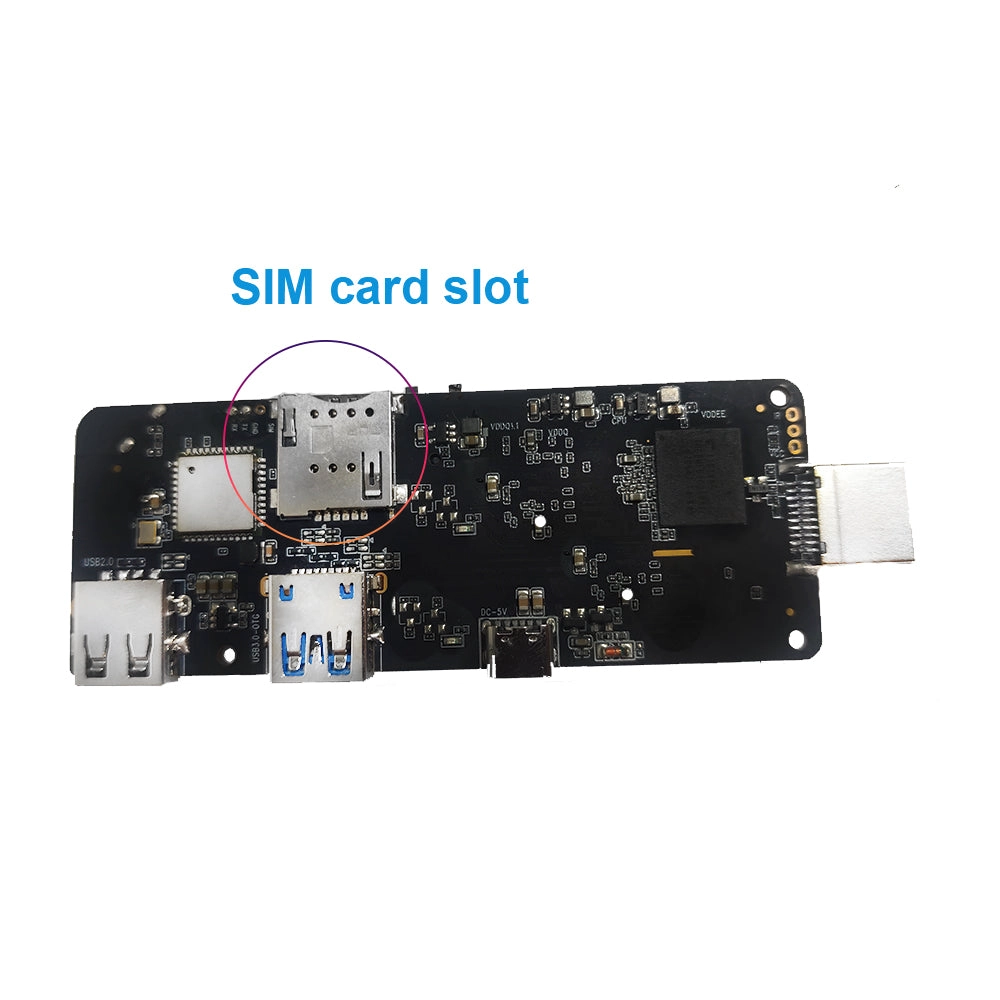
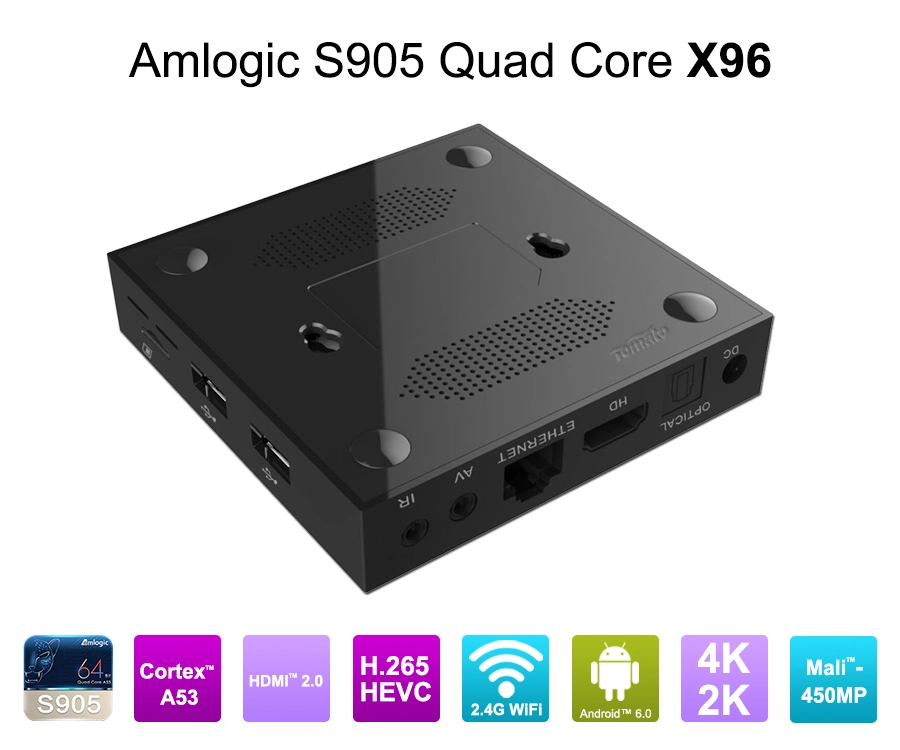
At its core, a Mini PC is a fully functional computer designed in a small, space-saving chassis. Unlike traditional laptops, it lacks a built-in screen or battery, and unlike massive towers, it utilizes high-density PCBA designs to pack a CPU, RAM, and storage into a footprint often no larger than a book.
Technically, a modern Mini PC leverages mobile or low-power desktop architectures (such as Intel® Core™, AMD Ryzen™, or ARM-based SoCs) to provide a balance between thermal efficiency and raw processing power. For B2B applications, this means you can deploy a Mini PC in environments where space is a premium without sacrificing the ability to run complex software or handle 4K multi-display outputs.
Key Business Applications: Why the Shift is Happening
The versatility of the Mini PC lies in its adaptability. We are seeing a massive surge in demand across several key verticals:
-
Digital Signage & Kiosks: Their small size allows them to be mounted directly behind displays via VESA mounts, providing a discrete but powerful engine for high-resolution content.
-
Enterprise Office Workstations: By deploying a Mini PC, companies reduce their energy footprint and reclaim valuable desk space while maintaining a dual-monitor setup.
-
Industrial Control & IoT: Many specialized Mini PC units are designed with fanless cooling systems, making them ideal for dusty or harsh industrial environments where mechanical reliability is paramount.
Scalability and Technical Reliability
For a professional Mini PC, reliability is determined by its thermal management and I/O flexibility. High-quality units must support a variety of ports, including HDMI 2.1, USB-C (Thunderbolt), and dual Gigabit Ethernet for secure networking. As a B2B buyer, ensuring that your Mini PC inventory can handle 24/7 operation is the difference between a successful deployment and high maintenance costs.
The Strategic Advantage: Customization for B2B Success
In the global distribution market, "off-the-shelf" hardware often fails to meet the specific security or branding needs of a corporate client. This is where the hardware-software synergy of a specialized manufacturer becomes vital.
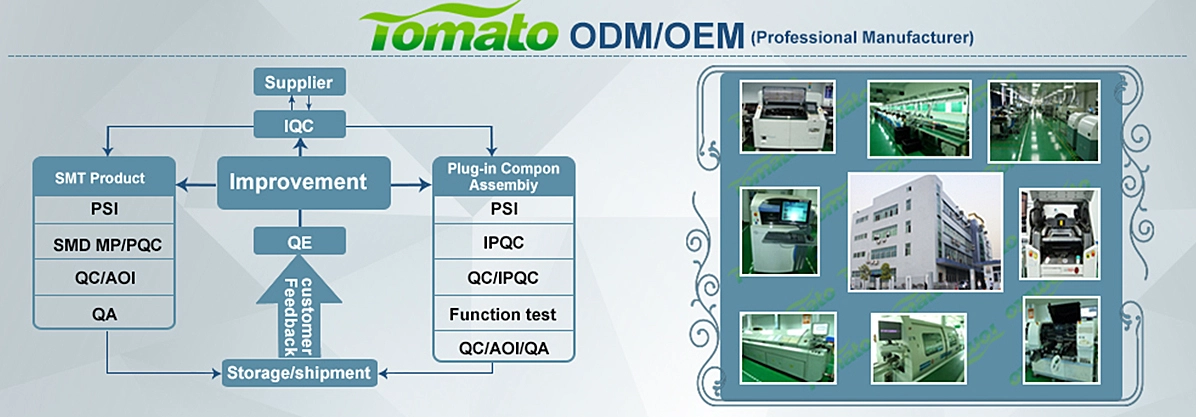
SZTomato Company supports deep customization (OEM/ODM) for our entire Mini PC lineup. We understand that your project might require a unique technical edge. Our engineering team can help you customize:
-
Hardware Specifications: Tailoring the RAM, storage capacity, and even processor selection to hit specific price-to-performance targets.
-
Industrial Branding: Providing bespoke casing designs, silk-screened corporate logos, and customized packaging to ensure the Mini PC reflects your brand’s professional identity.
Final Thoughts for Procurement Experts
Choosing the right Mini PC is about more than just comparing specs; it’s about finding a platform that grows with your business needs. At SZTomato, we combine cutting-edge technology with flexible manufacturing to deliver Mini PC solutions that pass rigorous stability tests, ensuring your business stays powered in an increasingly compact world.
