
What is the Best Streaming Media Player?
What is the Best Streaming Media Player for Enterprise Integration?
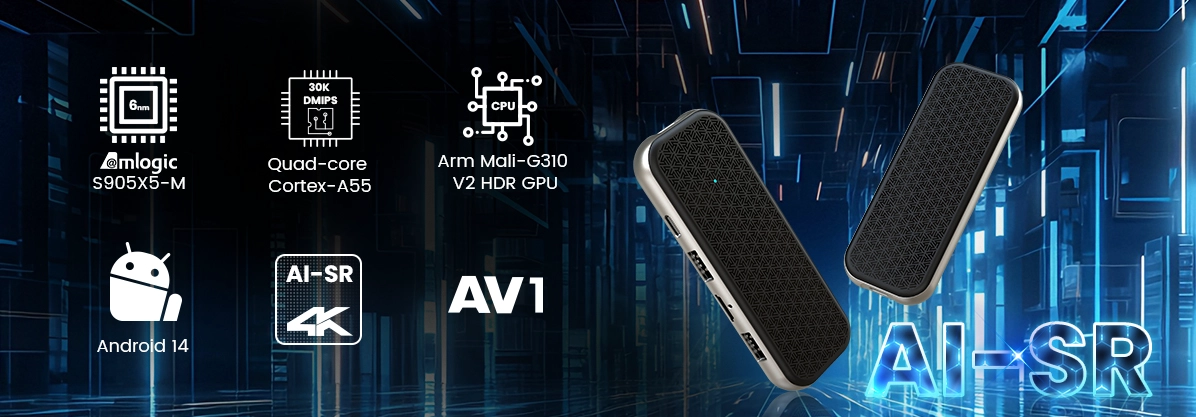
The widespread transition to the AV1 codec and the emergence of 8K-capable SoC architectures, such as the Amlogic S928X, have fundamentally shifted the criteria for what constitutes the "best" streaming media player. For B-Suite decision-makers and system integrators, the answer does not lie in consumer-facing features like remote voice control or glossy retail interfaces. Instead, the benchmark for excellence is defined by hardware resiliency, firmware-level transparency, and the ability to execute sustained, high-bitrate processing without thermal throttling.
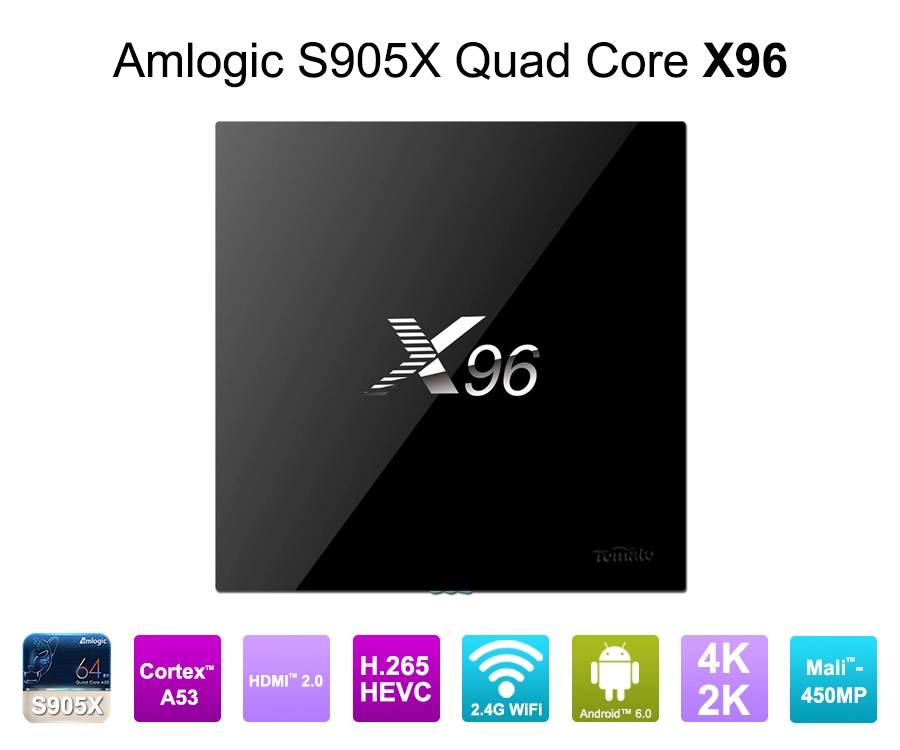
In professional environments—ranging from IPTV headends to global digital signage networks—the best player is one that functions as a highly programmable, ruggedized endpoint rather than a locked-down consumer appliance.
Technical Architecture: SoC Selection and AV1 Efficiency
The efficiency of a streaming media player is dictated by its System on Chip (SoC) and its native support for modern compression standards. With YouTube and Netflix mandating AV1 support for high-resolution streams, players lacking dedicated hardware-level AV1 decoding are obsolete for new deployments.
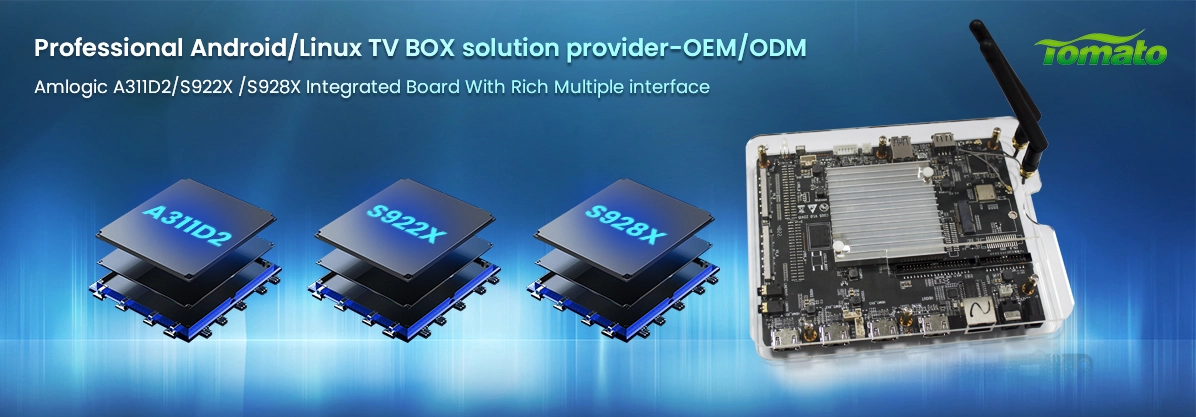
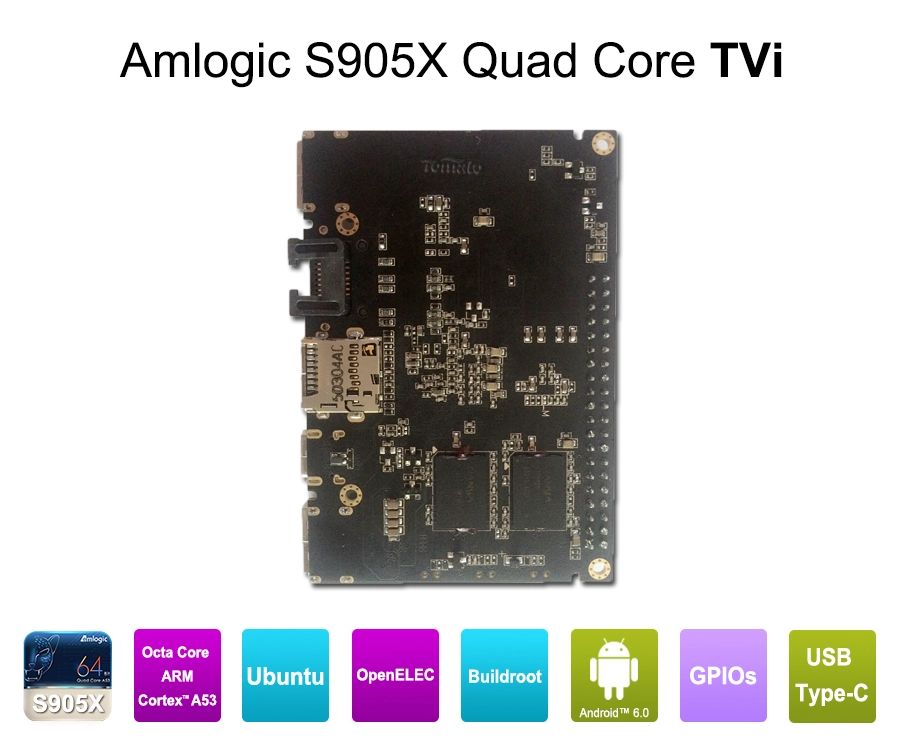
The Amlogic S928X series has emerged as the industrial standard, offering a robust Cortex-A76 and Cortex-A55 big.LITTLE architecture. This configuration provides the computational overhead necessary for simultaneous 8K playback and background telemetry tasks. At SZTomato, we leverage these SoCs to ensure that the device doesn't just play content, but manages multi-threaded applications without frame drops. For system integrators, this means the capability to run complex data overlays on top of 4K60 video streams—a requirement for advanced digital signage and real-time information displays.
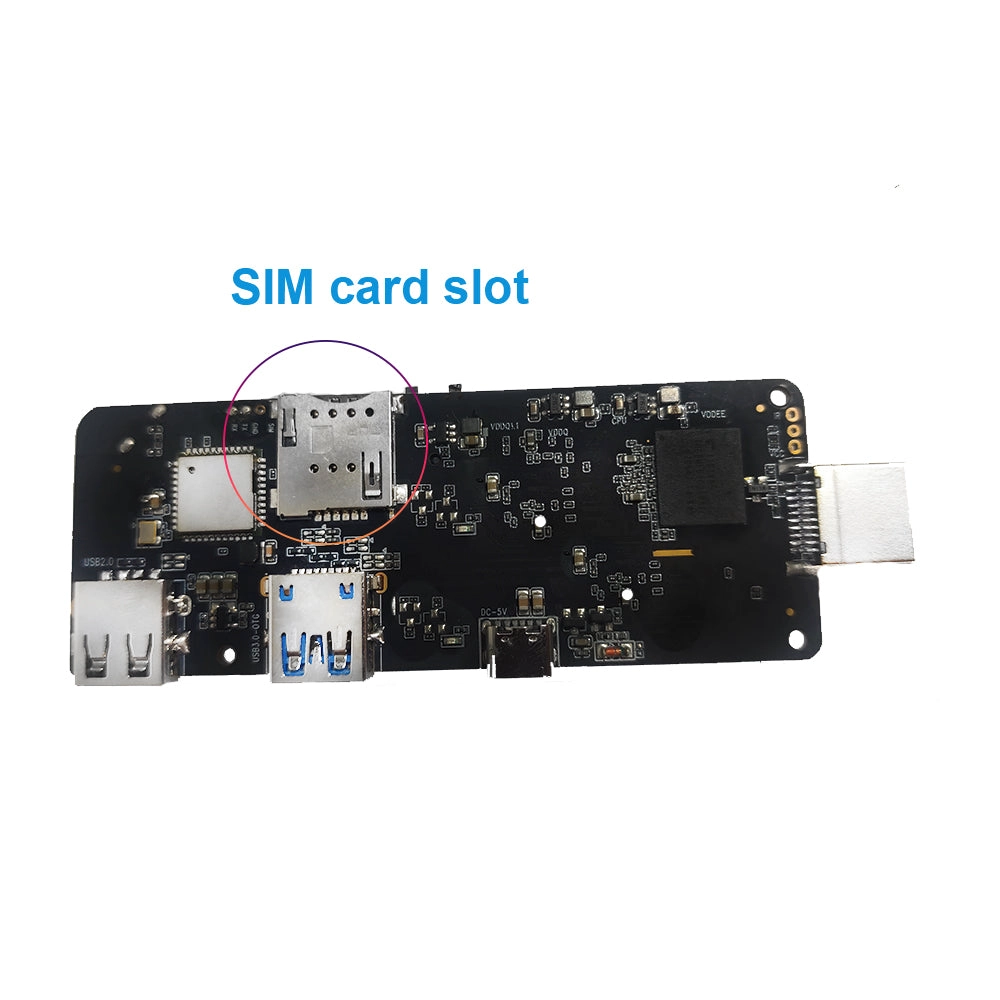
PCBA Modification and Thermal Management
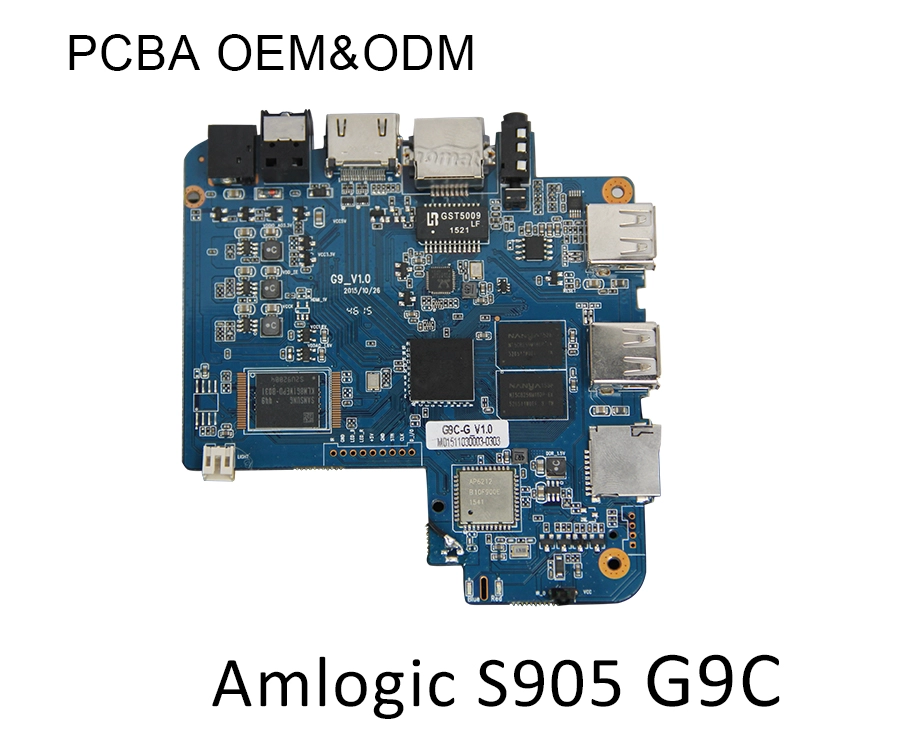
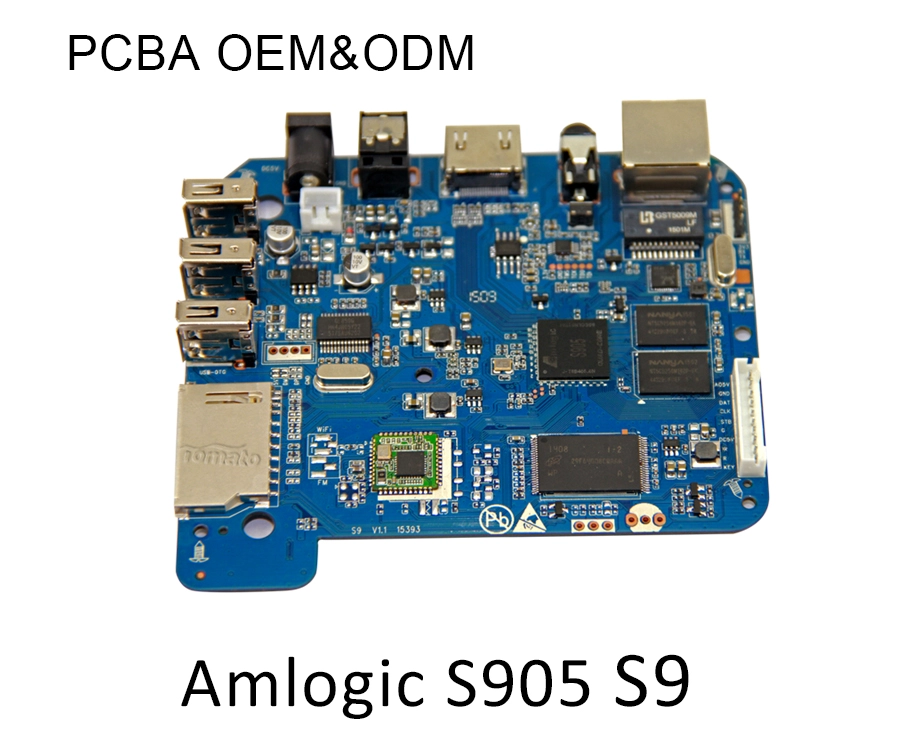
Retail streaming players are engineered for intermittent use in residential environments. In contrast, B2B deployments demand 24/7/365 uptime. The "best" player must feature a modified PCBA (Printed Circuit Board Assembly) layout optimized for heat dissipation.
Industrial customization involves:
-
Specialized Cooling: Replacing standard thin-plate heat sinks with custom-extruded aluminum thermal blocks that interface directly with the SoC and eMMC.
-
Power Stability: Modifying the PCBA to include high-tolerance capacitors and surge protection, ensuring the player can handle the power fluctuations common in commercial environments.
-
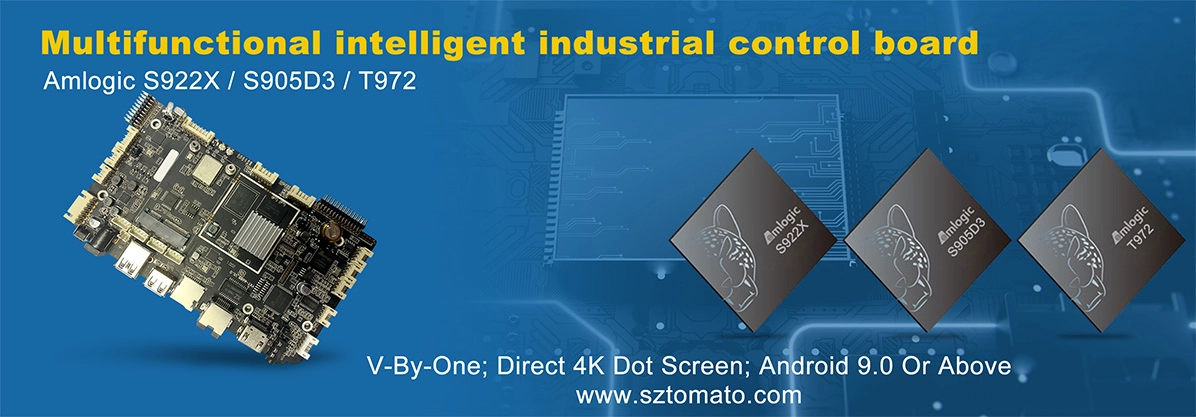
I/O Customization: Integrating specific ports such as RS232 for legacy display control, GPIO pins for interactive triggers, or Power over Ethernet (PoE) to simplify cabling in large-scale installs.
By modifying the board at the manufacturing stage, we eliminate the primary cause of field failure: heat-induced processor degradation.
Firmware-Level Control: The Necessity of SDK/API Integration
Hardware is only as effective as the kernel it runs on. For a streaming media player to be viable for professional use, it must support deep Linux or Android kernel optimization. This allows for the removal of non-essential services that trigger memory leaks and unstable uptimes.
SZTomato provides integrators with comprehensive SDK and API access, enabling:
-
Custom UI/UX Firmware: Boot-to-app functionality that hides the OS layer from the end-user.
-
Silent OTA Systems: Proprietary Over-The-Air update systems that allow network administrators to push firmware patches to specific device groups without user intervention.
-
Security Compliance: Hardware-level integration of Widevine L1 and HDCP 2.3 for secure, encrypted content delivery across closed networks.
Conclusion: Defining Value in B2B Procurement
The "best" streaming media player is not a static product; it is a flexible platform. For the system integrator, value is found in a device that offers the hardware overhead of a premium SoC combined with the granular control of custom-engineered firmware. Selecting a player based on these technical KPIs reduces the Total Cost of Ownership (TCO) by minimizing field maintenance and ensuring compatibility with the next five years of video encoding standards.
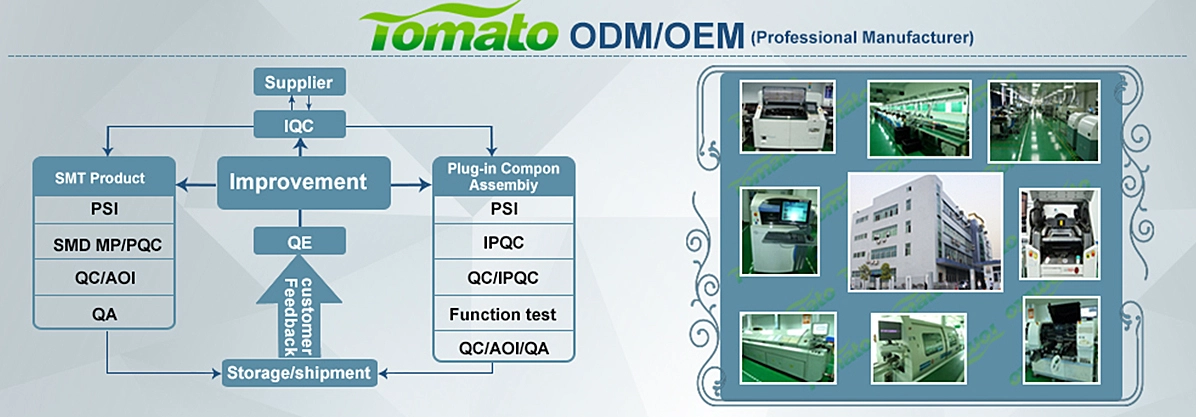
Consult with Our Engineering Team Are you scaling a digital signage network or a specialized IPTV project? Do not settle for off-the-shelf limitations. SZTomato specializes in OEM/ODM solutions that bridge the gap between high-performance silicon and industrial-grade reliability. Contact us today to discuss your PCBA layout requirements, custom firmware needs, and Amlogic-based hardware configurations.
