
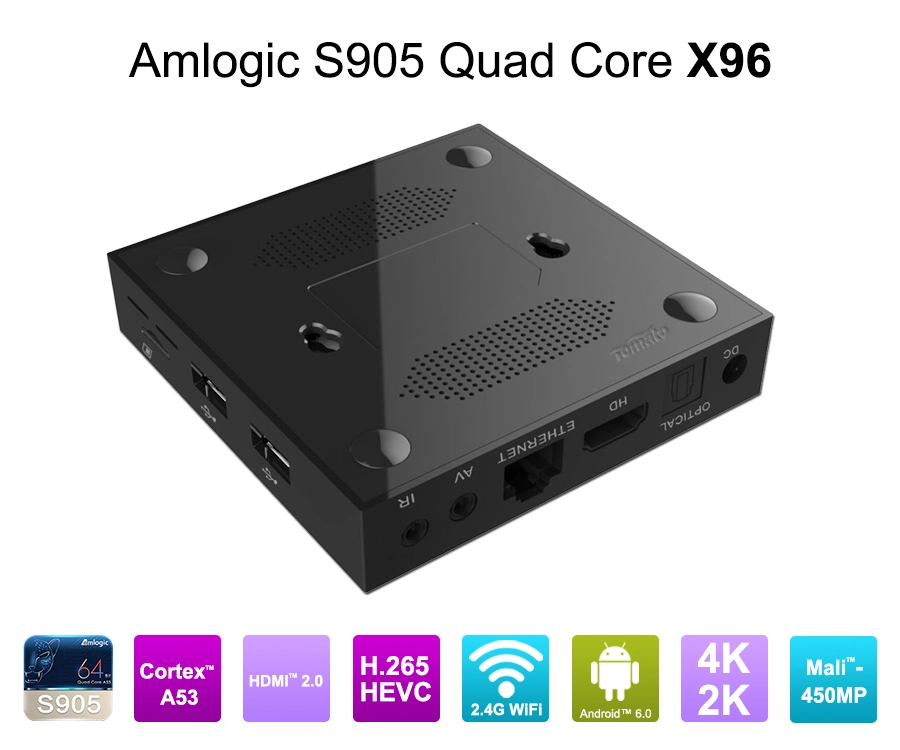
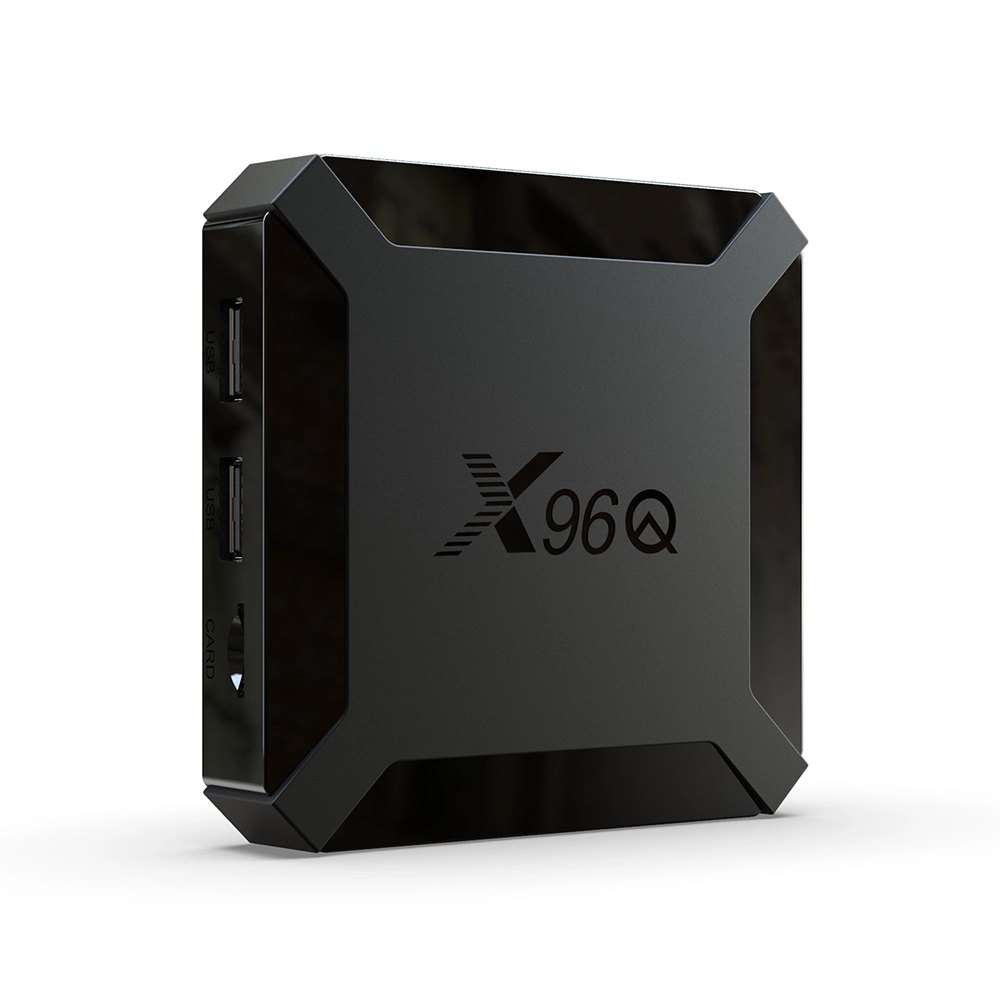
What is the Set-Top Box (STB) that gets all the channels?
Unlocking Global Content: Architecting the Set-Top Box (STB) That Gets All Channels
The transition from legacy RF broadcast to fragmented OTT IP delivery has introduced a persistent bottleneck for commercial integrators. Operators and hardware distributors frequently ask: What is the Set-Top Box (STB) that gets all the channels?
The technical reality is that universal channel access is not a retail product; it is an architectural configuration. Consumer-grade devices (like Apple TV or standard Roku units) are deliberately restricted by walled-garden operating systems designed to prioritize partner content. Achieving universal access—pulling in disparate global IPTV streams, localized VOD servers, and commercial middleware—requires decoupled hardware, open-source firmware, and specific SoC capabilities designed to parse unrestricted IP streams.
1. Protocol-Agnostic Firmware and Middleware Integration
The defining feature of a "fully unlocked" STB is its ability to bypass retail app stores and communicate directly with independent IPTV middleware platforms (such as Stalker, Ministra, or custom Xtream UI panels).
To achieve this, the device must run on an unrestrictive OS, typically an optimized build of the Android Open Source Project (AOSP). This firmware approach allows operators to:
-
Deploy Custom Media Players: Pre-installing dedicated APKs that parse complex M3U playlists, EPG (Electronic Program Guide) XML data, and MAC-based portal connections.
-
Enable Root Access: Granting system-level permissions required to lock the STB into a "Kiosk Mode," preventing end-users from altering network settings or uninstalling the primary IPTV delivery application.
-
Manage DRM Modularly: Integrating Widevine L1/L3 DRM keys and HDCP encryption specifically tailored to the operator’s legitimate stream sources, ensuring high-definition decryption without relying on consumer-tier certifications that lock down the UI.
2. Silicon Selection: AV1 Decoding and Network Throughput
A STB that accesses thousands of global channels will encounter wildly varying video codecs and fluctuating bandwidth constraints. Relying on outdated processing architectures guarantees high latency and stream buffering.
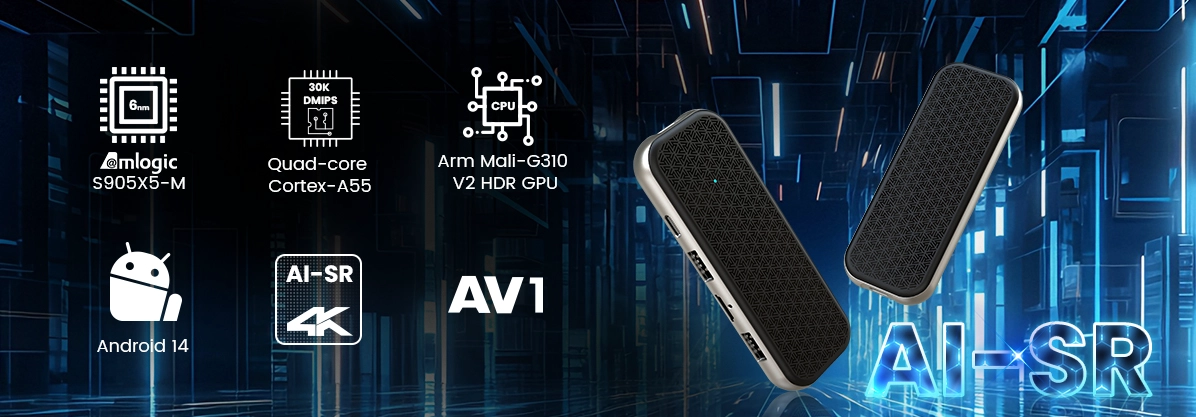
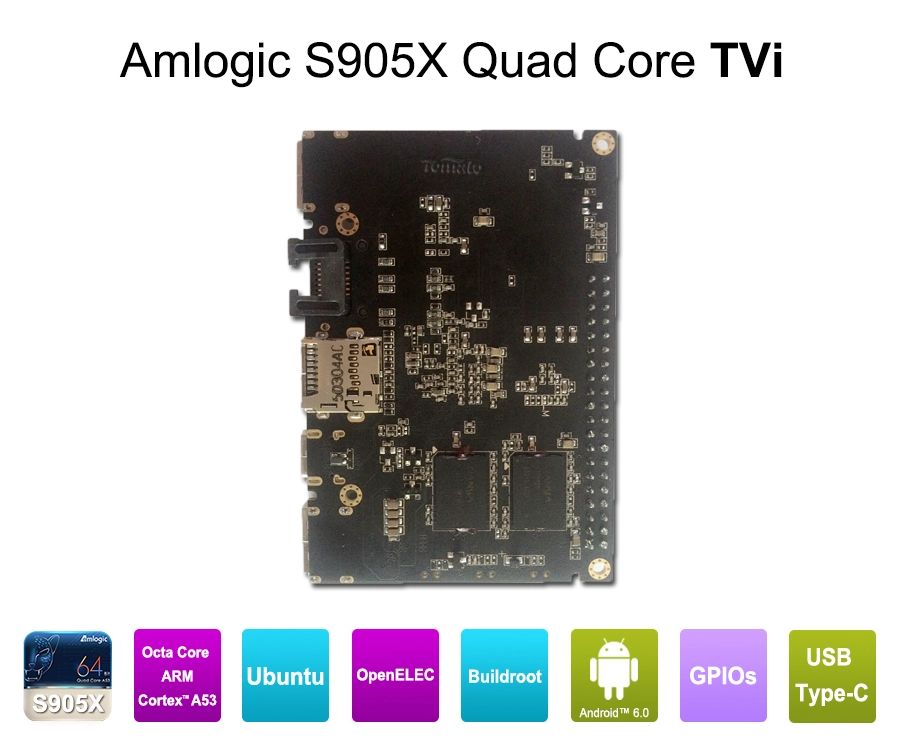
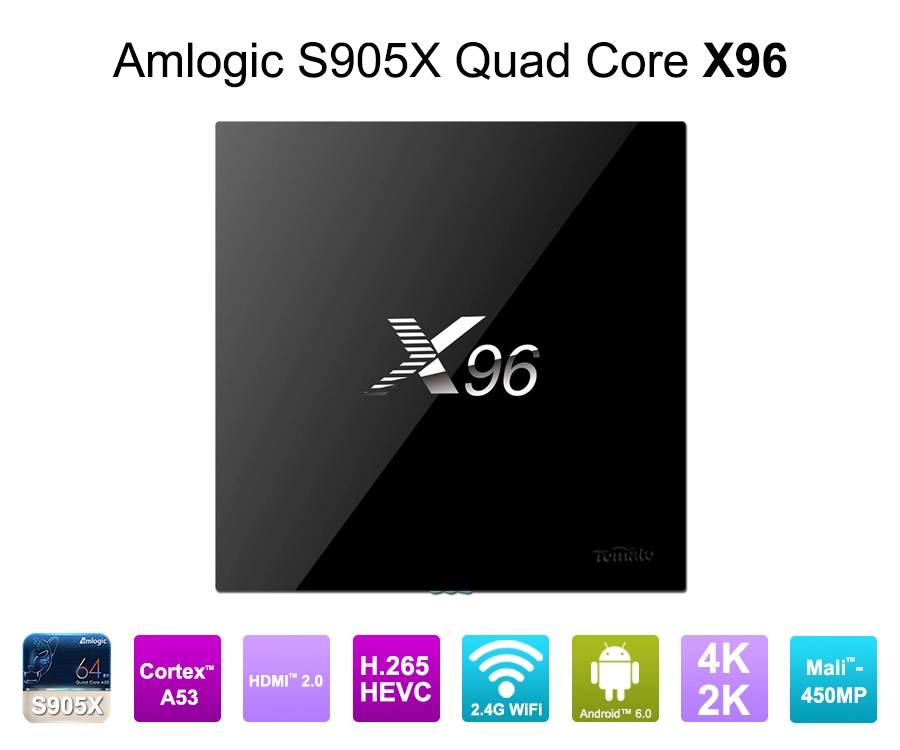
For professional deployments, engineering must start with a robust System on Chip (SoC), such as the Amlogic S905X4 or its industrial equivalents.
-
Hardware-Level AV1 Decoding: AV1 offers a 30% better compression rate than H.265/HEVC. Native AV1 hardware decoding on the STB drastically reduces the server-side bandwidth required to deliver 4K channels, lowering operational expenditures for the ISP or OTT provider.
-
MIMO Wi-Fi 6 & Gigabit Ethernet: Live multicast IP video is highly sensitive to packet loss. Integrating Wi-Fi 6 modules (802.11ax) with physical Gigabit LAN ports ensures the internal data pipeline handles high-bitrate 4K streams without thermal throttling the SoC.
3. PCBA Layout and OEM Customization
When deploying hardware at scale for hospitality networks or regional telecom operators, a generic plastic box is insufficient. The hardware must be physically and electronically molded to the deployment environment.
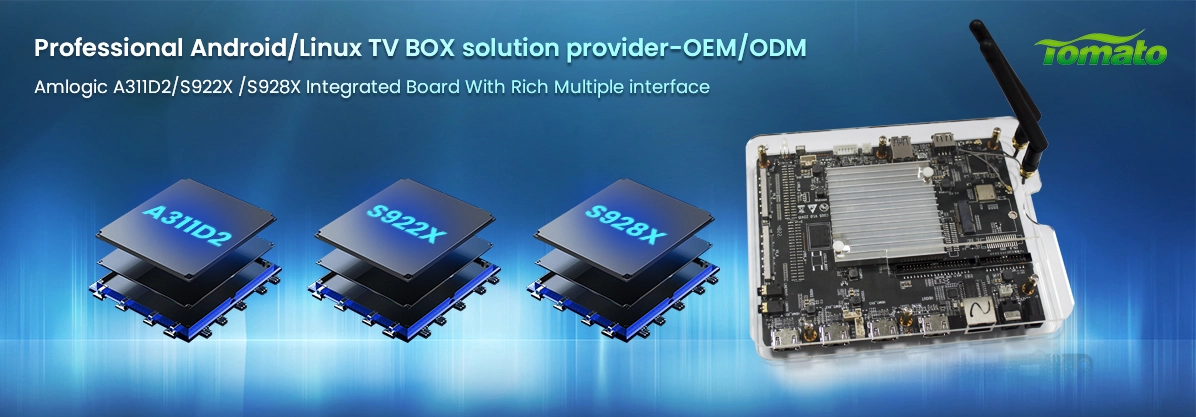
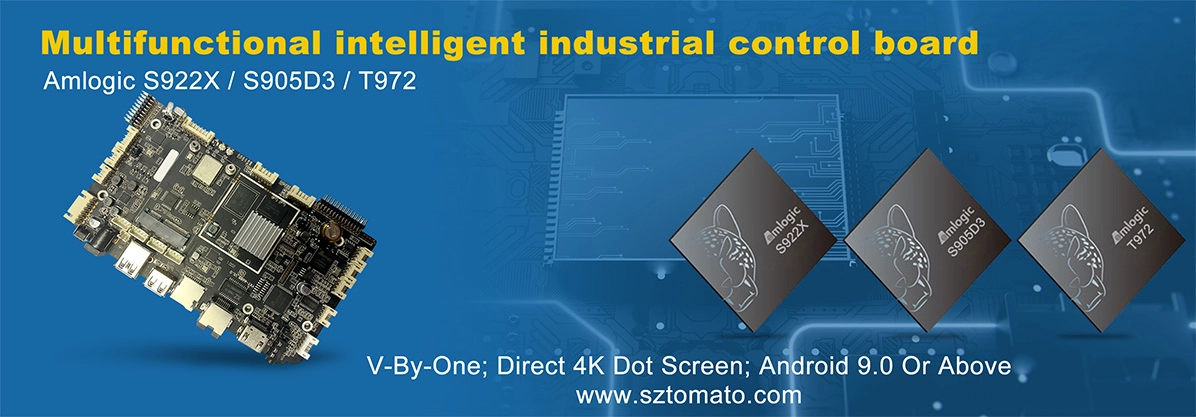
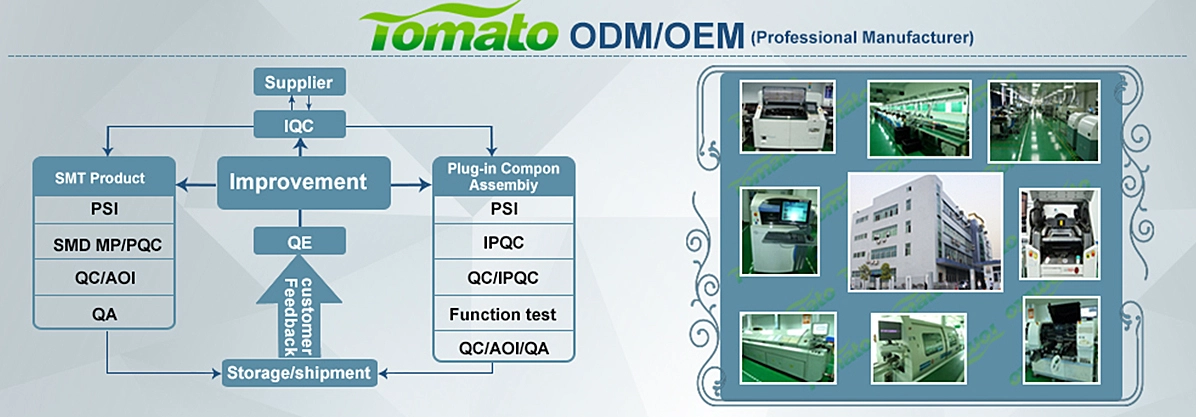
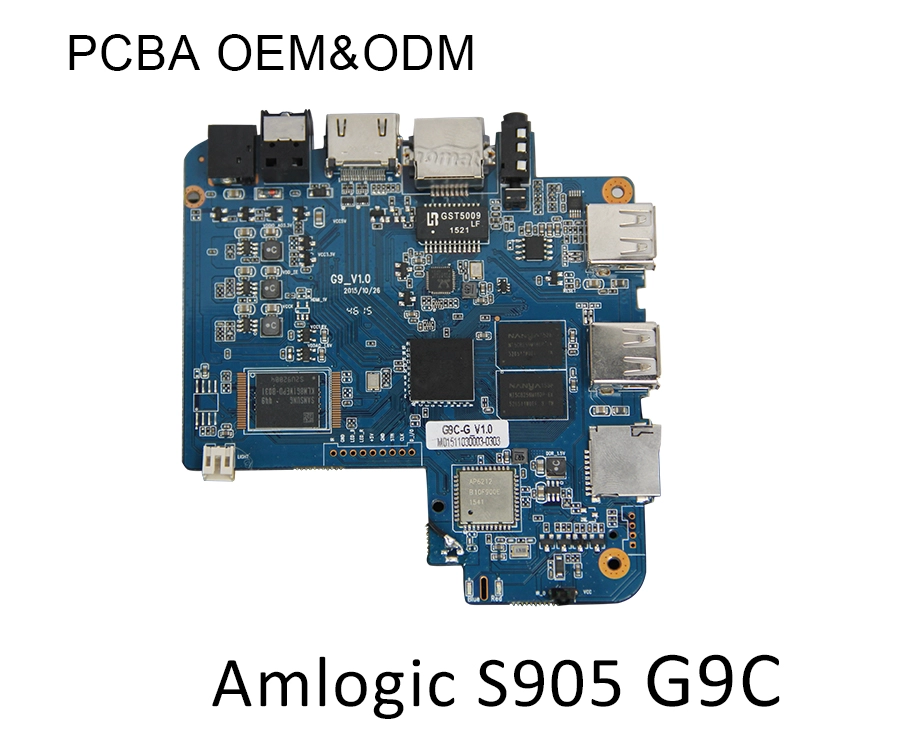
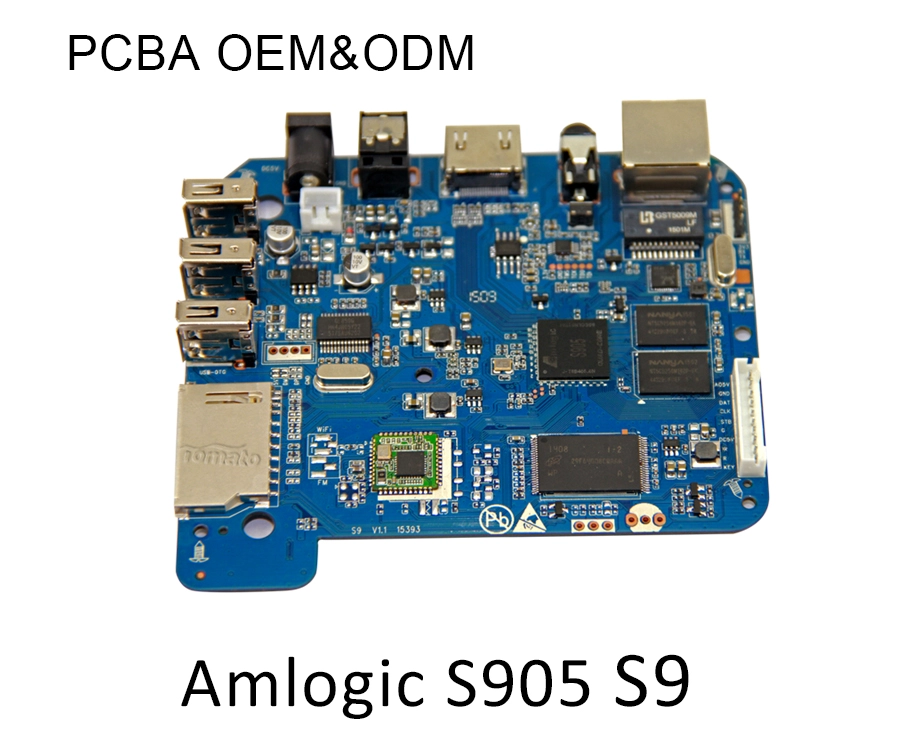
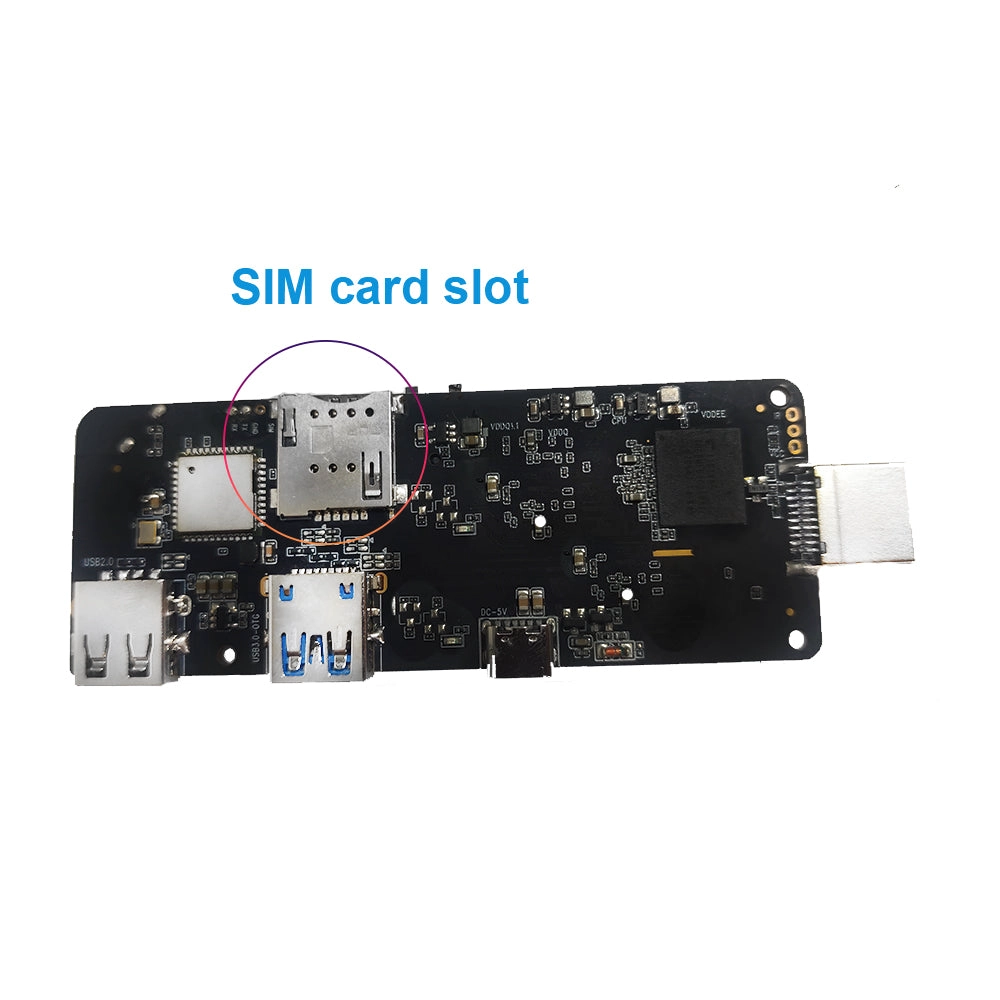
This requires deep PCBA (Printed Circuit Board Assembly) engineering. For instance, commercial deployments often require hardware-level modifications that retail boxes lack, such as integrating physical RS232 ports for legacy control systems, adding hardware watchdogs for automated reboot protocols, or utilizing specialized IR/Bluetooth receivers. A capable OEM/ODM partner like SZTomato executes these hardware modifications alongside deep Linux/Android kernel optimization. Furthermore, controlling the hardware design allows for the implementation of proprietary OTA (Over-the-Air) update systems, enabling operators to push firmware patches to thousands of MAC addresses simultaneously without user intervention.
4. Total Lifecycle Control
Ultimately, the "best" STB for unrestricted channel access is one where the B2B operator owns the entire deployment lifecycle. By specifying the PCBA layout, dictating the firmware parameters, and utilizing unbranded or custom-packaged hardware, distributors shield their client base from consumer tech obsolescence cycles and forced firmware updates that break third-party IPTV applications.
Secure Your Deployment Hardware
Building a reliable, unrestricted streaming network requires hardware engineered for the task. If your deployment demands specific SoC integration, customized AOSP firmware, or specialized PCBA layouts to interface with your IPTV middleware, consumer retail hardware will fail.
Contact the engineering team at SZTomato to discuss your specific OEM/ODM requirements and architect a Set-Top Box solution built for your operational scale.