

What is the Set-Top Box in IPTV?
As IPTV (Internet Protocol Television) rapidly reshapes how the world watches content, one critical device continues to stand at the center of this transformation — the Set-Top Box (STB). Whether you're building an IPTV solution or considering a device for your end users, understanding the function and importance of a Set-Top Box in IPTV is essential.
What is a Set-Top Box in IPTV?
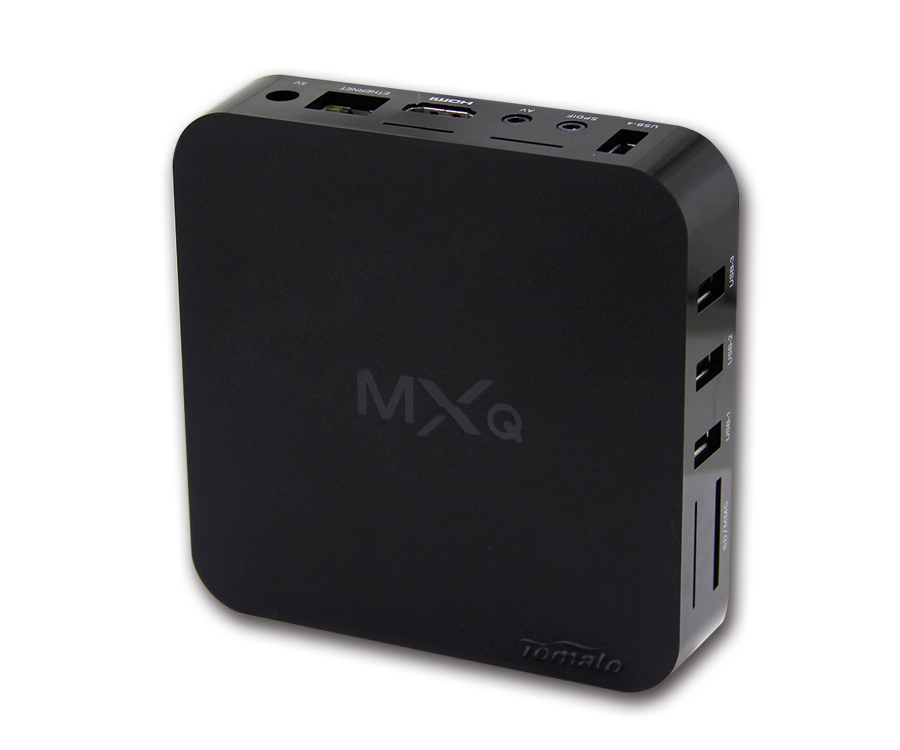
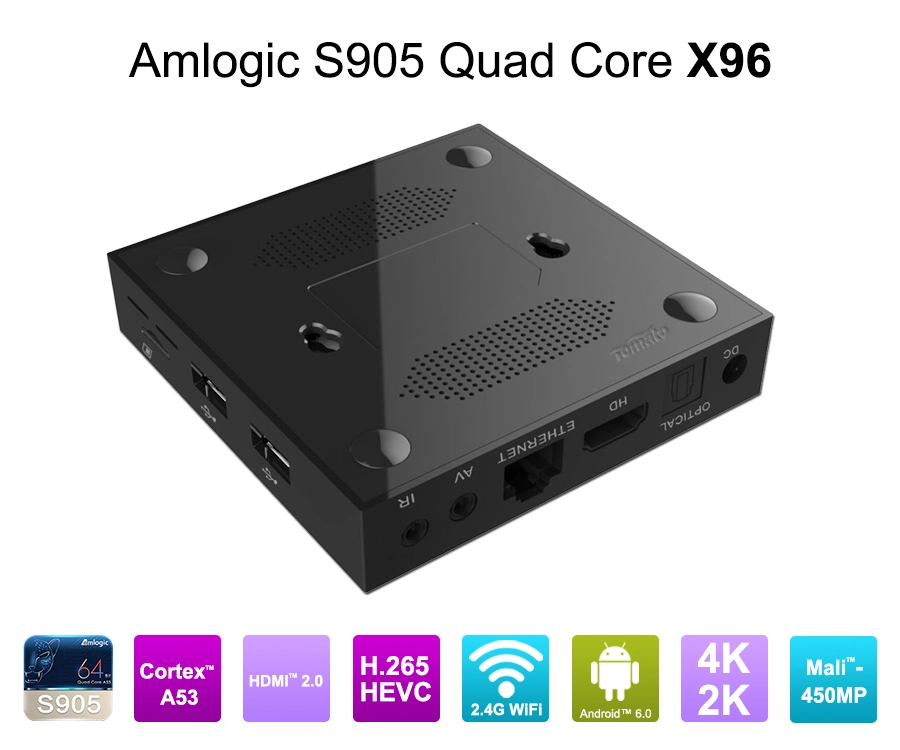
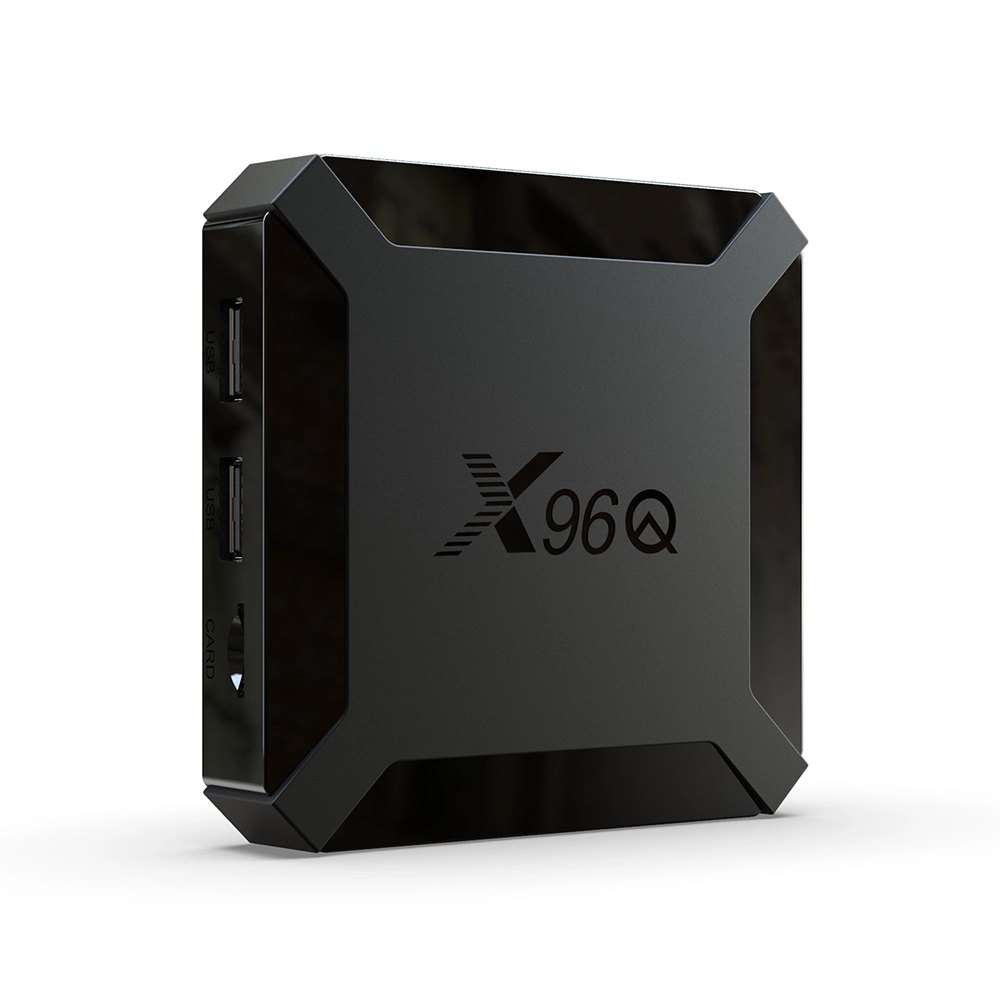
A Set-Top Box in IPTV is a hardware device that decodes and delivers digital television content streamed via IP networks to a TV or display. Unlike traditional broadcast systems like cable or satellite, IPTV relies on internet connectivity to transmit video content. The STB functions as a bridge between the internet and the display, converting data packets into high-definition video and audio that users can watch on their screens.
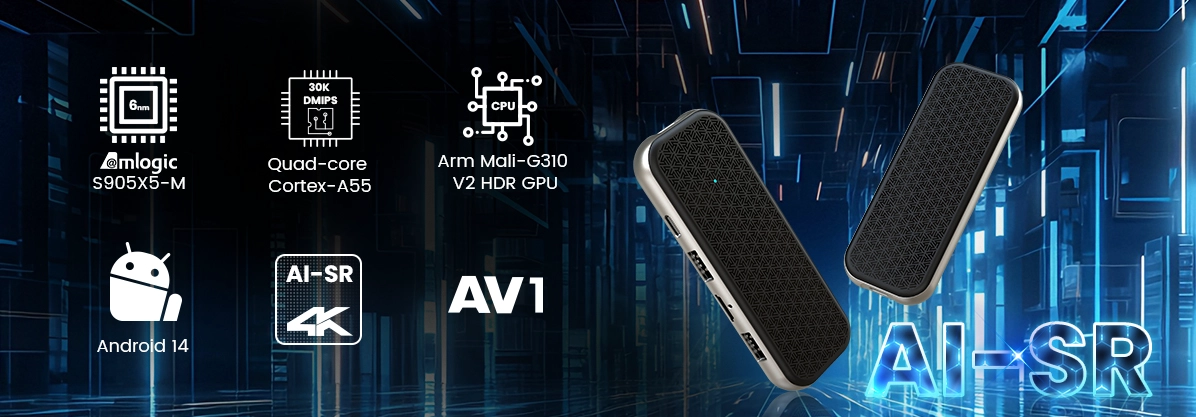
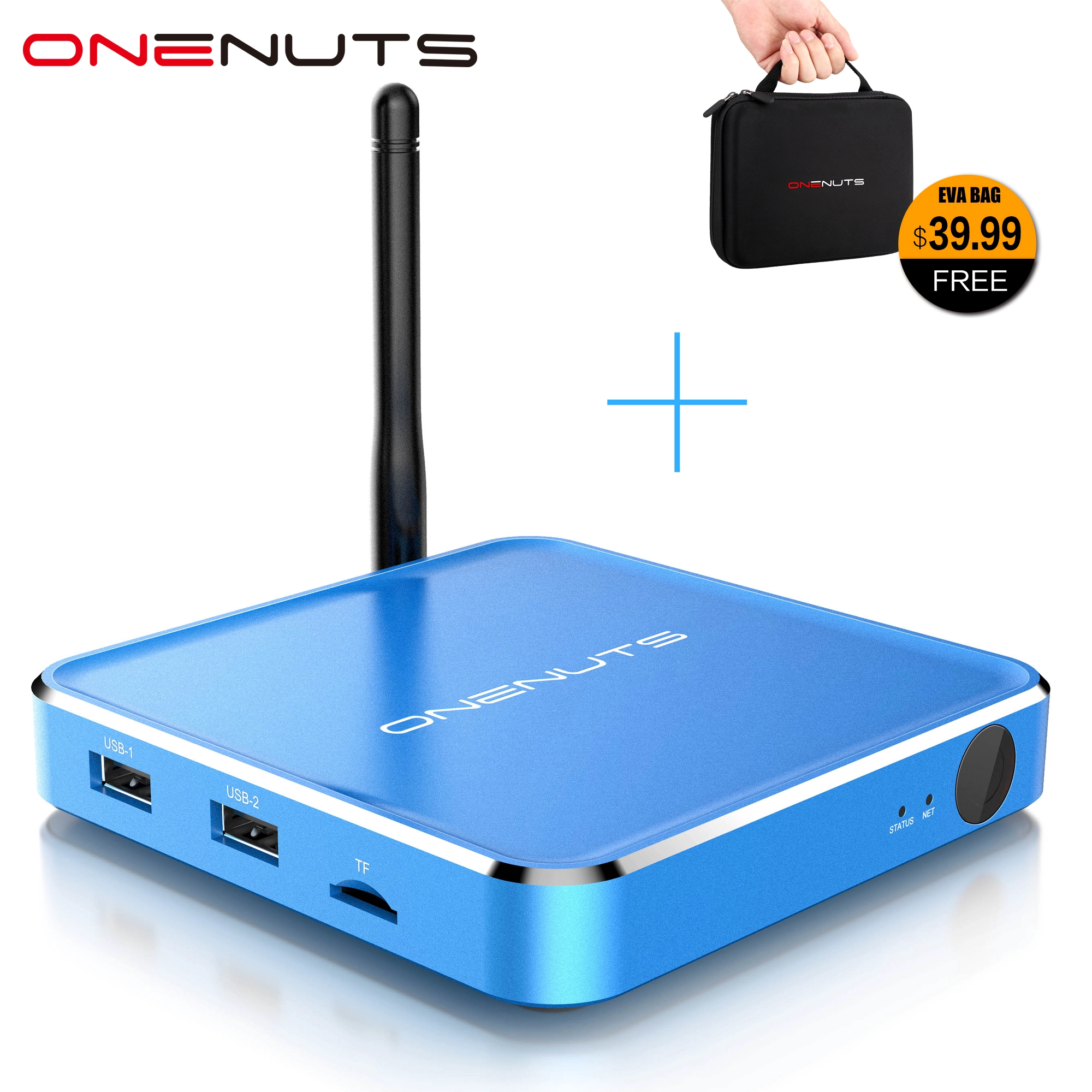
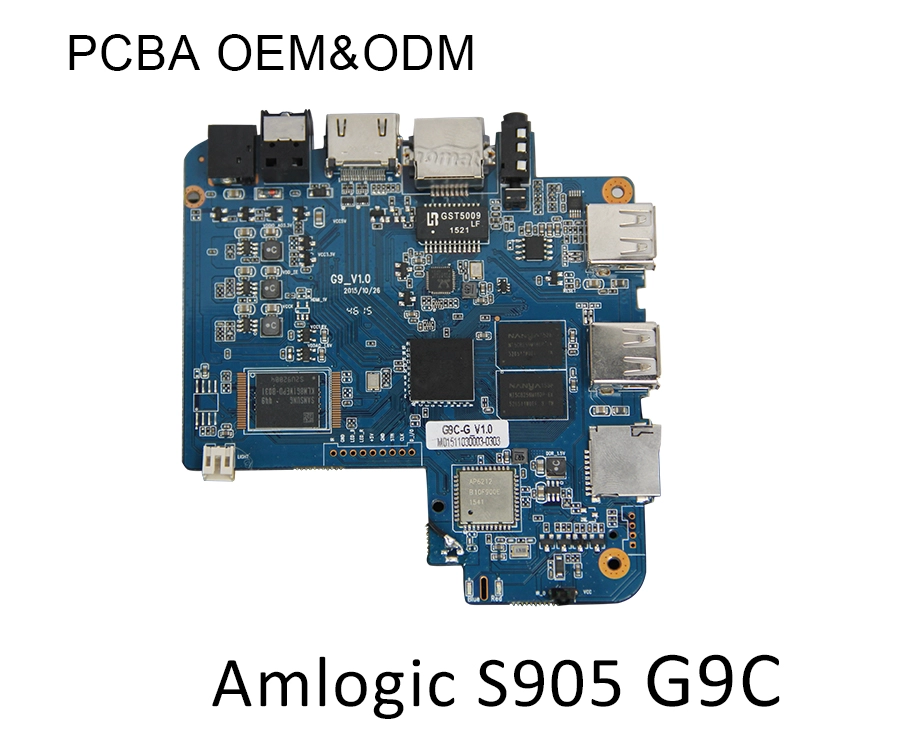
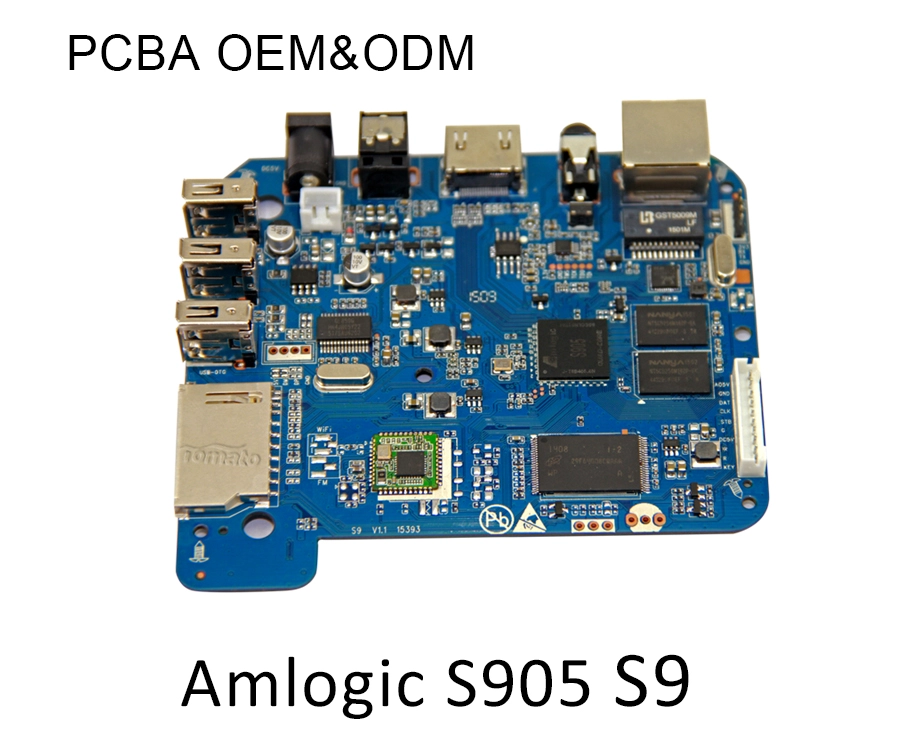
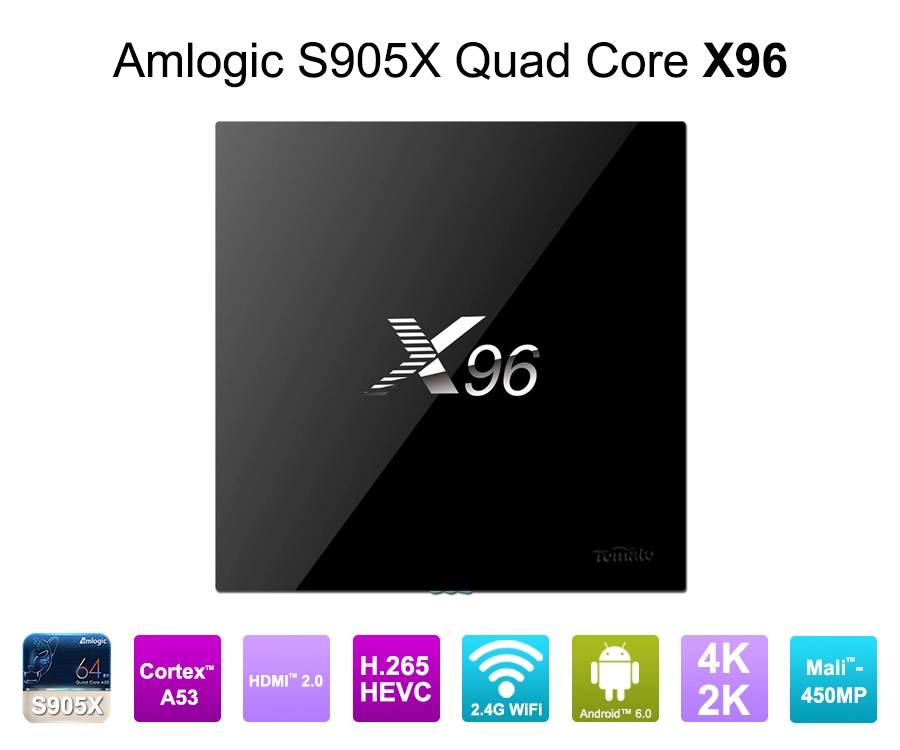
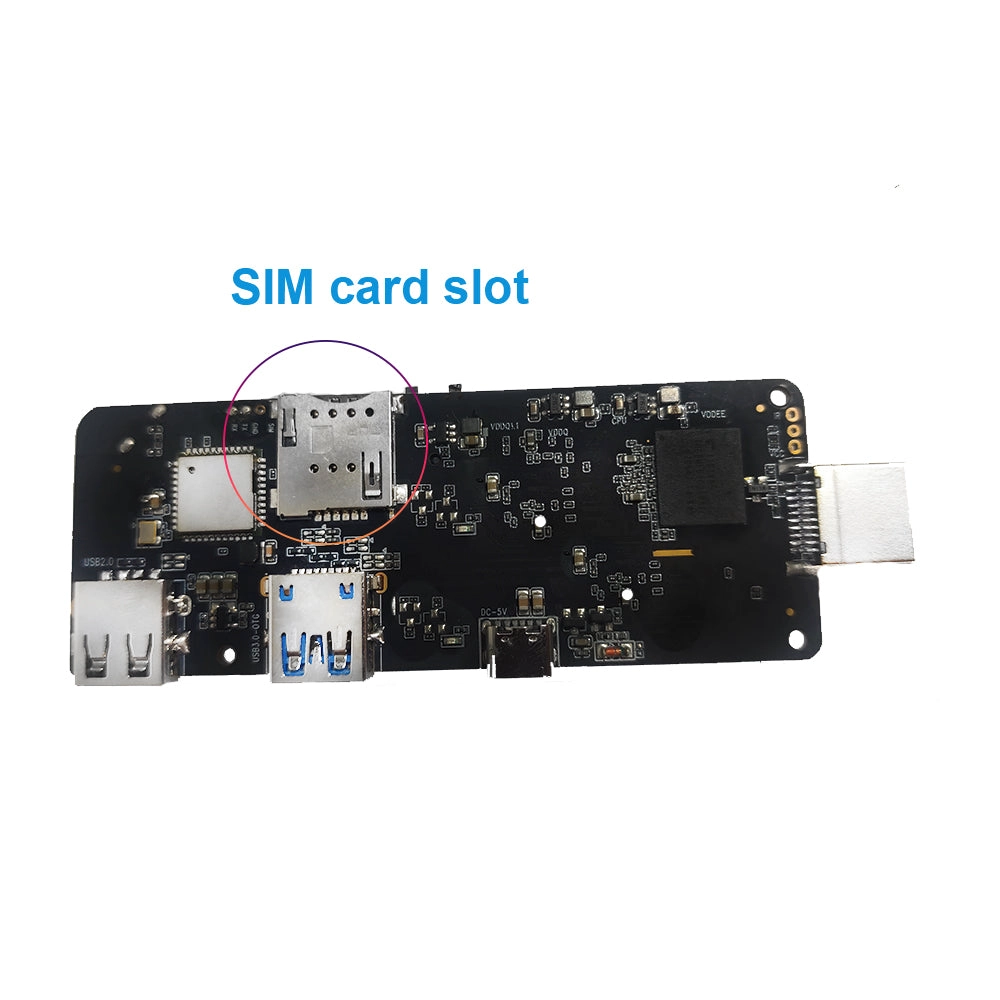
Modern IPTV Set-Top Boxes are equipped with powerful processors, memory, and connectivity modules, allowing them to support 4K streaming, voice control, Wi-Fi 6, Bluetooth, and more. They run on platforms like Android TV or Linux, giving users access to customized applications, live channels, VOD, and OTT services.
Why is the Set-Top Box Crucial for IPTV?
Smooth Content Delivery
A high-quality IPTV Set-Top Box ensures minimal buffering, reduced latency, and seamless video playback. It handles codecs like H.265/HEVC, AV1, and VP9, delivering content efficiently even on low-bandwidth connections.
Enhanced Viewing Experience
From upscaling lower-resolution content to native 4K playback, STBs elevate the visual experience. Some even integrate AI-based video enhancement or HDR support, giving viewers rich colors and sharper contrast.
Security and DRM
IPTV providers need to protect their content. STBs enable integration of DRM (Digital Rights Management) systems like Widevine or PlayReady, ensuring secure content delivery and preventing unauthorized access.
Key Features of a Modern IPTV Set-Top Box
-
High-performance SoC (System on Chip): Handles intensive video processing.
-
Dual-Band Wi-Fi / Ethernet Connectivity: Ensures stable streaming even for UHD content.
-
Custom UI/UX: Providers can offer a branded and intuitive user interface.
-
App Store Access: Allows end users to download streaming platforms, games, and utilities.
-
Remote Management: STBs can be monitored and updated remotely through cloud-based platforms.
IPTV Set-Top Box vs. OTT TV Box
While IPTV STBs are typically tied to a service provider's infrastructure and content offerings, OTT (Over-the-Top) TV boxes like Android TV Boxes are more open and used for accessing third-party streaming apps. However, a well-configured Android-based IPTV Set-Top Box can combine both IPTV and OTT functionality, making it an ideal hybrid solution.
Who Needs an IPTV Set-Top Box?
IPTV Set-Top Boxes are ideal for:
-
Operators and service providers launching managed IPTV services.
-
Hotels and hospitals needing centralized TV content distribution.
-
Enterprises with custom internal streaming or training content.
-
Consumers looking for stable and secure streaming without reliance on smart TVs.
How to Choose the Right IPTV Set-Top Box?
When selecting a Set-Top Box for IPTV, consider:
-
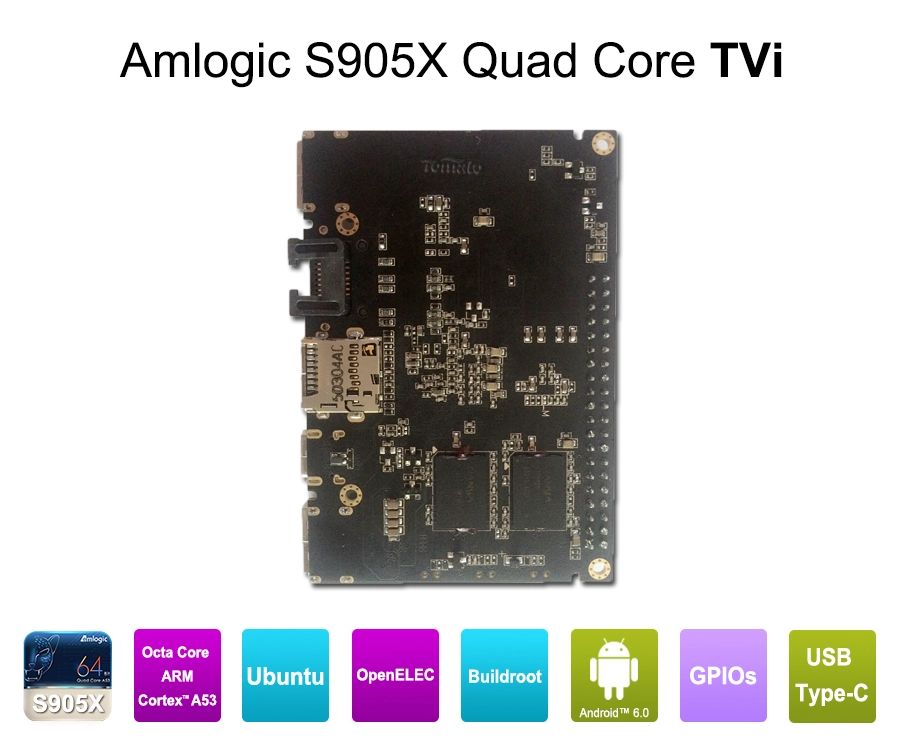
Chipset performance (e.g., Amlogic S905X5, S905Y4)
-
RAM and Storage capacity
-
OS compatibility (Android 14, Linux)
-
Connectivity options (Wi-Fi 6, Gigabit Ethernet)
-
DRM certification support
-
OTA (Over-The-Air) update functionality
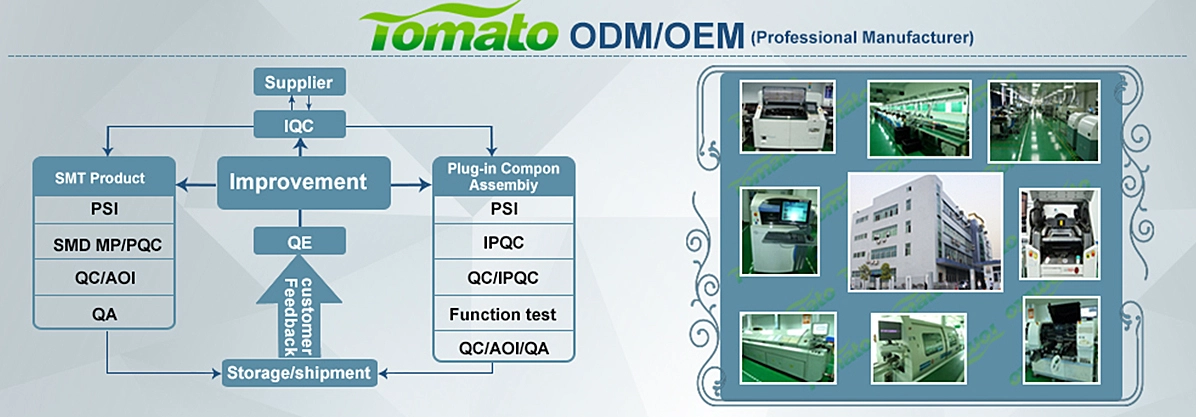
Partnering with a manufacturer like Shenzhen Tomato Technology ensures that your IPTV Set-Top Box solution is customized to your specific project requirements and aligned with industry standards.
Final Thoughts
An IPTV Set-Top Box is more than just a playback device — it's the foundation of a reliable, flexible, and secure IPTV ecosystem. Whether you're targeting mass deployment or niche industry use, choosing the right STB with modern specs and custom firmware support can give you a competitive advantage in the IPTV market.
