
What is the TV box that gets all the channels?
Engineering the Universal TV Box: Hardware and Firmware Solutions for Total Channel Aggregation
The proliferation of fragmented Over-The-Top (OTT) protocols has created a severe bandwidth and routing bottleneck for system integrators attempting to unify global media feeds. When enterprise clients or telecom operators ask for a "TV Box that gets all the channels," they are fundamentally requesting a master decryption and routing node capable of processing disparate IPTV playlists, DRM-protected streams, and uncompressed IP video simultaneously without thermal throttling.
Delivering this capability requires moving beyond consumer-grade hardware and focusing on deep Printed Circuit Board Assembly (PCBA) modifications and custom kernel compilation.
Hardware Architecture: Processing Multi-Protocol Streams
The foundation of a universal receiver is the System on Chip (SOC). Attempting to aggregate thousands of high-definition channels using legacy decoding standards results in severe frame drops and buffer saturation.
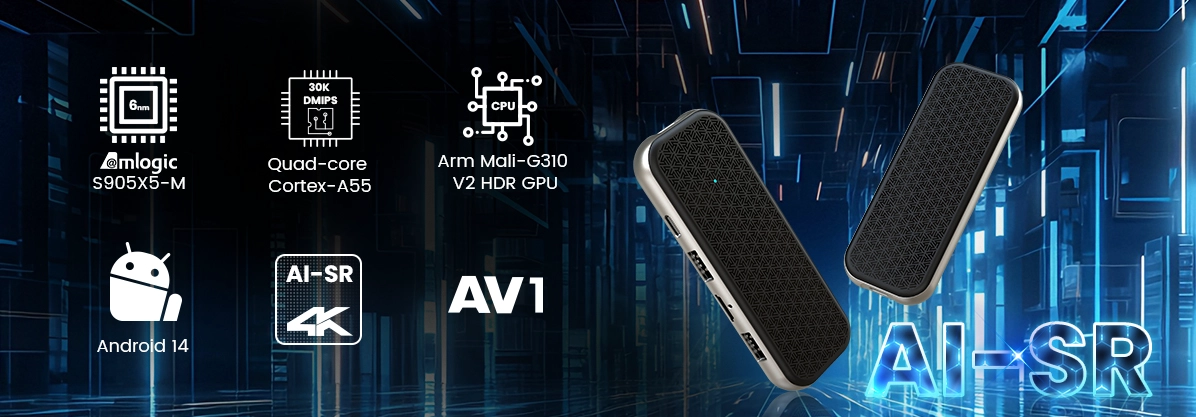
Modern deployments require architectures like the Amlogic S905X5M or Rockchip RK3588. These chipsets provide hardware-accelerated AV1 decoding, which reduces bandwidth consumption by up to 30% compared to HEVC (H.265). This efficiency is mandatory when an operator routes multiple 4K channels across variable ISP infrastructures.
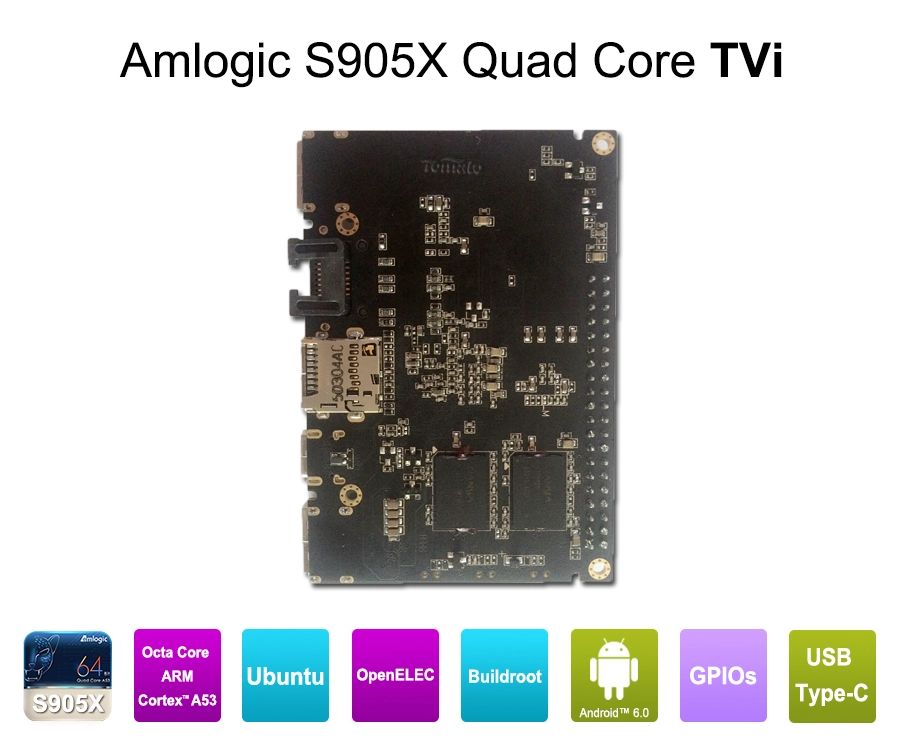
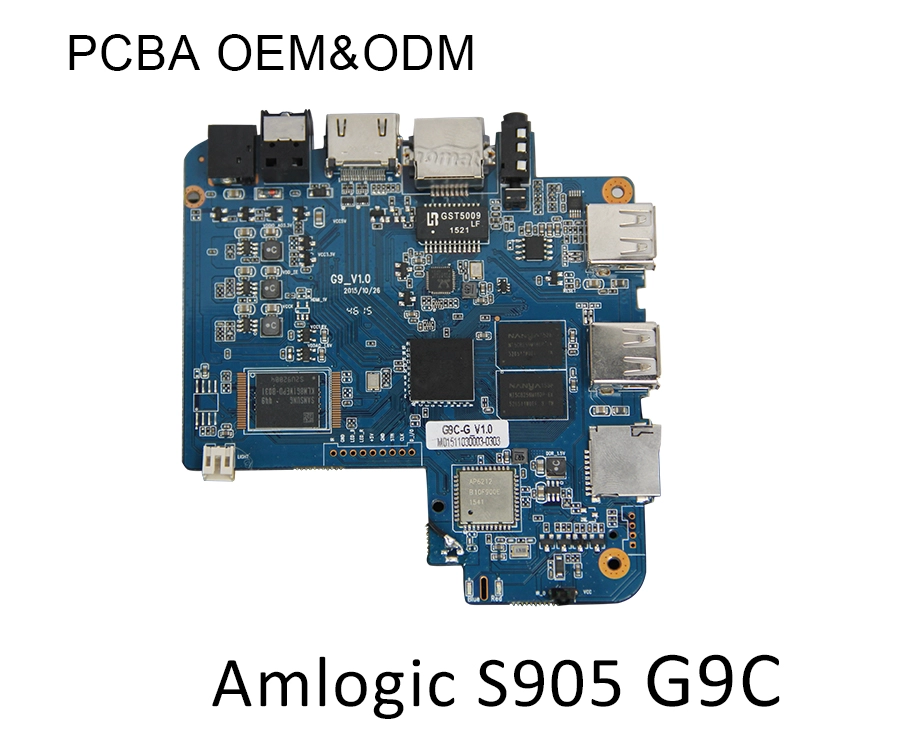
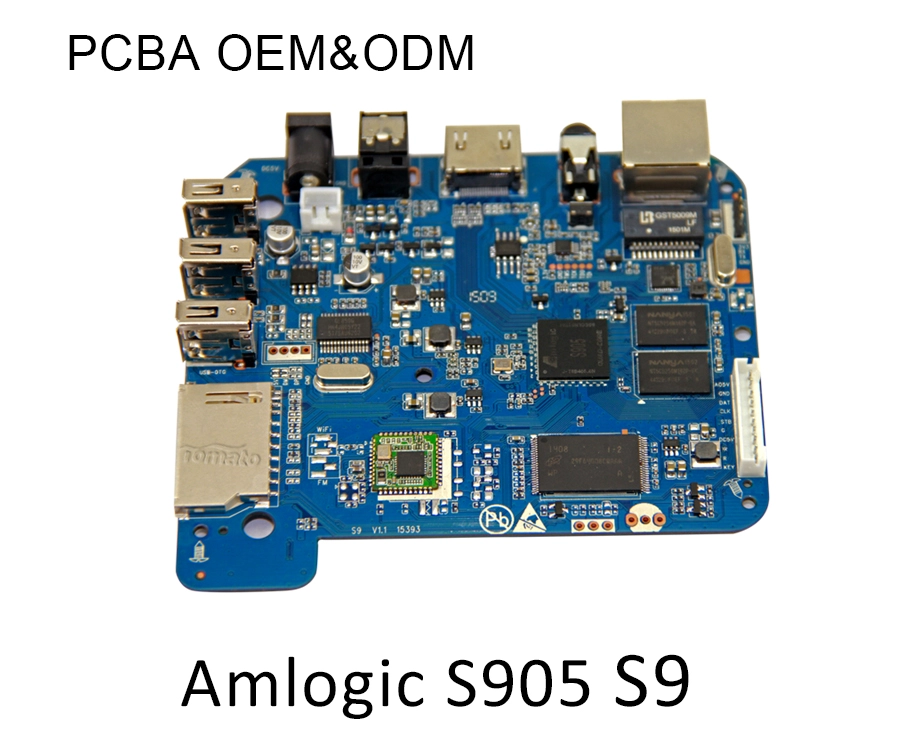
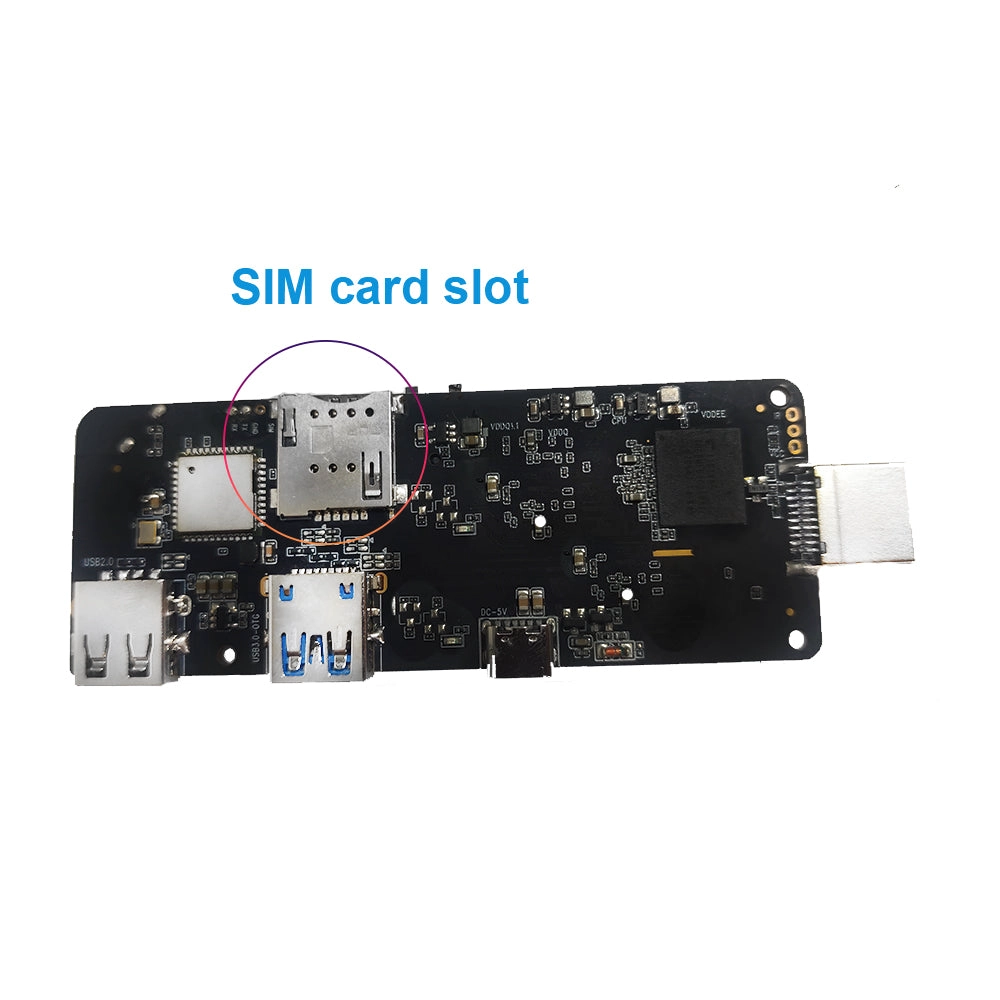
At the PCBA level, ensuring constant connectivity requires specific hardware logic. A customized TV Box board engineered for enterprise channel aggregation must integrate:
-
Dedicated Gigabit Ethernet Controllers: To prevent packet loss during UDP multicast streams.
-
Dual-Band WiFi 6E Modules: Utilizing the 6GHz spectrum to bypass RF interference in dense commercial environments, ensuring low-latency packet transmission.
-
Optimal Thermal Dissipation Layouts: Strategic placement of heat sinks and CPU governors on the PCBA to maintain peak clock speeds during sustained 8K video processing.
Firmware Engineering: The Root of IPTV Unification
Hardware simply processes the data; the firmware dictates access. Stock Android Operating Systems are highly restrictive and bloated with consumer mobile services that consume crucial RAM. To build a TV Box that accesses "all channels," engineers must compile a custom Android OS directly from the source tree.
Middleware Integration at the Kernel Level Standard application-layer IPTV players are inefficient. Professional OEM/ODM services embed middleware protocols (such as Stalker, Xtream Codes, or proprietary operator APIs) directly into the firmware. This allows the TV Box to authenticate with remote content servers instantly upon boot, pulling EPG (Electronic Program Guide) data and channel lists into the native user interface.
DRM Certification and Decryption Premium channel access requires secure decryption. A custom TV Box requires Widevine L1 and PlayReady certification baked into the Trusted Execution Environment (TEE) of the processor. Without this firmware-level security clearance, hardware is forcibly restricted to standard definition (480p) streams by major content distributors, negating any 4K hardware specifications.
Problem-Solution: Overcoming Network Latency in Global Content Delivery
Problem: Operators deploying global channel lists face severe latency and ISP throttling when delivering streams across international nodes, resulting in unwatchable, buffering video for the end-user.
Solution: Custom TV Box deployment combined with Edge processing. By utilizing SOCs equipped with Neural Processing Units (NPUs) offering up to 6 TOPS (Tera Operations Per Second), the TV Box performs AI-driven Super Resolution (AI-SR) upscaling. Operators can transmit a lower-bitrate 1080p stream to conserve server bandwidth and bypass network congestion. The NPU on the localized TV Box then intelligently upscales the feed to 4K resolution in real-time. Furthermore, custom kernel configurations can rewrite the TCP/IP handshake protocols to optimize buffer management, compensating for high-ping routing environments.
Standardize Your Network Infrastructure
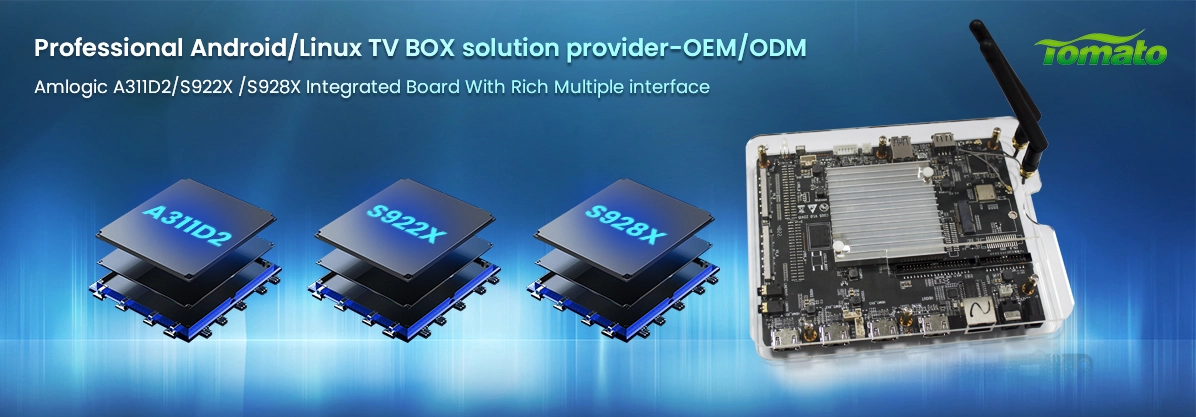
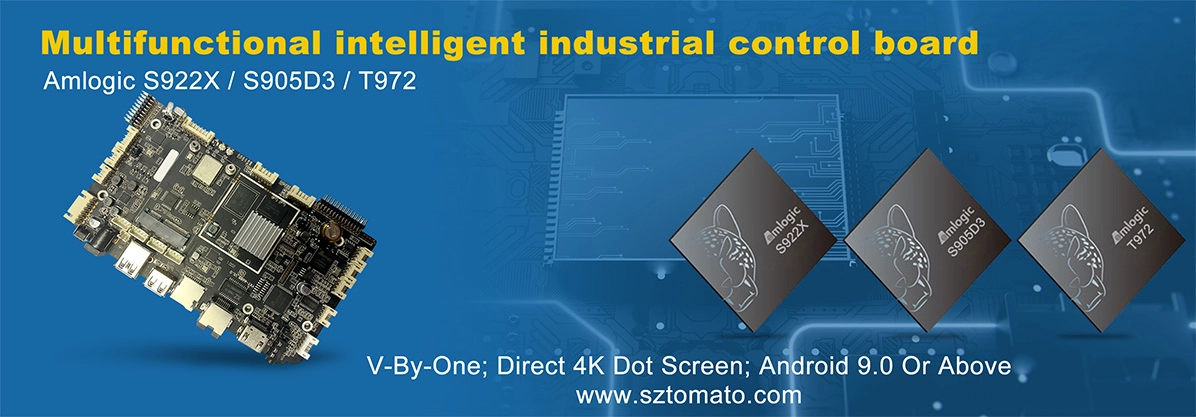
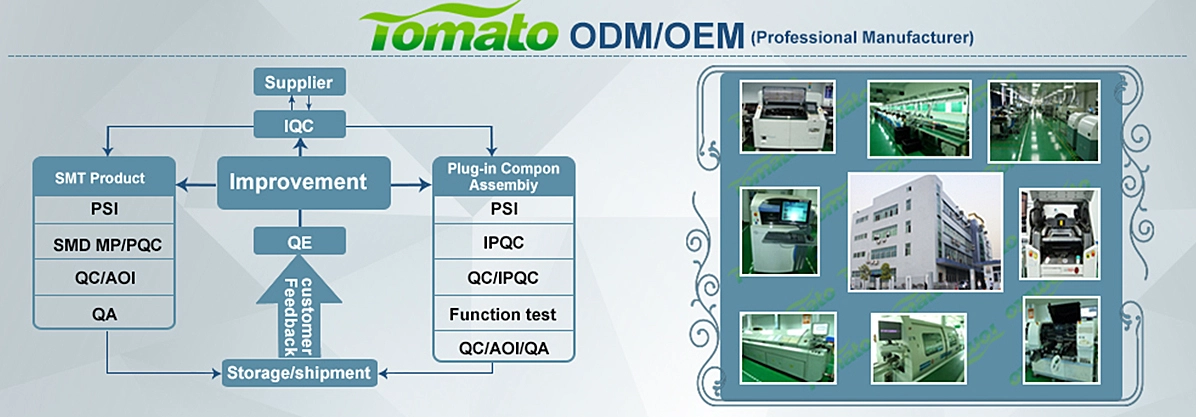
Achieving total channel aggregation requires precise alignment of SOC capabilities, PCBA design, and secure software compilation. Shenzhen Tomato Technology Co., Ltd. provides end-to-end OEM/ODM engineering, from custom board logic to advanced Amlogic/Rockchip firmware development. Engage our technical team to architect a TV Box solution tailored to your exact network deployment specifications.
