
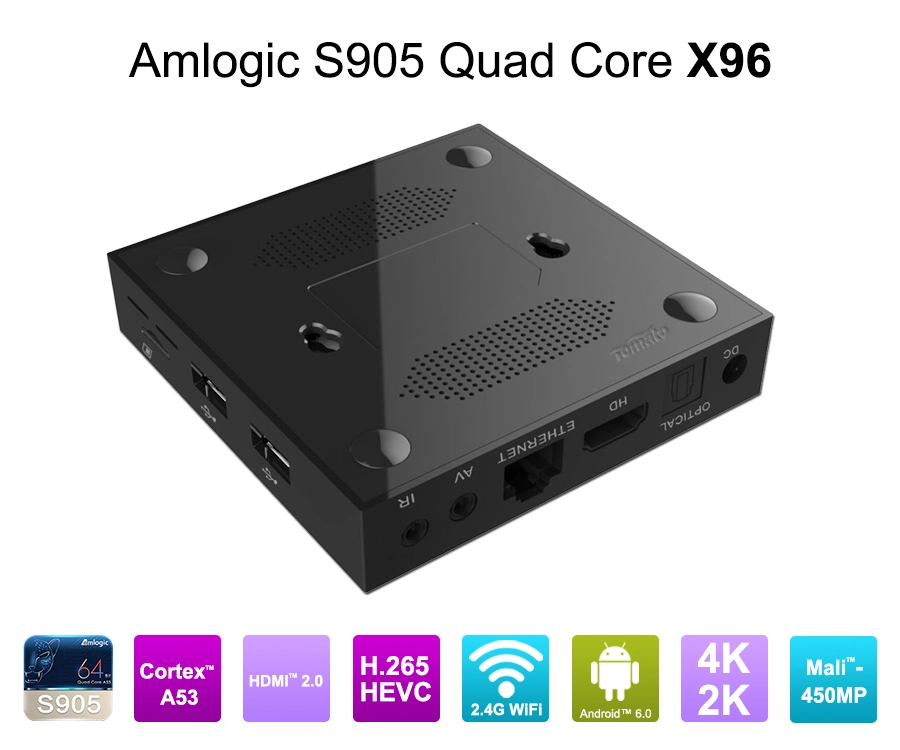
What is the best way to Internet TV Box?
What is the Best Way to Deploy an Internet TV Box at Enterprise Scale?
The mass migration toward 4K commercial IPTV networks and complex digital signage has exposed a critical fault line in B2B hardware procurement: the instability of generic reference boards. When evaluating an Internet TV Box for large-scale deployments—whether for hospitality integration or industrial automation—relying on standard retail specifications guarantees high return rates and firmware incompatibility. Achieving genuine operational stability requires moving away from bulk purchasing and engaging directly with firmware-level OEM/ODM engineering.
Hardware deployed in commercial environments cannot be treated as a disposable commodity. The optimal procurement strategy requires an integration partner capable of executing profound technical modifications across both the physical board and the operating system.
Resolving Fragmentation via Strict BOM Control and PCBA Layout
The standard economic model for a consumer Internet TV Box relies on frequent substitutions within the Bill of Materials (BOM) to maximize retail margins. Manufacturers will routinely swap NAND flash modules, RAM chips, or network interface controllers based on spot market pricing. For a B2B deployment, this creates an unmanageable environment where a single fleet of devices requires multiple distinct firmware iterations to function.
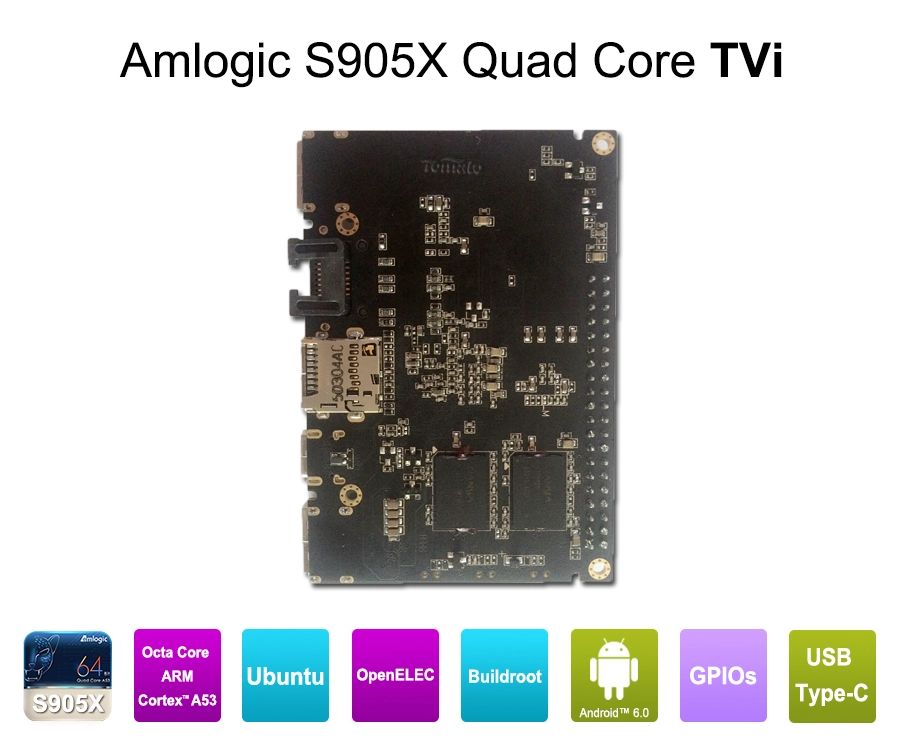
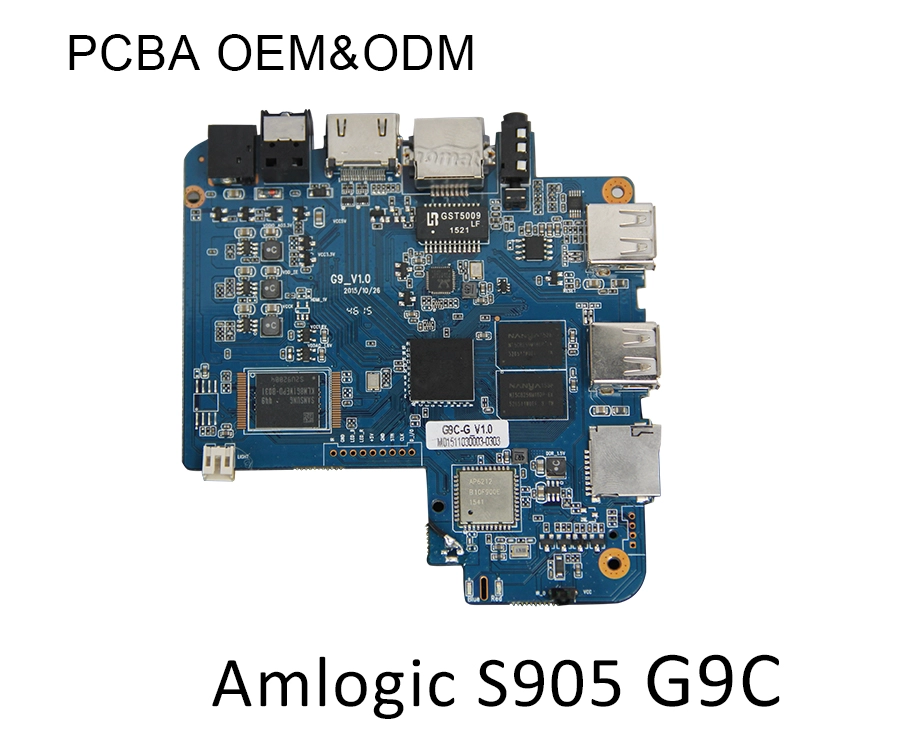
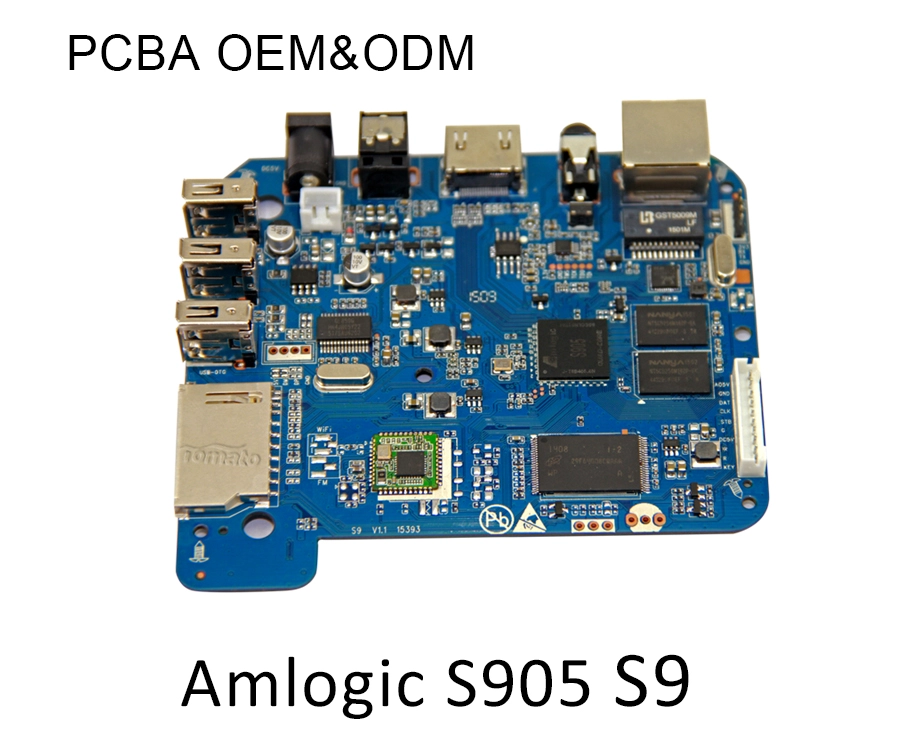
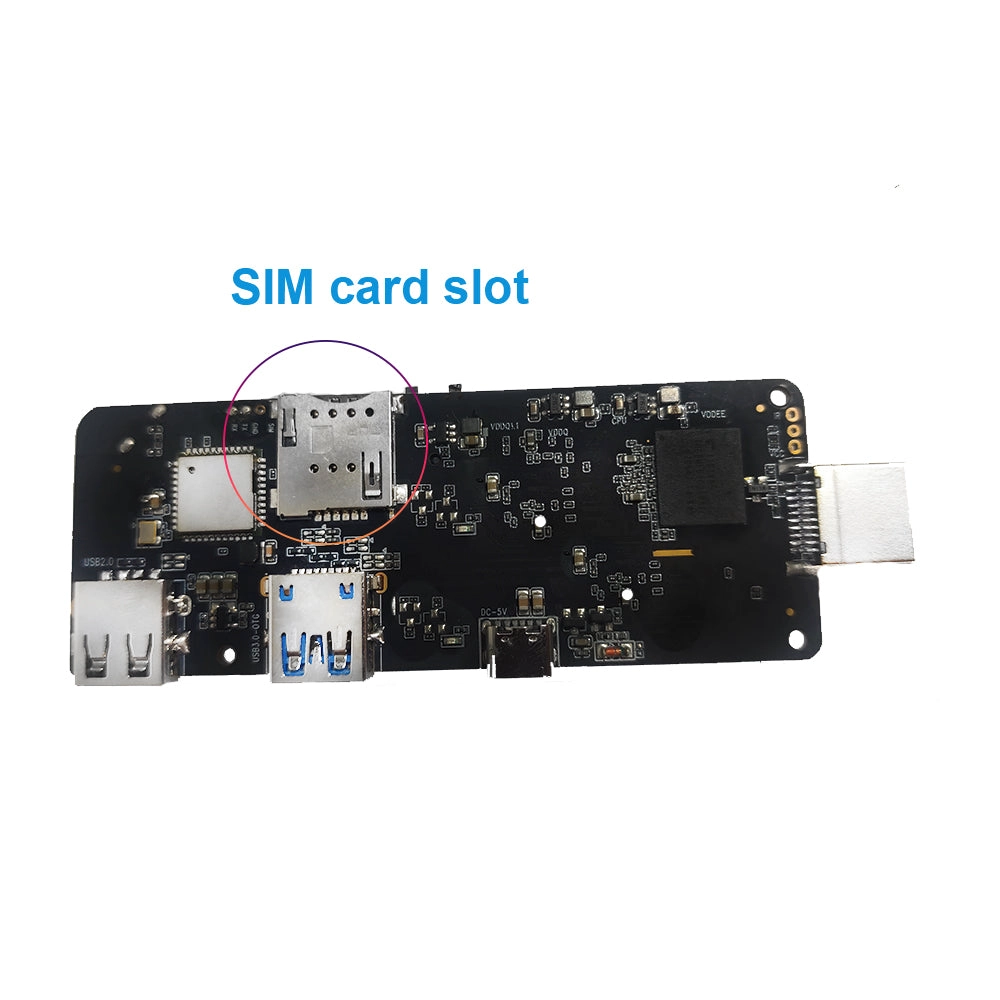
The professional approach demands strict BOM lockdown and custom Printed Circuit Board Assembly (PCBA) routing. When utilizing high-throughput System on Chips (SoCs) like Amlogic or Rockchip architectures, the PCBA must be engineered to prevent voltage drops during sustained video decoding. Furthermore, industrial-grade eMMC storage and heavy RF shielding around Wi-Fi and Bluetooth modules are mandatory to maintain connectivity in high-interference commercial zones.
Firmware-Level Engineering: Kernel Optimization and Security
Physical hardware is only the foundation; the code executing on the device determines the failure rate. Accepting a generic Android OS with a superficial UI overlay is a critical error for enterprise applications.
A zero-downtime deployment relies on extensive Android Open Source Project (AOSP) and Linux/Android kernel optimization. A properly engineered Internet TV Box requires:
-
Kernel-Level Debloating: Eradicating consumer-facing applications, unnecessary background services, and default launchers to dedicate 100% of CPU cycles and RAM to the client's proprietary Content Management System (CMS) or IPTV APK.
-
HDCP Encryption and DRM: Integrating proper Widevine L1 certification and HDCP encryption protocols directly into the firmware to ensure compliance with premium streaming protocols and secure content delivery.
-
Secure OTA Update Systems: Bypassing public update servers to implement proprietary Over-The-Air (OTA) architecture. This allows network administrators to silently push customized firmware patches to thousands of MAC addresses simultaneously without user intervention.
Overcoming Thermal Degradation in 24/7 Environments
An Internet TV Box mounted behind a digital display or enclosed within a commercial kiosk operates within an aggressively hostile thermal environment. Standard plastic retail enclosures trap heat, immediately triggering thermal throttling. The CPU drastically reduces clock speeds to prevent physical damage, resulting in dropped frames, audio desync, and eventual system freezing.
Engineered OEM solutions mitigate this through physical redesign. This involves machining custom aluminum heatsinks directly bonded to the SoC with high-efficiency thermal compound, paired with custom-tooled chassis molds designed for passive thermal convection. The hardware must be certified to run a continuous 100% CPU load without exceeding thermal thresholds.
The OEM/ODM Blueprint for B2B Integration
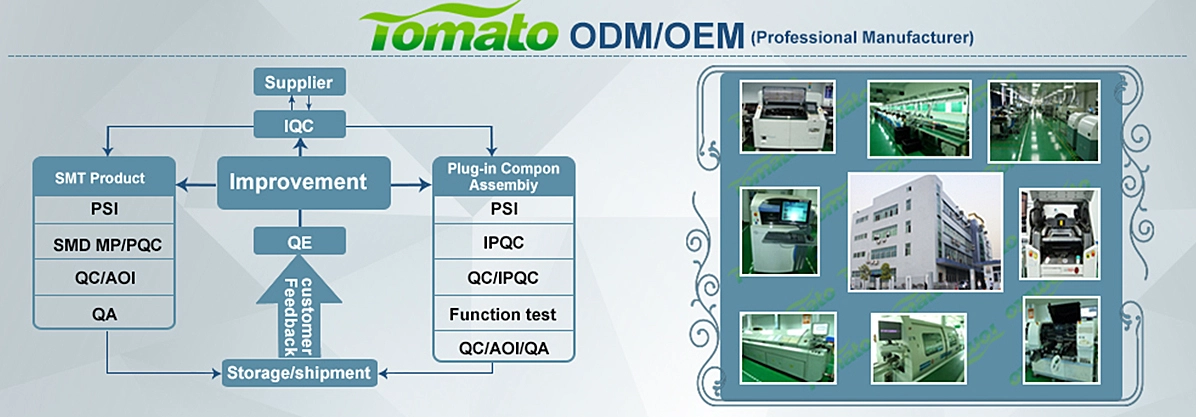
Securing reliable hardware requires a manufacturer that controls the complete production pipeline. At SZTomato, the engineering protocol focuses strictly on structural B2B advantages. From the initial PCBA drafting and housing tooling to deep software firmware development and final packaging customization, every variable is managed internally.
Instead of adapting software to fit inadequate hardware, the hardware is custom-engineered to execute the software flawlessly. Connect with our technical architecture team to define the precise PCBA specifications and AOSP requirements for your next deployment.