
What is the best way to OTT TV Box?
What Is the Best Way to Use an OTT TV Box? A B2B Deployment Guide
AV1 adoption, 4K streaming, DRM requirements, and increasingly capable ARM SoCs have changed the engineering priorities for OTT hardware. The best way to deploy an OTT TV Box is no longer to select a box with the highest advertised CPU frequency, connect it to a television, and install a streaming application.
For commercial deployments, the correct approach is to treat the OTT TV Box as an integrated hardware, firmware, security, and network platform.
The objective is straightforward: deliver stable video playback, secure content, predictable performance, remote management, and a software environment that can be maintained throughout the product lifecycle.
What Is the Best Way to Build an OTT TV Box?
The best OTT TV Box starts with the application requirements, not the enclosure or retail specification sheet.
A professional design process should work backward from the deployment environment:
Application requirements → SoC → PCBA → memory/storage → connectivity → firmware → security → thermal design → validation → mass production
This approach prevents a common B2B problem: selecting a consumer-oriented platform first and discovering later that the hardware cannot support the required middleware, DRM, interfaces, or firmware modifications.
Select the SoC According to the Workload
The SoC determines much of the OTT TV Box's practical capability.
A suitable platform should be evaluated across:
-
ARM CPU architecture
-
GPU performance
-
Dedicated video decoder
-
AV1/H.265/VP9 support
-
4K@60fps capability
-
HDR support
-
HDMI specification
-
Memory bandwidth
-
NPU capability
-
Ethernet controller
-
Wi-Fi generation
-
Security architecture
CPU performance is only one variable.
For OTT applications, the video processing architecture is often more important than raw CPU benchmarks. Dedicated hardware decoding reduces CPU utilization and provides a more efficient path for high-resolution video.
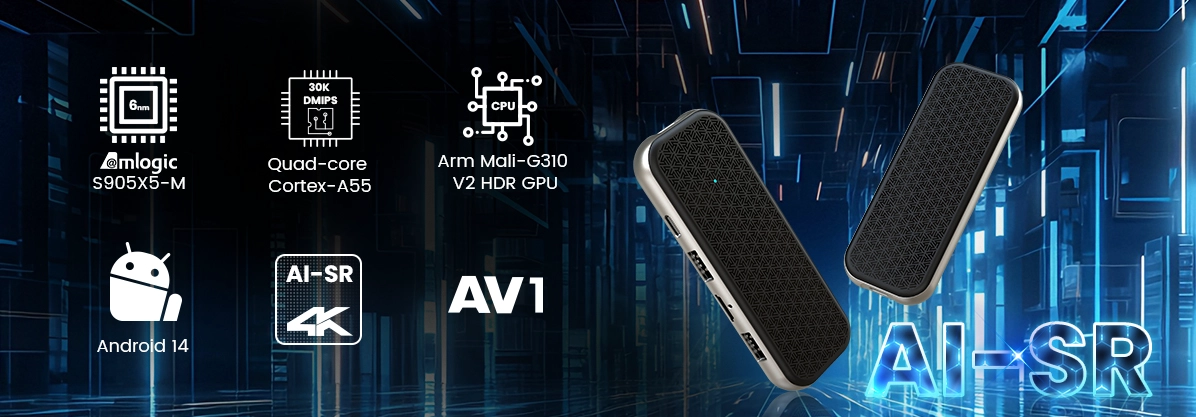
AV1 support deserves particular attention for new product designs. Buyers should verify the exact decoder implementation, supported resolution, frame rate, profiles, and HDR combinations rather than accepting a generic “AV1 supported” specification.
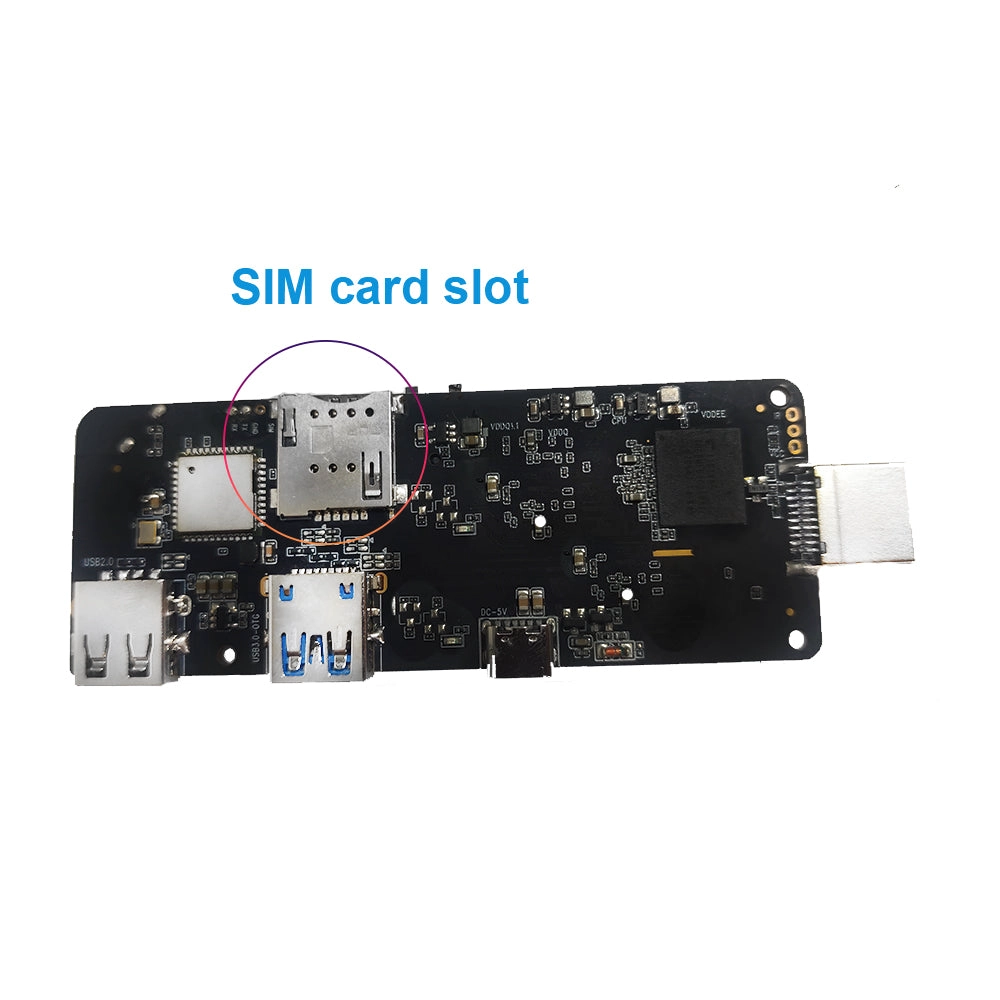
Design the PCBA Around the Application
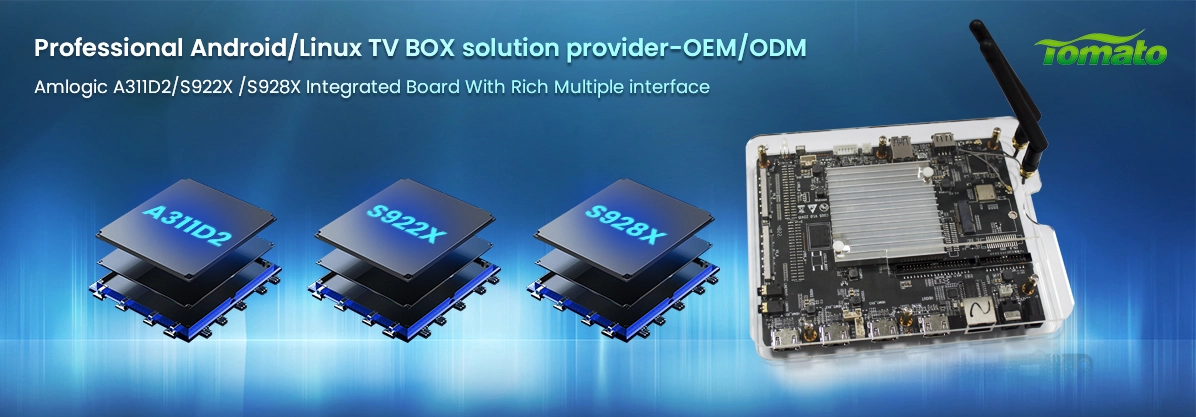
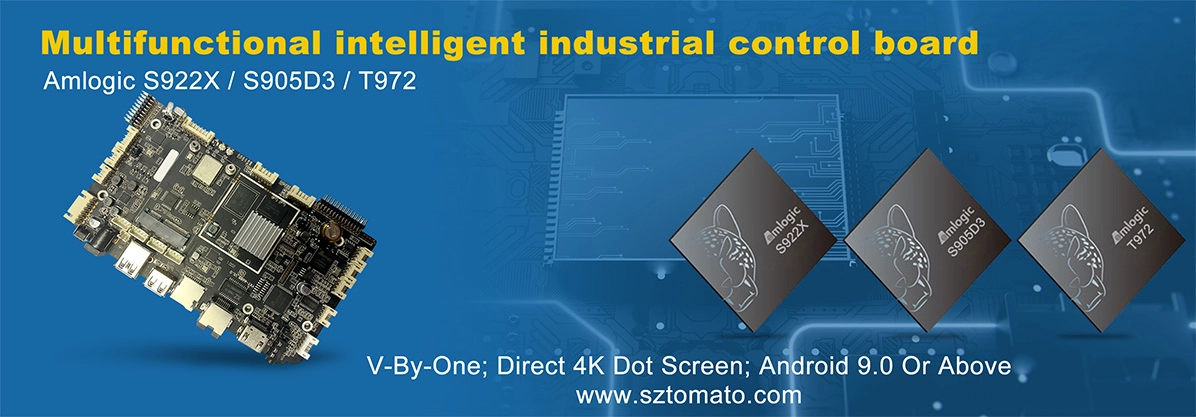
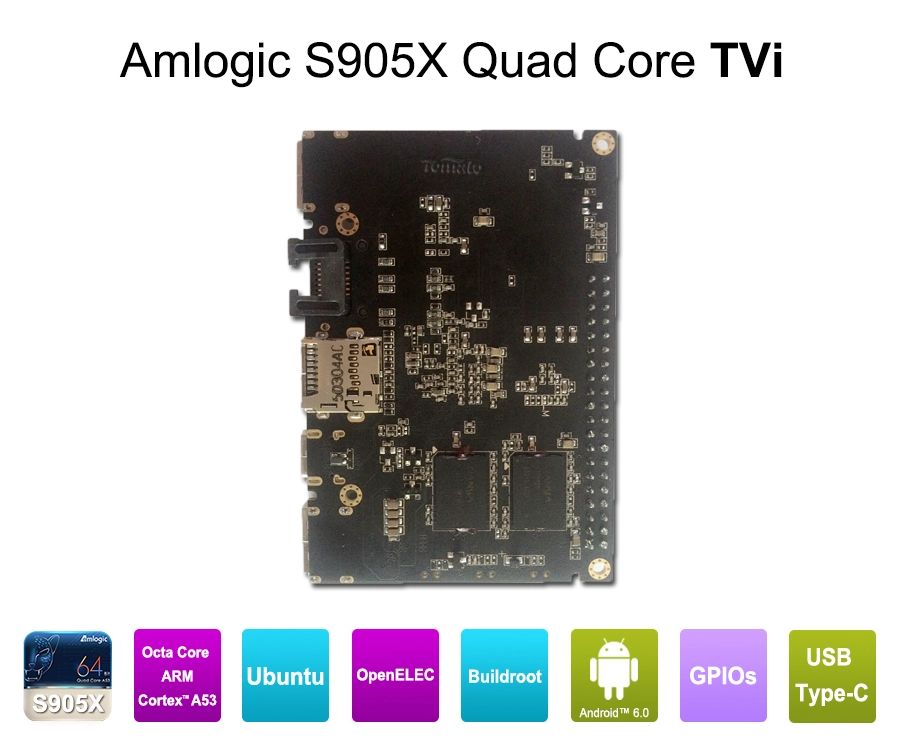
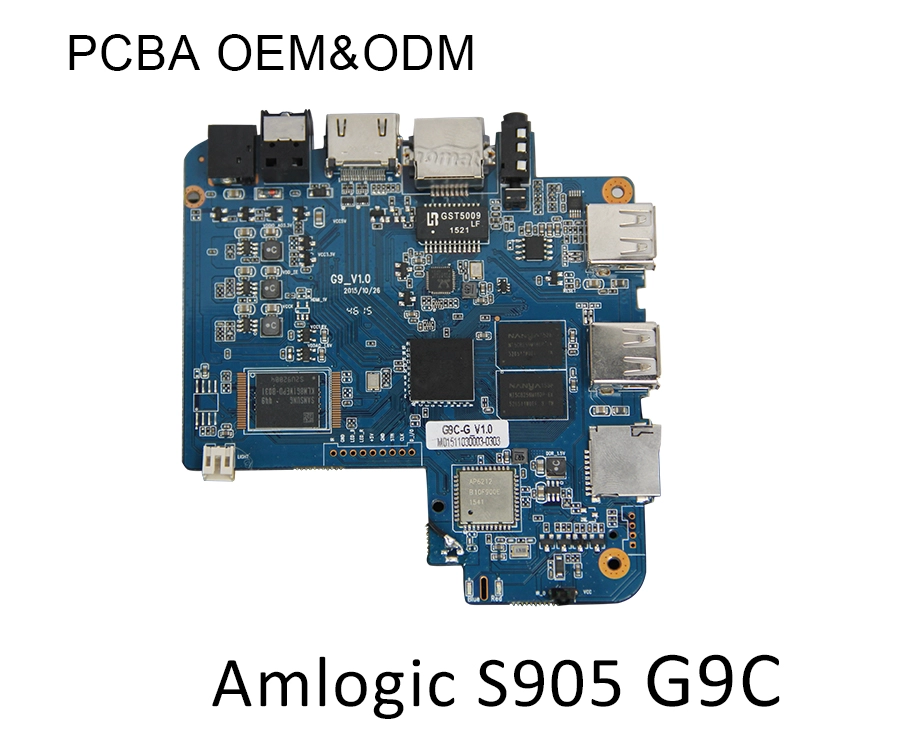
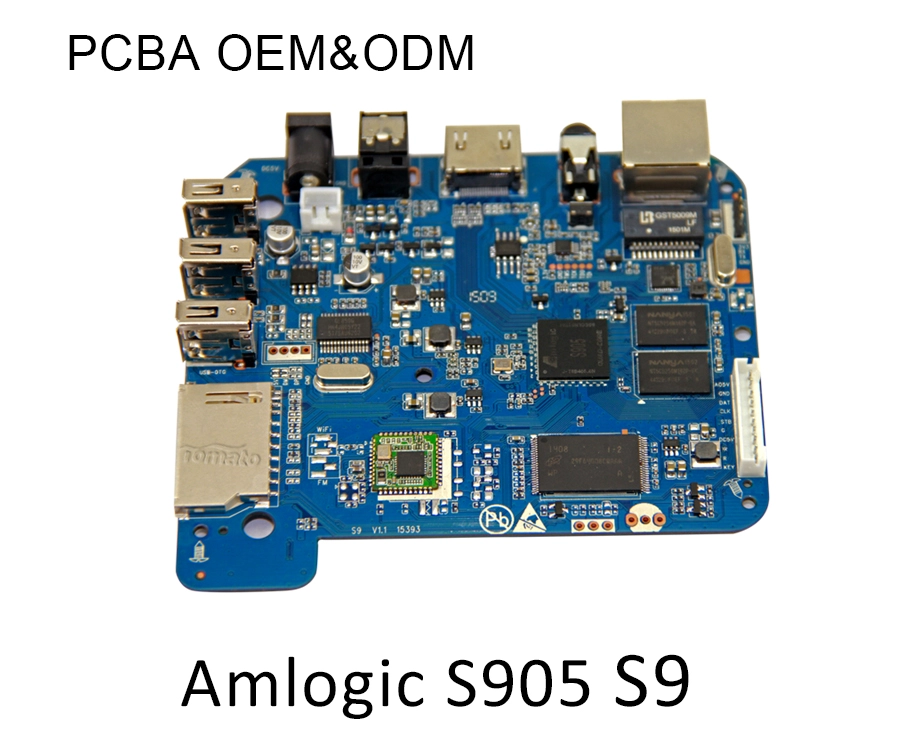
A professional OTT TV Box may require substantially different hardware from a standard retail product.
OEM projects can require:
-
Customized PCB dimensions
-
Additional USB ports
-
RS-232 or GPIO
-
Gigabit Ethernet
-
Alternative Wi-Fi modules
-
Custom antenna placement
-
Different HDMI configurations
-
Industrial power input
-
PoE support
-
Additional storage
-
Modified connector locations
These requirements affect the PCBA layout, power architecture, signal integrity, EMI/EMC performance, and enclosure design.
This is why PCBA hardware modification should be considered part of the product-development process rather than an optional service added after hardware selection.
How Should an OTT TV Box Be Configured for Reliable Streaming?
A stable OTT deployment depends on the interaction between network, firmware, codec hardware, storage, and thermal performance.
Optimize the Network Path
The OTT TV Box should have a network architecture appropriate for its intended environment.
For fixed installations, Ethernet can provide more predictable throughput and latency than wireless connectivity. Wi-Fi remains important for consumer devices, hotels, temporary installations, and environments where cabling is impractical.
However, theoretical wireless speed is not the same as real-world streaming performance.
RF performance depends on:
-
Wi-Fi chipset
-
Antenna design
-
PCB layout
-
Antenna clearance
-
Driver quality
-
Interference
-
Router configuration
-
Firmware network stack
For an OEM product, wireless performance should therefore be validated on the complete production PCBA rather than relying solely on the module manufacturer's specifications.
Optimize Android or Linux at the System Level
The operating system should match the deployment requirements.
Android is suitable for many OTT TV Box applications because of its application ecosystem and mature multimedia framework. AOSP-based systems can also be customized for operators and commercial projects.
Linux may be preferable when the product requires deeper control over system services, hardware interfaces, edge computing, or customized middleware.
At the firmware level, optimization can involve:
-
Linux/Android kernel configuration
-
Device drivers
-
Bootloader
-
System services
-
Media frameworks
-
Network stack
-
Power management
-
Memory management
-
GPU/VPU drivers
-
Custom launcher
-
OTA infrastructure
The important distinction is between installing software on a device and engineering the device around the software requirements.
For an OEM customer, the second approach is often necessary.
How Do You Secure an OTT TV Box for Commercial Content?
Security is a core component of professional OTT architecture.
A commercial OTT TV Box may need to establish a secure chain from application authentication to display output:
OTT Application → DRM → Secure Media Pipeline → Hardware Decoder → HDCP → HDMI Display
DRM and HDCP
Digital Rights Management controls access to protected media, while HDCP protects digital content during transmission to a compatible display.
A platform intended for premium OTT services should therefore be evaluated for its ability to support the required DRM and HDCP architecture.
This is particularly important for:
-
Telecom operators
-
IPTV providers
-
OTT service providers
-
Hotel television systems
-
Pay-TV platforms
-
Premium content distributors
A box that can decode 4K video but cannot meet the target service's security requirements is not a viable OTT platform.
Secure Boot and Firmware Integrity
Commercial devices also benefit from security mechanisms such as:
-
Secure boot
-
Signed firmware
-
Verified system images
-
Hardware-backed key storage
-
Application signing
-
Encrypted communication
-
Controlled OTA updates
These mechanisms reduce the risk of unauthorized firmware modification and help operators maintain consistent software versions across deployed devices.
What Is the Best Way to Manage Thousands of OTT TV Boxes?
For small deployments, manual configuration may be manageable.
For hundreds or thousands of devices, it becomes an operational liability.
A professional OTT TV Box should therefore be designed for centralized management from the beginning.
Build OTA Into the Product Architecture
An OTA update system can allow operators to distribute:
-
Firmware updates
-
Security patches
-
System applications
-
Configuration files
-
Middleware updates
-
Operator applications
A robust OTA strategy should also consider staged deployment, version control, update verification, failure recovery, and rollback.
The goal is not merely to make firmware updates possible. It is to make them predictable and controllable across an entire device fleet.
Customize the User Interface
Operator-branded OTT products frequently require a user experience that is completely different from a generic Android TV Box.
Custom UI/UX firmware can include:
-
Branded boot animation
-
Custom launcher
-
Operator application integration
-
Customized settings
-
Restricted menus
-
Remote-control mapping
-
Kiosk mode
-
Auto-start applications
-
Device provisioning
For managed deployments, deeper Android customization may include Device Owner policies and application-management controls.
This creates a product that behaves like an operator terminal rather than an unmodified consumer device.
How Should You Solve Thermal Problems in an OTT TV Box?
Thermal engineering is often overlooked during procurement because the device may perform well during a short demonstration.
Long-duration operation tells a different story.
A compact OTT TV Box running 4K decoding, networking, application services, and background processes continuously generates sustained heat. If the thermal design is inadequate, the SoC can reduce operating frequency to control temperature.
The result can include:
-
Performance throttling
-
Playback instability
-
Application crashes
-
Network instability
-
Reduced component lifespan
-
Inconsistent performance between devices
For commercial or industrial installations, thermal design should be evaluated together with the PCBA and enclosure.
Possible solutions include:
-
Larger heat sinks
-
Thermal pads
-
Heat spreaders
-
Optimized component placement
-
Aluminum housings
-
Improved ventilation
-
Active cooling where appropriate
SZTomato's OEM/ODM engineering approach can incorporate specialized cooling solutions into the product design rather than treating thermal problems as a late-stage manufacturing issue.
Why OEM/ODM Is the Better Approach for Specialized OTT TV Box Projects
There are two fundamentally different ways to source an OTT TV Box.
The first is to purchase an existing retail model and adapt the project around it.
The second is to define the project requirements and engineer the hardware and software around them.
For standard consumer applications, the first approach may be sufficient.
For IPTV operators, telecom companies, hotels, digital signage providers, system integrators, and branded OTT platforms, the second approach is often more practical.
An experienced OEM/ODM manufacturer should be able to work across:
PCBA hardware modification → SoC selection → thermal engineering → Android/Linux development → SDK/API integration → custom UI/UX firmware → DRM/HDCP implementation → OTA → mass production
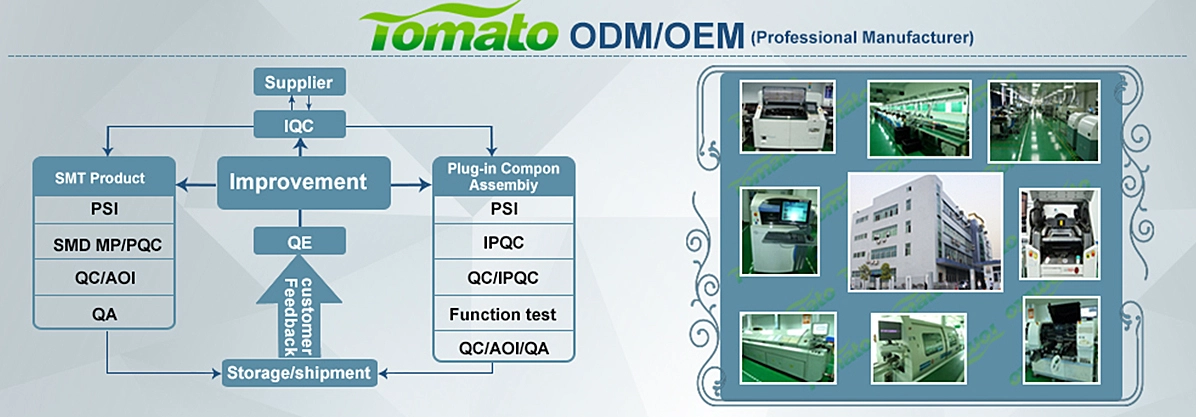
SZTomato follows this engineering-oriented model.
Its value for B2B customers is not simply supplying an Android-based box. The more important capability is adapting the platform to the customer's application, including hardware modification, firmware development, SDK/API integration, custom UI/UX, and specialized cooling for demanding environments.
The Best OTT TV Box Strategy for B2B Buyers
The best way to deploy an OTT TV Box is to treat it as a complete embedded platform.
Before approving a supplier, procurement teams should validate five layers:
1. Hardware
SoC, VPU, memory, storage, interfaces, networking, PCBA and power design.
2. Video
4K@60fps, AV1, H.265, VP9, HDR and hardware decoding capabilities.
3. Security
DRM, HDCP, secure boot, trusted execution and firmware integrity.
4. Software
Android/Linux, kernel optimization, SDK/API integration, middleware and custom UI/UX.
5. Lifecycle
OTA updates, remote management, thermal reliability, firmware maintenance and long-term supply.
This framework produces a more accurate purchasing decision than comparing CPU cores, RAM capacity, and retail pricing alone.
Conclusion
The best way to use an OTT TV Box is to deploy it as a purpose-built platform matched to the content service, network environment, display system, security requirements, and software architecture.
For a simple home installation, an off-the-shelf Android TV Box may be enough.
For a commercial OTT project, the requirements are different.
The platform must deliver reliable video decoding, secure content delivery, stable networking, controlled firmware, efficient thermal performance, OTA updates, and integration with the operator's software ecosystem.
For B2B procurement managers and system integrators, the critical decision is therefore not simply which OTT TV Box has the highest specification. The better question is:
Which OEM/ODM partner can engineer the OTT TV Box around the actual deployment requirements and support the product after mass production?
That is where PCBA engineering, Android/Linux kernel optimization, SDK/API integration, custom firmware, HDCP/DRM implementation, OTA infrastructure, and thermal engineering become decisive.
If the project requires a customized OTT TV Box rather than another generic retail device, define the hardware, software, security, and lifecycle requirements first—and select the manufacturing partner based on its ability to execute all four layers.
