What is the best way to TV Box?
What Is the Best Way to Deploy a Custom TV Box?
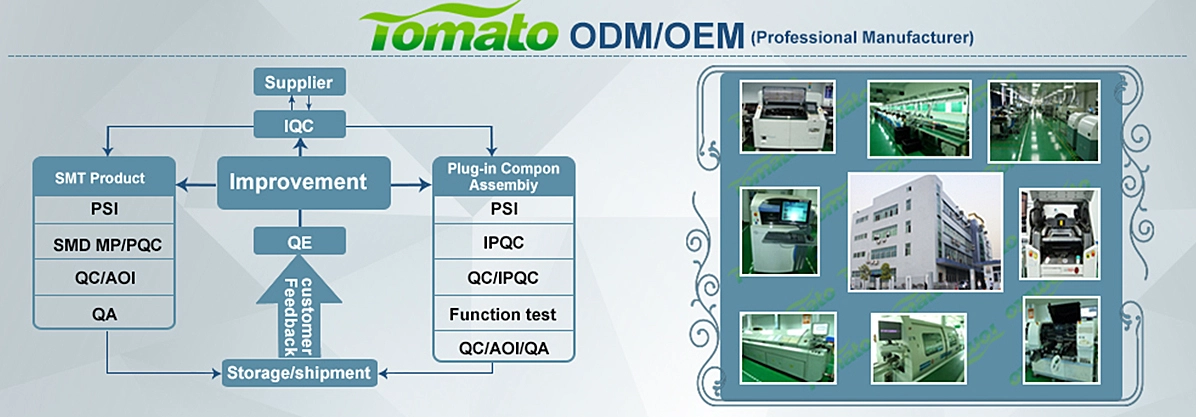
Deploying consumer-grade media players in commercial environments inevitably introduces critical points of failure: thermal throttling under continuous 24/7 operation, unmanaged Over-The-Air (OTA) update loops, and restricted firmware that blocks proprietary enterprise applications. For System Integrators and Independent Software Vendors (ISVs), mitigating these risks requires abandoning generic retail distribution channels. True operational stability is achieved only through bespoke OEM/ODM manufacturing, where hardware and software are explicitly engineered for the deployment environment.
Firmware-Level Engineering: Controlling the Software Stack
The foundational difference between a retail product and an enterprise solution lies in kernel and firmware access. Commercial deployments—whether for interactive hotel IPTV systems or dynamic digital signage networks—demand absolute control over the device's operational behavior.
Generic models lock administrators out of essential system parameters. A rigorous OEM/ODM approach prioritizes firmware engineering, allowing for custom boot animations, the embedding of proprietary APKs directly into the system partition, and the elimination of consumer bloatware. Furthermore, enterprise engineering allows for customized OTA servers. Instead of relying on a public firmware rollout that might break compatibility with custom applications, administrators can push phased, secure updates to specific MAC address ranges, ensuring uninterrupted service across thousands of endpoints.
Hardware Customization: PCBA Modification and SoC Selection
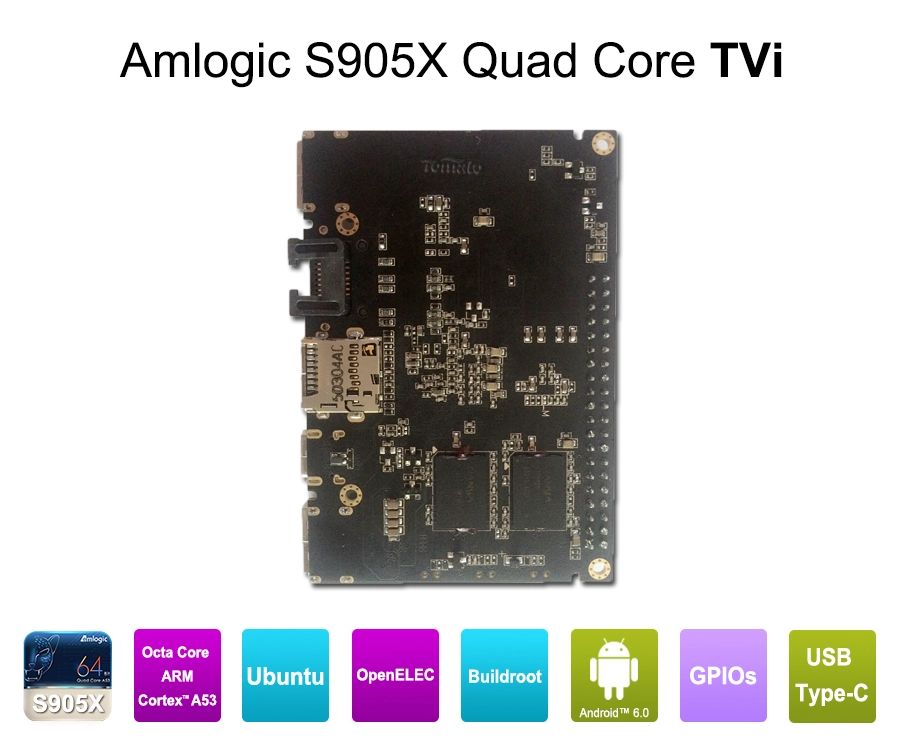
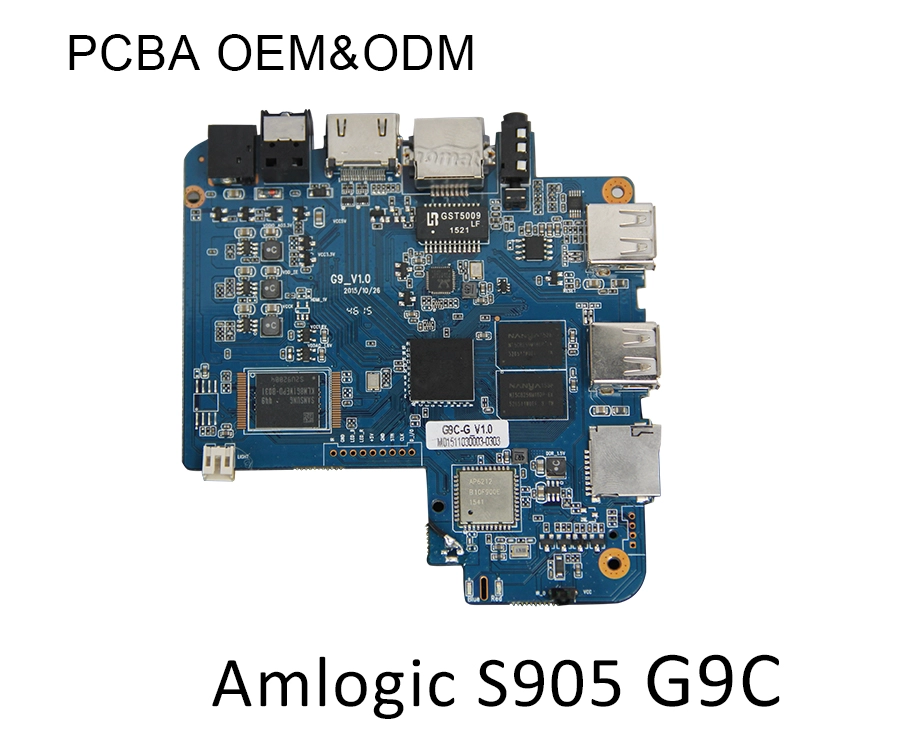
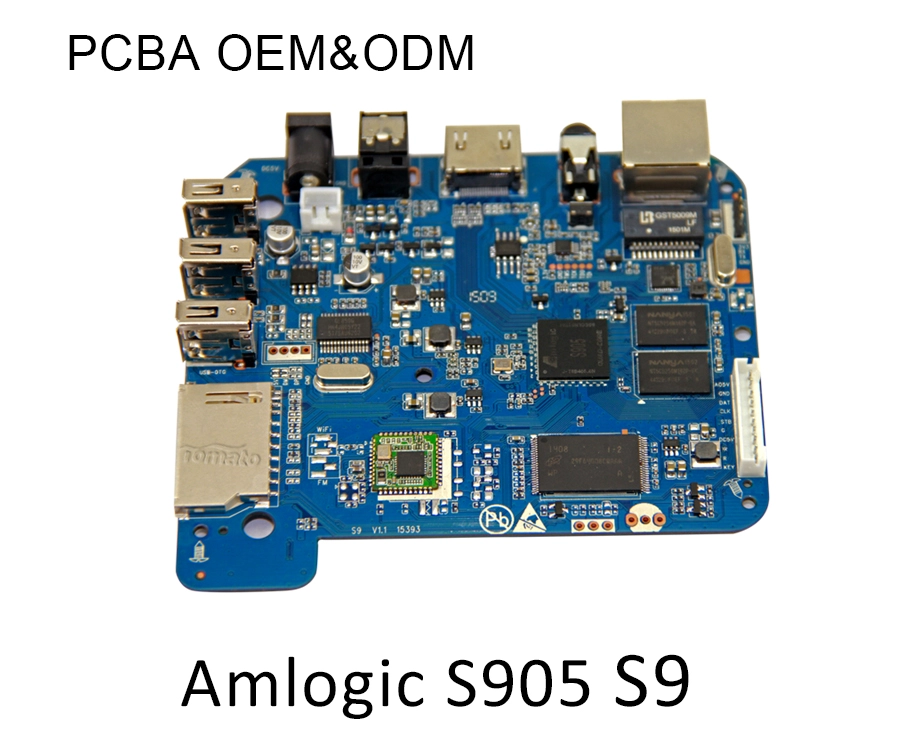
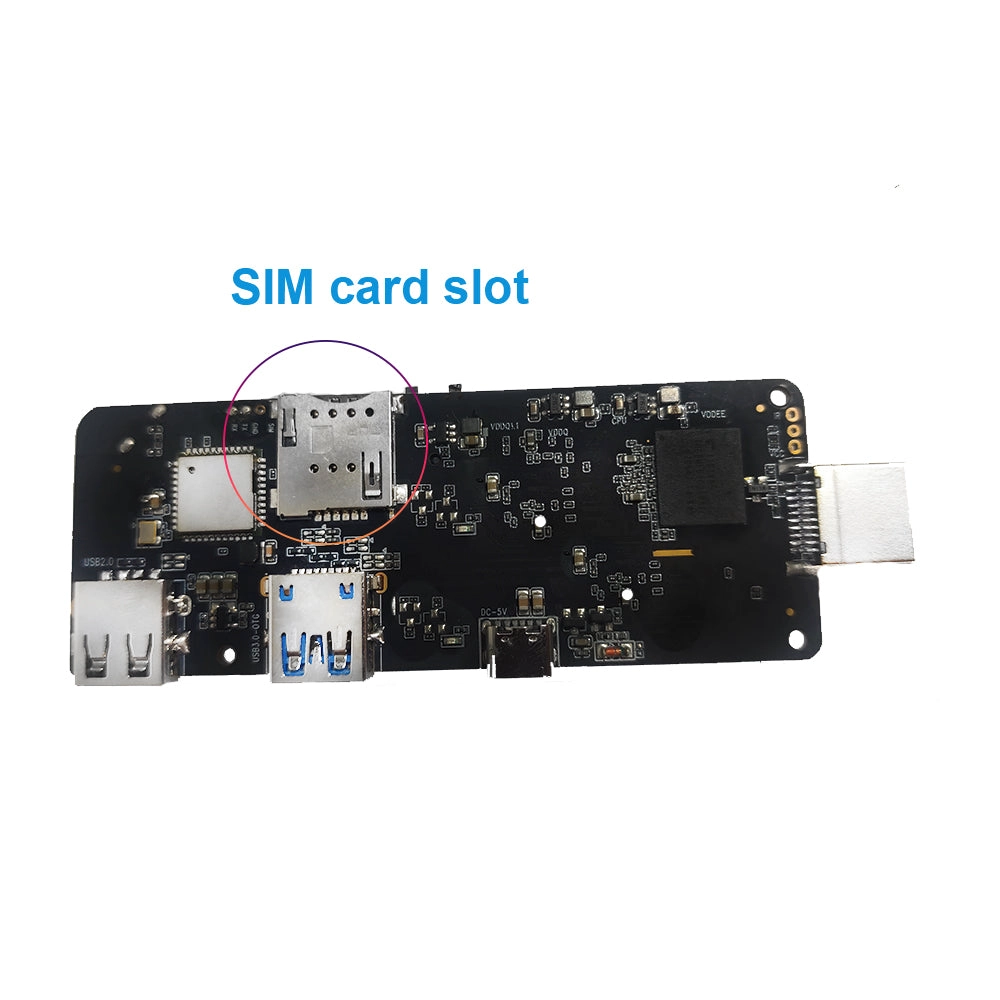
Selecting the right System on Chip (SoC)—such as specific iterations from Amlogic or Rockchip—is only the first step in hardware architecture. The best way to source a TV Box involves engaging with a manufacturer capable of significant Printed Circuit Board Assembly (PCBA) modifications.
-
Custom I/O Configurations: Digital signage and industrial control setups frequently require interfaces not found on consumer boards. Modifying the PCBA to include RS232 ports, specialized GPIO pins, or Power over Ethernet (PoE) modules is critical for seamless integration with legacy AV equipment or localized sensor networks.
-
Thermal Management Architecture: A standard plastic chassis with a basic heat sink will degrade processor lifespans in 24/7 commercial use cases. Deep hardware customization involves engineering bespoke aluminum extrusion cases and utilizing high-grade thermal pads to maintain CPU frequency stability without active cooling mechanisms.
-
Component Longevity: B2B deployments require Bill of Materials (BOM) locking to ensure that components like eMMC flash storage and DDR memory are consistently sourced from industrial-grade tiers, preventing the silent hardware revisions common in generic retail electronics.
The Critical Role of DRM and Compliance
For OTT operators and telecom providers, hardware capabilities are irrelevant without proper Digital Rights Management (DRM) implementation. Securing high-definition content streams mandates hardware-level security integrations that cannot be patched in after manufacturing.
An expert-level ODM partnership ensures that the TV Box is provisioned with Widevine L1, PlayReady, and HDCP 2.2/2.3 compliance directly on the assembly line. Navigating the certification matrix for Google EDLA (Enterprise Device Licensing Agreement) or Netflix ESN generation requires a manufacturer with established foundry relationships and strict factory security protocols.
Moving Forward: The OEM Partnership
Procuring a TV Box for B2B applications is an infrastructure investment, not a retail transaction. Sourcing success depends on vetting manufacturers based on their engineering bandwidth rather than their unit price. By prioritizing partners capable of deep PCBA design, custom tooling, and dedicated software engineering, enterprises can deploy hardware networks that offer total operational control and long-term reliability.
To discuss firmware compilation, custom PCBA design, or specific SoC requirements for your next deployment project, engage with a dedicated ODM engineering team to architect a hardware solution mapped to your precise technical specifications.