


What is the function of a Smart TV Box?
Introduction
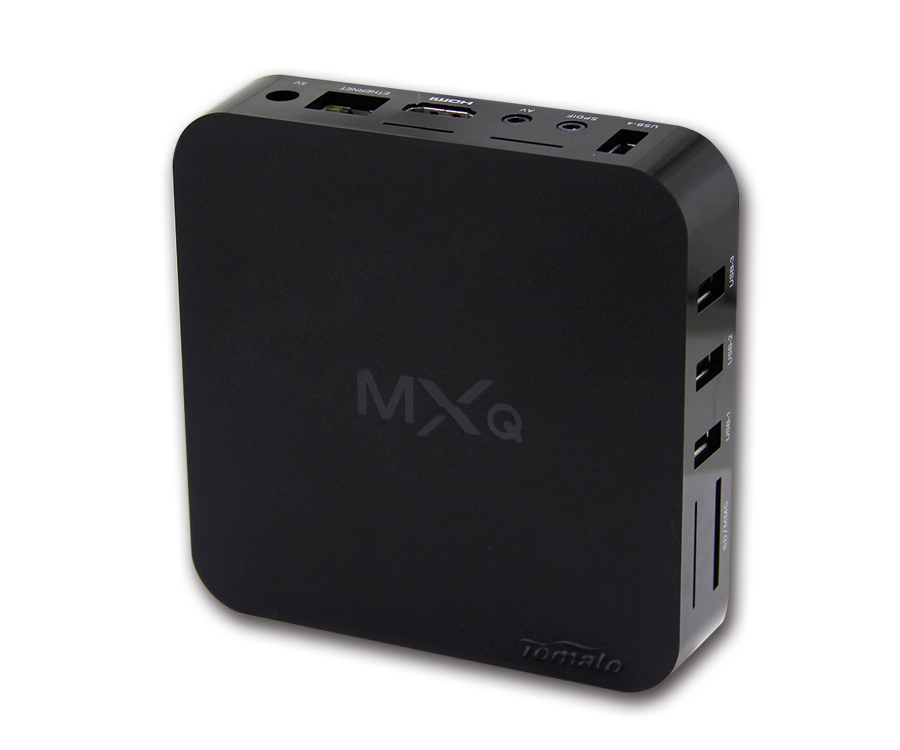
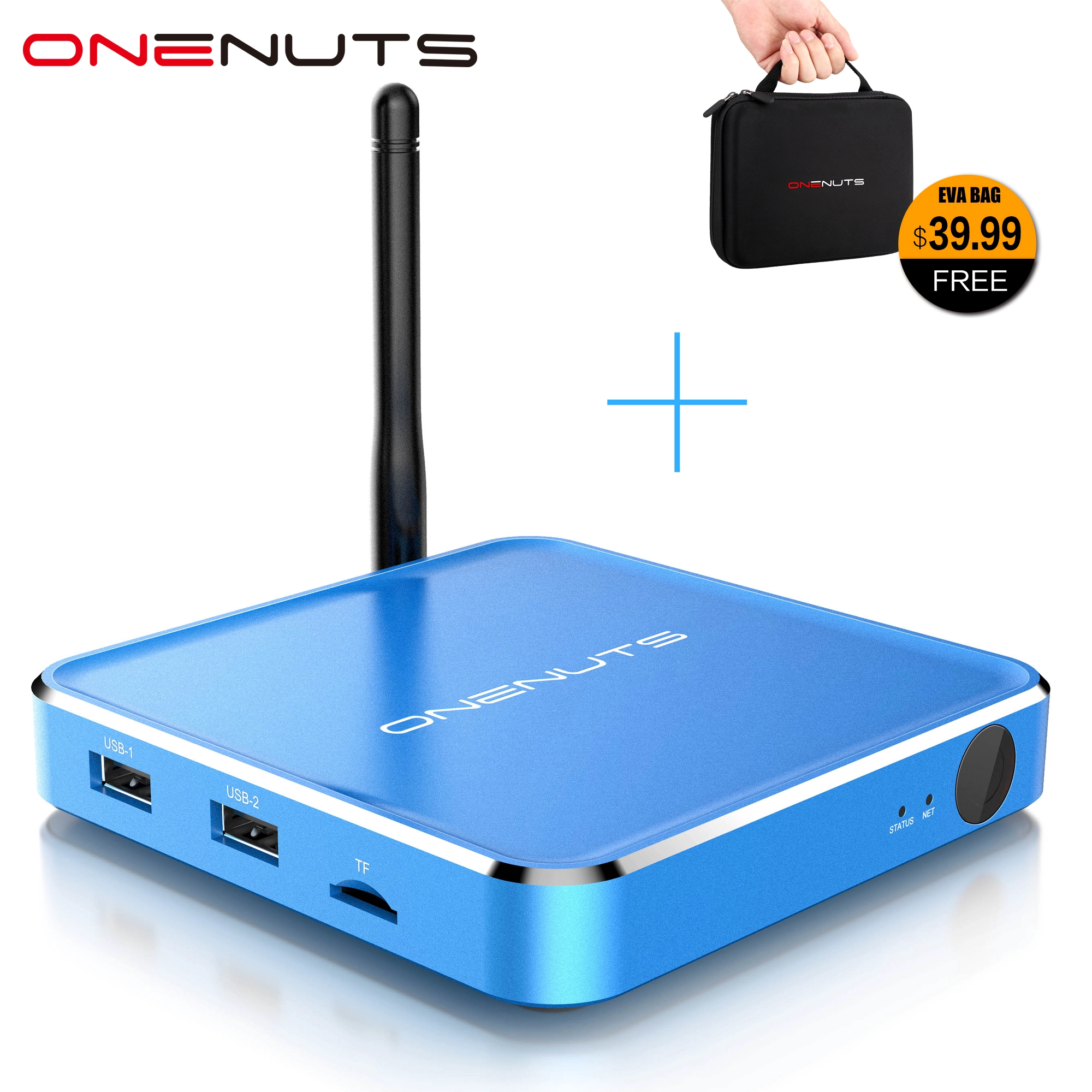
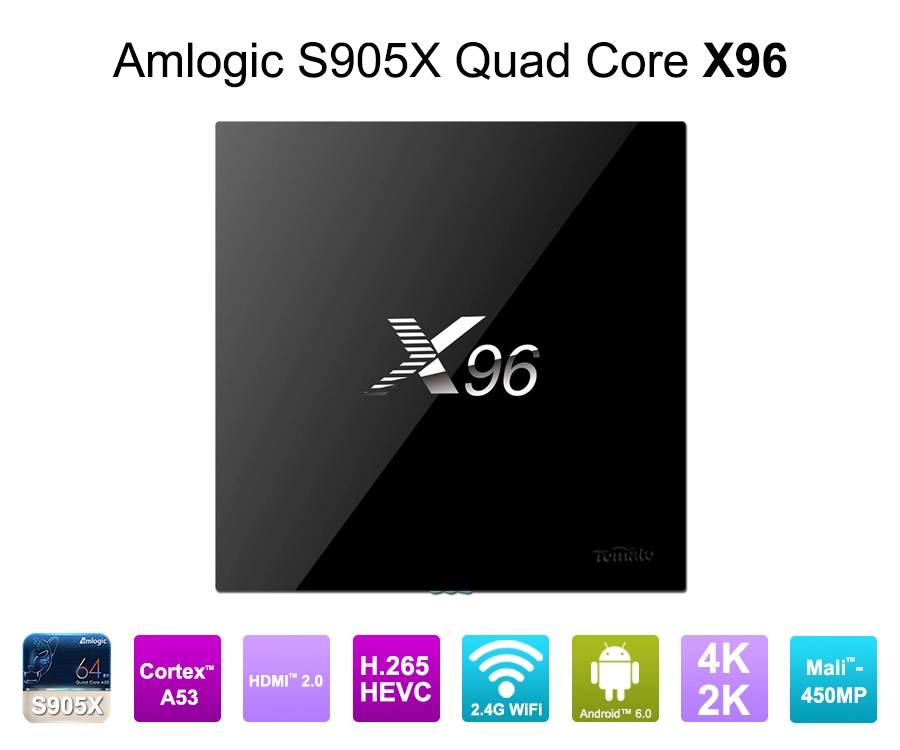
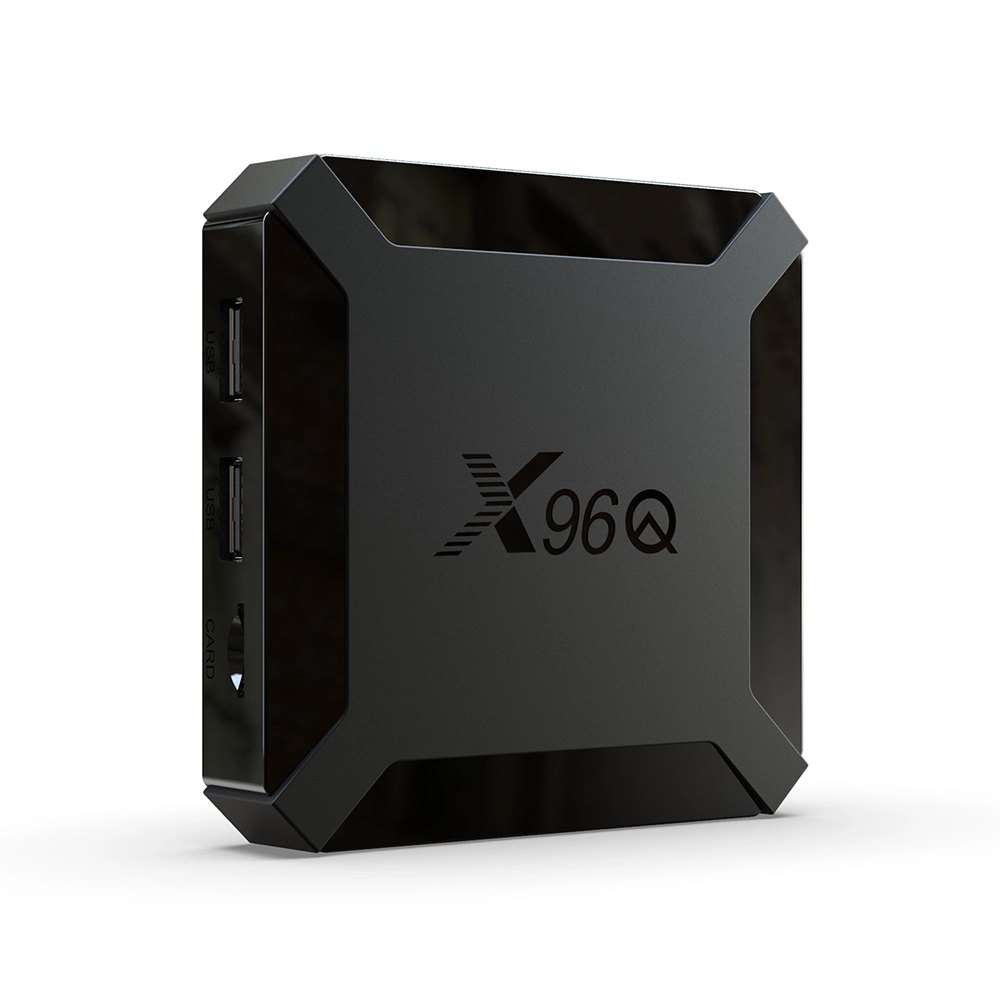
A smart TV box is a compact set‑top device that connects to any television via HDMI, transforming a standard TV into an internet‑enabled multimedia hub. Unlike integrated smart TVs, a smart TV box runs a dedicated operating system—often Android TV or a Linux‑based shell—and provides an extensible app ecosystem for streaming, gaming, and more. In essence, it’s a small computer optimized for living‑room entertainment, offering 10‑foot user interfaces and remote‑friendly navigation.
Core Functions of a Smart TV Box
Streaming Internet Content
The primary function of a smart TV box is to stream video and audio from services like Netflix, YouTube, Amazon Prime Video, and Disney+ directly to your screen. These devices leverage adaptive bitrate streaming to maintain smooth playback across fluctuating network conditions.
App Ecosystem and Media Playback
Smart TV boxes host app stores with thousands of downloadable applications—from video services and music platforms (Spotify, Pandora) to news, fitness, and niche content apps. They also support media‑server clients (e.g., Plex, Kodi) for playing local libraries over DLNA/UPnP.
Screen Mirroring and Casting
Many smart TV boxes enable Miracast, AirPlay, or Google Cast, allowing users to mirror or cast content from smartphones, tablets, and laptops to a TV screen with a single tap. This function turns a smart TV box into a wireless display receiver for presentations or photo slideshows.
Gaming and Emulation
Beyond video streaming, smart TV boxes support casual gaming via built‑in app stores and cloud‑gaming services (e.g., NVIDIA GeForce Now). Advanced models—like the NVIDIA Shield—offer emulation of classic consoles and Android‑based game titles with Bluetooth controller support.
Smart‑Home Integration and Voice Control
High‑end smart TV boxes integrate voice assistants (Google Assistant, Alexa), enabling hands‑free control of both media and connected smart‑home devices—lights, thermostats, security cameras—directly through the TV interface. The Amazon Fire TV Cube even combines an IR blaster and far‑field mics for universal device control without lifting a finger.
Local Media Playback
With USB ports, microSD slots, and network shares, smart TV boxes play back locally stored photos, music, and 4K/HDR video files without internet connectivity. This makes them ideal for hybrid media setups that blend streaming with personal libraries.
Hardware Components
System‑on‑Chip (SoC) and Video Decoding
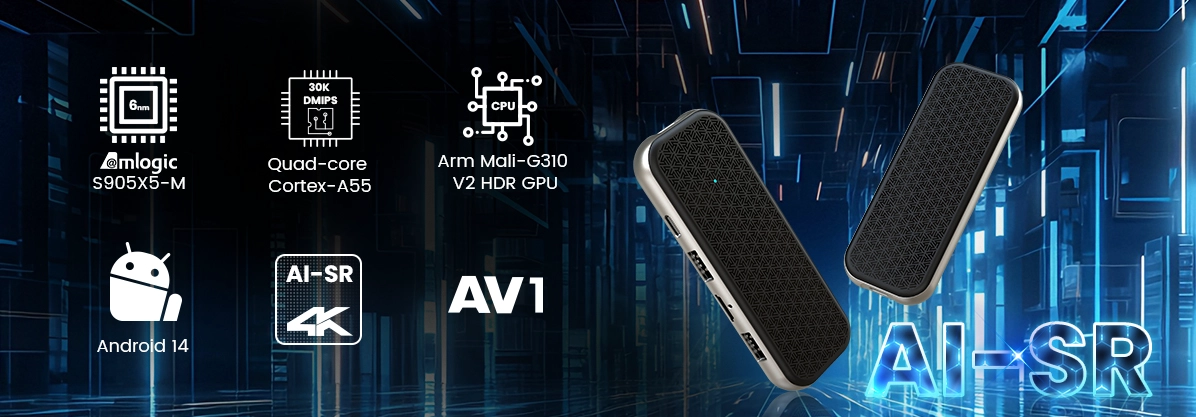
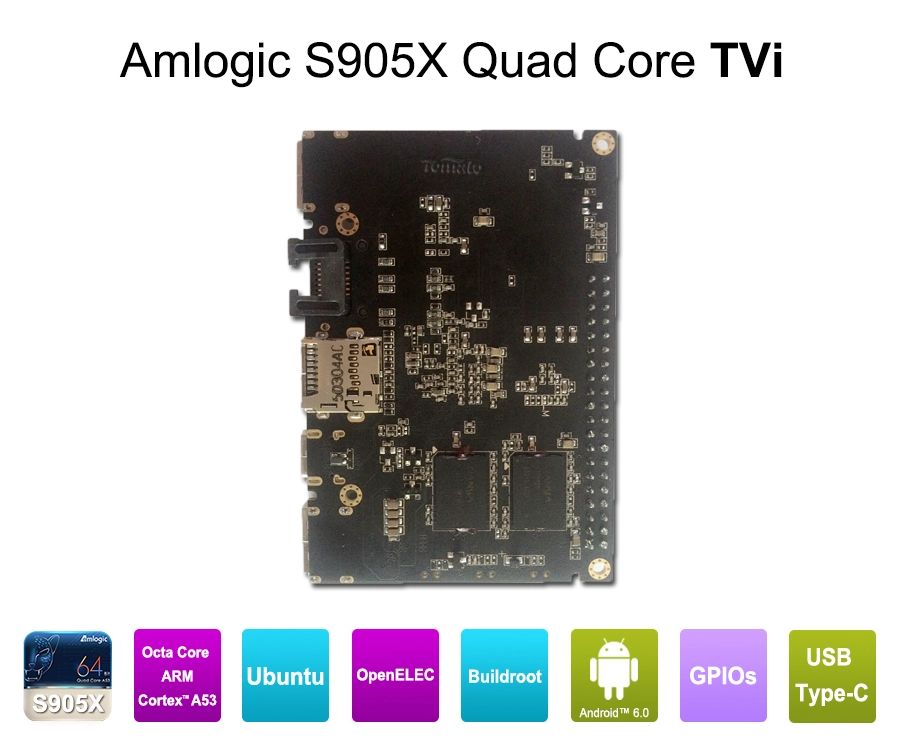
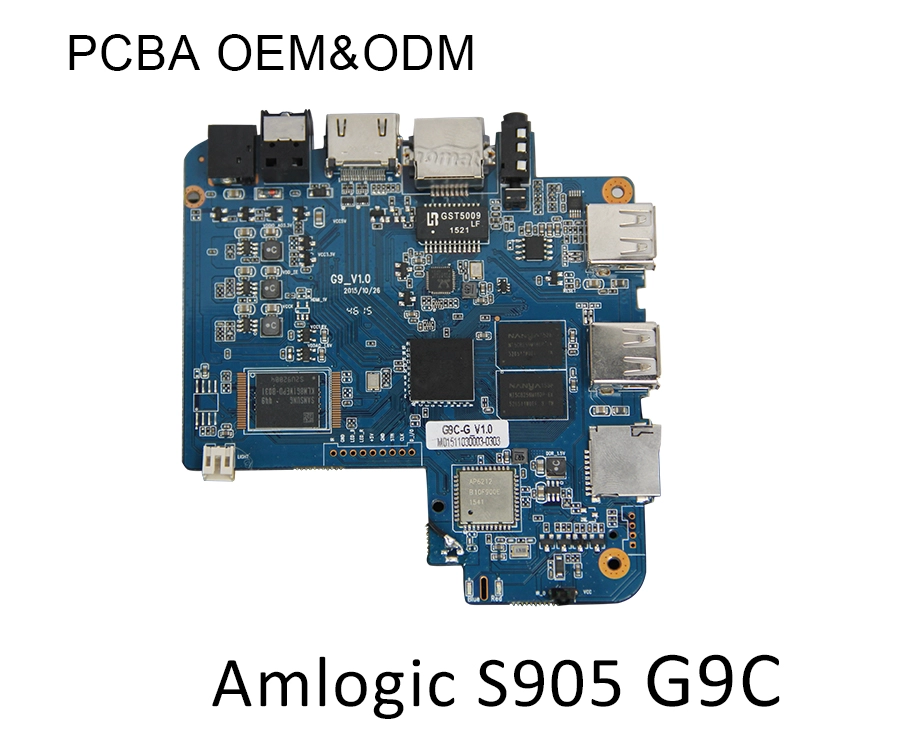
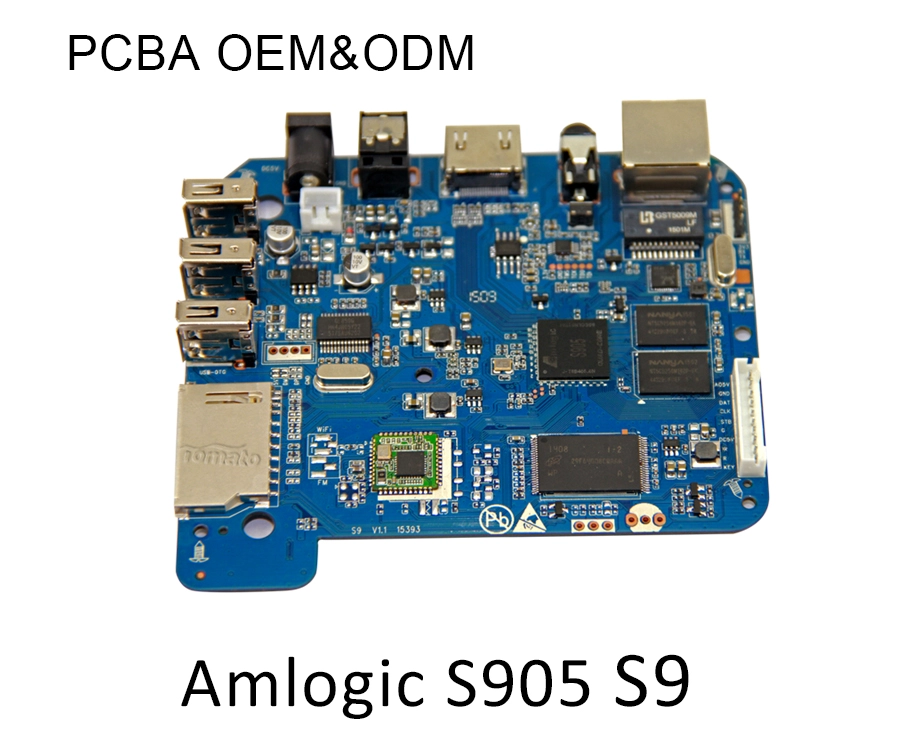
At the heart of a smart TV box is an SoC integrating CPU cores, a dedicated GPU, and a hardware video decoder. This architecture ensures efficient decoding of HEVC, VP9, and AV1 codecs—critical for 4K/HDR streams—while preserving low power consumption.
Memory and Storage
Smart TV boxes typically offer 2–4 GB of RAM for smooth multitasking and 8–64 GB of flash storage for the OS, preloaded apps, and downloaded content. Expandable storage via microSD or USB further enhances capacity for offline media.
Connectivity Interfaces
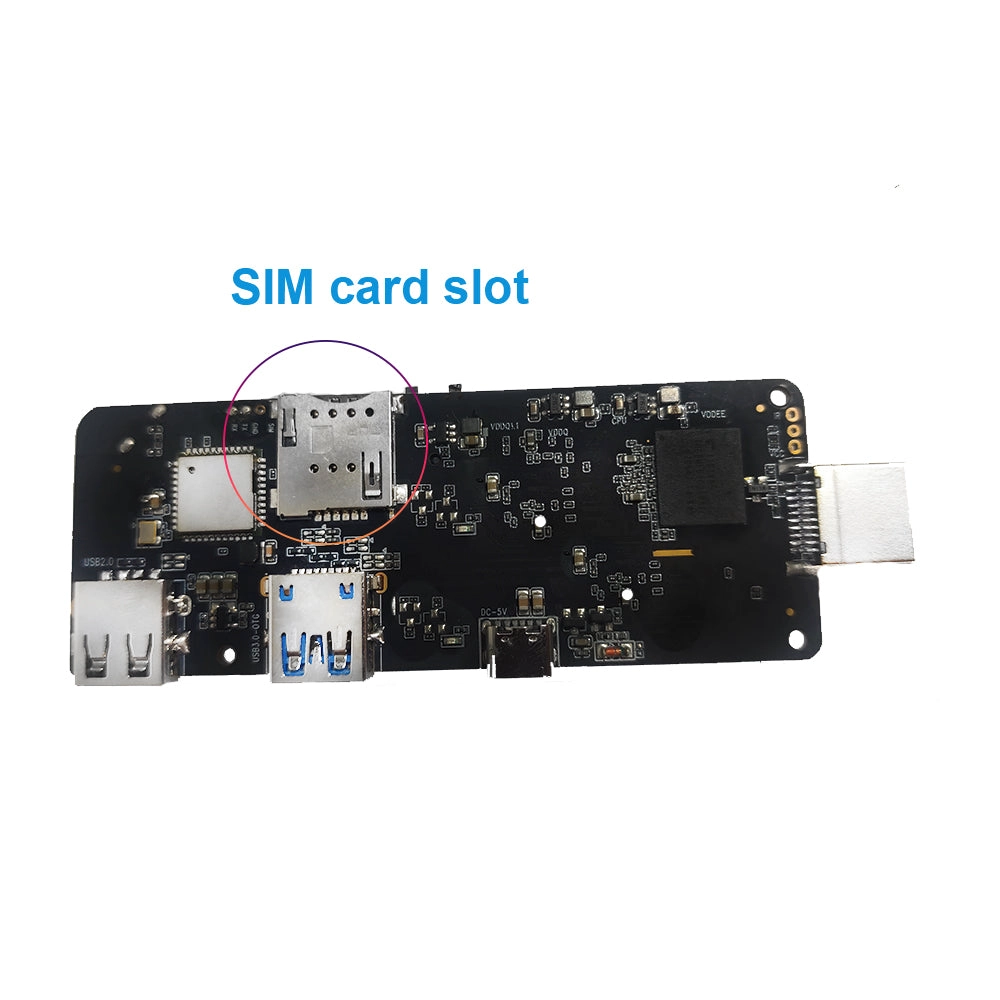
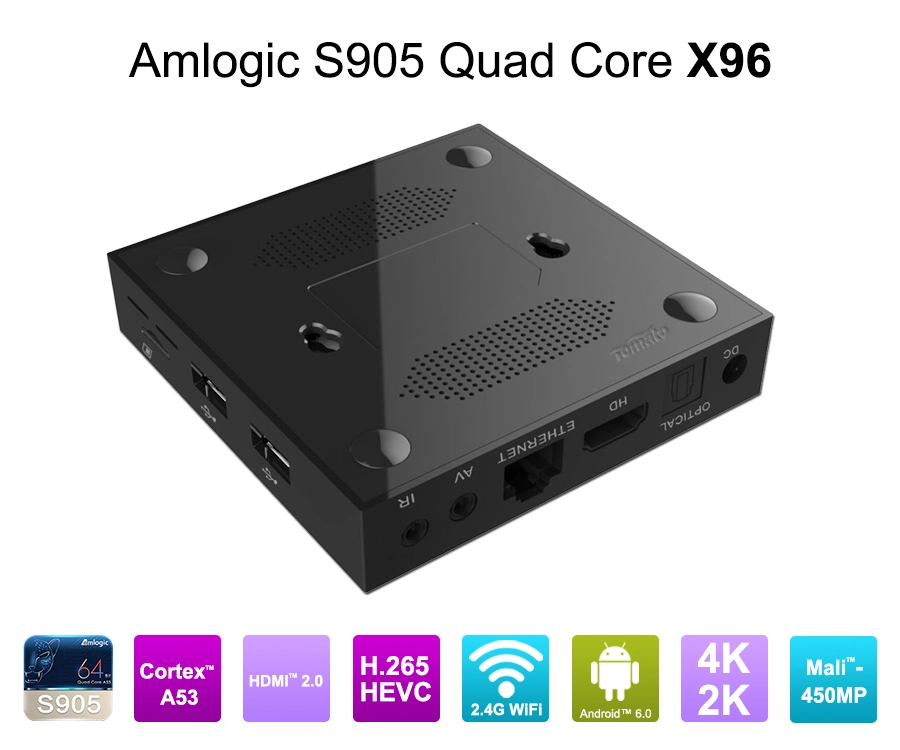
Standard connectivity includes HDMI 2.0/2.1 outputs (up to 8K@60 Hz or 4K@120 Hz), Gigabit Ethernet for stable wired networking, dual‑band Wi‑Fi, and Bluetooth 5.0 for peripherals. Some boxes also include an IR extender port or optical audio output for advanced AV setups.
Software and Operating System
Most smart TV boxes run Android TV (Google TV) or a proprietary Linux‑based OS optimized for remote control navigation. The OS handles app management, content search across services, firmware updates, and DRM enforcement for subscription platforms.
Setting Up a Smart TV Box
-
Physical Connection: Plug the smart TV box into an available HDMI port and power source.
-
Network Setup: Choose Wi‑Fi or Ethernet during initial wizard—Ethernet is recommended for 4K/HDR streaming.
-
Account Sign‑In: Log into your Google, Amazon, or manufacturer account to access the app store.
-
App Installation: Download essential streaming apps and configure voice assistants as desired.
Benefits for Businesses and Consumers
For B2B clients—digital signage integrators, hospitality managers, ed‑tech providers—a smart TV box offers a standardized platform for deploying custom apps, remote management, and bulk firmware updates. Consumers benefit from upgradeability: instead of replacing an entire TV, simply refresh the box to access the latest features and codecs.
Conclusion
A smart TV box elevates any television into a full‑featured entertainment and smart‑home hub. Understanding its hardware architecture, software ecosystem, and core functions ensures you select the ideal box for streaming, gaming, local media playback, and beyond. Armed with this guide, you’re ready to optimize your viewing experience and leverage smart TV boxes for both personal enjoyment and professional deployments.
