What is the lifespan of a Smart TV Box?
What is the Lifespan of a Smart TV Box? The Engineering Behind Hardware Longevity
Hardware churn is the silent killer of enterprise IPTV and digital signage networks. When a deployment of 10,000 endpoint devices requires a wholesale refresh within 24 months, the failure is rarely due to shifting market demands; it is a direct consequence of sub-optimal hardware architecture.
For B2B operators, the lifespan of a Smart TV Box is not determined by the manufacturer's warranty, but by the physical limitations of its internal components and the efficiency of its underlying code. A generic retail device will typically succumb to thermal stress and memory degradation within 1.5 to 3 years. However, an enterprise-grade unit, engineered through a rigorous OEM/ODM pipeline, can reliably operate for 5 to 7 years in continuous, high-load environments.
Understanding the disparity between these lifespans requires examining the hardware at the component and firmware levels.
Thermal Architecture and PCBA Integrity
The primary catalyst for premature hardware failure in continuous-play environments (such as digital signage or hospitality broadcasting) is thermal throttling. High-performance SoCs (System on a Chip), like those from Amlogic or Rockchip, generate significant heat during sustained 4K video decoding.
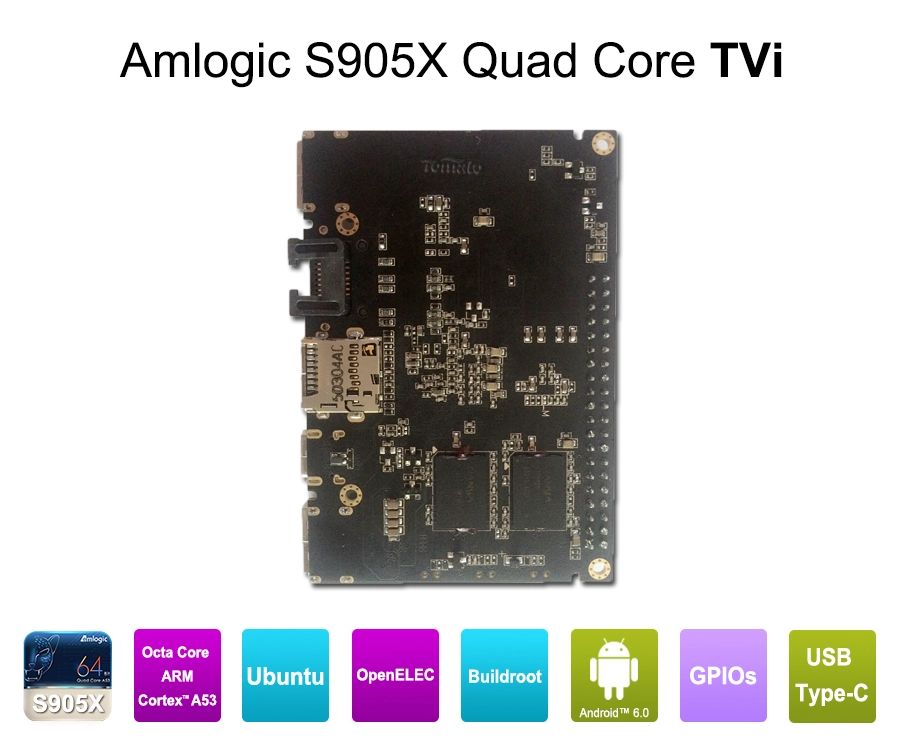
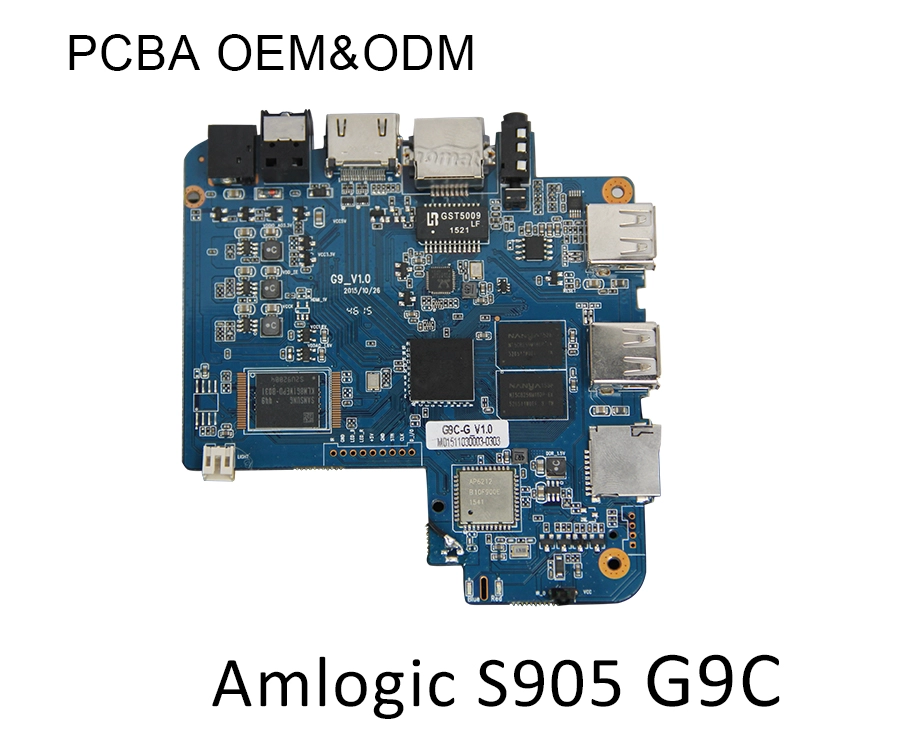
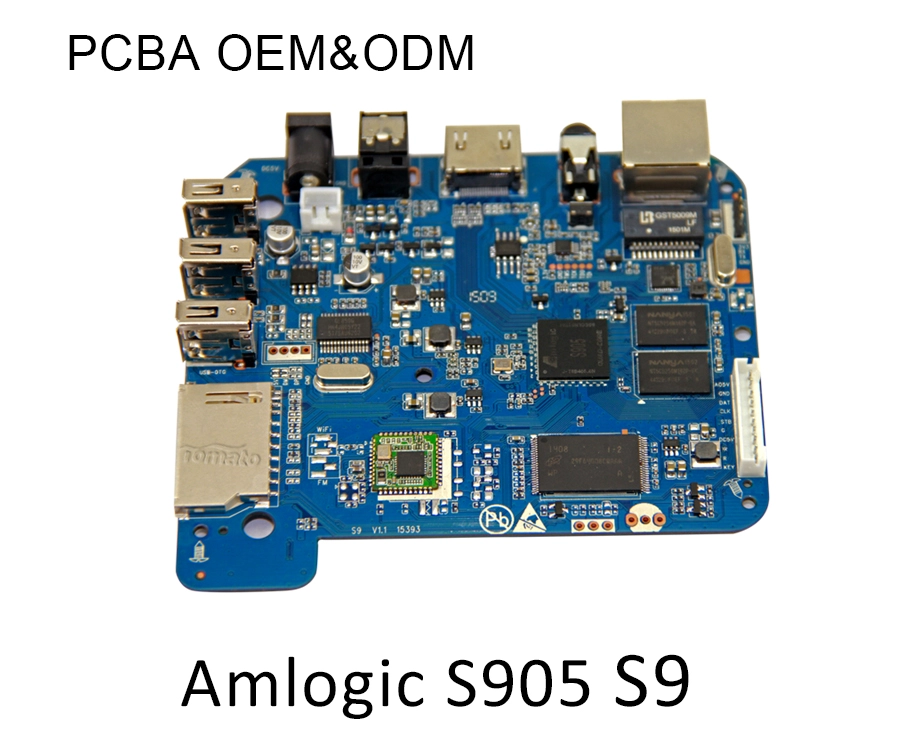
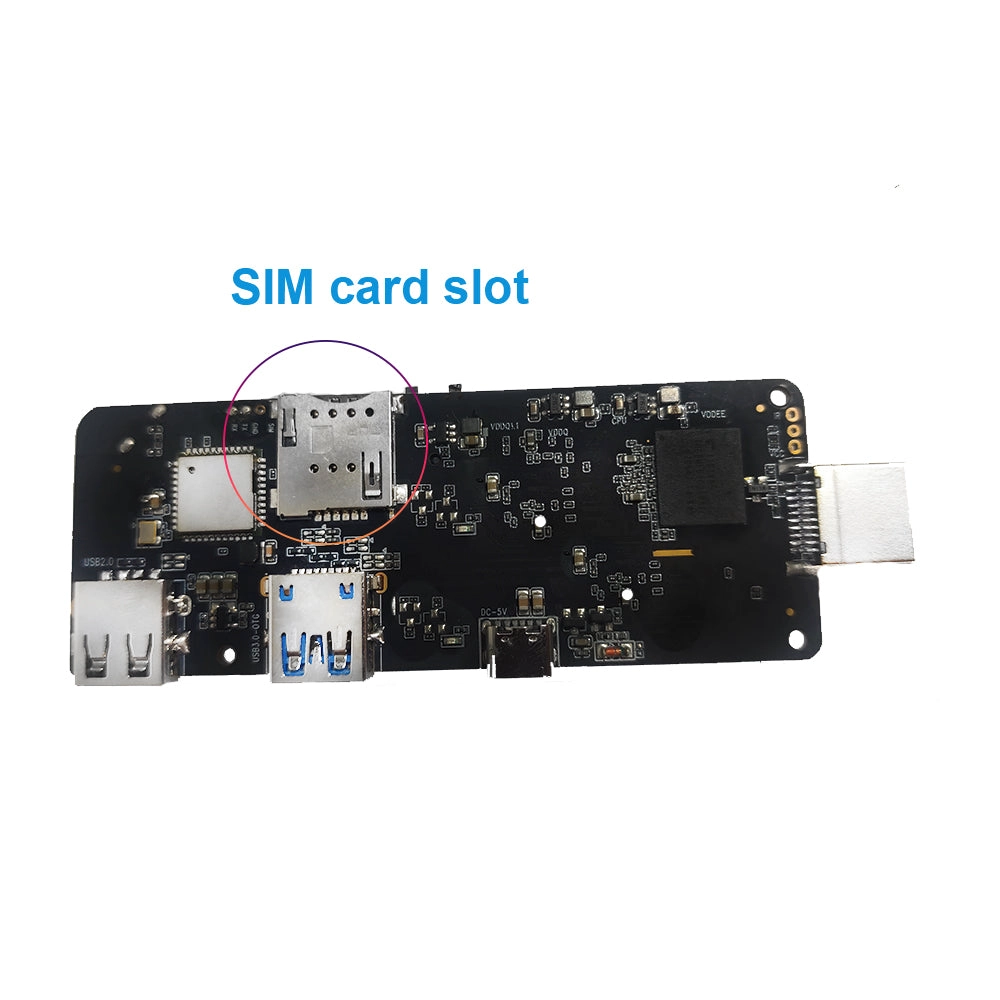
Off-the-shelf retail boxes often utilize cost-reduced Printed Circuit Board Assemblies (PCBAs) with inadequate copper layering and insufficient heat sinks. When operating temperatures consistently exceed optimal thresholds, the silicon degrades rapidly. Solder joints become brittle, and the SoC is forced to aggressively throttle performance, leading to the stuttering and interface lag commonly mistaken for "software obsolescence."
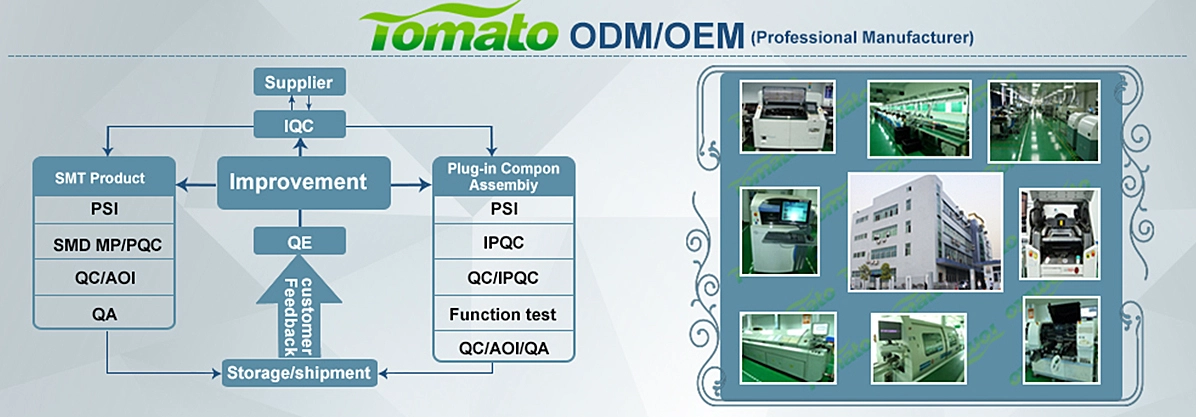
Prolonging the lifespan of a Smart TV Box requires application-specific hardware design. This involves optimizing the PCBA layout for thermal dissipation, utilizing industrial-grade thermal pads, and engineering chassis designs that facilitate passive airflow.
eMMC Write Cycles: The Hidden Expiration Date
Beyond thermal failure, the most predictable end-of-life trigger for a Smart TV Box is the degradation of its onboard storage. Android operating systems constantly write cache data, logs, and background updates to the device's flash memory.
Generic devices frequently utilize low-tier eMMC (embedded MultiMediaCard) storage. NAND flash memory has a finite number of Program/Erase (P/E) cycles. Once these write cycles are exhausted, the storage goes into a read-only state or fails entirely, resulting in a "bricked" device. In a heavy-use B2B scenario, cheap eMMC modules can reach their physical limit in under two years.
Strategic OEM customization mitigates this by specifying industrial-grade eMMC modules designed for high endurance. Furthermore, firmware can be engineered to minimize unnecessary background write operations, effectively doubling the practical lifespan of the storage module.
Firmware-Level Engineering: The Invisible Lifeline
Hardware specifications only dictate the potential lifespan of a device; firmware dictates its actual longevity. The retail market is saturated with devices running bloated, unoptimized versions of Android that consume excessive RAM and CPU cycles just to maintain idle states. Over time, as applications become more resource-intensive, these unoptimized boxes become functionally obsolete, even if the physical hardware remains intact.
Extending the deployment lifecycle requires firmware-level engineering. By stripping away generic OS bloat, optimizing the kernel for specific commercial applications, and implementing robust Over-The-Air (OTA) update mechanisms, the hardware can maintain peak efficiency for years. Custom ROMs tailored to the exact use case—whether locking down an interface for digital signage or optimizing network protocols for IPTV streaming—ensure the hardware's resources are strictly allocated to essential functions.
The Strategic Advantage of OEM/ODM Customization
Treating a Smart TV Box as a disposable commodity is a failed procurement strategy for enterprise scaling. The true cost of hardware is not the unit price, but the compounded cost of premature replacement, localized maintenance, and network downtime.
By pivoting from generic retail sourcing to a dedicated OEM/ODM partnership, businesses gain control over the variables that dictate hardware lifespan. Customization allows operators to spec the exact PCBA design, memory modules, and bare-metal firmware required for their specific environmental demands.
Ready to future-proof your hardware deployment? At SZTomato, we do not act as middlemen for generic electronics. We provide complete OEM/ODM customization and firmware-level engineering tailored to the precise demands of the B2B Cross-Border Electronics sector. Visit www.sztomato.com to engineer a Smart TV Box deployment built for endurance, stability, and maximized ROI.