
What is the spec of Smart TV Box?
Smart TV Box Specifications: The Complete B2B Buyer’s Guide
A modern Smart TV Box cannot be evaluated by “4K + 4GB RAM + Wi-Fi” alone. The adoption of AV1 decoding, Wi-Fi 6, faster ARM SoCs, hardware AI acceleration, newer Android releases, and more demanding OTT applications has made the specification sheet far more important—and far easier to misread.
For B2B buyers, the key issue is not finding the box with the longest specification list. It is matching the SoC, memory, storage, video engine, connectivity, operating system, DRM, thermal design, and firmware architecture to the intended workload.
A Smart TV Box designed for residential streaming has very different requirements from an IPTV operator device, hotel entertainment terminal, digital signage player, or industrial edge-computing platform.
What Are the Core Specifications of a Smart TV Box?
The specification of a Smart TV Box normally covers eight technical areas: processor, memory, storage, video, connectivity, operating system, security, and physical interfaces.
1. SoC: CPU, GPU and NPU
The SoC is the foundation of the entire platform.
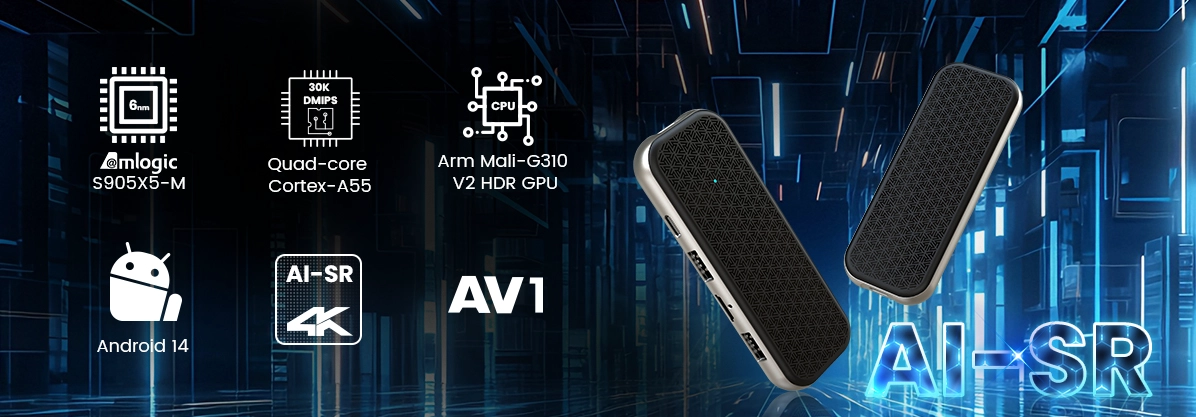
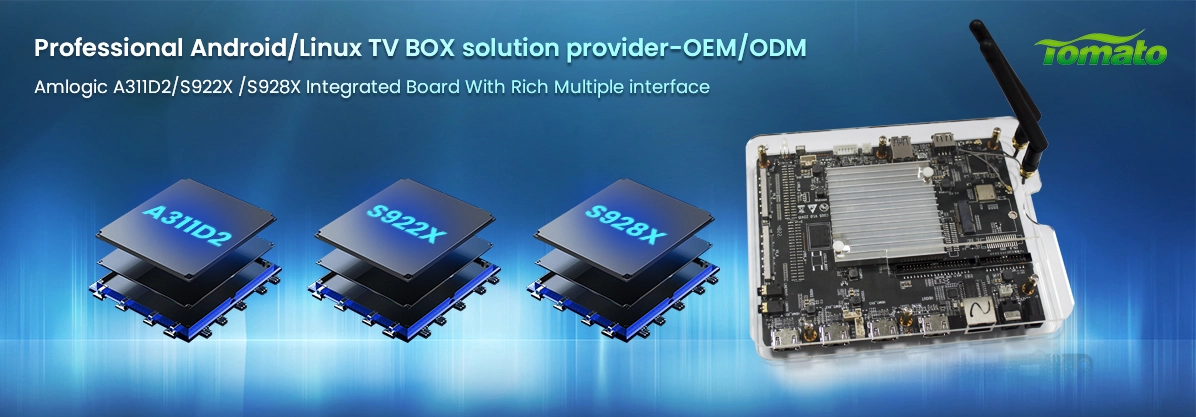
Common Smart TV Box platforms use ARM-based processors from vendors such as Amlogic, Rockchip and Allwinner. Depending on the product class, the CPU may range from quad-core Cortex-A55 configurations to high-performance octa-core architectures combining Cortex-A76 and Cortex-A55 cores.
A B2B specification sheet should identify:
-
CPU architecture
-
Number of cores
-
Maximum frequency
-
CPU generation
-
GPU model
-
NPU availability
-
AI compute performance
-
Supported operating systems
-
Hardware video engine
CPU core count alone is a poor performance indicator.
A quad-core Cortex-A55 platform can be perfectly adequate for a 4K IPTV receiver, while an eight-core platform may be justified for digital signage, multitasking, browser applications, AI inference, or edge computing.
The same principle applies to NPU performance. An NPU measured in TOPS can be useful for computer vision and local AI inference, but only if the required AI frameworks and APIs are supported by the software stack.
2. RAM and Storage
RAM directly affects multitasking and application responsiveness.
Typical configurations include:
-
2GB RAM for entry-level streaming
-
4GB RAM for mainstream applications
-
8GB or more for advanced multimedia and edge-computing workloads
Storage commonly uses eMMC, although higher-performance platforms may support UFS.
For B2B deployments, storage capacity is only one consideration. Procurement teams should also examine:
-
Storage type
-
Sequential read/write performance
-
Endurance
-
Partition configuration
-
OTA space allocation
-
Recovery partition design
-
Application storage requirements
A device requiring frequent OTA updates should reserve sufficient system space for safe firmware upgrades and rollback.
What Video Specifications Should a Smart TV Box Have?
Video processing remains one of the most important Smart TV Box specifications.
4K Is Now the Baseline for Many Products
A current mainstream Smart TV Box should generally support hardware-accelerated 4K video decoding.
Relevant specifications include:
-
4K@60fps
-
H.264
-
H.265/HEVC
-
VP9
-
AV1
-
HDR
-
HDMI output
-
HDCP support
Higher-end platforms may support 8K decoding or more advanced display pipelines.
However, "supports 8K" should not be interpreted as "ideal for an 8K commercial application."
The complete chain matters:
SoC decoder → Android/Linux driver → media framework → HDMI controller → HDCP → display
A weakness at any layer can affect actual output performance.
AV1 Support Is an Important Specification
AV1 hardware decoding is increasingly relevant to new Smart TV Box designs because it can deliver efficient video compression and reduce bandwidth requirements for supported content.
But buyers should distinguish between:
AV1 codec support on the SoC
and
verified AV1 playback in the target application environment.
The latter requires functional integration between the decoder, operating system, media framework, application and display subsystem.
For OEM projects, this is why sample validation should include actual target streams rather than relying only on a PDF specification sheet.
Connectivity and I/O: The Specifications That Affect Real Deployments
A Smart TV Box can have excellent CPU performance and still be unsuitable for a commercial project because of insufficient interfaces.
Network
At minimum, buyers should evaluate:
-
Wi-Fi generation
-
Ethernet speed
-
Bluetooth version
-
Antenna configuration
-
Network stability
-
Driver support
Gigabit Ethernet can be important for IPTV, high-bitrate local media, commercial content distribution, and network-intensive applications.
Wi-Fi 6 can provide a stronger foundation for high-density deployments than older Wi-Fi generations, particularly when multiple devices operate within the same environment.
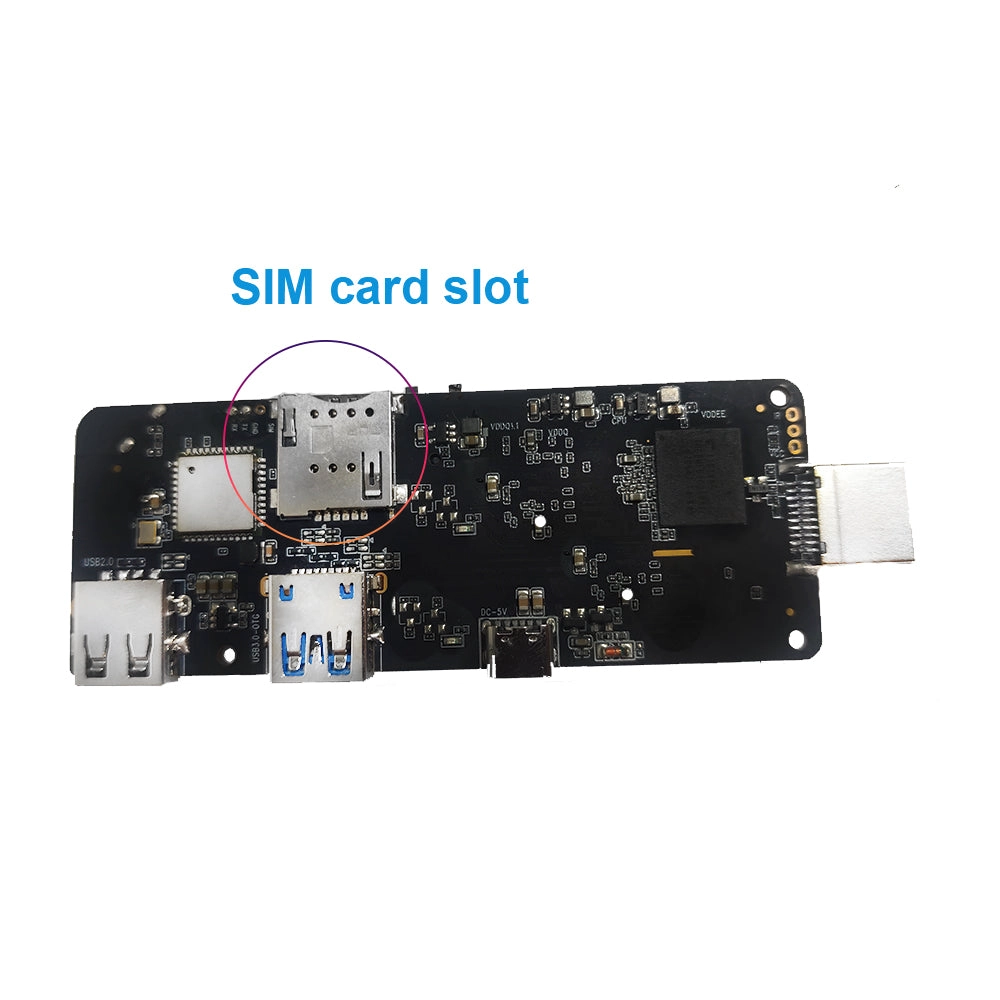
Physical Interfaces
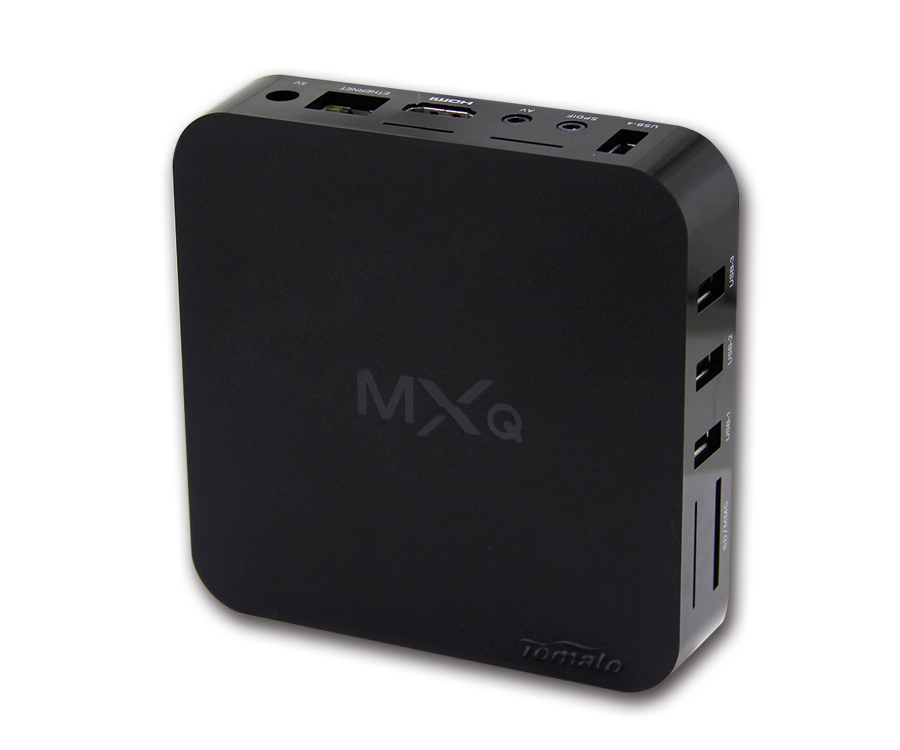
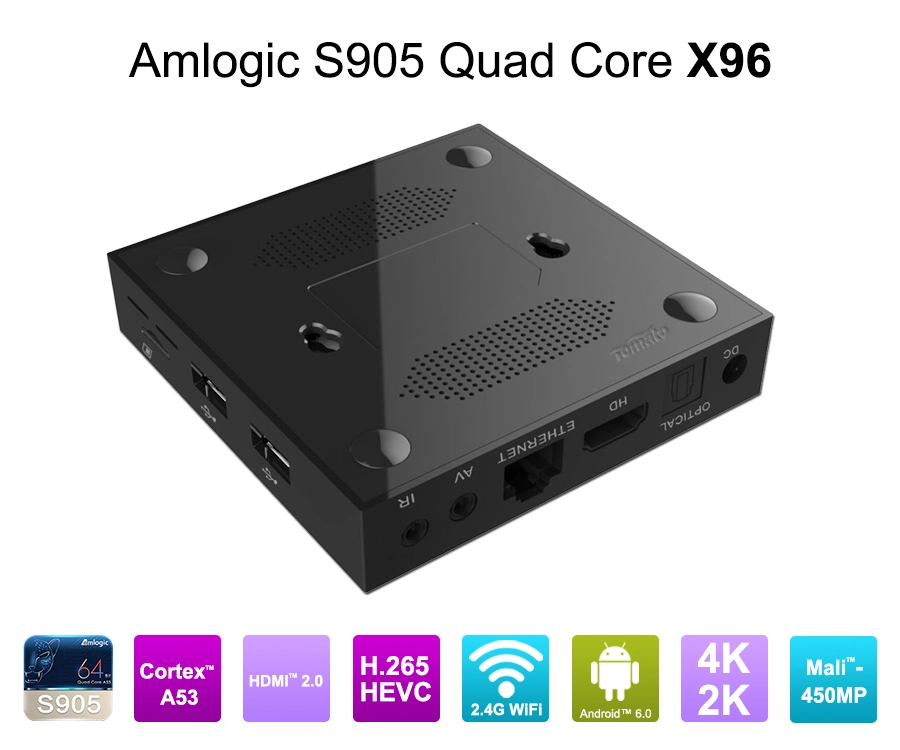
Typical interfaces include:
-
HDMI
-
USB 2.0
-
USB 3.0
-
Ethernet
-
TF/microSD
-
AV output
-
Optical audio
-
Type-C
-
RS-232
-
GPIO
Not every Smart TV Box needs all of them.
A consumer streaming product may need only HDMI, USB and Ethernet.
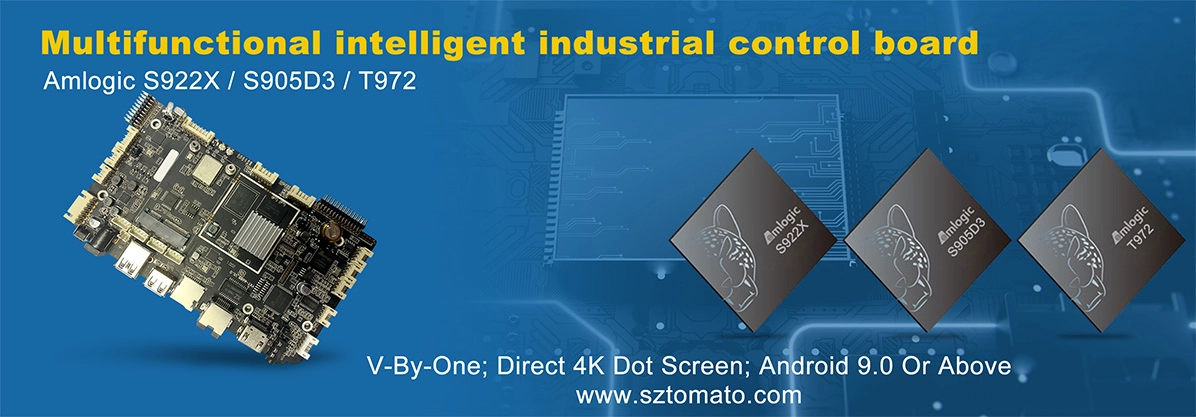
An industrial or digital signage application may require RS-232, GPIO, multiple USB ports, or additional communication interfaces.
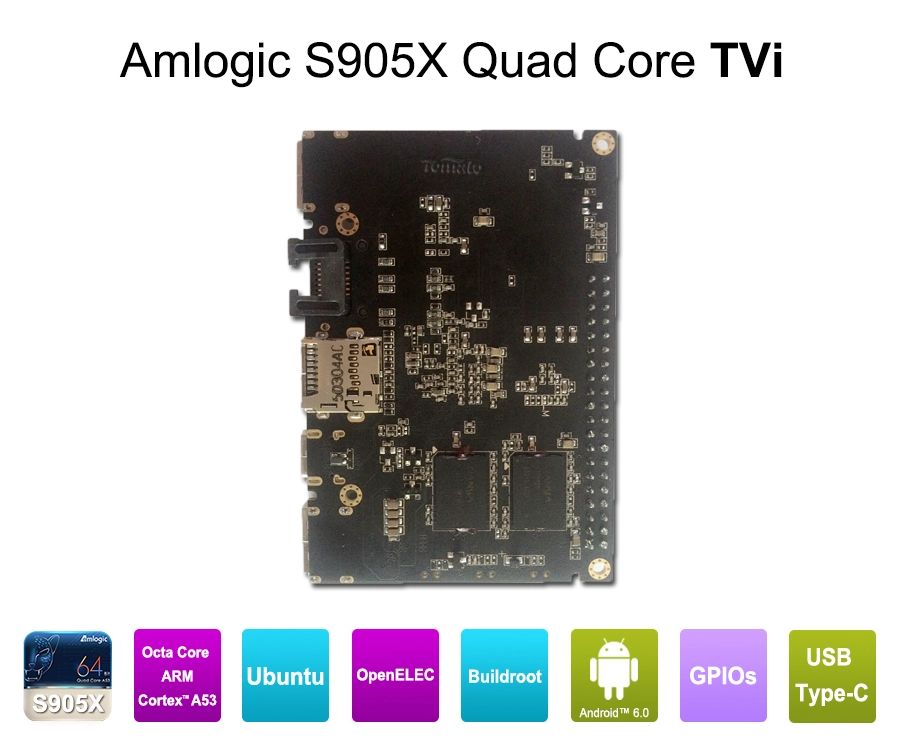
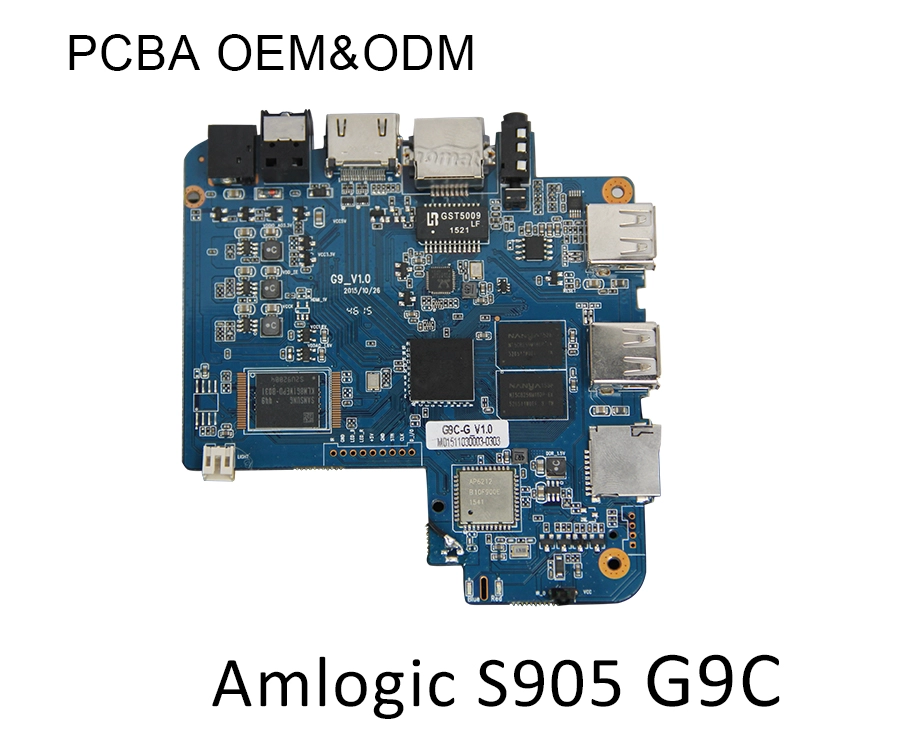
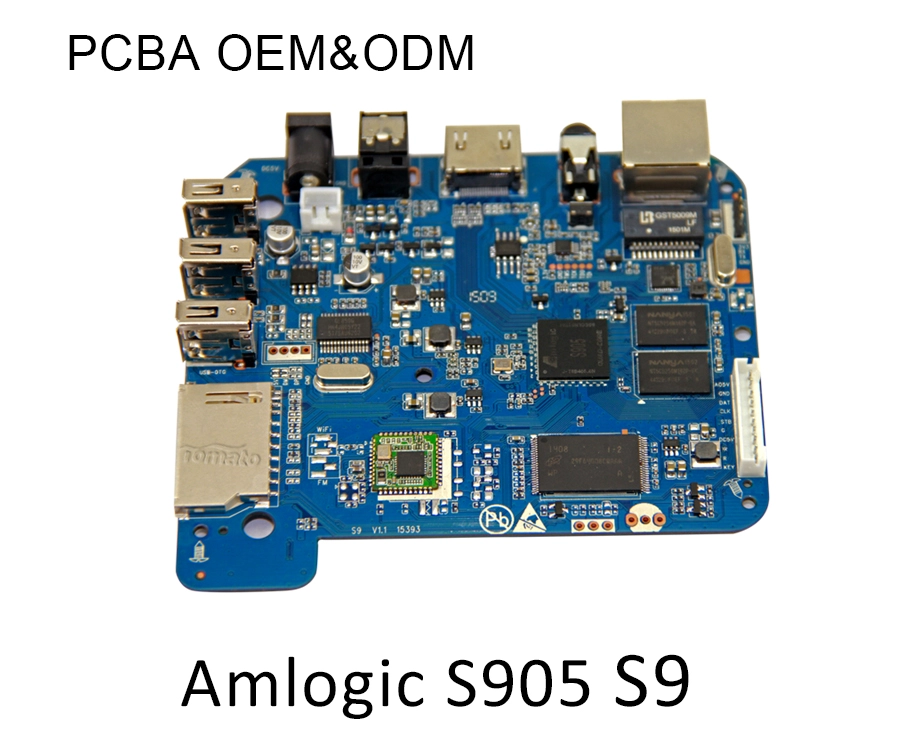
This is where PCBA customization becomes commercially significant.
Instead of selecting a retail board and forcing the application to fit it, an OEM/ODM manufacturer can modify the PCBA architecture around the actual interface requirements.
Android, Firmware and Security Specifications
Hardware is only half of a Smart TV Box.
The software stack determines how much control the manufacturer and customer have after production.
Android Version Is Not the Whole Story
A specification sheet might state Android 13, Android 14, Android 15 or a newer release.
That number alone tells the buyer very little.
A professional evaluation should include:
-
AOSP or Android TV
-
Linux kernel version
-
BSP maturity
-
HAL implementation
-
Driver support
-
System API availability
-
OTA architecture
-
Security patch process
-
Application compatibility
-
Device management capability
For an enterprise project, a stable BSP with long-term engineering support can be more valuable than a newer Android version with immature drivers.
DRM and HDCP
Streaming applications can require hardware-backed security and content protection.
Depending on the project, the Smart TV Box may need:
-
Widevine DRM
-
Trusted Execution Environment
-
Secure Boot
-
HDCP encryption
-
Hardware key storage
-
Secure video path
The buyer should define these requirements before selecting the SoC.
A device that decodes 4K H.265 perfectly may still be unsuitable for a premium OTT deployment if the required DRM or certification architecture is unavailable.
Thermal Design Is a Smart TV Box Specification
Thermal performance is frequently omitted from consumer-oriented specification tables.
For commercial deployments, that is a mistake.
A Smart TV Box running an IPTV application for several hours is not equivalent to an industrial digital signage player operating continuously in an enclosed cabinet.
The engineering team should evaluate:
-
SoC thermal design power
-
Heatsink dimensions
-
Thermal interface material
-
Enclosure ventilation
-
PCB component placement
-
Ambient operating temperature
-
Sustained CPU/GPU load
-
NPU workload
-
Thermal throttling behavior
A high-performance SoC requires a corresponding thermal solution.
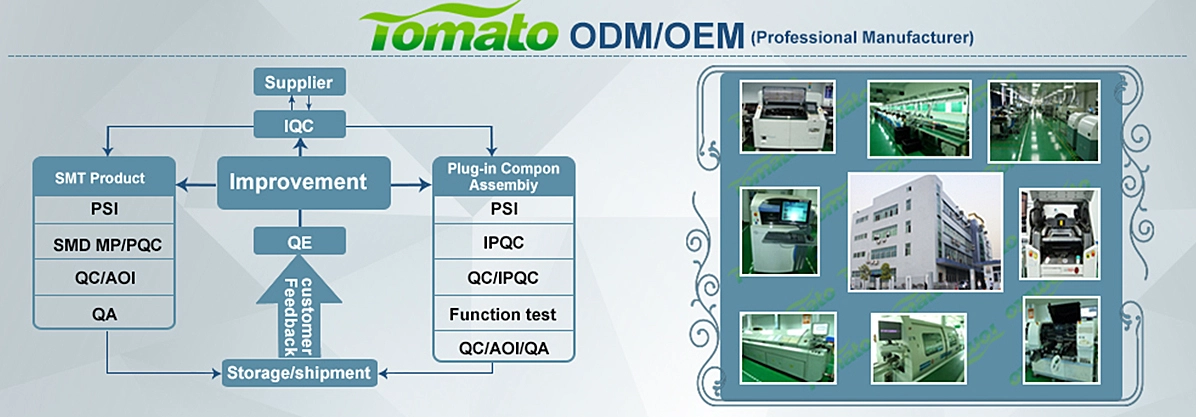
At SZTomato, specialized cooling solutions can be developed alongside the PCBA and enclosure rather than treating heat dissipation as an afterthought. This is particularly relevant for high-performance Android TV Box platforms used in digital signage, AI edge computing, and industrial environments.
How to Select the Right Smart TV Box Specification
The most effective approach is to start with the application and work backward toward the hardware.
| Application | Recommended Specification Focus |
|---|---|
| 4K OTT Streaming | 4K@60fps, H.265/AV1, Wi-Fi 5/6, 2–4GB RAM |
| IPTV | Gigabit Ethernet, DRM, middleware, OTA, 4K decoding |
| Hotel TV | Custom launcher, centralized management, OTA, Wi-Fi/Ethernet |
| Digital Signage | 4GB+, reliable storage, 4K output, 24/7 thermal design |
| AI Edge Box | High-performance CPU, GPU, NPU, RAM, active cooling |
| Industrial Terminal | Extended temperature, customized I/O, Linux/Android support |
| Enterprise Deployment | OTA, device management, security, SDK/API integration |
This application-driven method prevents over-specification and under-specification.
For example, purchasing an expensive octa-core AI platform for a basic IPTV receiver increases BOM cost without creating proportional value.
Conversely, selecting a low-cost 2GB platform for a 24/7 digital signage system can create performance and lifecycle problems.
Where OEM/ODM Customization Changes the Specification
Standard Smart TV Box specifications are designed for broad markets.
B2B projects often need something different.
A telecom operator may require proprietary IPTV middleware.
A digital signage company may need the device to launch directly into its own application.
A hotel technology provider may require a branded interface and centralized device management.
An industrial integrator may need RS-232, GPIO, custom power input, or a modified enclosure.
These requirements can extend into both hardware and firmware.
SZTomato's OEM/ODM engineering model supports customization at several levels:
PCBA Hardware Modification
Hardware engineering can address:
-
RAM and storage configuration
-
Interface selection
-
Ethernet architecture
-
Wireless modules
-
Antenna layout
-
Power design
-
Connector placement
-
PCB layout
-
Component selection
SDK/API Integration
The software platform can be integrated with customer applications through appropriate SDKs and APIs.
Possible functions include:
-
Device Owner APIs
-
Kiosk mode
-
Lock Task Mode
-
Default launcher control
-
Silent APK installation
-
Remote configuration
-
Middleware integration
-
Device management
Custom UI/UX Firmware
For branded deployments, the system interface can be modified at firmware level rather than relying solely on a third-party launcher.
This can include:
-
Boot animation
-
Launcher
-
Home screen
-
System navigation
-
Settings
-
Preinstalled applications
-
Branding
-
Application permissions
-
Restricted user access
OTA and Lifecycle Management
Large deployments require a controlled firmware update strategy.
A robust OTA system should support version management, staged releases, recovery, rollback, security verification, and remote diagnostics.
This becomes particularly important when the customer operates thousands or tens of thousands of devices across multiple markets.
Smart TV Box Specification Checklist for B2B Procurement
Before approving a supplier, procurement teams should request a technical specification covering at least:
Hardware
-
SoC model
-
CPU/GPU/NPU
-
RAM type and capacity
-
Storage type and capacity
-
Wi-Fi
-
Bluetooth
-
Ethernet
-
HDMI
-
USB
-
Additional I/O
Video
-
H.264
-
H.265
-
VP9
-
AV1
-
4K/8K capability
-
HDR
-
HDCP
Software
-
Android version
-
AOSP/Android TV architecture
-
Kernel
-
BSP
-
DRM
-
OTA
-
SDK/API
-
Middleware support
Mechanical
-
Dimensions
-
Enclosure material
-
Heat dissipation
-
Operating temperature
-
Continuous-load performance
Commercial
-
MOQ
-
Customization capability
-
Firmware maintenance
-
Certification support
-
Production capacity
-
Product lifecycle
The final point is critical.
A Smart TV Box is not simply a piece of hardware when it is deployed as part of an enterprise system. It becomes an endpoint in a software-managed infrastructure.
Conclusion: The Best Smart TV Box Specification Is Application-Driven
There is no universal specification for a Smart TV Box.
A good configuration balances SoC performance, video capability, memory, storage, connectivity, Android architecture, security, thermal performance, firmware support, and lifecycle requirements.
For consumer OTT, cost efficiency and application compatibility may dominate.
For IPTV, network performance, DRM, middleware and OTA become more important.
For digital signage and industrial applications, sustained performance, customized I/O, thermal design and firmware control can outweigh consumer-oriented features.
For B2B procurement managers and system integrators, the critical question should therefore be:
What must the Smart TV Box do continuously, securely, and reliably for the next three to five years?
That answer should determine the SoC, PCBA, firmware and thermal architecture.
SZTomato provides OEM/ODM development for customers that require more than an off-the-shelf Smart TV Box, including PCBA hardware modification, SDK/API integration, custom UI/UX firmware, OTA update systems, Linux/Android kernel optimization, and specialized cooling solutions for commercial and industrial deployment.
If your project has defined IPTV, OTT, hotel, digital signage, AI or industrial requirements, specify the workload first. Then engineer the Smart TV Box around that workload rather than selecting a generic specification sheet and adapting the project afterward.
