
What to look for when buying a Android TV Box?
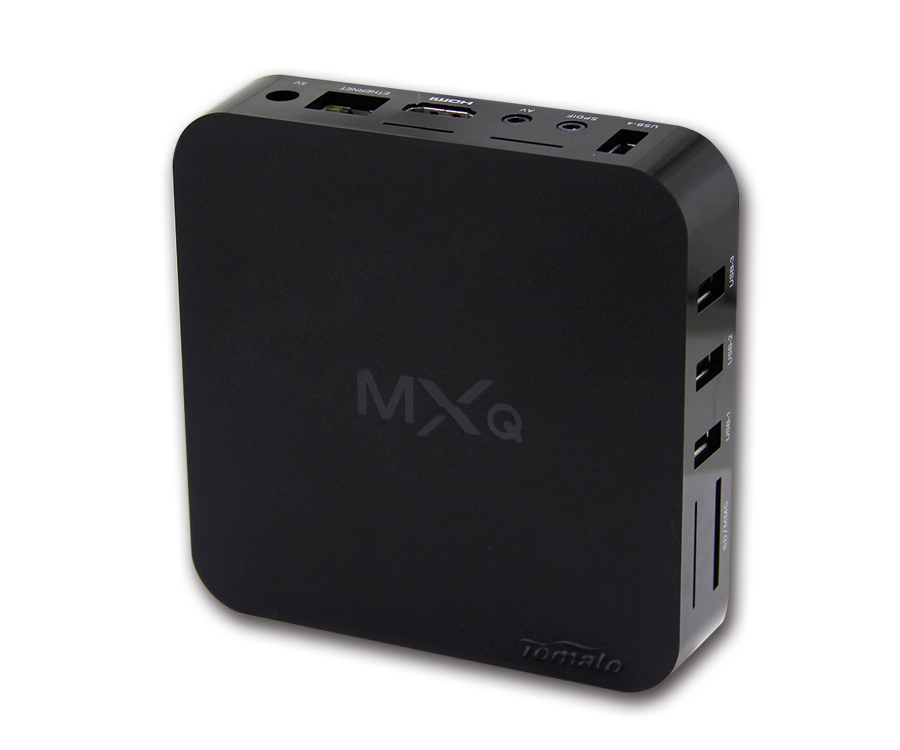
In the B2B sector, an Android TV Box is not just a consumer gadget; it is the delivery vehicle for your service, your content, and your brand. By 2026, the market has bifurcated: while retail consumers chase low prices, smart operators and distributors focus on technical resilience and supply chain stability.
If you are sourcing for a hospitality project, a digital signage network, or an IPTV service, here is the technical checklist that actually matters for your ROI.
1. The Decoding Standard: AV1 is Non-Negotiable
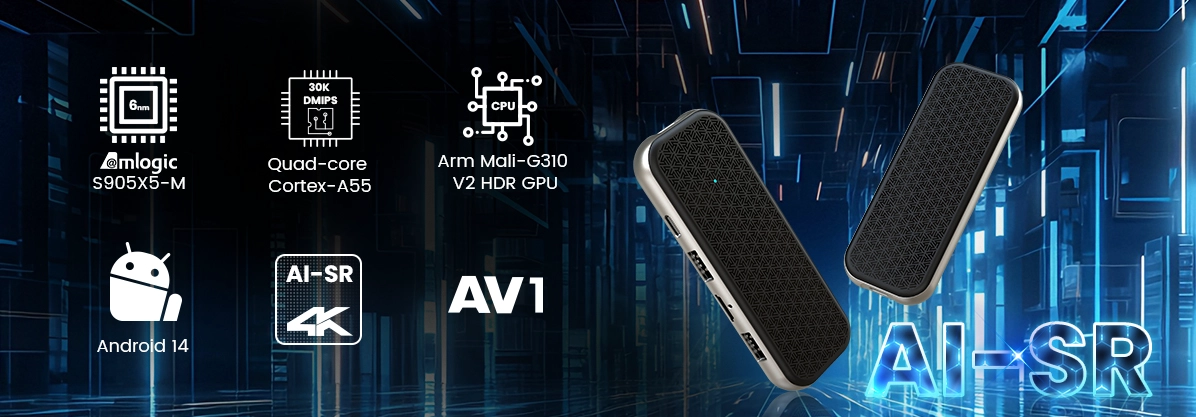
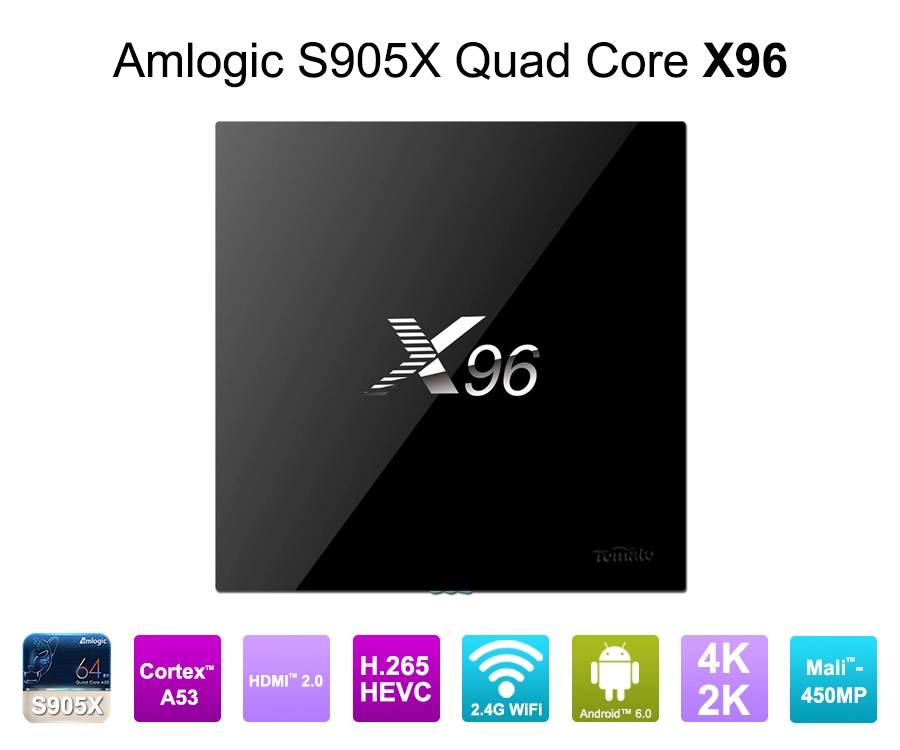
For years, H.265 (HEVC) was the benchmark. However, in 2025-2026, AV1 hardware decoding has become the industry's "entry ticket." Global platforms like YouTube and Netflix have prioritized AV1 because it offers 30% better compression than VP9.
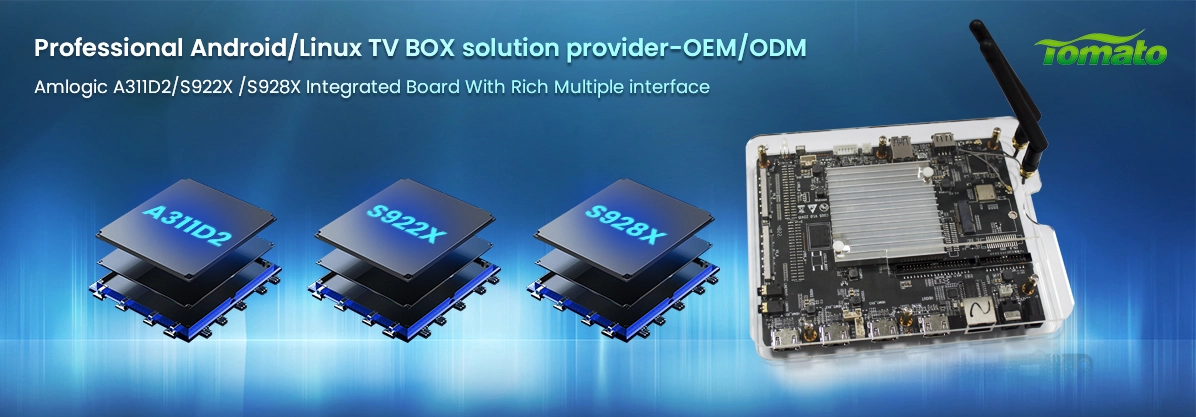
For a B2B buyer, this isn't just about video quality—it’s about bandwidth economics. Deploying boxes with AV1 support allows your end-users to stream high-bitrate 4K content on lower-speed networks, significantly reducing support tickets related to buffering. At SZTomato, we lead with high-performance SoCs (such as the Amlogic S905X4 and S928X) that provide native, power-efficient AV1 decoding, ensuring your hardware doesn't become obsolete in 12 months.
2. Hardware "Industrialization": Beyond the Spec Sheet
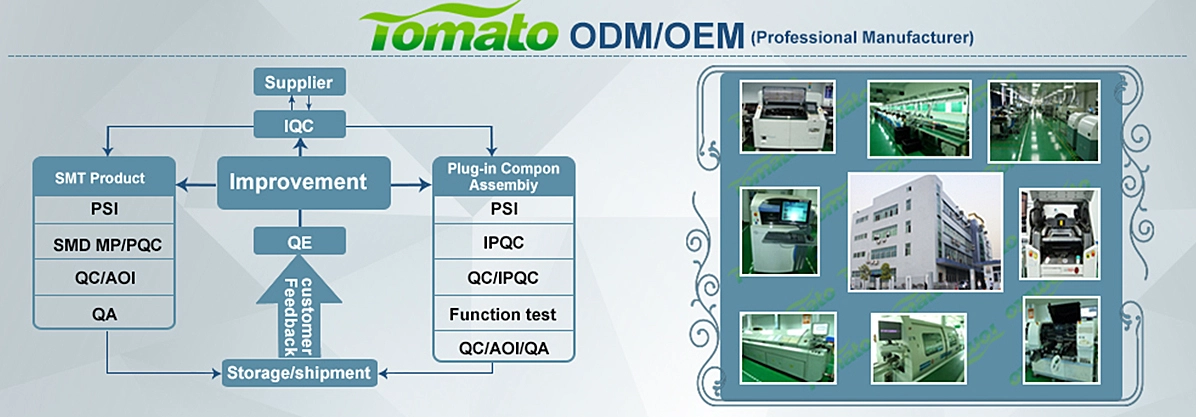
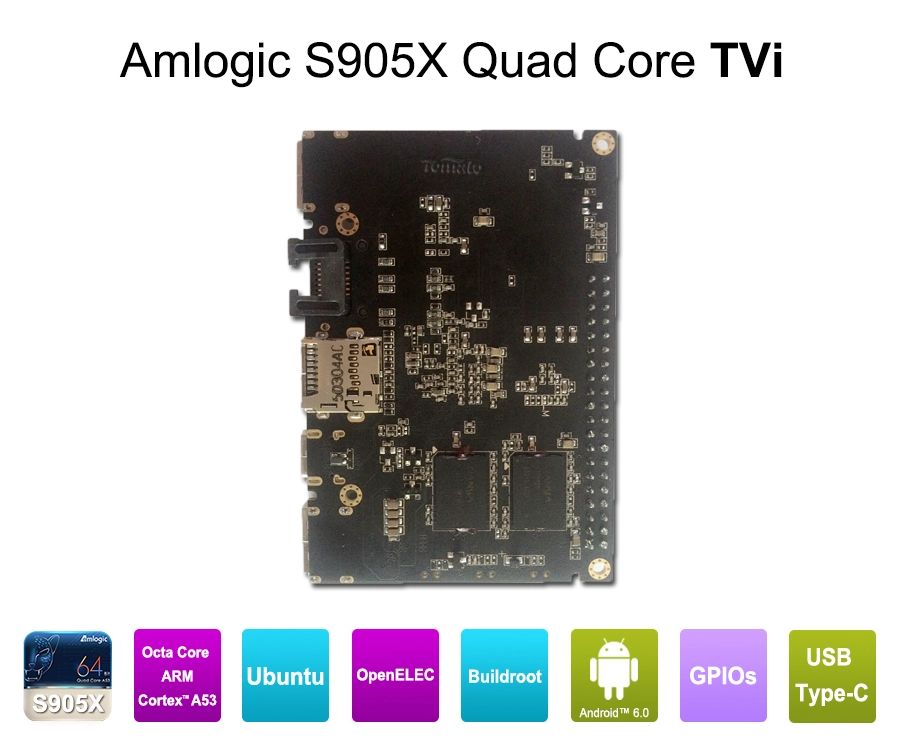
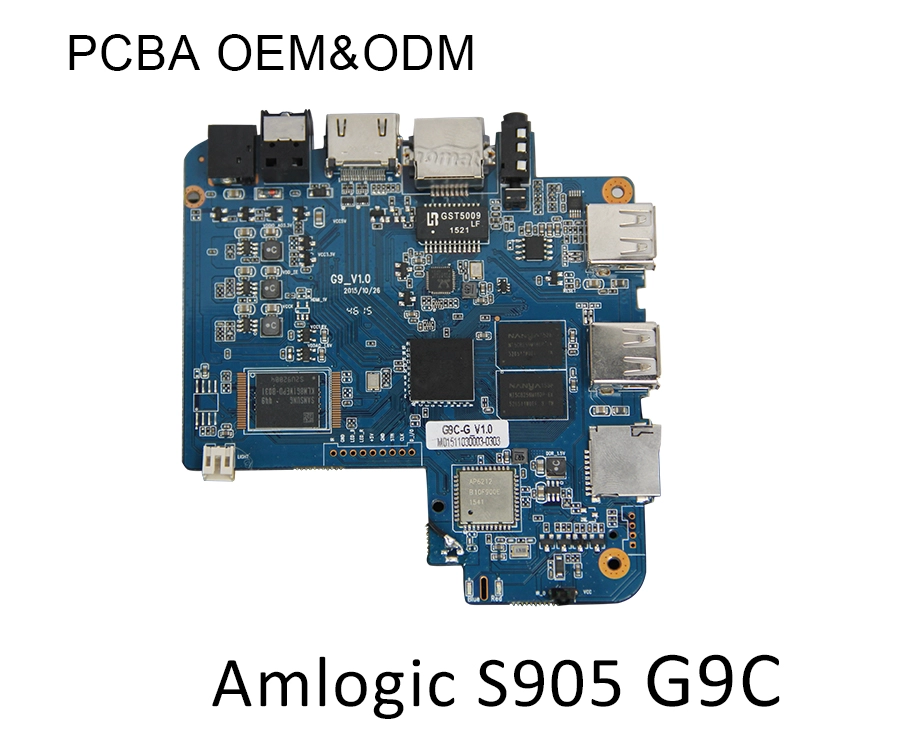
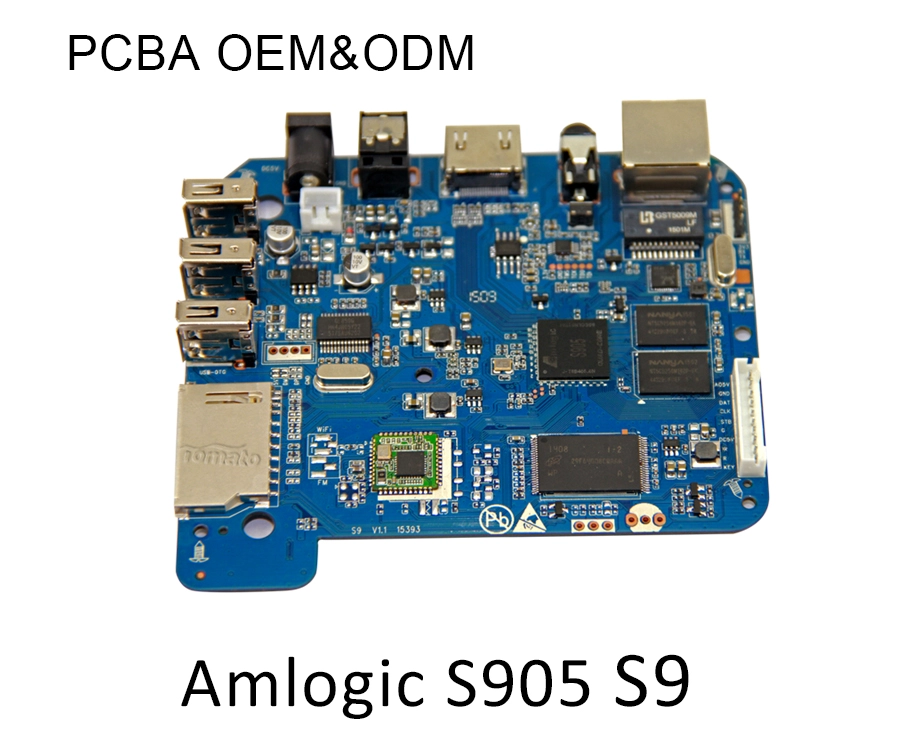
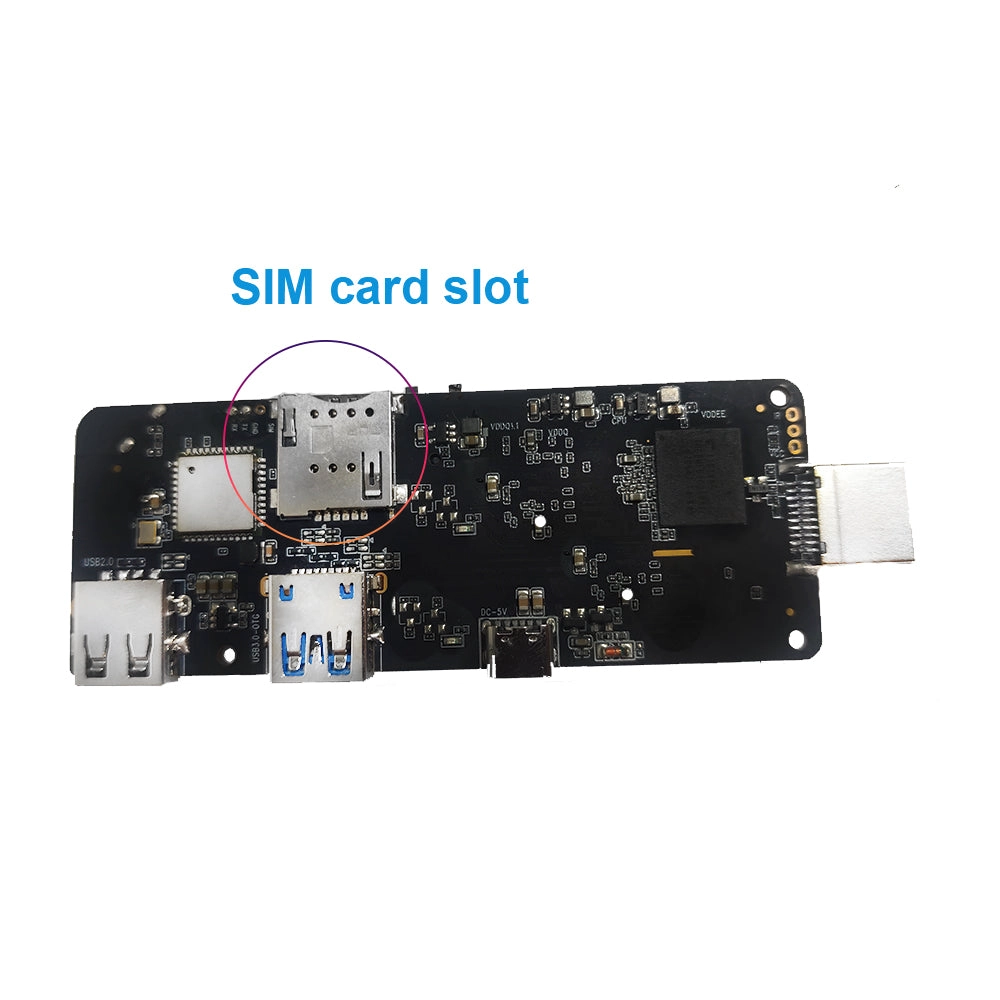
Most "cheap" boxes fail in the field due to thermal throttling and inferior components. When evaluating an Android TV Box for bulk deployment, you must look at the PCBA (Printed Circuit Board Assembly).
Commercial-grade reliability requires:
-
Industrial eMMC Storage: Consumer-grade NAND flash wears out under constant read/write cycles. We utilize industrial-grade storage to ensure longevity in 24/7 environments like digital signage.
-
Advanced Thermal Management: At SZTomato, our engineering team optimizes heat sink designs and PCBA layouts to maintain peak SoC performance even under heavy 4K/8K loads.
-
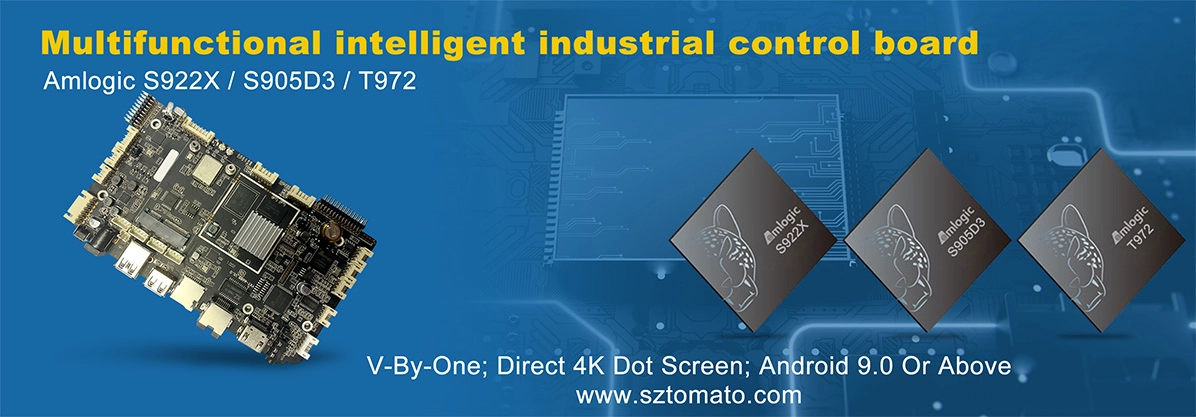
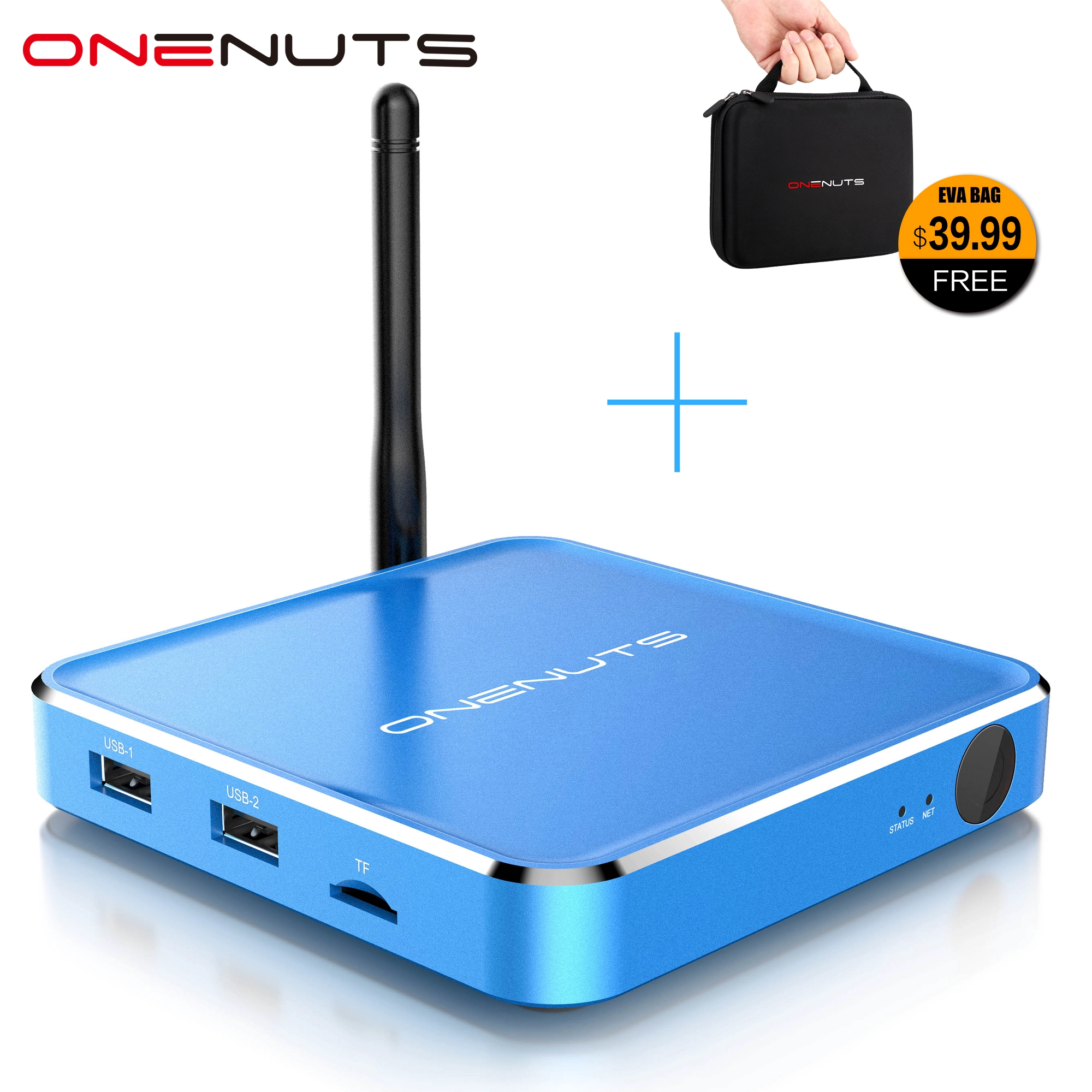
Connectivity Integrity: In 2026, WiFi 6 or 6E is essential for reducing latency in high-density environments (like hotels). We offer hardware modifications to add external high-gain antennas or specialized ports (RS232/GPIO) to meet specific project needs.
3. The Power of "System Lockdown" and Custom Firmware
A generic Android TV Box is a liability. If a user can factory reset the device or access the system settings, your proprietary service is at risk.
True "value" in this industry is found in Firmware Customization. Through our OEM/ODM services, SZTomato provides:
-
Deep-Level System Lockdown: We modify the kernel to disable unauthorized app installations and hide system settings from end-users.
-
Bespoke Launchers: We replace the stock interface with your branded UI, ensuring that your logo and services are the first things a user sees.
-
Secure OTA Updates: For deployments of 1,000+ units, physical updates are impossible. We provide a proprietary Over-The-Air (OTA) server, allowing you to push mandatory firmware patches or new APKs to your entire fleet remotely.
4. Supply Chain Transparency: OEM vs. ODM
Understanding which model fits your business is crucial.
-
OEM (Original Equipment Manufacturer): Ideal if you want a proven hardware platform with your branding, custom packaging, and pre-installed software. It’s the fastest route to market.
-
ODM (Original Design Manufacturer): Necessary for specialized projects where you need a unique housing, a specific PCBA shape, or integrated third-party hardware (like a Zigbee module for Smart Home hubs).
SZTomato has spent 15 years bridging this gap. We provide the technical transparency that retail factories lack, offering detailed QA reports, salt spray testing for remotes, and aging tests that guarantee a failure rate of less than 0.5% in the field.
Conclusion: Don't Buy a Box, Buy a Partner
The most expensive hardware is the one that needs to be replaced. When buying an Android TV Box, look for the ability to customize, the efficiency of the codec, and the stability of the manufacturer's firmware support.
Is your brand ready for a professional OTT solution? Contact SZTomato today to discuss your customized hardware roadmap.
