
What to look for when buying a Internet TV Box?
If you are scanning Alibaba or Global Sources for an Internet TV Box, you will find thousands of suppliers claiming to have the "fastest" device. But as a B2B buyer, you know that speed on a spec sheet often translates to overheating in the real world. In 2026, the criteria for purchasing these devices have shifted from raw performance to reliability, efficiency, and control.
Whether you are an ISP deploying 50,000 units or a hotel integrator upgrading guest entertainment, here is what you actually need to look for.
1. The "Hidden" Thermal Architecture
The most overlooked aspect of an Internet TV Box is thermal management. Many budget manufacturers save costs by slapping a tiny metal plate on the CPU inside a poorly ventilated plastic case. The result? Thermal throttling. When the CPU hits 80°C, it slows down, causing video buffering and app crashes.
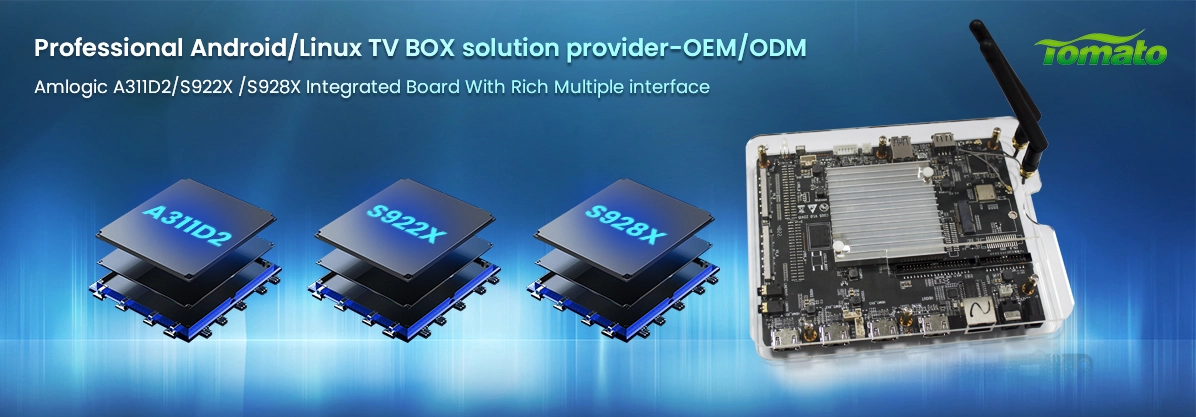
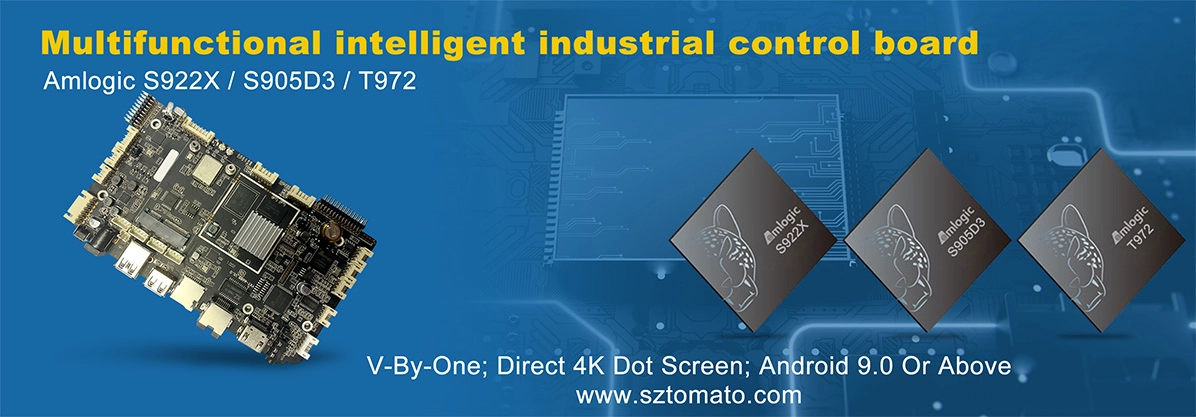
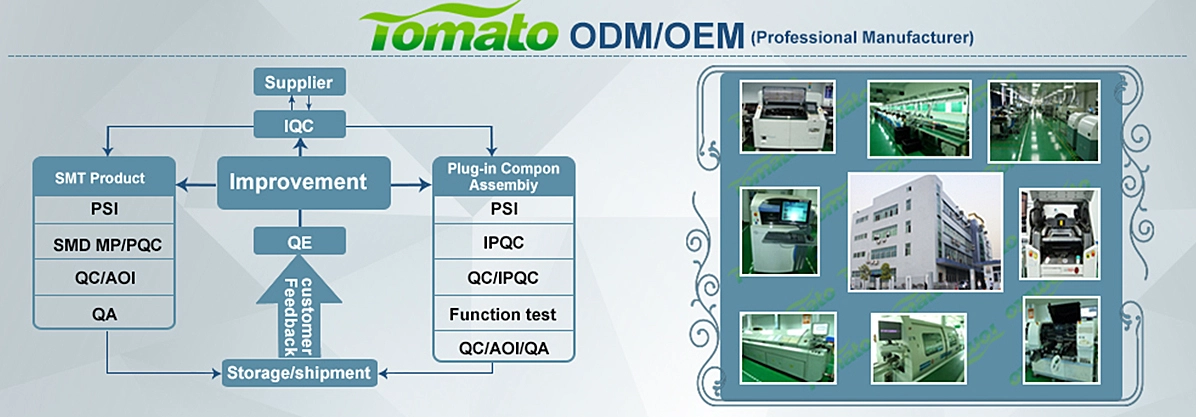
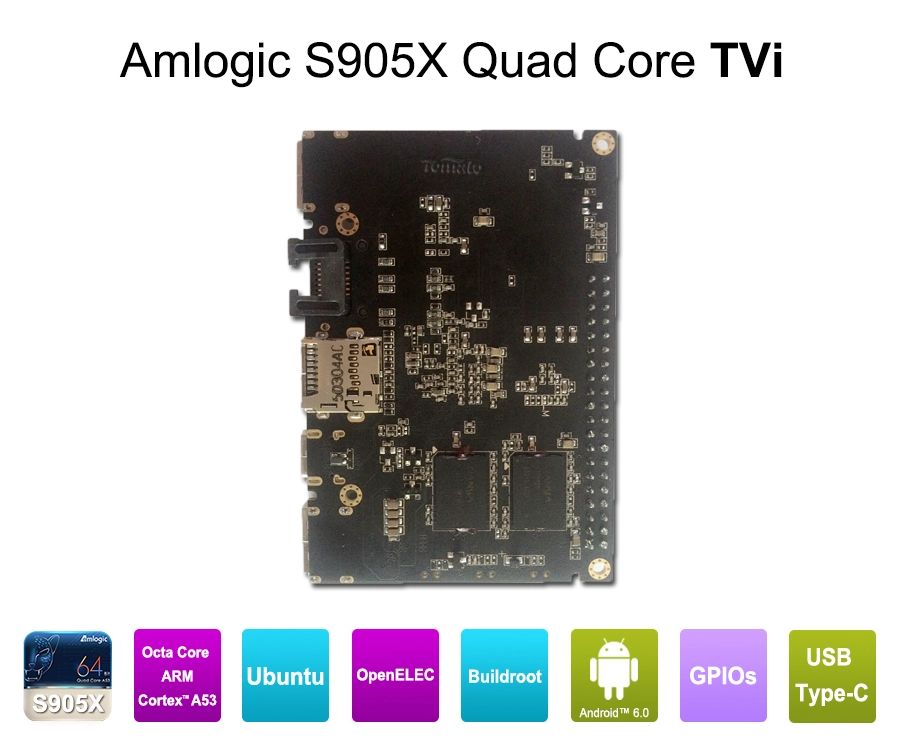
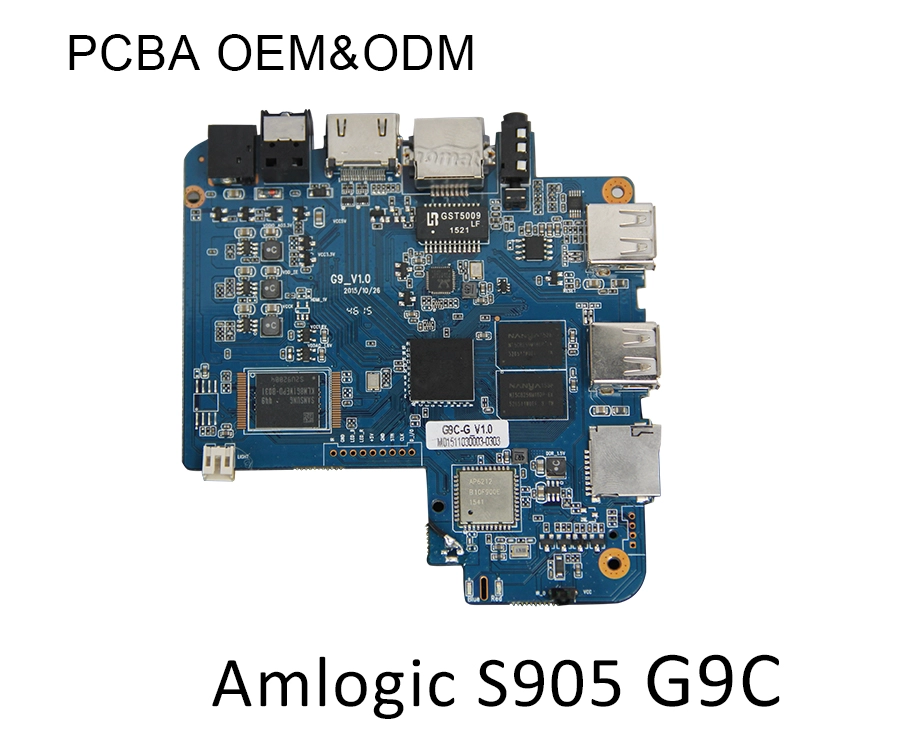
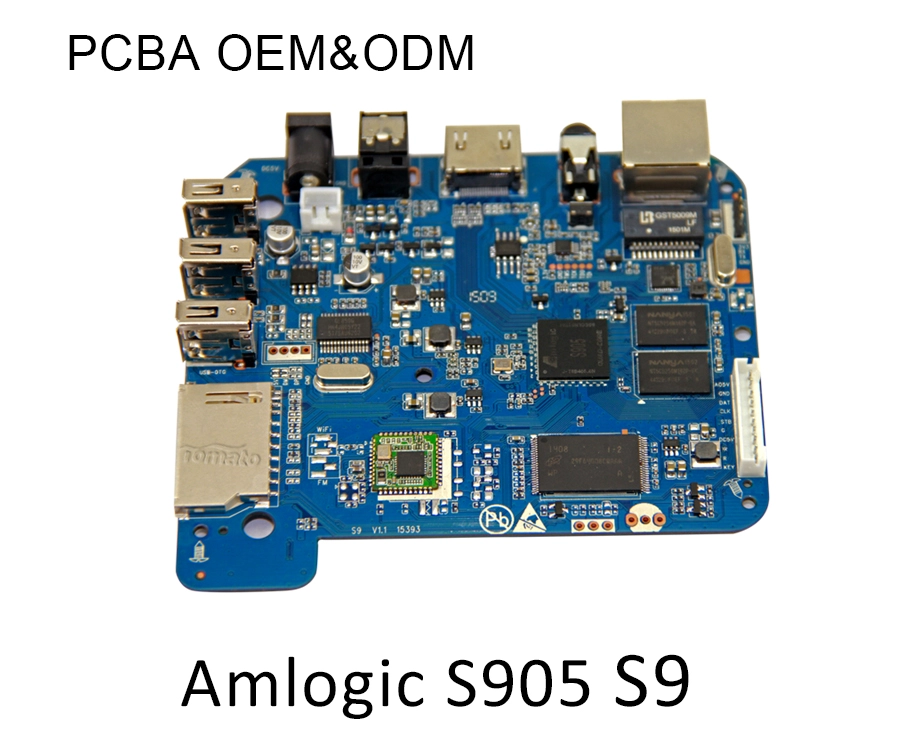
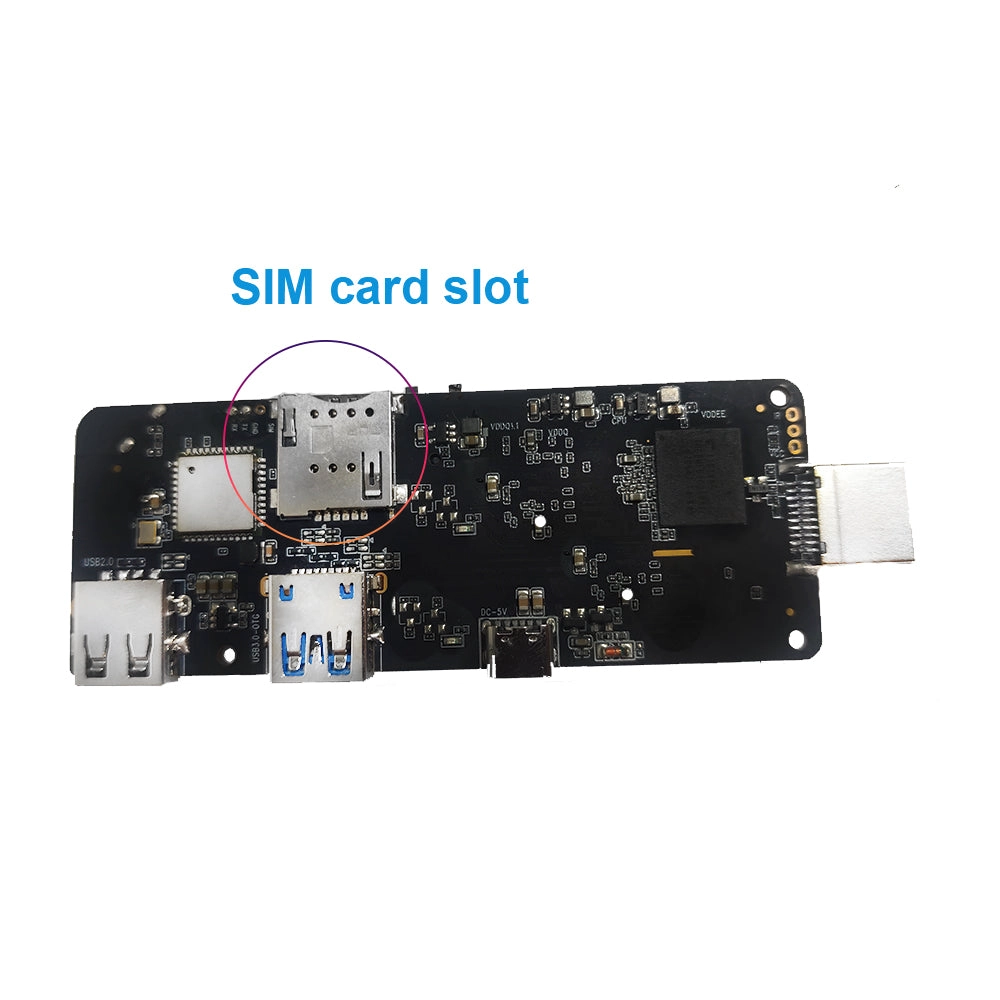
When sourcing, demand to see the PCBA (Printed Circuit Board Assembly) design. At SZTomato (www.sztomato.com), we engineer our devices with industrial-grade heat sinks and optimized airflow channels. We conduct 48-hour aging tests at 100% CPU load to ensure our boxes maintain peak performance without throttling, drastically reducing your long-term RMA rates.
2. Codec Compliance: The AV1 Mandate
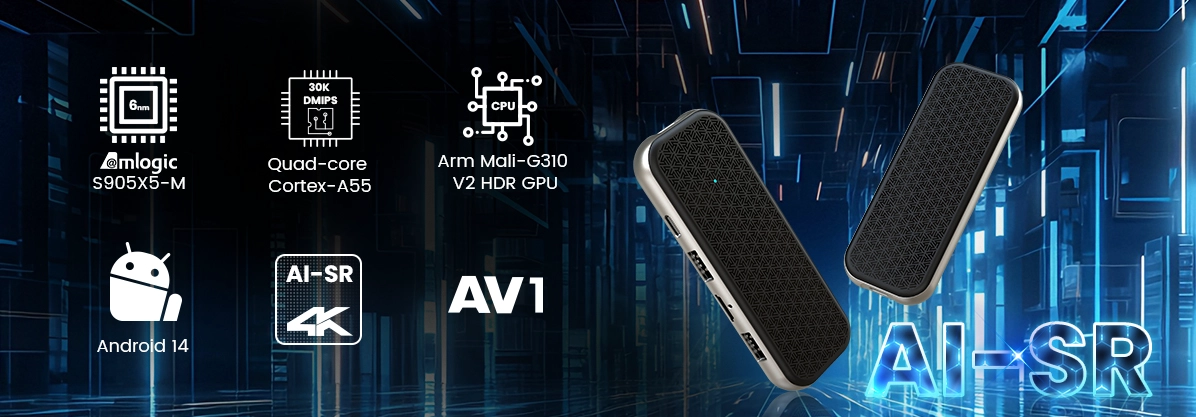
In 2026, if an Internet TV Box does not support AV1 hardware decoding, it is obsolete before it ships. Streaming giants have standardized on AV1 because it offers 30% better compression than H.265.
-
Why it matters: For an ISP, AV1 compliant hardware means you can deliver 4K content using less bandwidth, saving millions in CDN (Content Delivery Network) costs.
-
What to look for: Look for specific chipsets like the Amlogic S905X4 or the high-end S928X. Avoid older chips that rely on software decoding, as they will struggle with 4K AV1 streams, leading to a poor user experience.
3. Firmware Sovereignty: Can You Control It?
Hardware is just the vessel; software is the product. A generic "retail" firmware is a liability for business. Users can factory reset it, install malicious APKs, or see ads from competitors.
The most critical thing to look for is the supplier's OEM/ODM Software Capability.
-
Root Access & Lockdown: Can the manufacturer disable the Google Play Store or restrict app installation?
-
Custom Launchers: Can they replace the stock Android UI with your branded interface?
-
Private OTA: Does the supplier offer a private Over-The-Air update server so you can patch security vulnerabilities remotely?
SZTomato’s 15 years of experience focus heavily here. We provide a "White Label" firmware environment where your brand controls the boot animation, the launcher, and the pre-installed app ecosystem.
4. Connectivity Standards: WiFi 6E and Beyond
Finally, look at the network capabilities. In high-density deployments like apartments or hotels, the 2.4GHz and 5GHz bands are saturated.
A professional Internet TV Box in 2026 must support WiFi 6E (6GHz band) or at least dual-band WiFi 6 with MIMO antennas.
-
The SZTomato Edge: We don't just use standard modules; we can customize the antenna design on the motherboard to maximize signal gain (dBi), ensuring connection stability even in rooms with thick concrete walls.
Conclusion: Buy the Partner, Not Just the Box
When asking "What to look for when buying a Internet TV Box?", the answer is engineering transparency. You need a partner who understands that thermal physics, codec efficiency, and firmware security are what drive profit—not just the price tag.
Ready to source a device that protects your brand reputation? Contact SZTomato today for a technical consultation on your custom OEM/ODM project.
