Which Set-Top Box (STB) the best?
When B2B procurement heads ask, "Which Set-Top Box (STB) is the best?" they aren't looking for the latest consumer gadget with a flashy remote. In a professional landscape where 24/7 uptime is the baseline and security vulnerabilities equate to massive revenue loss, the "best" STB is the one engineered specifically for your software stack and operational environment.
Consumer-grade boxes fail in enterprise settings because they are built for "best-case" home scenarios. To achieve true industrial reliability, you must shift your focus from shelf-ready products to hardware that can be molded at the component level.
1. Hardware Integrity: Beyond the SoC Specs
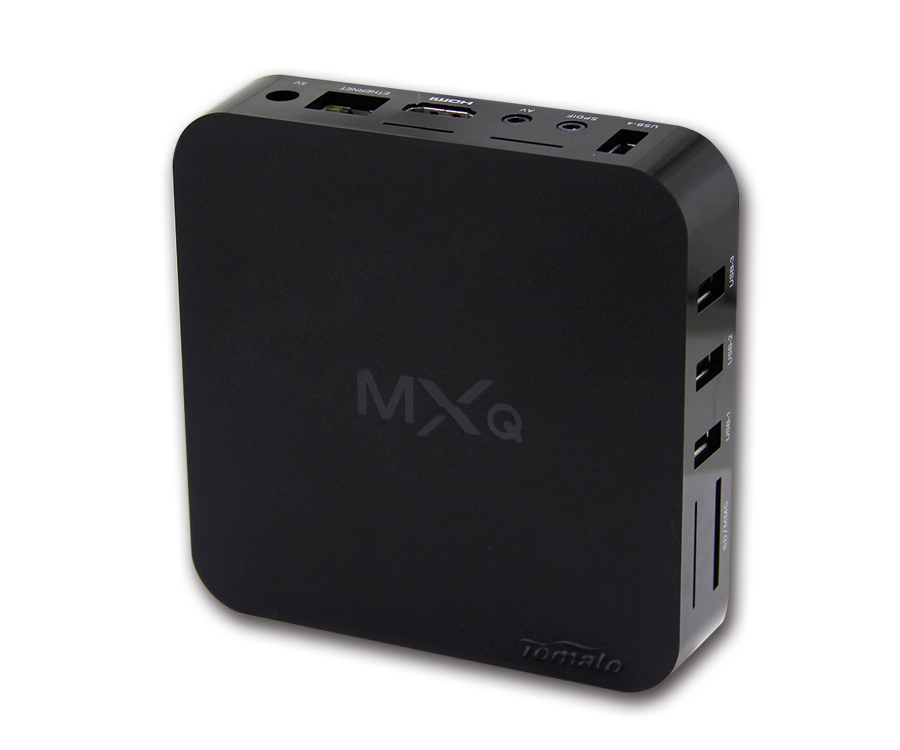
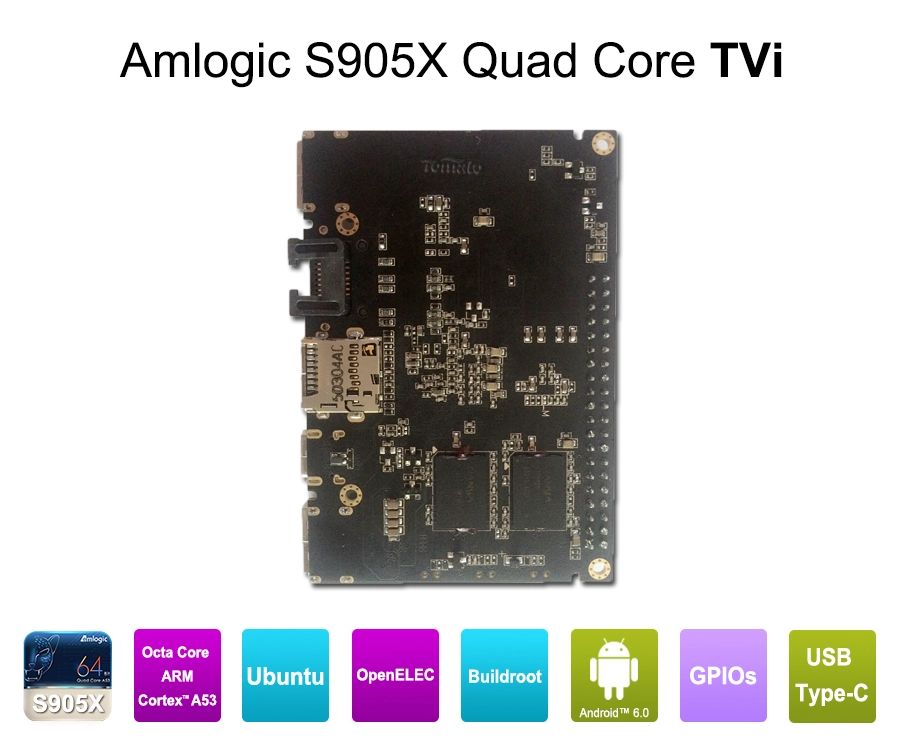
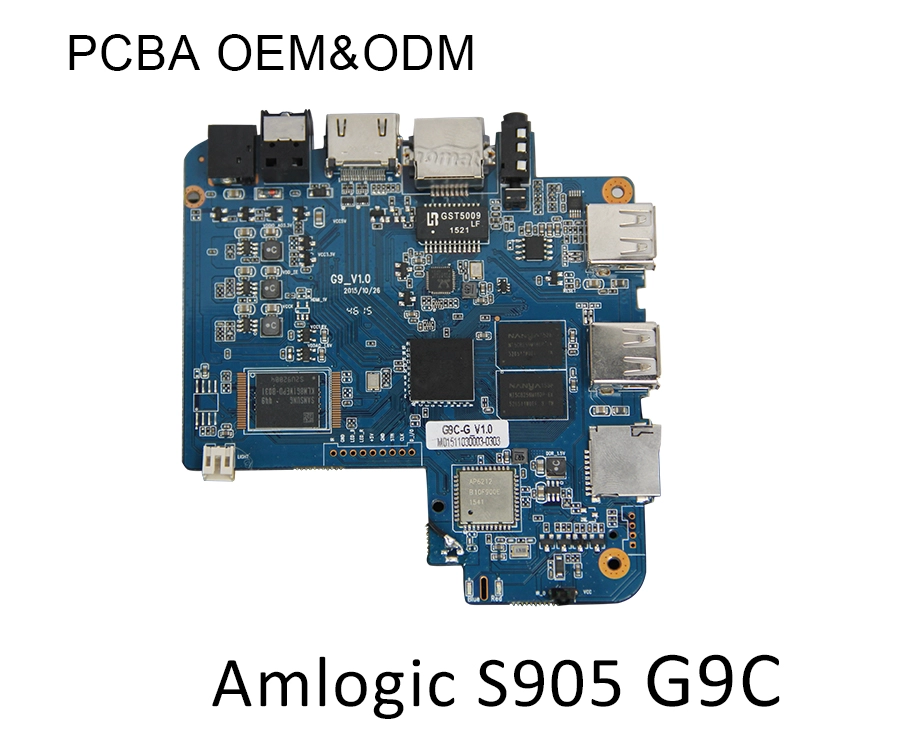
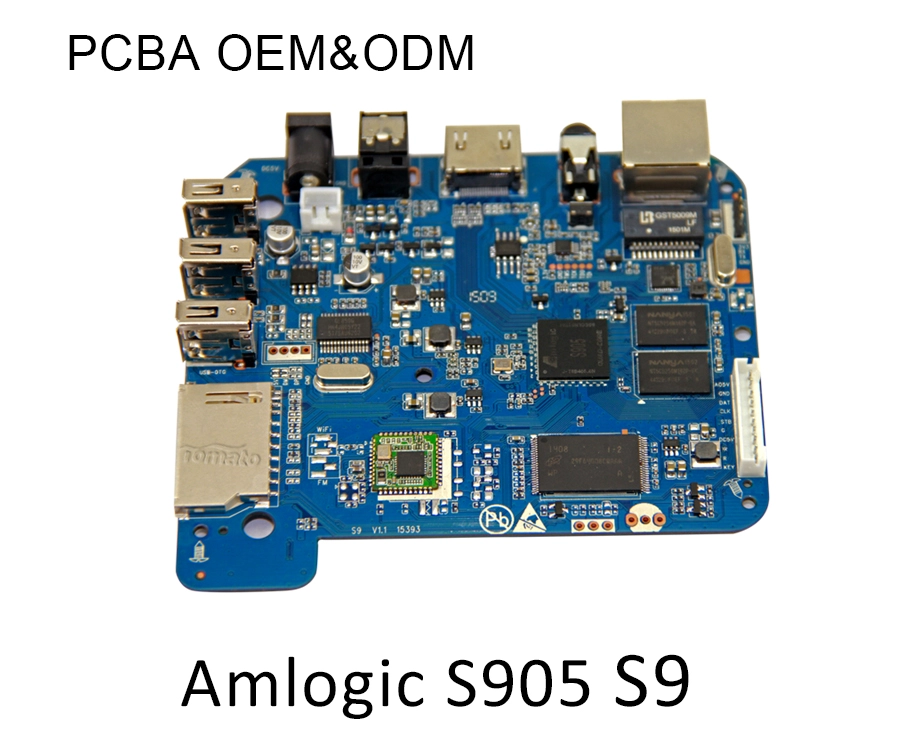
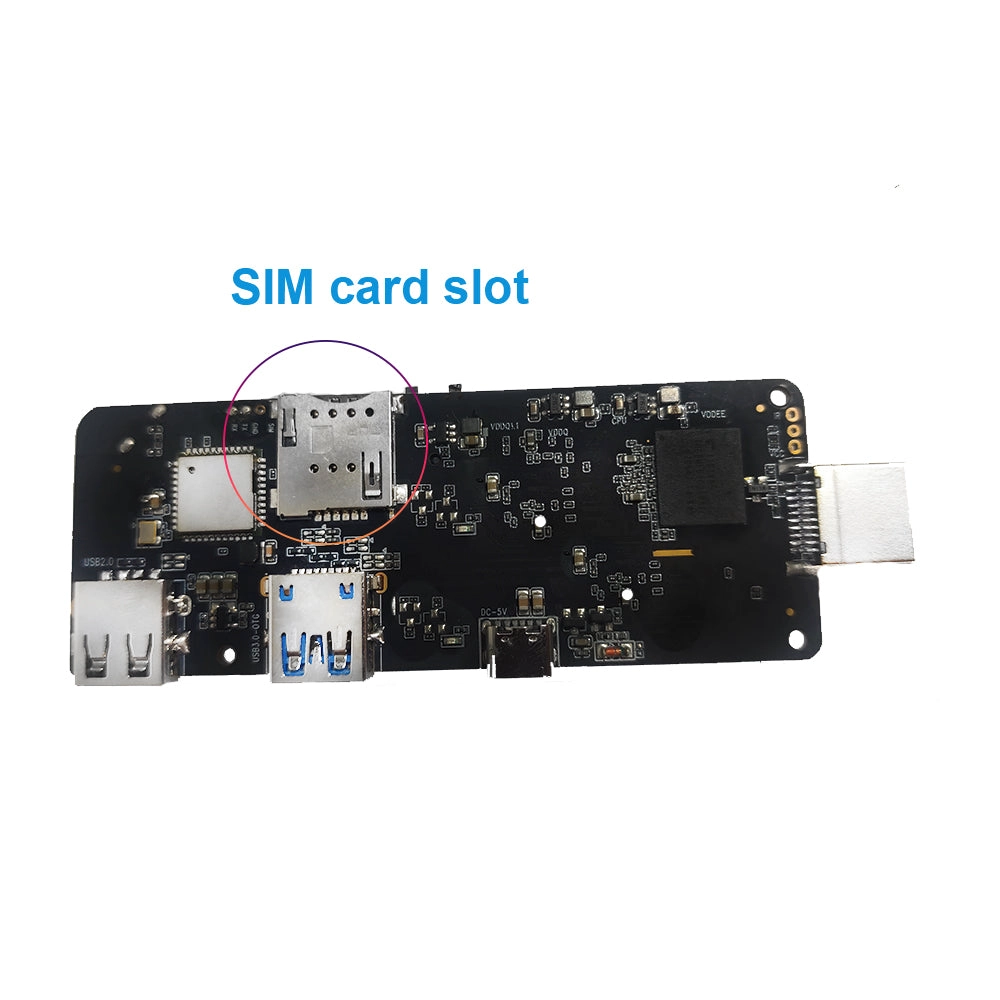
Most buyers fixate on the CPU (Amlogic, Rockchip, or Allwinner) and RAM. While a high-performance chipset like the S905X4 is a solid foundation, the best Set-Top Box is defined by its thermal management and PCBA (Printed Circuit Board Assembly) architecture.
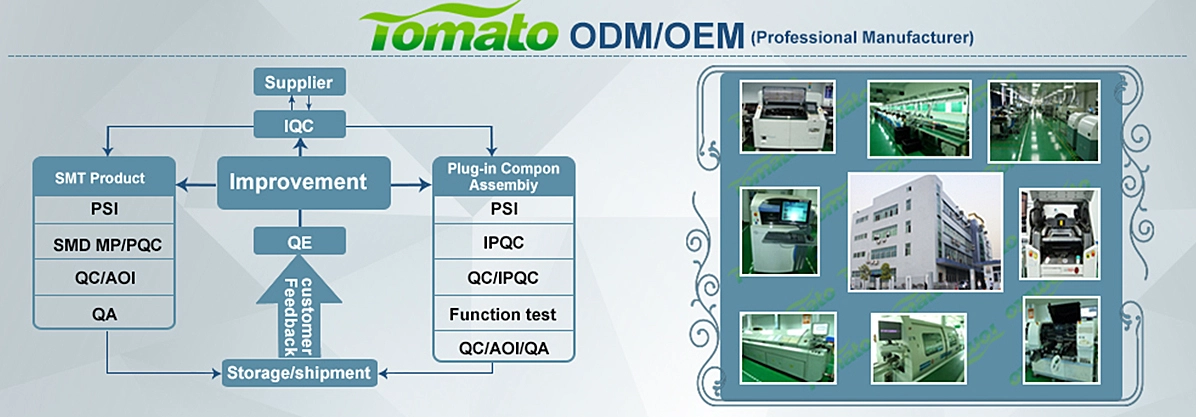
For high-density deployments—such as hospitality or digital signage—standard boards often suffer from thermal throttling under constant 4K/8K decoding. SZTomato solves this by offering hardware modification services, including custom heat sink designs and industrial-grade capacitors that extend the device's lifespan by 40% compared to retail units. Whether you need integrated RS232 ports for legacy system control or PoE (Power over Ethernet) to simplify wiring, the "best" hardware is one that adapts to your infrastructure, not the other way around.
2. Firmware Optimization: The Battle Against Bloatware
A major pain point for ISP operators and content providers is the "walled garden" of standard Android TV interfaces. The best Set-Top Box for a branded service must offer a clean slate.
Through deep-level firmware development, SZTomato enables clients to strip away Google-standard bloatware that consumes system resources. We focus on:
-
Kernel-Level Customization: Enabling auto-boot to a specific APK (Launcher) to ensure a seamless brand experience from the moment the device is plugged in.
-
DRM & Security: Pre-integrating Widevine L1 or PlayReady to ensure your high-definition content remains compliant and secure from piracy.
-
System Locking: Disabling physical USB ports or unauthorized app installations to prevent end-user tampering in public spaces.
3. Deployment Scaling: The Critical Role of Private OTA
The true test of a Set-Top Box occurs six months after deployment. How do you patch a security bug or update your UI across 10,000 units globally?
The "best" STB ecosystem includes a private OTA (Over-the-Air) server. Unlike generic manufacturers, SZTomato provides dedicated OTA solutions that allow you to push silent updates to specific device batches. This reduces truck rolls and maintenance costs significantly. When your hardware, firmware, and update server are synchronized, your network becomes a managed asset rather than a liability.
4. Brand Identity and Final Integration
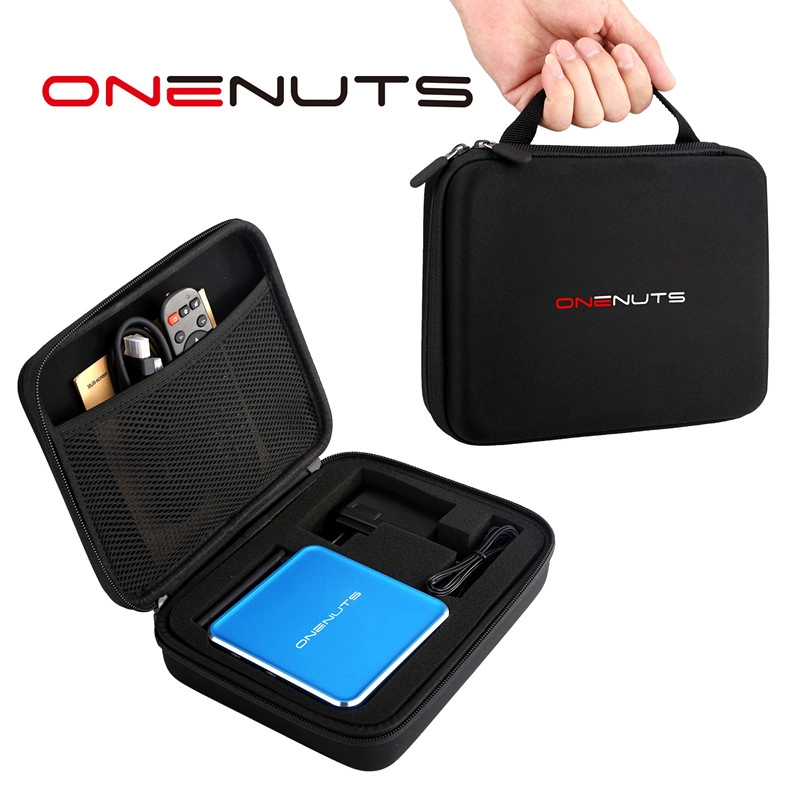
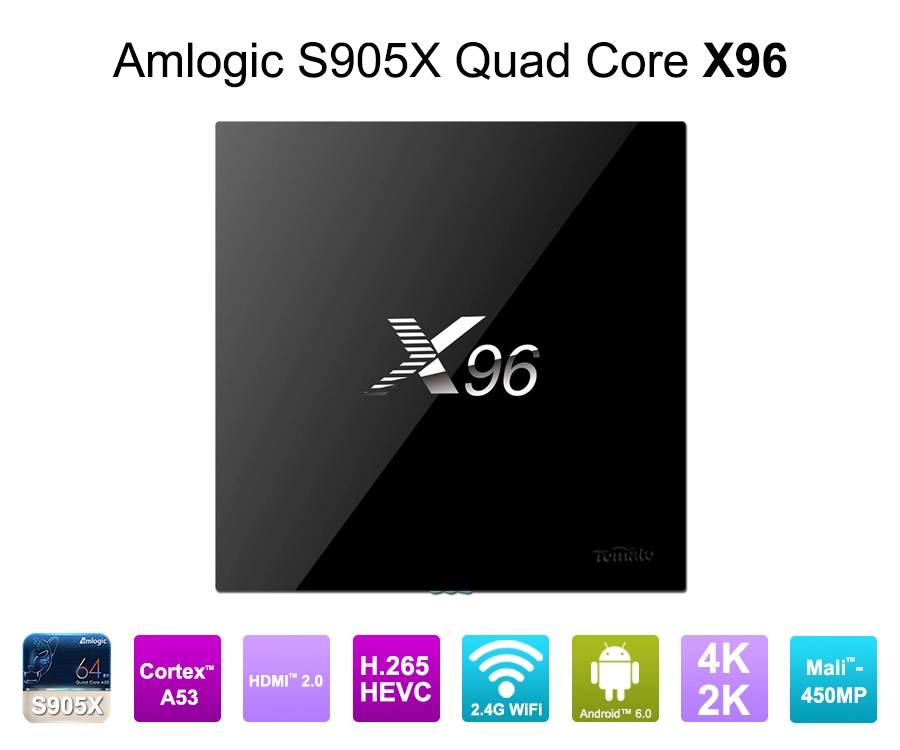
Finally, the best STB represents your brand's physical presence in the customer's space. We bridge the gap between "generic tech" and "proprietary product" through comprehensive packaging and shell customization. This includes everything from custom-molded plastic enclosures with your embossed logo to specialized remote controls featuring dedicated VOD (Video on Demand) buttons tailored to your service.
Partner with the STB Architects
If you are tired of underperforming "off-the-shelf" solutions, it is time to build a device that fits your specific KPIs. At SZTomato, we combine 15 years of B2B expertise with an agile manufacturing process to deliver Set-Top Boxes that outperform the competition in reliability, security, and brand alignment.