
Why CPU and GPU Architecture Defines the Real Performance of Modern Android TV Boxes?
As streaming media, OTT platforms, and smart TV applications continue to evolve, performance expectations for Android TV Boxes and OTT TV Boxes have risen sharply. Smooth system operation, fast app response, and flawless 4K or even 8K video playback are no longer optional—they are basic requirements.
At the core of this performance lies the collaboration between two critical components: the CPU and the GPU. Understanding how these processors work together explains why hardware configuration is the foundation of a reliable TV box—and why professional customization matters.
CPU: The Intelligent Controller Inside a TV Box
The CPU (Central Processing Unit) acts as the brain and command center of a TV box. Its primary role is to manage system operations, coordinate tasks, and ensure responsive user interaction.
Key Responsibilities of the CPU in a TV Box
-
System-Level Control
The CPU manages boot-up, shutdown, background services, and overall system stability, whether the device runs Android TV, AOSP, or a customized OS. -
Application Management
When users launch streaming apps such as Netflix, YouTube, or IPTV platforms, the CPU handles app loading, logic execution, and process scheduling. -
Network and Connectivity Handling
Stable Wi-Fi or Ethernet performance depends heavily on CPU resource allocation, especially during high-bitrate streaming. -
User Interaction Processing
Remote control inputs, voice commands, menu navigation, and playback controls are all processed by the CPU with low latency. -
Task Scheduling and Resource Allocation
The CPU intelligently decides which tasks remain under its control and which should be offloaded to the GPU or dedicated accelerators.
In modern Android TV Boxes, CPUs typically feature a small number of high-performance cores optimized for fast response and complex logic handling.
GPU: The Visual Processing Engine Behind Smooth Playback
If the CPU is the controller, the GPU (Graphics Processing Unit) is the powerhouse responsible for visual performance. Designed for massive parallel processing, the GPU excels at handling repetitive, data-heavy workloads.
Core Functions of the GPU in a TV Box
-
High-Resolution Video Rendering
GPUs enable smooth playback of 4K and 8K content without frame drops or stuttering. -
Hardware Video Decoding
Formats such as H.264, H.265, AV1, and VP9 rely on GPU acceleration to reduce CPU load and improve energy efficiency. -
UI Animation and Visual Effects
Menu transitions, animations, and graphical overlays are rendered by the GPU to maintain a fluid user experience. -
Gaming and Interactive Applications
For Android TV Boxes that support casual gaming or cloud gaming, GPU performance directly impacts responsiveness and visual quality. -
Image Enhancement Technologies
HDR processing, color correction, and contrast optimization are handled by the GPU to deliver sharper and more vivid images.
Unlike CPUs, GPUs integrate hundreds or thousands of lightweight cores designed to process large volumes of data simultaneously.
Why a TV Box Needs Both CPU and GPU Working Together
Relying on only one processor would severely limit performance.
-
CPU Alone Is Not Enough
While versatile, CPUs are inefficient at handling large-scale parallel workloads such as video decoding or graphics rendering. -
GPU Alone Cannot Operate a System
GPUs lack the control logic required to run an operating system, manage applications, or handle user input.
The optimal TV box architecture depends on CPU-GPU collaboration:
-
The CPU manages logic, control, and responsiveness.
-
The GPU accelerates graphics, video, and parallel data processing.
This division of labor ensures smooth operation, stable playback, and a premium user experience.
CPU vs GPU: A Clear Comparison
| Feature | CPU | GPU |
|---|---|---|
| Core Design | Few powerful cores | Hundreds or thousands of small cores |
| Task Type | Serial, logic-based tasks | Massively parallel tasks |
| Primary Role | System control and responsiveness | Graphics and video acceleration |
| Cache | Large per-core cache | Shared, smaller cache |
| Best Use Cases | OS, apps, networking | Video playback, rendering, AI workloads |
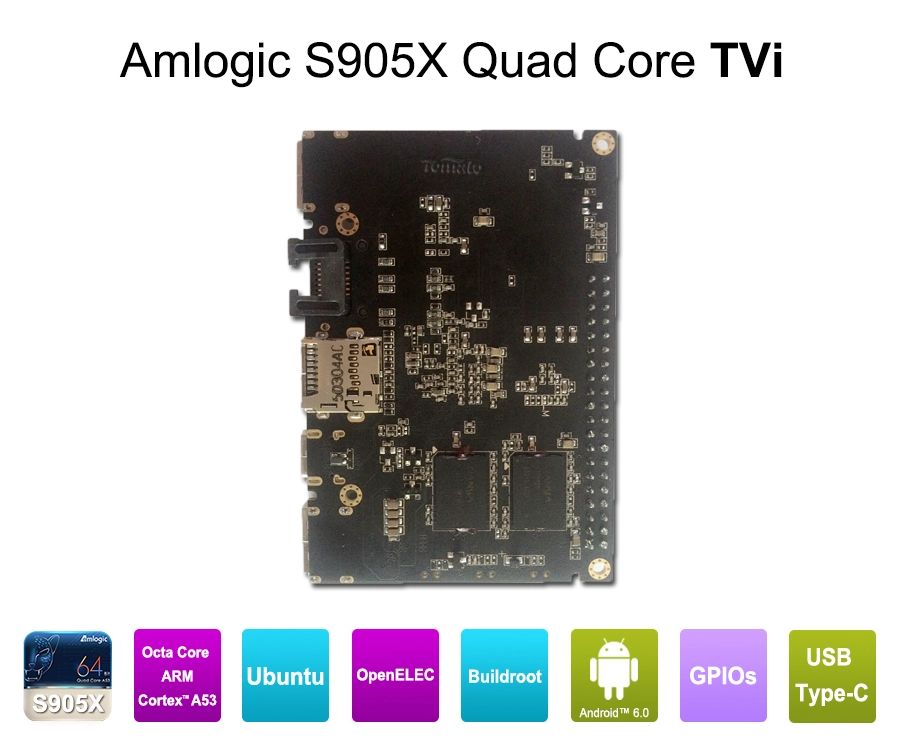
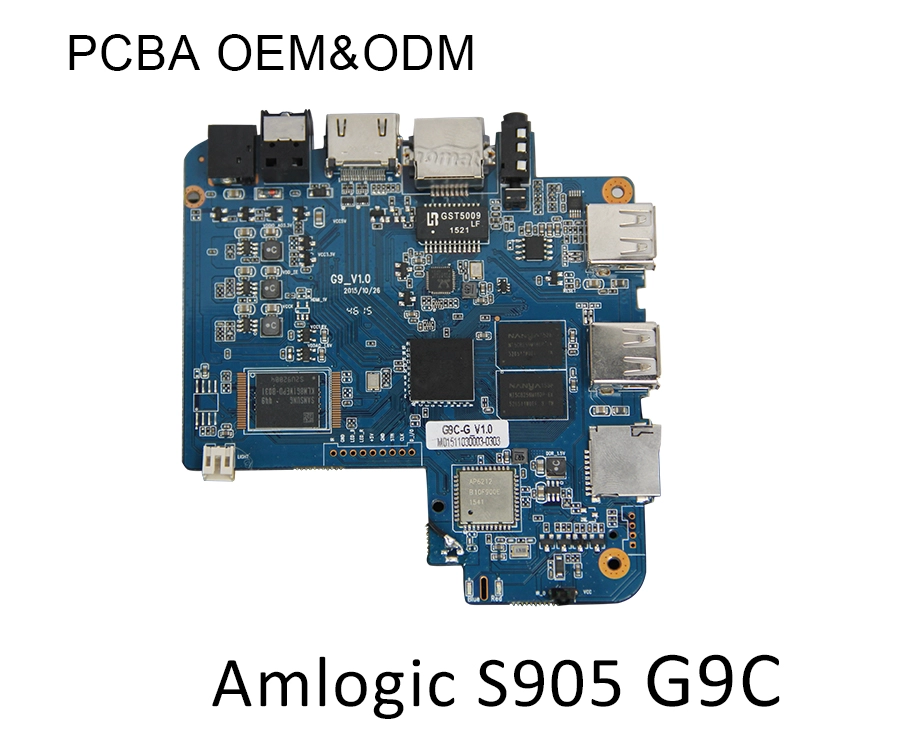
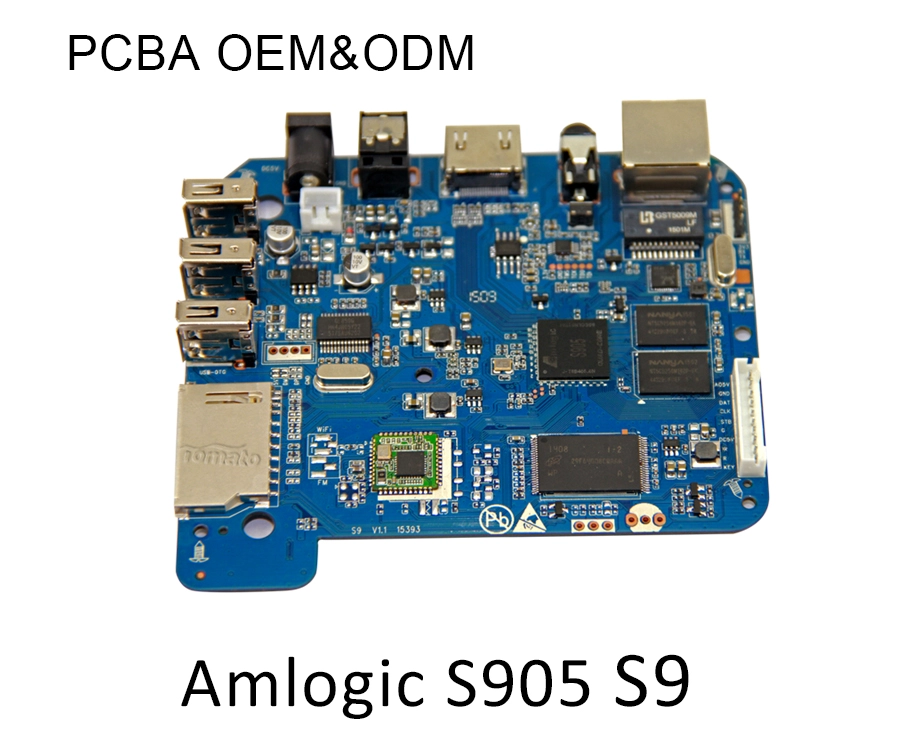
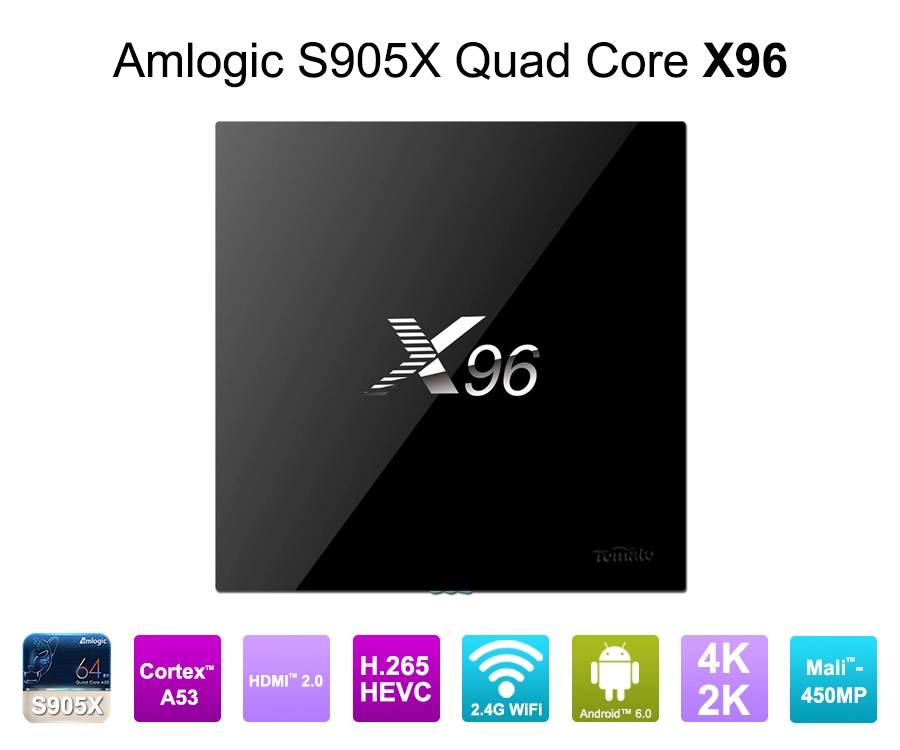
CPU and GPU Inside SZTomato TV Box Solutions
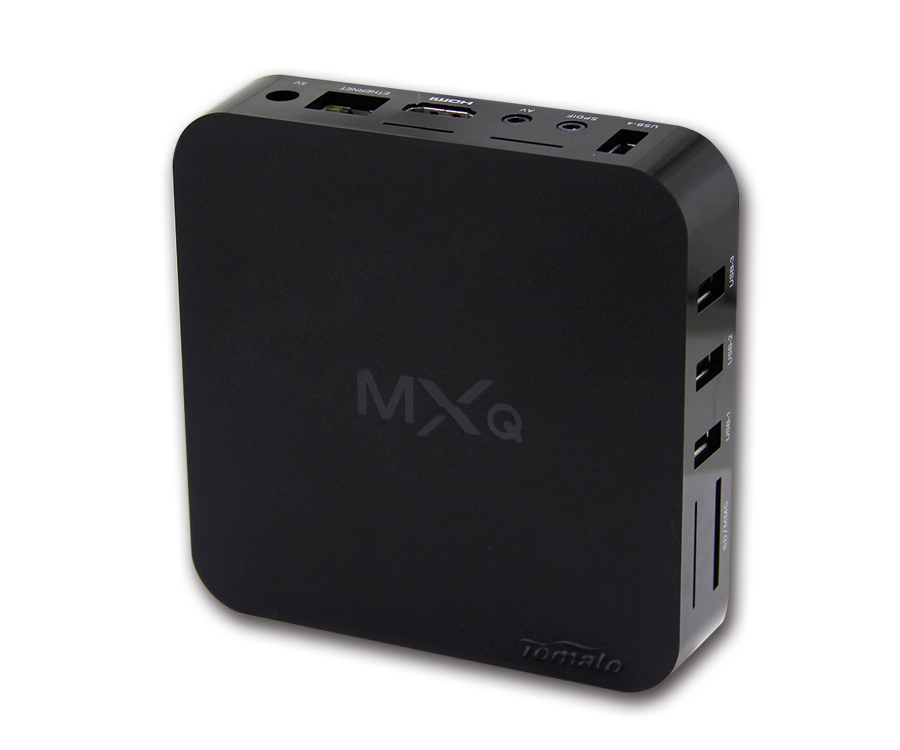
In real-world Android TV Box and OTT TV Box applications, CPU and GPU configurations must be carefully balanced based on usage scenarios.
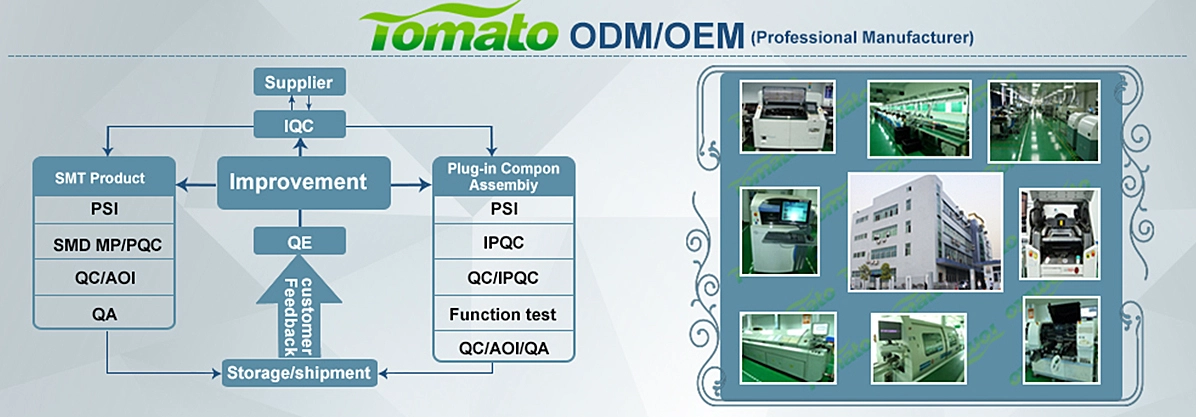
SZTomato designs and manufactures TV boxes where:
-
CPUs are selected to ensure fast boot times, smooth multitasking, and stable system performance.
-
GPUs are optimized for high-resolution streaming, advanced video codecs, and responsive user interfaces.
As a professional TV box manufacturer, SZTomato supports full OEM and ODM customization, including:
-
CPU and GPU configuration selection
-
Hardware performance tuning
-
Firmware and system optimization
-
Industry-specific application adaptation
Whether for IPTV operators, hotels, digital signage, or branded consumer devices, SZTomato ensures that CPU and GPU resources are matched precisely to your business requirements.
The Performance Logic That Defines a High-Quality TV Box
The true performance of a TV box is not determined by a single component but by how effectively its CPU and GPU work together. When properly configured, this partnership delivers faster response times, smoother visuals, and long-term system stability.
For businesses seeking scalable, customizable, and reliable TV box solutions, choosing a manufacturer that understands this balance is essential. With extensive experience in Android TV Box and OTT hardware design, SZTomato provides customized solutions that translate technical architecture into real market advantages.
