
Why Installing Linux on Android TV Boxes Creates Real Business Value?
As global demand for stable, secure, and customizable smart devices continues to grow, Android TV boxes are no longer limited to home entertainment. In many commercial and industrial scenarios, businesses are actively replacing Android with Linux-based systems to unlock higher reliability, lower costs, and broader application flexibility.
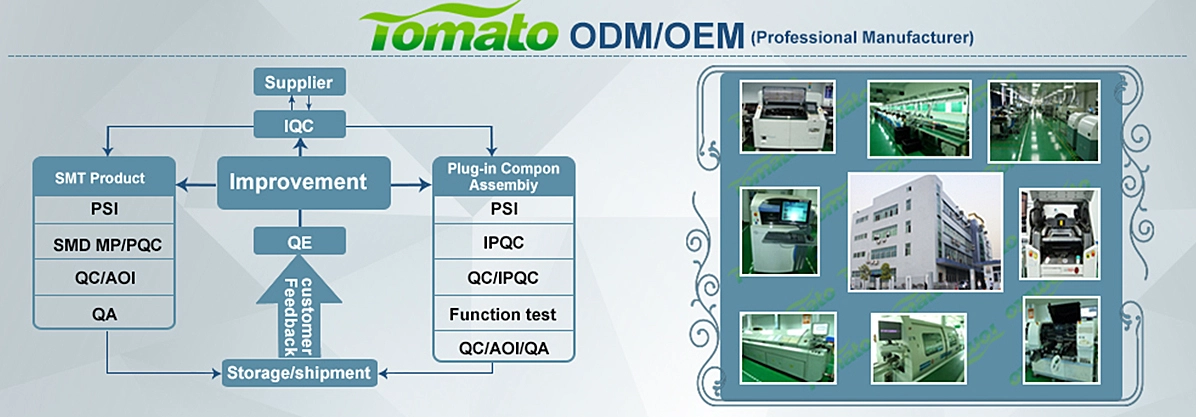
As a source manufacturer specializing in Android TV boxes and Linux-based media devices, SZTomato has supported large-scale deployments across digital signage, education, edge computing, and industrial control. Based on real-world OEM and ODM projects, this article explains why installing Linux on Android TV box hardware is a strategic upgrade, not a technical experiment.
The Technical Foundation: Why Android TV Boxes Can Run Linux
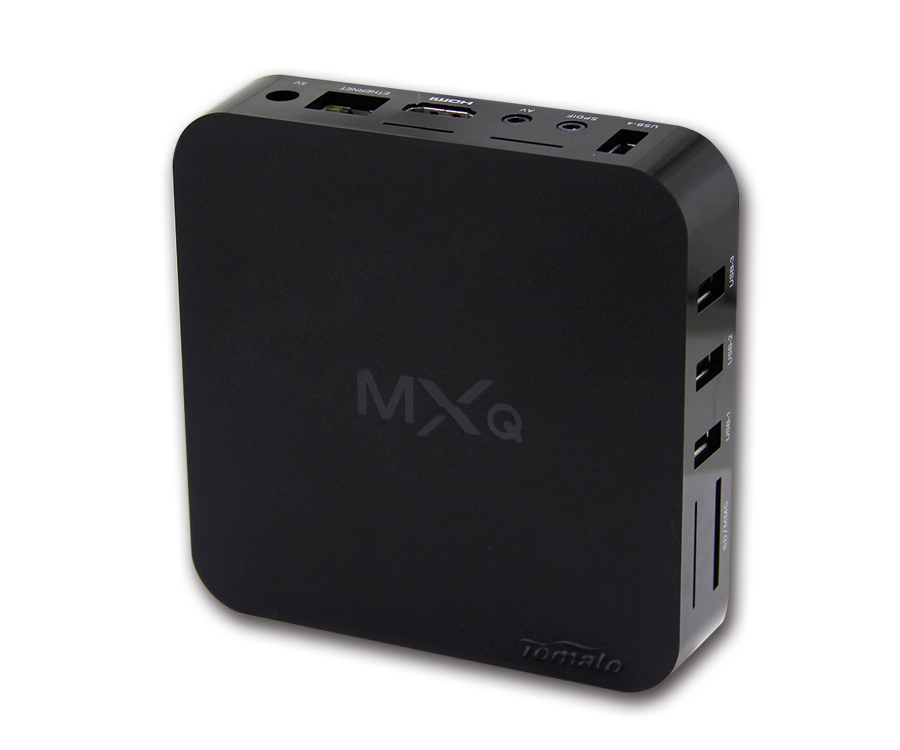
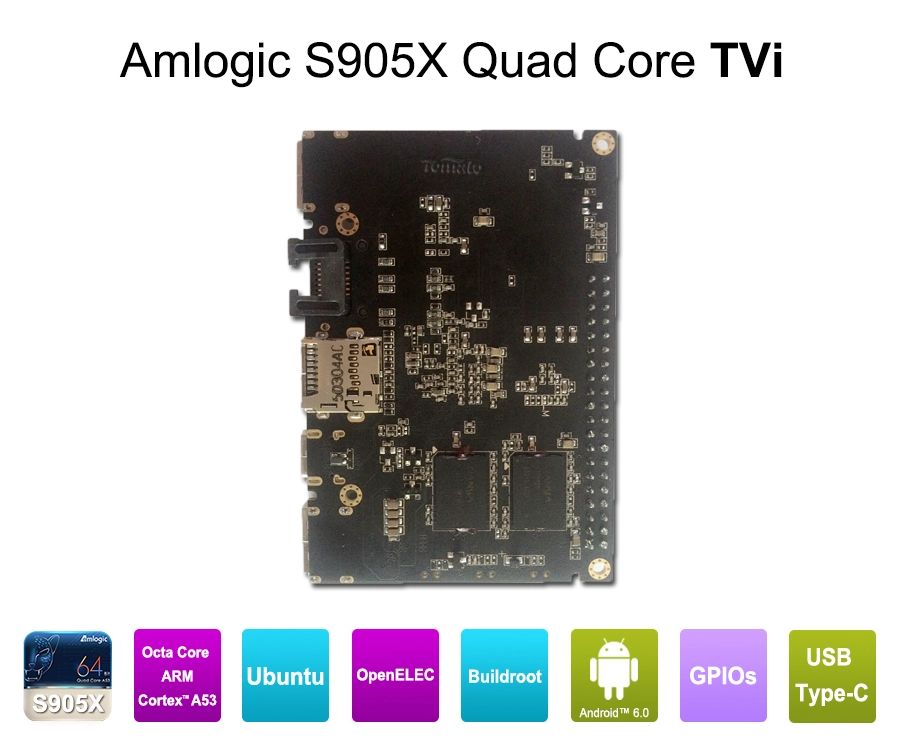
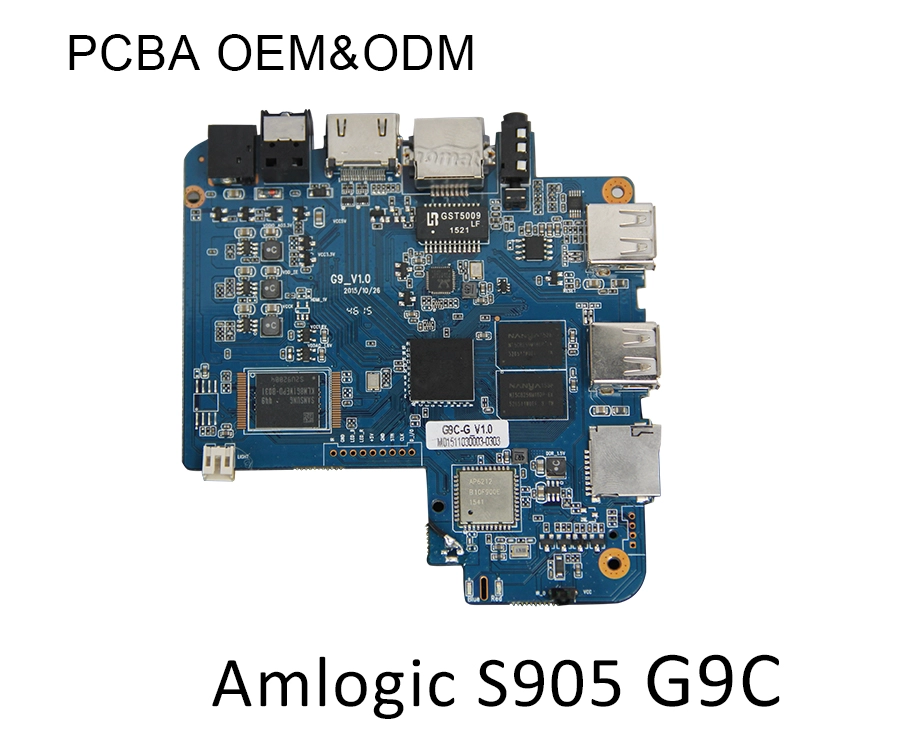
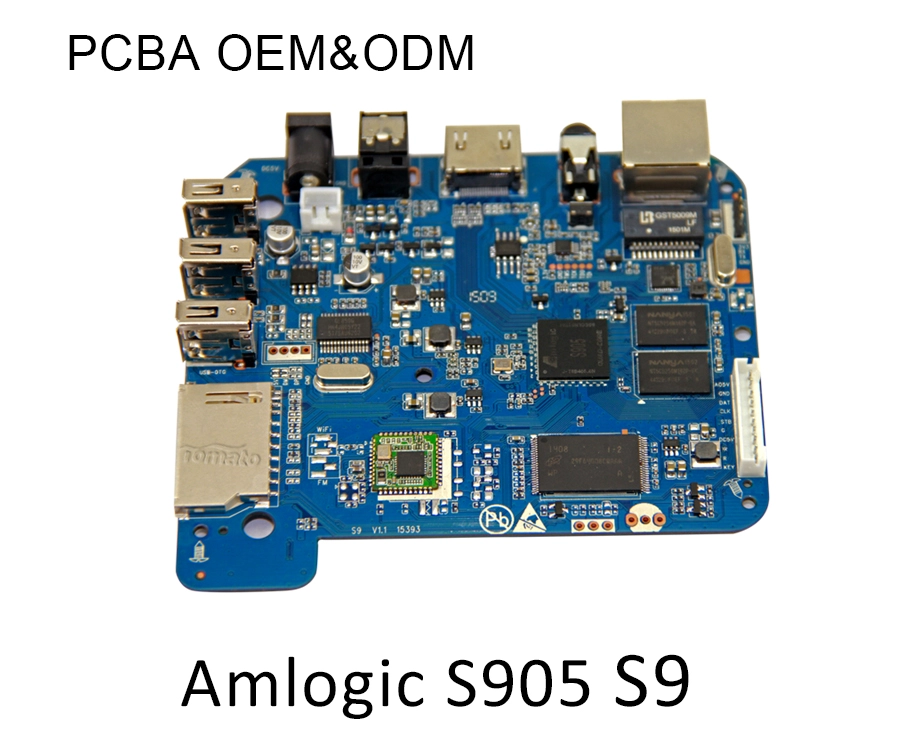
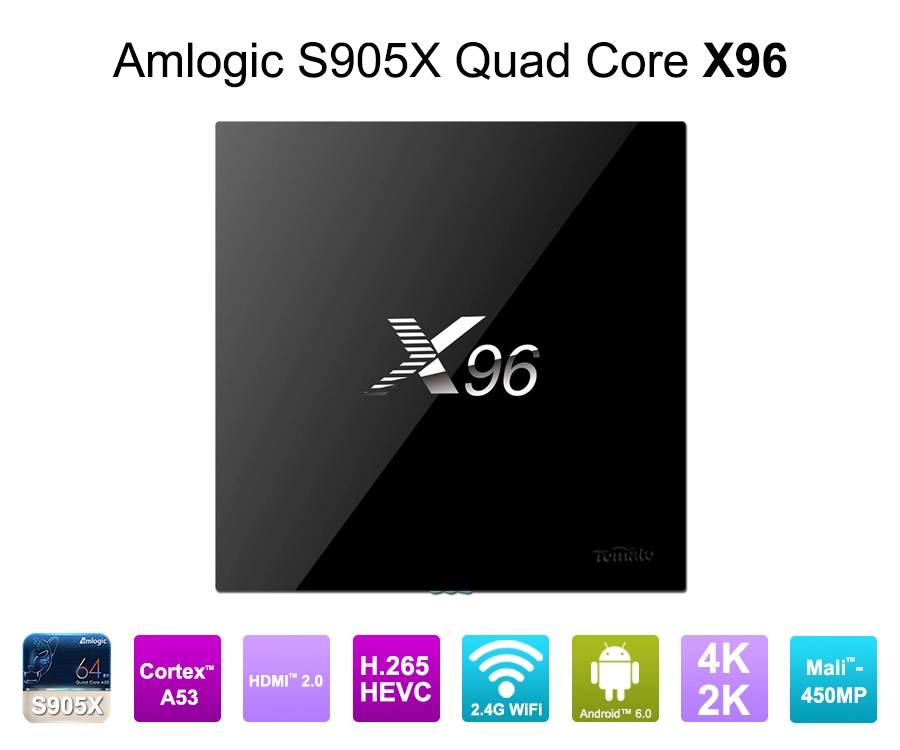
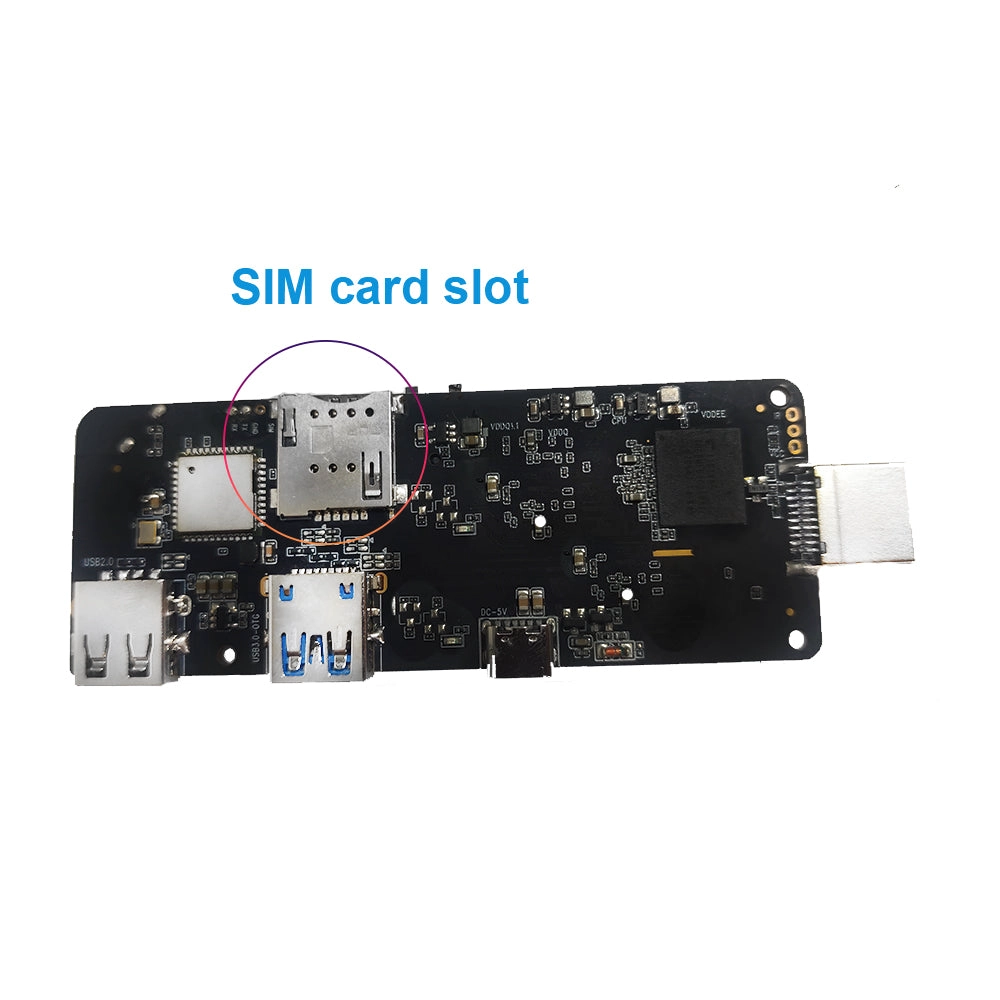
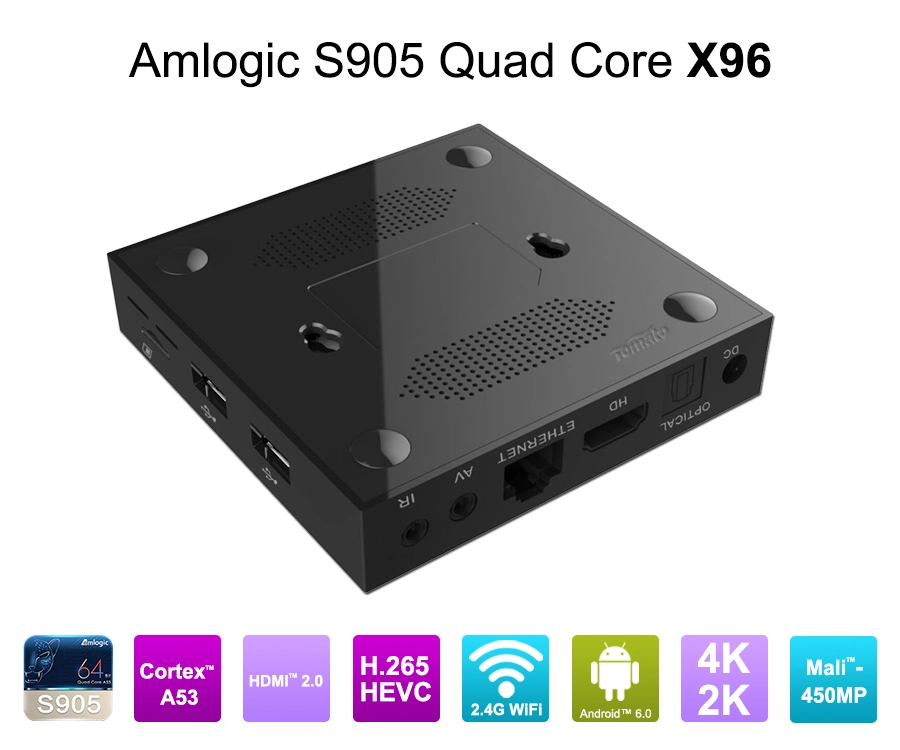
Most modern Android TV boxes are built on ARM-based SoCs from Amlogic, Rockchip, or Allwinner. These platforms are inherently multi-system capable and support Linux at the kernel level.
In practice, Linux deployment follows two proven paths:
Dual-System Boot (Android + Linux)
Linux runs from an SD card or USB drive without overwriting Android firmware. This approach is ideal for evaluation, pilot programs, or mixed-use environments.
Full Linux Replacement (BSP-Level Customization)
Android is completely replaced by a Linux system through BSP recompilation and driver adaptation. This is the preferred solution for large-volume B2B orders requiring consistency, stability, and long-term maintenance.
The key advantage is hardware reuse. One hardware platform can serve multiple industries through software differentiation, significantly improving SKU efficiency for wholesalers and brand owners.
Six Real-World Application Scenarios Where Linux Excels
Digital Signage and Information Display
Linux offers superior auto-start services and crash recovery. After power interruptions, devices reboot directly into playback without manual intervention. Without Android UI overhead, system resource usage can drop by over 60%, enabling true 24/7 operation in malls, metro stations, hospitals, and airports.
Professional Media Playback
Linux allows direct access to low-level multimedia frameworks such as FFmpeg, reducing decoding latency and expanding codec compatibility. For large-scale deployments, unified system images simplify updates and reduce maintenance costs.
Edge Computing and Lightweight Servers
A Linux TV box can function as a low-cost edge node, supporting NAS services, private cloud storage, or gateway applications. Compared to Android, Linux provides a more complete networking stack and supports Docker-based container deployment, making it suitable for smart homes and small offices.
Education and Training Terminals
Linux removes entertainment distractions and enables pre-installed development environments such as Python or C++. Multi-user remote login and centralized management make it ideal for schools and training institutions seeking low-cost, controlled learning terminals.
Security-Critical and Privacy-Sensitive Environments
Linux is open, auditable, and highly customizable. Unnecessary components can be removed to minimize attack surfaces. For regulated industries, SZTomato can provide custom kernels to meet strict data isolation and compliance requirements.
Cost Control and Supply Chain Optimization
For distributors, one hardware model with multiple Linux software profiles can serve different industries, reducing inventory pressure. For brands, system customization enables differentiation without repeated hardware investment, increasing product margins.
OEM/ODM Assurance: SZTomato’s Integrated Hardware + Linux Solution
Lower Total Cost of Ownership
Linux is open-source and royalty-free, eliminating licensing costs. Compared to Windows-based devices, total hardware costs can be reduced by 20–30%. As a source factory, SZTomato delivers pre-installed, ready-to-deploy devices, minimizing post-purchase integration expenses.
Professional System Adaptation
Flashing Linux onto Android TV box hardware involves kernel compilation, driver matching, and permission control. Without proper expertise, failure rates are high. SZTomato provides end-to-end technical support, ensuring firmware consistency across batch orders and long-term upgrade stability.
Practical Considerations Before Choosing Linux
Linux is powerful, but selection must be rational. First, the learning curve is higher than Android, making manufacturer-level support essential for non-technical clients. Second, some Android entertainment applications may require compatibility layers or dual-system solutions. Third, hardware compatibility varies by model, making early testing and manufacturer validation critical.
This is why working directly with a source manufacturer like SZTomato significantly reduces deployment risk.
Conclusion: Hardware Is the Body, the System Is the Soul
From bulk export orders to industry-specific solutions, SZTomato focuses on extracting maximum value from Android TV box hardware through Linux system customization. Stability, security, and scalability are no longer optional—they define competitiveness.
Whether you are a distributor seeking reliable long-running devices, or a solution provider requiring deep customization, installing Linux on Android TV boxes is a strategic upgrade, not a compromise.
SZTomato delivers that upgrade with manufacturing control, technical depth, and proven execution.
