
Why would I need a TV Box?
For a standard consumer, the question "Why would I need a TV Box?" is about access to streaming apps. For a B2B decision-maker—be it a hotelier, an ISP executive, or a digital signage integrator—the question is about Operational Sovereignty.
In 2026, relying on the native "Smart" features of commercial displays is a liability. Integrated SoCs (System on Chips) age rapidly, while the display panels themselves represent a 7- to 10-year investment. A dedicated TV Box decouples your computing power from your glass, providing a modular, scalable, and manageable architecture. Here is the technical breakdown of why external hardware is the superior choice for professional deployment.
1. Future-Proofing via Codec Sovereignty: The AV1 Mandate
The primary driver for deploying a dedicated TV Box in 2026 is bandwidth economy. Most integrated TVs lack the hardware-level decoding for the latest protocols, forcing systems to fallback to less efficient codecs.
-
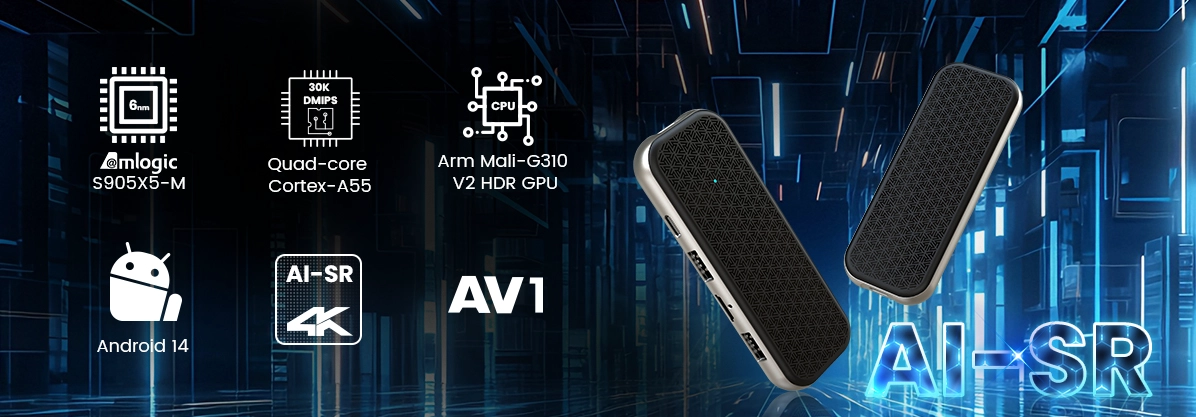
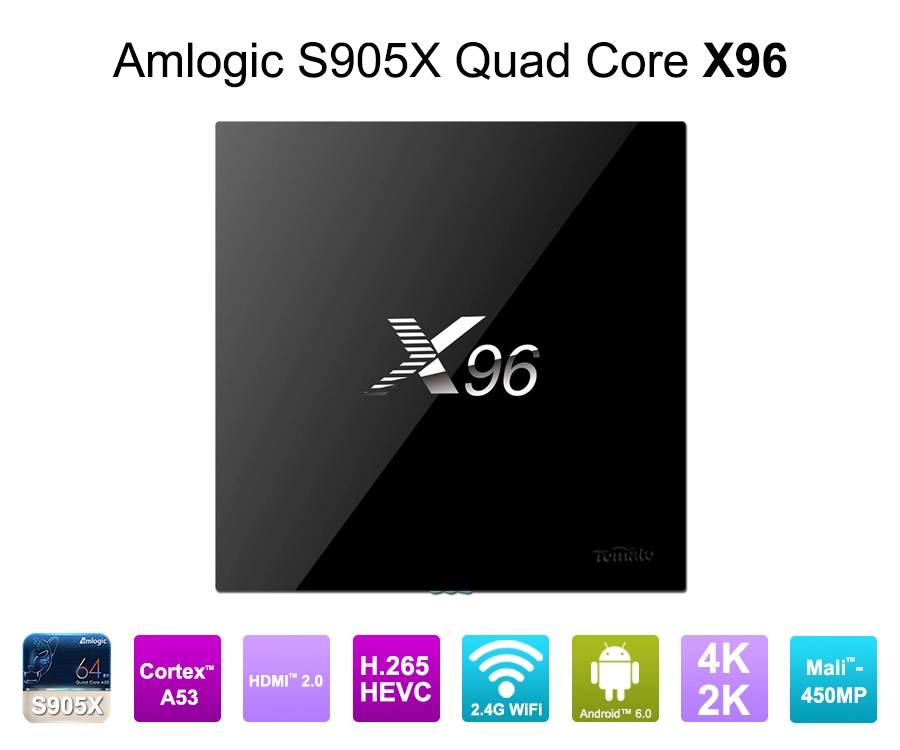
The Bandwidth Math: Modern streaming has pivoted to the AV1 codec, which offers 30% better compression than H.265. For an ISP, shipping a box with native AV1 support (such as those built on the Amlogic S905X4 or S928X) directly translates to a 30% reduction in CDN delivery costs.
-
Performance Stability: Unlike the built-in chips in TVs that often struggle with high-bitrate 4K streams due to shared system resources, a dedicated box provides a "clean room" environment for video processing, ensuring zero dropped frames during peak traffic.
2. Firmware Hardening: Locking Down the User Experience
Why would you need a TV Box if the TV already has an OS? Because you cannot control a Smart TV's OS. You are at the mercy of the manufacturer’s ads, tracking, and interface updates.
-
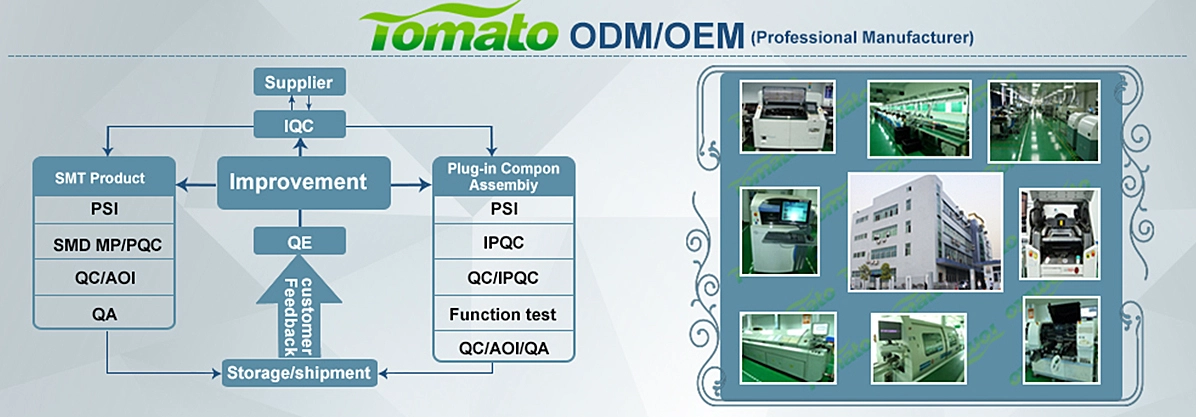
Proprietary Launchers: At SZTomato, we specialize in Firmware Development. We don't just provide an Android UI; we compile custom ROMs that boot directly into your branded launcher.
-
Kiosk Mode and Security: For hospitality or clinical environments, our engineering team can strip out the Google Play Store and lock the settings menu. This transforms the device into a "single-purpose" appliance, preventing unauthorized sideloading and reducing support tickets by 90%.
3. Industrial-Grade Reliability: Thermal and Hardware Customization
Retail dongles and integrated TV chips are designed for light, intermittent use. Commercial applications demand 24/7/365 uptime.
-
Thermal Engineering: Standard boxes often experience "thermal throttling," where the CPU slows down to 50% capacity once it hits 75°C. SZTomato solves this through Hardware Modification. We utilize custom extruded aluminum heatsinks and high-grade thermal pads (3.0 W/mK) to ensure consistent clock speeds even in unventilated environments.
-
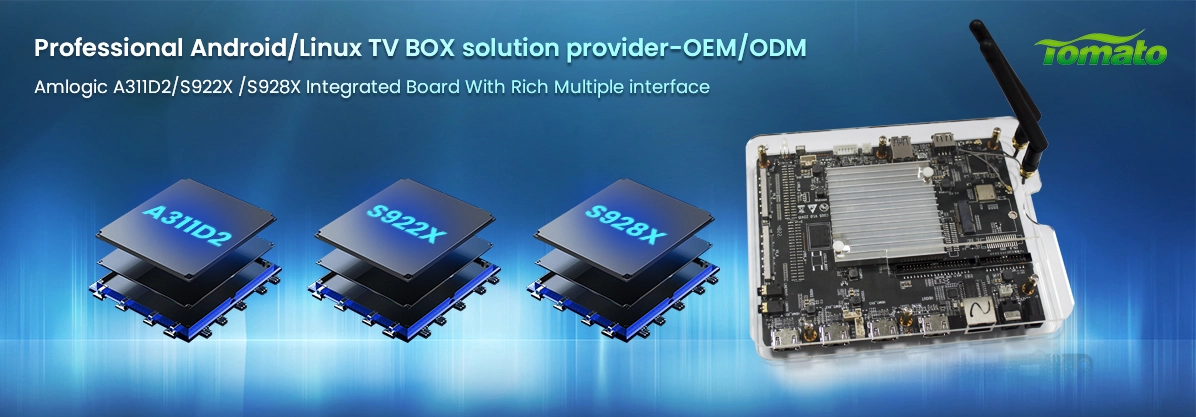
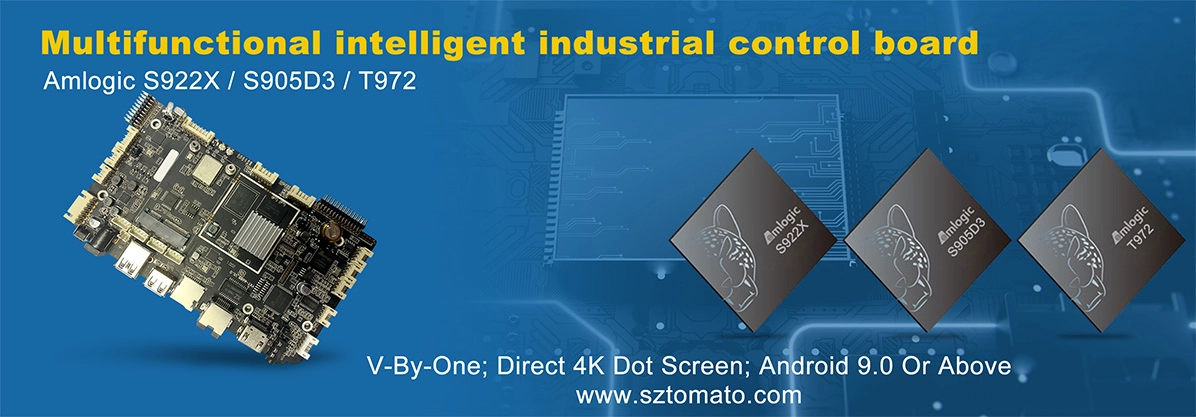
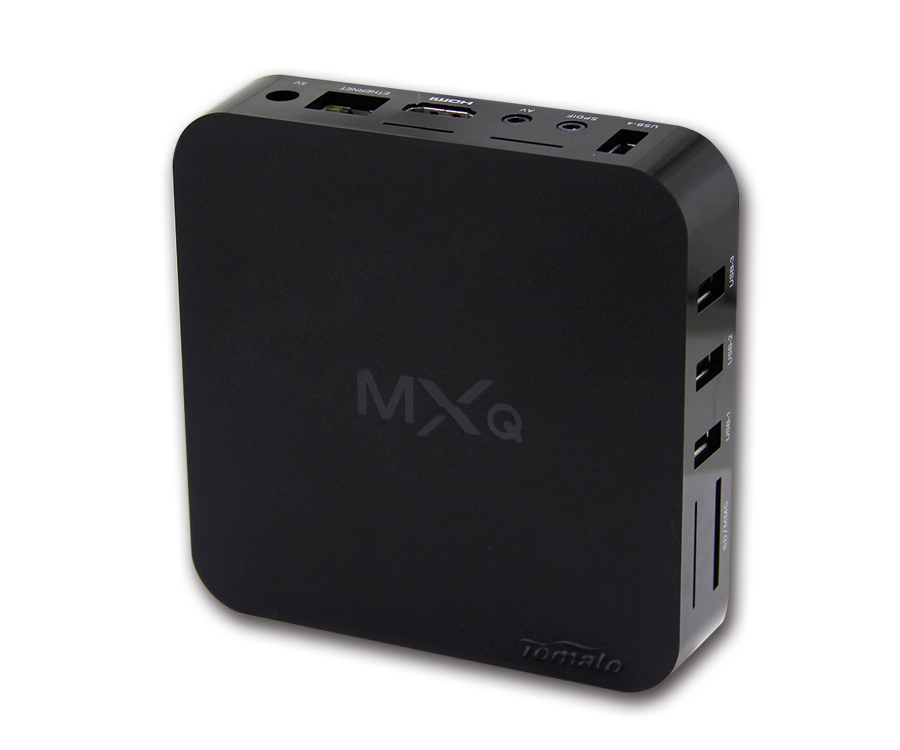
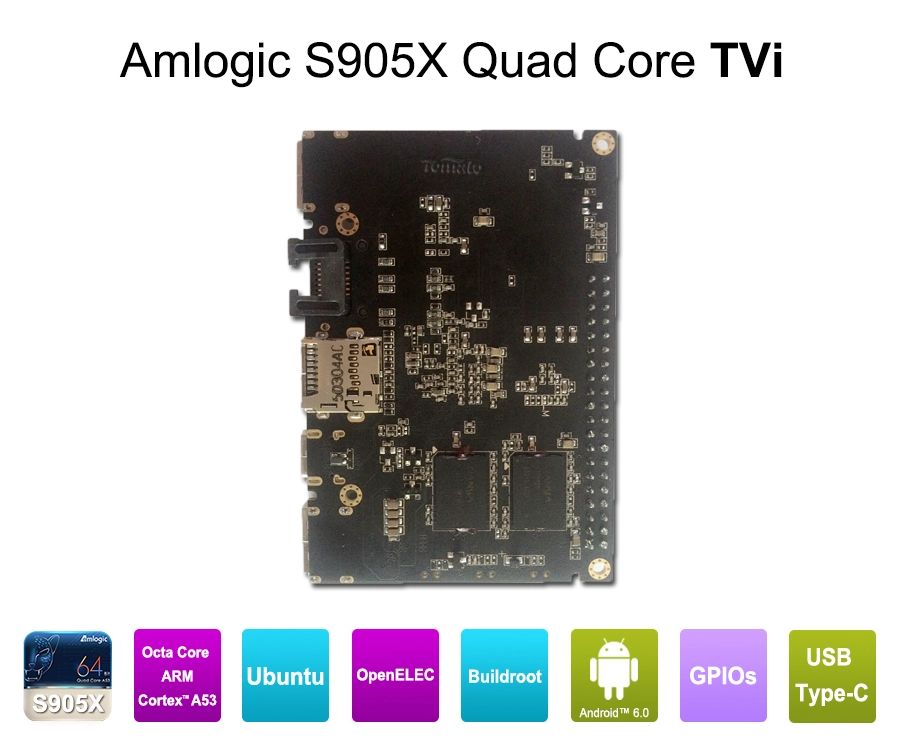
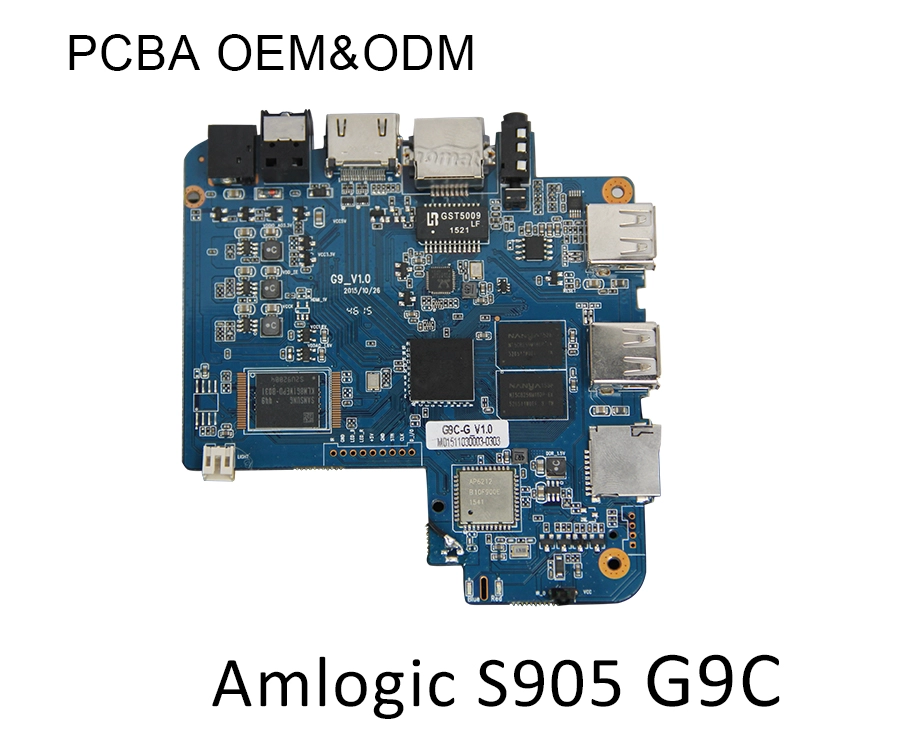
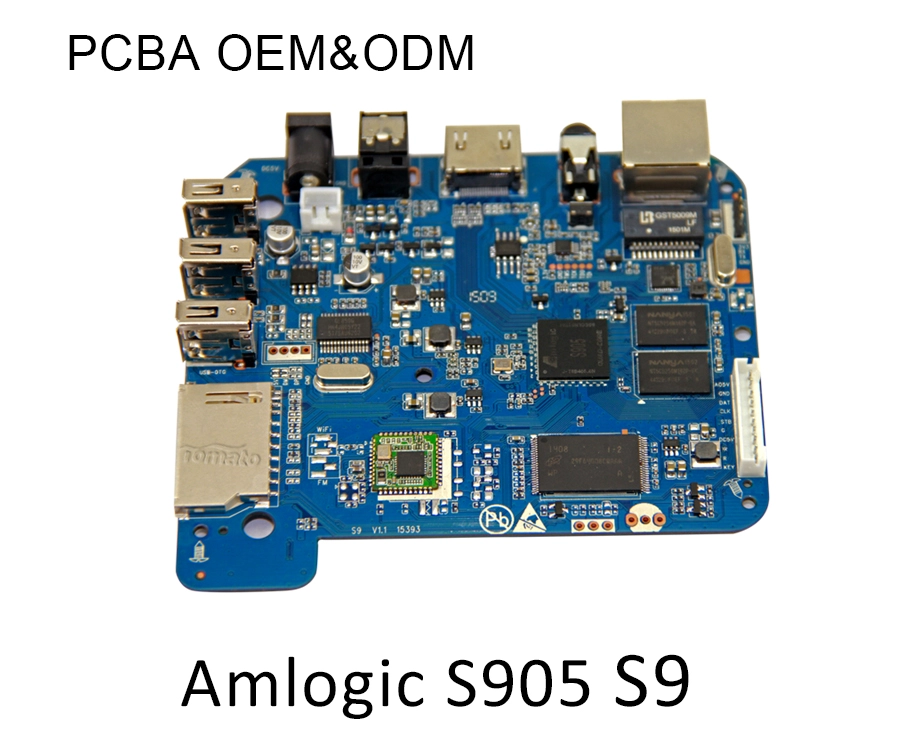
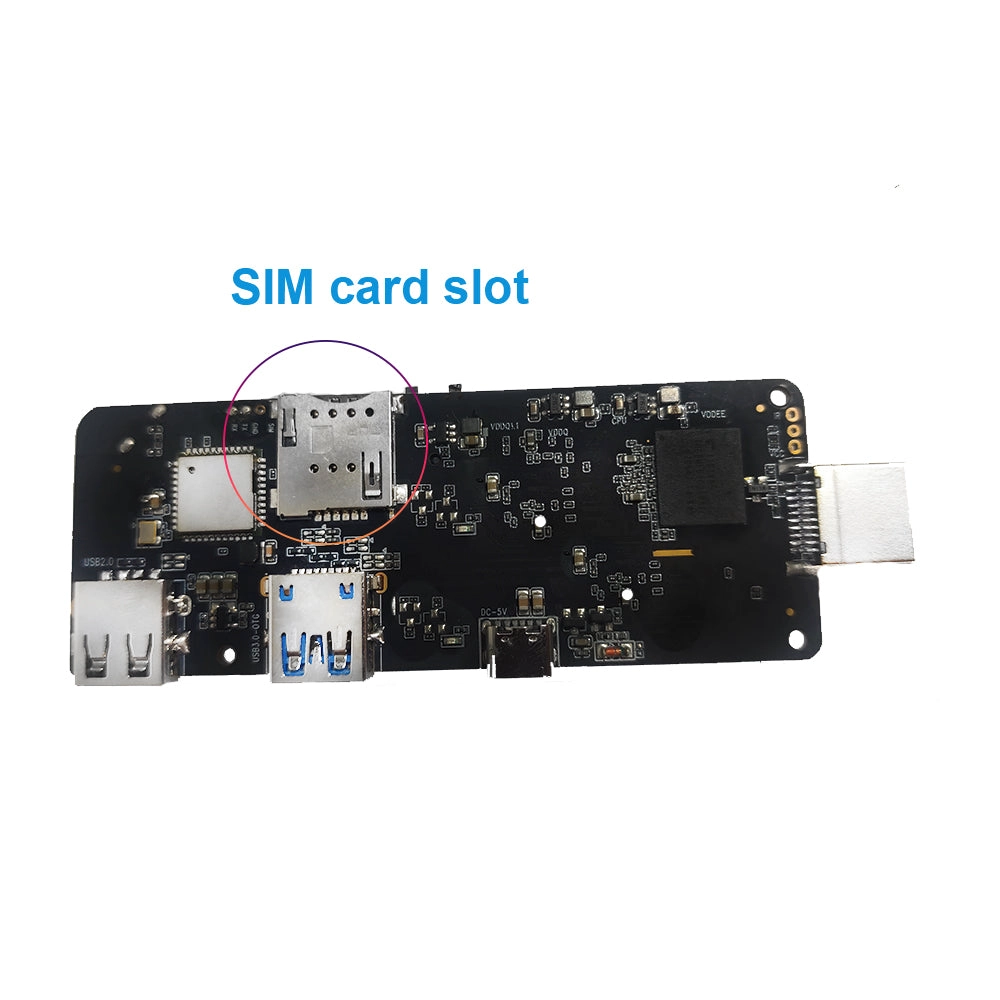
I/O Versatility: Need a Gigabit Ethernet port for high-density multicast streaming? Or perhaps a SIM card slot for 4G/5G off-grid digital signage? These physical requirements cannot be met by off-the-shelf Smart TVs. We redesign the PCBA (Printed Circuit Board Assembly) to include exactly the ports your project requires.
4. The Logistics of Brand Ownership
The final reason you need a dedicated TV Box is to own the physical touchpoint in the customer’s home or room.
-
White-Label Ecosystem: From the custom-molded housing and branded remote controls to the bespoke packaging design, the device serves as a 24/7 brand ambassador. By managing the hardware lifecycle through a partner like SZTomato, you avoid the "planned obsolescence" cycles of consumer electronics brands, maintaining a uniform fleet for years.
Conclusion: The Managed Endpoint
"Why would I need a TV Box?" Because you need a managed, reliable, and branded endpoint that you control—not a black-box OS inside a third-party television. External hardware is the only way to ensure bandwidth efficiency, security, and long-term ROI.
