
Energy-Efficient Android TV Box: Multi-Core CPU/GPU and Advanced Thermal Design
1. Why Multi-Core CPU and GPU Efficiency Matters in Android TV Box Design
The adoption of AV1 decoding, 4K HDR streaming, advanced graphical interfaces, and increasingly demanding Android applications has changed the way manufacturers evaluate Android TV Box hardware.
Processor performance alone is no longer an adequate selection criterion. A chipset must deliver sufficient computing capacity while maintaining predictable power consumption and operating temperatures.
CPU Architecture: Performance Per Watt Instead of Core Count
Most mainstream Android TV Box platforms use ARM-based multi-core processors. Cortex-A55 remains a practical architecture for mainstream streaming applications because it provides a balance between computing performance and power efficiency.
For B2B product development, CPU selection should consider:
-
Core architecture: ARM Cortex-A55, Cortex-A76, or newer generations, depending on application requirements.
-
Clock frequency: Higher frequencies can improve responsiveness but increase dynamic power consumption.
-
DVFS: Dynamic Voltage and Frequency Scaling adjusts CPU operating frequency and voltage according to workload.
-
Core scheduling: Android/Linux kernel scheduling should distribute workloads efficiently without unnecessarily activating high-performance resources.
-
Memory bandwidth: Insufficient memory bandwidth can increase processing latency and reduce overall system efficiency.
A quad-core Cortex-A55 platform may be sufficient for an IPTV terminal with standard 4K decoding, while an octa-core platform may be more appropriate for multitasking, AI processing, commercial applications, or complex graphical interfaces.
However, adding more CPU cores does not automatically improve energy efficiency. The important measurement is performance per watt under representative workloads.
GPU Architecture: Hardware Acceleration Reduces Unnecessary CPU Load
GPU selection is equally important.
An Android TV Box handles more than video playback. Its GPU processes Android UI rendering, animations, graphical transitions, OpenGL ES applications, and other visual workloads.
A properly matched GPU allows graphics operations to run independently of the CPU, reducing unnecessary processor utilization.
For commercial applications, engineering teams should evaluate:
-
OpenGL ES and Vulkan compatibility.
-
Hardware-accelerated video composition.
-
GPU frequency and voltage management.
-
Memory bandwidth requirements.
-
Rendering performance under sustained workloads.
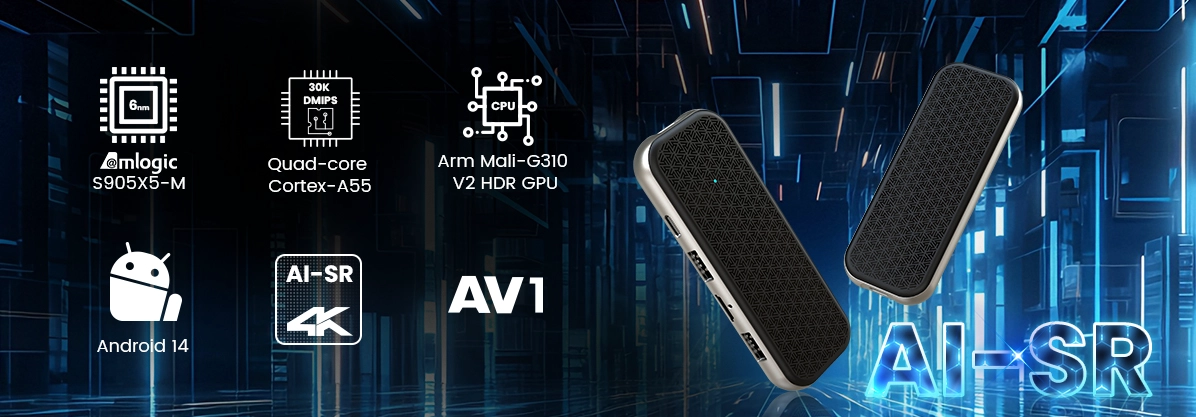
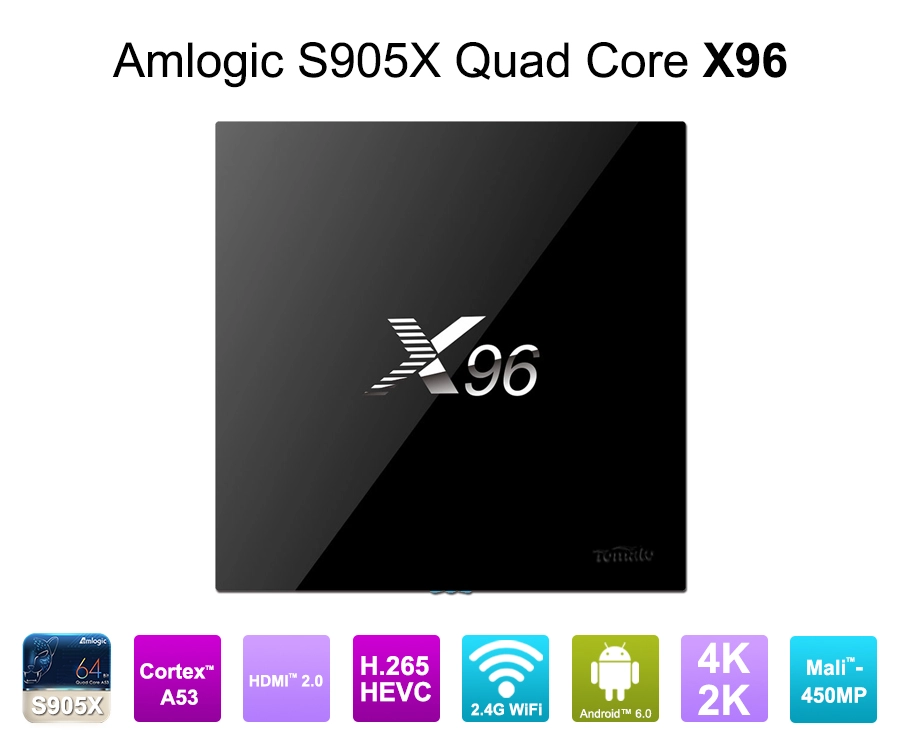
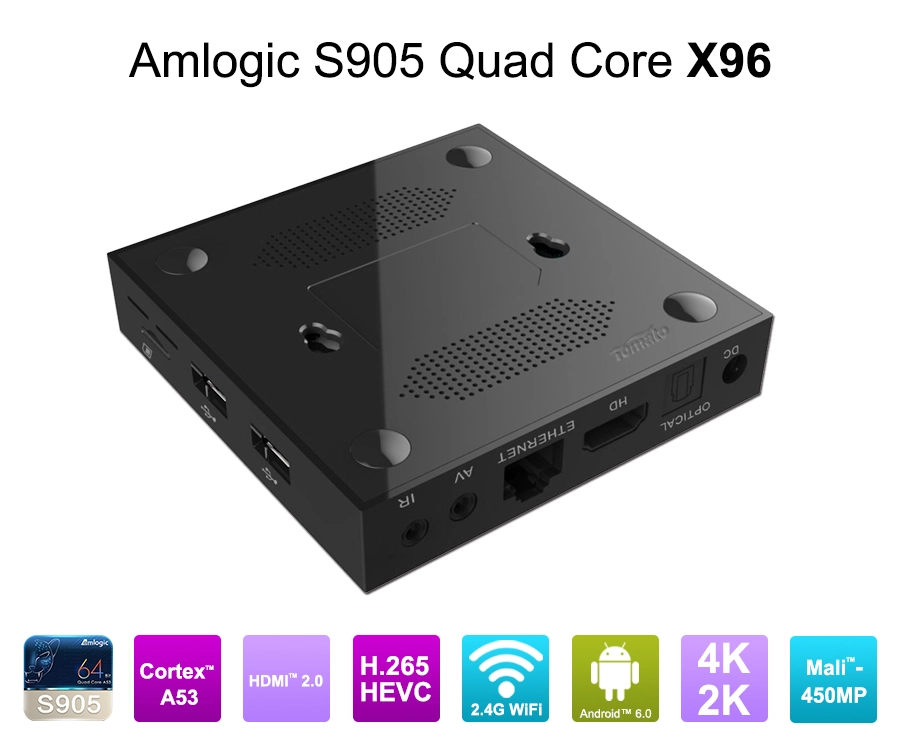
For example, SZTomato's Amlogic S905X5M TV Box platform combines a quad-core Cortex-A55 CPU with an ARM G310 V2 GPU, Android 14, and dedicated multimedia hardware acceleration. Its hardware configuration provides a reference for developing mainstream 4K streaming products.
The key engineering principle is straightforward: use dedicated hardware accelerators for video decoding and graphics processing wherever possible instead of relying on continuous CPU-intensive software processing.
AV1 and Dedicated Video Decoding
AV1 adoption is another important factor in modern Android TV Box development.
Compared with older video formats, AV1 can deliver improved compression efficiency in supported streaming environments. However, software decoding can impose significant CPU workloads.
A dedicated AV1 hardware decoder can reduce CPU involvement and improve energy efficiency during compatible video playback.
When evaluating an SoC, procurement and engineering teams should verify:
-
Whether AV1 decoding is implemented in dedicated hardware.
-
Supported resolution, frame rate, and bit depth.
-
HDR compatibility and video output capabilities.
-
Simultaneous decoding and graphical rendering performance.
-
Driver maturity and Android multimedia framework integration.
A chipset advertised as supporting 4K or 8K does not necessarily support every codec at the same resolution and frame rate. These capabilities must be checked against the actual SoC documentation.
2. Advanced Thermal Design: Controlling Heat Without Increasing Power Consumption
Thermal management directly affects the long-term reliability of an Android TV Box.
A compact enclosure creates a challenging environment for heat dissipation. The CPU, GPU, DDR memory, PMIC, Wi-Fi module, and power conversion components all contribute to the internal thermal load.
When operating temperatures increase, the processor may reduce its clock frequency through thermal throttling. This can result in unstable playback, delayed application responses, and inconsistent system performance.
For commercial deployments, thermal design should begin at the PCBA engineering stage rather than after the enclosure has been finalized.
PCBA Layout and Component Placement
A well-designed PCBA reduces unnecessary heat concentration and improves the thermal characteristics of the complete device.
Important considerations include:
-
SoC placement: Position the main processor to provide an effective thermal path toward the enclosure or heatsink.
-
Copper distribution: Use suitable copper layers and thermal vias to spread heat across the PCB.
-
Power management: Select appropriately rated DC-DC converters and optimize power delivery efficiency.
-
Component separation: Avoid concentrating high-heat components in a restricted area.
-
Airflow clearance: Maintain sufficient internal space for natural convection where the enclosure design permits it.
The PMIC and voltage regulation circuits deserve particular attention. Inefficient voltage conversion can generate unnecessary heat even when the CPU is operating at a moderate workload.
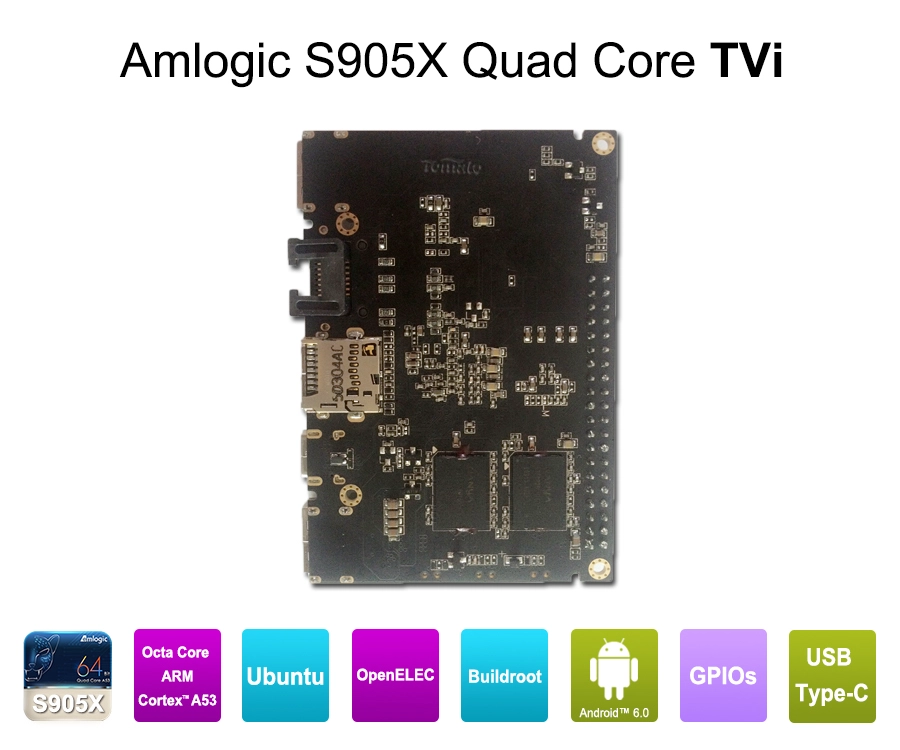
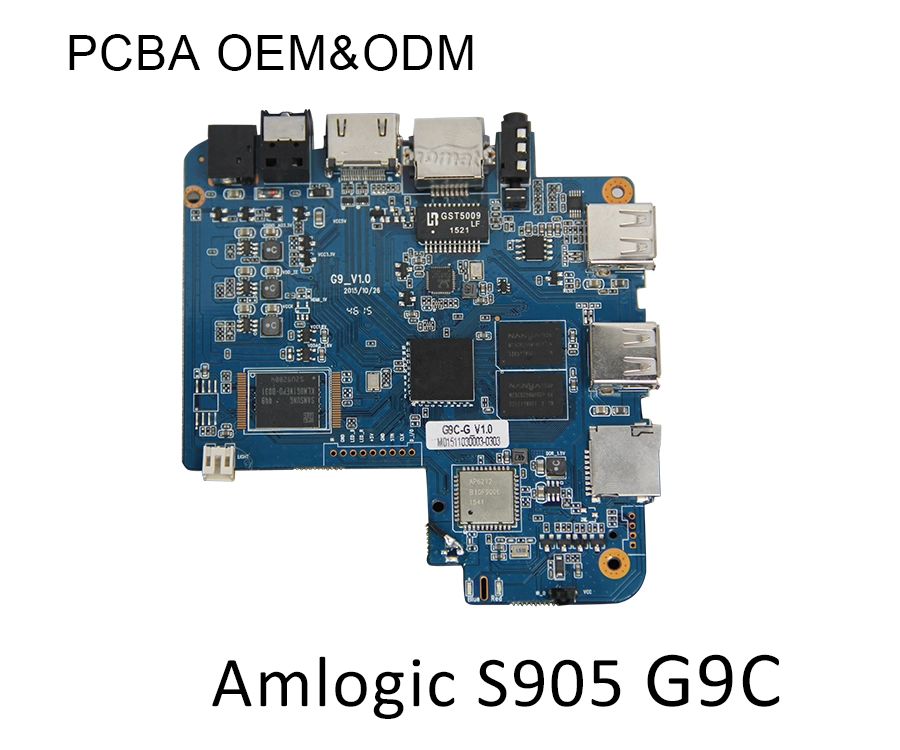
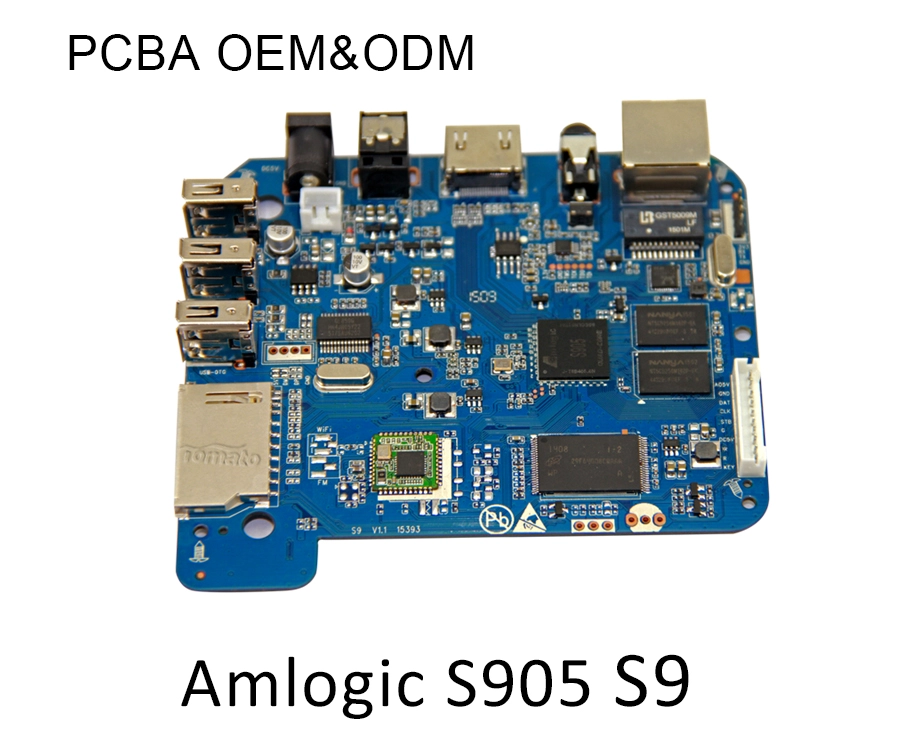
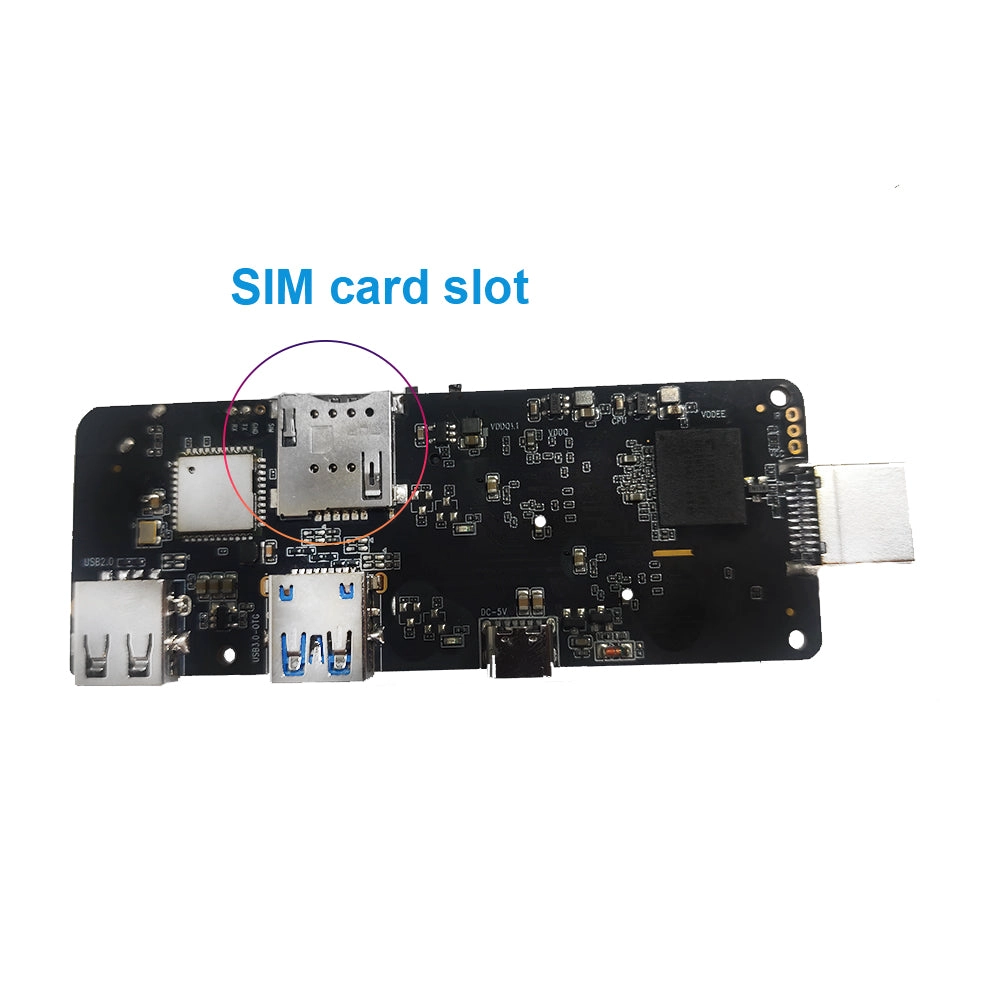
SZTomato supports PCBA hardware modification to address application-specific requirements, including component placement, power architecture adjustments, interface modifications, and thermal optimization.
Passive Cooling Versus Active Cooling
The appropriate cooling solution depends on processor power, enclosure dimensions, ambient temperature, installation orientation, and operating duration.
Passive Cooling
Aluminum heatsinks, thermal pads, conductive enclosures, and optimized PCB copper distribution transfer heat without fans.
Suitable for compact Android TV Box products, silent IPTV terminals, and low-maintenance installations.
Active Cooling
A controlled cooling fan increases airflow and supports higher sustained thermal loads.
Suitable for high-performance AI boxes, demanding multimedia applications, and industrial systems operating under elevated ambient temperatures.
Enclosure-Assisted Cooling
A metal enclosure can act as a heat-spreading structure when the internal thermal interface and mechanical design are properly engineered.
Particularly useful for specialized industrial and commercial Android hardware.
For many Android TV Box applications, passive cooling is preferable because it eliminates fan noise, reduces mechanical failure points, and simplifies maintenance.
However, passive cooling should not be treated as a universal solution. A high-performance processor inside a small plastic enclosure may require a different thermal architecture.
Thermal Testing Under Real Operating Conditions
A short boot test is insufficient to validate thermal performance.
Engineering teams should evaluate the device under sustained workloads, including:
-
Continuous 4K video decoding.
-
AV1 playback with HDR processing.
-
Simultaneous Wi-Fi or Ethernet data transmission.
-
CPU and GPU stress testing.
-
Multiple application workloads.
-
High ambient temperature operation.
The test should monitor SoC temperature, CPU/GPU frequency, power consumption, and thermal throttling events.
The objective is to maintain stable performance throughout the intended operating environment, not simply achieve a low temperature during idle operation.
SZTomato can develop specialized cooling solutions for industrial applications, adapting heatsinks, thermal interfaces, PCBA layouts, and enclosure structures to the customer's deployment requirements.
3. Firmware and Power Management: Turning Hardware Efficiency into System Efficiency
Even a well-selected SoC can consume unnecessary power when its firmware is poorly optimized.
Android TV Box energy efficiency depends on the interaction between hardware, operating system, drivers, applications, and power management policies.
For OEM/ODM projects, firmware engineering is therefore just as important as hardware selection.
Android/Linux Kernel Optimization
The kernel controls important hardware resources, including CPU frequency, GPU frequency, thermal sensors, memory, and peripheral power states.
Several optimization areas deserve attention:
CPU frequency scaling
DVFS policies should respond to actual system demand. During video playback, hardware decoding should handle the primary workload while CPU frequency remains at an appropriate operating level.
Idle-state management
Unused CPU cores and supported hardware blocks should enter appropriate low-power states when workloads permit.
GPU power management
GPU frequency scaling should reflect actual rendering demand rather than maintaining unnecessarily high performance levels.
Peripheral power management
Unused USB interfaces, wireless modules, and other peripherals should enter supported low-power states without disrupting essential system functions.
Thermal framework integration
Thermal sensors, kernel thermal zones, cooling devices, and frequency limits should work together to prevent overheating while minimizing unnecessary performance reductions.
These settings must be validated against the actual chipset BSP, kernel version, Android release, and peripheral drivers. Aggressive power limits can create playback stuttering or system instability.
Custom Firmware and UI/UX Optimization
The Android interface also affects system resource consumption.
Unnecessary background applications, animated elements, excessive polling, and poorly designed startup processes can increase CPU utilization and memory pressure.
For IPTV operators and commercial streaming brands, a customized firmware image can provide:
-
Removal of unnecessary preinstalled applications.
-
Optimized boot sequences.
-
Application-level resource management.
-
Customized launcher and UI/UX.
-
Controlled background service behavior.
-
OTA update management.
-
Device monitoring and remote maintenance.
SZTomato supports custom Android firmware development and UI/UX customization for OEM/ODM customers.
SDK/API integration is also available for projects requiring communication with IPTV middleware, device management platforms, content delivery systems, or third-party applications.
An OTA update system should include firmware version control, package verification, update recovery, and staged deployment where supported. This allows operators to maintain large device fleets without requiring unnecessary physical intervention.
HDMI, HDCP, and Multimedia Compatibility
Energy optimization must not compromise multimedia functionality.
An Android TV Box designed for premium streaming applications may require HDMI 2.1 interfaces, HDCP encryption support, HDR processing, audio passthrough, and secure video decoding.
These functions require proper integration across the SoC, firmware, drivers, and licensed software components.
For example, HDCP authentication and protected video playback must be validated alongside normal playback performance. A power management configuration that disrupts HDMI synchronization or protected playback is not an acceptable optimization.
The engineering target is a balanced platform that maintains multimedia compatibility, stable connectivity, and predictable power consumption.
4. Market Trends and How to Select an Energy-Efficient Android TV Box for B2B Projects
Energy-efficient Android TV Box development is increasingly driven by deployment requirements rather than processor specifications alone.
Different markets have different performance, maintenance, and operating-cost expectations. A device designed for residential IPTV distribution does not necessarily meet the requirements of a hotel television network, digital signage deployment, or industrial multimedia system.
Three Important Development Trends
Trend 1: Higher Multimedia Performance with Controlled Power Consumption
AV1, HEVC, VP9, 4K HDR, and increasingly demanding multimedia interfaces are influencing SoC selection.
Manufacturers are moving toward platforms with dedicated multimedia engines, improved CPU architectures, and more efficient GPU processing.
The objective is to increase decoding and rendering capabilities without proportionally increasing system power consumption.
Trend 2: Fanless Industrial Android TV Box Solutions
Commercial and industrial customers increasingly prioritize silent operation, reduced maintenance, and long-term stability.
Fanless designs with optimized PCBA layouts, aluminum heatsinks, thermal pads, and enclosure-assisted heat dissipation are particularly relevant for:
-
Hotel IPTV systems.
-
Digital signage networks.
-
Hospital information displays.
-
Education and conference room systems.
-
Telecom operator deployments.
-
Industrial multimedia terminals.
The thermal design must account for installation conditions, including restricted ventilation, continuous operation, and elevated ambient temperatures.
Trend 3: Energy Management and Regulatory Considerations
Energy consumption is becoming an important part of international product development and procurement.
For products within its applicable scope, EU Regulation 2023/826 establishes ecodesign requirements covering off mode, standby mode, and networked standby consumption. Manufacturers targeting European markets should assess the product's regulatory classification and applicable test requirements during the design stage.
EUR-Lex+1
For Android TV Box manufacturers, this makes standby behavior, wireless connectivity management, and automatic low-power transitions important firmware considerations.
Android TV Box Selection Framework for Procurement Managers
The following framework helps B2B buyers evaluate hardware platforms before committing to mass production.
|
Evaluation Area |
Recommended Considerations |
|---|---|
|
CPU |
Architecture, core count, DVFS, sustained performance |
|
GPU |
Graphics API support, rendering efficiency, frequency scaling |
|
Video Decoder |
AV1, HEVC, VP9, 4K/8K resolution support |
|
Memory |
DDR4/DDR5 or LPDDR4/LPDDR5, capacity, bandwidth |
|
Storage |
eMMC performance, capacity, firmware requirements |
|
Thermal Design |
Heatsink, thermal pads, PCBA layout, enclosure |
|
Firmware |
Android/Linux version, kernel optimization, OTA |
|
Connectivity |
Wi-Fi, Bluetooth, Ethernet, USB, HDMI |
|
Security |
Secure boot, HDCP, DRM integration where required |
|
Reliability |
Thermal testing, long-duration operation, production QC |
Three practical questions should be answered before selecting a platform:
-
What is the actual processing workload? A standard IPTV terminal does not require the same CPU/GPU configuration as an AI-enabled multimedia device.
-
What are the operating conditions? Enclosure dimensions, ambient temperature, ventilation, and continuous operation determine thermal requirements.
-
What level of customization is necessary? Firmware modification, SDK/API integration, additional interfaces, and branding requirements can influence the entire PCBA architecture.
A lower-cost SoC is not necessarily the most economical solution if it requires additional cooling, creates performance bottlenecks, or increases after-sales maintenance.
Likewise, selecting an unnecessarily powerful chipset increases hardware costs without necessarily improving the end-user experience.
The correct approach is to match the hardware architecture to the application workload and expected product lifecycle.
Why Choose SZTomato for Energy-Efficient Android TV Box OEM/ODM Development?
Developing an energy-efficient Android TV Box requires coordination between semiconductor selection, hardware engineering, thermal management, and firmware optimization.
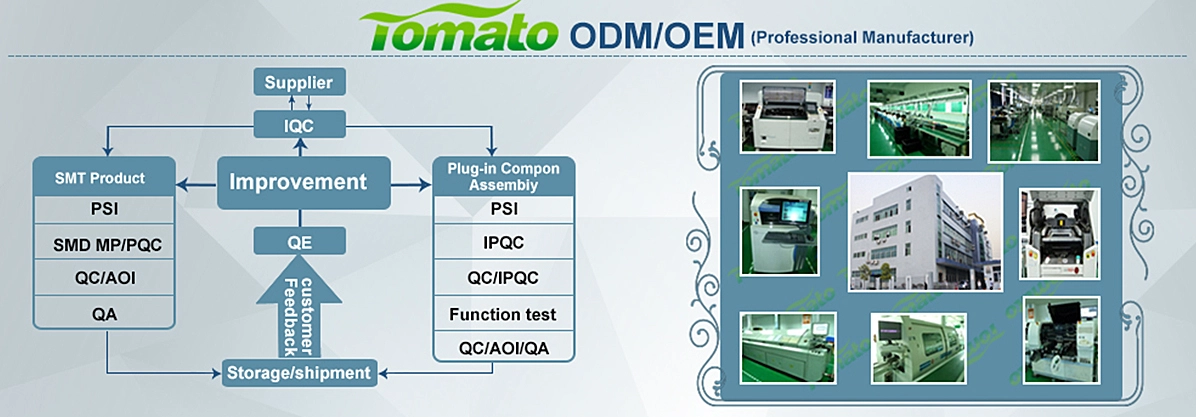
Since 2011, SZTomato has focused on Android TV Box, Smart TV Box, IPTV Set-Top Box, Digital Signage, and AI multimedia hardware manufacturing.
As an OEM/ODM manufacturer based in Shenzhen, China, SZTomato provides engineering support beyond standard product assembly.
Our customization capabilities include:
1. PCBA Hardware Modification
-
Customized motherboard architecture.
-
Component selection and placement optimization.
-
Power supply circuit adjustments.
-
Interface expansion and modification.
-
Thermal layout optimization.
2. Specialized Thermal Solutions
-
Passive heatsink design.
-
Thermal pad and interface material selection.
-
Aluminum enclosure integration.
-
Customized cooling solutions for industrial applications.
-
Thermal validation for sustained workloads.
3. Firmware and Software Engineering
-
Android firmware customization.
-
Linux/Android kernel optimization.
-
Customized launcher and UI/UX development.
-
SDK/API integration.
-
OTA update system development.
-
Application and peripheral compatibility testing.
4. OEM/ODM Manufacturing Support
-
Hardware platform evaluation.
-
Engineering sample development.
-
Prototype verification.
-
Multi-stage quality control.
-
Production customization and project coordination.
Whether the project requires a low-power 4K IPTV terminal, a fanless commercial streaming device, or a high-performance Android multimedia platform, SZTomato can help align the hardware and software architecture with the intended application.
Conclusion: Build an Android TV Box That Balances Performance, Power, and Reliability
Energy efficiency in an Android TV Box is not determined by CPU core count or processor power consumption alone.
It is the result of coordinated engineering across SoC selection, GPU acceleration, PCBA design, voltage regulation, thermal management, and firmware optimization.
For B2B procurement managers, IPTV operators, brand owners, and system integrators, these factors directly influence product reliability, operating costs, maintenance requirements, and long-term customer satisfaction.
Choosing an experienced OEM/ODM manufacturing partner at the early development stage can prevent costly hardware redesigns and firmware compatibility problems later in the product lifecycle.
SZTomato provides customized Android TV Box hardware, PCBA modification, firmware engineering, SDK/API integration, and specialized thermal solutions for global B2B customers.
Contact SZTomato at www.sztomato.com to discuss your next Android TV Box OEM/ODM project, request engineering support, or develop a customized energy-efficient streaming platform.
