
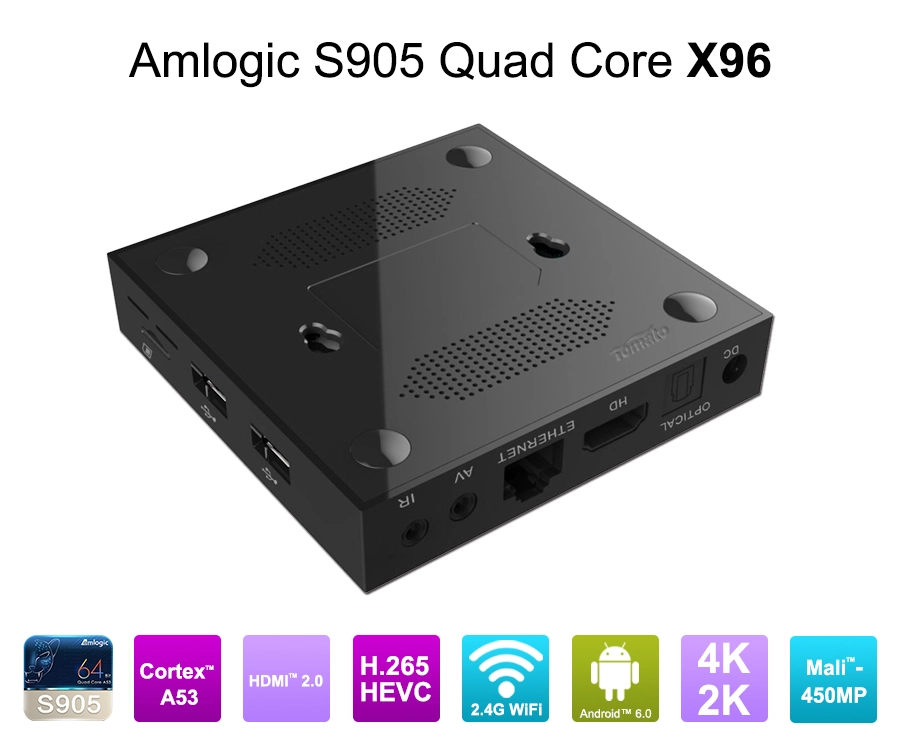
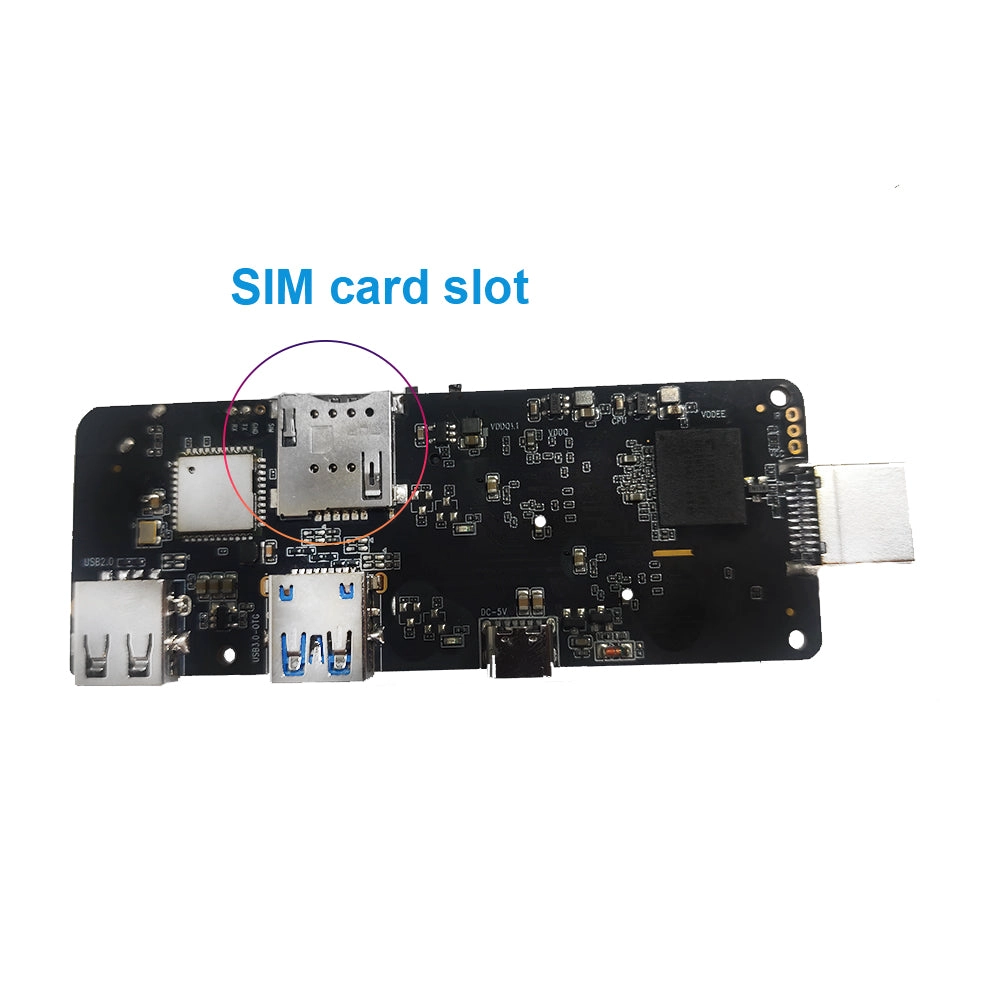
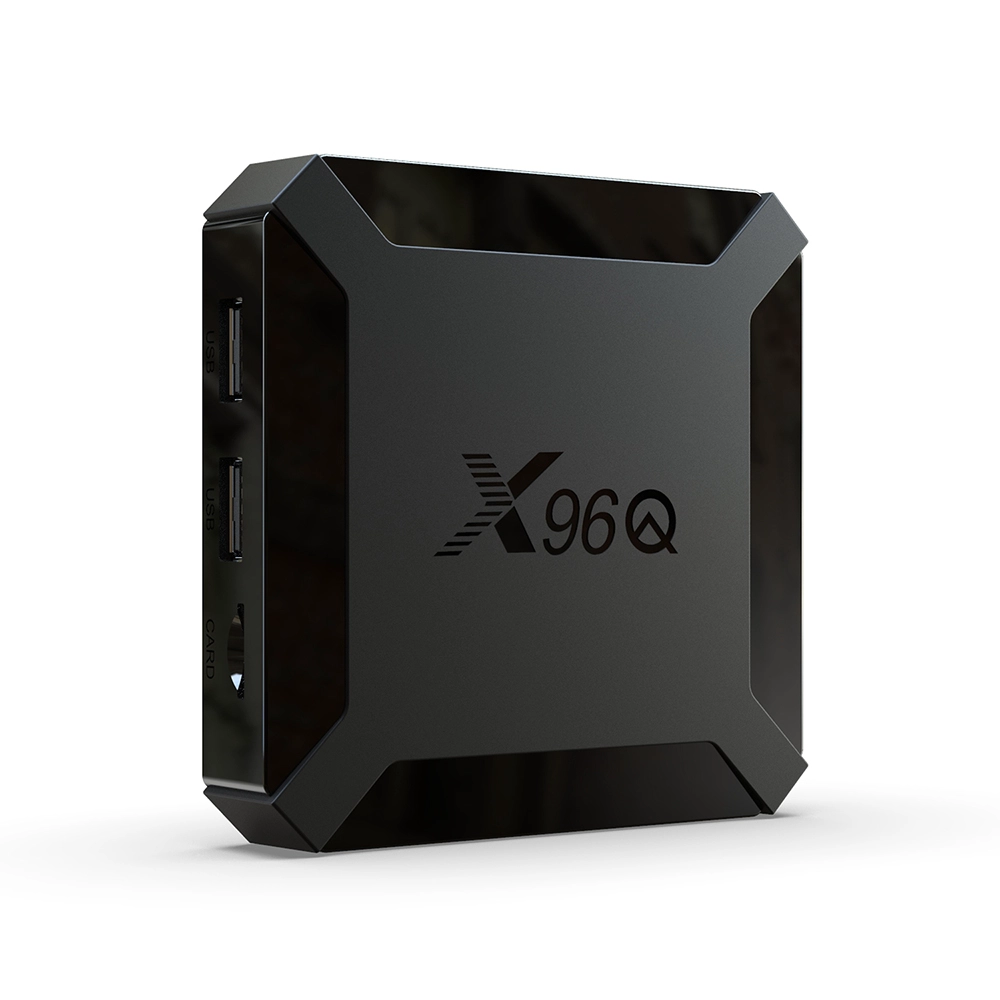
Leading Android TV Box Supplier for Global Telecommunication Brands
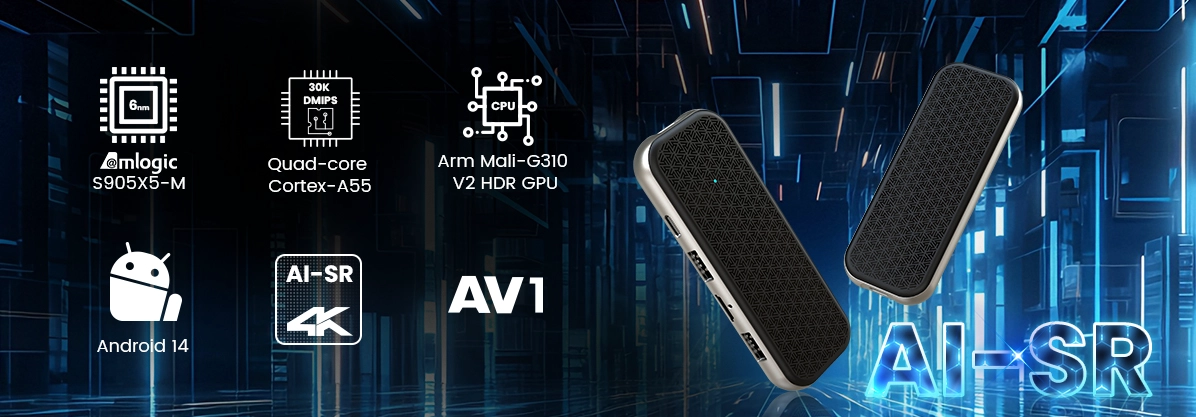
The mandatory transition from HEVC (H.265) to royalty-free AV1 hardware decoding across Tier-1 streaming platforms has rendered legacy set-top boxes obsolete for telecommunications operators. Delivering 4K HDR10+ streams at 30% lower bitrates requires next-generation silicon—specifically architectures like the Amlogic S905X4, S905X5M, and Rockchip RK3576—paired with tightly coupled hardware and firmware engineering.
For telecom procurement teams and system integrators, sourcing generic, retail-grade hardware creates immediate operational liabilities: unauthorized root access, uncertified Widevine DRM keys, thermal throttling during 24/7 operation, and fragmented over-the-air (OTA) update pipelines. As an engineering-led Android TV Box OEM/ODM supplier, SZTomato eliminates these failure points by modifying hardware at the PCBA level and compiling custom Android/Linux kernels tailored to carrier network topologies.
Solving the Carrier Deployment Bottleneck: Why Retail Hardware Fails
Consumer-grade streaming boxes are built for intermittent home use and open app ecosystems. When a regional ISP or national telecom carrier deploys 100,000+ units as managed Customer Premises Equipment (CPE), standard consumer designs fail across three critical vectors:
-
DRM and Conditional Access Vulnerabilities: Commercial IPTV and OTT bundles require hardware-backed Google Widevine Level 1, Microsoft PlayReady, and HDCP 2.3 compliance. Generic white-label boxes frequently rely on compromised or shared keyboxes that get revoked, causing immediate blackouts of premium content.
-
Thermal Throttling Under Continuous Load: Telecom set-top boxes often operate inside enclosed entertainment cabinets or commercial digital signage enclosures. Standard plastic housings with minimal stamped-aluminum heatsinks cause the System-on-Chip (SoC) to exceed 85°C, triggering clock-speed throttling, frame drops, and premature eMMC flash degradation.
-
Uncontrolled Operating System Overhead: Stock Android builds carry consumer bloatware, background telemetry, and unoptimized memory management that consume up to 40% of available DDR4/LPDDR4X RAM before the carrier's middleware even launches.
Hardware-Level Customization: PCBA Modification and Thermal Engineering
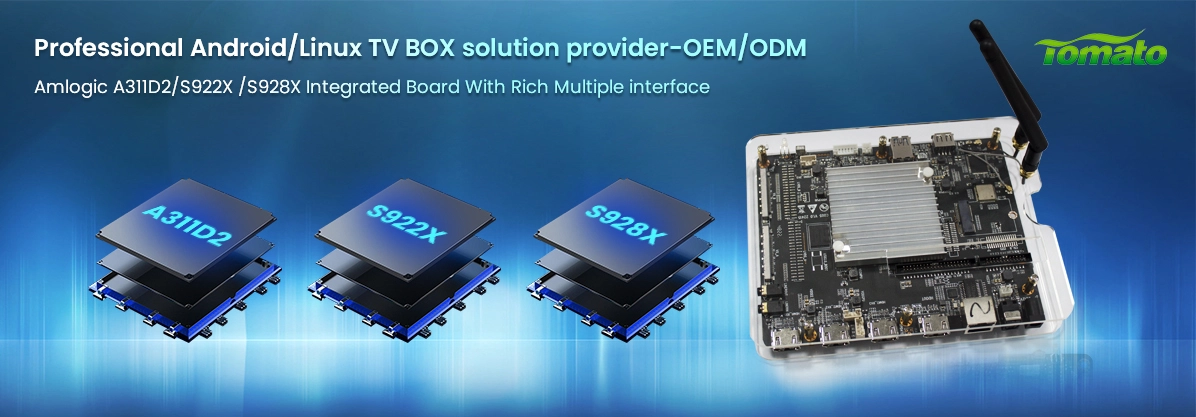
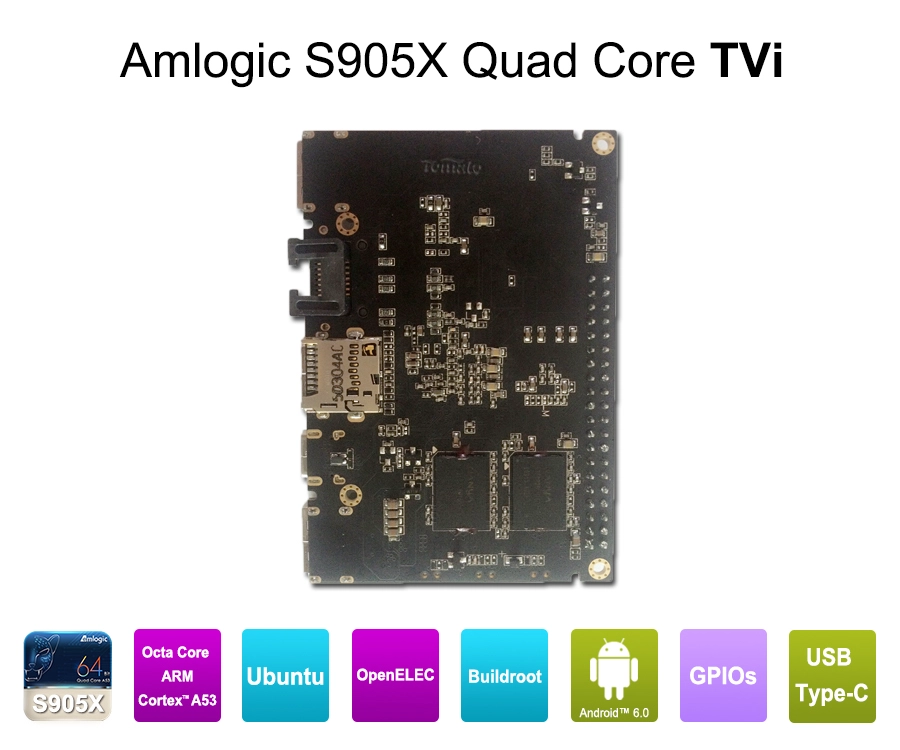
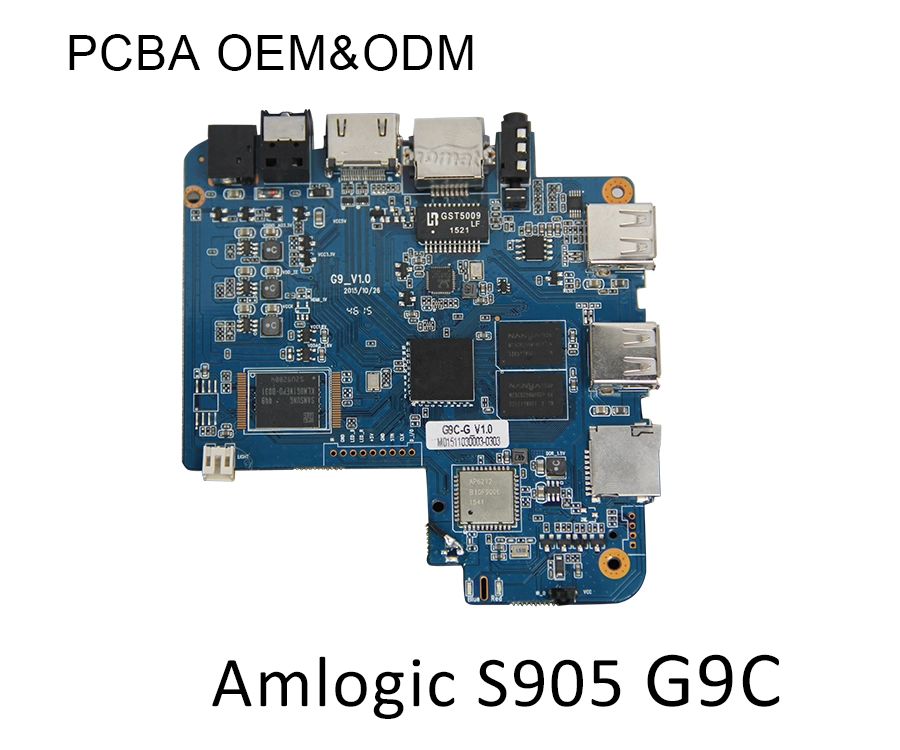
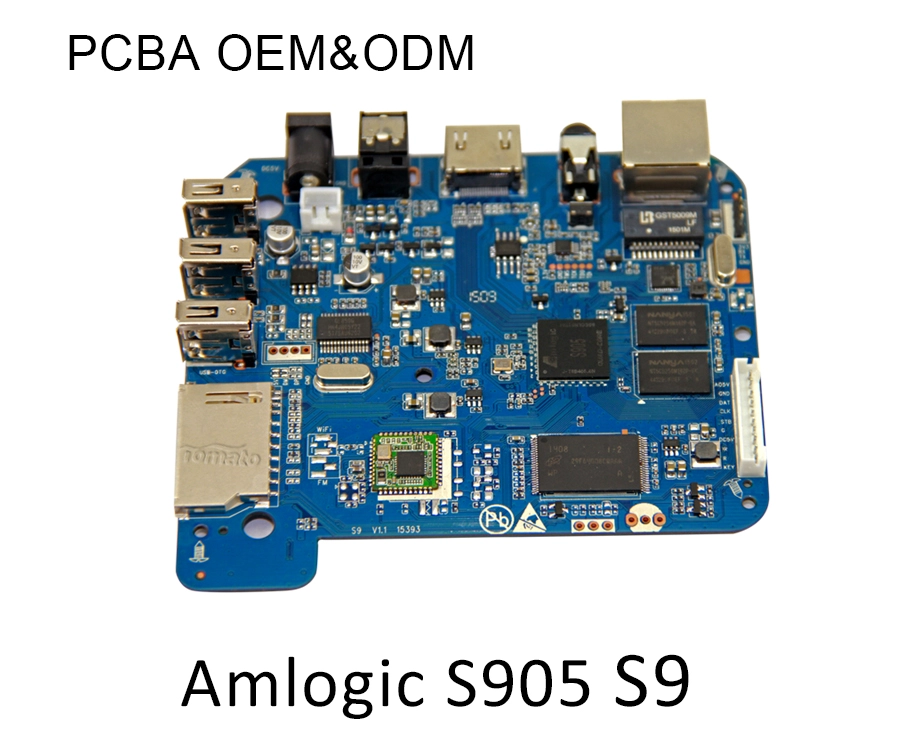
True ODM partnership begins at the schematic and Printed Circuit Board Assembly (PCBA) stage rather than exterior silk-screening. SZTomato’s hardware engineering team modifies board layouts to align strictly with a telecom operator's Bill of Materials (BOM) targets and regional infrastructure requirements.
| Engineering Layer | Standard Retail Android TV Box | SZTomato Telecom OEM/ODM Architecture |
| PCBA & I/O Layout | Fixed consumer ports (USB 2.0, 100M Ethernet) | Custom PCB routing: Gigabit RJ45, PoE modules, RS232, dual-band 2T2R Wi-Fi 6/6E, optical SPDIF |
| Thermal Management | Basic adhesive heatsink; passive venting | CNC-machined extruded aluminum heatsinks, high-conductivity thermal pads, custom airflow chassis |
| Memory & Storage | Consumer-grade eMMC with standard wear | Industrial-grade eMMC 5.1 with enhanced wear-leveling, configurable 2GB–8GB LPDDR4/LPDDR4X |
| Power Architecture | Standard 5V/2A barrel jack | Wide-voltage DC input (5V–12V), surge protection, hardware watchdog timers for auto-recovery |
For deployments in high-ambient-temperature regions or hybrid IPTV/digital signage rollouts, SZTomato implements specialized cooling solutions—including copper heat-pipe assemblies and ventilated aluminum alloy enclosures—ensuring sustained CPU/GPU boost clocks without acoustic fan noise or hardware failure.
Firmware-Level Engineering: Kernel Optimization, SDK Integration, and OTA Control
Hardware reliability is meaningless if the software stack cannot integrate seamlessly with a carrier's backend infrastructure. SZTomato maintains full source-code access across Android Open Source Project (AOSP), Android TV (Operator Tier), and embedded Buildroot/Yocto Linux distributions.
Deep Linux/Android Kernel Optimization
SZTomato engineers strip non-essential system services at the kernel level to achieve sub-12-second cold boot times. Custom device tree overlays (DTS) ensure deterministic hardware initialization, while hardware watchdog timers automatically reboot the system if a third-party middleware process hangs.
Custom UI/UX Firmware and Middleware SDK/API Integration
Rather than forcing subscribers to navigate a standard grid of consumer icons, SZTomato compiles custom UI/UX firmware that boots directly into the operator's proprietary launcher or Electronic Program Guide (EPG). Full SDK and API integration allows telecom software teams to control low-level hardware functions programmatically, including:
-
Locking out unauthorized APK sideloading and ADB debugging in production builds.
-
Mapping custom infrared (IR) and Bluetooth Low Energy (BLE) voice remote buttons directly to operator VOD portals.
-
Pre-provisioning TR-069 / TR-369 (USP) remote management agents for real-time network diagnostics and QoS monitoring.
Carrier-Grade OTA Update Systems
Managing a dispersed fleet of set-top boxes requires surgical firmware deployment. SZTomato provides dedicated, private OTA update systems hosted on regional cloud infrastructure. Operators can execute phased rollouts by MAC address range, hardware revision, or geographic region, complete with automated rollback protocols if an update fails checksum verification.
Initiate Your Custom CPE Hardware Roadmap
For B2B procurement managers, telecom product directors, and system integrators, transitioning from off-the-shelf sourcing to a custom OEM/ODM architecture reduces total cost of ownership (TCO) and eliminates post-deployment RMA spikes.
Consult directly with SZTomato’s hardware and firmware engineering teams to review schematics, request evaluation samples with custom kernel builds, or submit your BOM specifications for a tailored manufacturing quote at www.sztomato.com.
