
ARM Android Mini PC vs x86 Mini PC
ARM Android Mini PC vs x86: Strategic Hardware Selection for Industrial Edge Networks
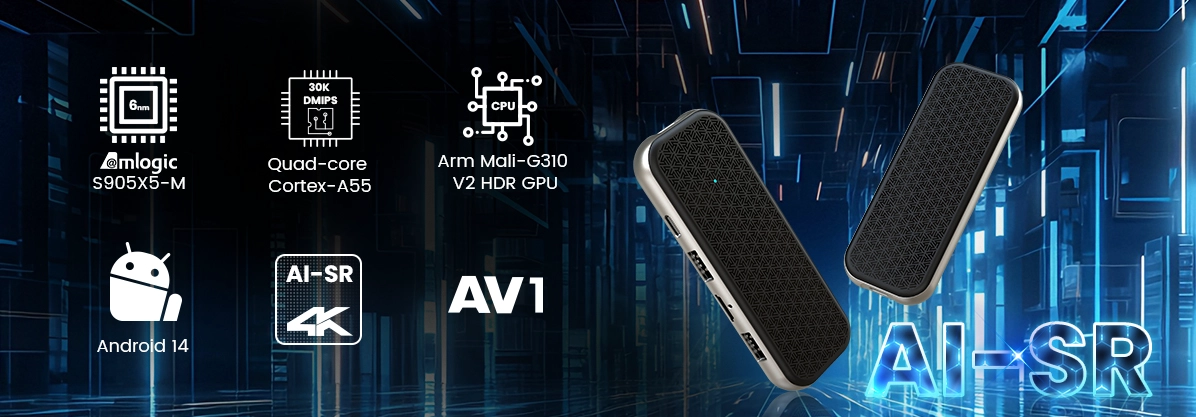
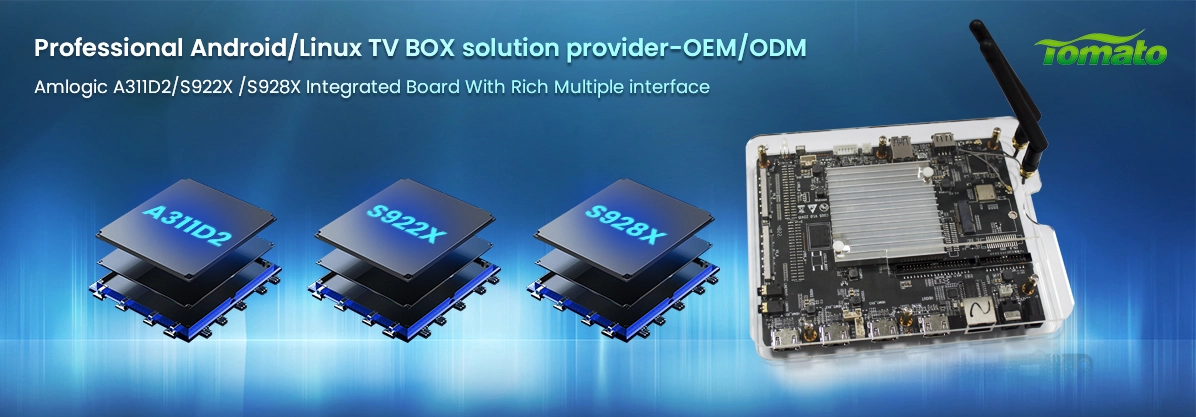
The dominance of x86 architecture in commercial computing is facing a significant challenge from the latest generation of ARM-based System-on-Chips (SoCs). With the introduction of the Amlogic S928X and Rockchip RK3588, the performance-per-watt ratio has shifted, allowing ARM-based Android Mini PCs to handle workloads—such as 8K AV1 decoding and local AI inferencing—that previously necessitated power-hungry Intel or AMD processors.
For B2B system integrators and procurement managers, the debate is no longer about raw computational power but about architectural flexibility, thermal reliability, and long-term TCO. Unlike the standardized, often "black box" nature of x86 hardware, ARM-based platforms allow for deep-level OEM/ODM engineering, from PCBA layout redesign to kernel-level OS hardening.
Thermal Efficiency and the Fanless Imperative
A primary failure point for x86 Mini PCs in industrial environments is the reliance on active cooling. Even low-power Intel Core-i series chips generate significant TDP (Thermal Design Power), requiring fans that inevitably fail in high-dust retail or manufacturing settings.
ARM-based Android Mini PCs operate with significantly higher thermal efficiency. At SZTomato, we leverage this inherent advantage through specialized cooling solutions:
-
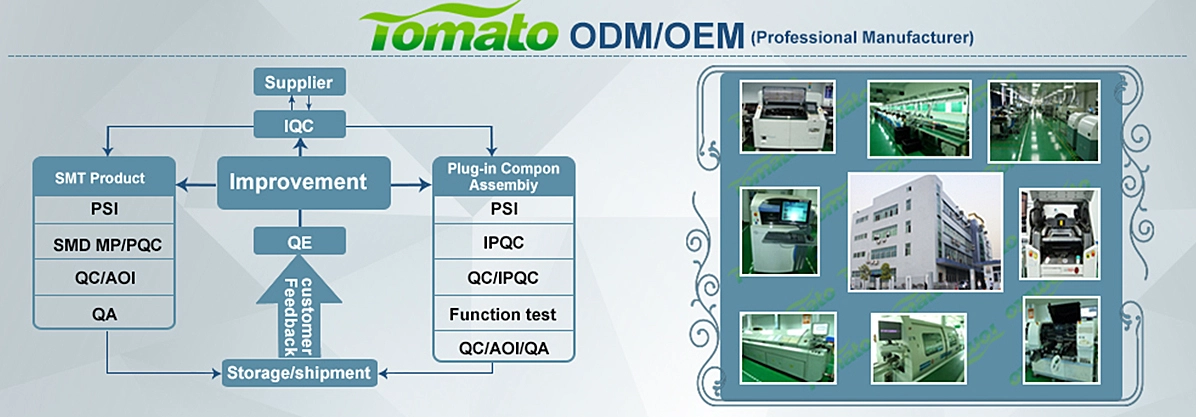
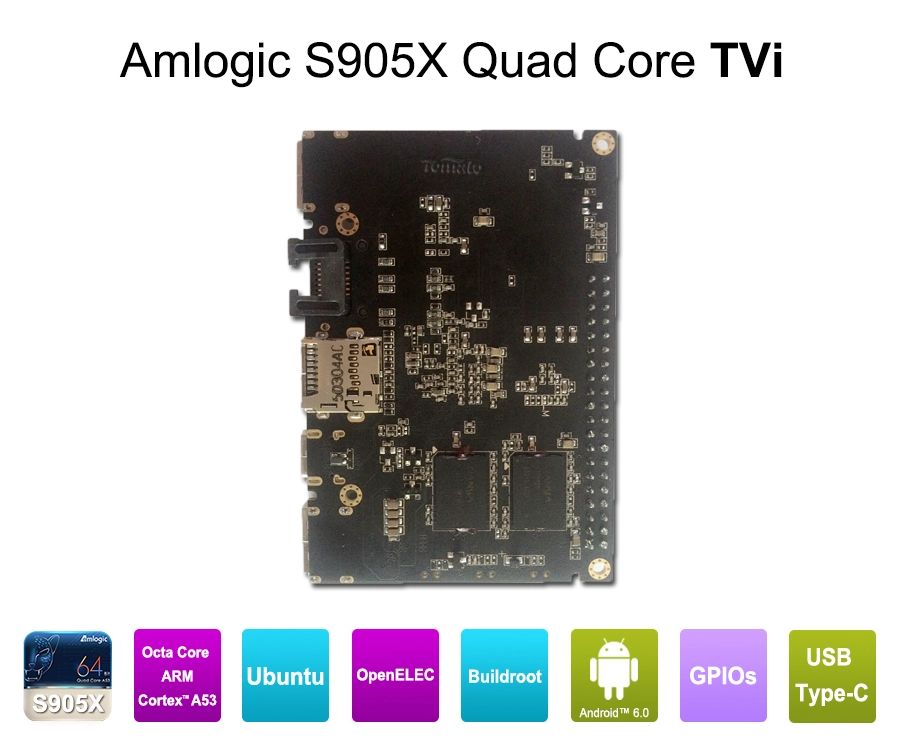
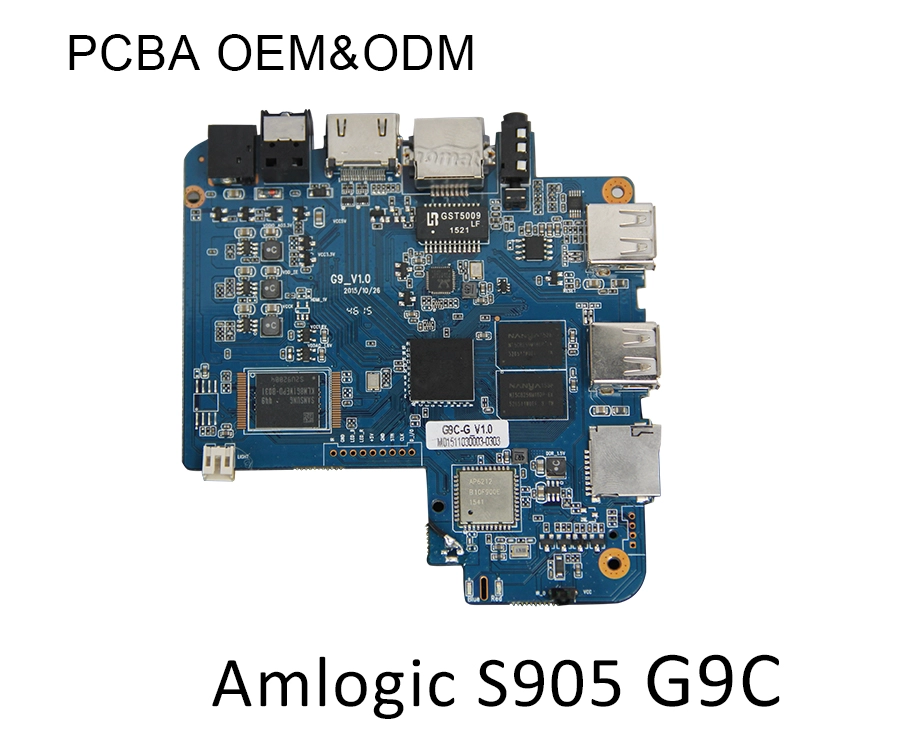
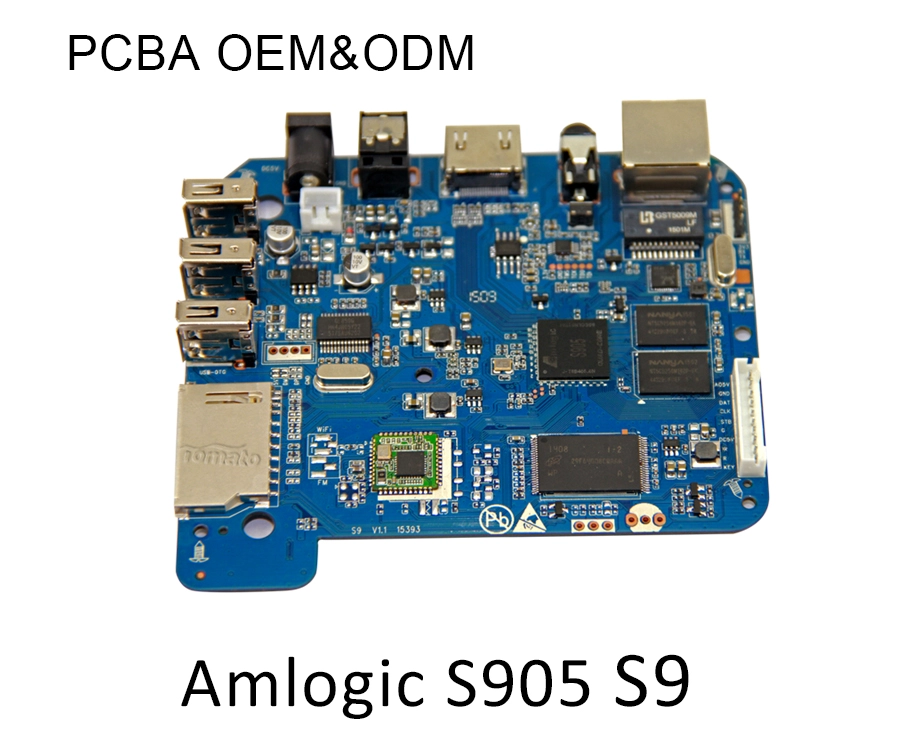
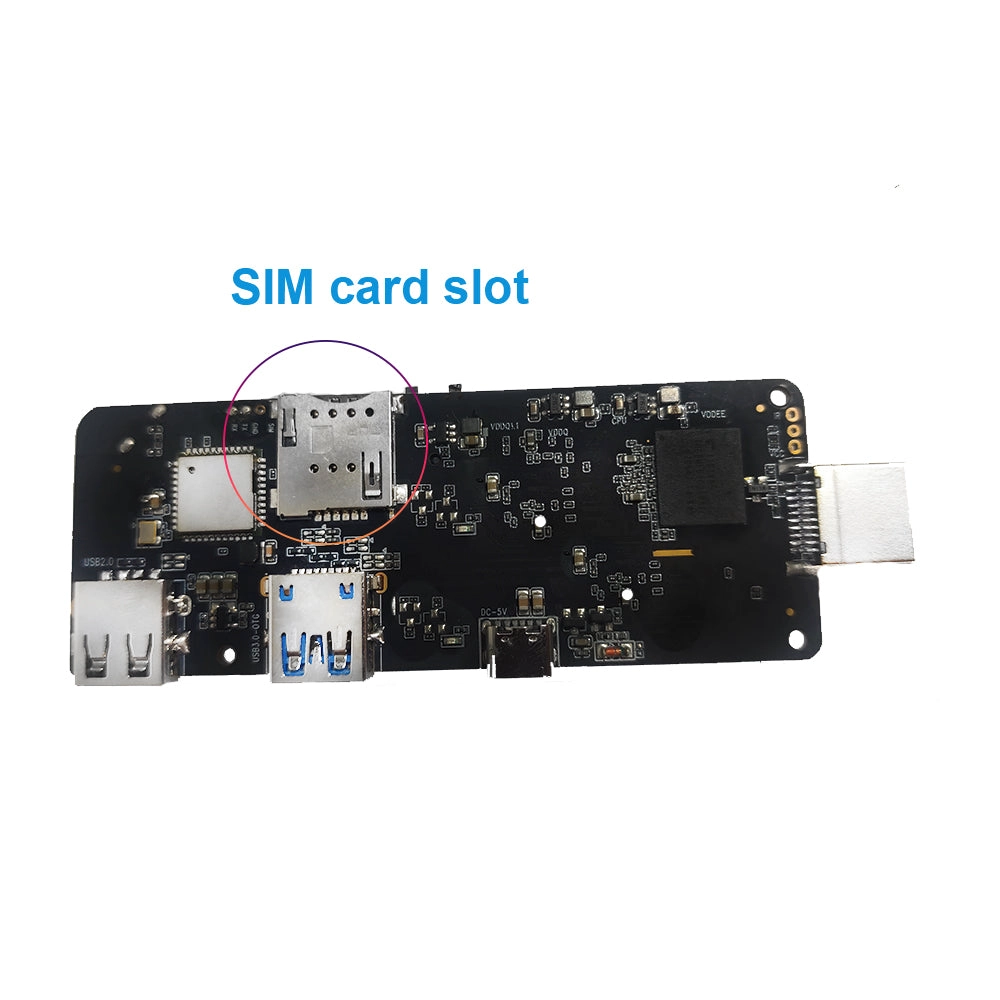
Passive Thermal Engineering: We redesign the PCBA to mount high-heat components directly against CNC-machined aluminum housings, effectively turning the entire chassis into a heat sink.
-
Component Topography: By optimizing the PCBA layout, we isolate the PMIC (Power Management IC) from the SoC, preventing cumulative heat buildup that leads to the clock-speed throttling common in x86 NUCs.
-
Industrial MTBF: Eliminating moving parts (fans) allows our hardware to achieve a significantly higher MTBF (Mean Time Between Failures), essential for 24/7 uptime in remote deployments.
Software Sovereignty: Kernel Optimization vs. OS Bloat
The "hidden cost" of x86 architecture is often the operating system. Windows IoT licenses add significant per-unit costs, and while Linux is an option, driver support for specialized x86 hardware can be fragmented.
Conversely, our Android Mini PC OEM model provides full software sovereignty through Linux/Android kernel optimization:
-
Bloatware Removal: We strip the Android OS of all consumer-facing services, background telemetry, and non-essential frameworks, dedicating 100% of the SoC’s hardware resources to your application.
-
SDK/API Integration: We provide integrators with deep-level SDK access, allowing for hardware-level control over HDMI CEC, GPIO pins, and watchdog timers—features that are often locked behind proprietary BIOS settings in x86 systems.
-
Locked-Down UI/UX: Our firmware engineering team builds custom launchers that boot directly into your APK, preventing end-user interference and maintaining a secure, branded appliance environment.
TCO and Scalability: The Power of Custom OTA Systems
In large-scale rollouts, the initial hardware cost is secondary to the cost of maintenance. x86 systems often require complex, third-party mobile device management (MDM) software that adds recurring subscription fees.
ARM architecture, when paired with SZTomato’s proprietary OTA (Over-The-Air) update systems, offers a more scalable solution. We provide:
-
Private Update Servers: You maintain control over firmware versions, pushing security patches or application updates globally without relying on Google Play services or expensive x86 management suites.
-
Security & Encryption: Our builds support HDCP encryption and Widevine L1, ensuring that even as you scale your network, your content and data remain compliant with enterprise security standards.
-
Lower Power Draw: At scale, the 5W–15W draw of an ARM-based Mini PC versus the 35W–65W draw of an x86 equivalent results in massive energy savings for high-density deployments like digital signage walls.
Conclusion: Making the Architectural Pivot
While x86 remains relevant for high-performance legacy desktop applications, the ARM-based Android Mini PC has become the superior choice for dedicated edge appliances. The combination of hardware-level PCBA customization, superior thermal management, and the ability to deploy hardened, optimized firmware provides a level of control and reliability that off-the-shelf x86 hardware cannot match.
For procurement managers and system integrators focused on minimizing RMAs and maximizing uptime, the shift to custom ARM architecture is a strategic necessity.
Ready to transition your network? Contact the SZTomato engineering team today to discuss your specific PCBA requirements and request customized hardware samples optimized for your enterprise software stack.
